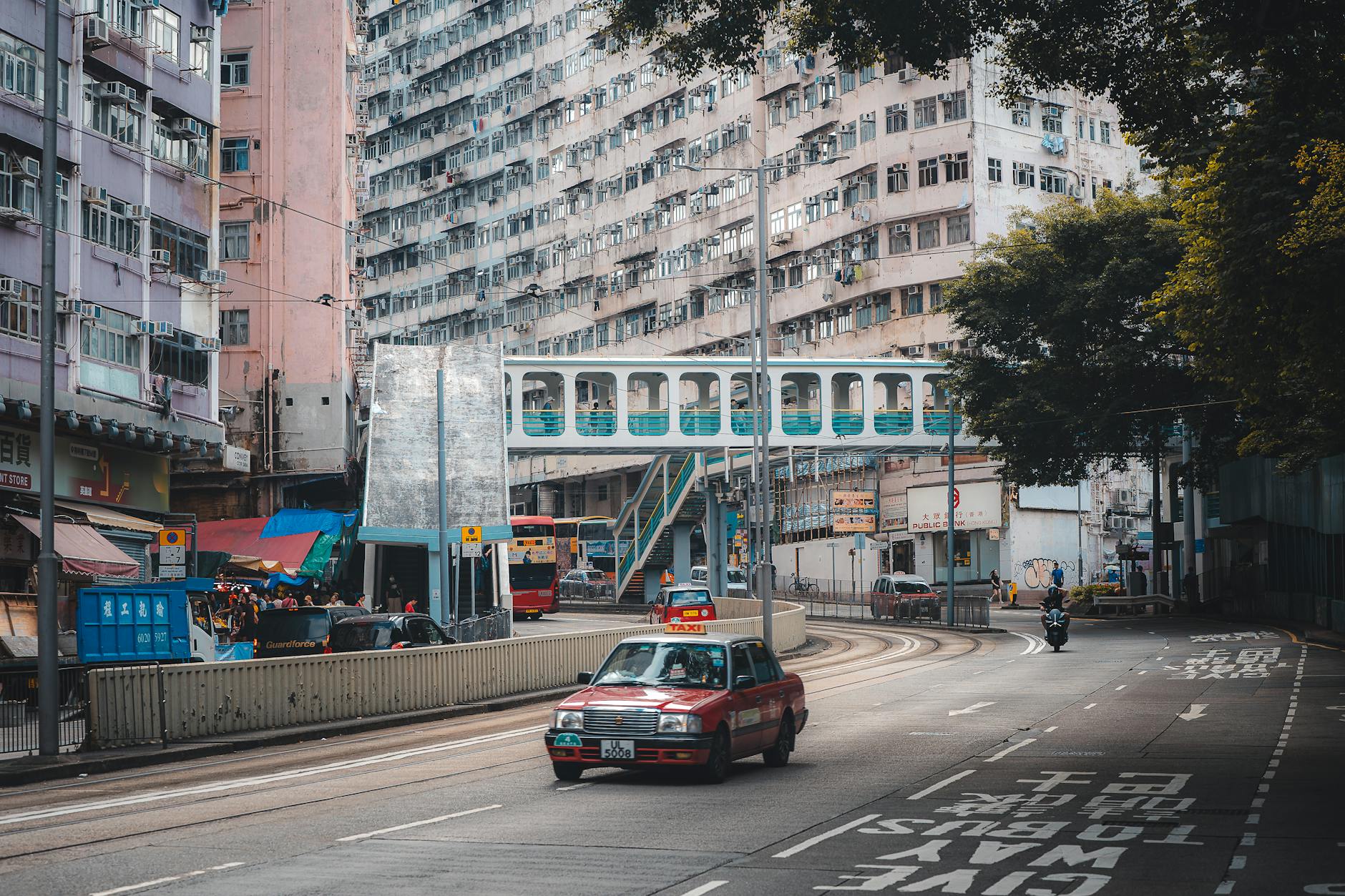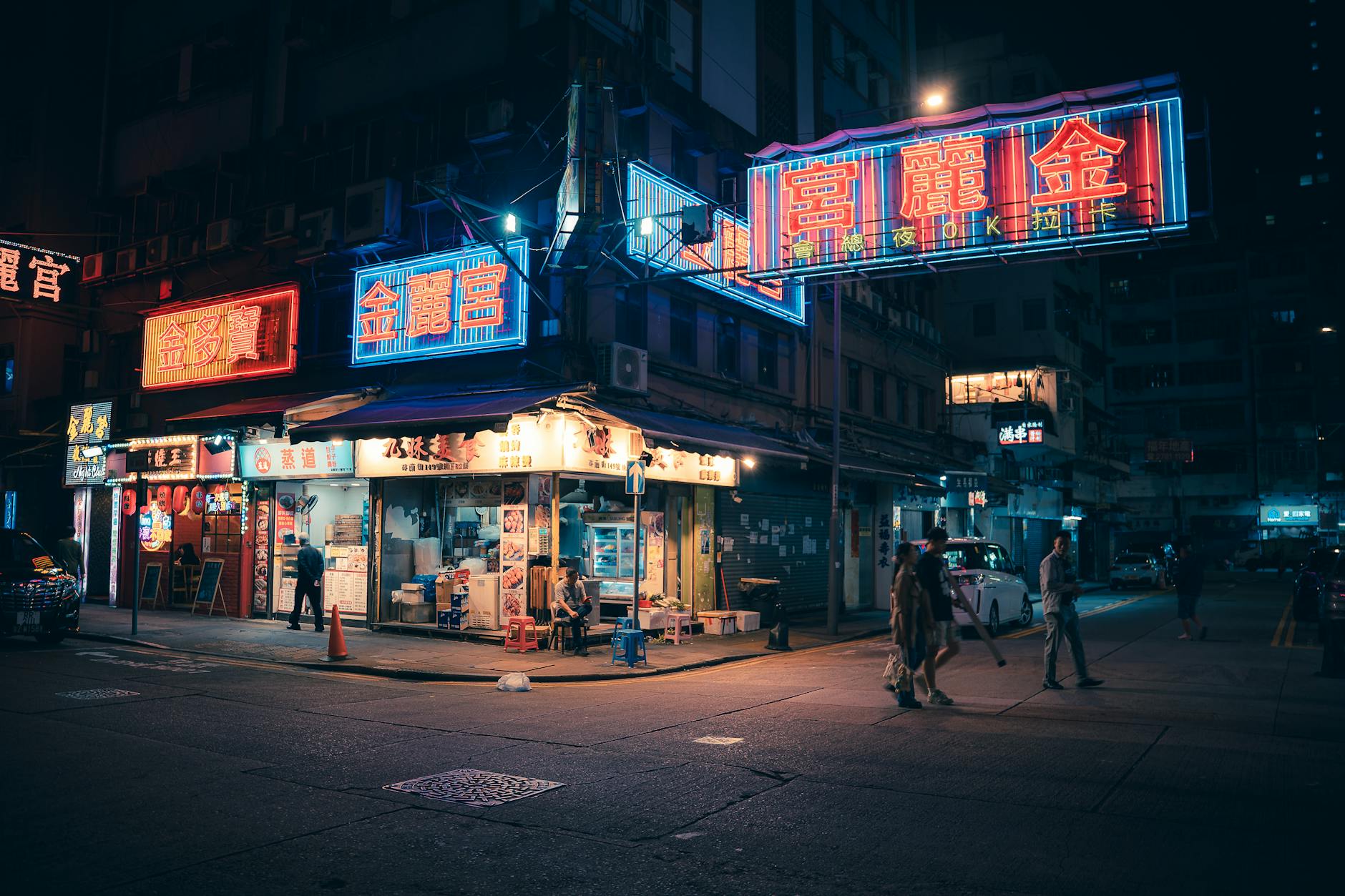
Wan Chai has a nightlife reputation, but a nightlife-focused traveler should not treat that reputation as a complete plan. The district can support bars, restaurants, hotel lounges, late meals, tram streets, music, harbor-adjacent evenings, and quick moves to Central, Causeway Bay, or Tsim Sha Tsui. It can also feel uneven block by block, with different tones for business drinks, casual bars, late-night streets, and tourist-facing nightlife. A short nightlife trip should be planned around tone, safety, late transport, sleep, spending, and the next day. The goal is not to remove spontaneity. It is to make sure the traveler chooses the right version of Hong Kong after dark.
Choose the nightlife tone deliberately
Wan Chai nightlife is not one thing. The traveler may want business drinks, hotel bars, casual pubs, late food, live music, dense bar streets, or a quick route to Central and Lan Kwai Fong. Those plans have different price levels, dress expectations, noise, crowd patterns, and return logistics.
The traveler should decide whether Wan Chai itself is the main nightlife target or the base for several Hong Kong evening districts. That decision affects hotel choice and late-night movement more than most visitors expect.
- Separate business drinks, hotel bars, pubs, late food, live music, and tourist-facing bar streets.
- Compare Wan Chai, Central, Causeway Bay, Tsim Sha Tsui, and hotel nightlife by tone.
- Choose the evening style before choosing the hotel or late route.
Book lodging for late returns and sleep
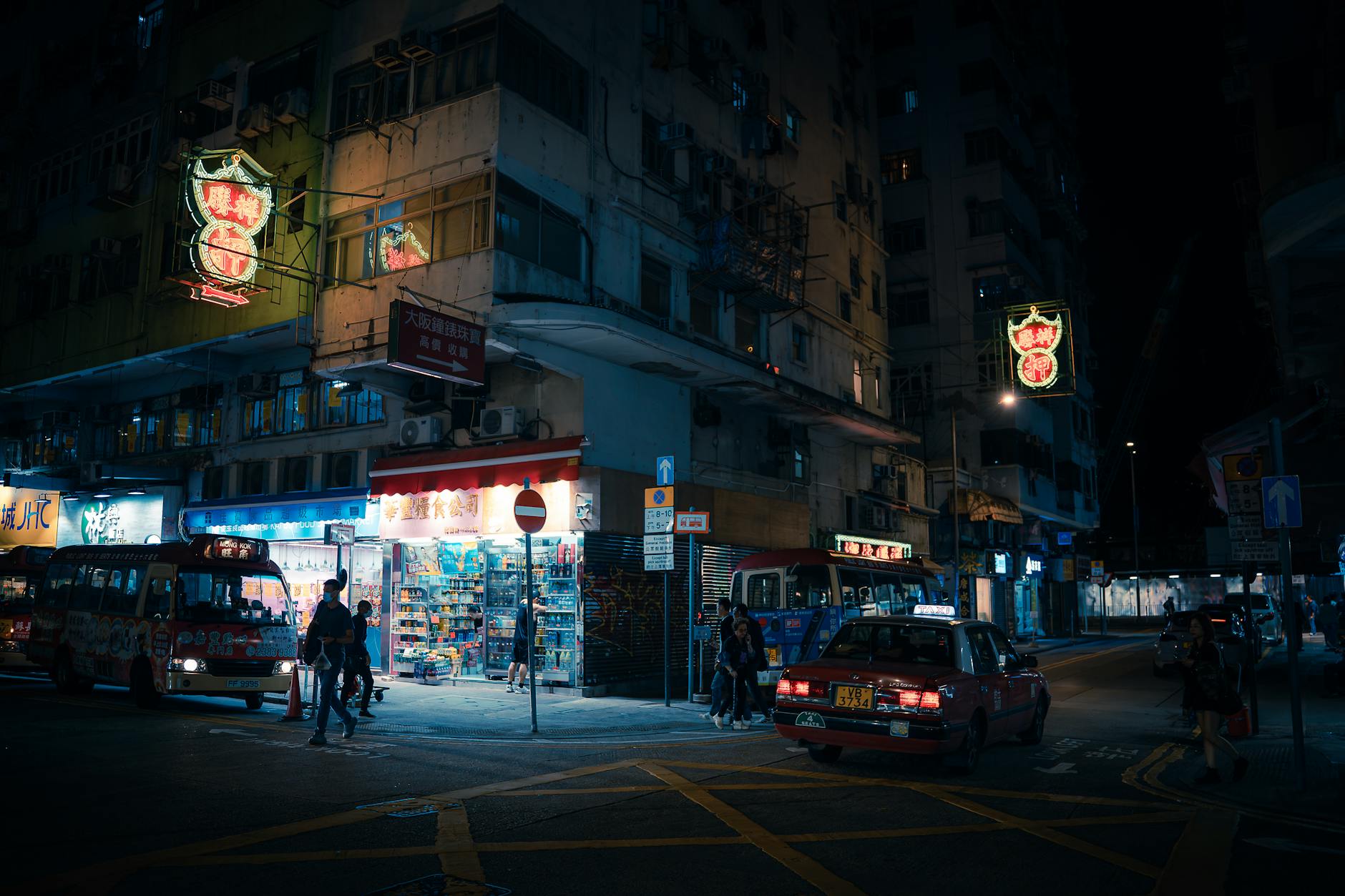
A nightlife-focused traveler needs a hotel that works after midnight as well as at check-in. The traveler should check walking route, taxi pickup, lobby staffing, lift access, room quiet, soundproofing, late food, convenience stores, payment options, and how the block feels when bars close. A hotel too close to nightlife may be convenient and still make sleep difficult.
The base should also support the next morning. Breakfast timing, blackout curtains, checkout rules, laundry, and airport transfer access matter when the trip is short.
- Check late walking routes, taxi pickup, lobby staffing, lifts, quiet, soundproofing, food, and stores.
- Balance nightlife proximity against sleep quality and next-morning obligations.
- Plan breakfast, checkout, laundry, and airport movement around late nights.
Plan late transport before the night starts
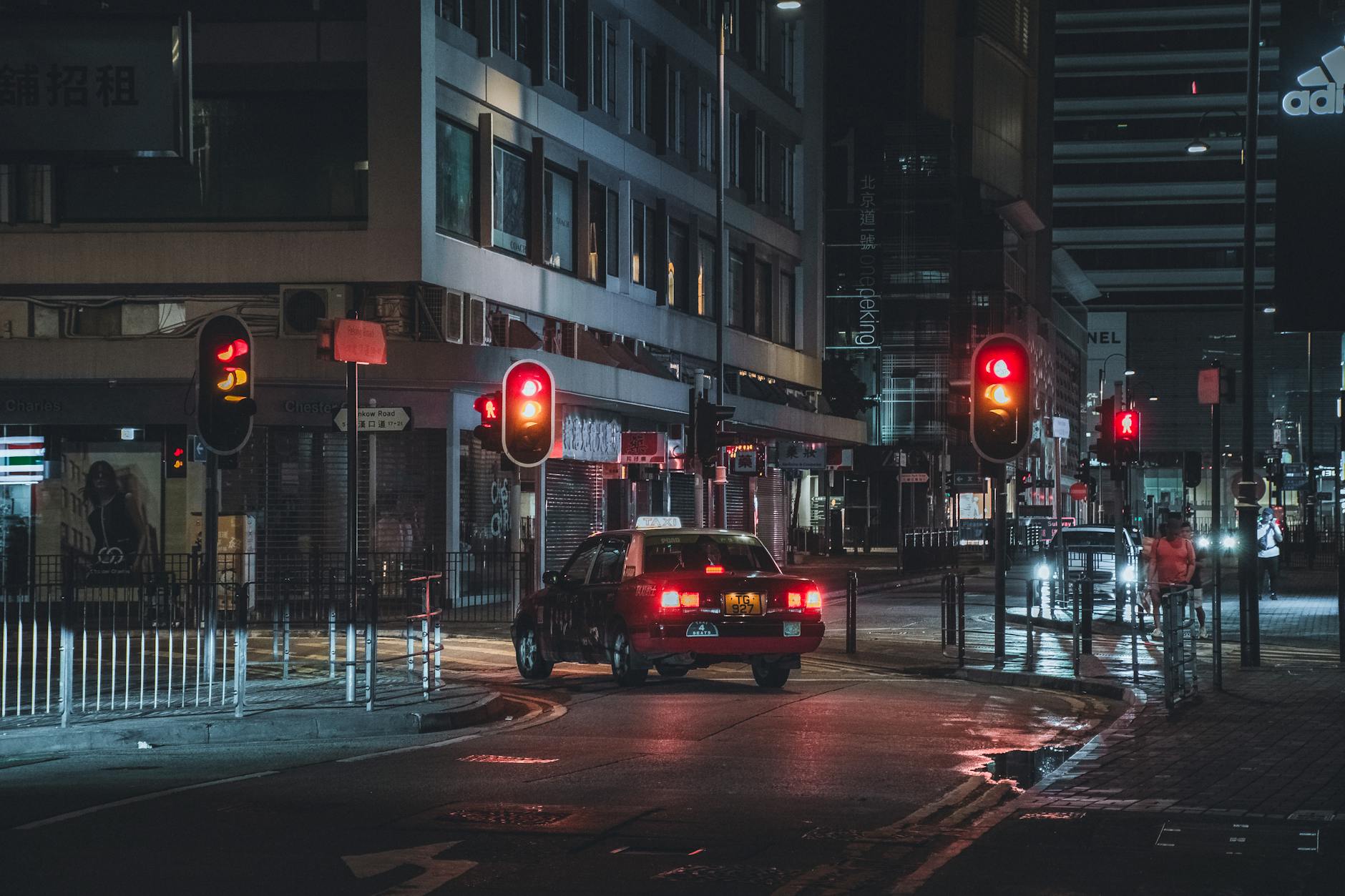
Late-night transport should not be improvised after the traveler is tired. MTR hours, taxi availability, ride-hailing expectations, cross-harbor routes, tram usefulness earlier in the evening, and walking safety all need attention. A short ride on a map can become slower when rain, crowds, or taxi demand rise.
The traveler should know the primary return route and a backup route for each night. This matters even more if the evening moves between Wan Chai, Central, Causeway Bay, Tsim Sha Tsui, or hotel bars.
- Check MTR timing, taxis, ride-hailing, trams, cross-harbor routes, walking, and rain plans.
- Know the return route and backup before drinking or splitting from a group.
- Treat late transport as part of the nightlife budget and safety plan.
Use food to pace the evening
A strong Wan Chai nightlife plan usually includes food deliberately. The traveler may want Cantonese dinner, hotel dining, casual noodles, late snacks, group meals, or a quieter meal before bars. Food helps control timing, spending, alcohol, and energy, but only if it is planned into the route.
The traveler should also handle dietary needs and reservations. A late-night food plan that works for one person may fail for a group with allergies, religious needs, budget limits, or different comfort levels.
- Use dinner, late snacks, hotel dining, or casual meals to pace the night.
- Plan dietary needs, reservations, group budget, and distance between food and bars.
- Avoid starting the night with no food plan and too much dependence on chance.
Set safety, spending, and social boundaries
Nightlife travel is easier when boundaries are decided while everyone is sober and rested. The traveler should set limits around spending, alcohol, group splitting, invitations, dating apps, unfamiliar venues, valuables, photos, and how late the night can go. Wan Chai is lively, but lively does not mean every block or offer deserves trust.
The traveler should keep phone battery, payment backup, hotel address, data access, and emergency contacts available. A good night out should not depend on perfect judgment at the end of it.
- Set limits for spending, alcohol, group splitting, invitations, dating apps, venues, valuables, and photos.
- Keep phone battery, payment backup, hotel address, data, and emergency contacts ready.
- Avoid decisions that depend on late-night judgment being perfect.
Protect the next day
Short nightlife trips often fail the morning after. The traveler may still have work, sightseeing, airport transfer, family plans, shopping, outdoor routes, or another evening to manage. Wan Chai's convenience does not solve fatigue, dehydration, overspending, missed checkout, or a badly timed airport ride.
The traveler should design each night against the next day. A single ambitious night may be worth it. Repeating that pattern without recovery usually makes the trip worse.
- Plan sleep, hydration, breakfast, checkout, airport timing, and next-day commitments.
- Do not let one late night damage work, sightseeing, outdoor plans, or the next evening.
- Use lighter nights when the schedule needs recovery or precision.
When to order a short-term travel report
A nightlife-focused traveler who only wants a flexible bar night may not need a custom Wan Chai report. A report becomes useful when the traveler wants specific evening tones, multiple districts, safer late returns, hotel comparison, group planning, dietary needs, budget control, or a nightlife trip that also has daytime obligations.
The report should test hotel fit, nightlife zones, MTR, tram, taxi and walking options, cross-harbor movement, food, late returns, safety boundaries, spending, recovery, weather, budget, and what to cut. The value is a Wan Chai nightlife trip that feels intentional instead of merely late.
- Order when hotel choice, evening tone, late transport, food, safety, budget, or recovery needs testing.
- Provide dates, hotel options, nightlife style, group size, constraints, dietary needs, and budget.
- Use the report to make the nightlife trip sharper, safer, and easier to recover from.