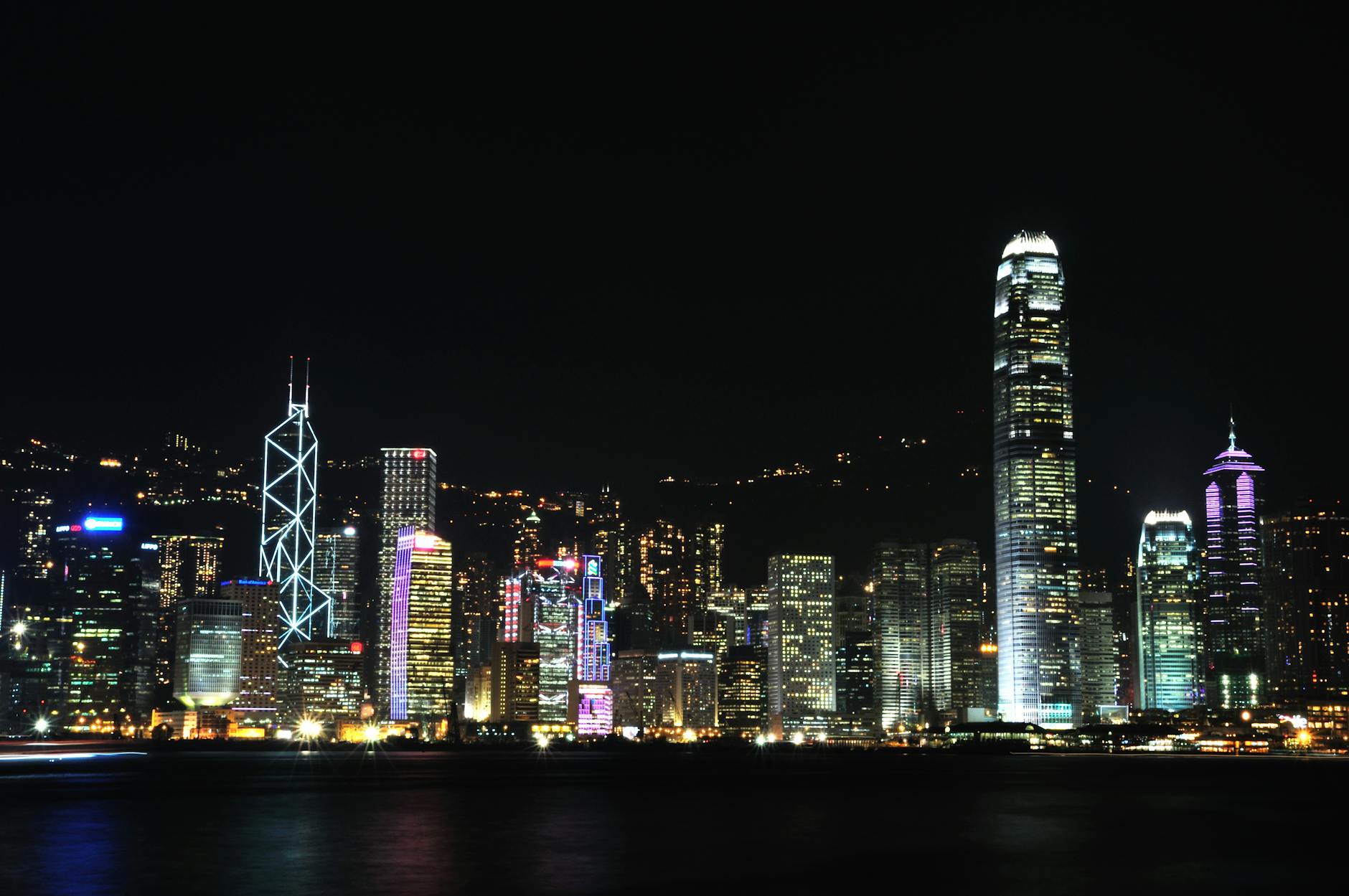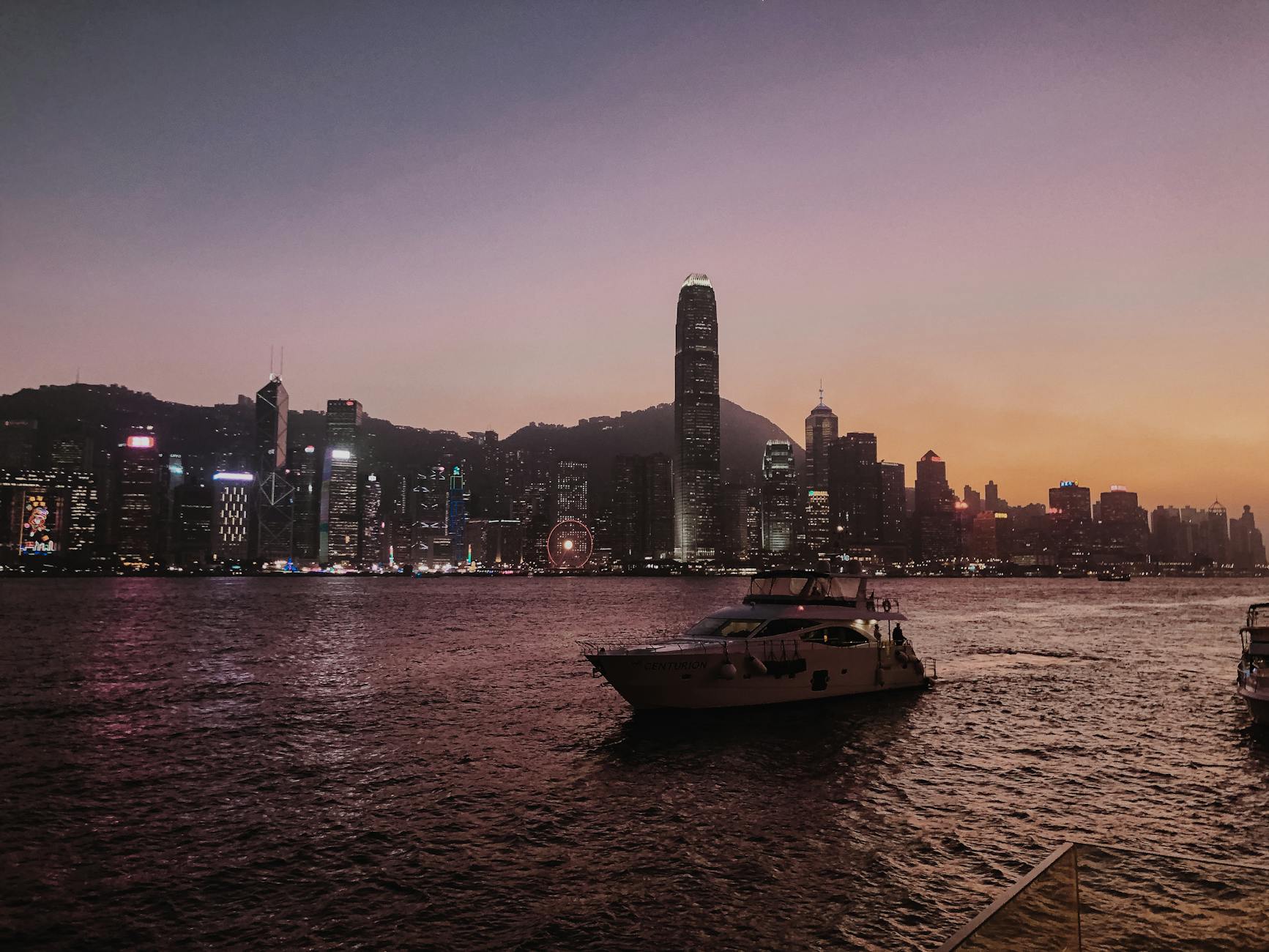
Wan Chai can work well for a luxury traveler who wants Hong Kong Island convenience without making every moment revolve around Central. The district gives access to harborfront hotels, polished dining, convention-adjacent events, taxis, MTR, trams, nearby Admiralty and Causeway Bay, and quick routes to Central. It also asks for judgment because the tone changes quickly from hotel polish to office intensity, nightlife corridors, busy roads, and practical street life. A short luxury stay should be built around time quality. The traveler should know whether Wan Chai is the hotel base, the dining district, the event zone, or the midpoint between Central and Causeway Bay. The best plan protects views, meals, recovery, private movement, and selective local texture without letting convenience turn into overfilled days.
Choose the hotel by how the stay should feel
A luxury traveler should compare Wan Chai hotels by more than brand and room view. Arrival experience, suite layout, harbor access, car pickup, spa hours, club lounge value, breakfast, lift privacy, concierge depth, and late return comfort all matter on a short stay. A hotel can be well known and still be wrong if it sits poorly against the traveler's actual plans.
The traveler should decide whether the hotel is the anchor experience, a recovery base, a convention-adjacent convenience, or a launch point for Central, Admiralty, and Causeway Bay. That decision shapes room category, dining choices, transfer style, and how much time should remain open.
- Compare hotels by arrival, suite layout, harbor access, car pickup, spa, lounge, breakfast, and quiet.
- Decide whether the hotel is the main experience, recovery base, event base, or launch point.
- Do not let brand reputation outrank the short stay's actual rhythm.
Use the harbor as a planned luxury asset
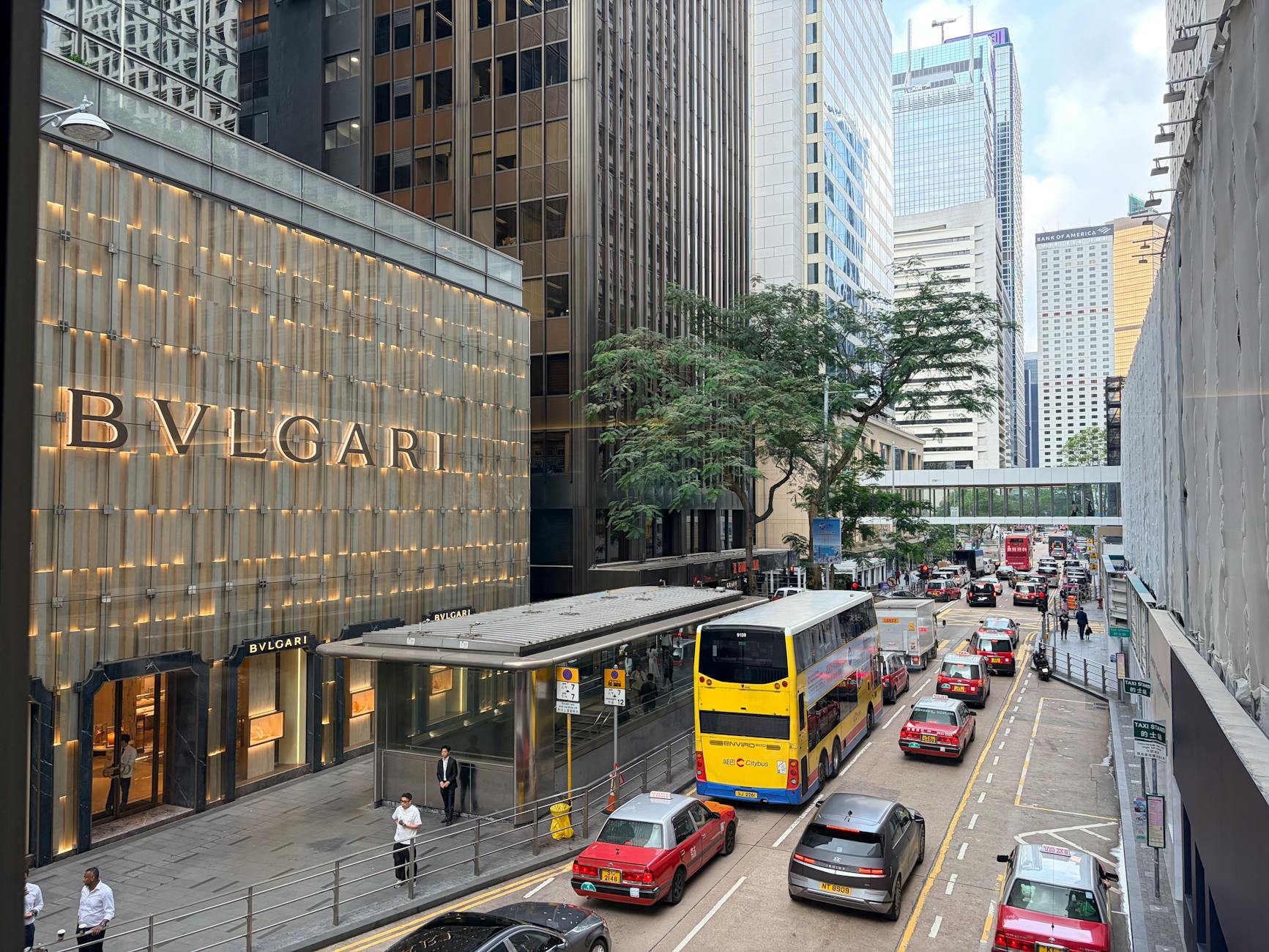
Wan Chai's harbor edge can give a luxury stay some of its strongest value: views, convention-area hotels, waterfront walks, taxis, restaurants, and easy links toward Central or Tsim Sha Tsui. The harbor should be part of the itinerary only when it improves the stay. Weather, event crowds, road crossings, and construction can all change the experience.
The traveler should choose the main harbor moment deliberately: arrival drink, morning walk, private transfer to dinner, skyline view, or a slower recovery block. Repeating the same view in several formats can waste time that would be better used for rest, dining, or one stronger outing.
- Use the harbor for views, recovery walks, meals, event access, or a deliberate skyline moment.
- Check weather, crossings, event crowds, road friction, and return route before building around it.
- Avoid repeating scenic stops that compete with rest or priority bookings.
Book dining by tone, not just reputation
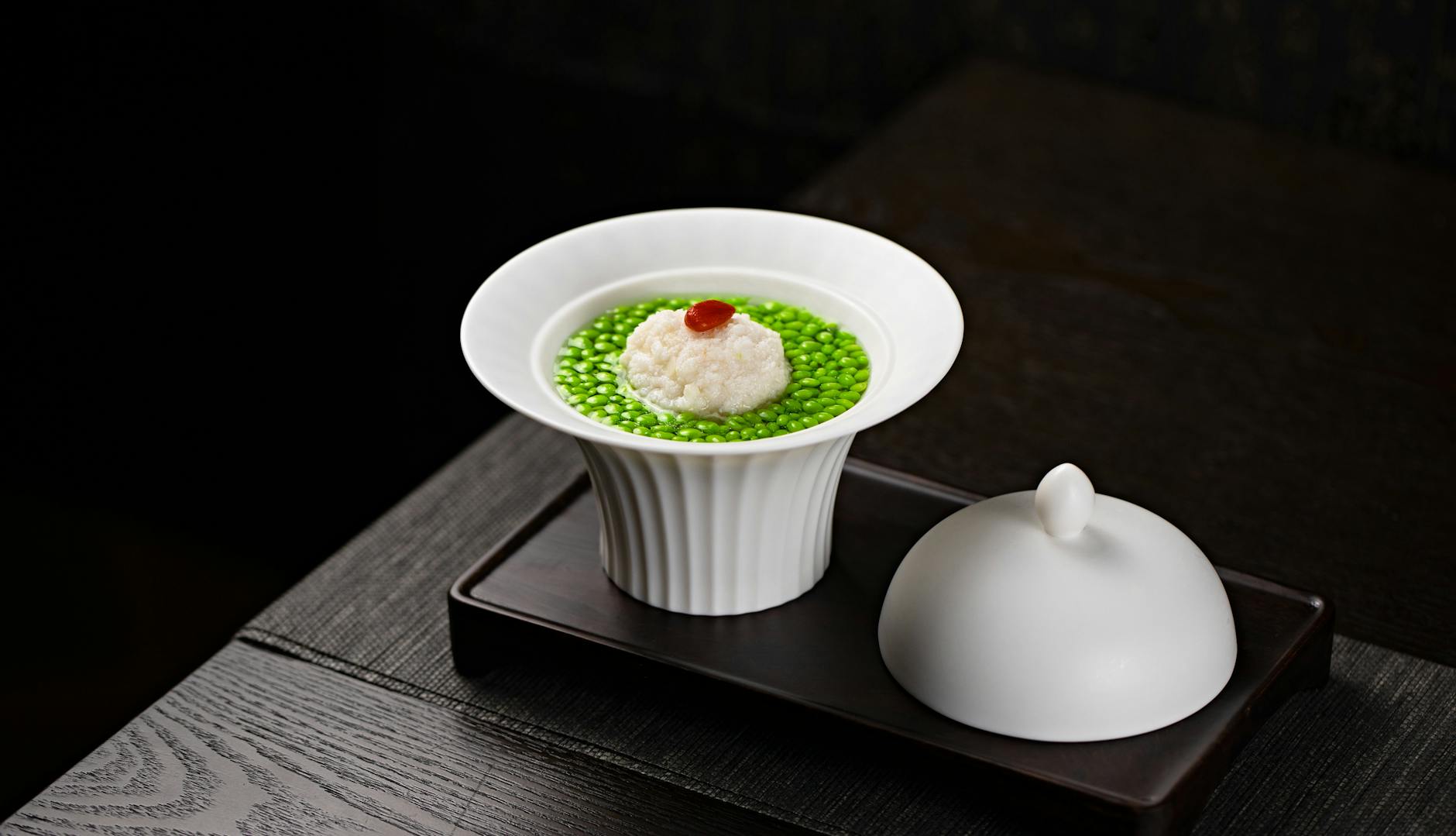
Wan Chai and nearby districts can support polished meals, hotel dining, Cantonese rooms, private tables, bars, and more casual local food. A luxury traveler should still choose restaurants by tone, privacy, noise, reservation time, dress, dietary needs, wine service, payment expectations, and route back to the hotel.
One excellent dinner can be a better use of a short stay than several formal meals. The traveler should identify which meals are meant to impress, which are meant to restore, and which should stay simple because the day already carries enough structure.
- Choose restaurants by tone, privacy, noise, timing, dress, dietary needs, service, and return route.
- Separate showcase meals from restorative meals and simple convenience meals.
- Avoid formal dining choices that weaken the next morning or crowd the trip.
Plan shopping and appointments without drift
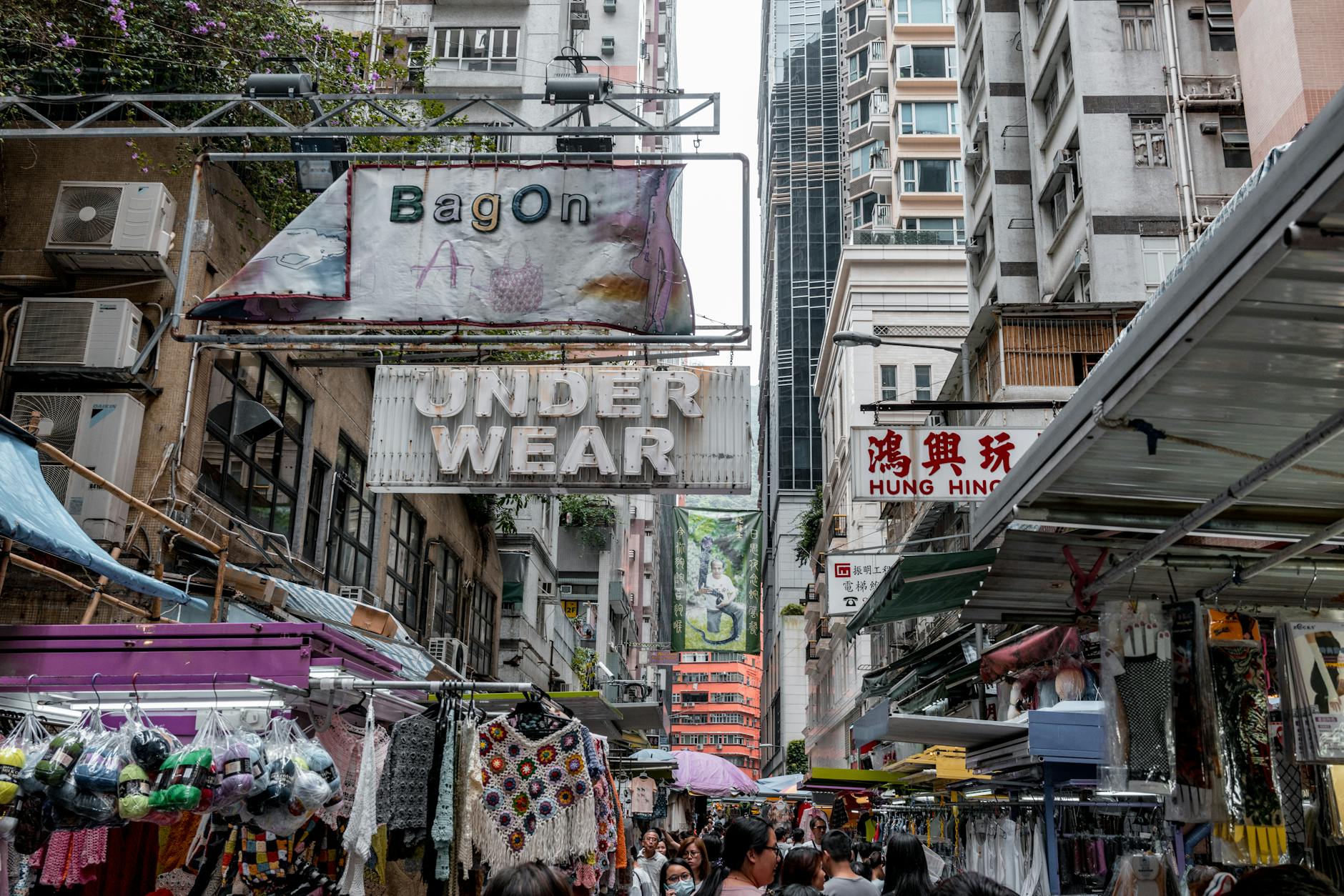
Wan Chai is not only a shopping district, but it sits close enough to Causeway Bay, Admiralty, Central, tailors, galleries, watch shops, and luxury malls that shopping can easily bleed into the day. The traveler should decide whether retail, fittings, gifts, or art are a main purpose or a controlled side activity.
Appointments, alterations, delivery timing, payment, luggage capacity, and return visits should be planned before the day starts. Luxury travel gets weaker when a short stay becomes a series of unplanned errands.
- Decide whether shopping, fittings, gifts, art, or watches are primary or secondary goals.
- Plan appointments, alterations, payment, delivery, luggage, and follow-up visits.
- Keep secondary shopping near meals, hotel returns, or planned transfers.
Protect spa, recovery, and quiet time
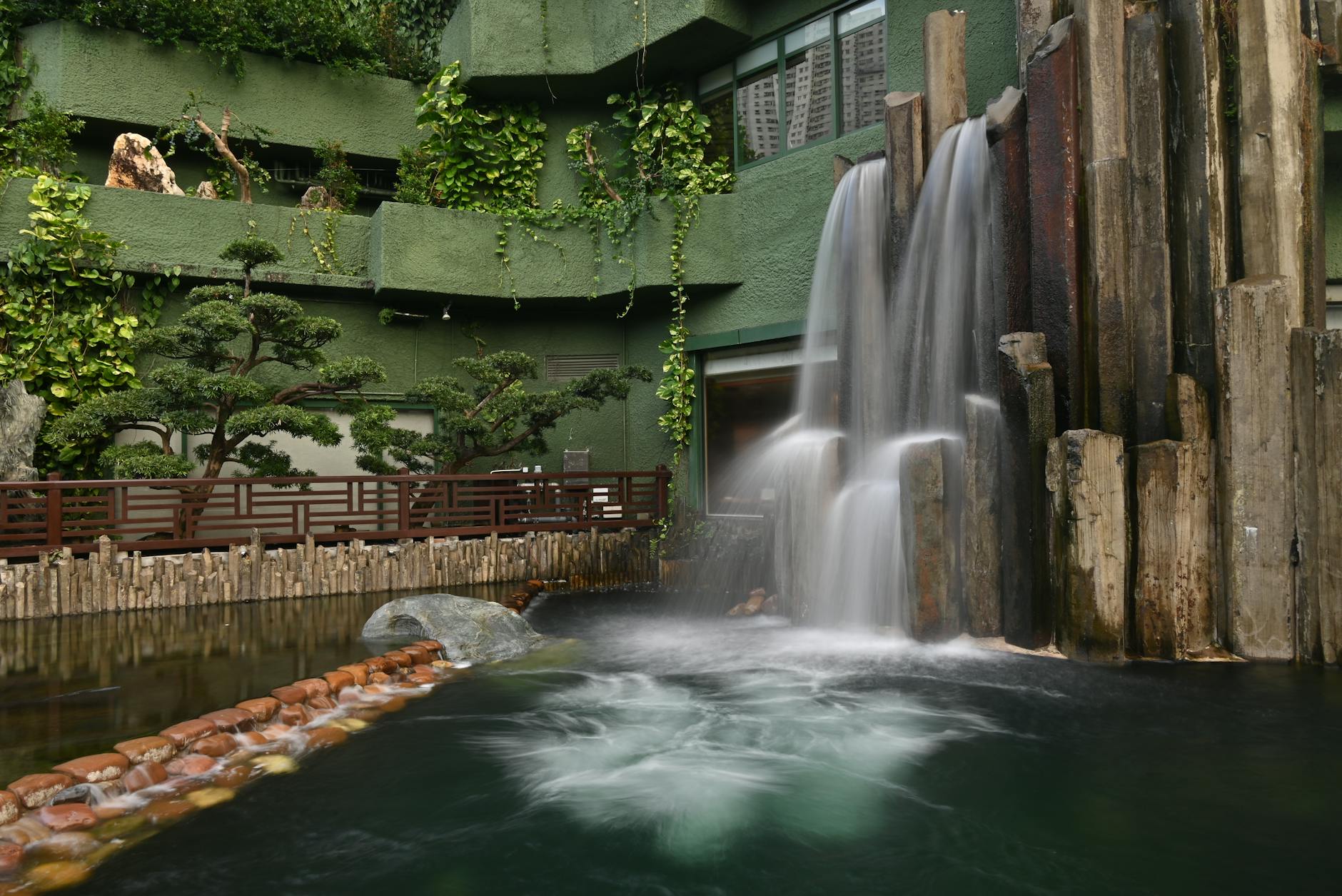
A short luxury stay in Wan Chai can be damaged by overbooking. Heat, humidity, rain, jet lag, harbor movement, formal dinners, and cross-district transfers can make the itinerary feel heavy. Spa time, a quiet morning, a long breakfast, a room-service meal, or a lounge block should be treated as real value, not leftover space.
The traveler should build a weather-flexible plan with indoor alternatives and recovery windows. Wan Chai can support polished travel, but the polish depends on not using every open hour.
- Reserve time for spa, quiet mornings, lounge use, room recovery, and weather alternatives.
- Plan around heat, humidity, rain, jet lag, late dinners, and cross-district fatigue.
- Use hotel amenities as part of the stay's value rather than backup only.
Use cars and taxis selectively
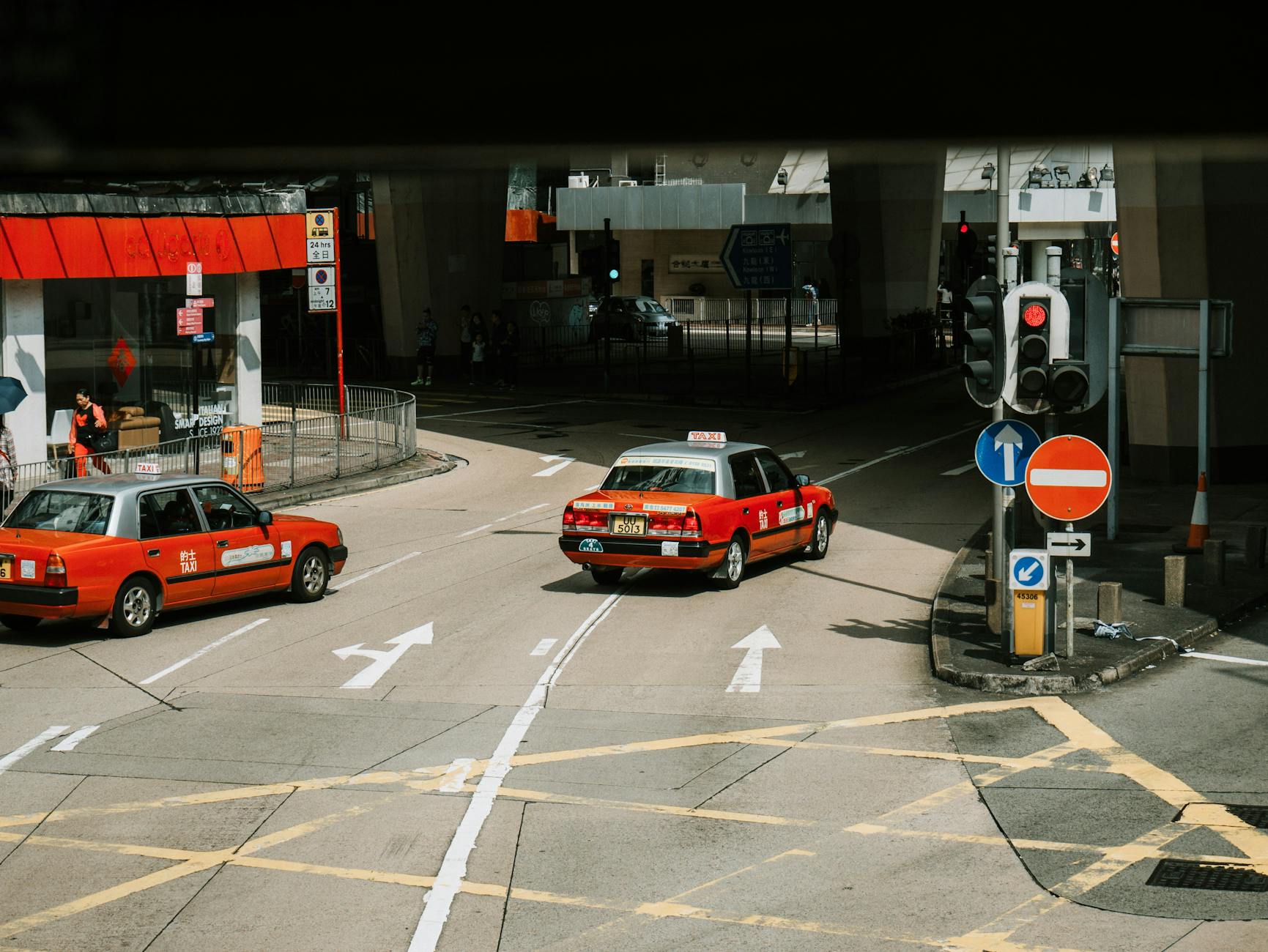
Private transfers, taxis, and hotel cars can be useful in Wan Chai, especially for airport arrivals, formal dinners, rain, shopping, senior guests, and late returns. They are not always the best answer for every movement. Traffic, road layout, pickup points, and short distances can make MTR, tram, or walking better in specific moments.
The traveler should assign transport by occasion. A car may be right for luggage and an evening reservation, while a tram ride or short walk may be right when the point is to feel the city. The luxury answer is the one that protects the experience.
- Use private transfers or taxis for airport arrival, formal evenings, rain, shopping, and late returns.
- Check pickup points, traffic, road layout, hotel access, and return timing.
- Use MTR, tram, or walking when they improve the specific movement.
When to order a short-term travel report
A luxury traveler with a trusted hotel and flexible plans may not need a custom Wan Chai report. A report becomes useful when the stay is short, the traveler is choosing between Wan Chai, Central, Admiralty, and Kowloon hotels, booking priority meals, arranging private transfers, planning spa or shopping time, traveling with family, or trying to avoid a high-cost itinerary that still feels rushed.
The report should test hotel fit, room category, arrival flow, harbor access, dining, shopping, private movement, spa and recovery blocks, evening tone, weather, privacy, budget, and what to cut. The value is a luxury Wan Chai stay where the best moments are protected by deliberate sequencing.
- Order when hotel choice, room category, dining, transfers, shopping, spa, or pacing needs testing.
- Provide dates, flight times, hotel options, dining priorities, style preferences, constraints, and budget.
- Use the report to make a short luxury stay deliberate rather than merely expensive.