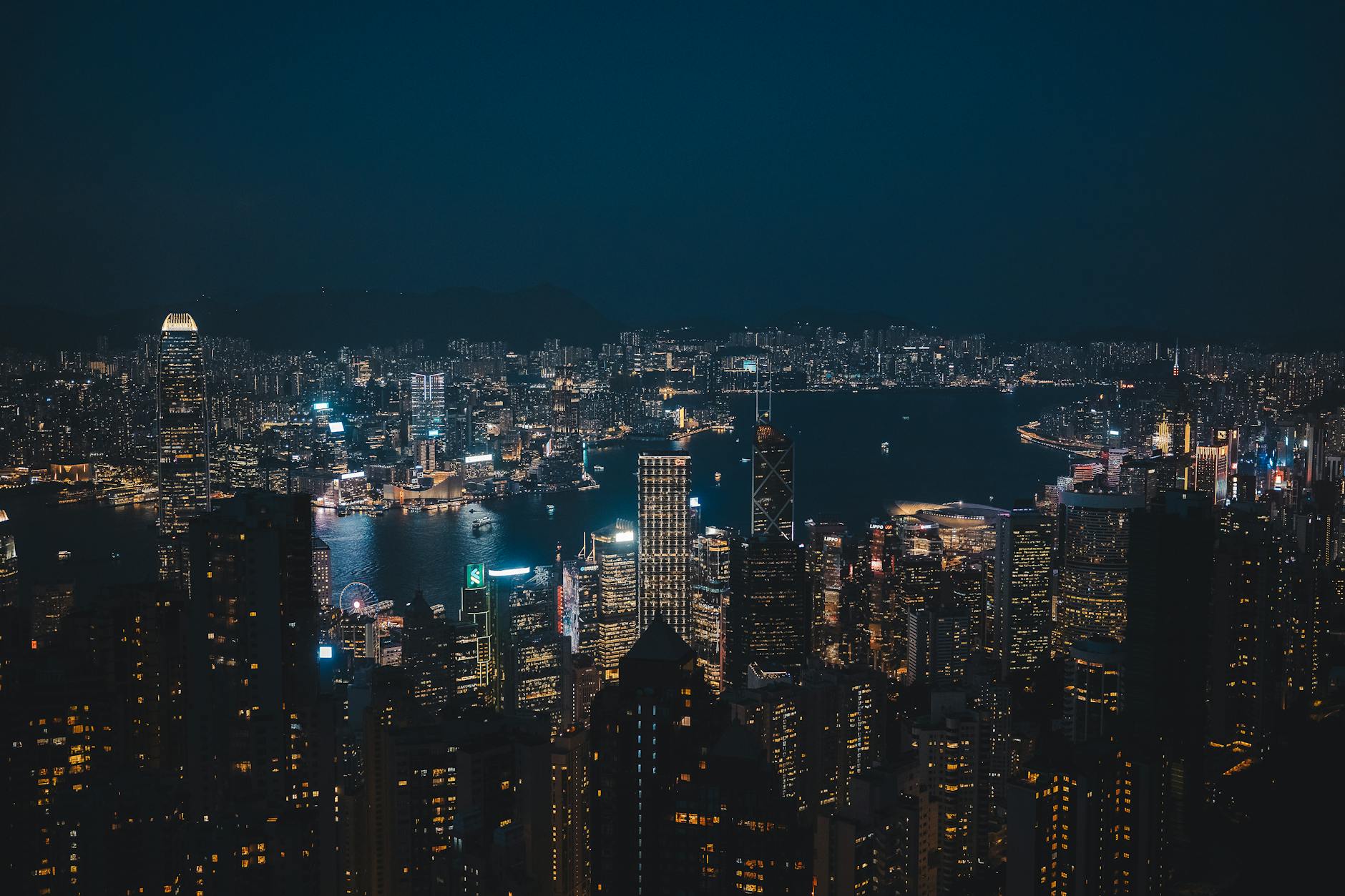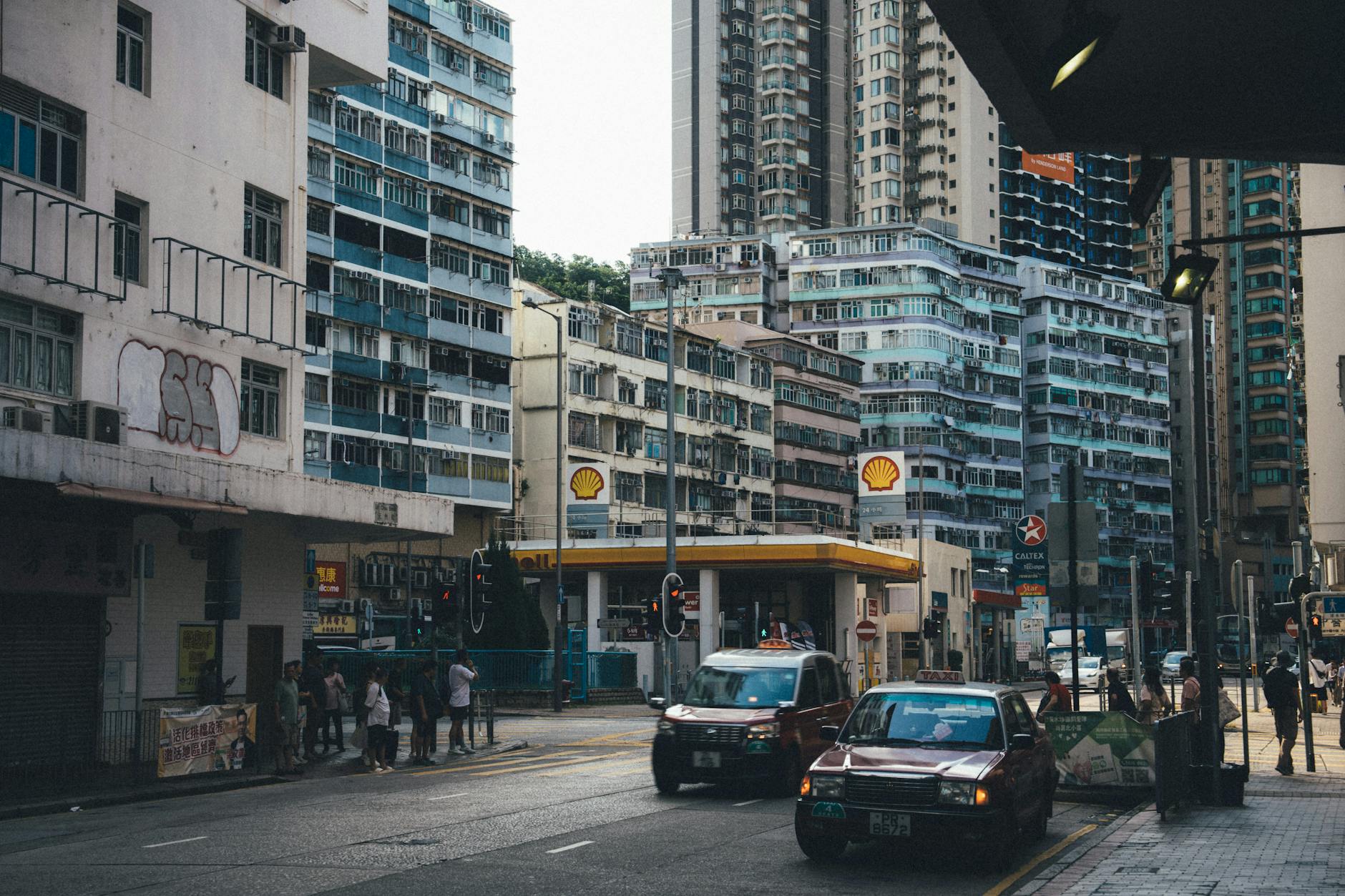
Wan Chai can be a useful base for a journalist because it sits close to government-adjacent spaces, HKCEC, hotels, offices, courts and consulate-adjacent areas nearby, restaurants, transport, and quick routes to Central, Admiralty, Causeway Bay, Kowloon, and the harbor. It can also be too easy to misread if the journalist treats it only as a vivid street district rather than a working assignment base. A short reporting trip should be planned around access, timing, discretion, filing, and backup options. The journalist should know where interviews happen, where equipment can be managed, where notes and files can be protected, and what parts of the day can absorb disruption.
Define the reporting geography early
A journalist should not book a Wan Chai base until the assignment geography is clear. Interviews, press events, archives, court or government-adjacent stops, hotel meetings, convention sessions, street reporting, and photo opportunities may sit in different parts of Hong Kong. A district that looks central can still create wasted crossings if the reporting plan is split.
The traveler should map confirmed interviews, hoped-for access, standby locations, filing spaces, and the airport or rail timing. Short reporting trips are too fragile for vague location planning.
- Map interviews, press events, standby points, filing spaces, archives, and airport timing.
- Separate Wan Chai, Admiralty, Central, Causeway Bay, Kowloon, and harbor locations.
- Choose the base around the story's actual access points, not the district name alone.
Choose a base for access and filing
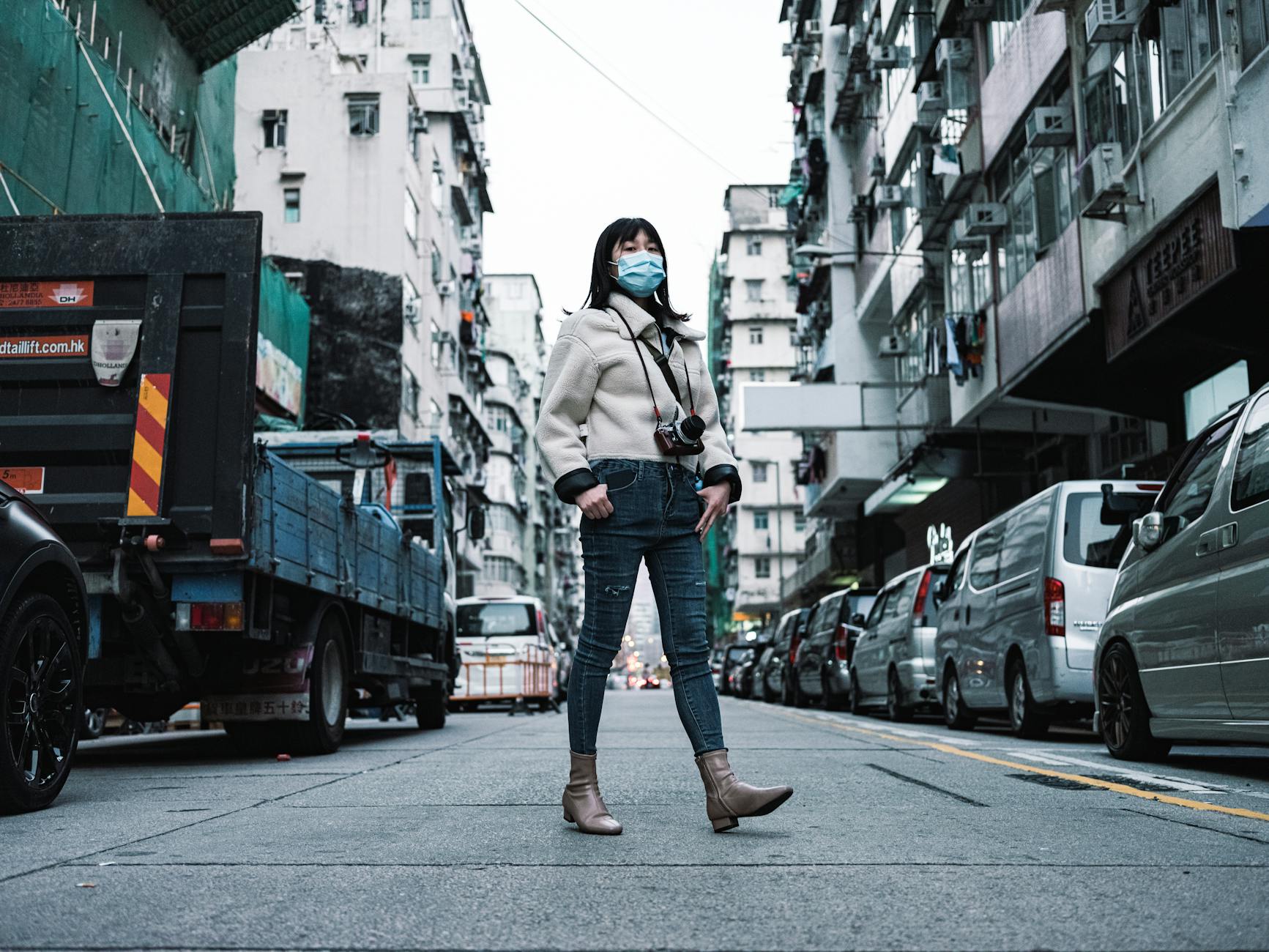
A journalist's hotel or apartment should be judged by more than proximity. Reliable Wi-Fi, desk setup, quiet, lift speed, late return comfort, power outlets, laundry, nearby food, taxi pickup, MTR access, and lobby discretion all matter. The base may have to support interviews, transcription, photo transfer, source calls, edits, and sleep in the same short window.
The traveler should decide whether the room is just a bed or the working newsroom for the trip. That decision changes the acceptable location, price, room type, and backup plan.
- Check Wi-Fi, desk, quiet, lifts, power, laundry, food, taxi pickup, MTR access, and discretion.
- Decide whether the room must support interviews, calls, transcription, photo transfer, and edits.
- Do not let a cheaper base damage filing time or source access.
Plan interviews and source meetings carefully
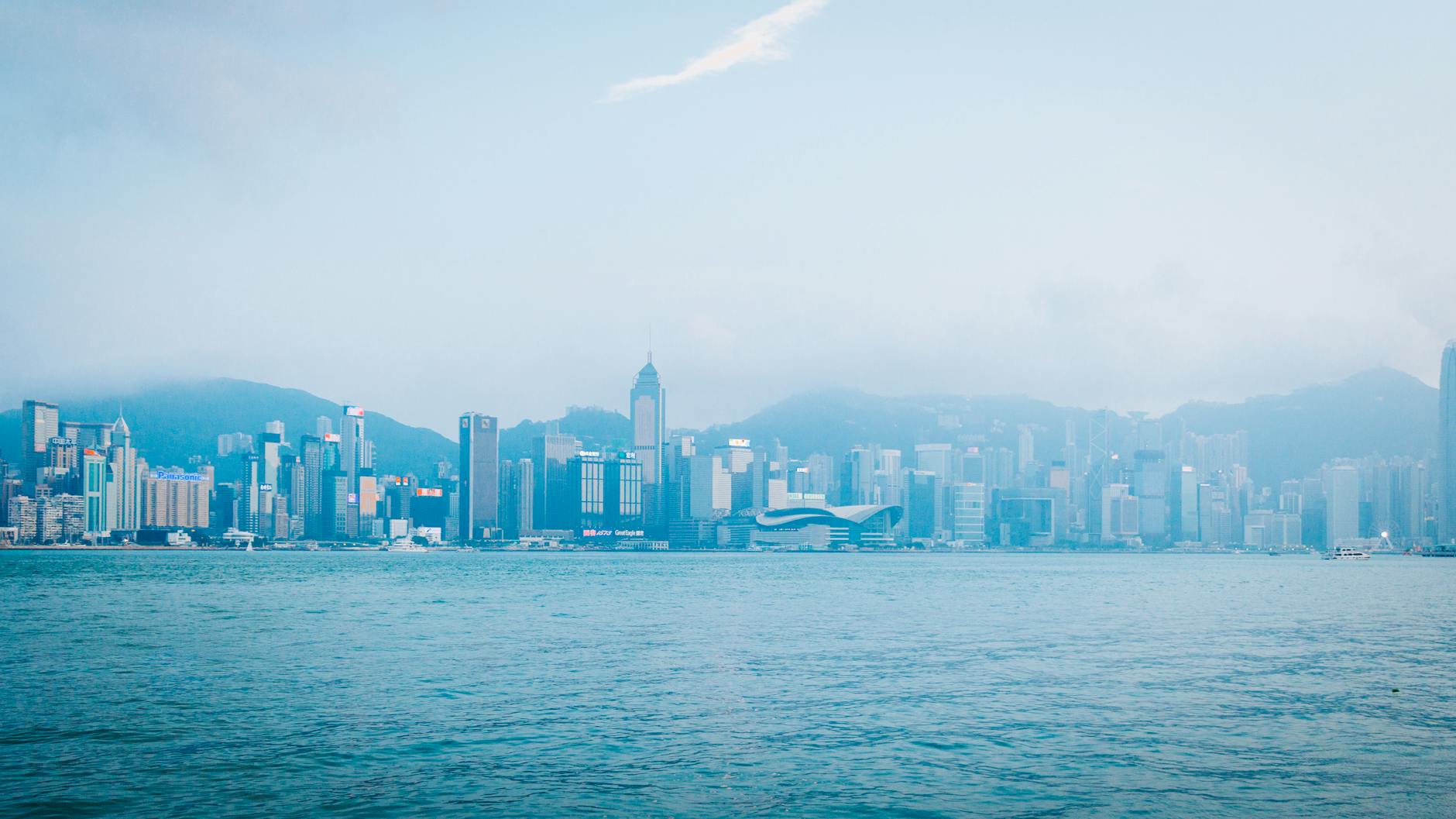
Interview logistics need more care than a normal traveler schedule. A journalist should consider privacy, noise, approach route, source comfort, recording conditions, translation or fixer needs, consent expectations, and how long each conversation may run. Wan Chai has cafes, hotels, restaurants, offices, and public spaces, but not every place is appropriate for every source.
The traveler should also protect transitions between interviews. Moving too quickly can create missed context, late arrivals, or sloppy notes.
- Choose interview locations by privacy, noise, access, source comfort, recording quality, and timing.
- Plan translation, fixer support, consent expectations, and follow-up channels before meetings.
- Leave time after interviews for notes, file handling, and route changes.
Protect equipment, notes, and sources
A short journalism trip can carry real information risk. The traveler should plan camera gear, laptop, recorder, phone, batteries, adapters, storage cards, backups, cloud sync, encryption, screen privacy, and paper notes. Public lobbies, taxis, restaurants, and shared workspaces may not be suitable for every call or edit.
Source discretion should be planned before arrival. The journalist should know when to avoid visible meetings, how to describe appointments in shared spaces, and how to protect names, numbers, and raw material if a device is lost.
- Plan cameras, laptop, recorder, phone, batteries, adapters, cards, backups, and secure sync.
- Avoid sensitive calls or edits in public spaces when the subject matter requires discretion.
- Protect source identities, contact records, notes, and raw files from casual exposure.

Use transport according to assignment pressure
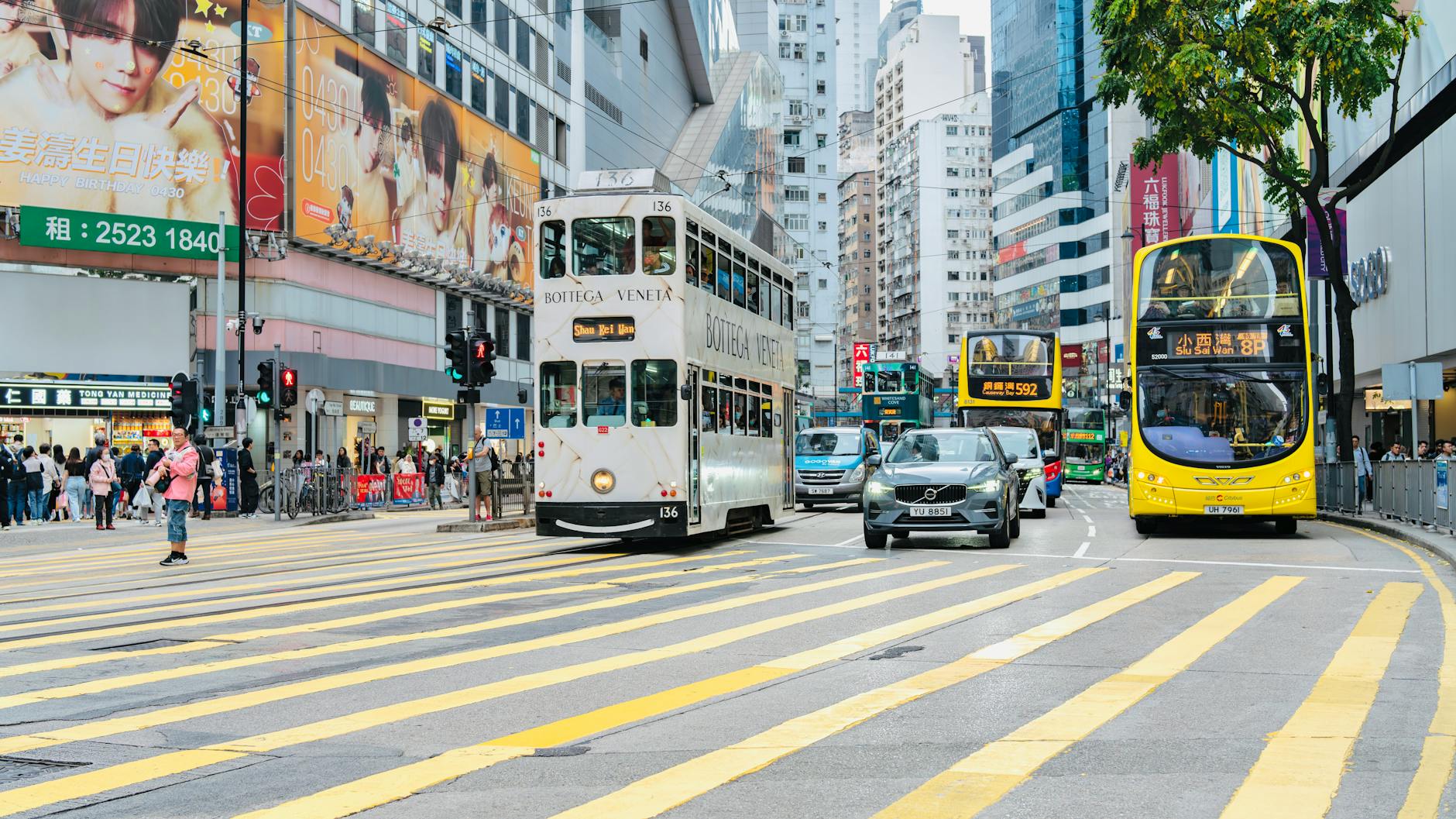
Wan Chai gives a journalist multiple movement options. MTR can be efficient, trams can help with Hong Kong Island movement and observation, taxis or cars may be better with gear or tight timing, and walking can be useful for street reporting when weather and safety allow. The right choice depends on the penalty for being late and the need to arrive composed.
The traveler should know backup routes before interviews, live hits, or scheduled press access. A missed entrance or slow crossing can matter more on assignment than on leisure travel.
- Choose MTR, tram, taxi, car, or walking by gear, weather, timing, and assignment stakes.
- Know backup routes before interviews, press events, live work, and airport transfers.
- Use street movement for reporting only when it does not threaten the schedule.
Build buffers for weather, news, and edits
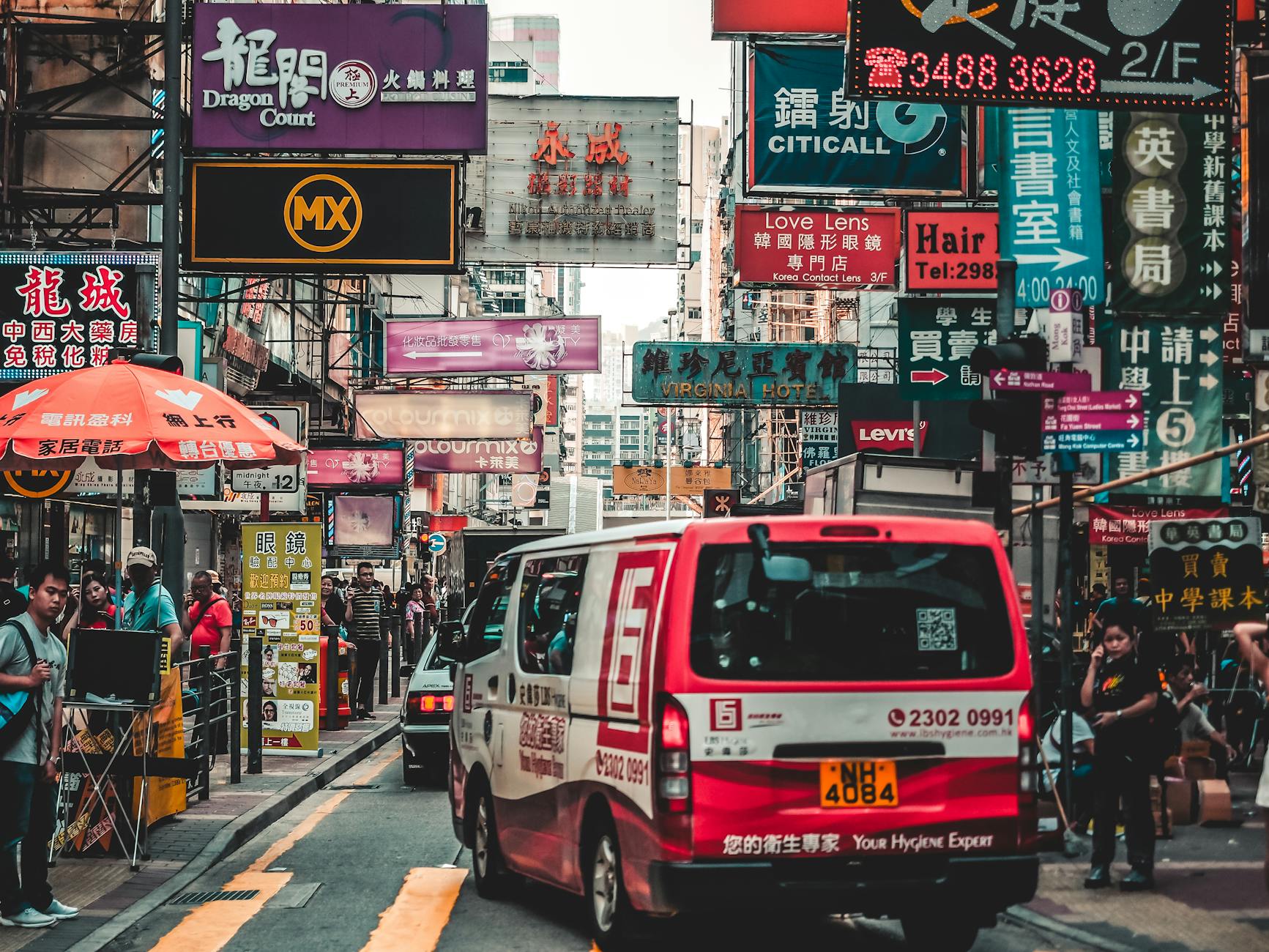
Journalism schedules change quickly. Sources cancel, events run late, weather interrupts outdoor work, editors request a new angle, and breaking news can make the original plan obsolete. Wan Chai's density helps only if the traveler has enough time to adjust.
The journalist should preserve filing blocks, equipment reset time, meal breaks, and sleep. Exhaustion can damage judgment, questions, captions, and source care.
- Plan for source cancellations, late events, rain, editor changes, breaking news, and technical issues.
- Protect filing blocks, gear reset time, meal breaks, and sleep.
- Cut lower-value plans before they weaken reporting or judgment.
When to order a short-term travel report
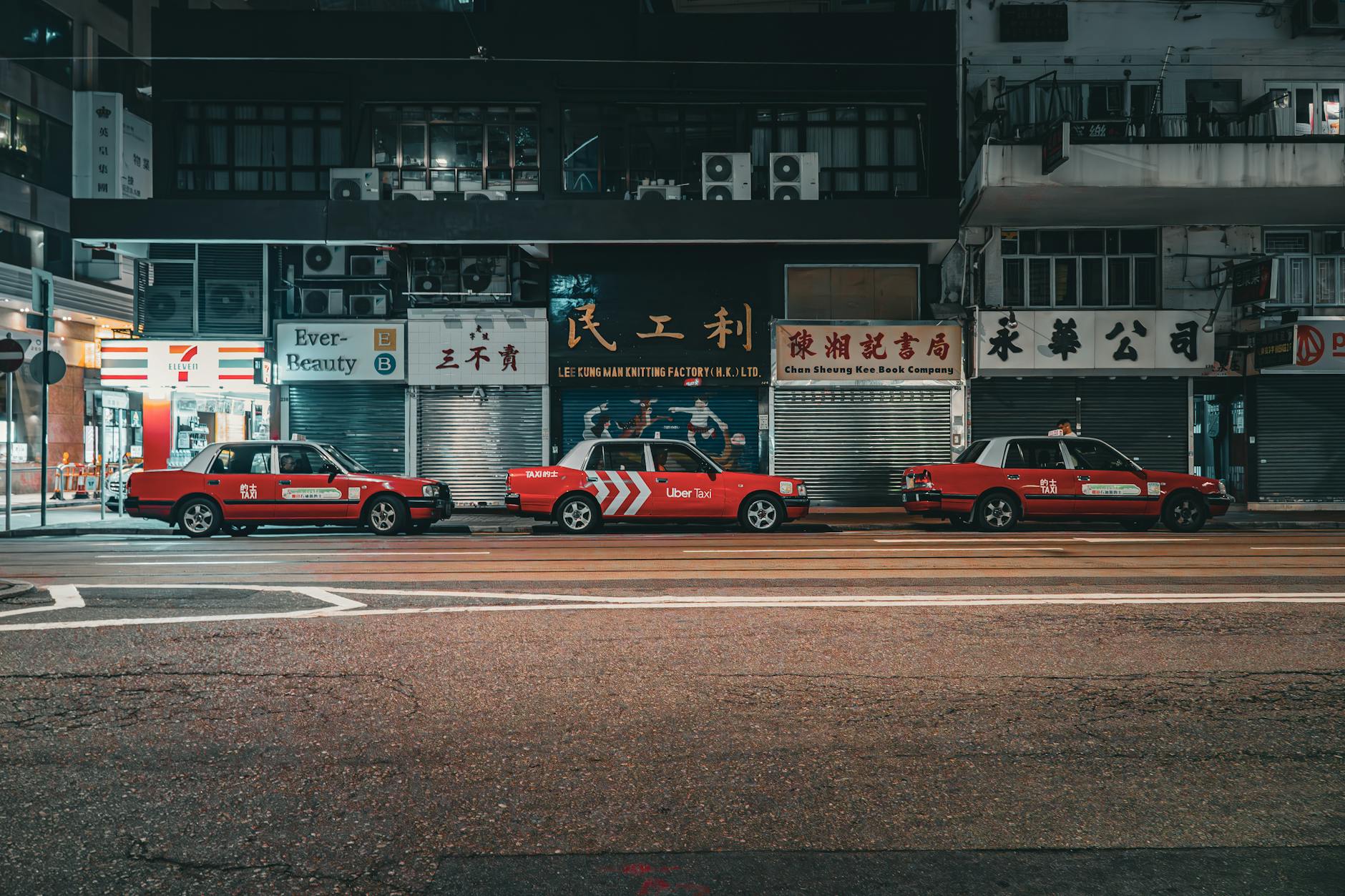
A journalist with a hosted press itinerary, simple access, and a known hotel may not need a custom Wan Chai report. A report becomes useful when interviews are scattered, source discretion matters, equipment is heavy, filing time is tight, weather could affect the story, or the journalist must decide whether Wan Chai is the right operating base.
The report should test reporting geography, hotel fit, airport arrival, MTR, tram, taxi and walking routes, interview locations, source-meeting discretion, equipment handling, filing blocks, weather, contingency time, budget, and what to cut. The value is a short Wan Chai assignment that protects the story as well as the traveler.
- Order when geography, access, discretion, gear, filing time, weather, or routing needs testing.
- Provide dates, assignment needs, interview sites, hotel options, equipment, constraints, and budget.
- Use the report to keep the reporting trip precise, resilient, and source-aware.