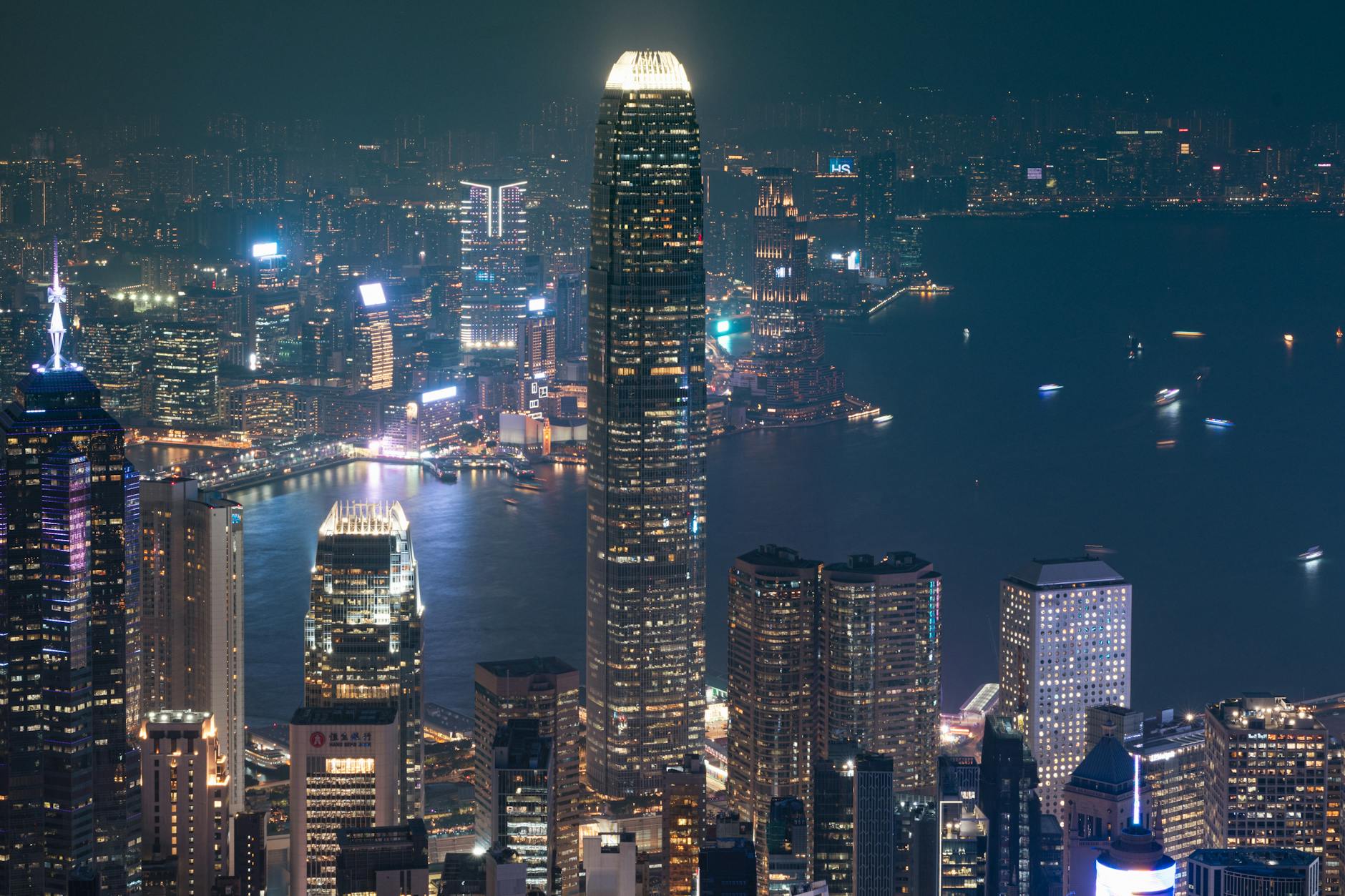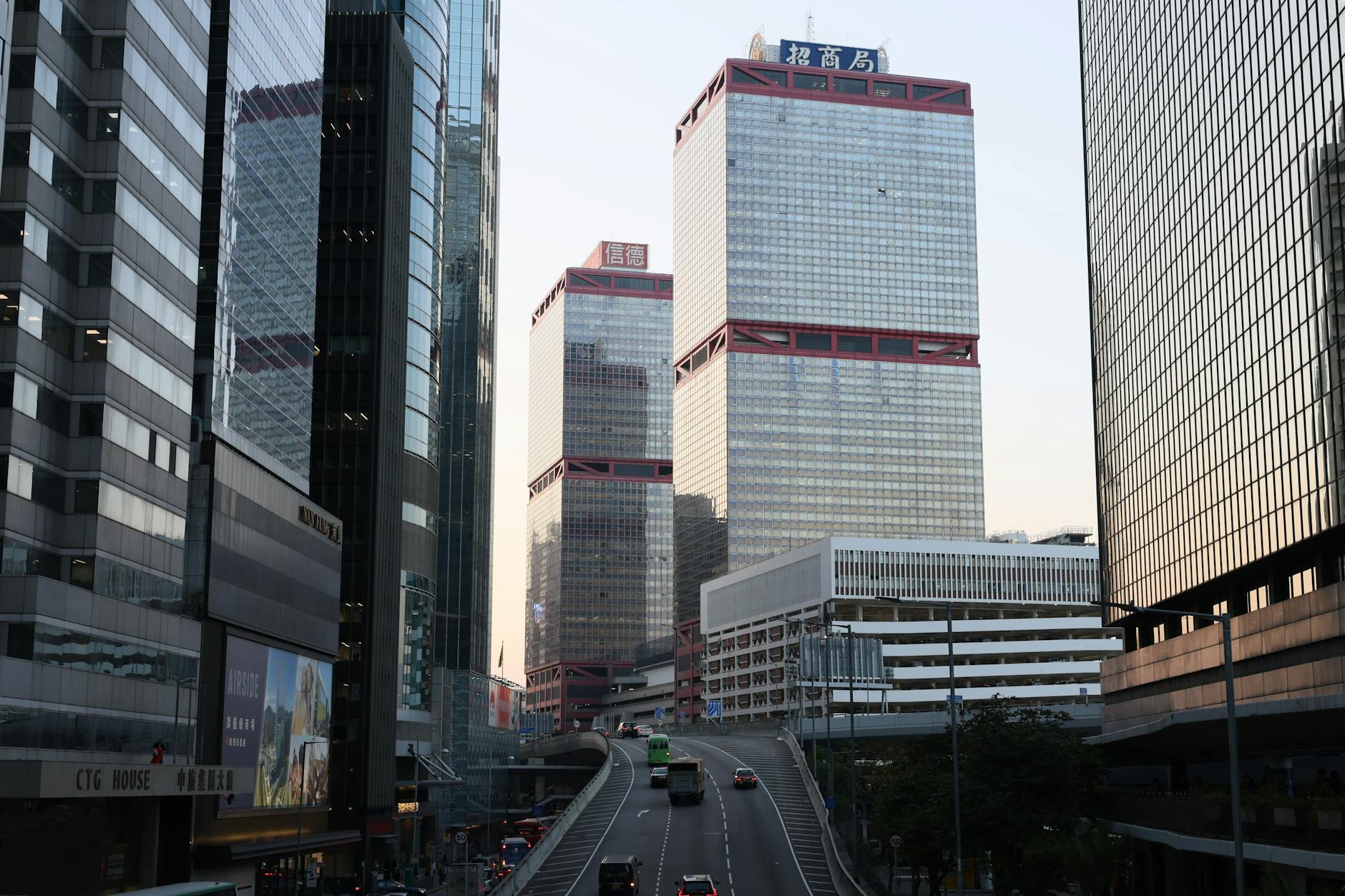
Wan Chai can be useful for an investor or deal team member because it sits near offices, hotels, HKCEC, government-adjacent spaces, restaurants, taxis, MTR, trams, Admiralty, Central, and Causeway Bay. It can also be the wrong base if the deal calendar actually clusters elsewhere or if confidentiality, timing, and recovery are not handled carefully. A short deal trip should be planned around discretion, punctuality, document control, meeting quality, and decision time. The traveler should know where diligence happens, which meetings require conservative routing, where private calls can occur, and what should be cut when the schedule compresses.
Confirm where diligence and meetings happen
An investor or deal team member should start with exact meeting geography. The calendar may include management meetings, advisor offices, site visits, lender discussions, regulator-adjacent stops, dinners, and informal coffee meetings across Wan Chai, Admiralty, Central, Causeway Bay, Kowloon, or HKCEC. A hotel that is convenient for one session may be weak for the rest of the day.
The traveler should map the first meeting, the most sensitive meeting, the last meeting, and any airport transfer pressure before choosing the base. Deal travel is too compressed for vague district assumptions.
- Map management meetings, advisors, site visits, lenders, dinners, informal coffees, and airport timing.
- Separate Wan Chai, Admiralty, Central, Causeway Bay, Kowloon, and HKCEC obligations.
- Choose the base around the most sensitive and least movable meetings.
Choose lodging by confidentiality and access
The hotel should support private work as well as movement. Room quiet, desk setup, secure Wi-Fi, call privacy, lift reliability, lobby discretion, breakfast timing, taxi pickup, ironing, laundry, and distance to meeting clusters all matter. A high-end room can still be wrong if calls are difficult or every transfer is exposed to delay.
The traveler should decide whether the hotel is only a place to sleep or a working base for document review, calls, partner alignment, and post-meeting decisions. That decision affects room category, location, and daily pacing.
- Check room quiet, desk, secure Wi-Fi, call privacy, lifts, lobby discretion, breakfast, taxi pickup, and laundry.
- Choose lodging by meeting clusters, document review needs, partner alignment, and decision time.
- Avoid hotel choices that make confidential work or punctual movement harder.
Plan movements by meeting sensitivity
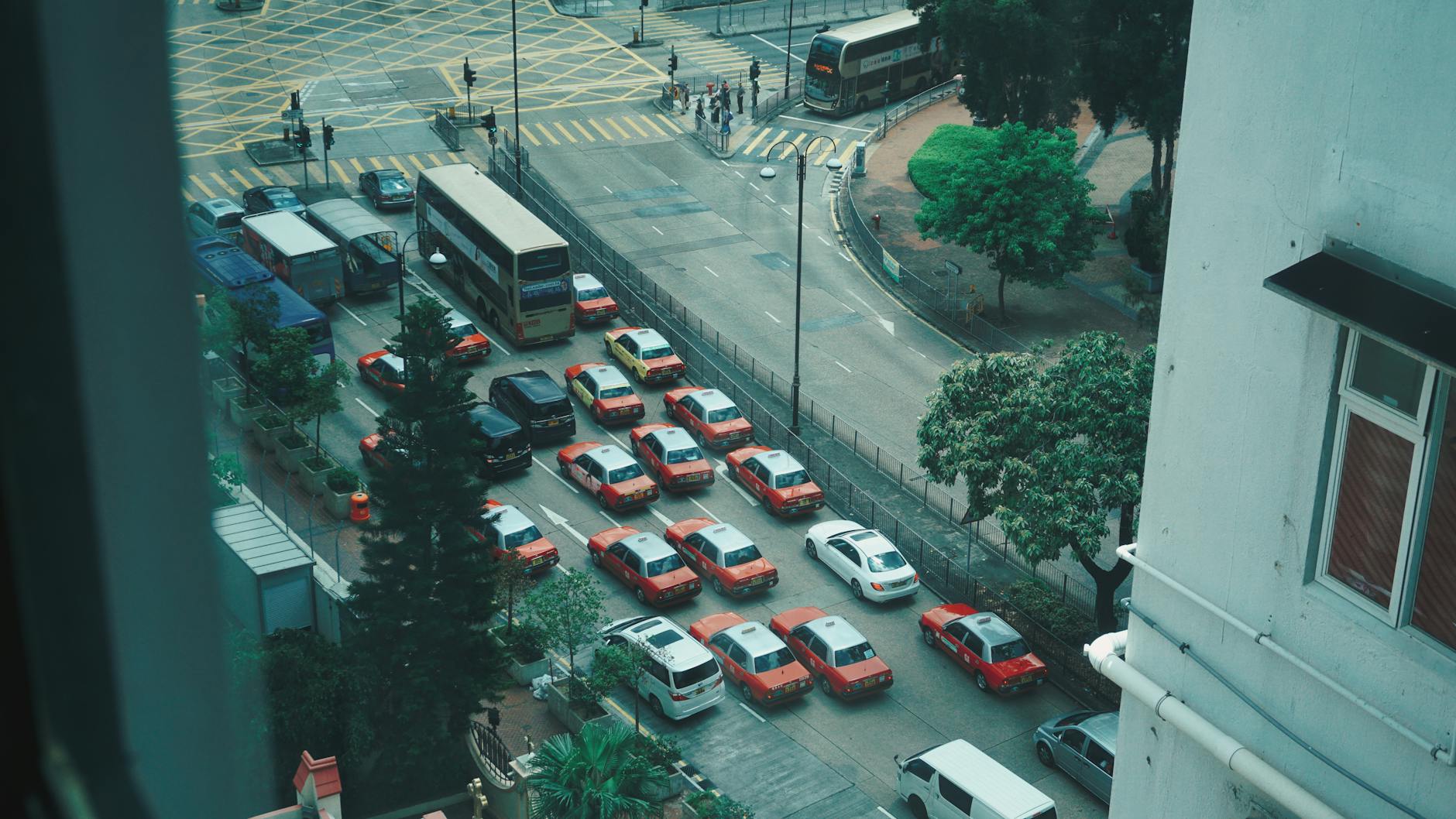
Deal travel should not use one transport rule for every movement. MTR may be efficient for low-risk transfers, trams may be useful only when timing is flexible, and taxis or cars may be better before senior meetings, document-heavy movement, rain, or late dinners. Walking can be useful when the route is short and the traveler will arrive composed.
The traveler should classify movements by sensitivity. The more important the meeting, the more conservative the routing should be.
- Choose MTR, tram, taxi, car, or walking by meeting sensitivity, documents, weather, and lateness risk.
- Use conservative routing before senior meetings, diligence sessions, and hosted dinners.
- Do not use scenic or cheap movement for time-critical obligations.
Treat meals as part of the deal calendar
Meals can carry real deal value. Wan Chai and nearby districts can support private rooms, hotel dining, Cantonese restaurants, coffee meetings, bars, and quieter tables, but each choice should match the purpose. Relationship building, negotiation, adviser alignment, management discussion, and team debriefs require different settings.
The traveler should also protect the next meeting. A meal that runs long, gets too loud, or sits far from the next obligation can hurt the trip even if the restaurant is strong.
- Choose meals by relationship purpose, privacy, noise, timing, group size, dietary needs, and route.
- Separate management meals, adviser alignment, negotiation, coffee meetings, and team debriefs.
- Protect the next meeting from meals that run long or sit in the wrong location.
Protect documents, calls, and decision time
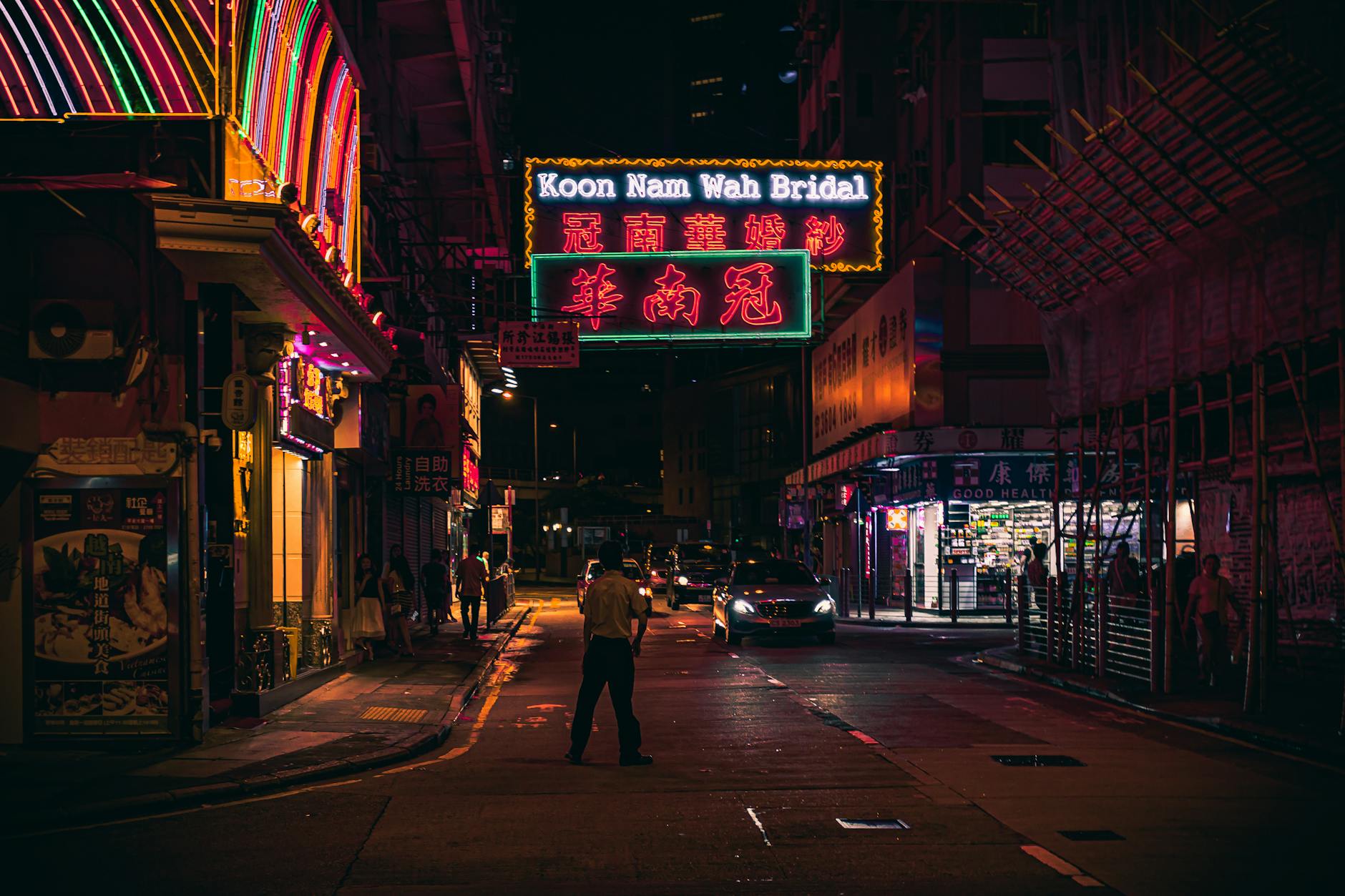
Investor and deal team travel creates information risk. The traveler should plan how to handle documents, laptops, data rooms, printed notes, confidential calls, screen privacy, charging, backup connectivity, and document disposal. Public lobbies, taxis, restaurants, and shared offices may not be appropriate for every conversation.
Decision time also needs space. A short trip can include too many meetings and too little time to compare notes, adjust assumptions, or decide what needs follow-up before the team leaves Hong Kong.
- Plan document handling, laptops, data rooms, printed notes, calls, screen privacy, charging, and backup data.
- Avoid sensitive conversations in public lobbies, taxis, restaurants, or shared spaces when inappropriate.
- Protect time for partner alignment, note review, and follow-up decisions.

Build contingency around compressed schedules
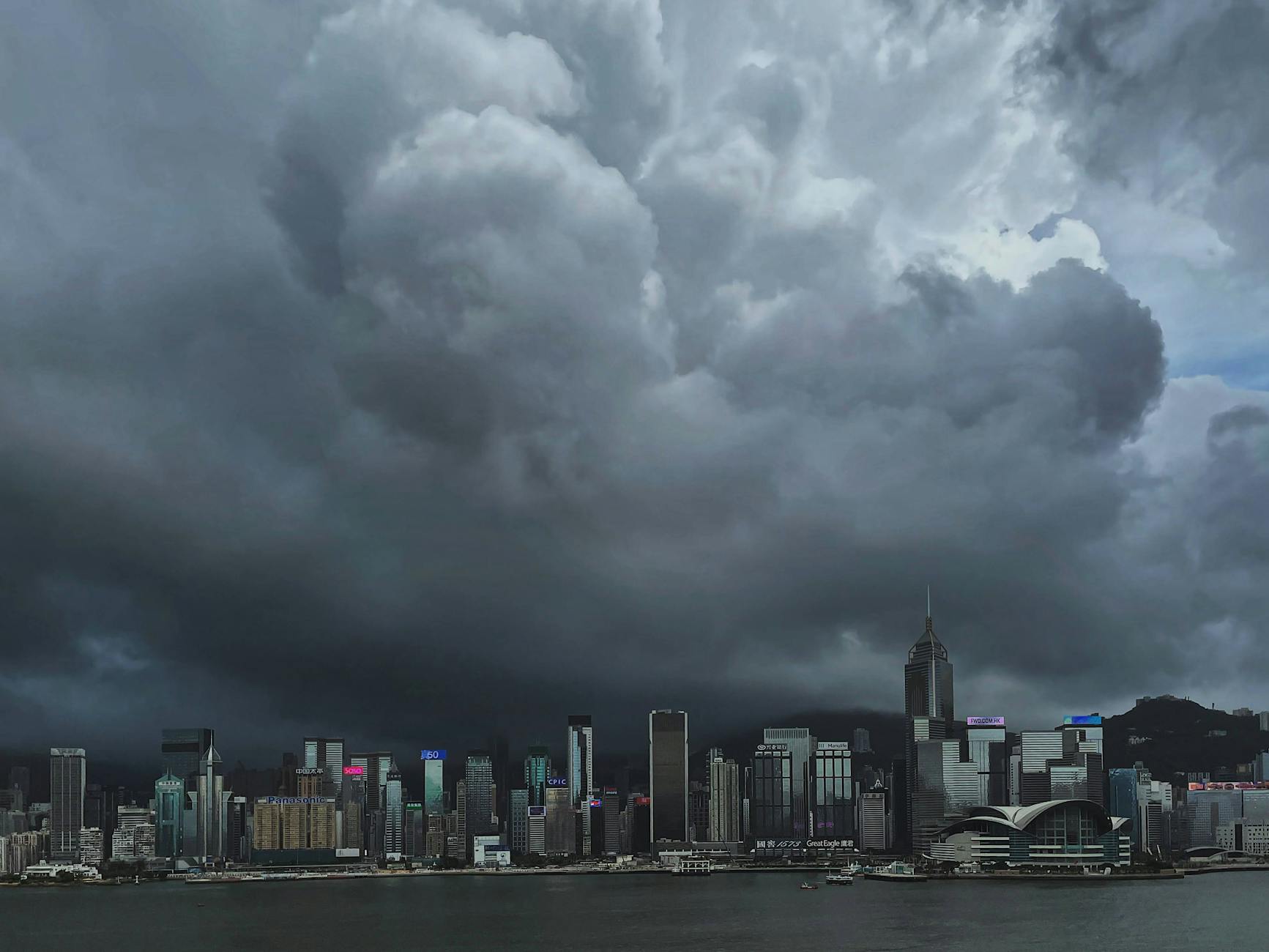
Deal schedules compress easily. Meetings move, dinners run long, diligence questions expand, rain slows movement, traffic shifts, and document issues appear at bad times. The traveler should keep buffers around the most important obligations and decide which optional plans disappear first.
Contingency planning is not about assuming failure. It is about protecting the investment purpose of the trip when Hong Kong movement, weather, or people change the day.
- Plan for moved meetings, long dinners, expanded diligence, rain, traffic, and document issues.
- Keep buffers around high-value meetings, airport transfer, and team decision blocks.
- Cut optional sightseeing, shopping, or social plans before they threaten deal work.
When to order a short-term travel report
An investor or deal team member with a hosted itinerary and light schedule may not need a custom Wan Chai report. A report becomes useful when meeting sites are split, confidentiality matters, hotel choice affects work, airport timing is tight, dinners need vetting, or the team has to preserve decision quality under a compressed calendar.
The report should test meeting geography, hotel fit, airport arrival, confidential work locations, MTR, tram, taxi and car choices, meal settings, document handling, weather, contingency time, budget, and what to cut. The value is a Wan Chai deal trip that protects judgment as well as movement.
- Order when meeting geography, hotel fit, confidentiality, meals, movement, or contingency needs testing.
- Provide dates, meeting sites, hotel options, deal duties, confidentiality needs, constraints, and budget.
- Use the report to keep the deal trip discreet, punctual, and decision-ready.