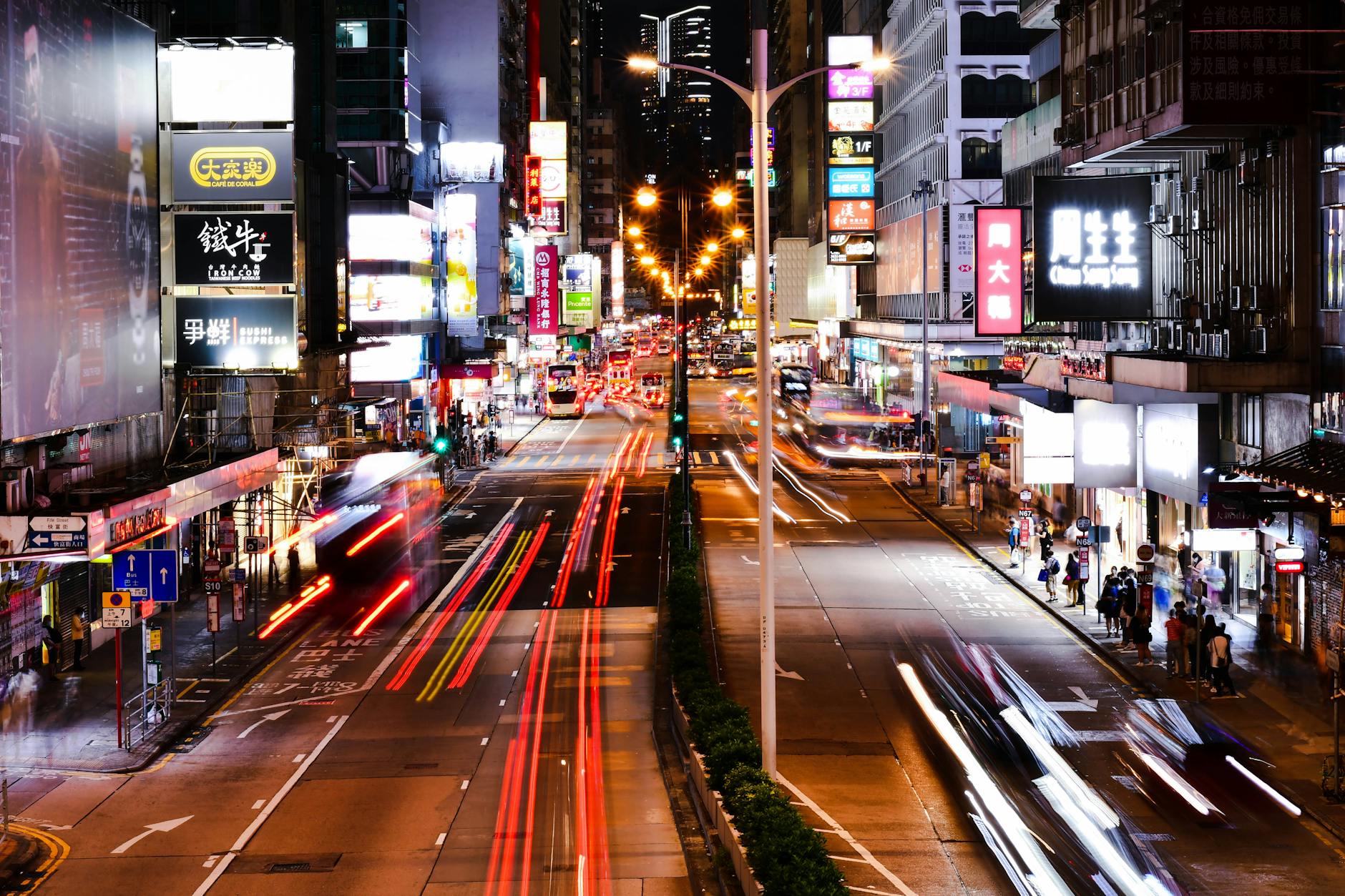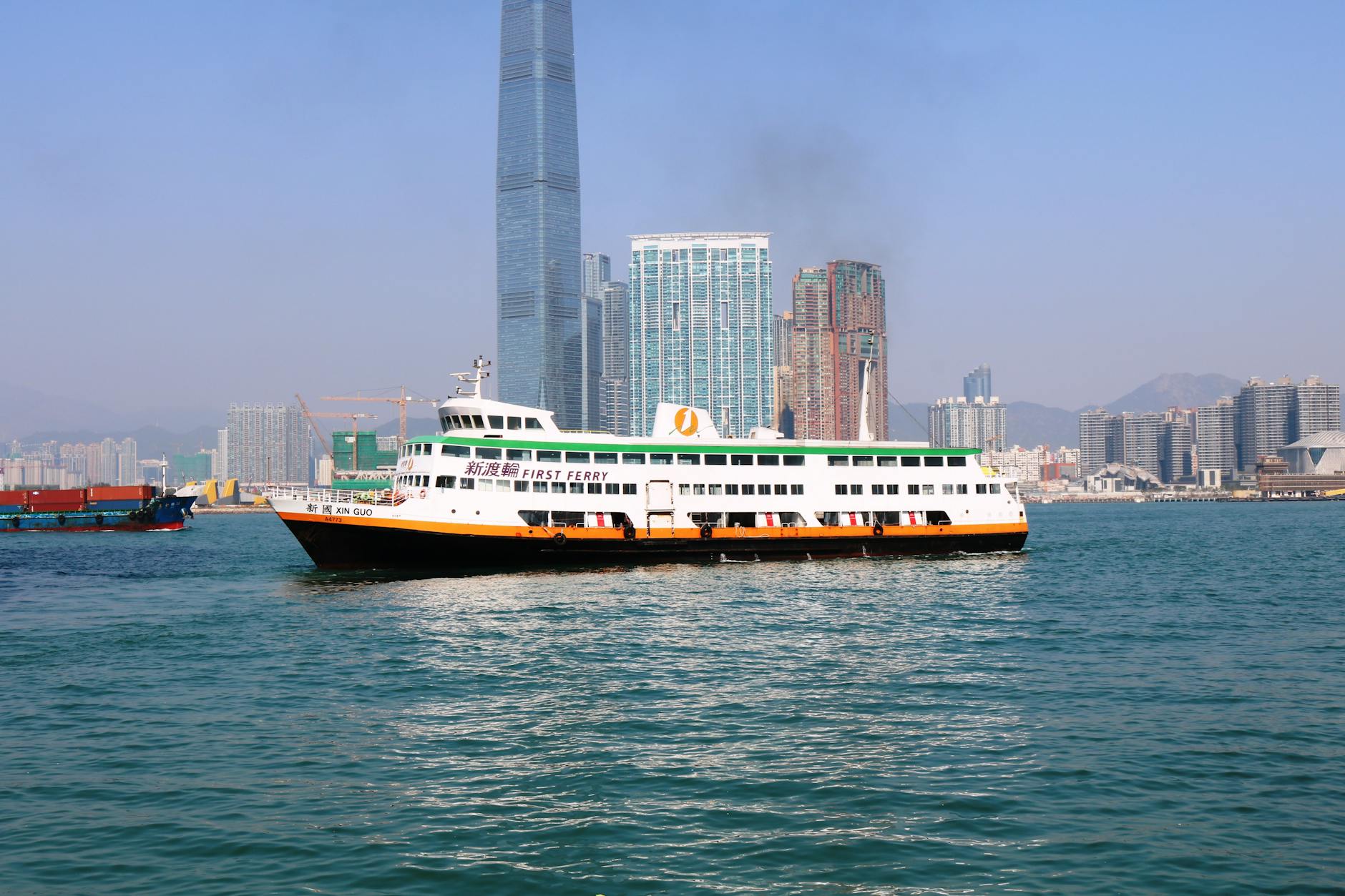
Wan Chai can be a revealing first base for Hong Kong because it sits between office towers, tram streets, markets, convention venues, harborfront space, older lanes, restaurants, bars, and fast access to Central, Admiralty, and Causeway Bay. It shows several versions of the city quickly. That variety is also why it can confuse a first-time visitor who expects one simple neighborhood personality. A first Wan Chai stay should be planned around orientation. The traveler should know where the hotel sits, which MTR exits and tram stops matter, when to use taxis, where the harbor is, which streets work better by day or night, and what to skip so the short trip does not become a series of improvised detours.
Understand Wan Chai as several districts at once
A first-time visitor should not expect Wan Chai to behave like one clean sightseeing zone. The harborfront, convention center, office corridors, tram streets, markets, restaurants, nightlife blocks, and residential edges can sit close together but feel very different. The traveler should learn the anchors before trying to cover the whole area.
A practical first orientation can use the hotel, Wan Chai MTR, the tram corridor, the harbor, and one food street or market area as reference points. Once those are clear, wider Hong Kong movement becomes much easier.
- Treat Wan Chai as harbor, convention, office, tram, market, dining, nightlife, and residential layers.
- Use the hotel, MTR, tram corridor, harbor, and one food area as orientation anchors.
- Do not expect every block to have the same tone or travel purpose.
Use MTR and tram for different jobs
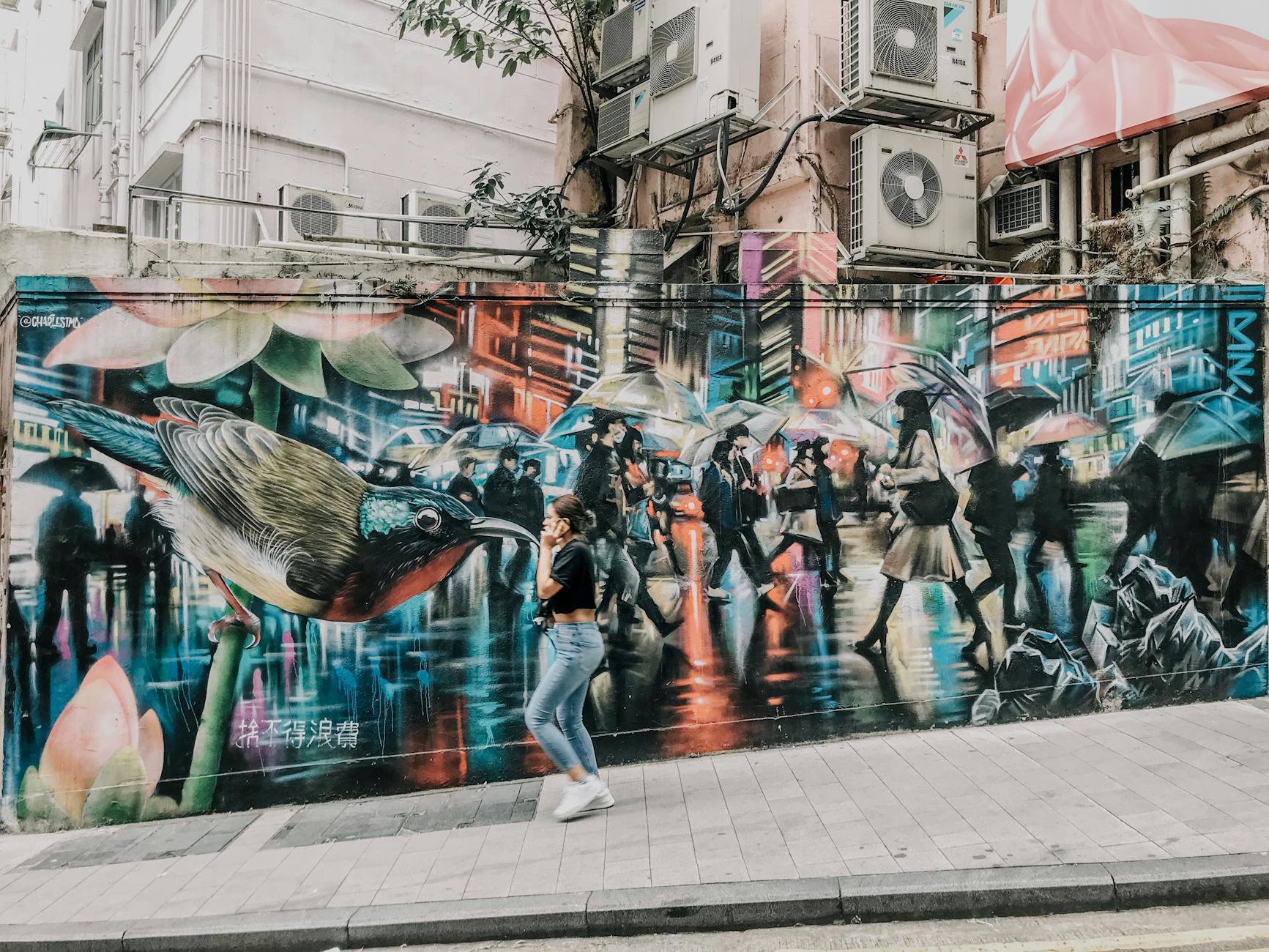
Wan Chai gives a first-time visitor two very different public-transport tools. The MTR is the practical answer for fast movement to Central, Admiralty, Causeway Bay, and wider Hong Kong. The tram is slower but more legible, atmospheric, and useful for understanding the street-level city along Hong Kong Island.
The visitor should not treat either as always better. A good first trip might use MTR when time matters, tram when orientation and atmosphere matter, and taxis when rain, luggage, fatigue, or late hours make transit less attractive.
- Use MTR for fast district movement and trams for slower street-level orientation.
- Check station exits, tram stops, payment, walking distance, rain plans, and return routes.
- Use taxis when bags, weather, late hours, or fatigue make transit harder.

Choose the hotel by first-day comfort
First-time visitors often choose a hotel by price, brand, or skyline promise. In Wan Chai, the practical details matter just as much. The traveler should check MTR exits, taxi pickup, lobby access, room quiet, breakfast, nearby casual food, late return comfort, and whether the hotel sits closer to the convention edge, office edge, tram corridor, or nightlife area.
The first day should be easy to execute after a flight. A slightly less dramatic hotel can create a better first Hong Kong stay if it makes arrival, meals, and short orientation routes simpler.
- Check MTR exits, taxi pickup, lobby access, room quiet, breakfast, nearby food, and late returns.
- Know whether the hotel favors convention, office, tram, harbor, dining, or nightlife access.
- Prioritize a comfortable first day over a hotel that only looks better online.
Make the harbor useful without overextending
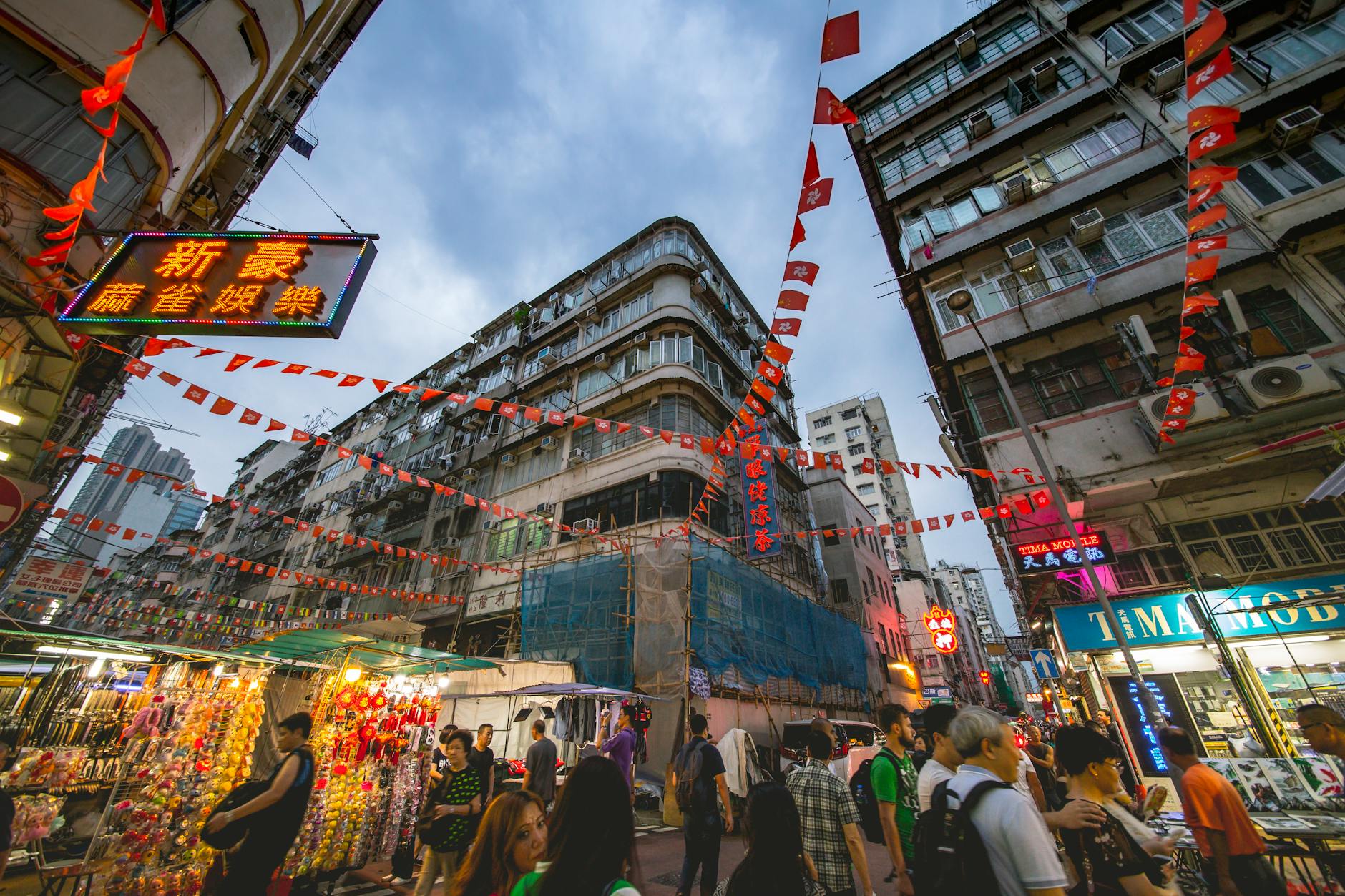
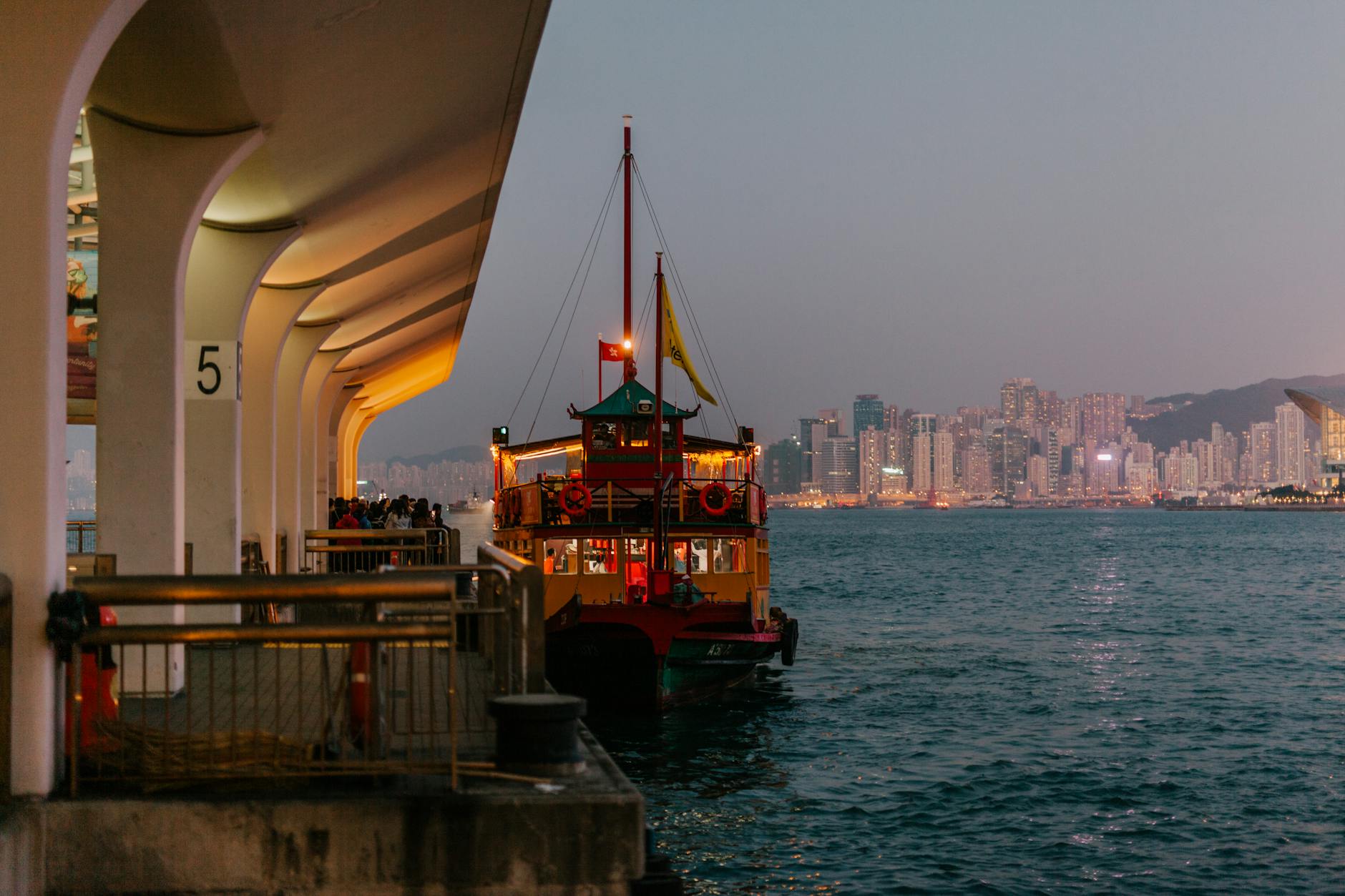
Wan Chai's harborfront can help a first-time visitor understand Hong Kong's scale, especially around the convention center and waterfront paths. It can also be less direct than it looks depending on crossings, construction, heat, rain, and where the hotel sits. The harbor should be planned as a route, not just a vague idea.
The visitor should decide whether the harbor is for a morning walk, convention-area view, ferry-linked outing, photo stop, or quiet break. If the day is short, one focused harbor block is usually better than repeatedly drifting toward the water.
- Plan harbor access by crossings, weather, walking distance, construction, and return route.
- Use the waterfront for orientation, a morning walk, a photo stop, or a quiet break.
- Avoid turning the harbor into repeated detours that compete with the rest of the first visit.
Plan food before the district overwhelms the day
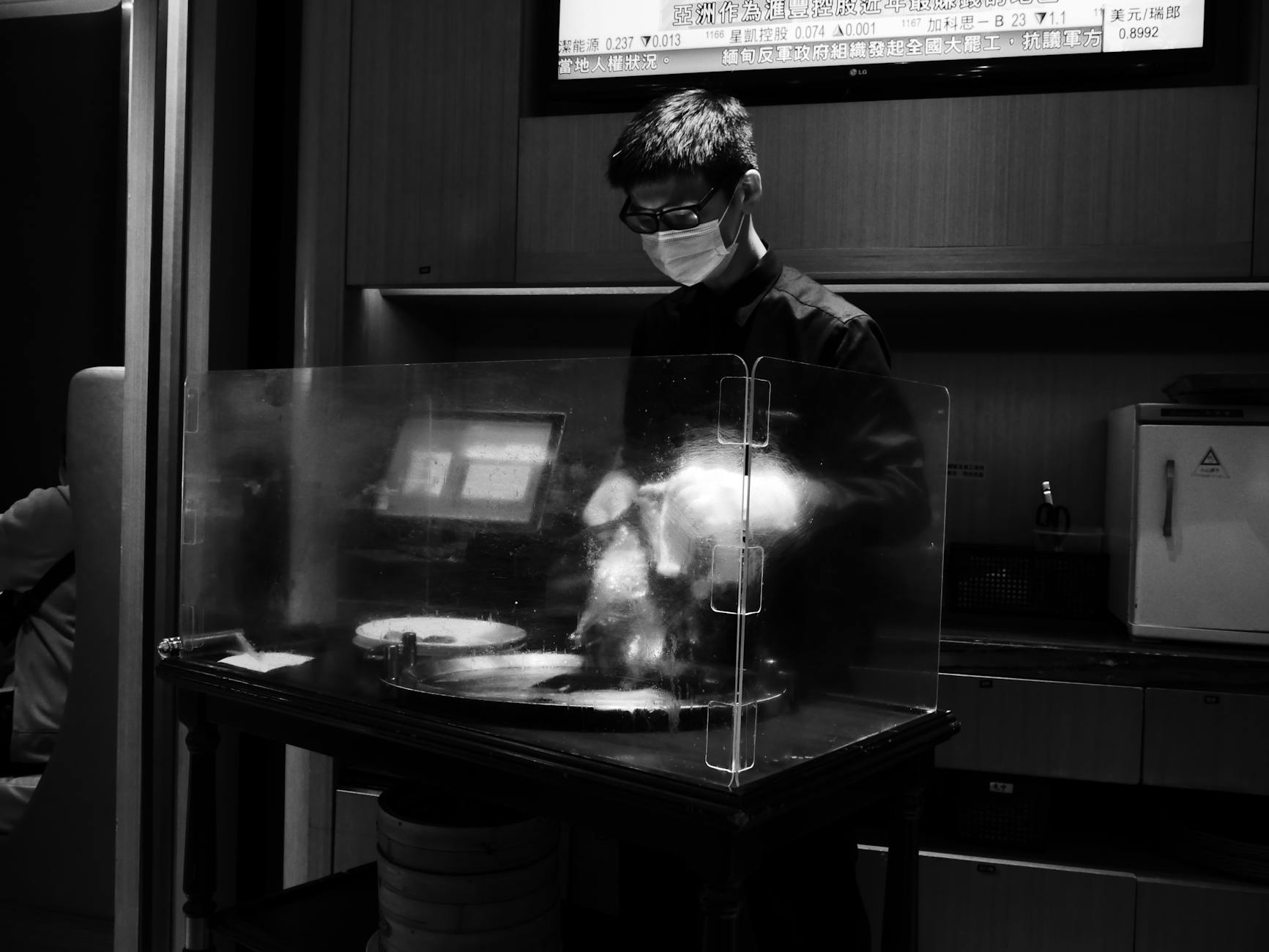
Wan Chai has restaurants, cafes, bakeries, casual local meals, hotel dining, bars, and nearby Causeway Bay options. That range is useful for a first-time visitor, but it can also create decision fatigue. The traveler should identify a few meals near the hotel, one local meal, one easy late-arrival option, and one backup for rain or low energy.
Meal planning should stay flexible, but it should prevent wandering hungry through unfamiliar streets. It also helps with dietary needs, payment expectations, queues, noise, and whether the meal location makes the next movement easier or harder.
- Preselect hotel-area, local, late-arrival, rain-friendly, and low-energy meal options.
- Check queues, payment, dietary fit, noise, seating comfort, and return route.
- Use meals as anchors so the first visit does not become all open decisions.
Handle evening tone deliberately
Wan Chai changes after dark. Some areas feel like restaurant corridors, some feel businesslike, some feel residential, and some carry a nightlife edge. A first-time visitor should decide whether the evening is for dinner, a bar, a tram ride, a harbor view, or an easy return to the hotel. The district should not decide that on the traveler's behalf.
The visitor should know the hotel return route, late taxi options, phone battery, payment backup, and whether the next morning matters. Wan Chai can be enjoyable at night when the traveler chooses the right tone.
- Choose whether each evening is for dinner, bars, tram, harbor views, or rest.
- Know hotel return routes, taxi points, phone battery, payment backup, and late food options.
- Match evening ambition to the next morning's plans.
When to order a short-term travel report
A first-time visitor with several flexible days and a simple hotel choice may not need a custom Wan Chai report. A report becomes useful when the stay is short, arrival timing is awkward, the traveler is choosing between Wan Chai, Central, Causeway Bay, and Kowloon, or the itinerary needs to balance food, transport, harbor time, nightlife, and first-time orientation without becoming chaotic.
The report should test hotel location, arrival route, MTR and tram use, first-day pacing, harbor access, meals, evening tone, weather, budget, safety, jet lag, and what to cut. The value is a first Wan Chai visit that feels clear without becoming overplanned.
- Order when hotel choice, arrival, district orientation, transport, meals, or evening plans need testing.
- Provide dates, flight times, hotel options, interests, constraints, mobility needs, and budget.
- Use the report to make the first Wan Chai visit selective, practical, and readable.