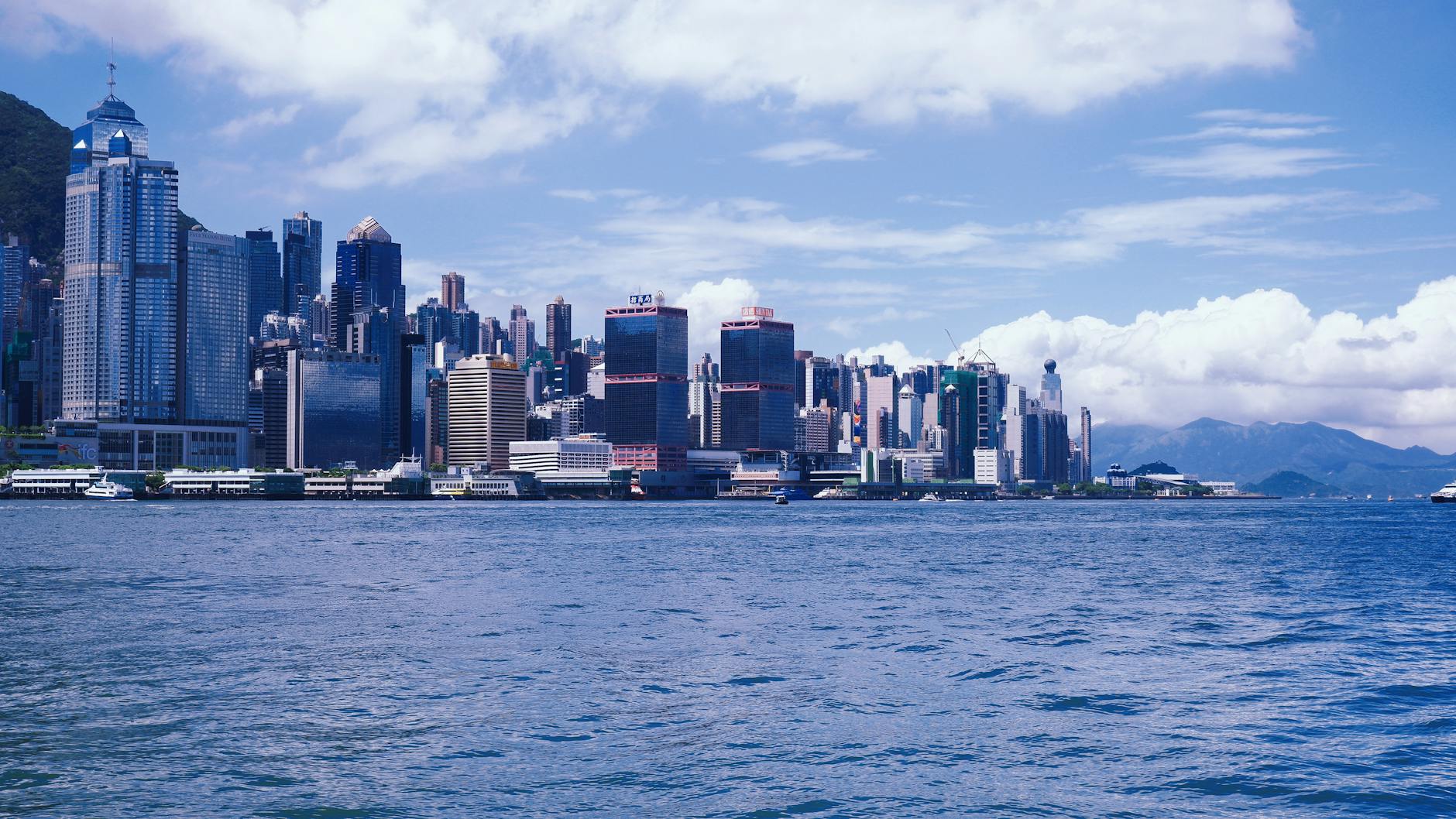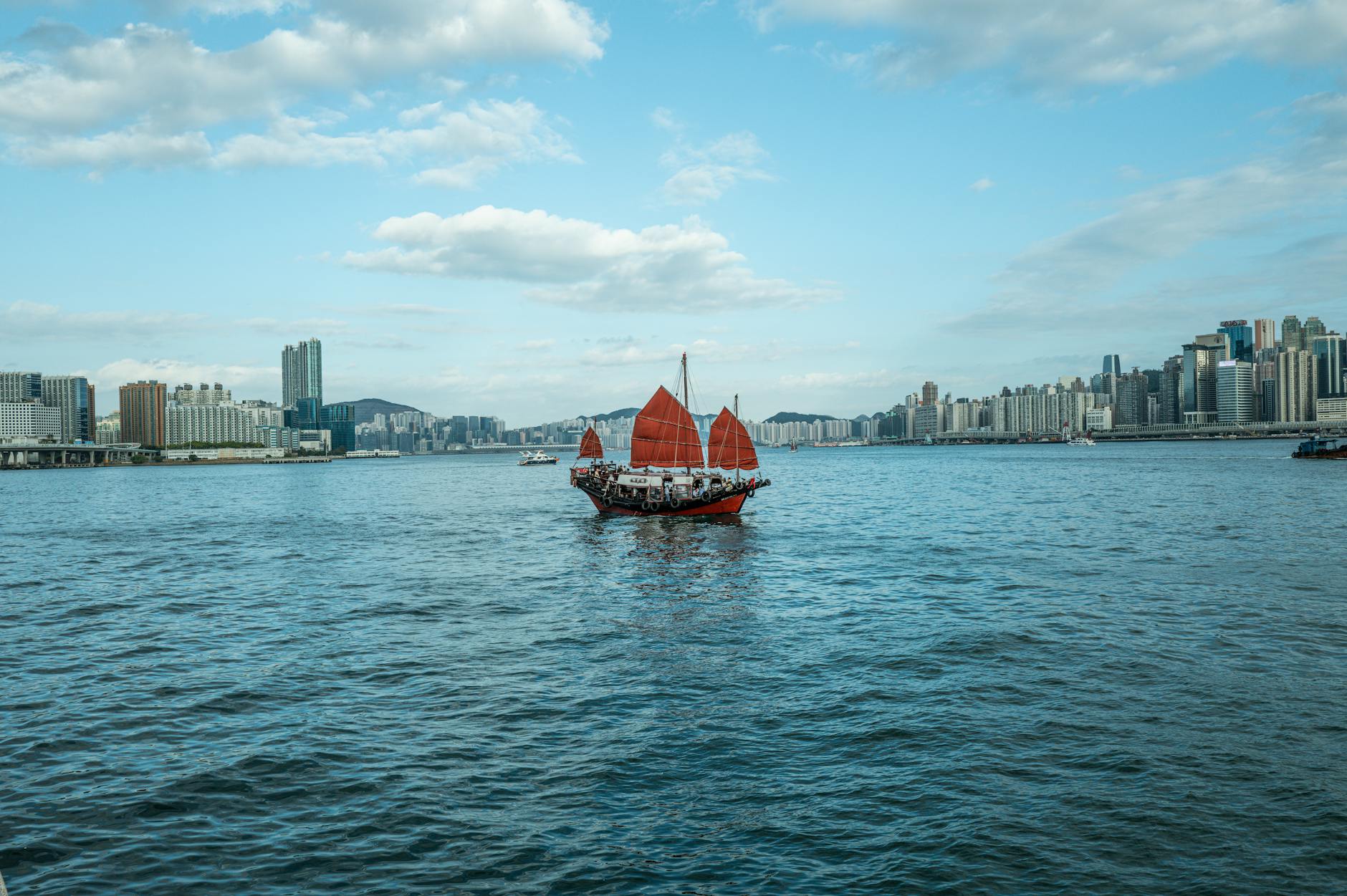
Wan Chai can be useful on a Hong Kong cruise or port call, but it is usually not the whole port problem. Ships may use Kai Tak Cruise Terminal, Ocean Terminal in Tsim Sha Tsui, or another arrangement depending on itinerary and operational needs. Wan Chai can be a strong shore-time target because it gives harbor views, tram streets, restaurants, convention-center access, hotels, and quick links to Admiralty, Central, Causeway Bay, and the Star Ferry side of the city. It can also be a poor choice if the traveler underestimates transfer time or return risk. A port day should be planned backward from all-aboard time. The traveler should know where the ship actually docks, how long immigration and disembarkation may take, what Wan Chai is meant to provide, and which plans disappear first if the day compresses.
Confirm the berth before choosing Wan Chai
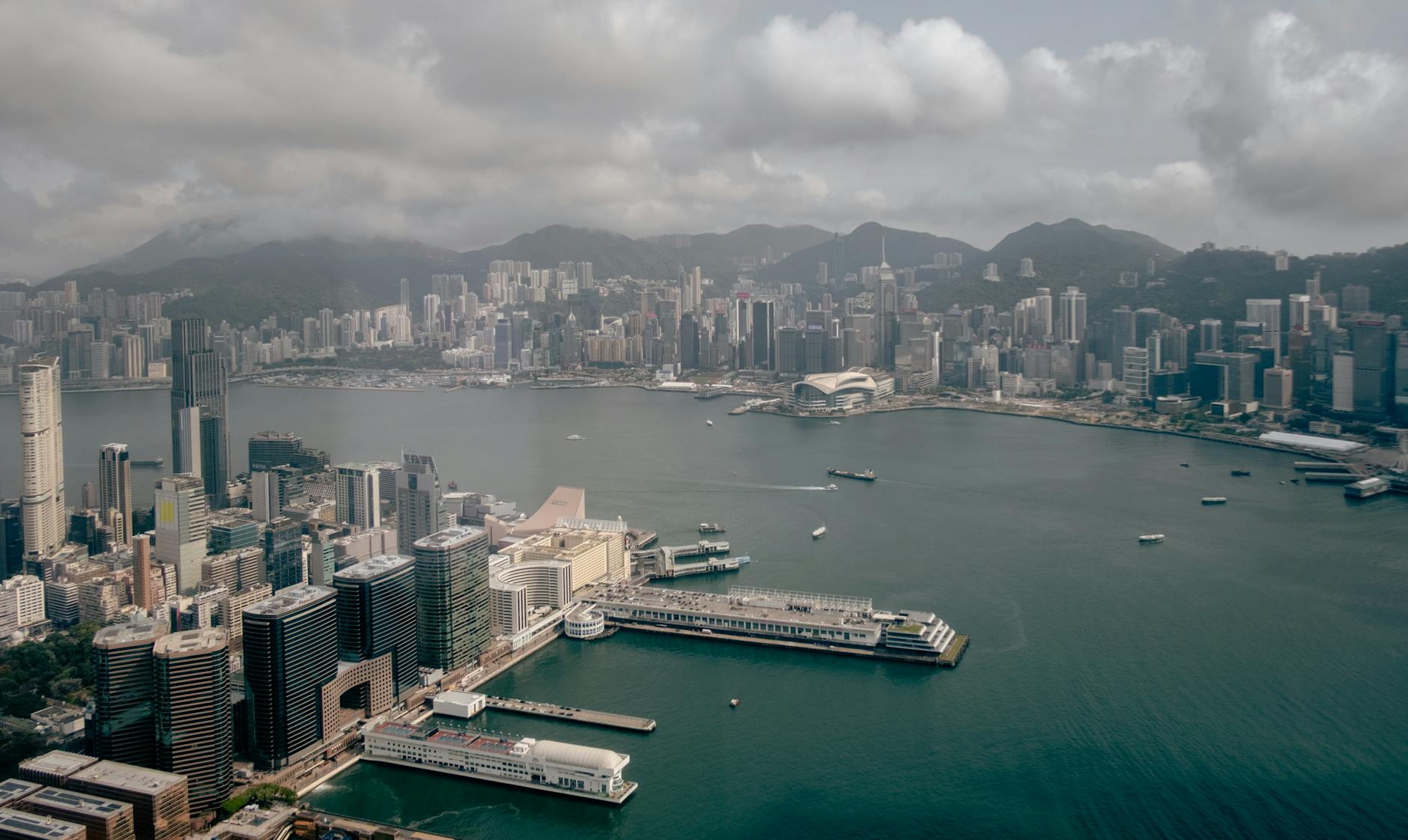
A cruise traveler should not assume that Hong Kong means one easy arrival point. Kai Tak and Ocean Terminal create different transfer patterns, skyline views, taxi needs, ferry possibilities, and timing risks. A port call that looks generous on the itinerary can become short once clearance, group movement, queues, and return buffers are included.
The traveler should confirm the berth, disembarkation rules, all-aboard time, passport or entry requirements, shuttle arrangements, and whether the cruise line has any practical limits on independent touring. Wan Chai should be chosen against that real clock.
- Confirm the berth, clearance timing, all-aboard time, shuttle rules, entry needs, and independent touring limits.
- Treat Kai Tak, Ocean Terminal, and other berth arrangements as different movement problems.
- Choose Wan Chai only after the real shore-time window is clear.
Decide what Wan Chai is solving
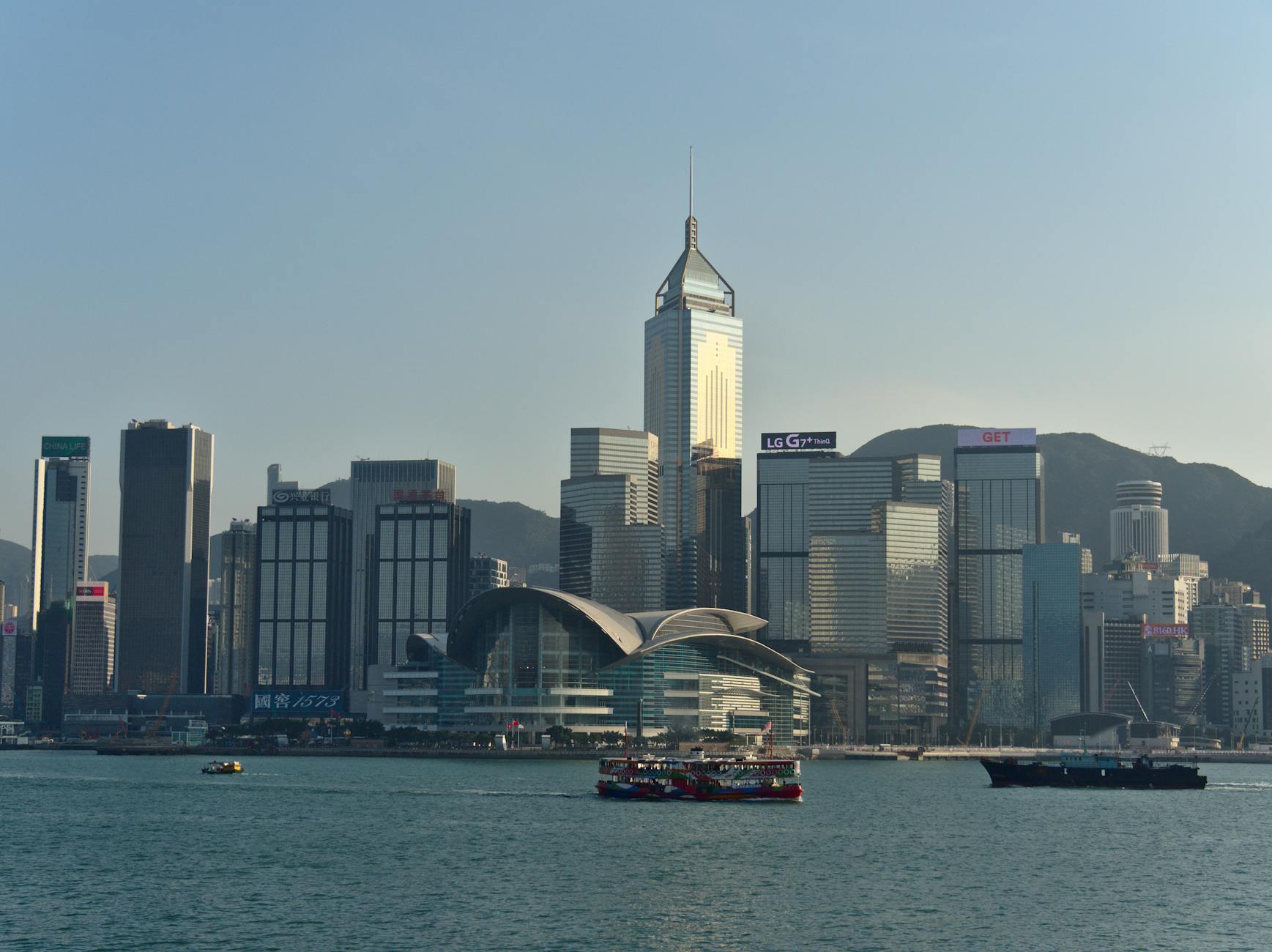
Wan Chai can be a practical port-day choice for travelers who want a mix of harbor, restaurants, trams, urban streets, convention-center surroundings, and quick access to nearby districts. It is not always the best answer for a traveler whose priority is Kowloon waterfront, Peak views, temples, shopping, or a tightly managed excursion. The district should solve a specific port-day need.
The traveler should define the purpose before leaving the ship. A focused plan might include a tram ride, a harbor walk, lunch, one view, and a conservative return. A vague plan can turn into slow cross-harbor movement and missed opportunities.
- Use Wan Chai for harbor access, tram streets, food, urban contrast, or nearby business-district movement.
- Compare it honestly against Kowloon, Central, The Peak, temples, shopping, and cruise-line excursions.
- Build one focused shore plan instead of chasing every famous Hong Kong sight.
Plan transfer routes both ways
The route into Wan Chai and the route back to the ship may not be the same. Depending on berth and timing, the traveler may use taxi, MTR, ferry, shuttle, walking links, or a mix of modes. Taxis can be easier with limited time, but traffic, rain, queues, and driver communication still matter. Public transport can be efficient but demands better exit knowledge.
The return route should be more conservative than the outbound route. A port-call traveler has a hard deadline, not a normal dinner reservation.
- Compare taxi, MTR, ferry, shuttle, walking links, and mixed routes by berth and time of day.
- Know station exits, pickup points, pier locations, and backup taxi options before leaving the ship.
- Make the return route more conservative than the outbound route.
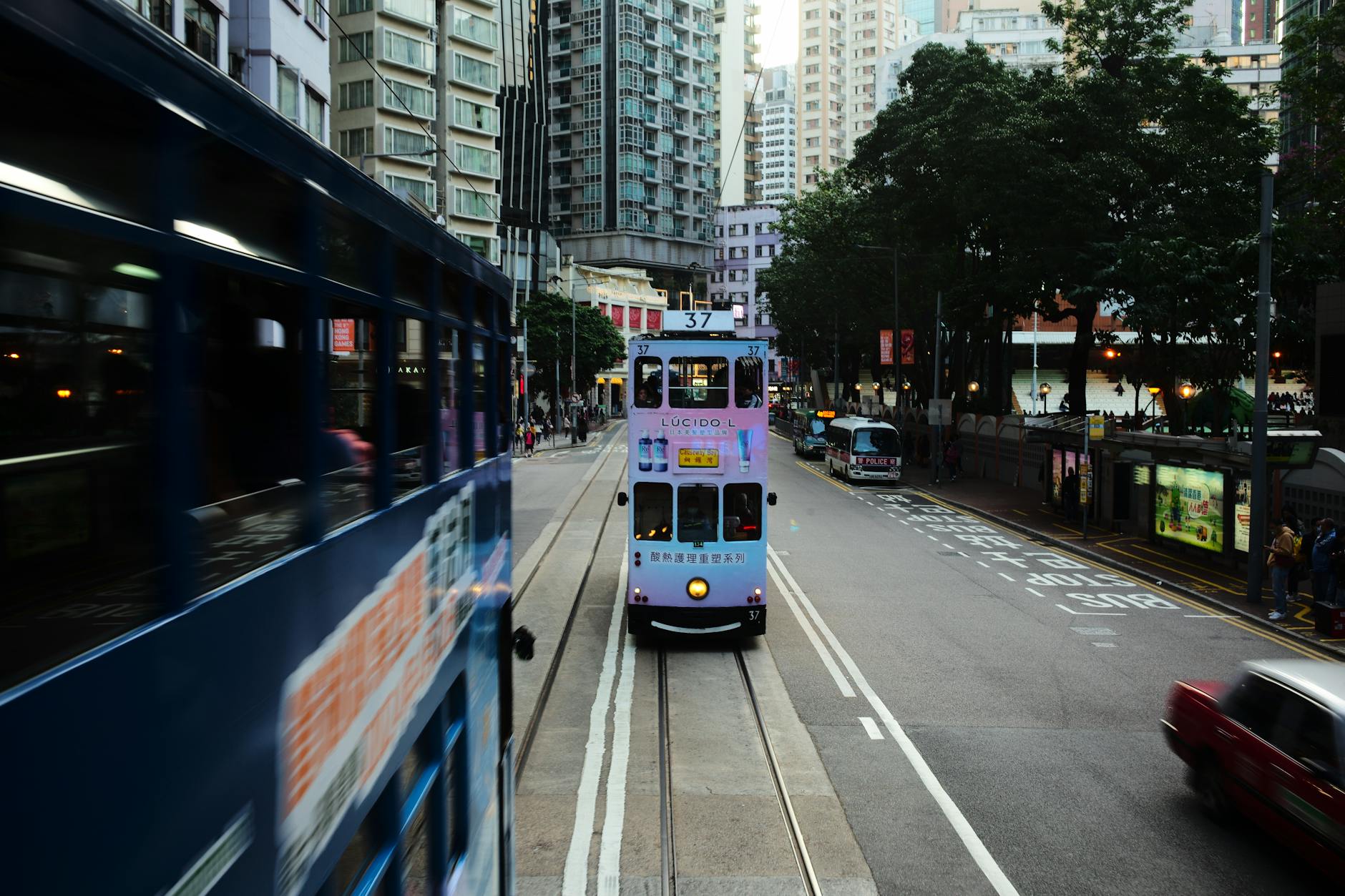
Use meals and harbor time to pace the call
A good Wan Chai port day often works because it does not overreach. A harbor walk, a tram segment, a Cantonese meal, a coffee stop, or a short move toward Admiralty or Central can give the traveler a real Hong Kong day without risking the ship. Meals should be placed near the route rather than chosen only by reputation.
The traveler should also decide how much time to spend indoors. Heat, humidity, rain, and cold interiors can make a well-timed lunch or hotel coffee stop more useful than another crowded transfer.
- Use harbor walks, trams, lunch, coffee, and one nearby district deliberately.
- Choose meals by route, timing, group size, dietary needs, and return pressure.
- Let indoor pauses manage heat, rain, humidity, and fatigue.
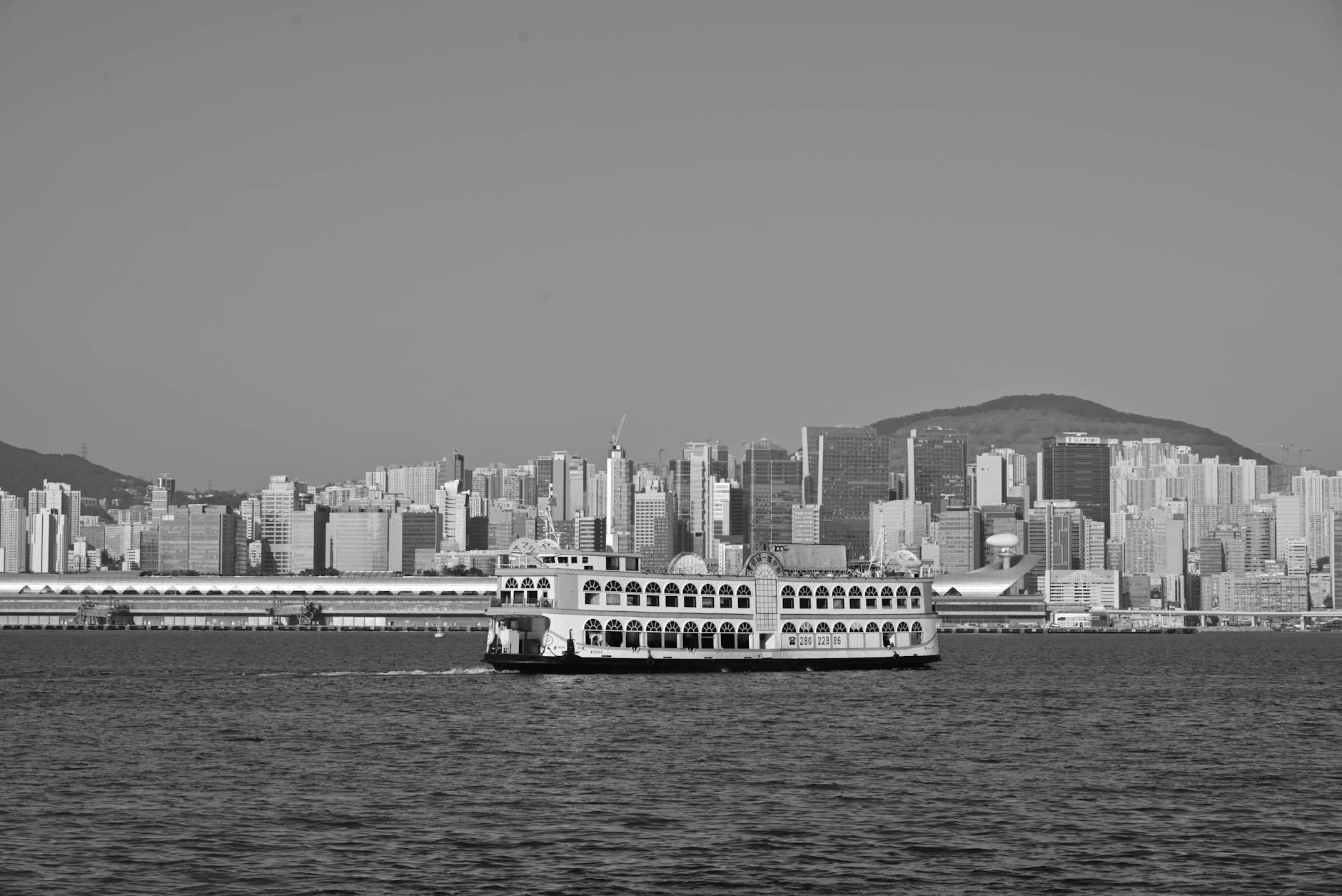
Account for mobility, bags, and ship-day fatigue
Cruise travelers often carry different constraints from ordinary city visitors. Mobility, group pace, medication, seasickness recovery, dress, ship cards, passports, small bags, shopping, and fatigue from prior ports can all shape the day. Wan Chai's footbridges, crossings, MTR exits, crowding, and wet pavements should be considered before committing to a walking-heavy plan.
The traveler should decide what can be carried comfortably and what should stay on board. A short shore call is not the best time to test complicated bag logistics.
- Plan around mobility, medication, ship cards, passport needs, small bags, shopping, and fatigue.
- Check footbridges, crossings, MTR exits, crowds, weather exposure, and wet pavement.
- Keep the carry load simple enough for the full shore route and return.
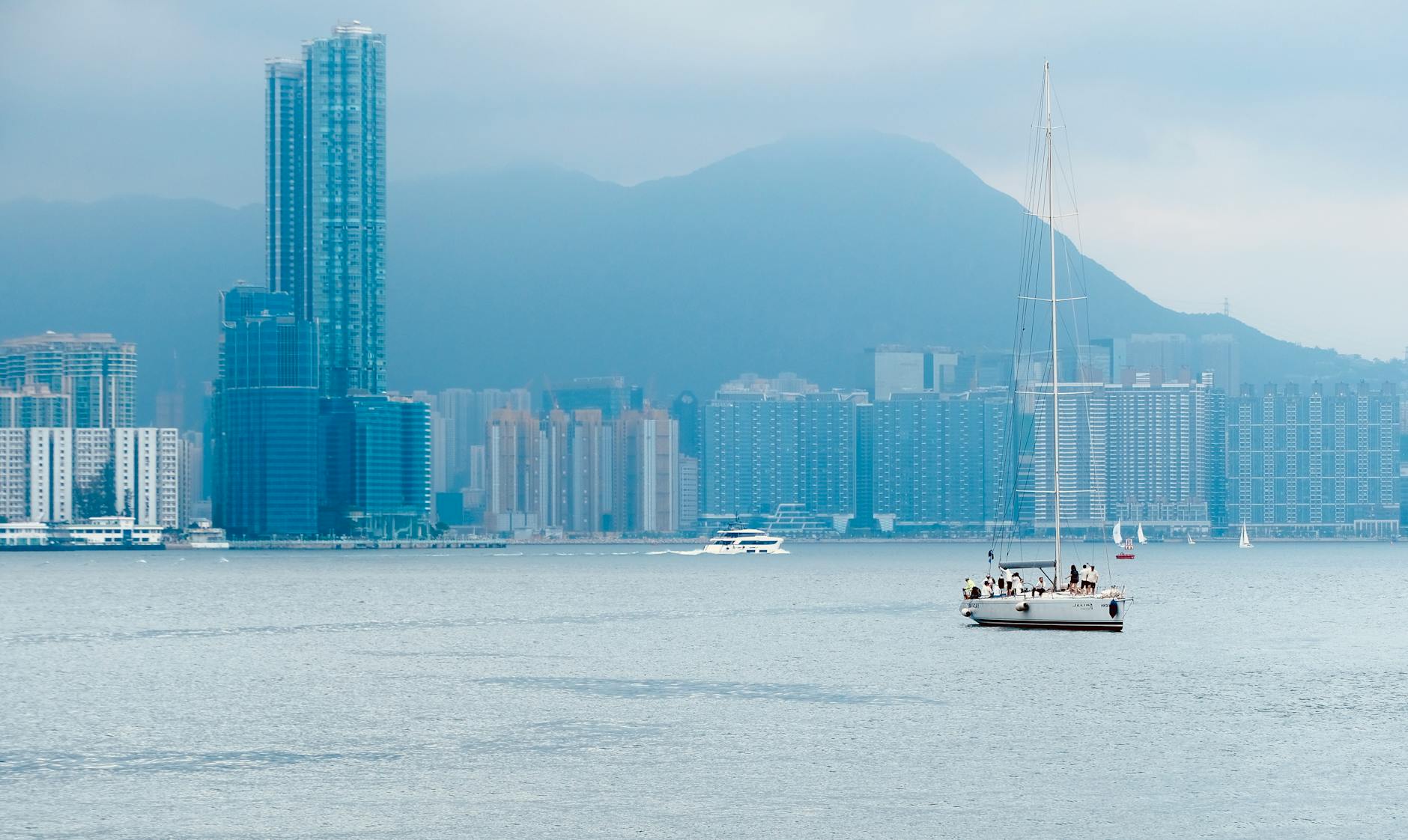
Build a firm return buffer
The most important port-day decision is when to turn back. Hong Kong traffic, rain, taxi demand, ferry timing, group delays, missed exits, and shopping detours can all consume the margin. A traveler who plans the return only after the day has already stretched is taking a risk that is rarely worth it.
The traveler should set a latest departure time from Wan Chai, a backup return method, and a clear rule for cutting the final stop. The ship will not wait because a route looked short on a phone.
- Set a latest departure time from Wan Chai before the shore day starts.
- Keep a backup return method for rain, traffic, taxi queues, or missed connections.
- Cut shopping, extra drinks, or one more sight before the ship-return buffer is threatened.
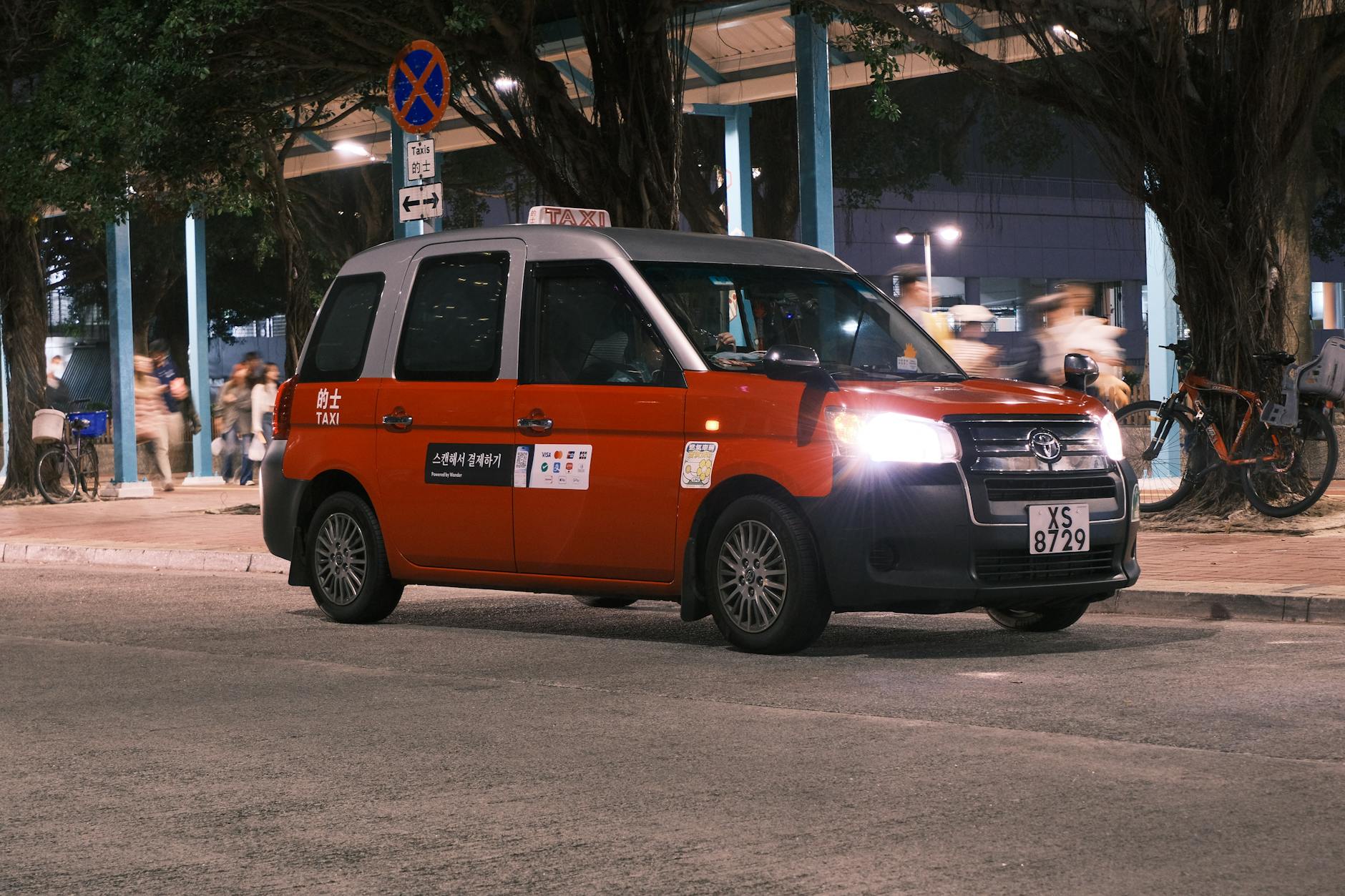
When to order a short-term travel report
A cruise traveler on a hosted excursion or a very simple harbor walk may not need a custom Wan Chai report. A report becomes useful when the berth is uncertain, shore time is limited, the traveler wants independent touring, mobility or dietary needs matter, the group is split on priorities, or the return-to-ship risk needs a serious plan.
The report should test berth geography, arrival and clearance timing, Wan Chai fit, transfer routes, ferry, MTR, taxi and walking options, meals, mobility, weather, shopping, return buffers, budget, and what to cut. The value is a Hong Kong port day that feels chosen rather than improvised.
- Order when berth, shore time, independent touring, mobility, food, or return timing needs testing.
- Provide ship name, date, berth if known, all-aboard time, priorities, constraints, and budget.
- Use the report to make the Wan Chai port call focused, realistic, and ship-safe.