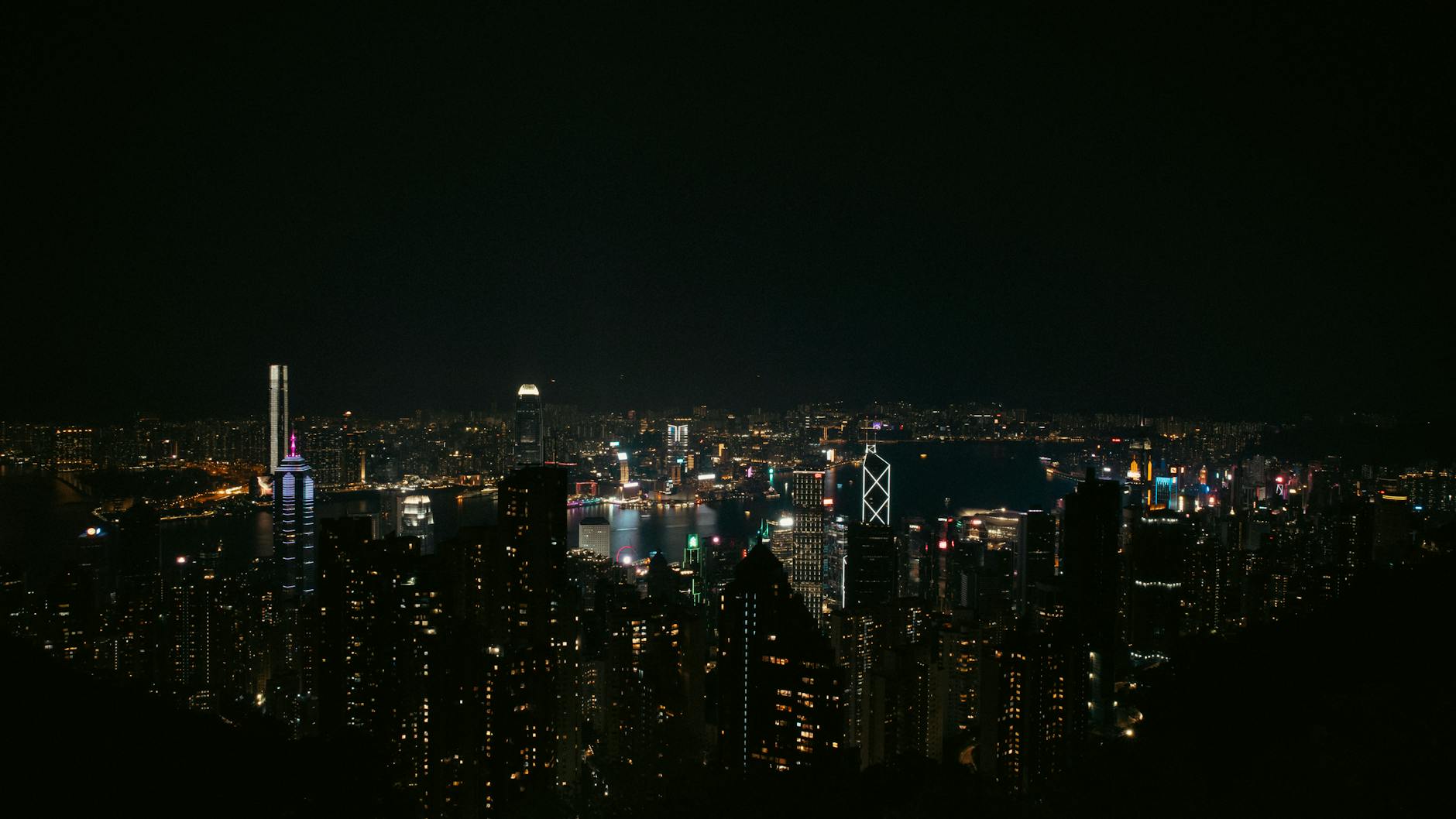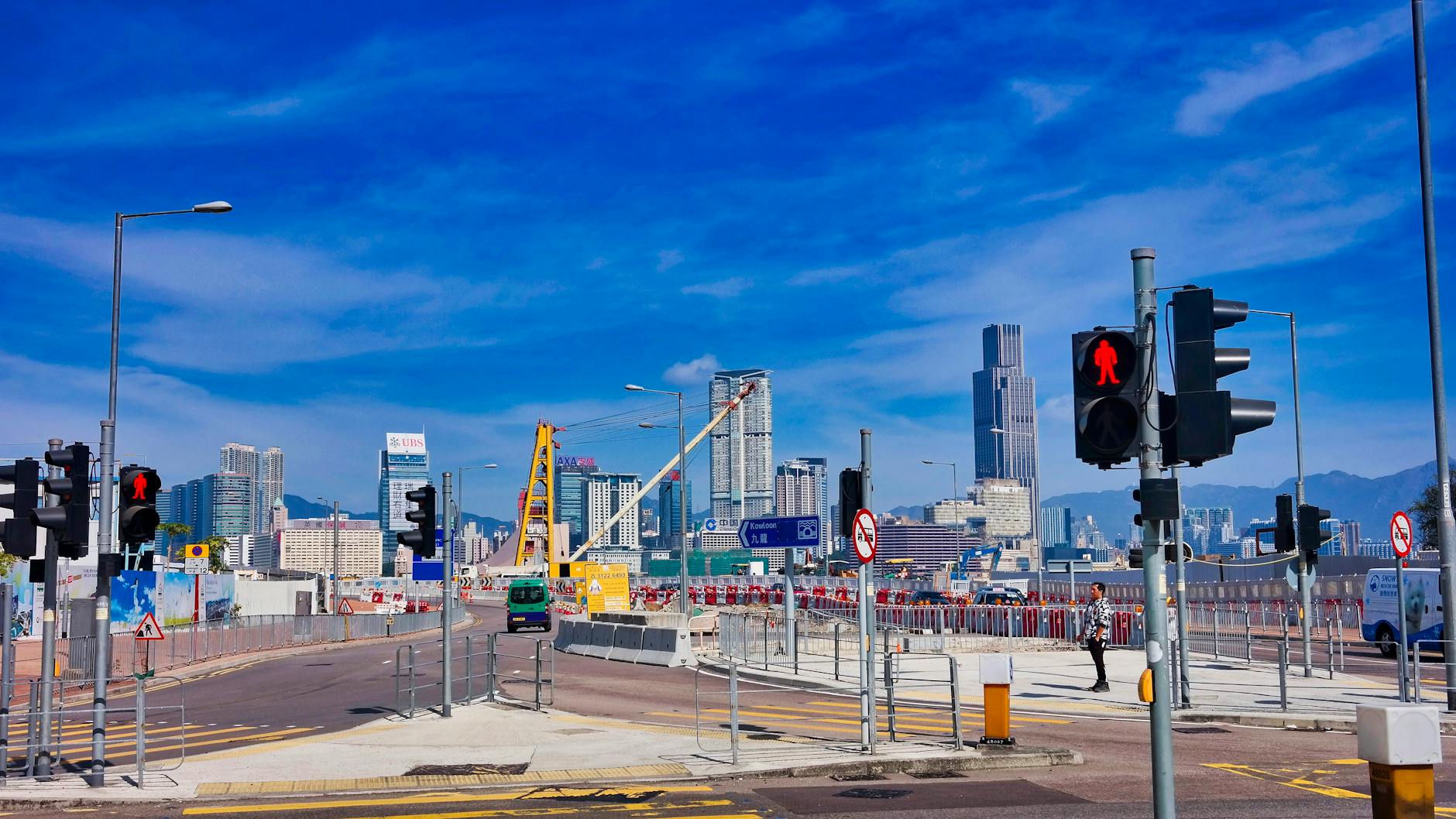
Wan Chai can be strong for a content creator because it offers dense streets, trams, harbor views, restaurants, hotel interiors, convention energy, skyline angles, nightlife edges, and fast access to Central, Admiralty, Causeway Bay, and Kowloon. It can also become chaotic if the creator arrives with only a list of shots and no plan for light, crowds, permissions, gear, or recovery. A short creator trip should be planned like production work. The traveler should know what the content needs to prove, where the best angles are likely to be, which scenes are sensitive, how files will be protected, and which plans can be cut when weather or fatigue changes the day.
Decide what Wan Chai must show
A creator should begin with the content purpose, not the shot list. Wan Chai can be framed as business district, street-food corridor, tram neighborhood, convention base, hotel zone, nightlife edge, harbor approach, or practical midpoint between other districts. Each version needs different timing and locations.
The traveler should separate must-have shots from optional coverage. A short trip that tries to capture every version of Wan Chai can produce weaker work than a focused plan with room for one or two unexpected scenes.
- Define whether the story is business, street life, food, trams, hotels, nightlife, harbor, or route logic.
- Separate must-have shots, optional scenes, and backup ideas before arrival.
- Avoid trying to film every version of Wan Chai in one compressed visit.
Choose lodging around shooting and storage
The base should support both movement and production. A creator may need early starts, late returns, desk space, reliable Wi-Fi, charging, gear storage, laundry, lift access, quiet, food nearby, and fast routes to planned scenes. A stylish hotel can still be wrong if it makes every shoot start with friction.
The traveler should also know whether hotel interiors, room views, breakfast spaces, or lobby scenes are part of the content plan. If they are, permission and brand fit should be considered before booking.
- Check routes, early exits, late returns, Wi-Fi, charging, storage, laundry, desk space, quiet, and nearby food.
- Consider whether hotel views or interiors are part of the content plan.
- Choose a base that supports production workflow, not only aesthetics.
Plan shots by light, crowds, and movement
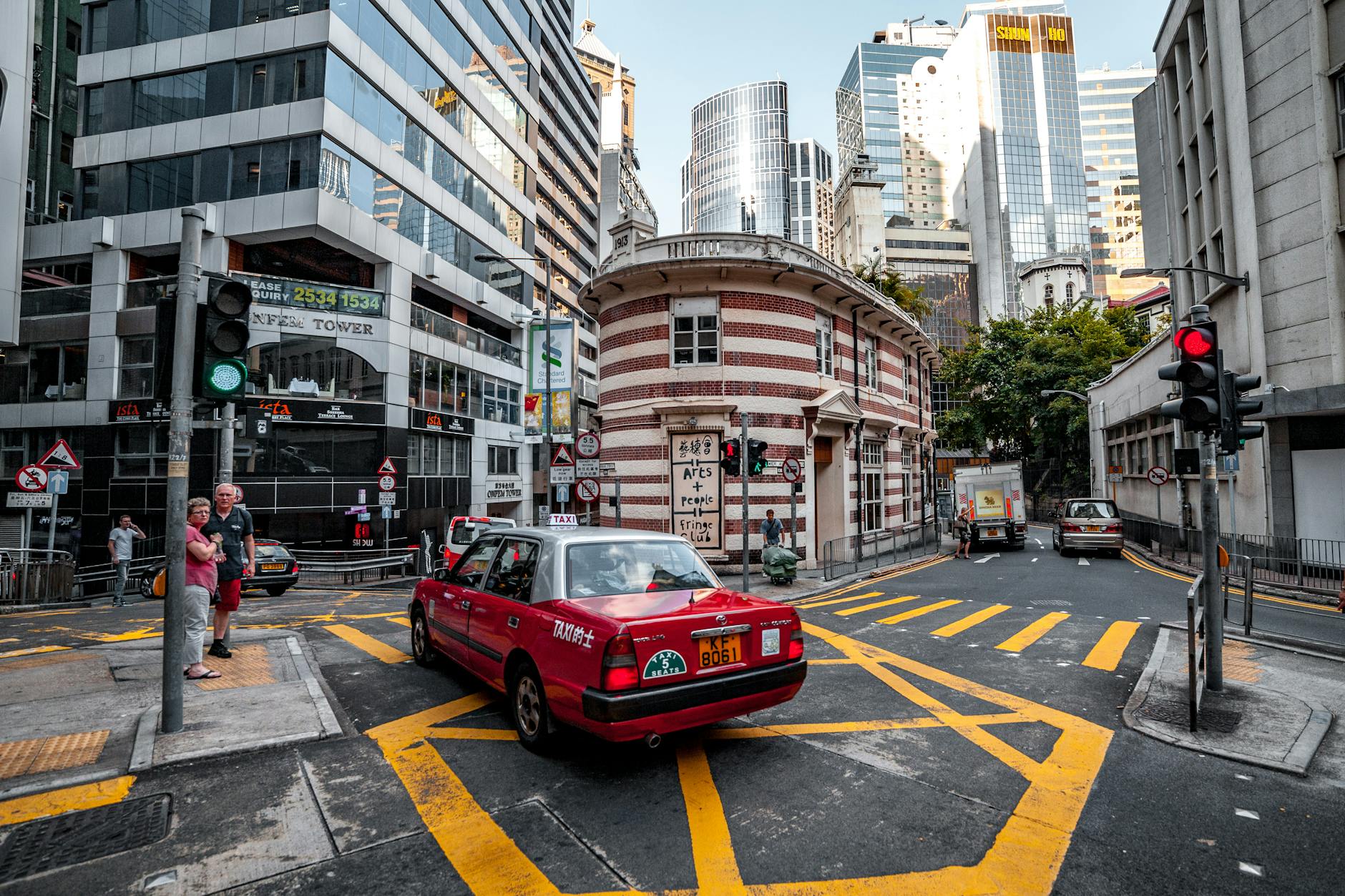
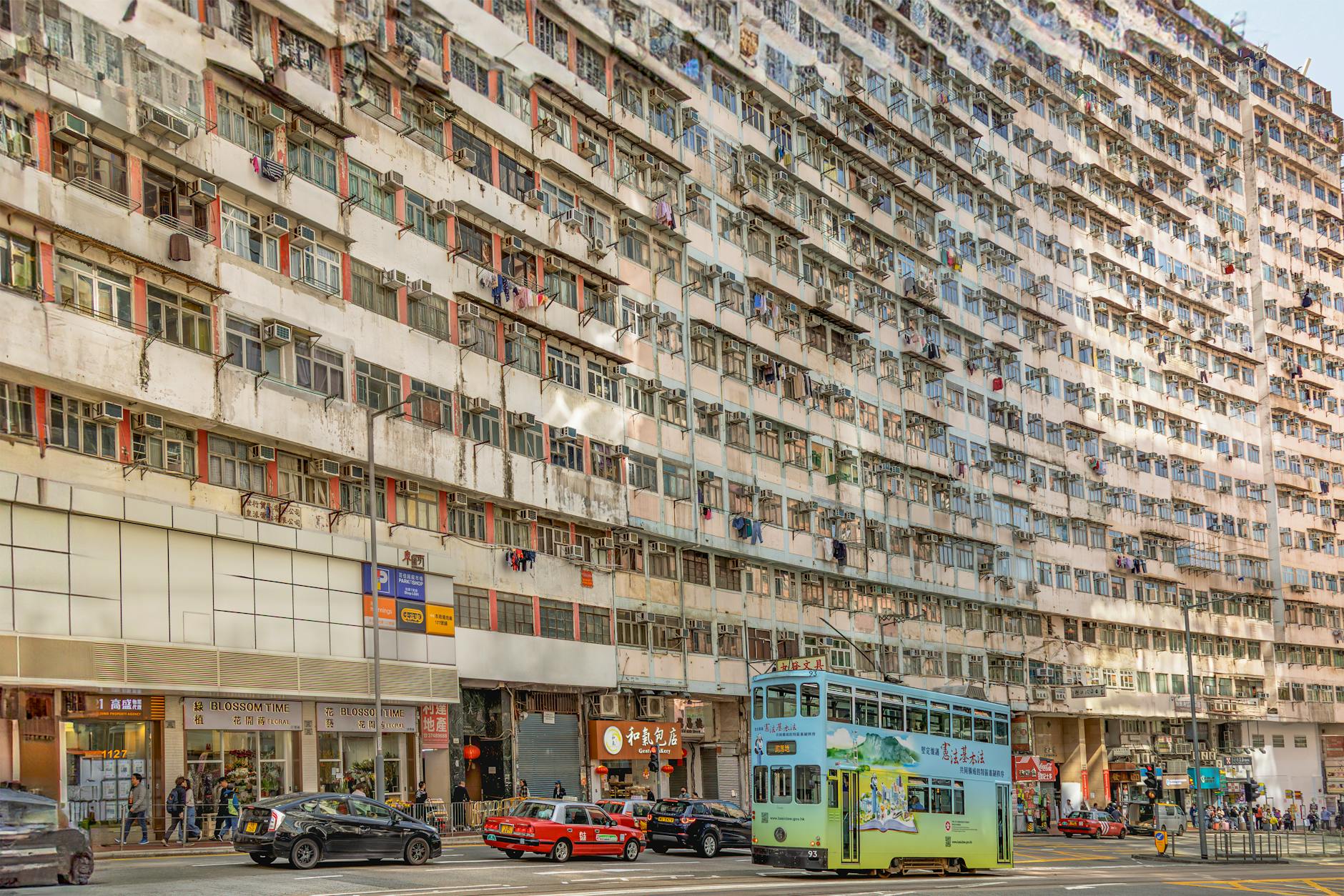
Wan Chai changes through the day. Morning streets, lunch-hour crowds, tram movement, golden-hour skyline light, rain reflections, restaurant energy, and late-night scenes all create different material. The creator should match each location to time of day instead of wandering until something looks usable.
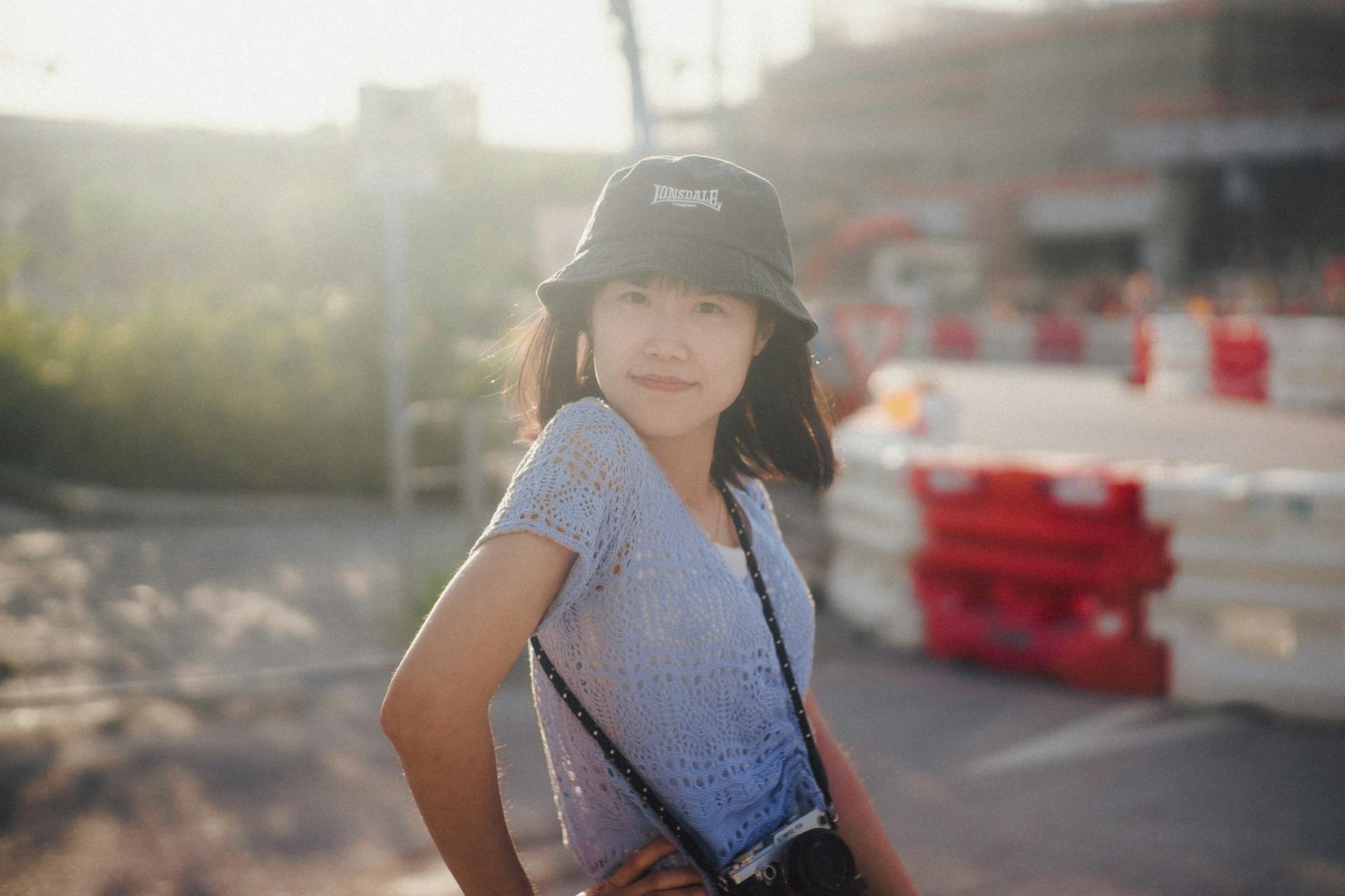
Movement matters with gear. MTR can be efficient, trams can be useful for atmosphere, taxis can protect equipment in rain, and walking can produce better observations when the route is short. Each move should be chosen for the content outcome.
- Match streets, trams, restaurants, harbor views, skyline angles, and night scenes to time of day.
- Choose MTR, tram, taxi, or walking by gear, rain, light, and shot value.
- Build a route that produces coverage instead of random movement.
Handle permissions and privacy seriously
Creator travel can become careless quickly if the traveler treats public visibility as permission. Restaurants, hotels, shops, private buildings, convention spaces, offices, and sensitive street scenes may require approval or restraint. People should not become background material without thought, especially in community, political, health, or vulnerable contexts.
The creator should know where filming is acceptable, where still photography is safer, and where the camera should stay down. A better content plan protects access as well as footage.
- Check permission expectations for hotels, restaurants, shops, convention spaces, offices, and private buildings.
- Avoid careless filming of people in sensitive or vulnerable situations.
- Use restraint when a shot would damage trust, access, or local comfort.
Cover food, nightlife, and harbor scenes with a plan
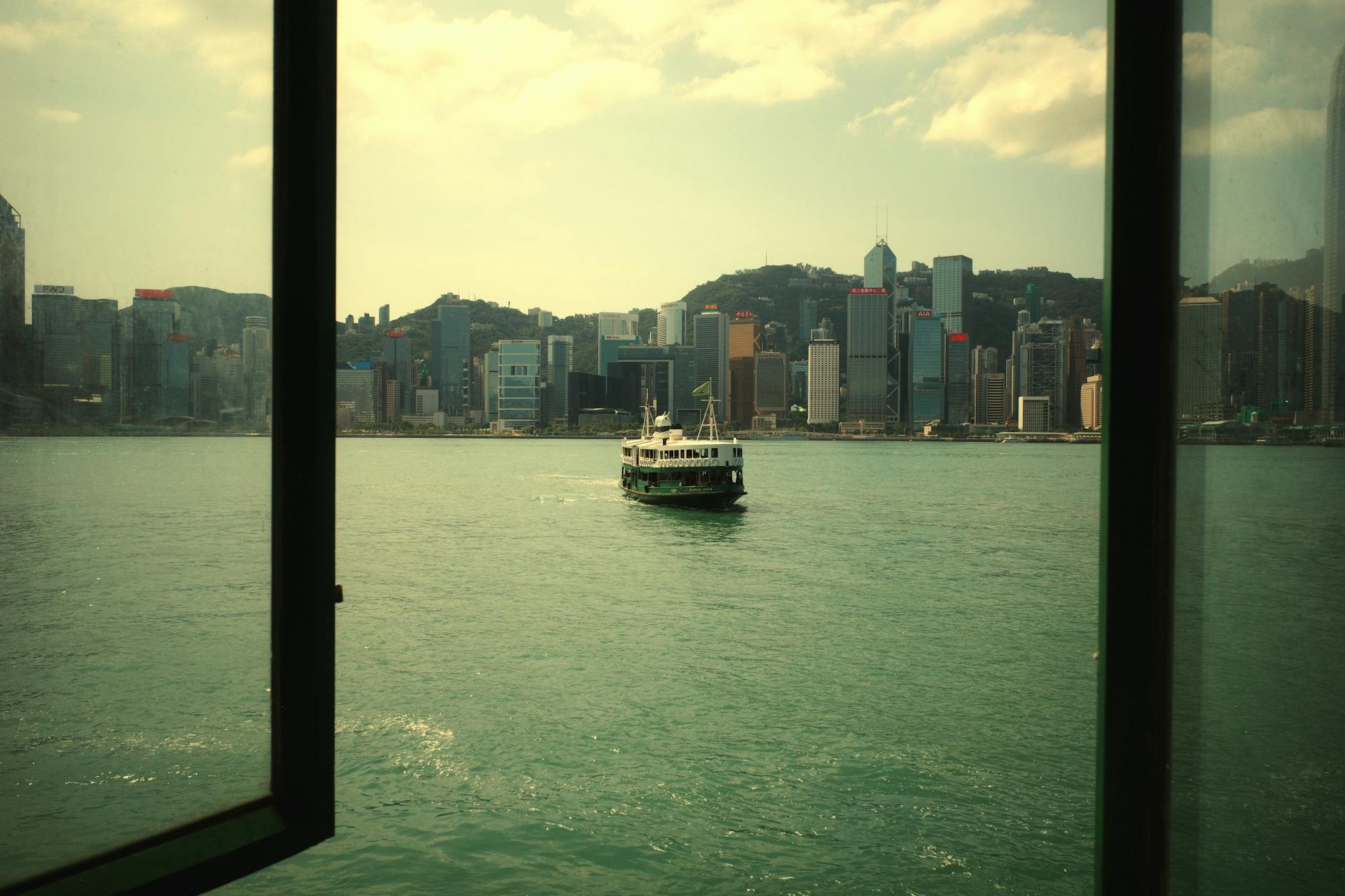
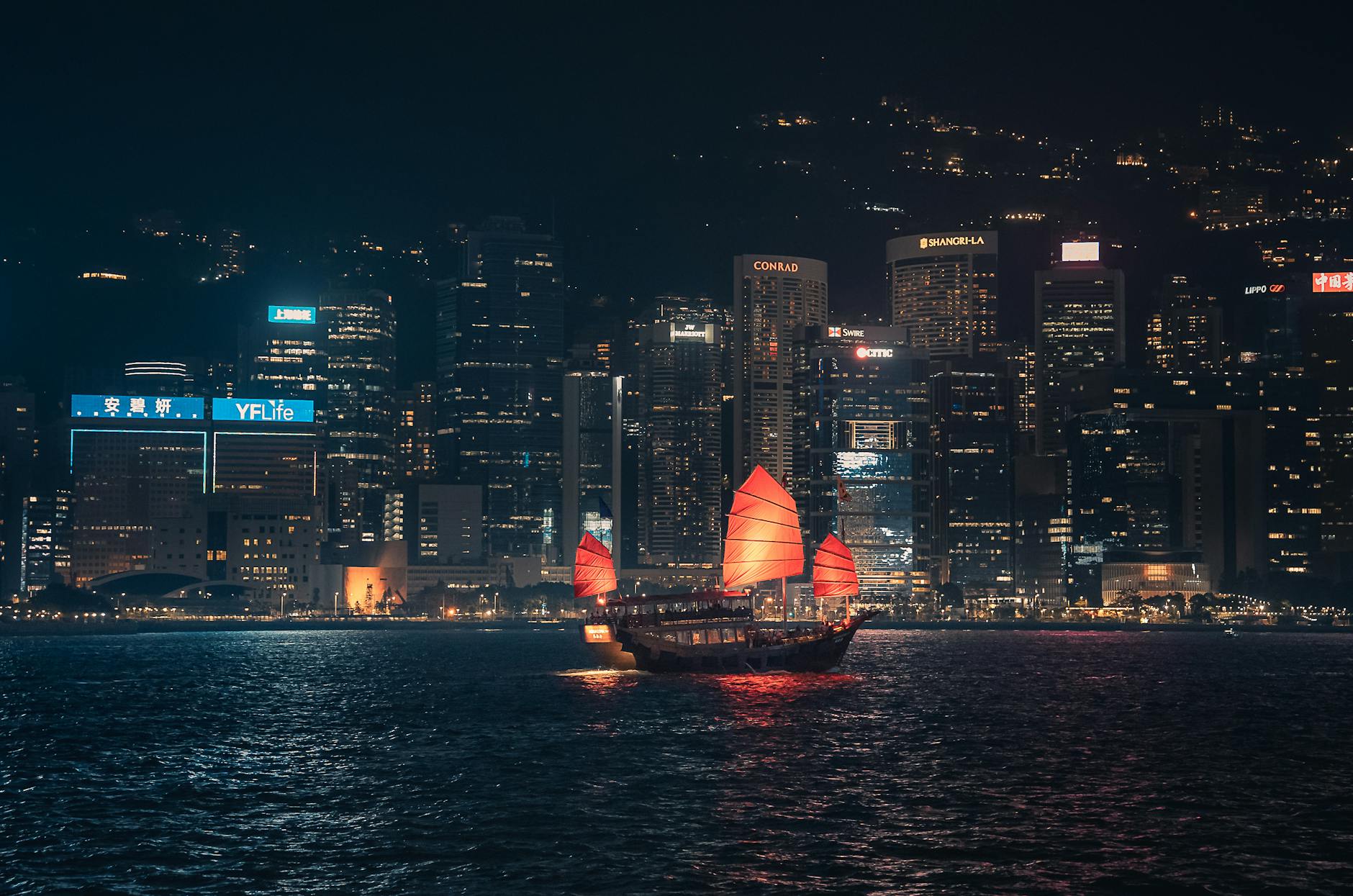
Wan Chai can support strong food and evening content, but the tone changes quickly. A casual meal, polished hotel bar, Cantonese dinner, tram sequence, harbor walk, and nightlife scene are not interchangeable. The creator should decide which scenes belong to the brief and which ones simply look tempting.
Night work also needs return planning. Gear, payment, phone battery, data backup, crowd density, and transport options should be handled before the creator is tired.
- Choose food, hotel, tram, harbor, and nightlife scenes that match the actual brief.
- Plan reservations, permissions, sound, lighting, gear safety, and return routes before evening work.
- Do not let tempting nightlife footage weaken the next day's production.
Protect files, workflow, and energy
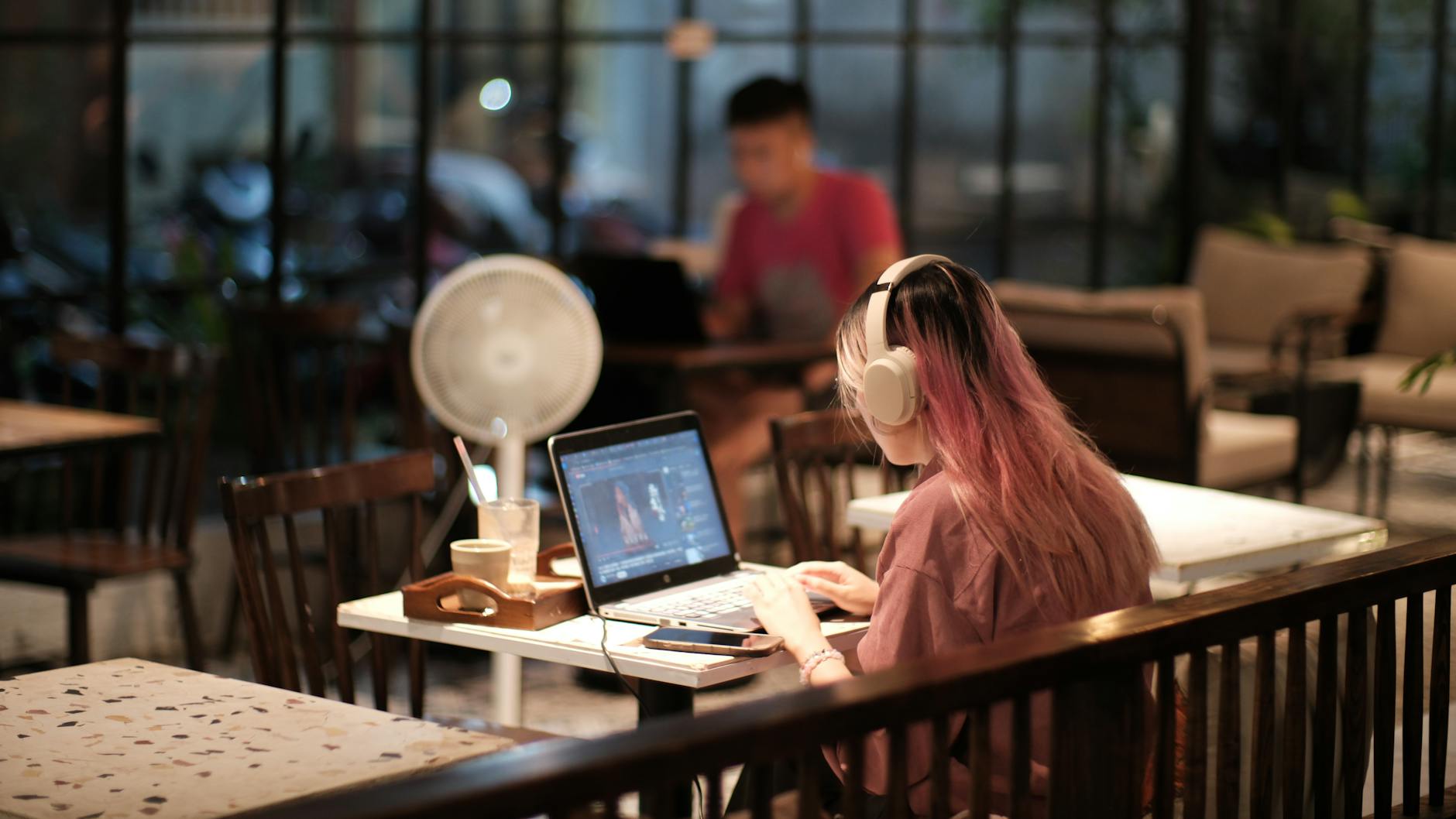
A short creator trip can fail after the shoot if workflow is weak. The traveler should plan batteries, charging, adapters, cards, microphones, stabilizers, laptop or phone editing, cloud backup, hard-drive backup, file naming, releases where needed, and daily upload windows. Wan Chai has practical shops, but last-minute fixes can still eat the best shooting hours.
Energy is part of production. Heat, rain, cold interiors, crowds, late nights, and constant shooting can reduce judgment and make the creator miss better scenes.
- Plan batteries, adapters, cards, audio, stabilization, editing, file naming, and backup workflow.
- Schedule upload and review windows before files pile up.
- Protect sleep, meals, and recovery so the work stays sharp.
When to order a short-term travel report
A creator with a casual personal trip and flexible expectations may not need a custom Wan Chai report. A report becomes useful when the trip has commercial deliverables, brand requirements, multiple locations, gear constraints, tight timing, permission questions, weather risk, or a need to combine content work with meetings or limited leisure.
The report should test shooting geography, hotel fit, airport arrival, MTR, tram, taxi and walking routes, light windows, food and nightlife coverage, permission risks, gear workflow, backup plans, weather, budget, and what to cut. The value is a Wan Chai creator trip that produces usable work instead of scattered footage.
- Order when deliverables, locations, gear, light, permissions, weather, or timing needs testing.
- Provide dates, brief, shot needs, platforms, hotel options, gear list, constraints, and budget.
- Use the report to turn the short creator trip into a coherent production plan.