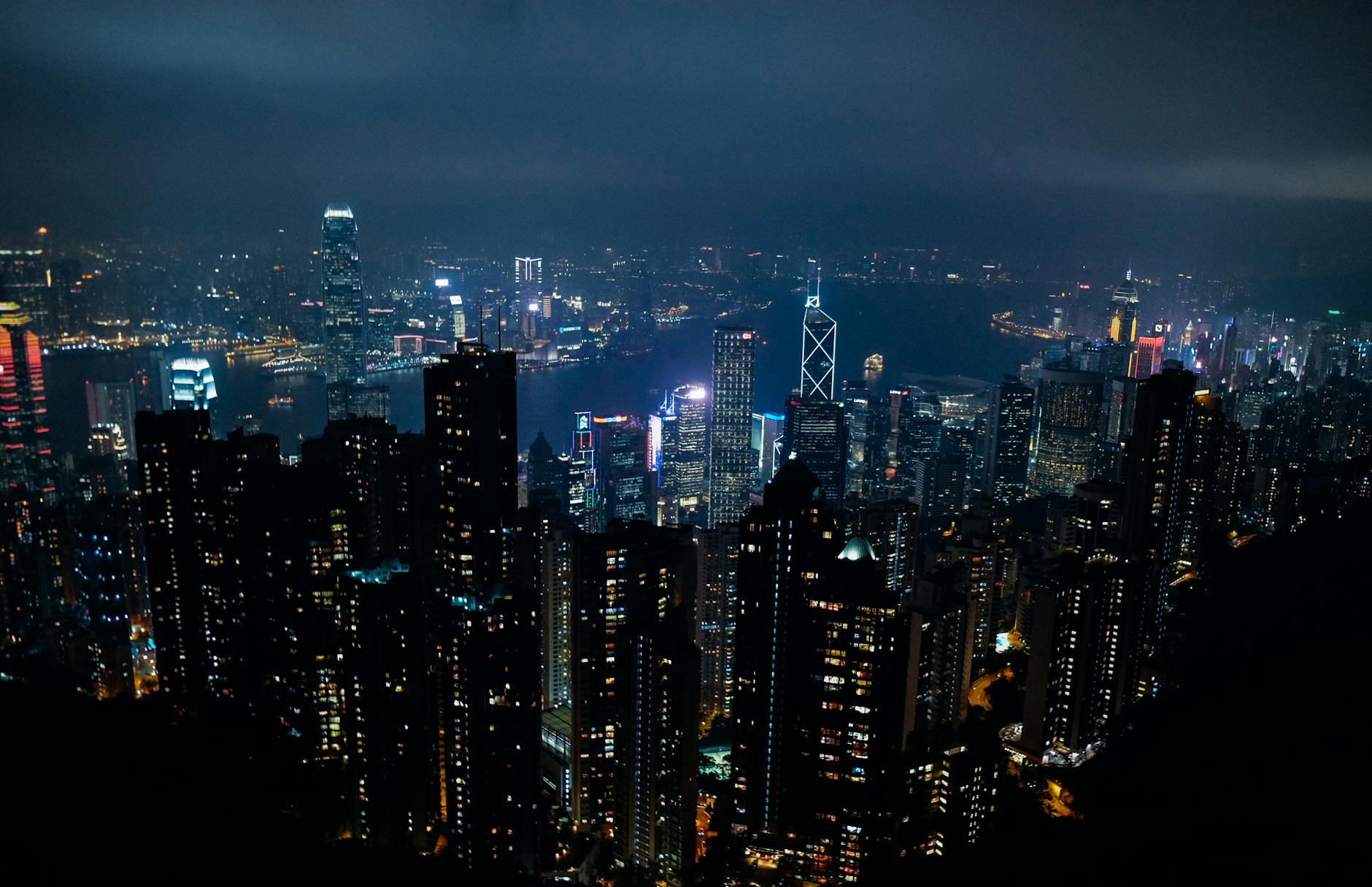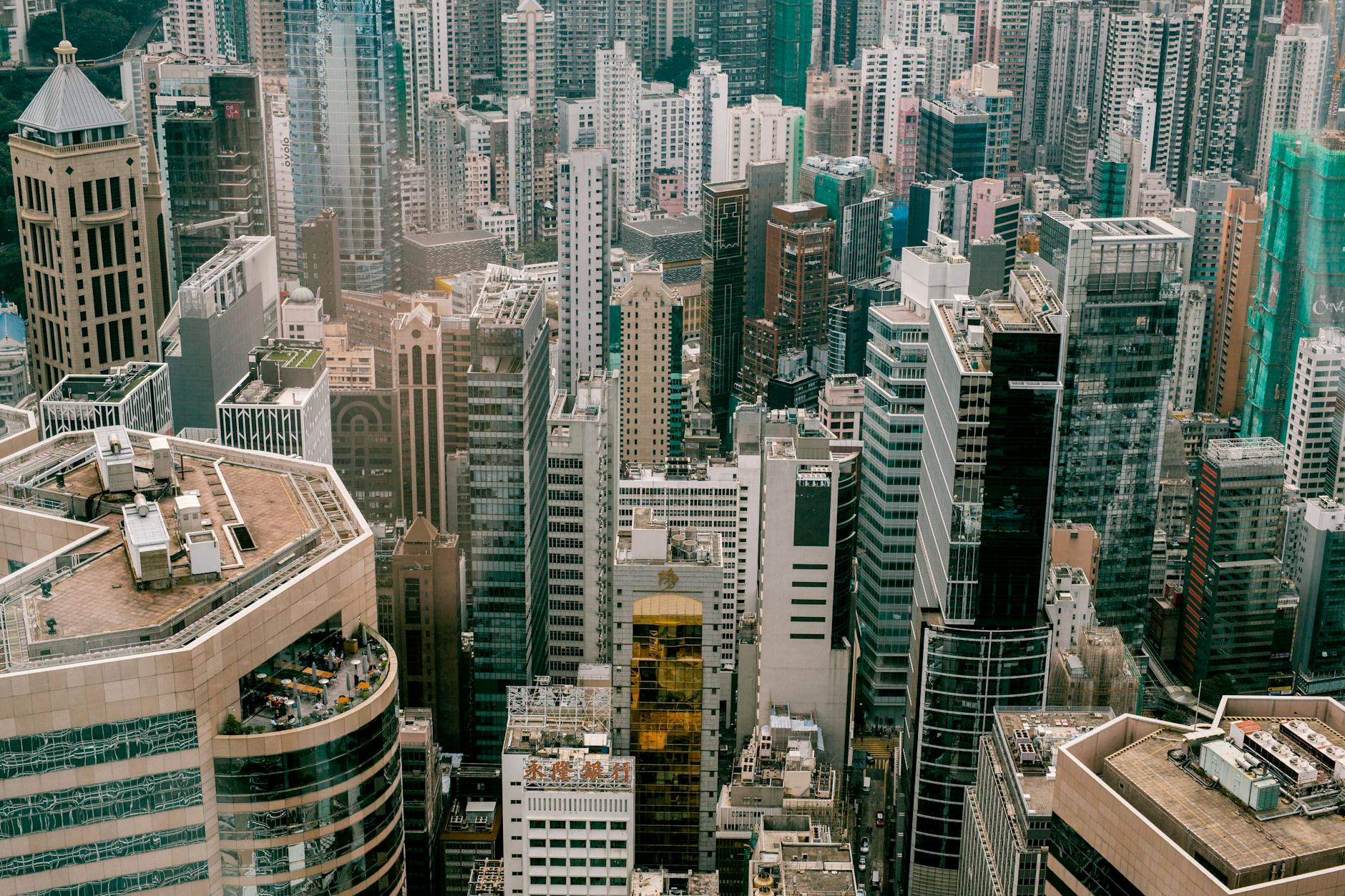
Wan Chai can be a strong base for a consultant because it sits close to business offices, government-adjacent sites, hotels, restaurants, HKCEC, Admiralty, Central, Causeway Bay, MTR, trams, and taxis. It can also create friction if the consultant assumes that being on Hong Kong Island is enough. Client sites, hotel entrances, traffic, weather, meeting formality, and recovery time all matter on a short engagement. A consultant trip should be planned around performance, not sightseeing coverage. The traveler should know where the work actually happens, how to arrive prepared, where to take calls, what can be discussed in public, and when to preserve energy instead of adding another optional stop.
Confirm where client work actually happens
A consultant should start with exact client-site geography. The work may happen in Wan Chai, Admiralty, Central, Causeway Bay, a hotel meeting room, HKCEC, a regulator-adjacent office, or several sites in one day. The broad Hong Kong Island label is not enough to choose a hotel or transport plan.
The consultant should map meeting rooms, building entrances, reception procedures, security desks, lift banks, taxi points, MTR exits, and meal locations before arrival. The right plan is the one that makes the first client interaction calm and punctual.
- Map client sites, building entrances, reception, security, lifts, taxi points, MTR exits, and meals.
- Check whether work stays in Wan Chai or shifts to Admiralty, Central, Causeway Bay, or HKCEC.
- Choose the base around the first high-stakes meeting and the last required obligation.
Choose a hotel that supports working days
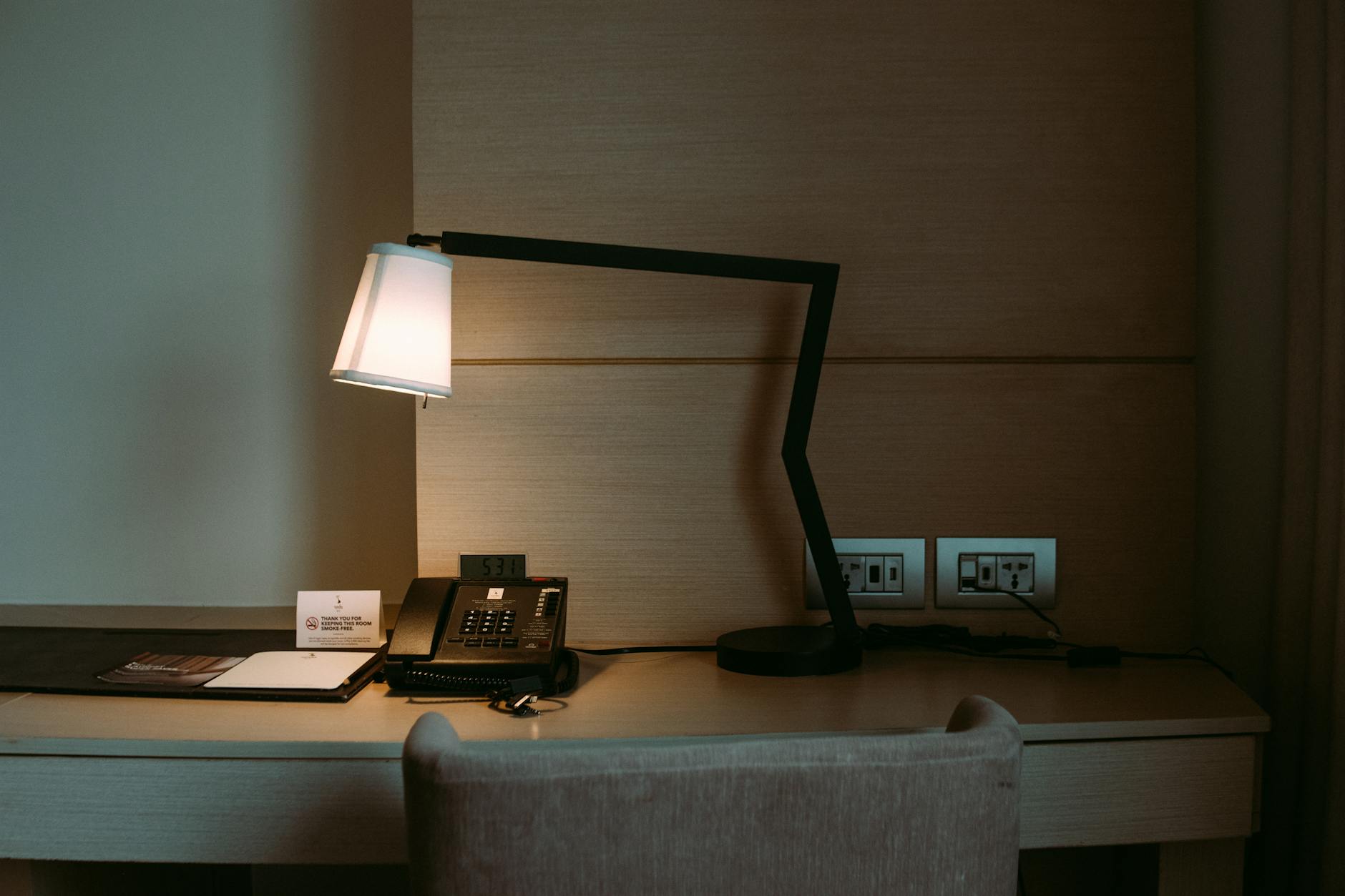
A consultant hotel should support work, not only sleep. Desk quality, Wi-Fi, room quiet, breakfast timing, laundry, ironing, lobby meeting space, call privacy, taxi pickup, MTR access, and proximity to client sites all matter. A better view does not help if the room is poor for prep or the morning route is unreliable.
The consultant should also consider whether the hotel works for early calls, late edits, confidential documents, and quick returns between meetings. The room may need to function as a small project office.
- Check desk, Wi-Fi, room quiet, breakfast, laundry, ironing, call privacy, taxi pickup, and MTR access.
- Test the hotel against early calls, late edits, document handling, and mid-day returns.
- Choose a room that supports delivery, not only comfort.
Protect punctuality, prep time, and confidentiality
Consulting travel creates pressure around punctuality and preparation. The traveler should build time for slides, notes, printing, adapters, laptop charging, data access, client documents, and pre-meeting calls. In Wan Chai, last-minute errands are possible, but they can consume the margin needed before a client session.
Confidentiality also matters. The consultant should decide where calls can happen, what can be discussed in taxis, restaurants, lobbies, and shared spaces, and how documents and screens will be handled during movement.
- Protect time for slides, notes, printing, adapters, charging, data access, and client documents.
- Plan where calls can happen and what should not be discussed in public settings.
- Handle confidential screens, papers, and files deliberately during movement.
Plan transport by client obligation
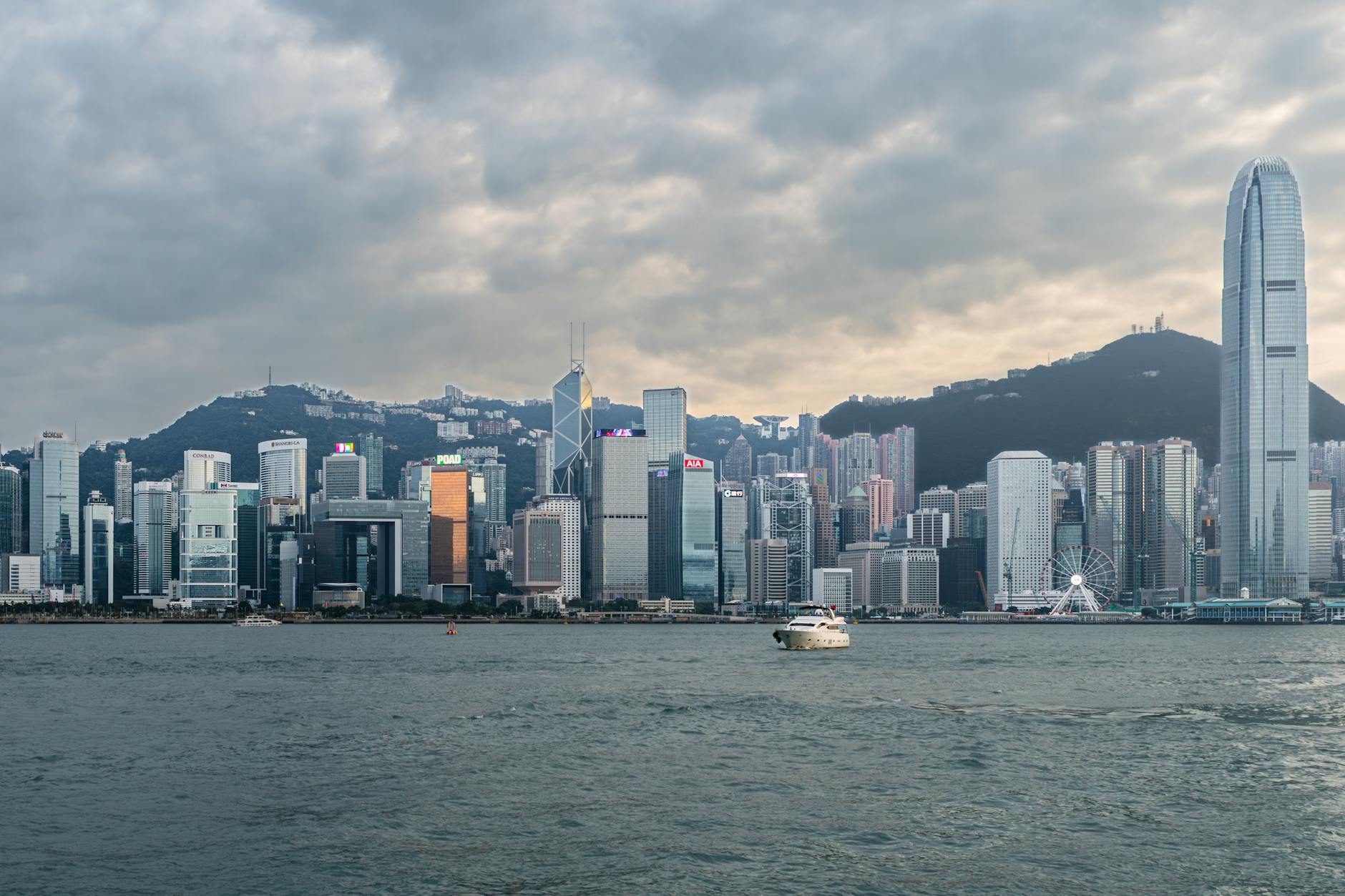
A consultant should choose transport by obligation, not habit. MTR may be efficient for predictable routes, trams may be useful for short island movement when timing is flexible, taxis or cars may be better before senior meetings, rain, document-heavy movement, or late returns. Walking can be productive only when the route and weather are reliable.
The traveler should identify conservative routes for high-stakes meetings and more flexible routes for low-risk movement. The cost of being late is usually higher than the fare difference.
- Choose MTR, tram, taxi, car, or walking by obligation, timing, weather, documents, and lateness risk.
- Use conservative routing before senior meetings, presentations, and hosted meals.
- Separate time-sensitive client movement from optional local movement.
Use meals for work without losing recovery
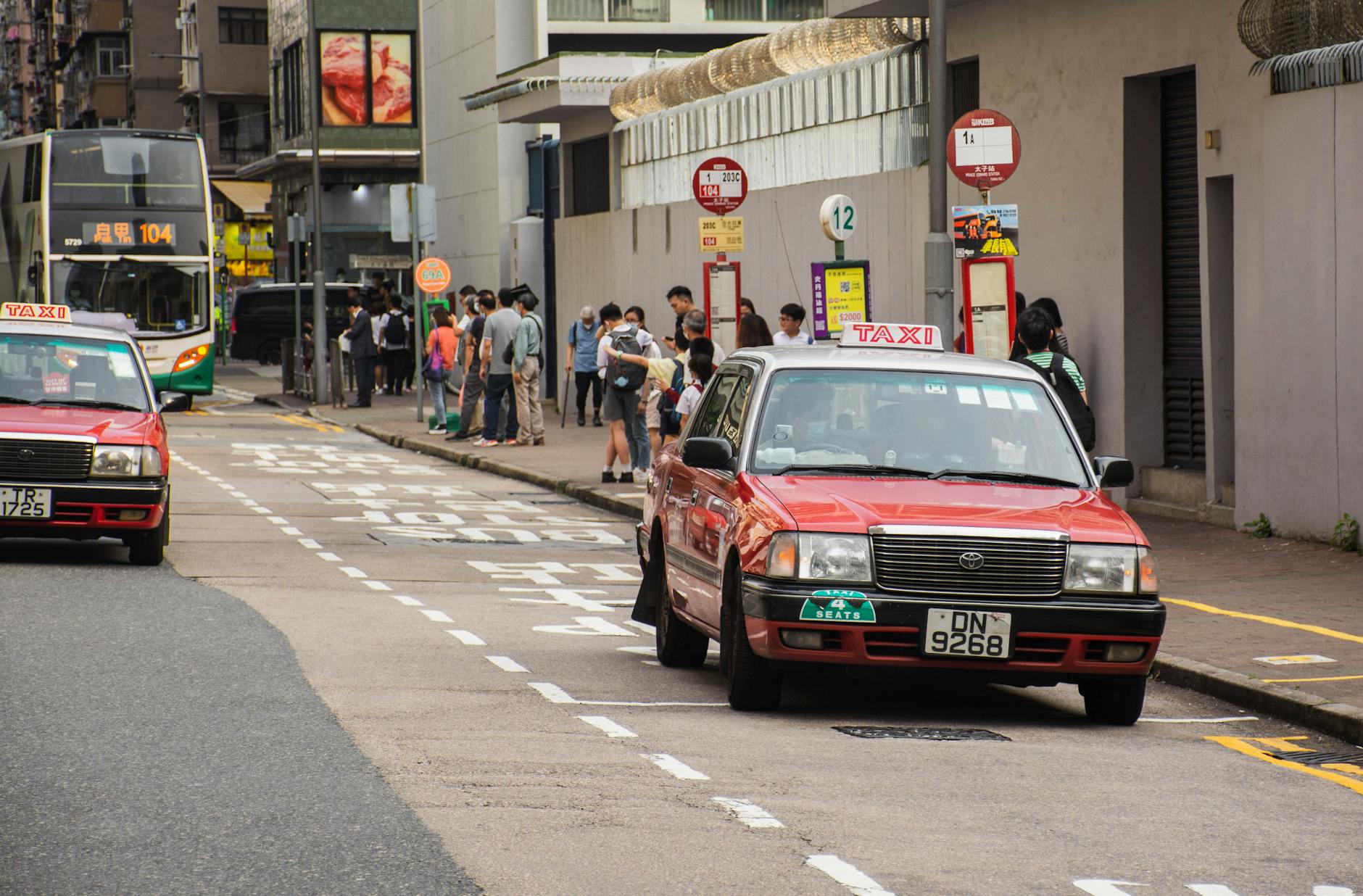
Wan Chai can support consultant meals through hotel restaurants, Cantonese dining, private rooms, coffee shops, bars, and quick access to Admiralty and Central. The consultant should choose meals by purpose: client conversation, team debrief, solo recovery, quick food, or relationship building. A noisy or distant restaurant can weaken the work value of the meal.
The traveler should also protect sleep and prep time. A consultant trip can include excellent meals, but every evening should not become a second workday unless the engagement requires it.
- Choose meals by purpose, privacy, noise, group size, timing, dietary fit, payment, and route.
- Separate client meals, team debriefs, solo recovery, quick food, and relationship building.
- Protect sleep and prep time before the next work block.
Build contingency into short engagements
Short consulting trips leave little room for failure. Rain, traffic, late client changes, room availability, printing problems, laptop issues, restaurant delays, and cross-district movement can all affect delivery. The consultant should have backup routes, backup work locations, extra charging capacity, document redundancy, and a clear cut list for optional plans.
Contingency planning should be practical, not theatrical. It protects the client work and keeps the trip from becoming reactive.
- Plan for rain, traffic, client changes, room issues, printing, laptop problems, and restaurant delays.
- Keep backup routes, work locations, chargers, document copies, and optional-plan cut points.
- Use contingency time to protect delivery rather than fill the calendar.
When to order a short-term travel report
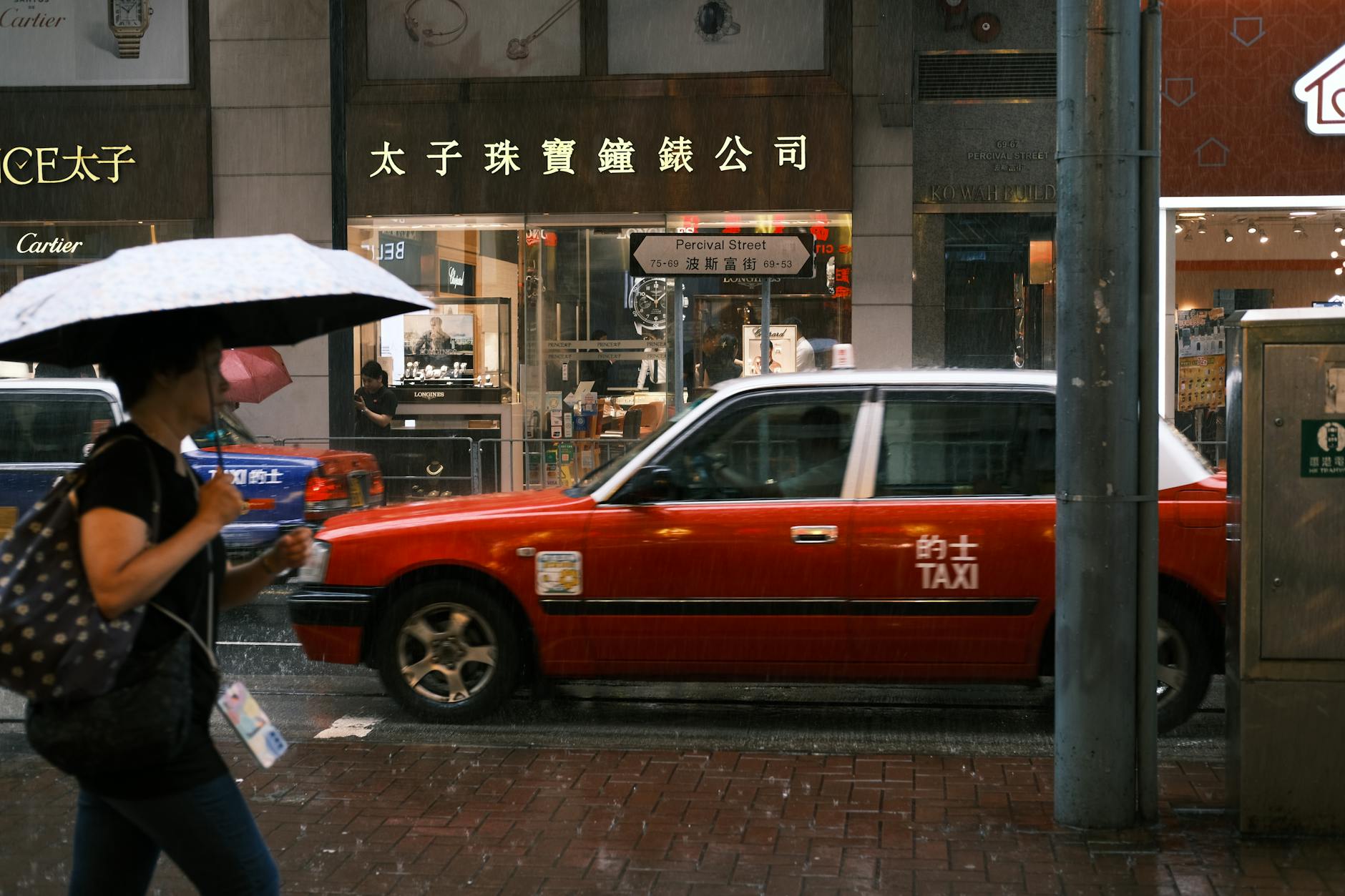
A consultant with one client site, a hosted hotel, and flexible timing may not need a custom Wan Chai report. A report becomes useful when the engagement is short, client sites are split, meeting timing is tight, hotel choice affects delivery, confidentiality matters, business meals need planning, or the consultant needs to combine work obligations with limited personal time.
The report should test client-site geography, hotel fit, airport arrival, meeting routes, MTR, tram, taxi and car choices, meal locations, call privacy, weather, contingency time, budget, and what to cut. The value is a Wan Chai consulting trip that protects the engagement rather than merely reaching the city.
- Order when client geography, hotel fit, meeting routes, confidentiality, meals, or contingency needs testing.
- Provide dates, client sites, hotel options, work duties, meetings, constraints, and budget.
- Use the report to keep the consulting trip punctual, practical, and delivery-focused.