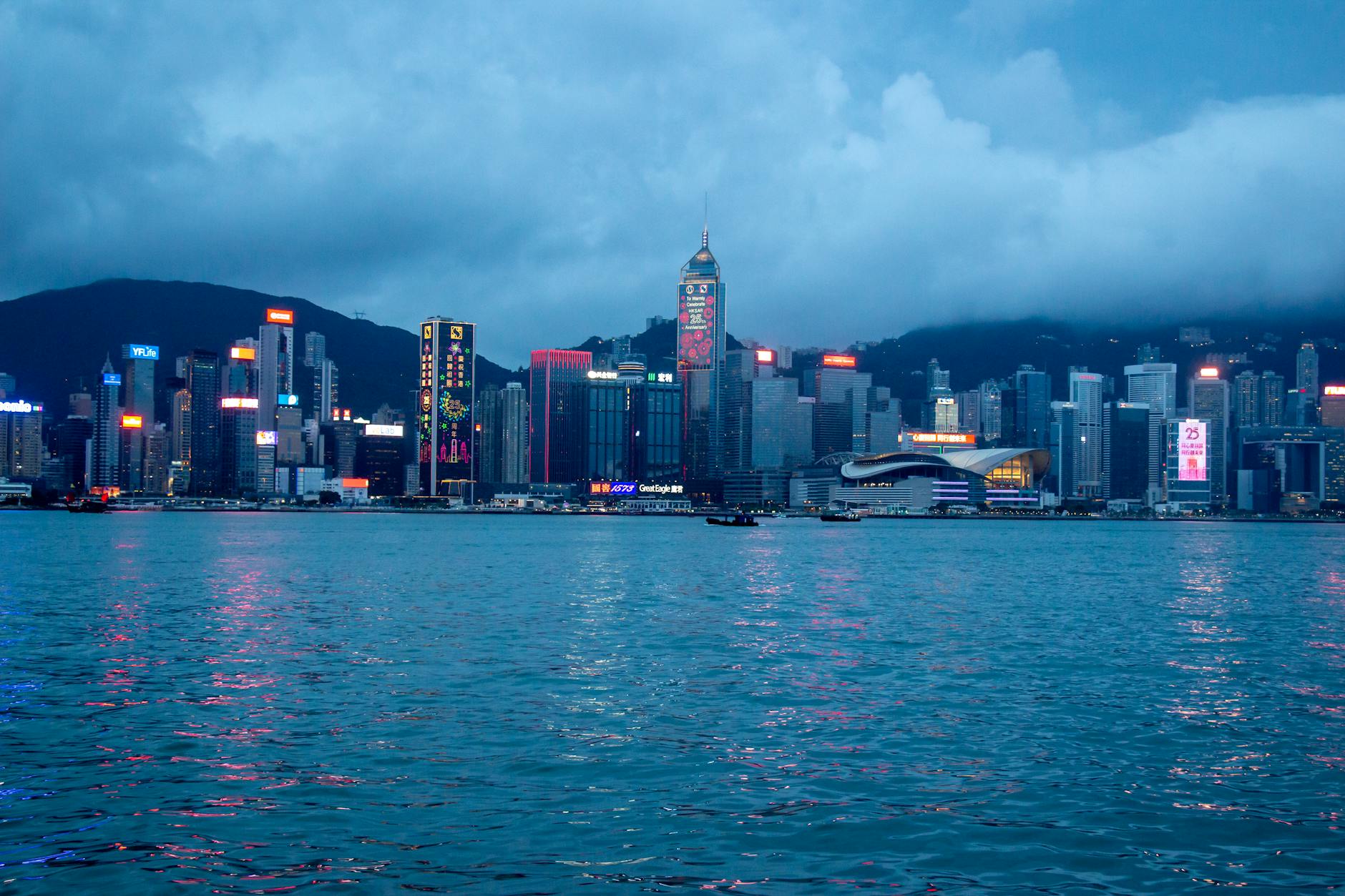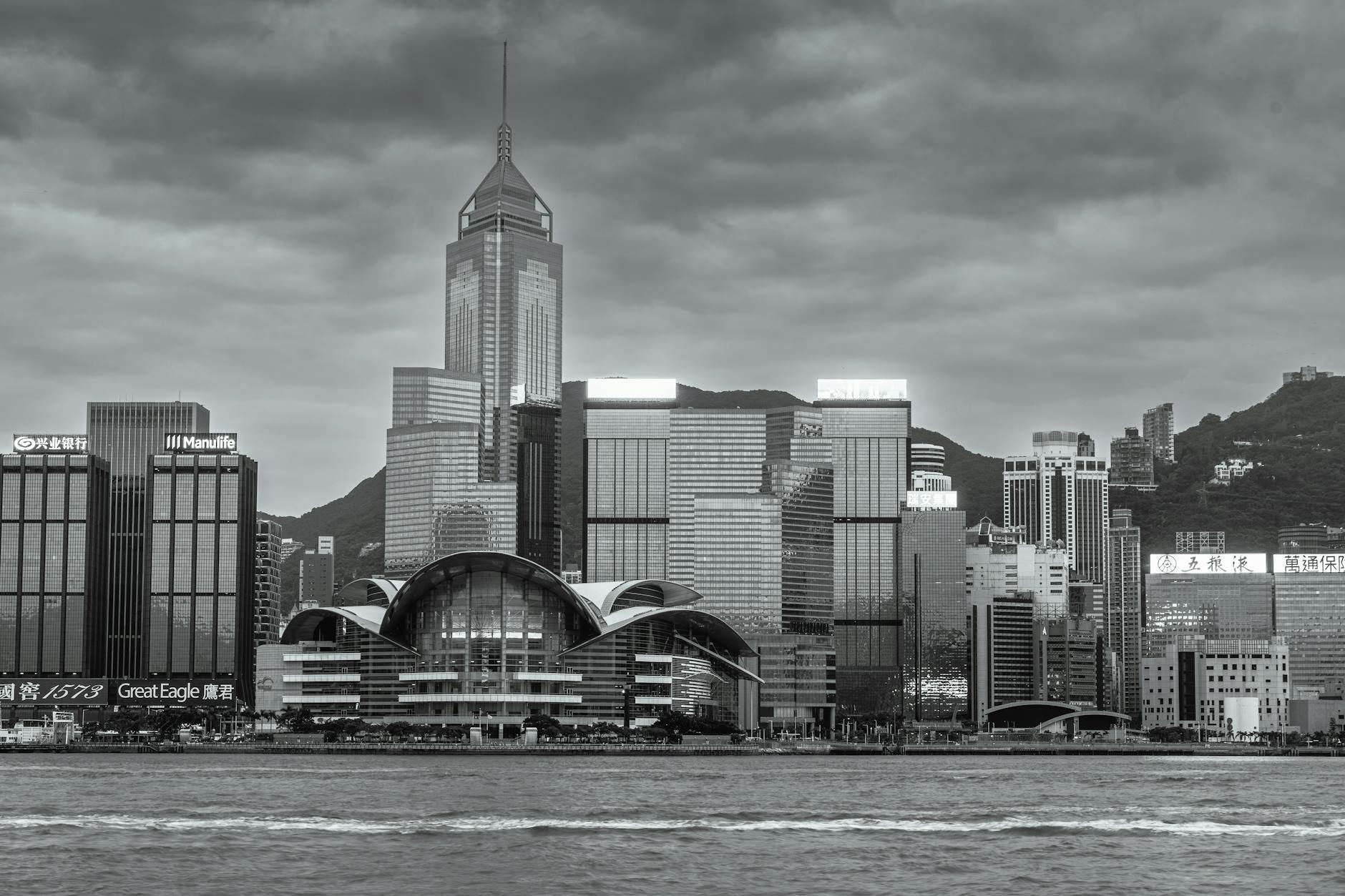
Wan Chai is one of Hong Kong's most important conference bases because the Hong Kong Convention and Exhibition Centre sits on the harbor edge and nearby hotels, restaurants, taxis, MTR, trams, and business districts can all support a short event trip. The district can work very well, but only if the attendee treats it as an operating base rather than a generic Hong Kong Island hotel area. A short conference stay should protect attendance, punctuality, materials, networking, and rest. The traveler should decide where to sleep, how to reach sessions, when to cross the harbor, which meals matter, and how much unscheduled time is needed to stay effective.
Confirm where the conference actually happens
A Wan Chai conference attendee should start with exact venue locations, not the broad district label. The program may use HKCEC halls, hotel ballrooms, meeting floors, waterfront reception spaces, restaurants, or partner sites in Central, Admiralty, Causeway Bay, or Tsim Sha Tsui. The hotel that seems close may still be wrong for the first session or final evening event.
The attendee should map keynote rooms, registration, breakout rooms, exhibition halls, receptions, dinners, taxi points, MTR exits, tram stops, and the hotel entrance before booking. The right base is the one that makes the real program easier.
- Map keynotes, breakouts, halls, registration, receptions, dinners, hotel entrance, and transit exits.
- Check whether events stay near HKCEC or require Hong Kong Island and Kowloon movement.
- Choose the base around the first morning session and the final evening event.
Pick a hotel that supports conference rhythm
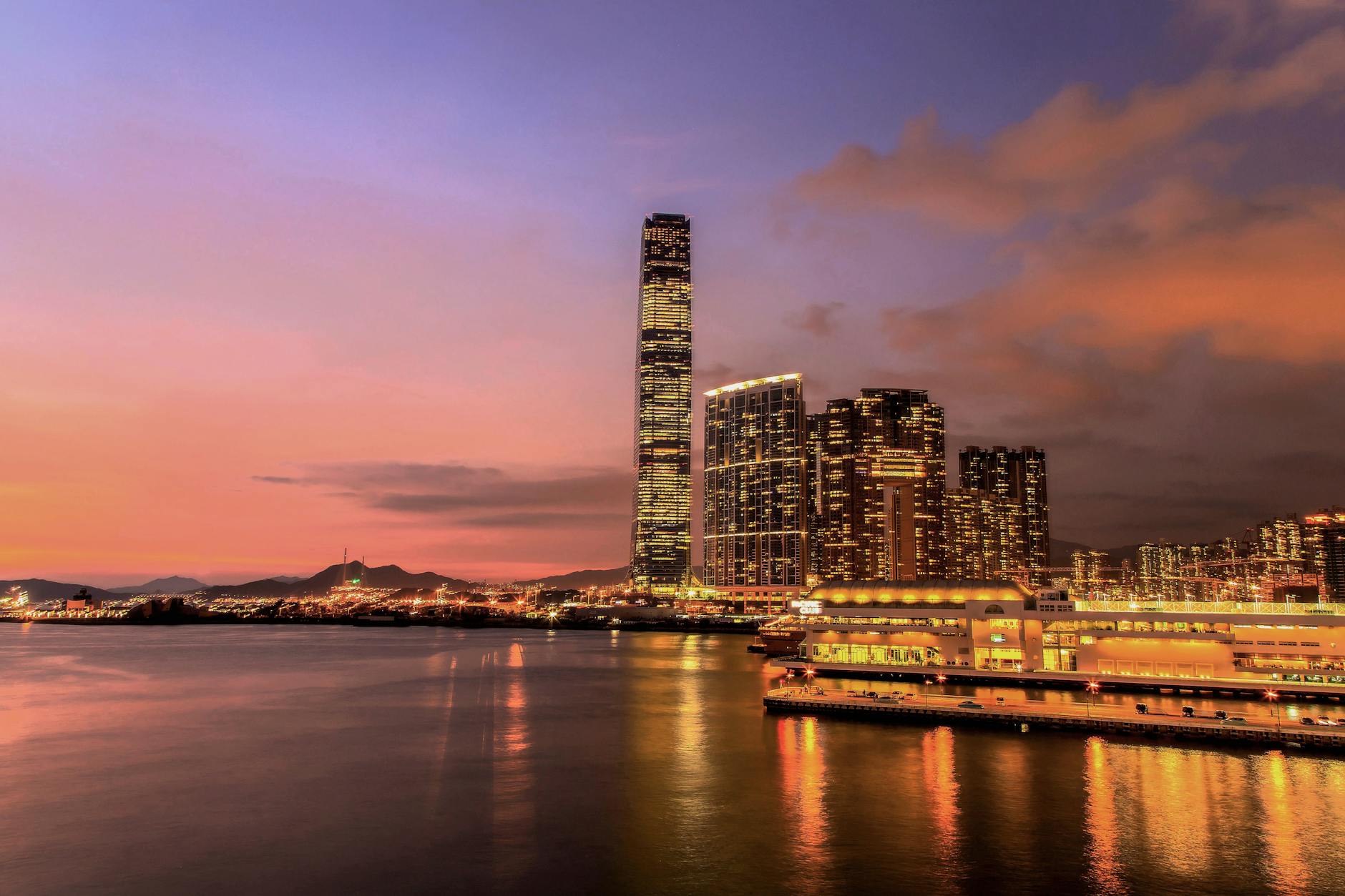
The hotel should be chosen for session days, not only for comfort or view. Wan Chai attendees should check walking time to the venue, covered or indoor route options, taxi access, MTR exits, breakfast timing, desk space, Wi-Fi, room quiet, lift speed, laundry, and whether the lobby becomes congested when the event is active.
If the attendee needs to change clothes, take calls, store materials, or rest between sessions, distance to the hotel matters. A room that supports work and recovery can be more valuable than a room that only looks better.
- Check venue walk time, covered routes, taxi access, exits, breakfast, desk, Wi-Fi, and room quiet.
- Consider material storage, clothing changes, call blocks, and mid-day returns.
- Avoid hotel choices that make every session day depend on rushed movement.
Protect registration, badge, and materials timing
Conference trips often fail in small operational ways. Badge pickup, speaker or exhibitor check-in, laptop compatibility, chargers, adapters, printed notes, samples, business cards, QR codes, payment methods, and luggage storage should be settled before the first session. Wan Chai is well supplied, but last-minute errands can still consume the margin needed for punctuality.
The attendee should know when registration opens, where materials go, whether the hotel can store bags, and what must be carried each day. This is especially important if the trip includes a presentation, booth duty, client meetings, or formal networking.
- Prepare badge pickup, check-in, chargers, adapters, printed notes, QR codes, and payment methods.
- Confirm luggage storage, material handling, and what must be carried each day.
- Handle essentials before the first session instead of during a narrow schedule gap.
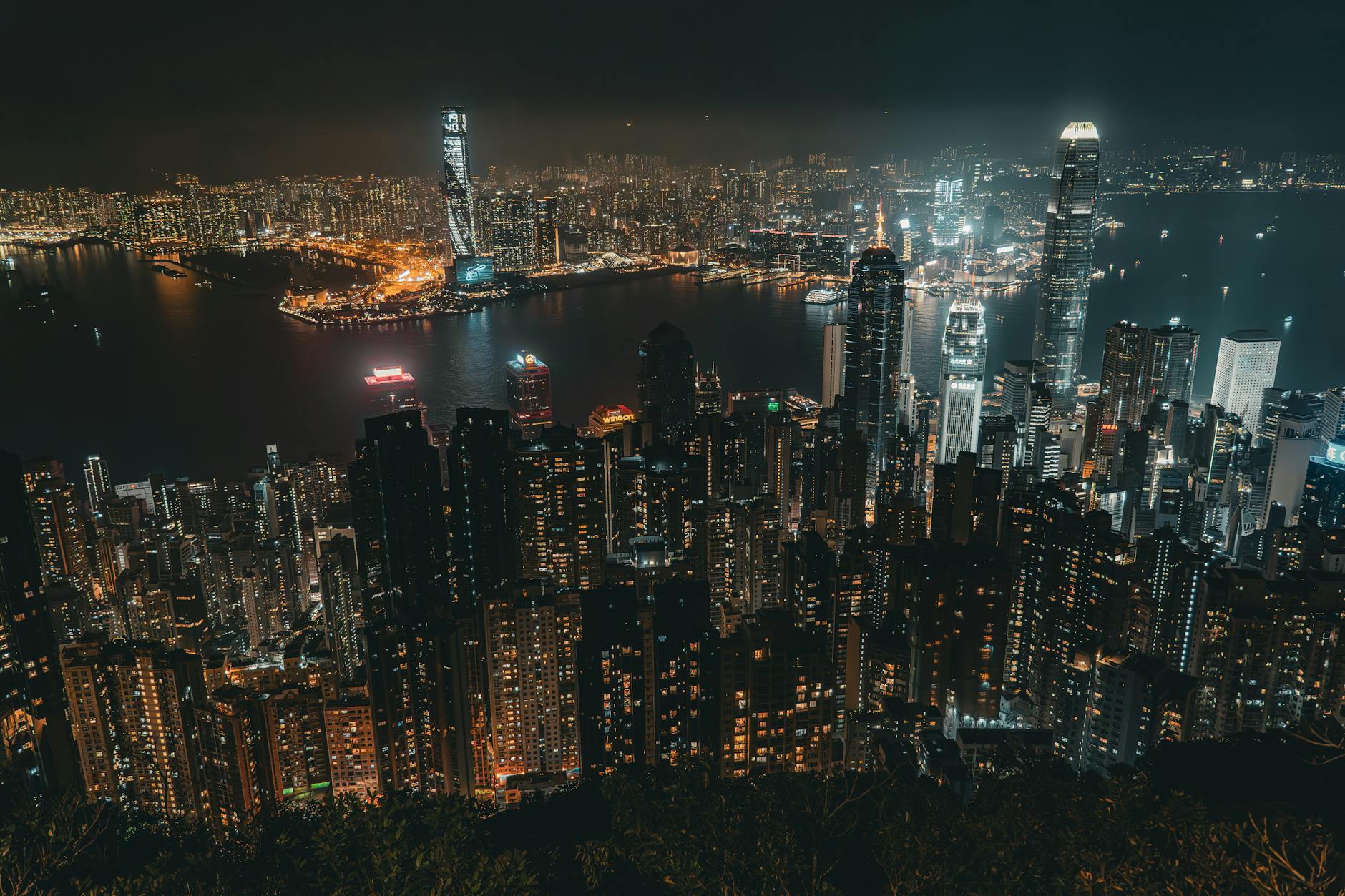
Plan cross-harbor moves by obligation type
Many Wan Chai conference trips include at least one cross-harbor or cross-district movement. The traveler may need Central, Admiralty, Tsim Sha Tsui, or another district for meetings, dinners, receptions, site visits, or client appointments. MTR, taxi, ferry, and car service all have roles, but the best choice depends on formality, timing, weather, bags, and the penalty for being late.
The attendee should plan different routes for presentations, casual dinners, client meetings, and sightseeing gaps. A ferry crossing can be excellent when it fits the schedule and wrong when the next event is time-sensitive.
- Choose MTR, taxi, ferry, or car by obligation, weather, bags, formality, and lateness risk.
- Use conservative timing before presentations, panels, senior meetings, and hosted dinners.
- Separate scenic crossings from time-critical conference movement.
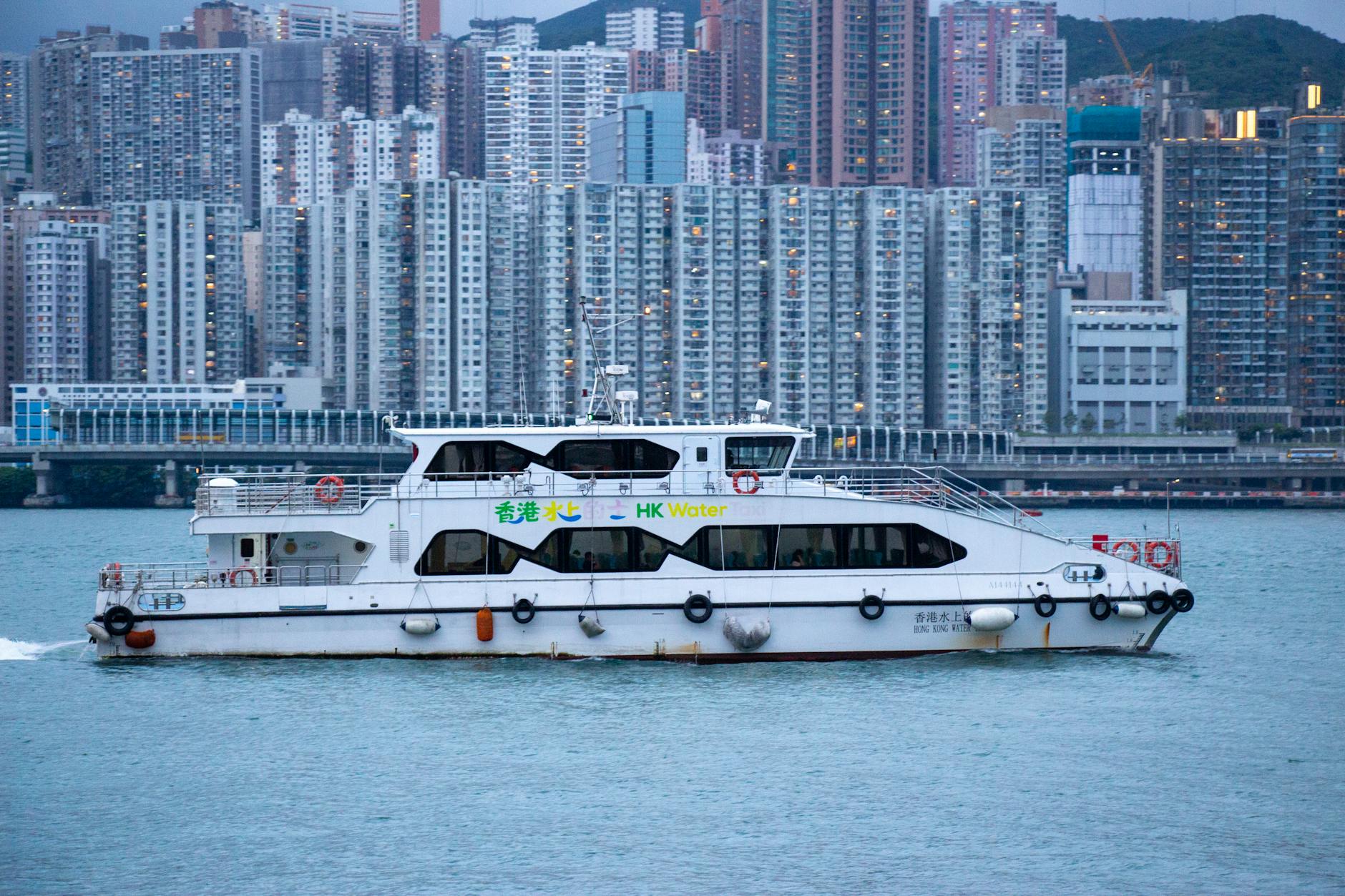
Make networking meals useful
Wan Chai is useful for conference meals because it has hotel restaurants, Cantonese dining, private rooms, casual coffee spots, bars, and quick movement toward Admiralty, Central, and Causeway Bay. The attendee should still choose meals by purpose. A large noisy dinner may be poor for an important conversation, while a simple hotel coffee may be enough for a quick connection.
The traveler should decide which meals are for networking, which are for recovery, and which are simply functional. Overbooking every evening can weaken the next conference day.
- Choose meals by purpose, noise, privacy, group size, timing, dietary needs, and return route.
- Use hotel restaurants, private rooms, or casual coffee spots according to the meeting need.
- Protect recovery before early sessions, presentations, or travel days.
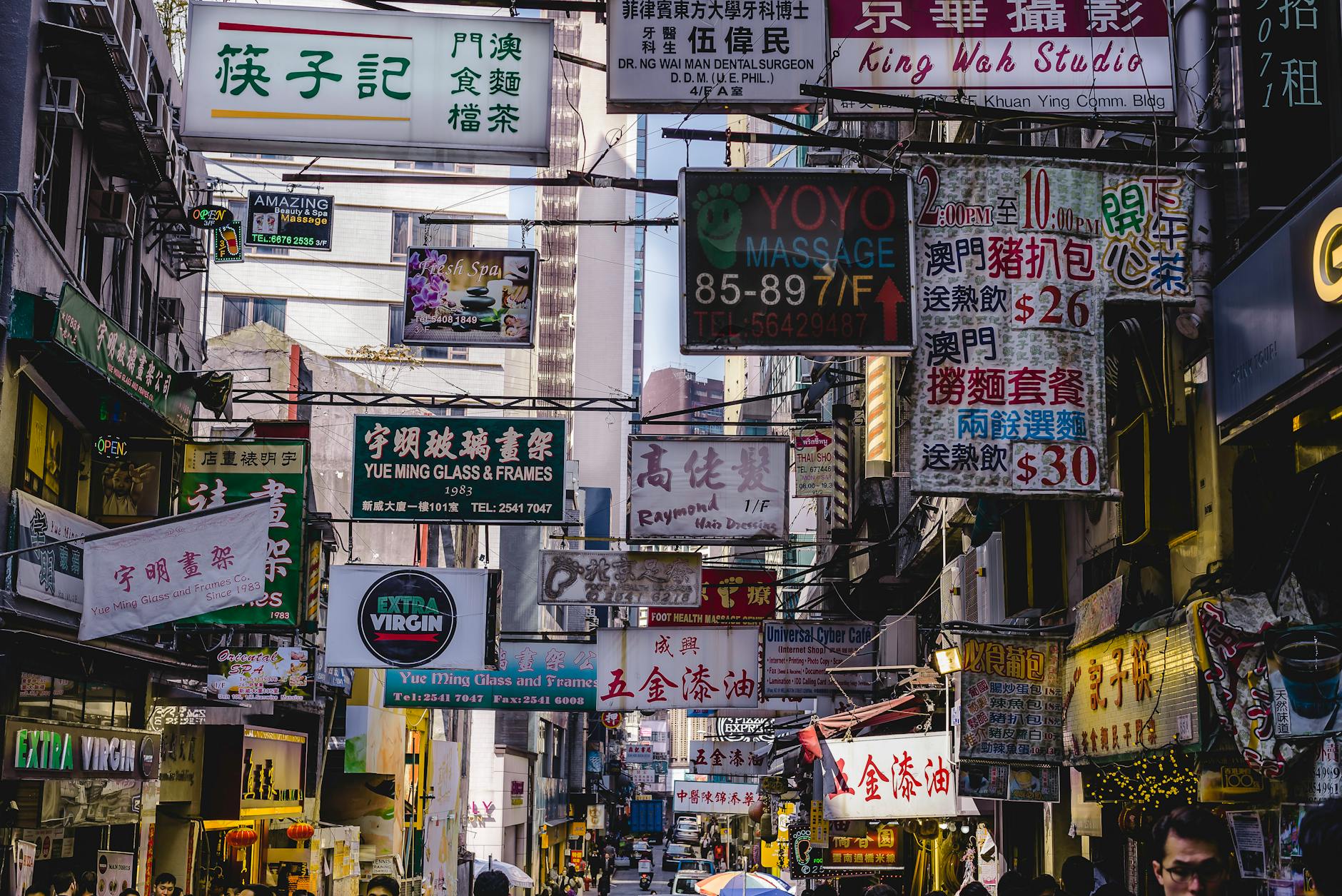
Build weather and crowd buffers into the program
Wan Chai can be hot, humid, rainy, cold indoors, and crowded around HKCEC, hotels, MTR exits, tram stops, restaurants, and evening streets. Conference clothing, laptop bags, samples, badges, and formal shoes can make short walks harder than they look. A tight schedule should include realistic buffers.
The attendee should keep water, a light layer, umbrella, battery backup, and a route that can shift indoors or into a taxi. A conference day is more resilient when the traveler knows when to use hotel returns, covered links, taxis, or simpler meals instead of forcing the original route.
- Plan for humidity, rain, cold interiors, crowds, laptop bags, samples, badges, and formal shoes.
- Keep water, umbrella, light layer, battery backup, and indoor route options ready.
- Use taxis, covered links, or hotel returns when weather or crowds threaten the schedule.
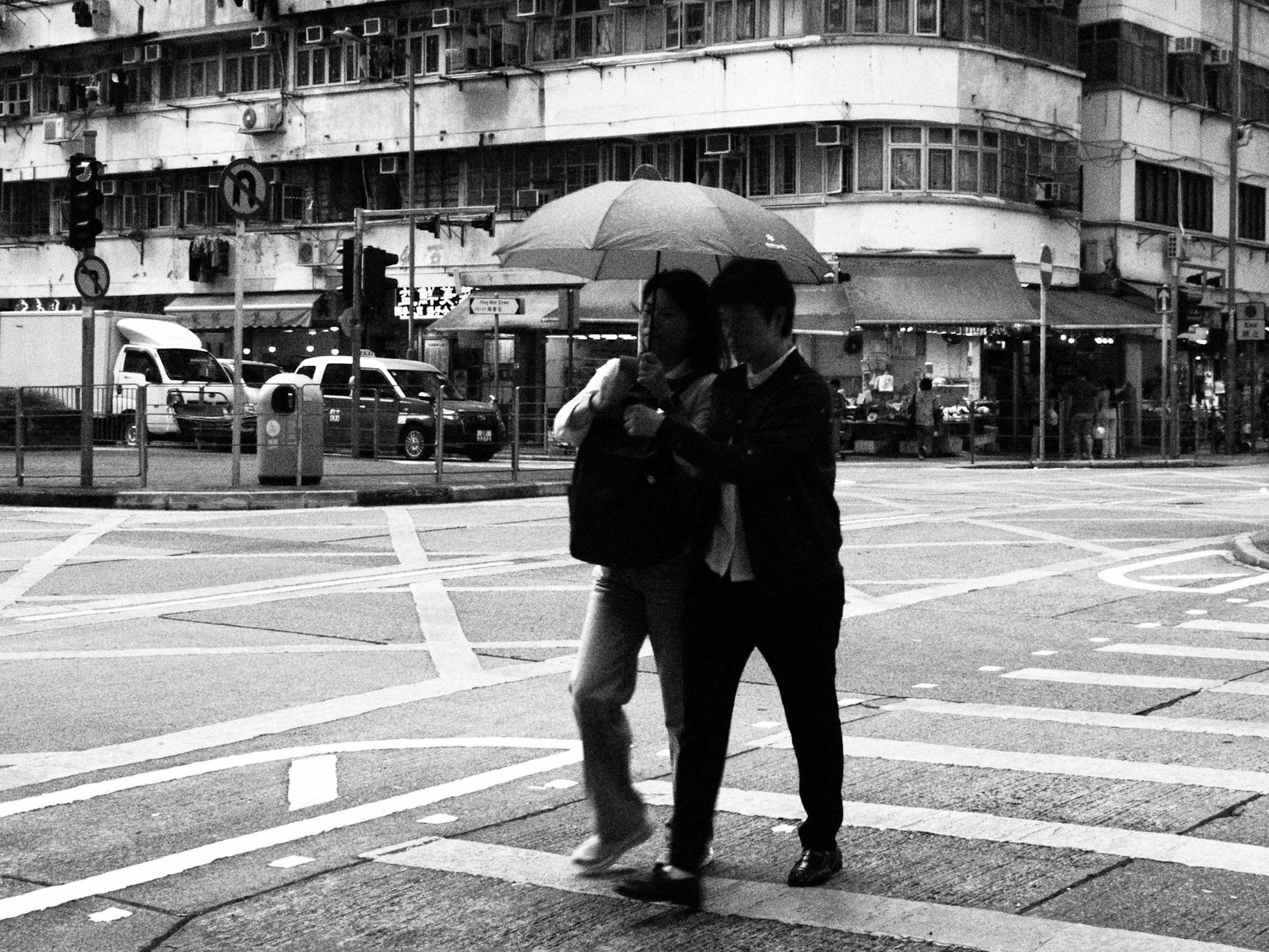
When to order a short-term travel report
A conference attendee with one hosted hotel, one nearby venue, and a light schedule may not need a custom Wan Chai report. A report becomes useful when the program is split across districts, hotel choice is uncertain, the attendee is presenting, carrying materials, arranging networking meals, balancing meetings with sightseeing, or managing tight airport timing.
The report should test venue geography, hotel fit, arrival timing, registration, materials, MTR, tram, ferry, and taxi routes, meals, weather, recovery blocks, budget, and what to cut. The value is a Wan Chai conference trip that protects the reason the traveler came.
- Order when venue geography, hotel fit, materials, cross-harbor movement, or networking needs testing.
- Provide program dates, venues, hotel options, duties, meetings, meals, constraints, and budget.
- Use the report to keep the conference trip punctual, practical, and focused.