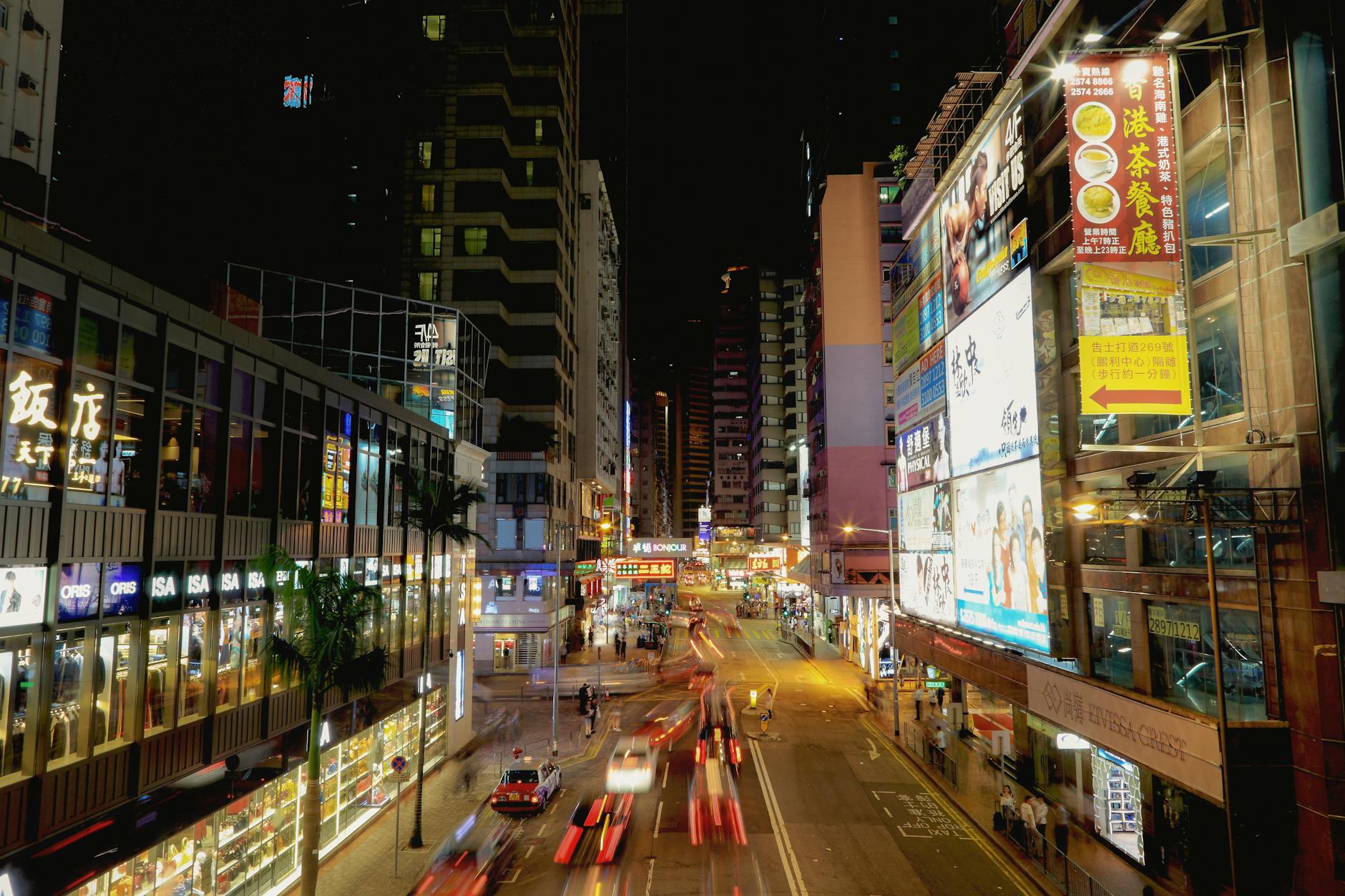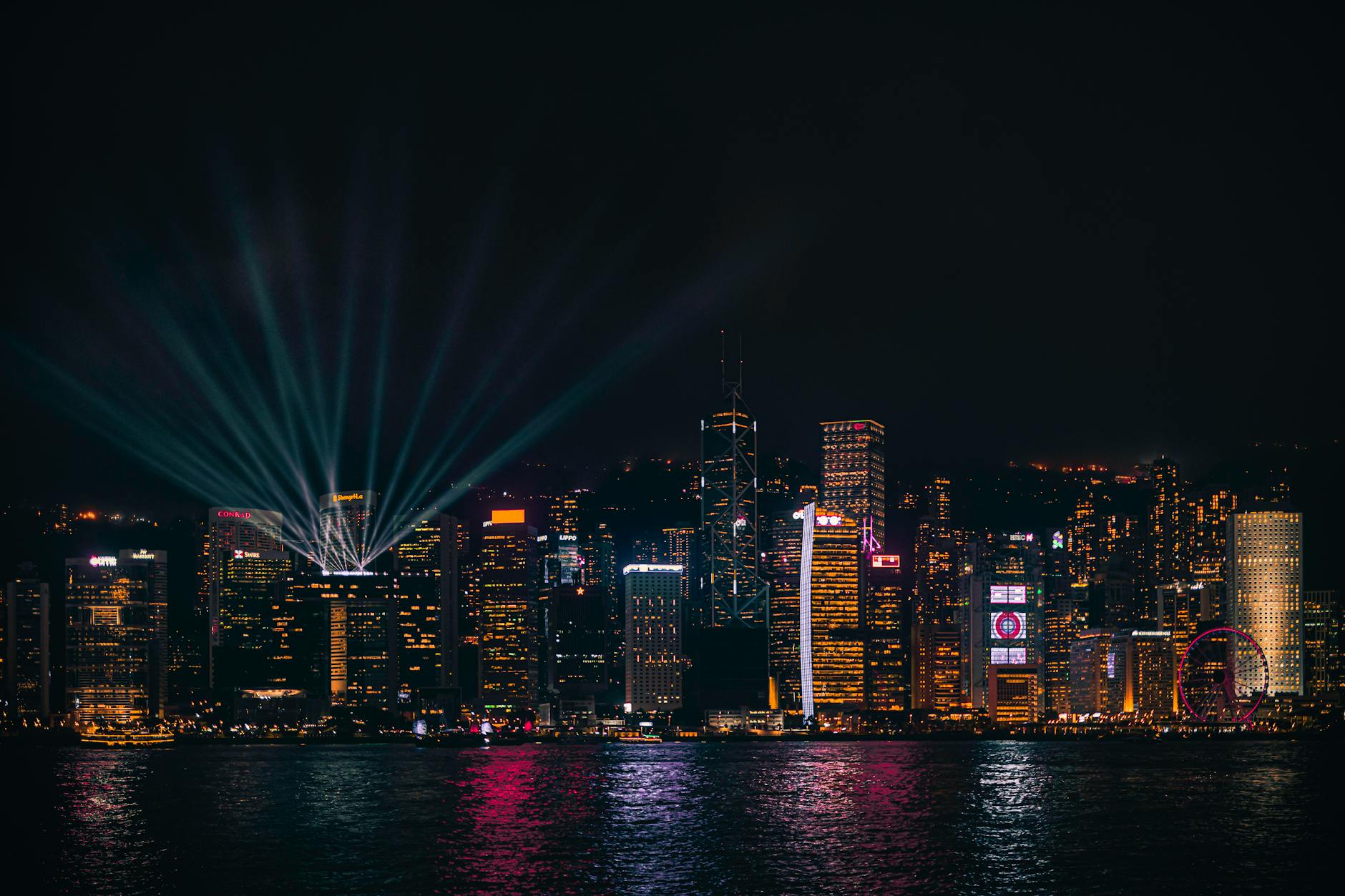
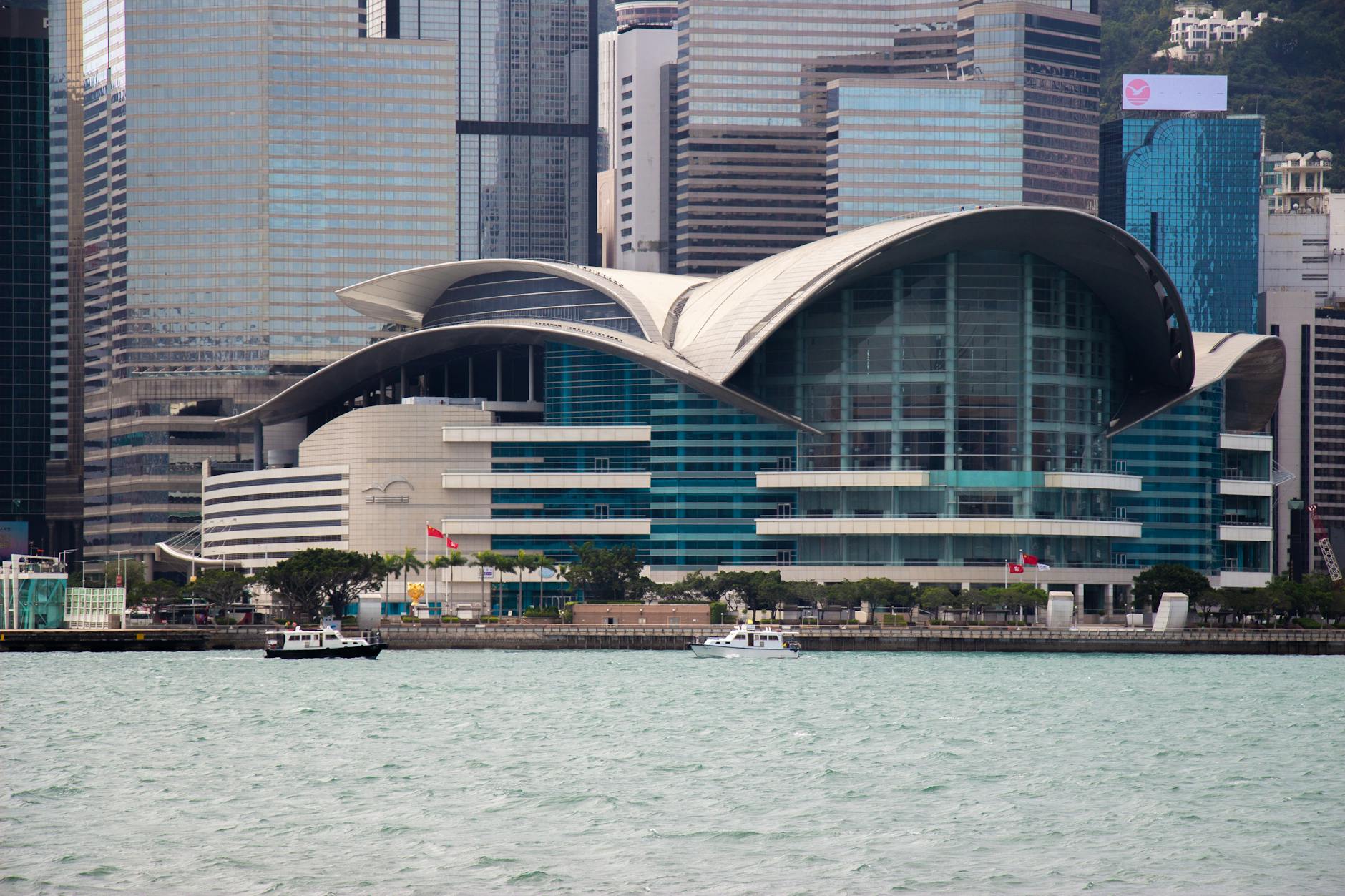
Wan Chai can be an excellent Hong Kong business base because it sits between Central, Admiralty, Causeway Bay, the Convention and Exhibition Centre, harborfront hotels, office towers, restaurants, nightlife, and MTR access. It is also easy to misread. The same district can feel formal, event-heavy, residential, nightlife-oriented, or transit-focused depending on the block and hour. A short business visit should decide what Wan Chai is solving: convention access, client meetings, a hotel base, a dining zone, or a practical midpoint between other districts. The traveler should make the district's convenience work for the business purpose rather than assuming that every Wan Chai address works the same way.
Map the business purpose before booking
A business visitor should start by locating the actual commitments: convention sessions, office meetings, hotel ballrooms, client lunches, government or professional appointments, private dinners, and evening hosting. Wan Chai may be perfect if the trip centers on the convention center or nearby offices. It may be merely acceptable if the real schedule is in Central, Quarry Bay, Kowloon, or the airport corridor.
The traveler should test each morning and evening movement before choosing a hotel. A midpoint district is only useful when it reduces friction across the whole schedule.
- Map convention sessions, offices, hotels, meals, hosting, airport links, and cross-district meetings.
- Use Wan Chai when convention access, nearby offices, or midpoint geography helps the trip.
- Do not treat every Wan Chai address as equivalent for business movement.
Choose the hotel by route quality
Wan Chai hotels can be useful for business travelers, but route quality matters. The traveler should check MTR exits, taxi pickup, walking exposure, lift speed, lobby congestion, room quiet, desk space, breakfast timing, laundry, and proximity to the actual meeting venues. A hotel that looks close may still involve heat, rain, footbridges, crossings, or crowded sidewalks.
If the trip includes a convention, the hotel should support badge pickup, early sessions, late receptions, and quick returns between blocks. If the trip is client-led, the hotel should support punctual movement to offices and meals.
- Check MTR exits, taxi pickup, walking exposure, lifts, lobby traffic, desk, breakfast, and room quiet.
- Match the hotel to convention days, office meetings, client dinners, and late returns.
- Prioritize route quality over a slightly better room in a weaker location.
Use MTR, taxis, and walking by meeting type
Wan Chai gives business visitors several movement options. MTR can be efficient for predictable district movement. Taxis or cars may be better for senior meetings, formal clothing, rain, luggage, or client hosting. Walking can work for nearby venues, but heat, crowded crossings, and building entrances can add more friction than a map suggests.
The traveler should assign transport by meeting type and time of day. A convention session, formal client meeting, airport transfer, late dinner, and quick coffee between offices do not need the same route.
- Choose MTR, taxi, car, or walking by meeting stakes, weather, clothing, luggage, and timing.
- Check station exits, taxi stands, covered routes, footbridges, and building entrances.
- Use more conservative movement before formal or time-sensitive meetings.
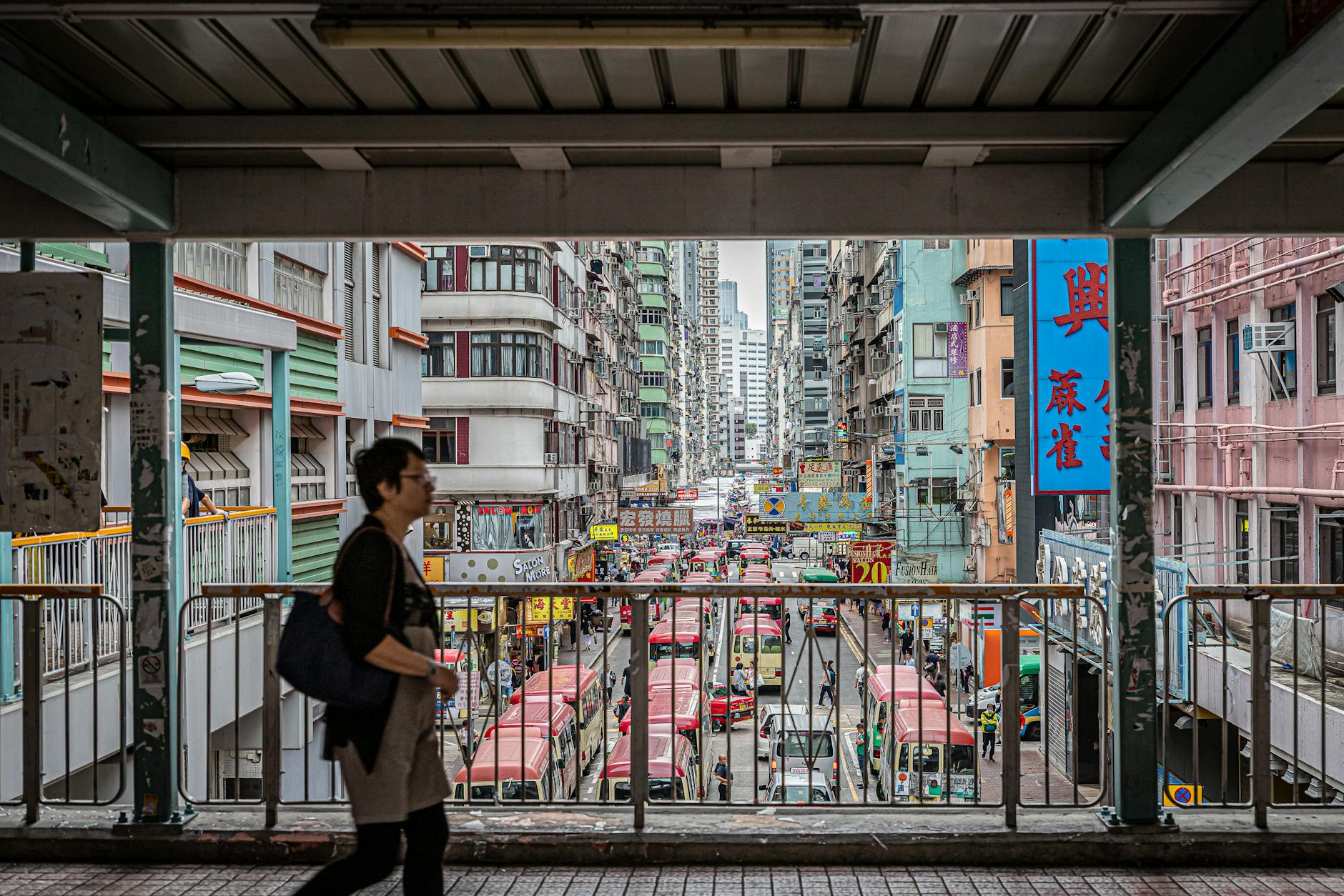
Protect work time between obligations
Wan Chai can fill the day with sessions, meetings, coffees, meals, and evening events. A business visitor still needs time for calls, document edits, approvals, follow-up notes, wardrobe resets, and quiet preparation. Hotel Wi-Fi, room desk quality, business services, printing, private call space, and secure file access should be confirmed before arrival.
Public cafes and hotel lobbies may work for ordinary email but not for confidential calls or sensitive documents. The traveler should decide where real work can happen before the schedule tightens.
- Confirm Wi-Fi, desk space, private calls, printing, charging, laundry, and secure file access.
- Reserve blocks for follow-up, approvals, document edits, and remote colleague calls.
- Avoid handling sensitive work in crowded cafes, lobbies, or public convention spaces.
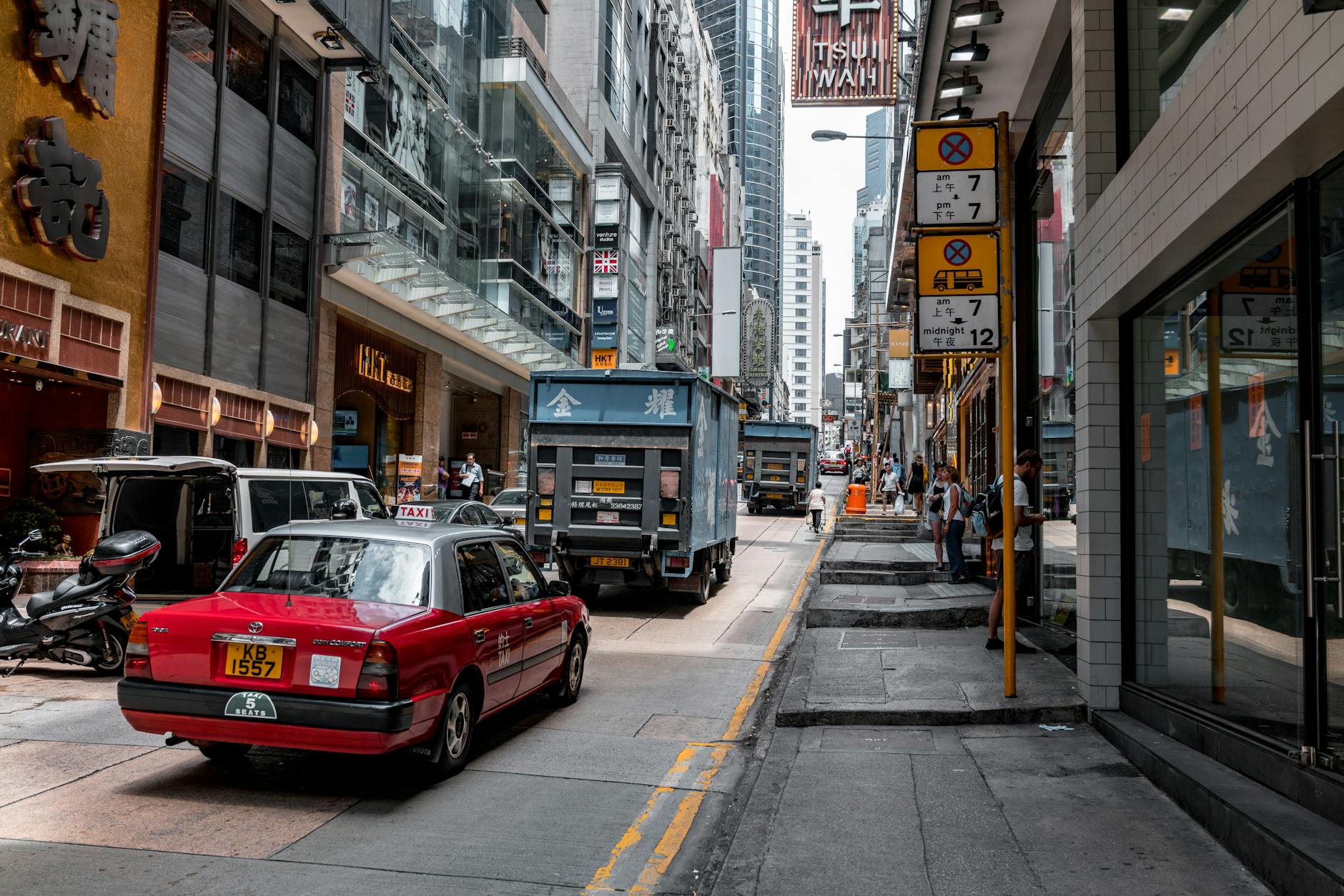
Make meals and hosting fit the relationship
Wan Chai can support business meals in several tones: quick convention lunches, polished hotel restaurants, Cantonese dining, casual coffees, bars, and late dinners. The traveler should choose venues by hierarchy, noise, privacy, dietary needs, payment expectations, reservation timing, and return route.
A dinner or drinks plan should support the relationship rather than merely fill the evening. Wan Chai's nightlife edge can be useful for some business contexts and wrong for others. The traveler should know the tone before inviting clients or colleagues.
- Choose meals by hierarchy, privacy, noise, dietary needs, payment, timing, and return route.
- Separate convention meals, client hosting, casual coffees, and late drinks by purpose.
- Use Wan Chai nightlife carefully when the business tone calls for restraint.
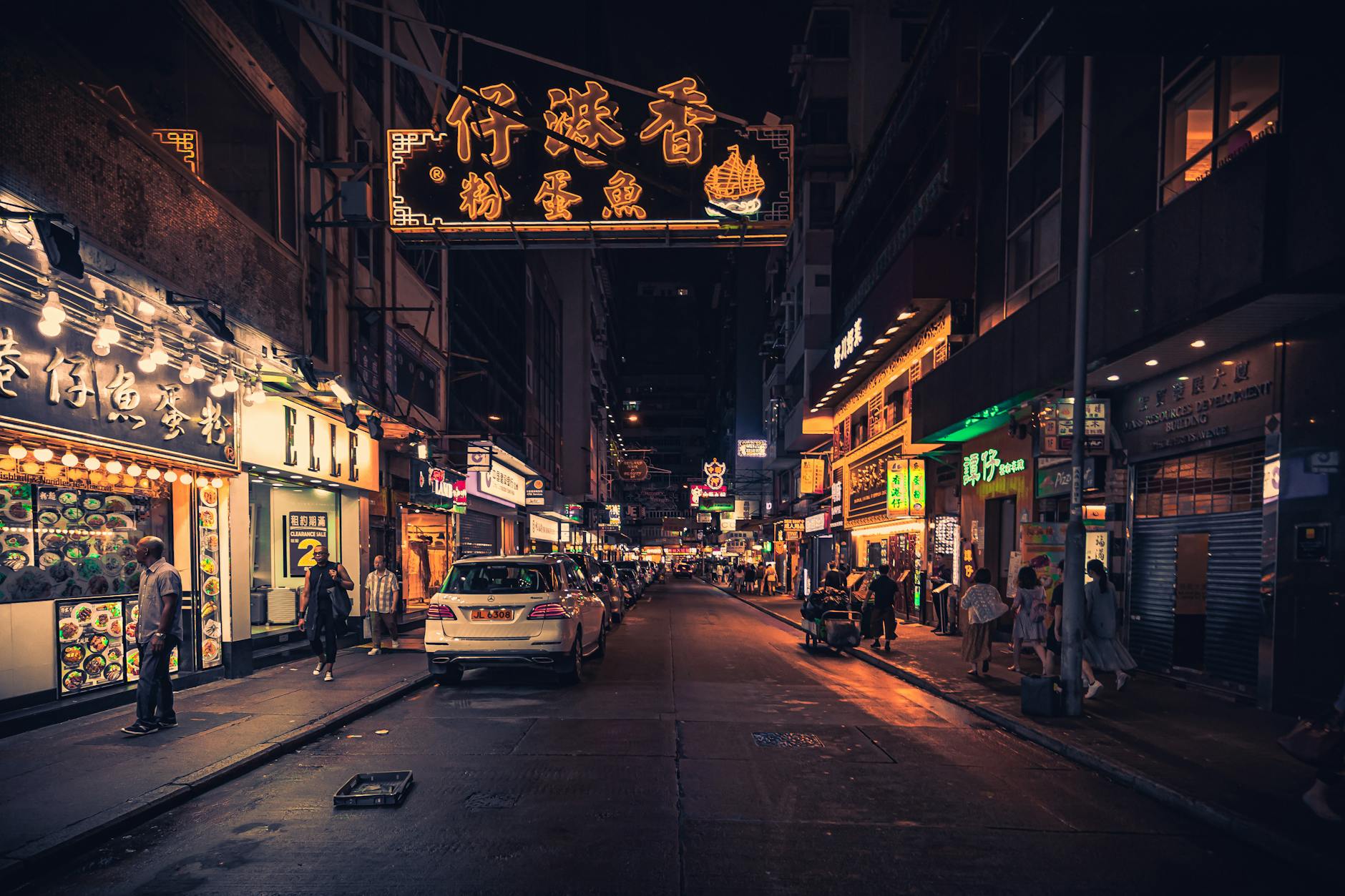
Plan for weather, crowds, and late returns
Wan Chai business movement can be affected by humidity, rain, convention crowds, lunch-hour sidewalks, nightlife spillover, taxi demand, and cold interiors. Business dress, formal shoes, laptops, samples, and printed materials make these conditions more consequential. The traveler should not assume that a short walk is always the best route.
Late returns deserve the same planning as morning arrivals. A traveler moving from dinner, drinks, or a reception should know whether to walk, take MTR, hail a taxi, or arrange a car before fatigue and weather make the decision worse.
- Plan for humidity, rain, convention crowds, nightlife spillover, taxi demand, and cold interiors.
- Protect formal clothing, laptops, printed materials, and samples from route friction.
- Decide late return routes before dinner or drinks begin.
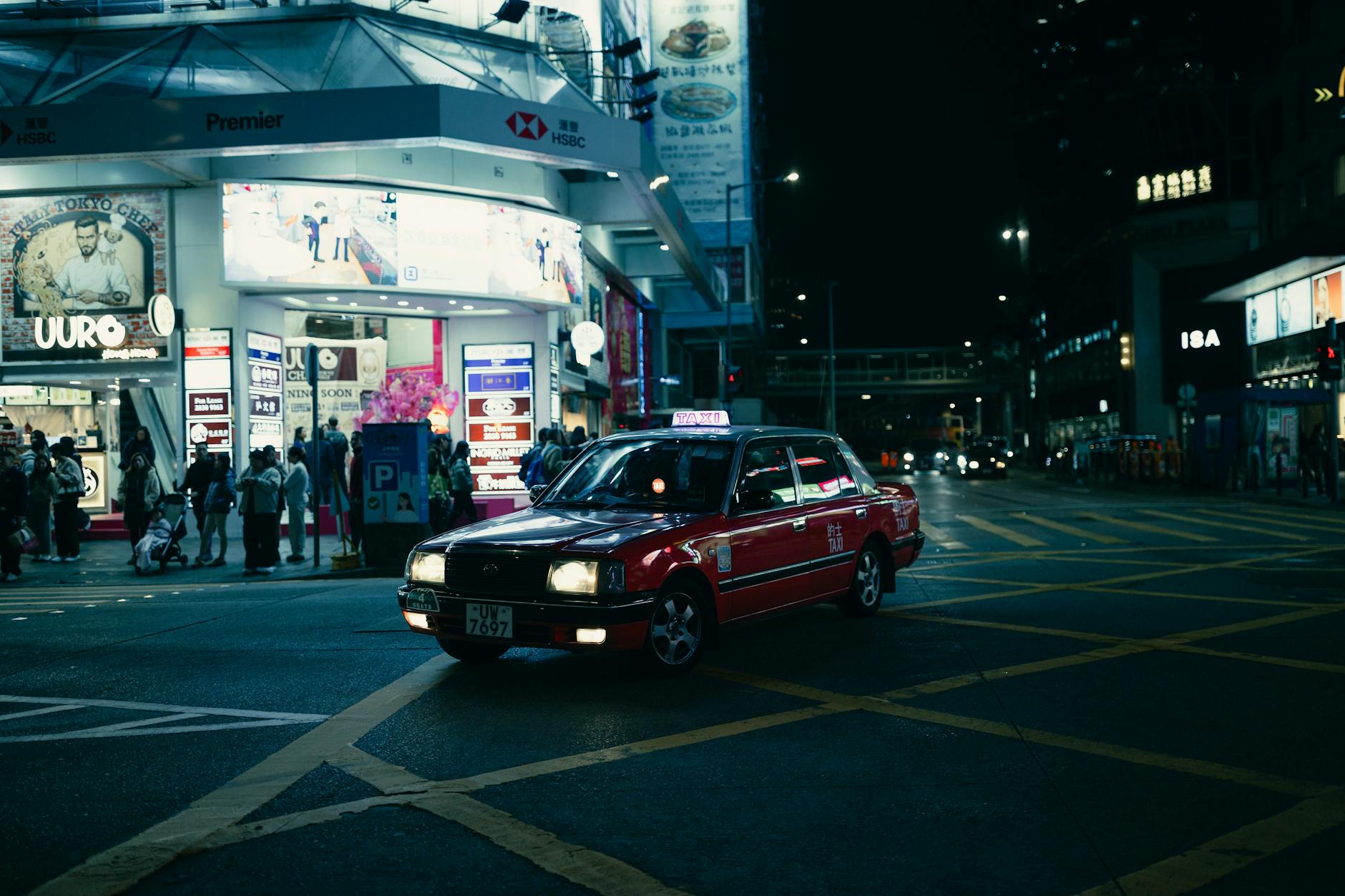
When to order a short-term travel report
A business visitor with a hosted convention hotel and simple schedule may not need a custom Wan Chai report. A report becomes useful when the trip includes multiple offices, convention sessions, formal client hosting, cross-harbor movement, tight airport timing, senior stakeholders, weather-sensitive dress, confidential work, or uncertainty about whether Wan Chai is the right base.
The report should test hotel siting, convention and office geography, MTR and taxi choices, meeting timing, work infrastructure, dining and hosting, weather, late returns, airport transfers, budget, and what to cut. The value is a Wan Chai business visit that feels efficient rather than merely convenient on paper.
- Order when hotel siting, convention access, office geography, transport, hosting, or timing needs testing.
- Provide dates, meeting locations, hotel options, airport details, dinner plans, constraints, and budget.
- Use the report to make the Wan Chai business visit precise, efficient, and socially readable.