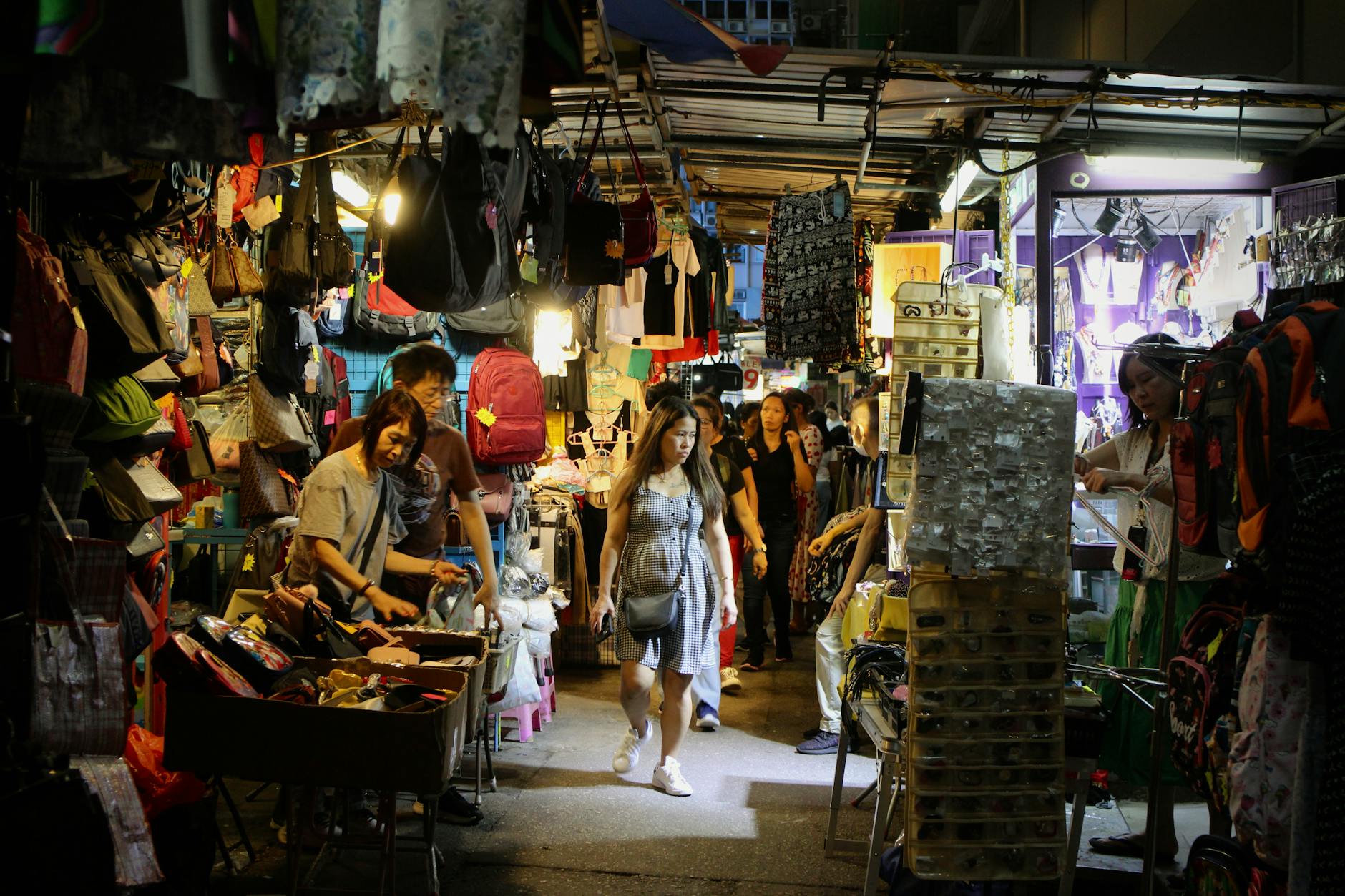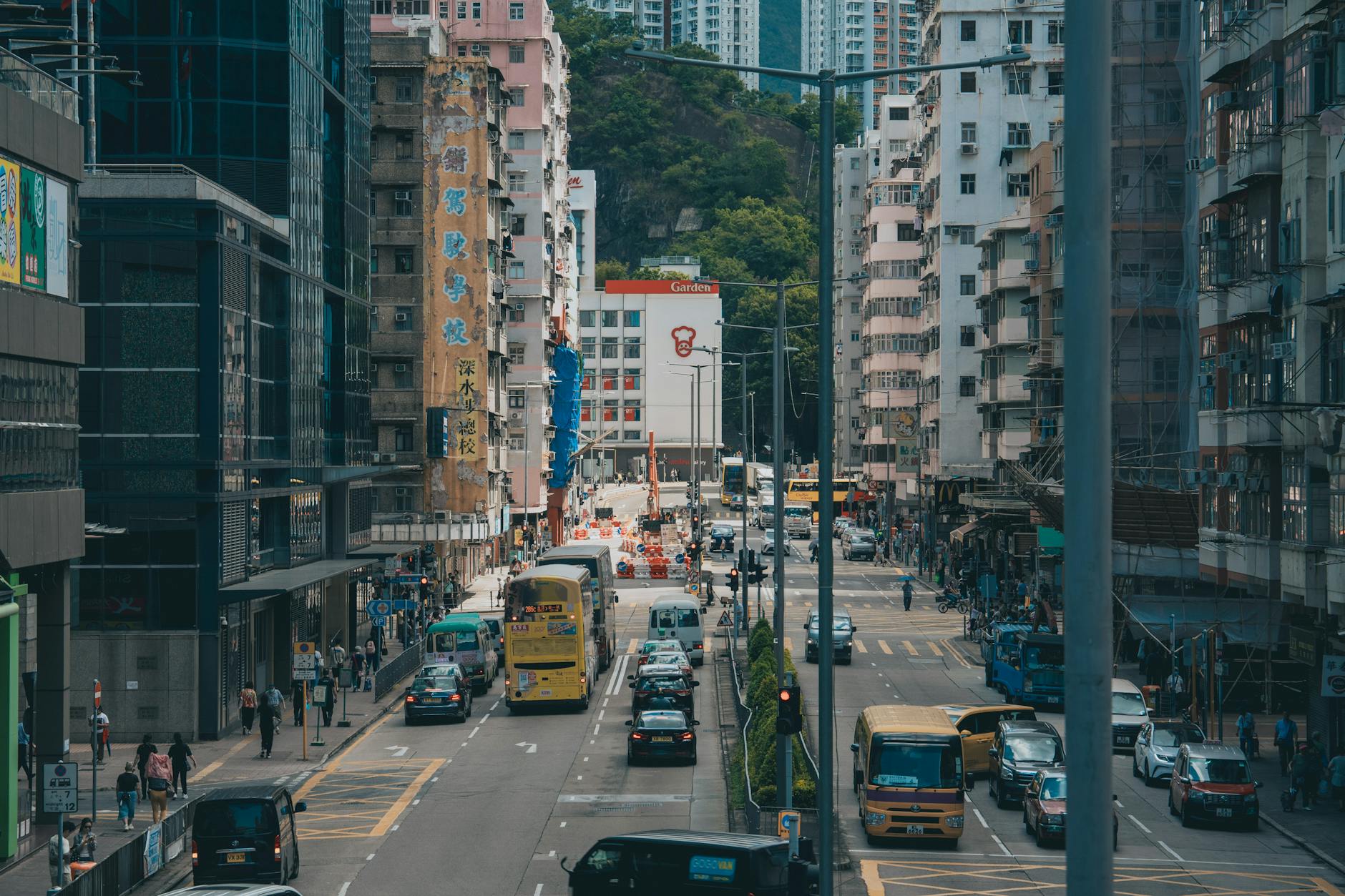
Wan Chai can work for a budget traveler because it has trams, MTR access, casual food, supermarkets, bakeries, practical hotels, and quick links to other Hong Kong Island districts. It can also become expensive or tiring when lodging is chosen only by price, transport savings require long walks, meals are solved too late, and paid attractions or cross-harbor movement are added without a plan. A short budget stay should separate low price from good value. The goal is not to spend as little as possible on every line. The goal is to protect the parts of the trip that matter while avoiding costs that come from poor location, fatigue, weather, or avoidable mistakes.
Separate cheap from good value
Wan Chai budget planning should start with value, not the lowest visible price. A cheap room, far meal, or inconvenient transport plan can create extra taxi costs, missed time, fatigue, and bad decisions later. Good value may mean a slightly better-located hotel, a tram-friendly base, a reliable breakfast nearby, or one paid convenience that prevents a larger mistake.
The traveler should decide which expenses protect the trip and which can be cut. Hong Kong can be managed on a budget, but false savings are common when the traveler ignores time, weather, and energy.
- Compare each saving against time, weather, fatigue, taxi risk, meal access, and missed opportunities.
- Spend selectively on location, direct movement, food reliability, or rest when it protects the day.
- Avoid cheap choices that create higher costs later.
Choose lodging by access, not only price
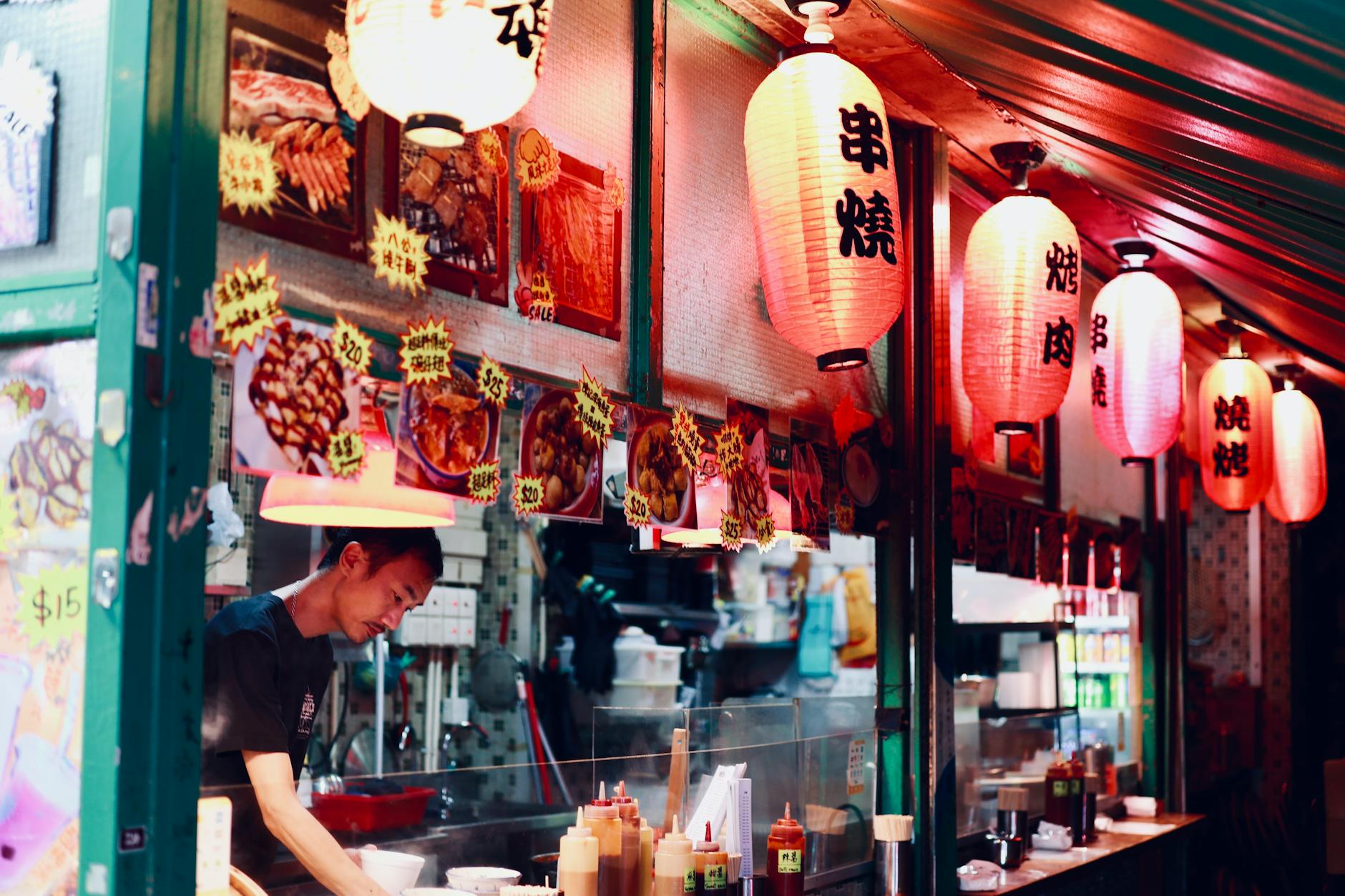
Budget lodging in and around Wan Chai should be judged by access as much as nightly rate. MTR exit distance, tram stop distance, lift reliability, room quiet, luggage storage, breakfast options, nearby food, late return comfort, and the final block back to the room all matter. A lower rate can be poor value if it turns every day into a longer or more stressful route.
The traveler should test the lodging against airport arrival, rainy evenings, early departures, and whether it makes low-cost meals easy. Location can be the budget tool that makes the rest of the trip work.
- Check MTR exits, tram stops, lifts, room quiet, luggage storage, breakfast, food, and late returns.
- Compare lodging by airport arrival, rainy evenings, early starts, and low-cost meal access.
- Use location as a budget tool, not just a place to sleep.
Use trams, MTR, and walking without false savings
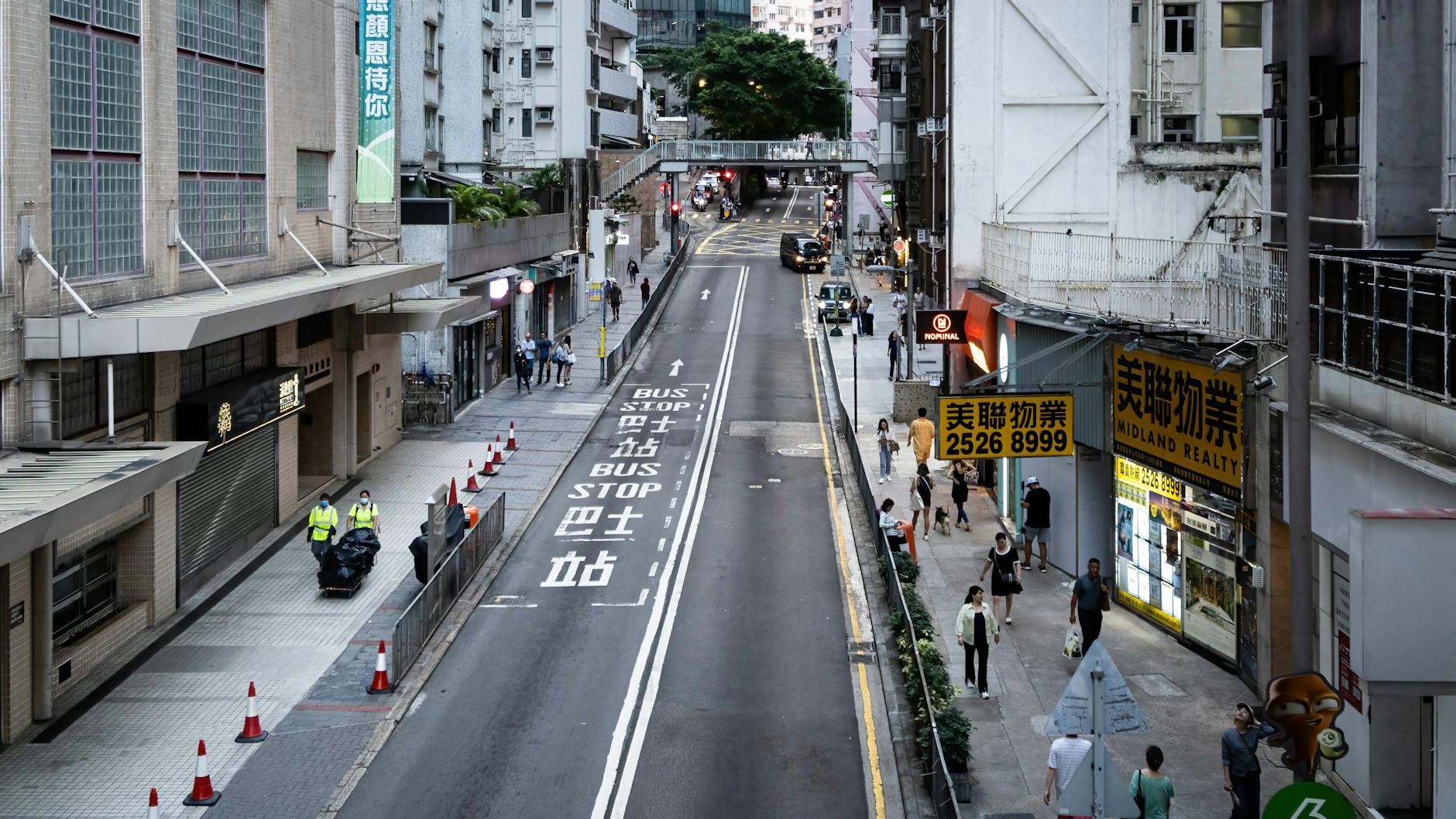
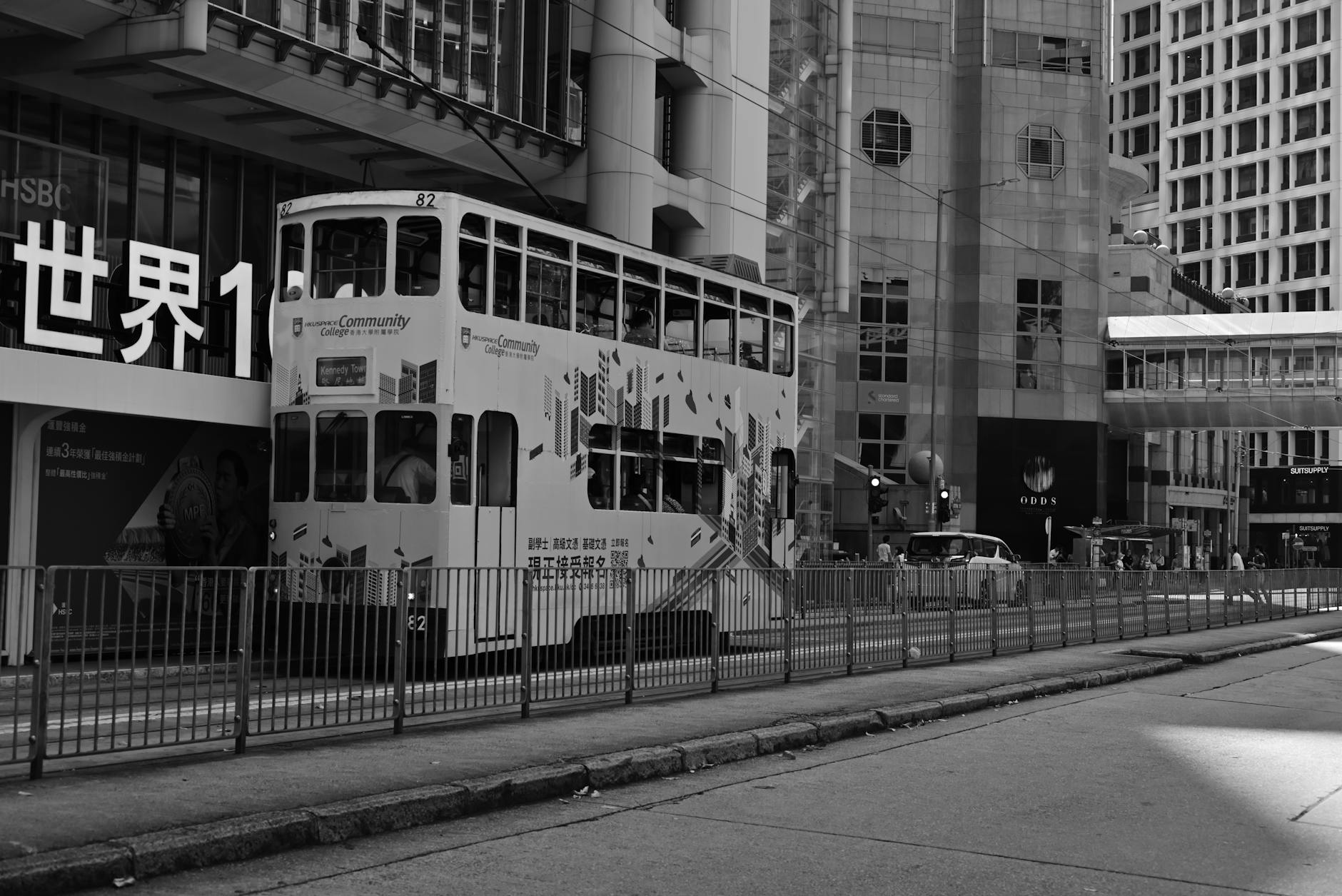
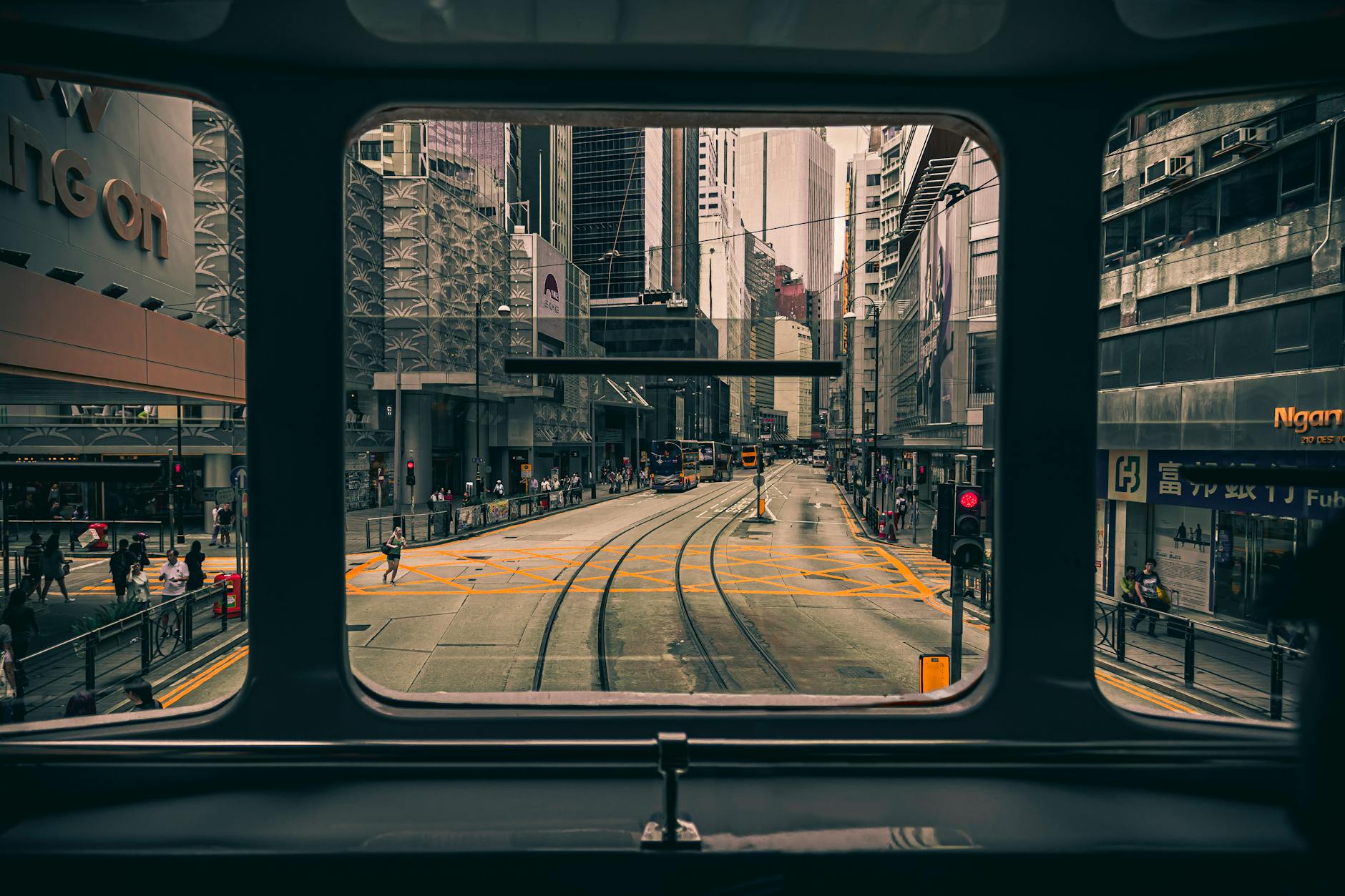
Wan Chai is strong for lower-cost movement because trams and MTR can cover many useful routes. Walking can also work, but it is not always free in practical terms. Heat, rain, footbridges, crowded crossings, bags, and tired evenings can turn a money-saving walk into a poor decision. Taxis should not be the default, but they can be the cheaper choice if they prevent a ruined evening or missed connection.
The traveler should choose transport by the full cost: fare, time, energy, weather, route complexity, and the next activity. Budget travel works best when movement is deliberate.
- Use trams and MTR for low-cost movement, but check exits, waits, crowds, and route complexity.
- Treat long walks as a cost when heat, rain, bags, or fatigue are involved.
- Use taxis selectively when directness prevents a larger budget or time mistake.
Plan meals around reliable low-cost options
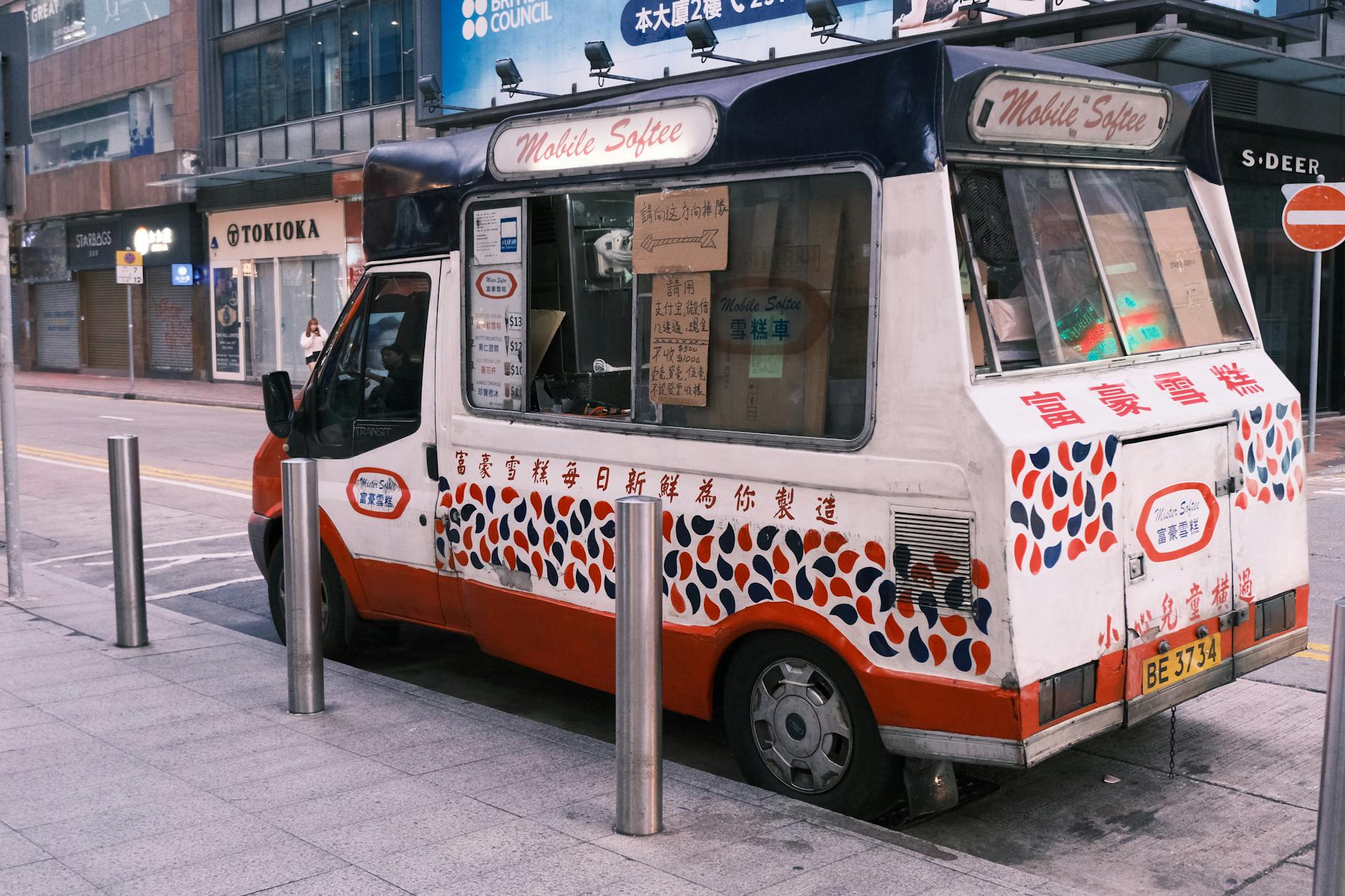
Food can be a strength for budget travelers in Wan Chai if meals are planned before hunger and crowds take over. Casual local restaurants, bakeries, cafes, supermarkets, noodle shops, and simple hotel-area options can keep costs controlled. The traveler should identify low-cost meals near the hotel, tram corridor, MTR exits, and evening routes.
Meal planning should include opening hours, queues, seating, payment, dietary needs, and whether the meal location supports the next move. The cheapest meal is not always the best value if it requires a long detour.
- Preselect low-cost meals near the hotel, tram corridor, MTR exits, and evening routes.
- Check opening hours, queues, seating, payment, dietary fit, and the next route.
- Use supermarkets, bakeries, and simple local meals to avoid expensive last-minute choices.
Control paid sights and cross-harbor costs
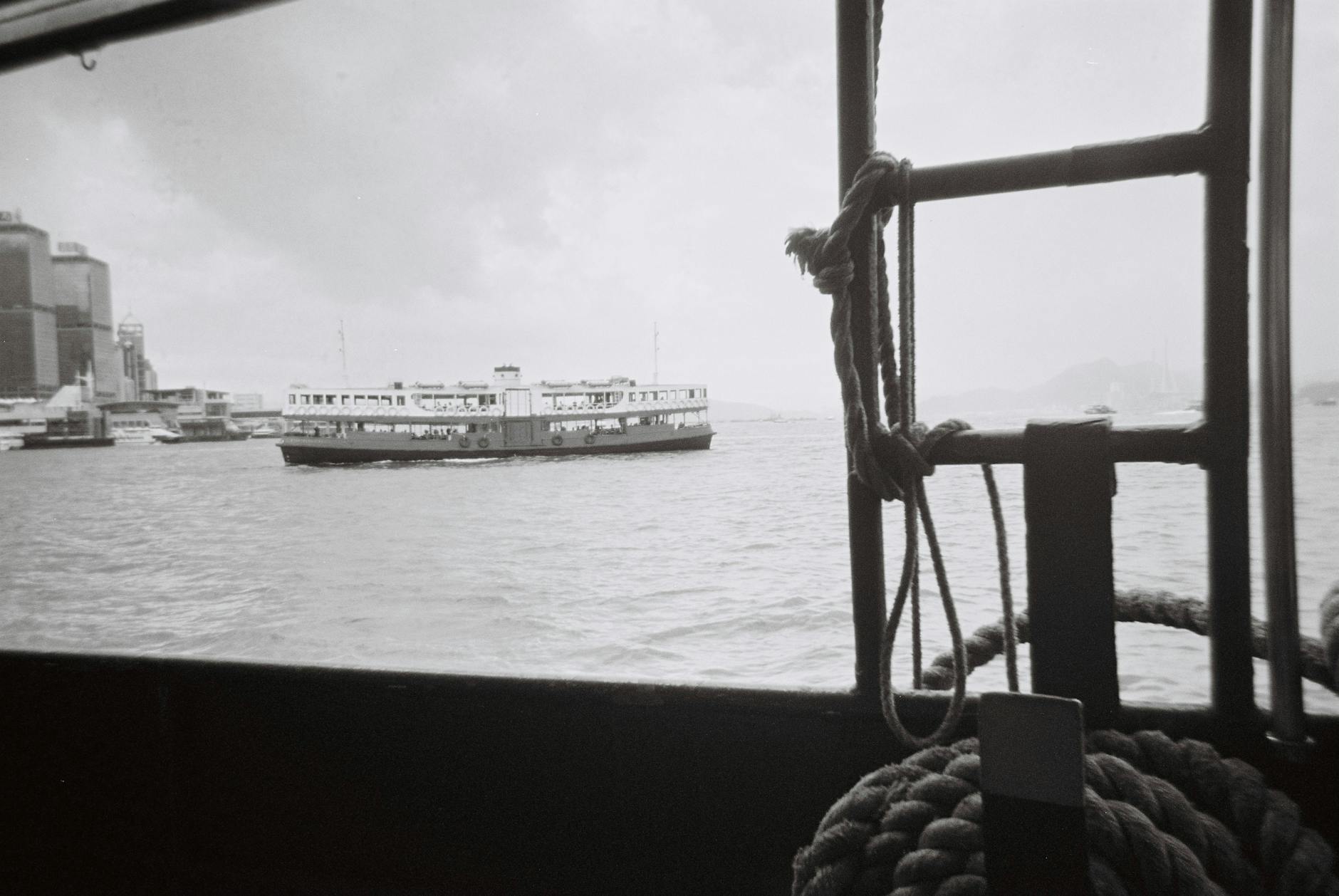
A budget traveler should decide which paid experiences are worth protecting and which scenic or cultural moments can come from lower-cost movement. Wan Chai can support harbor walks, tram rides, markets, street texture, and easy links toward Central or Causeway Bay without turning every hour into a ticketed activity. Cross-harbor movement can also be affordable if it is planned well.
The traveler should avoid stacking small costs without noticing the total. Ferries, MTR, taxis, admissions, coffee stops, paid viewpoints, and late-night returns should be part of one budget picture.
- Choose paid sights deliberately and use harbor walks, trams, markets, and street routes for value.
- Plan cross-harbor movement by fare, timing, weather, and return route.
- Track small costs from admissions, transit, coffee stops, viewpoints, and late returns.
Keep a weather and fatigue budget
Budget travelers often underestimate how much weather and fatigue cost. In Wan Chai, humidity, rain, cold interiors, crowded stations, tram waits, and late meals can create unplanned taxi rides, convenience purchases, laundry needs, or abandoned plans. A small reserve for weather and recovery is not waste. It is part of keeping the trip functional.
The traveler should keep water, a compact umbrella, a light layer, phone battery, and one low-cost indoor backup. The best budget plan is resilient enough that a bad weather hour does not break the day.
- Reserve money and time for rain, heat, fatigue, laundry, taxis, snacks, and indoor backups.
- Carry water, umbrella, light layer, battery backup, and payment backup.
- Avoid plans where one weather change forces several expensive corrections.
When to order a short-term travel report
A budget traveler with flexible time, simple lodging, and strong Hong Kong familiarity may not need a custom Wan Chai report. A report becomes useful when the stay is short, lodging value is unclear, transport choices could create false savings, meals need planning, the traveler is choosing between districts, or the budget has little room for avoidable mistakes.
The report should test lodging fit, airport arrival, tram and MTR routes, walking limits, low-cost meals, paid sights, cross-harbor movement, weather backups, fatigue reserves, budget, and what to cut. The value is a Wan Chai stay that protects money without wasting the trip.
- Order when lodging, transport, meals, paid sights, weather, or false savings need testing.
- Provide dates, flight times, lodging options, budget range, interests, constraints, and walking tolerance.
- Use the report to spend less where it is safe and spend carefully where it matters.