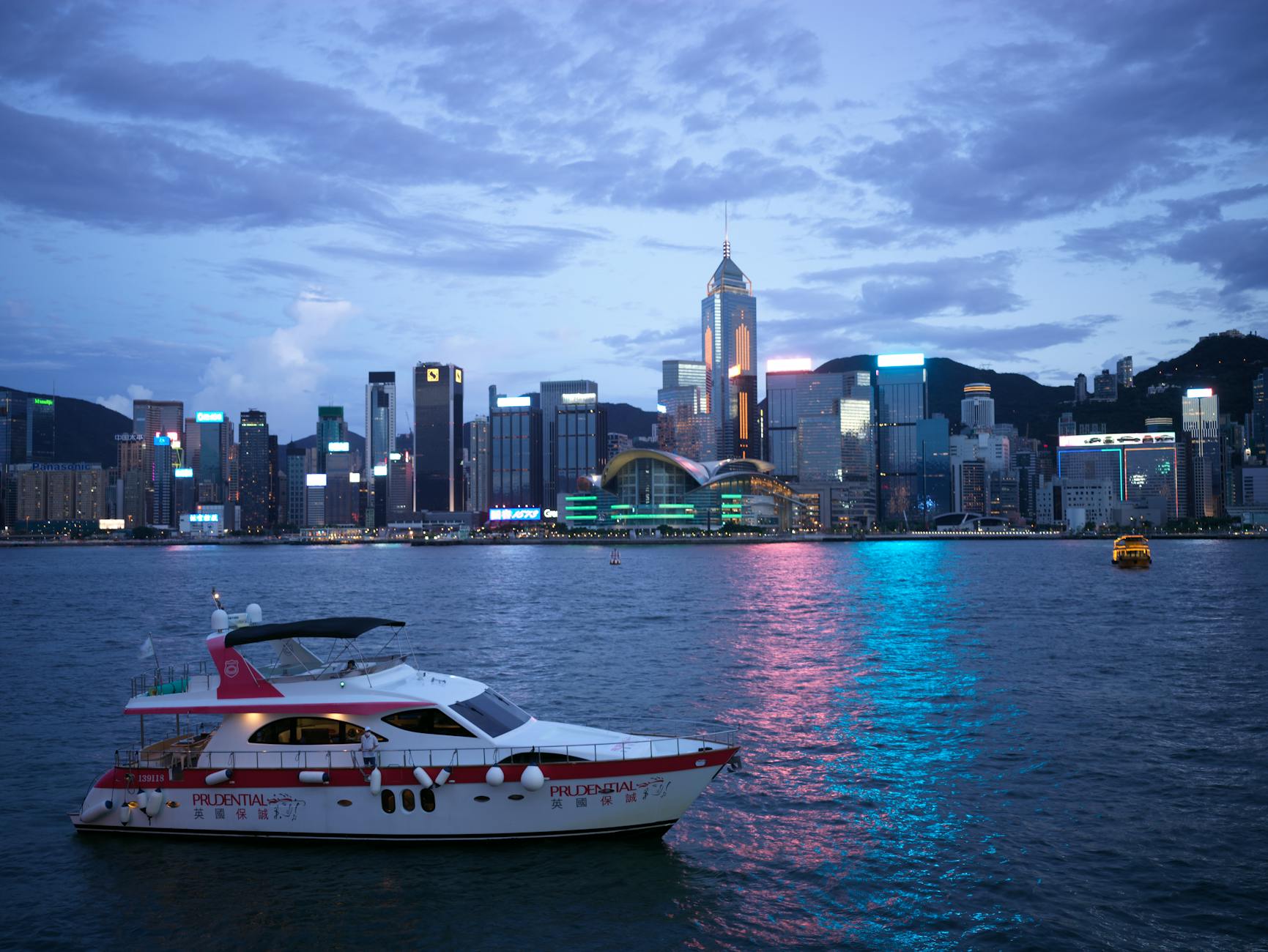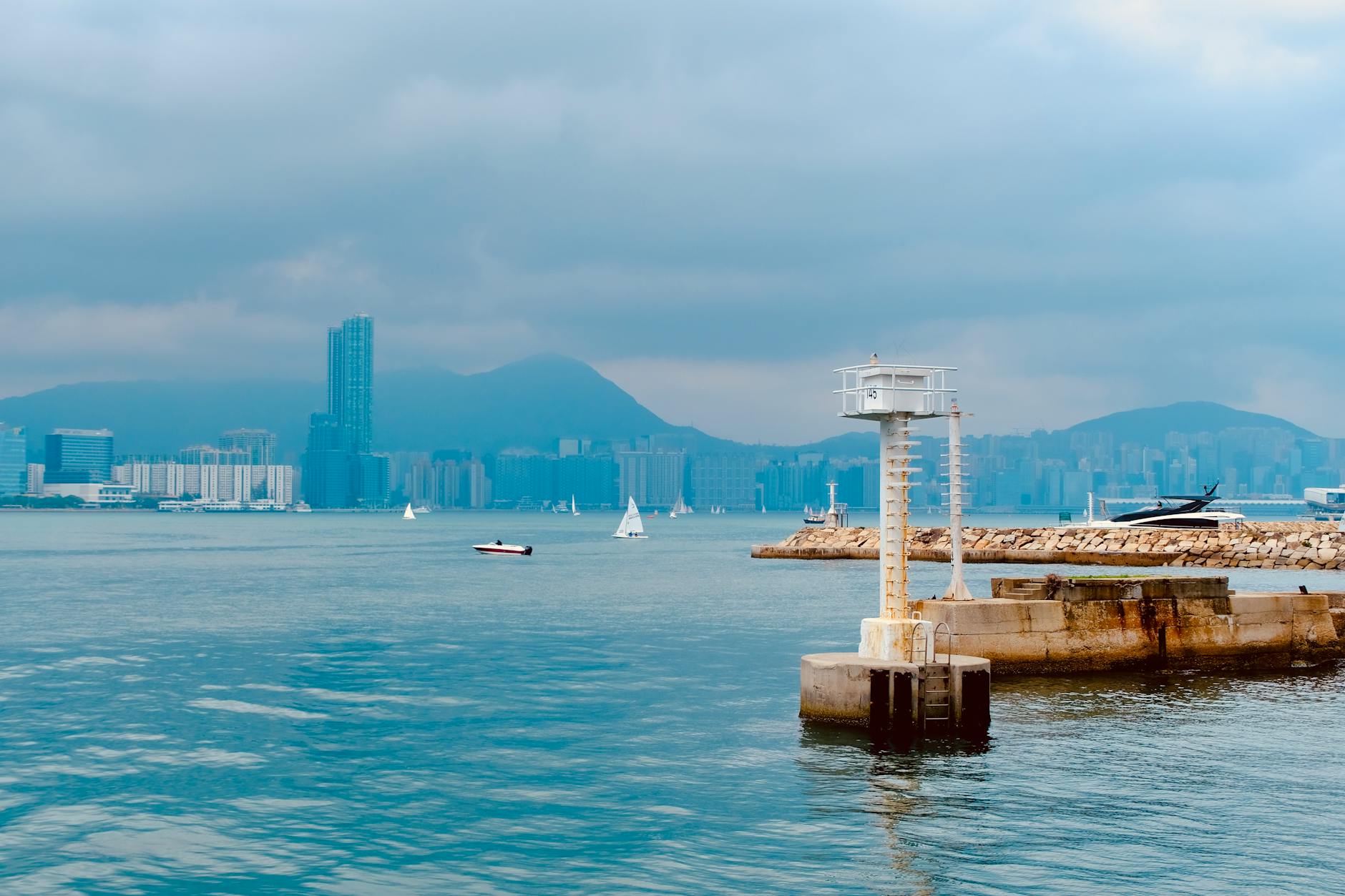
Wan Chai is not an alpine base or beach resort, but it can work for an adventure or outdoor traveler who understands Hong Kong's urban-outdoor mix. The district can connect the traveler to harborfront walks, hill routes, Victoria Peak access, Bowen Road-style movement, tram corridors, ferries, country-park transfers, and dense city recovery infrastructure. The risk is expecting wilderness convenience from a business and nightlife district. A short outdoor trip should decide what kind of adventure is realistic: city walking, viewpoints, trail access, running, harbor movement, photography walks, or transit-supported day outings. Wan Chai works best when the traveler treats outdoor time as a planned route, not a vague intention.
Define the outdoor goal before choosing Wan Chai
The traveler should decide whether Wan Chai is the base for walking, running, viewpoints, urban photography, hill access, harbor routes, or a broader Hong Kong outdoor itinerary. Each goal changes the right hotel, start time, transport plan, and recovery needs. A traveler who wants dawn trail access should make different choices from one who wants evening harbor walks and city stairs.
Wan Chai can support outdoor travel well when the traveler accepts that the first and last miles may be urban. That can be an asset, but only if it is planned.
- Define whether the goal is walking, running, viewpoints, photography, hills, harbor routes, or day outings.
- Choose the base around start times, transport, gear, recovery, and the real outdoor objective.
- Treat urban first and last miles as part of the route, not an afterthought.

Use Wan Chai as a launch point, not the whole adventure
Wan Chai can place the traveler close to transport and harbor movement, but many better outdoor experiences require leaving the immediate district. The traveler may use MTR, buses, taxis, ferries, or walking links to reach hill paths, waterfront routes, country-park access, island departures, or viewpoints. A good plan separates quick local movement from true outdoor objectives.
The traveler should also decide what belongs nearby. Harbor walks, tram rides, stair-heavy streets, and skyline viewpoints can be satisfying without pretending they are a full trail day.
- Use MTR, buses, taxis, ferries, and walking links to reach trails, viewpoints, and waterfront routes.
- Separate nearby urban-outdoor movement from full day outings.
- Do not judge the base only by the number of trails immediately outside the hotel.
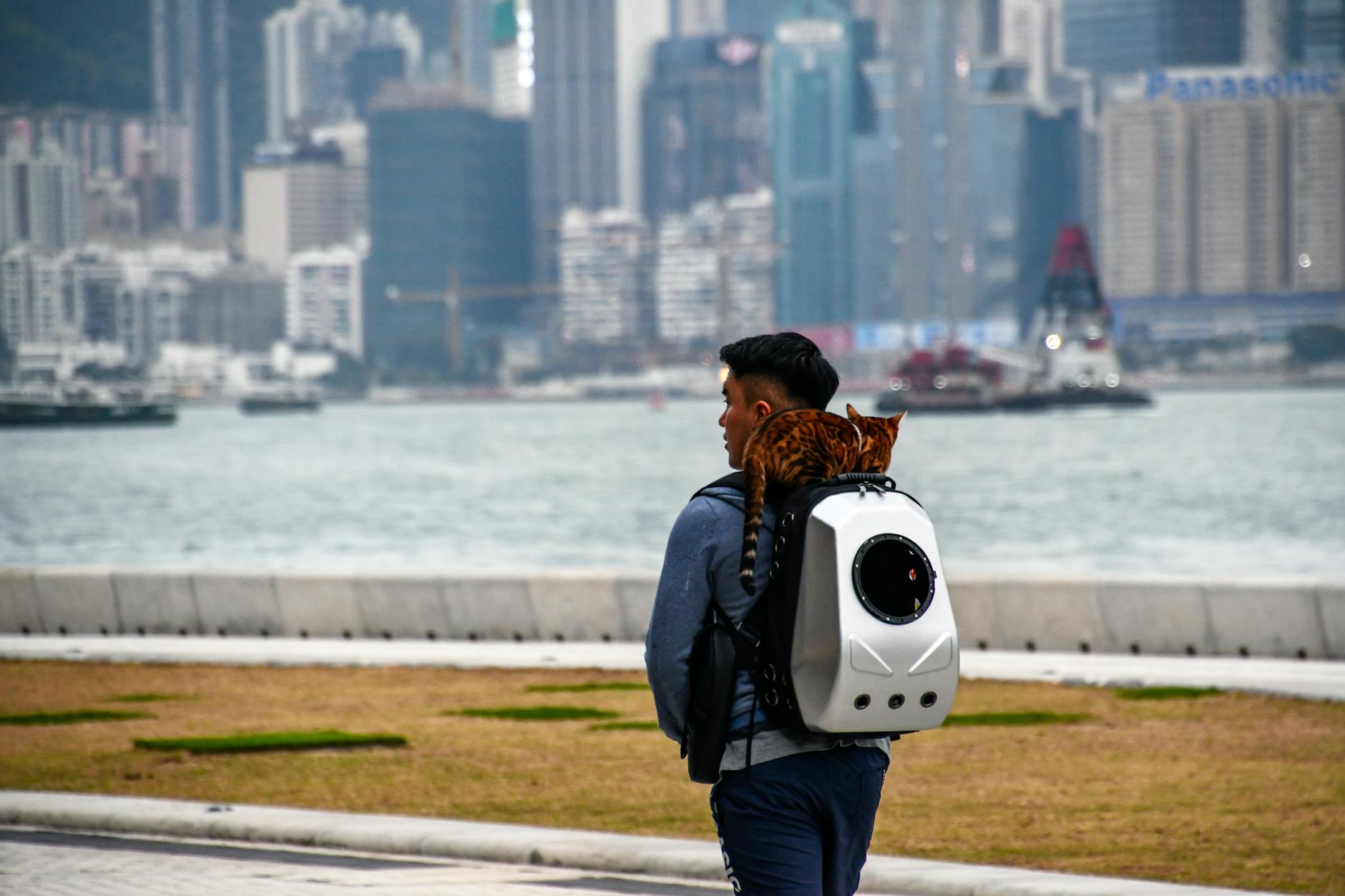
Plan heat, rain, terrain, and visibility
Hong Kong outdoor plans are strongly shaped by weather. Heat, humidity, sudden rain, slippery surfaces, clouded viewpoints, typhoon-season disruption, and cold air conditioning afterward can all affect a short trip. Wan Chai's streets can also involve crossings, stairs, footbridges, crowds, and traffic noise before the traveler reaches the intended route.
The traveler should build route choices for good weather, wet weather, and low-visibility days. The backup plan should still feel intentional, not like a failed outing.
- Plan for heat, humidity, rain, slippery surfaces, clouded views, and cold interiors.
- Account for crossings, stairs, footbridges, crowds, and street exposure before trail or harbor time.
- Build good-weather, wet-weather, and low-visibility route options.

Choose lodging for gear and recovery
Outdoor travelers should not treat a Wan Chai hotel only as a sleeping place. Early exits, late returns, shoe drying, laundry, elevator speed, room ventilation, shower quality, breakfast timing, nearby simple food, water access, and taxi pickup can matter. A stylish room can still be weak if it cannot handle wet gear or recovery.
The traveler should also decide whether the trip includes work, nightlife, or cultural plans. Combining those with outdoor days is possible, but the base needs to reduce friction rather than add it.
- Check early exits, late returns, laundry, shoe drying, room ventilation, shower, food, water, and taxis.
- Choose a base that supports wet gear, recovery, and simple logistics.
- Be careful when combining outdoor days with work, nightlife, or formal plans.

Match transport to gear, fatigue, and route risk
Outdoor movement in Hong Kong often combines several modes. MTR may handle the predictable segment, buses may reach trail starts, taxis may be useful before dawn or after rain, ferries may add island or harbor logic, and walking may be the best way to experience the urban layers. The traveler should not use one transport rule for every route.
Fatigue changes the return. A route that is easy to start by public transport may be unpleasant to finish the same way if the traveler is wet, hot, carrying gear, or returning after dark.
- Use MTR, bus, taxi, ferry, and walking according to route, gear, timing, weather, and fatigue.
- Plan the return as carefully as the start, especially after rain or late finishes.
- Carry payment, data, water, charger, and backup route information.
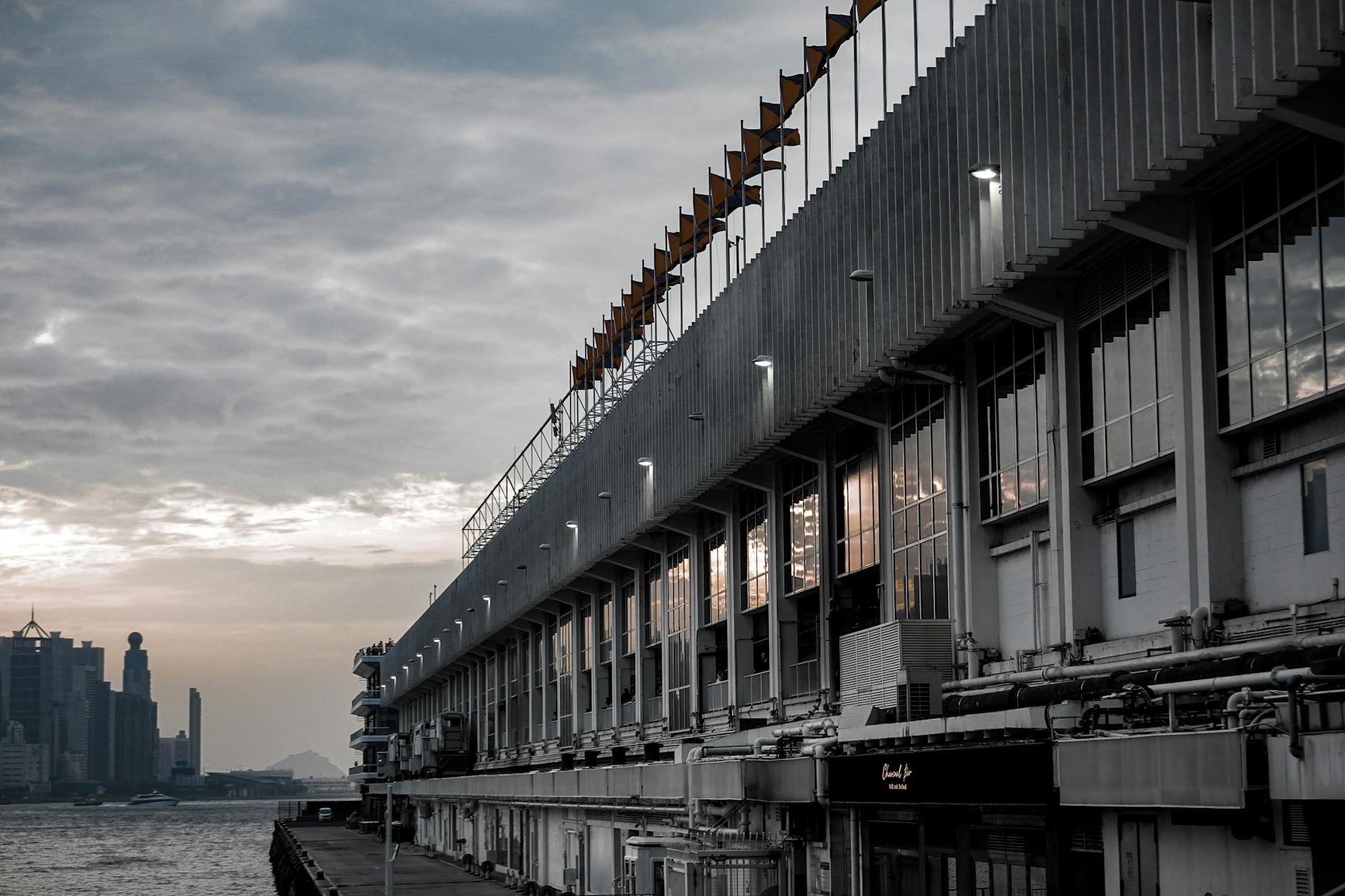
Keep evenings from damaging outdoor days
Wan Chai's evening energy can be enjoyable, but it can also work against outdoor plans. Late meals, bars, loud streets, and spontaneous cross-district nights can make early starts unrealistic. The traveler should decide which nights are for city energy and which nights protect trail, running, or viewpoint plans.
This does not mean avoiding nightlife entirely. It means using it deliberately so the trip does not become a sequence of tired starts and abandoned outdoor routes.
- Decide which evenings are social and which protect early outdoor starts.
- Plan simple meals, hydration, sleep, and return routes before demanding outdoor days.
- Avoid letting spontaneous nightlife erase the main outdoor purpose.
When to order a short-term travel report
An adventure or outdoor traveler with a flexible city walking plan may not need a custom Wan Chai report. A report becomes useful when the traveler wants specific trails, dawn starts, weather backups, gear-aware transport, family or mobility constraints, outdoor photography, or a careful balance between city nights and outdoor days.
The report should test lodging fit, airport arrival, outdoor route choices, trail and harbor access, MTR, bus, taxi and ferry options, weather risk, gear logistics, food, recovery, budget, and what to cut. The value is a short Wan Chai outdoor trip that uses Hong Kong's terrain without pretending the city is simpler than it is.
- Order when trails, weather, gear, transport, dawn starts, or outdoor-city balance needs testing.
- Provide dates, route goals, fitness level, hotel options, gear, constraints, and budget.
- Use the report to make the outdoor plan realistic, flexible, and worth the short stay.