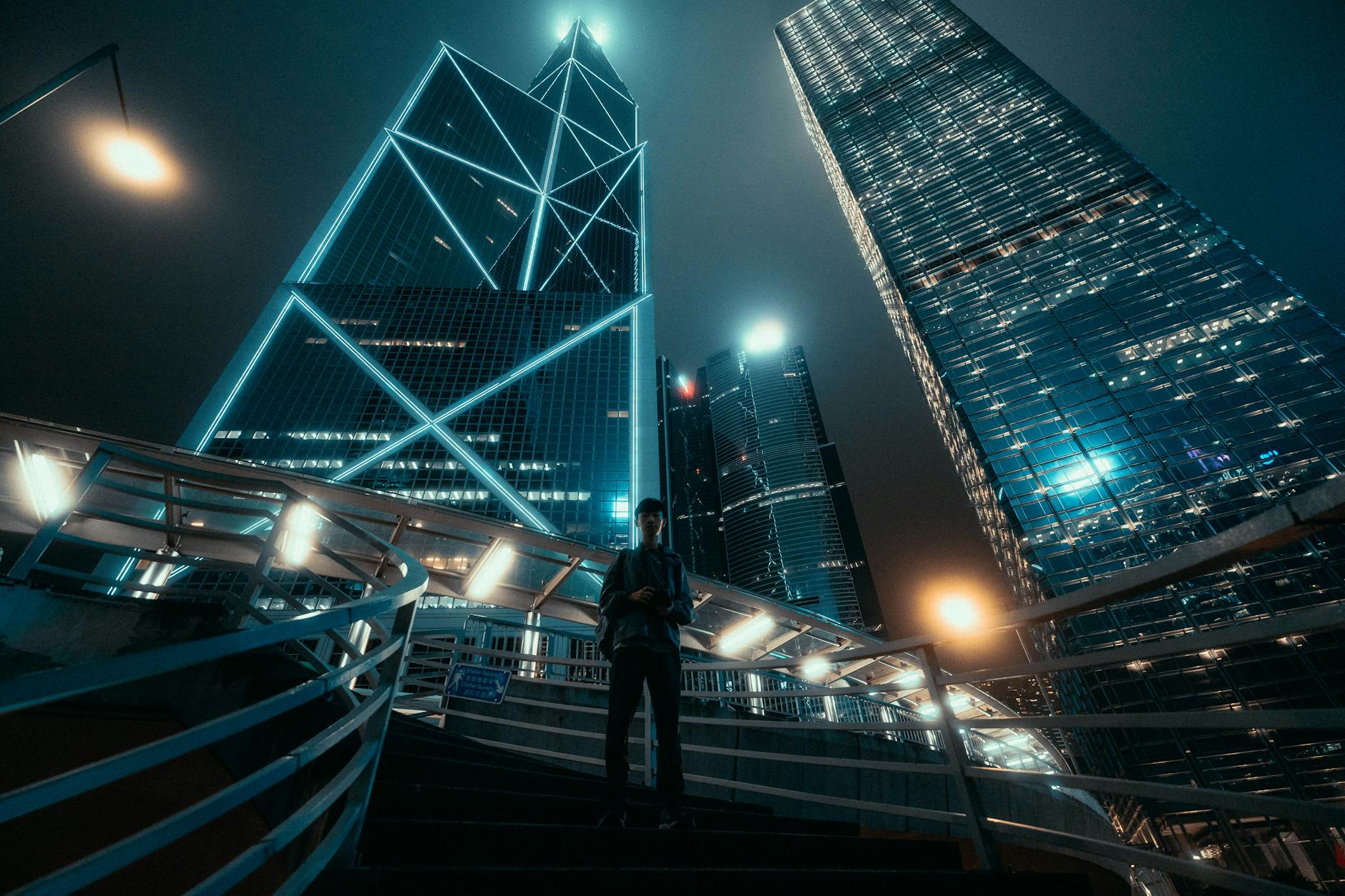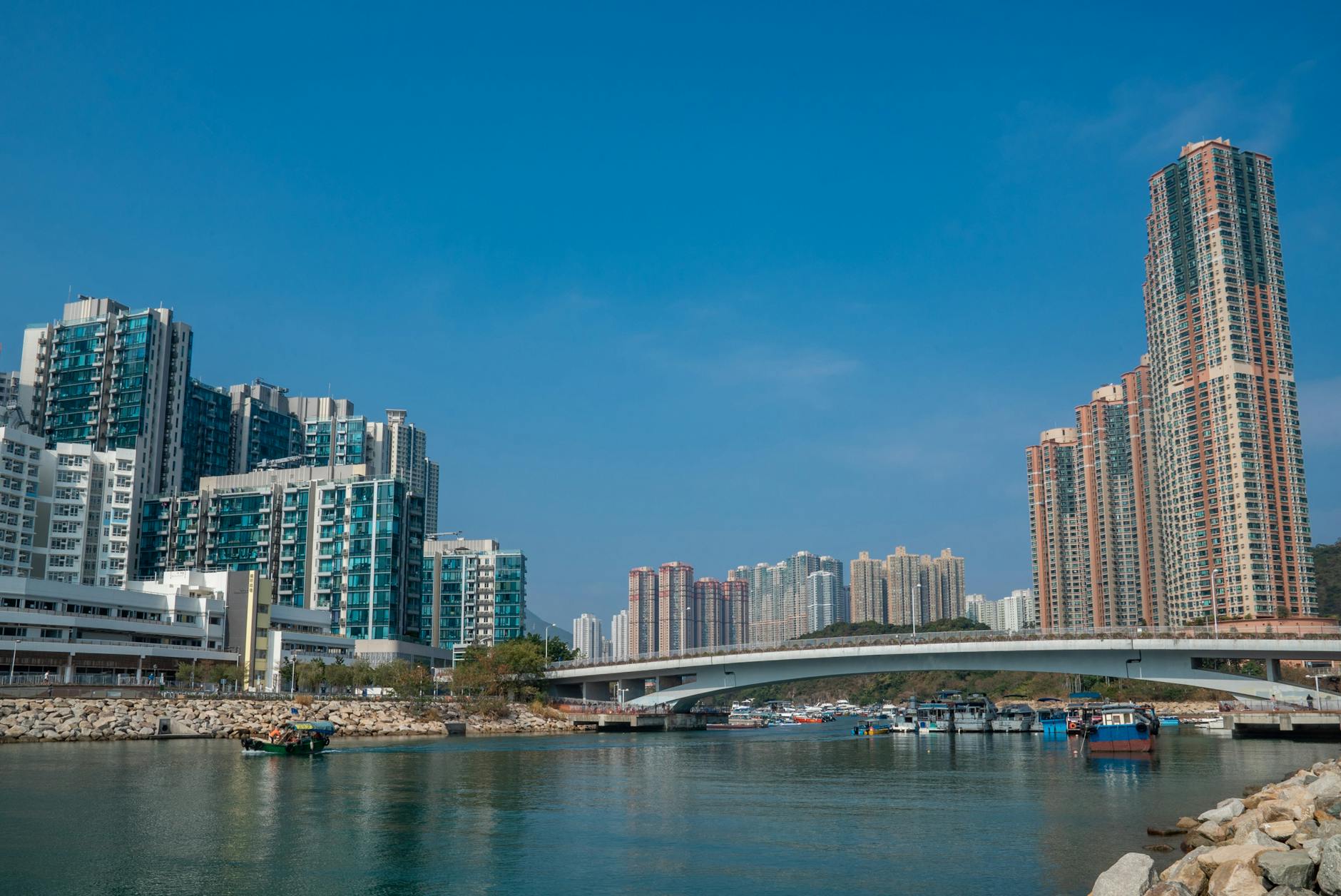
Wan Chai can be one of Hong Kong's most practical bases for an academic conference attendee, especially when the program touches the Hong Kong Convention and Exhibition Centre, nearby hotels, harborfront venues, Admiralty, Causeway Bay, or Central. The district can make sessions, receptions, meals, and transport feel close. It can also create avoidable friction if the attendee underestimates crowding, route complexity, weather, or the gap between the venue name and the actual entrance. A short conference trip should protect the reason for travel: arriving prepared, attending the right sessions, presenting well, meeting the right people, and leaving with useful academic value. Wan Chai supports that when hotel choice, registration timing, presentation logistics, meals, and return routes are planned around the program rather than left to the conference week.
Confirm the exact venue geography
A conference attendee should start with the exact room, hotel, convention hall, reception venue, and side-meeting location. Wan Chai may mean the Convention and Exhibition Centre, a harborfront hotel, a tower meeting room, a university-linked event, or a reception closer to Admiralty or Causeway Bay. Those are different route problems.
The attendee should map keynote halls, registration, poster areas, workshop rooms, receptions, hotel entrances, MTR exits, footbridges, and taxi points before booking the hotel. A venue can be in Wan Chai and still take longer to reach than expected.
- Map keynote rooms, registration, poster halls, workshops, receptions, hotel entrances, and side meetings.
- Check whether the program is at HKCEC, a hotel, an office tower, or split across nearby districts.
- Use actual entrances and route paths rather than neighborhood names.
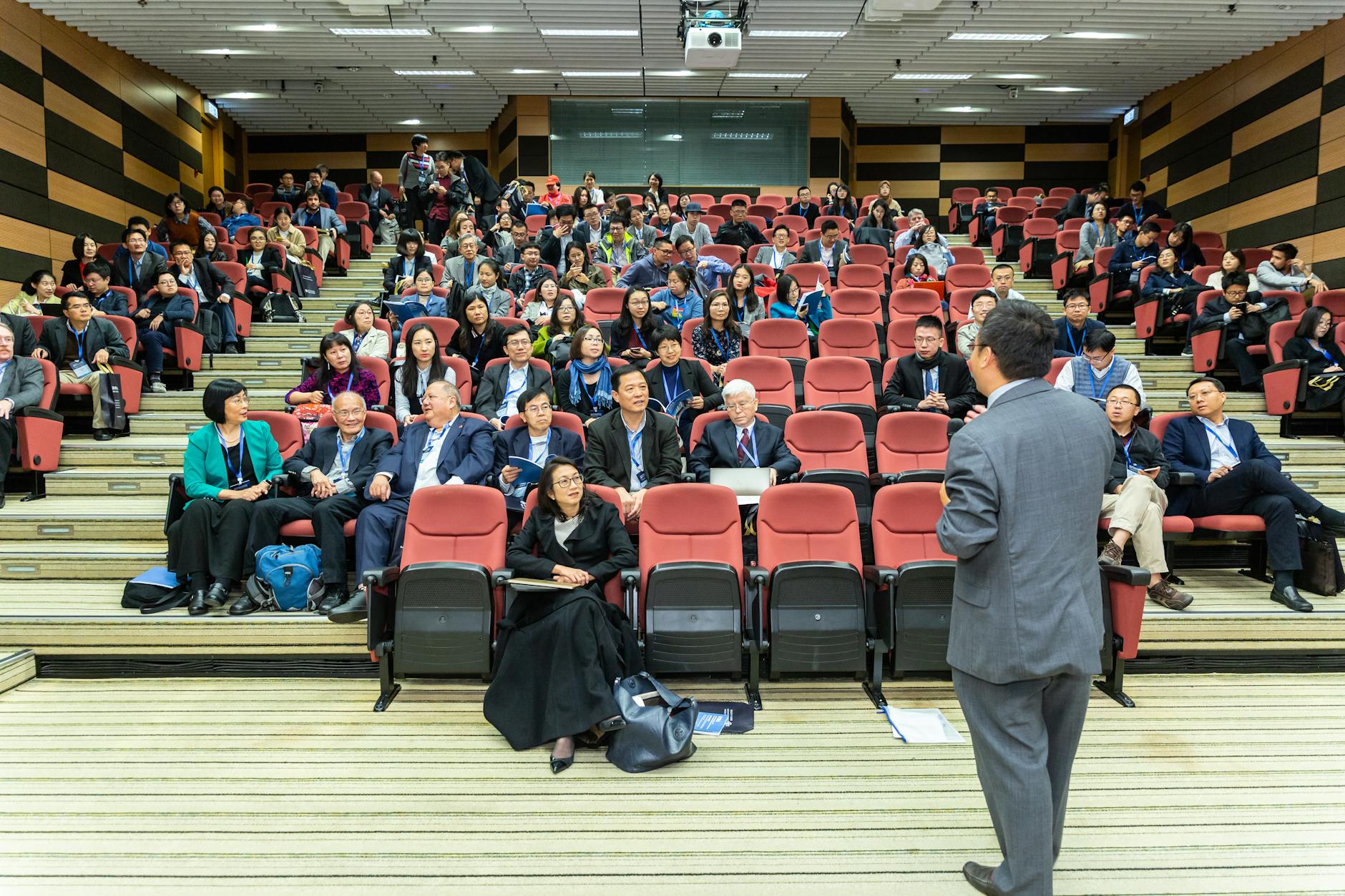
Choose lodging that protects conference days
The hotel should make conference obligations easier. The attendee should check walking time to the venue, covered routes, MTR exits, taxi access, lift speed, breakfast timing, desk space, Wi-Fi, room quiet, laundry, iron access, and whether the lobby becomes crowded during major events. Small hotel details can decide whether early sessions feel controlled or rushed.
If the traveler is presenting, moderating, carrying a poster tube, or attending breakfast meetings, proximity alone is not enough. The route from room to session should be simple enough to repeat when tired, dressed formally, or carrying materials.
- Check venue walk, covered routes, MTR exits, taxi access, lifts, breakfast, Wi-Fi, and room quiet.
- Prioritize the hotel that supports early sessions, late receptions, materials, and recovery.
- Treat room-to-session movement as part of the conference plan.
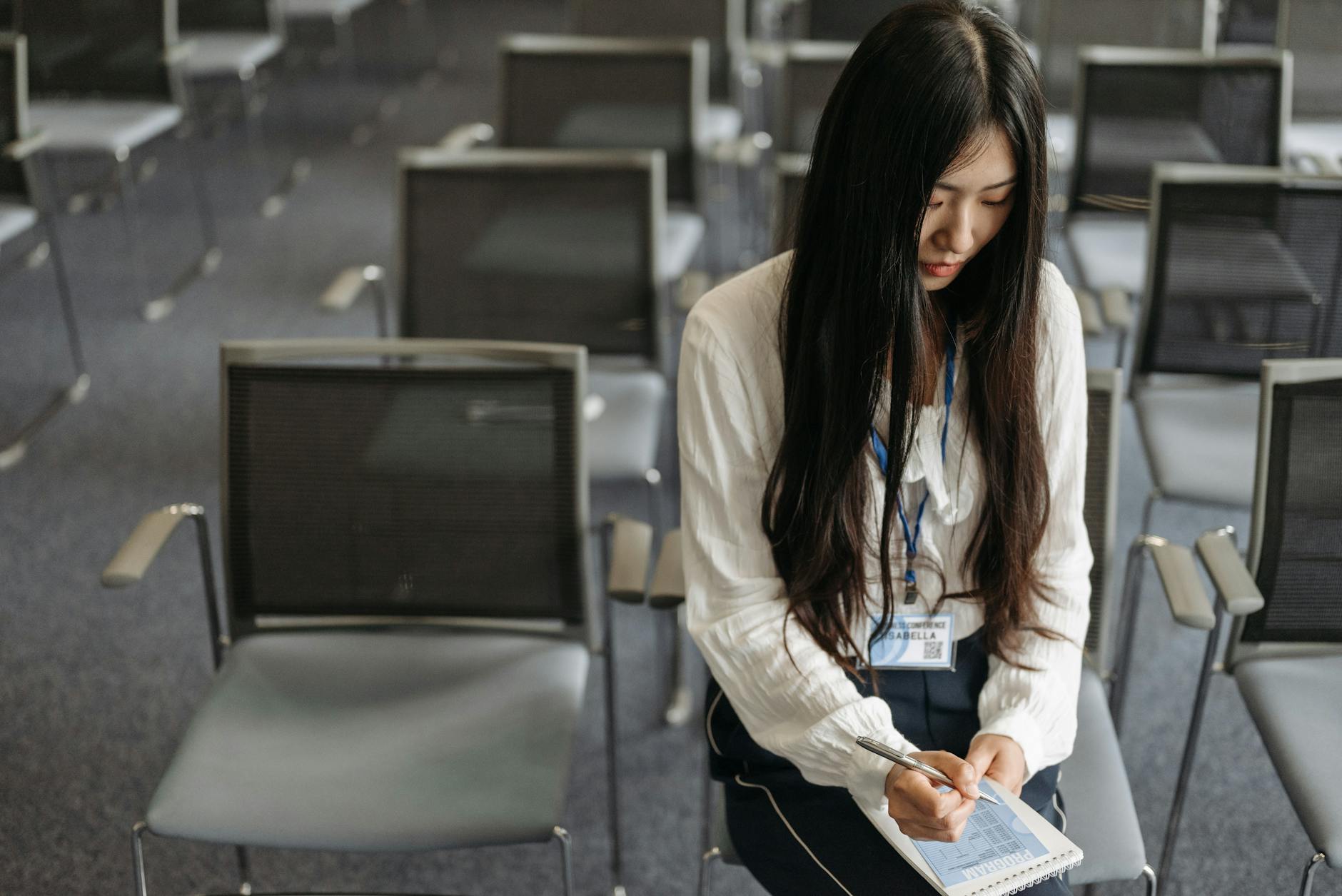
Plan MTR, taxis, and walking by session type
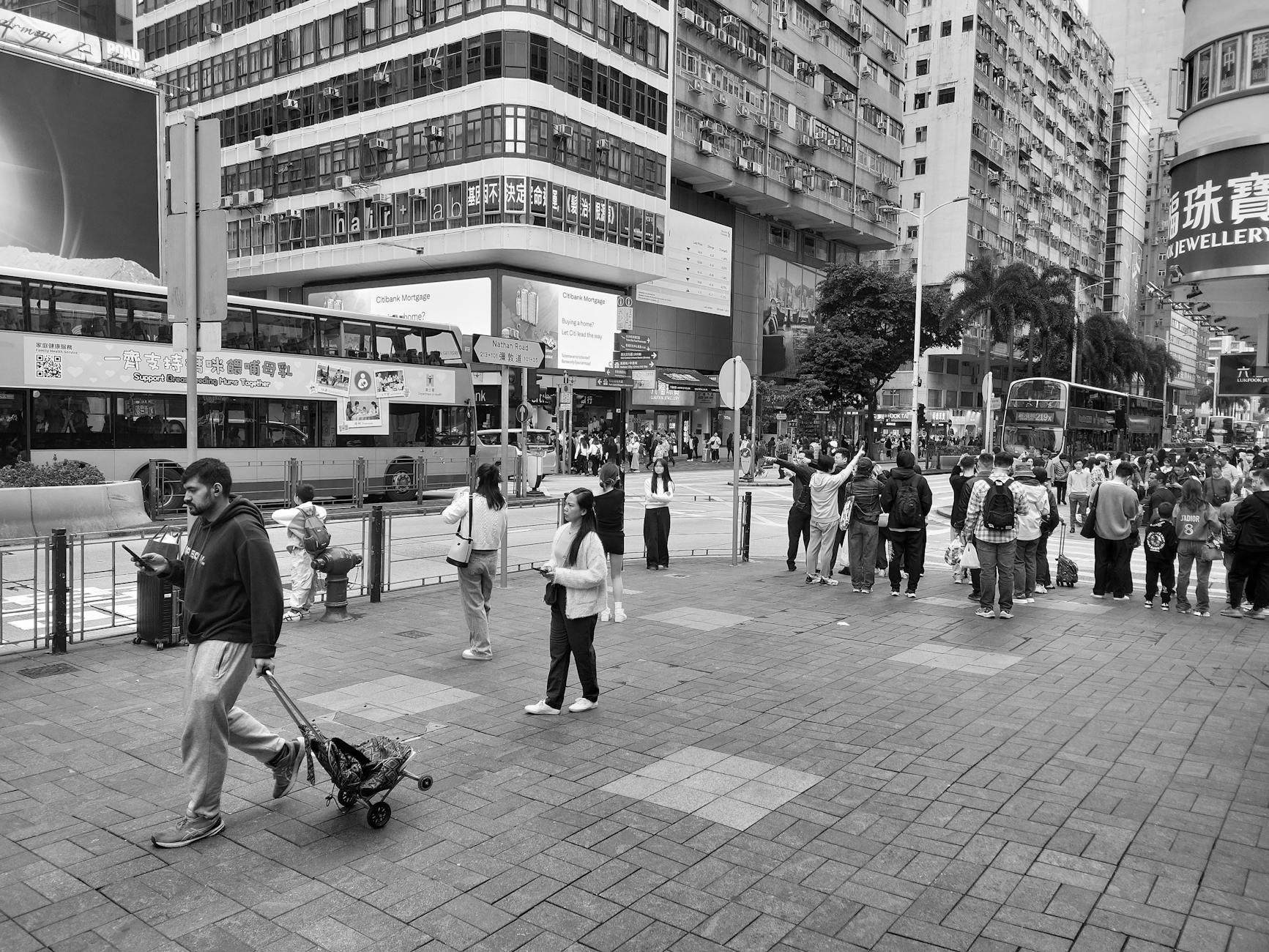
Wan Chai gives conference attendees several movement options, but none should be automatic. MTR can be efficient for predictable district movement. Taxis can help with formal clothing, rain, poster tubes, luggage, or late receptions. Walking can work well for nearby venues, but footbridges, crossings, humidity, and crowds can make the last stretch slower than the map suggests.
The attendee should use more conservative routing before presentations, panels, chaired sessions, or high-value meetings. A scenic or cheap route is not useful if it leaves the traveler late, overheated, or distracted.
- Choose MTR, taxi, car, or walking by session stakes, weather, clothing, luggage, and materials.
- Check station exits, taxi points, footbridges, covered routes, and building entrances.
- Use larger buffers before presentations, panels, and chaired sessions.
Protect registration and presentation readiness
Conference logistics should be handled before the schedule becomes crowded. Badge pickup, speaker check-in, poster placement, adapter needs, laptop compatibility, backup slides, offline files, cloud access, local data, payment cards, and venue security can all affect the first real conference block.
Wan Chai is well supplied, but relying on last-minute fixes before a presentation is weak planning. The attendee should prepare the technical and administrative pieces the night before, then leave the morning for arrival and composure.
- Prepare badge pickup, speaker check-in, posters, adapters, backup slides, files, data, and payment.
- Test laptop, charger, clicker, cloud access, and offline materials before the presentation day.
- Avoid depending on last-minute errands near the venue.

Make networking meals purposeful
Wan Chai can support useful conference networking through hotel restaurants, Cantonese dining, coffee meetings, casual lunches, harborfront receptions, and late drinks. The attendee should still choose each meal by academic purpose, noise, privacy, dietary needs, group size, payment expectations, and route back to the hotel or venue.
Networking can be productive only if the traveler preserves enough energy to follow up. The attendee should decide which contacts matter before arrival and leave space after important meetings to write notes while the conversation is fresh.
- Choose meals by academic purpose, privacy, noise, dietary needs, group size, payment, and route.
- Prioritize collaborators, senior scholars, publishers, funders, alumni, and research contacts.
- Leave time after networking to record notes and send concrete follow-up.
Plan for weather, crowds, and recovery
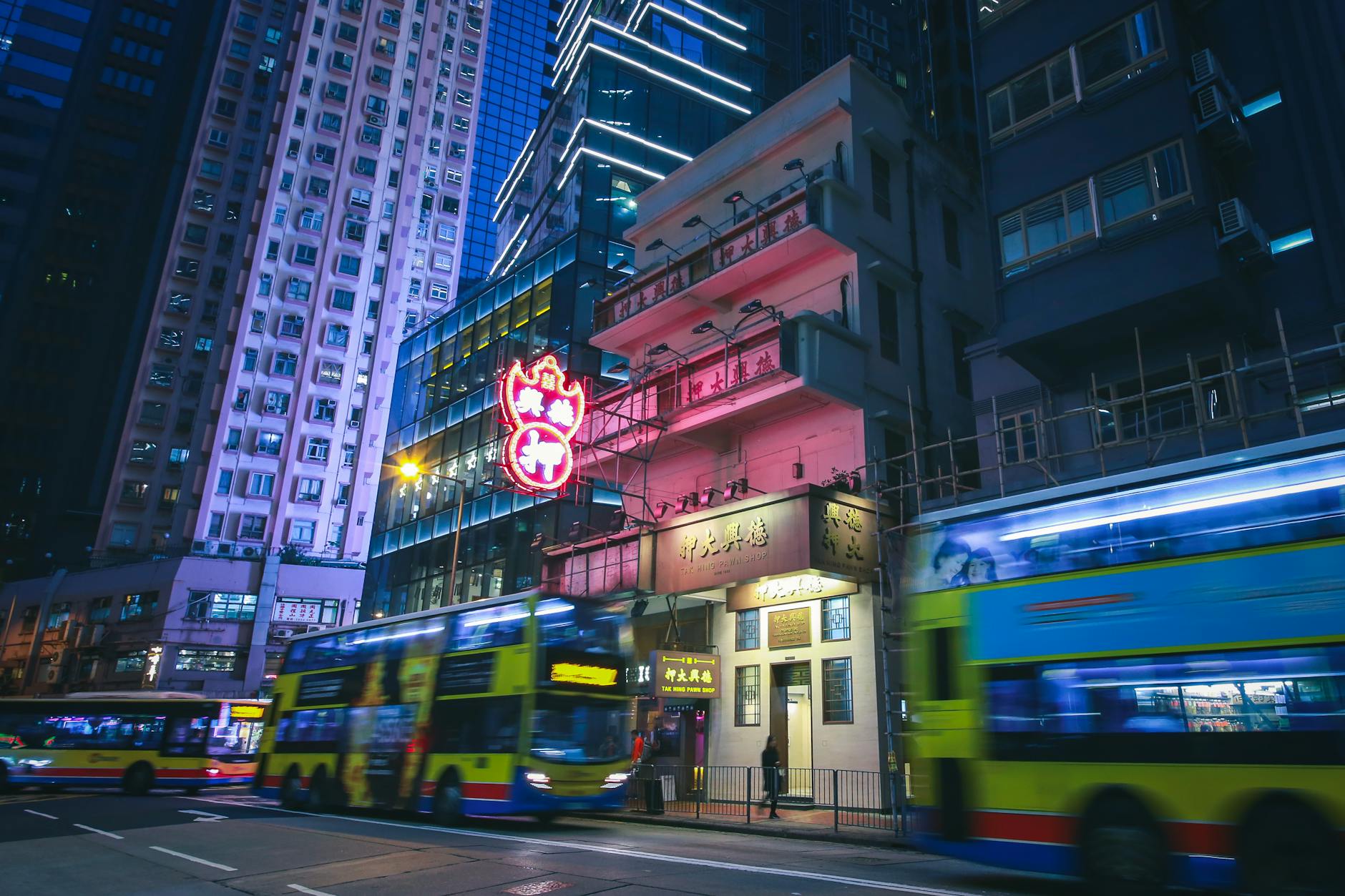
Wan Chai conference days can involve humidity, rain, harbor wind, cold interiors, convention crowds, lunch-hour sidewalks, formal shoes, laptops, tote bags, and printed materials. The attendee should pack for the actual movement between hotel, venue, restaurants, and receptions, not only for the session room.
Recovery also needs a place in the schedule. Jet lag, long sessions, networking, and late dinners can affect presentation quality and return travel. A short conference trip works better when the attendee protects sleep, hydration, and a few quiet work blocks.
- Plan for humidity, rain, harbor wind, cold interiors, crowds, formal shoes, and conference bags.
- Carry water, battery backup, light layer, compact umbrella, and practical materials storage.
- Protect sleep, quiet work blocks, and recovery before high-value sessions.
When to order a short-term travel report
An attendee with a hosted convention hotel and no presentation may not need a custom Wan Chai report. A report becomes useful when the program is split across venues, the traveler is presenting, managing a poster, arranging networking meals, carrying equipment, traveling with mobility or medical constraints, or trying to combine conference obligations with a short personal stay.
The report should test venue geography, hotel fit, registration timing, presentation logistics, MTR and taxi routes, meals, networking, weather, recovery blocks, airport transfers, budget, and what to cut. The value is arriving with a conference plan that supports academic outcomes instead of just attendance.
- Order when venue geography, hotel choice, presentation logistics, networking, or timing needs testing.
- Provide program dates, venue names, hotel options, presentation duties, meetings, constraints, and budget.
- Use the report to protect session attendance, networking value, and recovery.