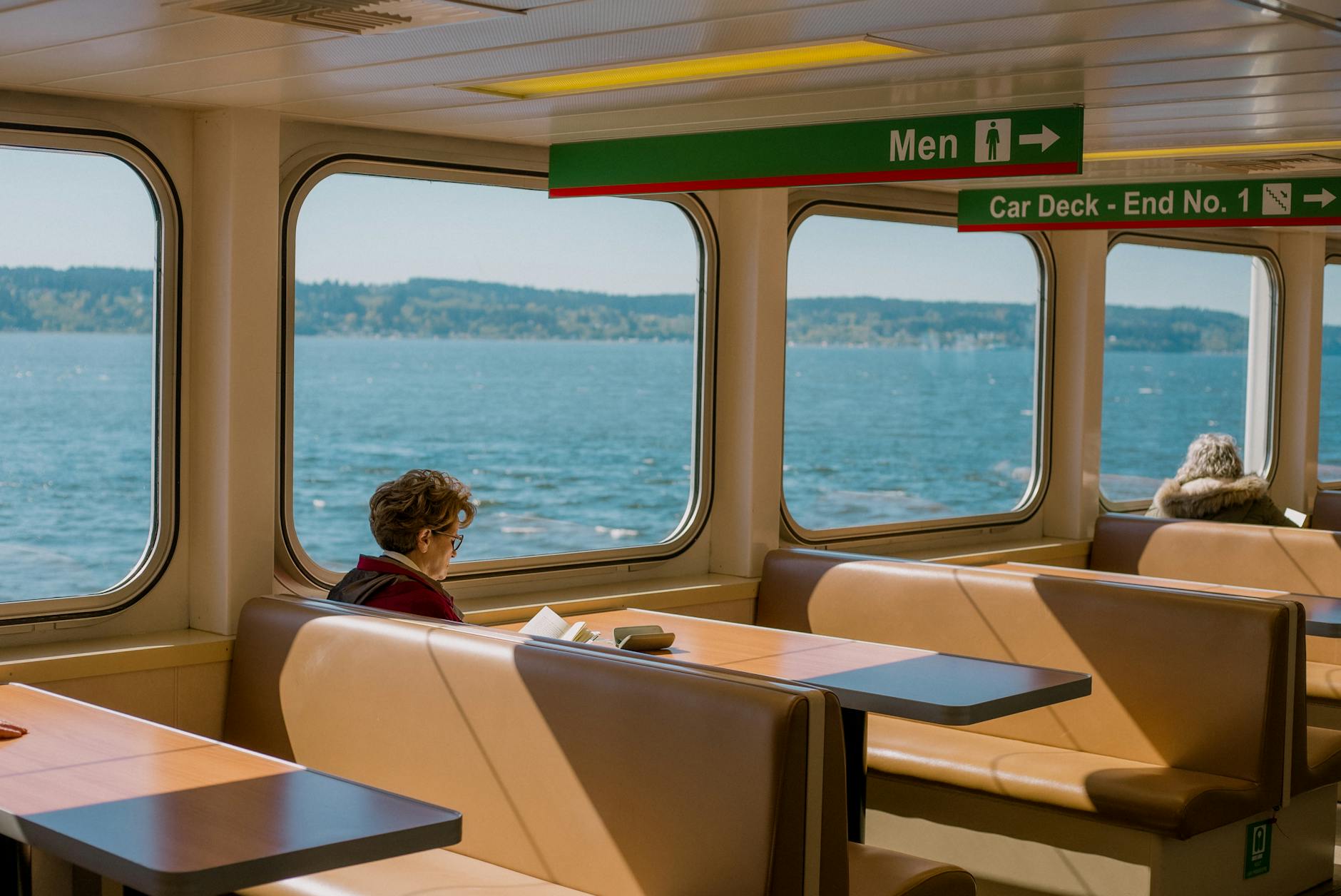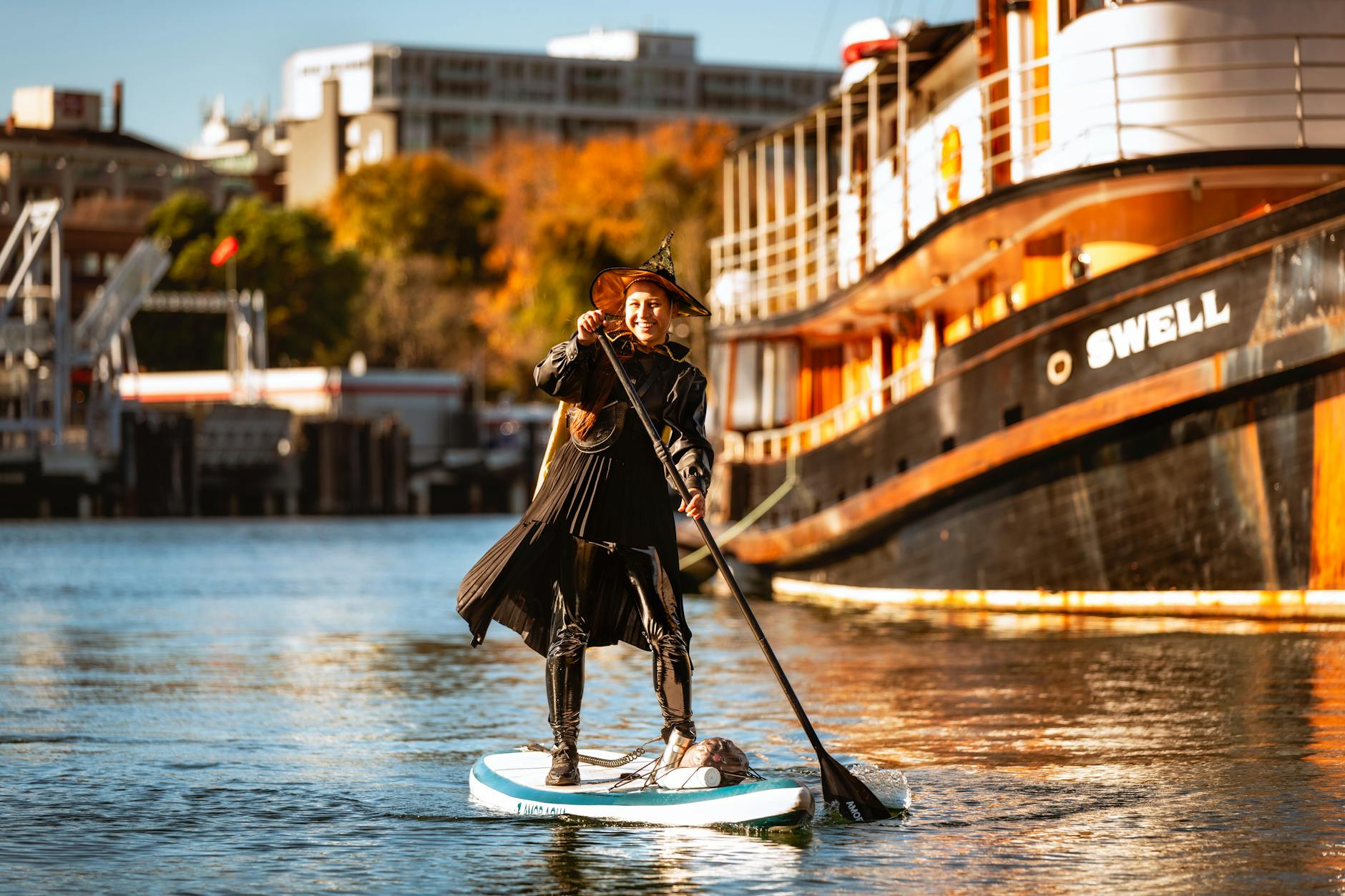
Victoria can be a strong city for women travelers because it has a scenic core, manageable scale, harbor walks, gardens, cafes, ferries, museums, and a generally approachable visitor environment. That does not mean the trip should be planned casually. Island transfers, rain, evening returns, quiet streets, and unfamiliar routes can still shape comfort. The useful plan is not built from fear. It is built from control: a good base, clear arrival route, sensible evening plan, enough budget for taxis when needed, and activities that match the traveler's interests and energy. Victoria rewards that kind of quiet preparation.
Choose a base that supports evening confidence
A woman traveler should choose Victoria lodging by how it feels at arrival, after dinner, in rain, and when returning alone. The Inner Harbour, downtown, James Bay, or another carefully chosen area can work well if the hotel has reliable access, staff presence, nearby food, taxi pickup, and a route that remains comfortable after dark.
A cheaper room farther from the core may save money but create more decision load. The hotel should reduce friction around check-in, elevator access, room privacy, luggage storage, and the final walk or taxi of the night.
- Choose lodging around arrival, evening returns, nearby meals, taxi access, and route confidence.
- Check front-desk hours, entrance security, elevator access, and room privacy.
- Avoid a base that makes every solo return feel like a separate planning problem.
Use island arrival with control
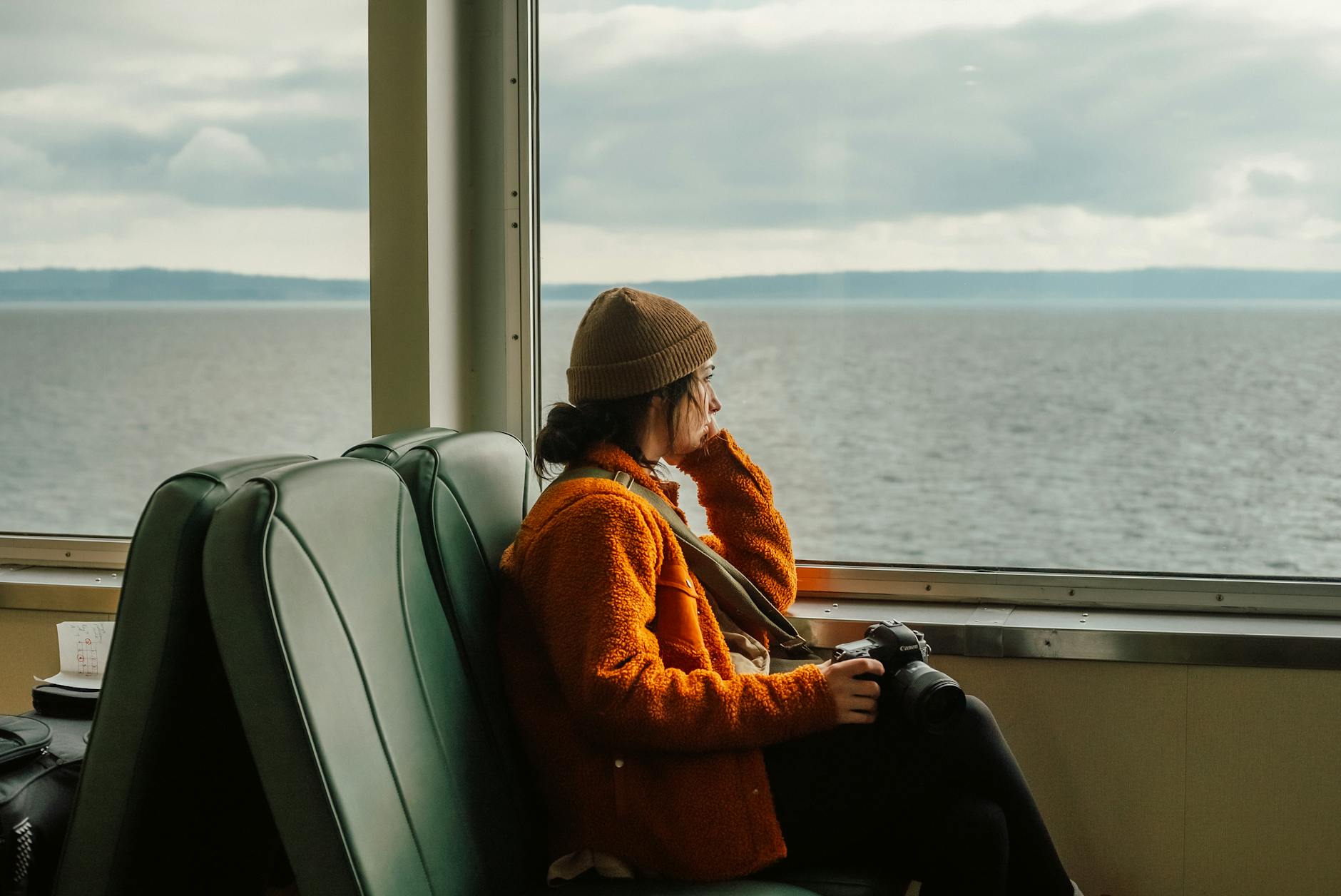
Victoria access can involve a ferry, airport, seaplane, Vancouver connection, taxi, or arranged transfer. A woman traveler should choose the route that makes the first hour clear and comfortable, especially with luggage, late arrival, bad weather, or limited phone battery. Scenic does not automatically mean simple.
The traveler should know the terminal, pickup point, hotel route, food plan, and backup before departure. A ferry or seaplane can be part of the pleasure of the trip when it connects cleanly to lodging and rest.
- Compare ferry, airport, seaplane, and Vancouver connection routes by simplicity and confidence.
- Keep terminal pickup, luggage, food, phone power, and late-arrival details clear.
- Use an arranged transfer or taxi when it protects the first night.
Read safety through routes and timing
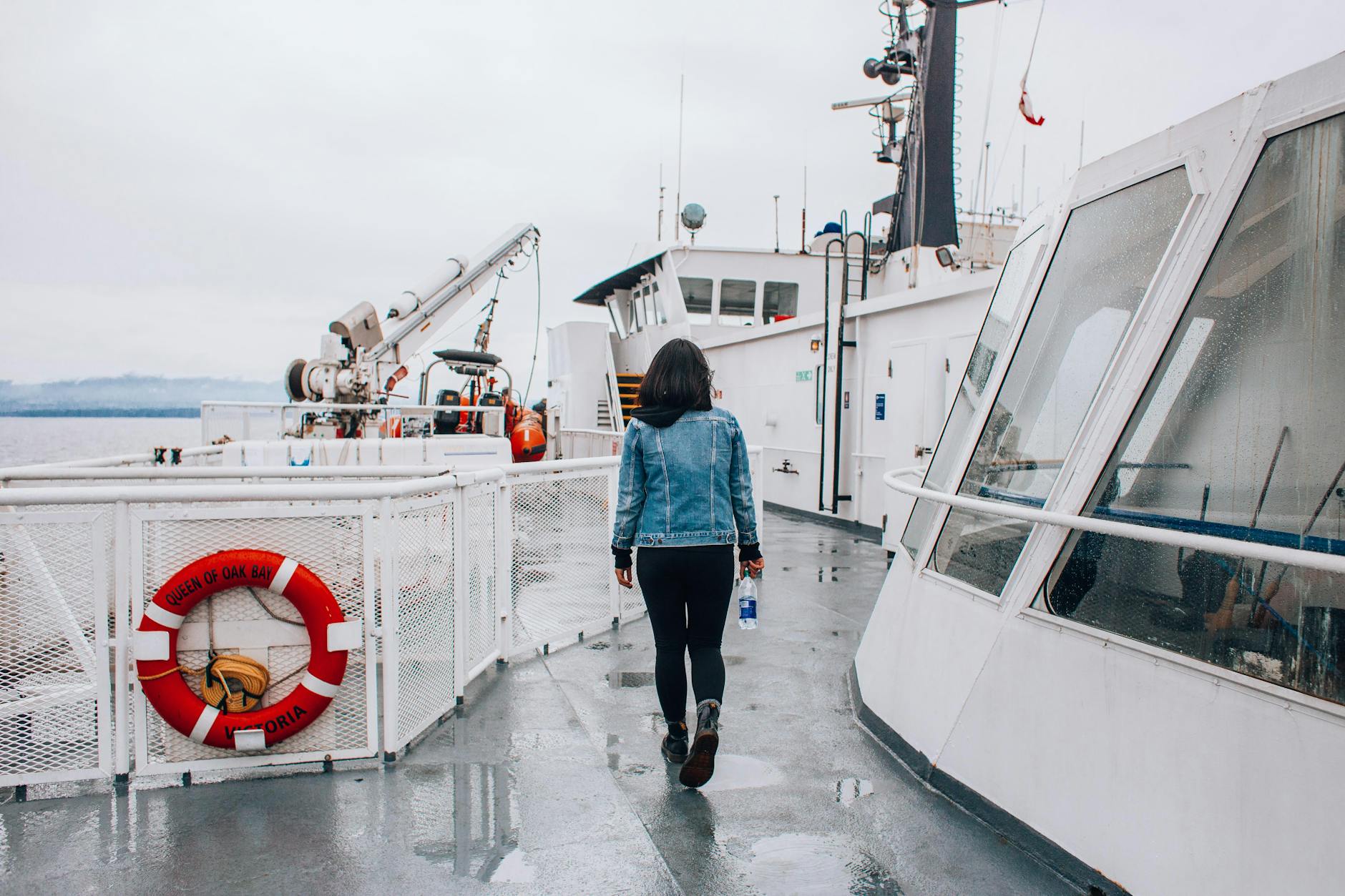
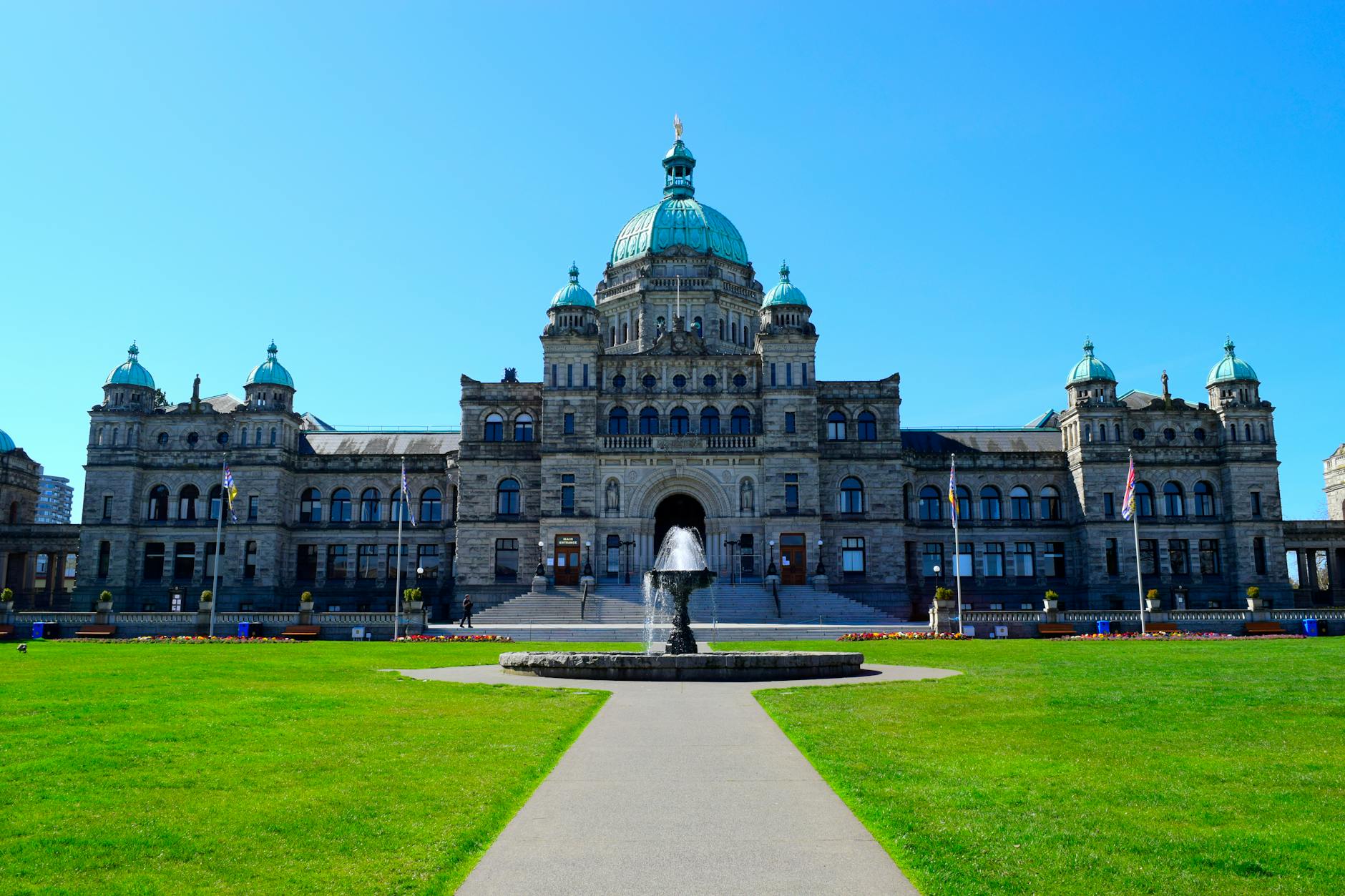
Victoria's visitor core can feel calm, but a woman traveler should still plan routes by timing, weather, crowd level, lighting, and return options. The Inner Harbour, Parliament area, downtown streets, parks, waterfront paths, and coastal walks do not all feel the same at every hour.
The point is not to avoid the city. It is to decide where walking is sensible, where a taxi is better, and where the plan should change after rain, darkness, fatigue, or a delayed dinner.
- Check lighting, foot traffic, weather, and return options before late walks.
- Use taxis or hotel pickups when they protect comfort, clothing, or energy.
- Keep scenic waterfront and park routes tied to daylight and clear return plans.
Plan solo meals and social time deliberately
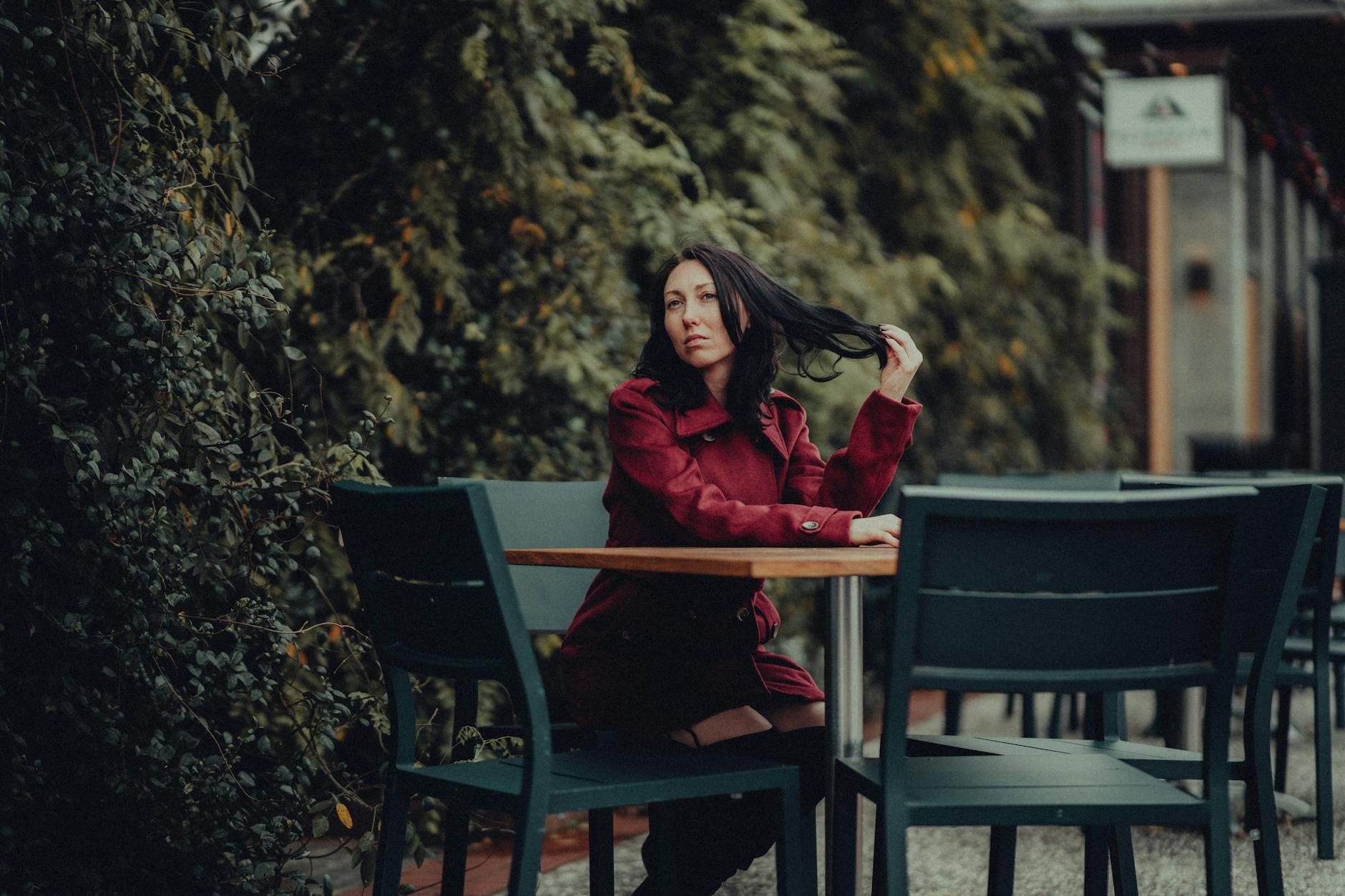
Solo or independent meals can be pleasant in Victoria if the traveler chooses options before hunger and rain collide. Cafes, bakeries, hotel breakfast, harbor restaurants, casual seafood, Chinatown stops, bar seating, and room-service recovery can each fit a different mood.
Social time should also be chosen, not stumbled into. A guided garden visit, food tour, museum talk, harbor cruise, class, or carefully chosen evening plan can add structure. A quiet cafe or early night may be the stronger choice after a long transfer.
- Identify solo-comfortable cafes, casual meals, and dinner options before arrival.
- Use tours or guided experiences when light social structure would improve the trip.
- Keep one easy food option near the hotel for wet, tired, or late evenings.
Build rain, daylight, and clothing into the itinerary
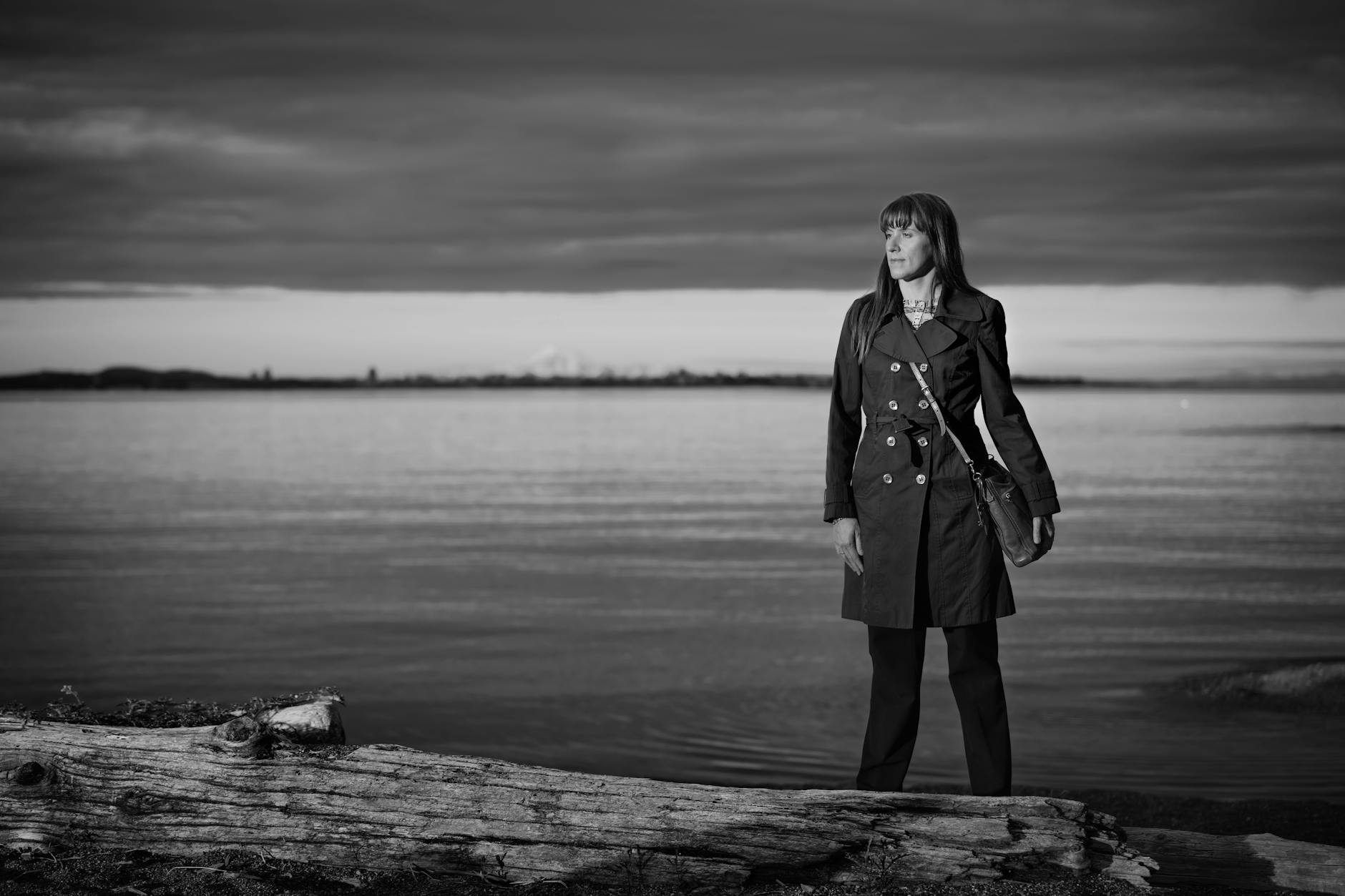
Victoria's weather can be mild, but rain, wind, cool evenings, and short winter daylight still shape the experience. Shoes, layers, rain protection, bag choice, and hairstyle or wardrobe expectations can affect how willing the traveler is to keep moving.
The itinerary should have indoor alternates and short return routes. Gardens, waterfront walks, coastal viewpoints, and ferry decks are more enjoyable when the traveler is dressed for the actual day rather than the brochure version of Victoria.
- Pack rain gear, layers, practical shoes, and a bag setup that works in wet weather.
- Keep indoor alternatives ready for gardens, harbor walks, and coastal routes.
- Use daylight deliberately for quieter waterfront, park, and coastal plans.

Protect phone, documents, health, and boundaries
A woman traveler should keep the operational basics simple: charged phone, offline map, payment backup, hotel address, emergency contacts, medication, insurance details, and secure document storage. Victoria is approachable, but solo or independent travel leaves less room for a dead phone or confused transfer.
Boundaries also matter. The traveler should feel free to decline conversations, change seats, leave a venue, call a taxi, or alter a plan without explaining the choice. The best itinerary makes those choices easy.
- Carry phone power, offline maps, payment backup, hotel details, and emergency contacts.
- Keep medication, documents, and insurance details controlled during transfers and cafe stops.
- Treat changed plans, taxis, and firm boundaries as normal travel tools.
When to order a short-term travel report
A woman traveler with a central hotel, flexible schedule, and strong local confidence may not need a custom Victoria report. A report becomes useful when arrival is late, lodging choices are uncertain, weather may be difficult, the traveler is balancing solo time with tours, evening returns feel sensitive, or the trip includes ferry, seaplane, garden, or coastal plans.
The report should test lodging location, arrival mode, first-night route, evening returns, waterfront and coastal plans, solo meals, weather alternates, phone and document discipline, medical fallback, budget, and what to cut. The value is independence with practical control.
- Order when lodging, arrival, weather, evening returns, solo meals, or coastal plans need testing.
- Provide dates, arrival details, hotel options, comfort level, interests, budget, and constraints.
- Use the report to make the trip confident without making it rigid.