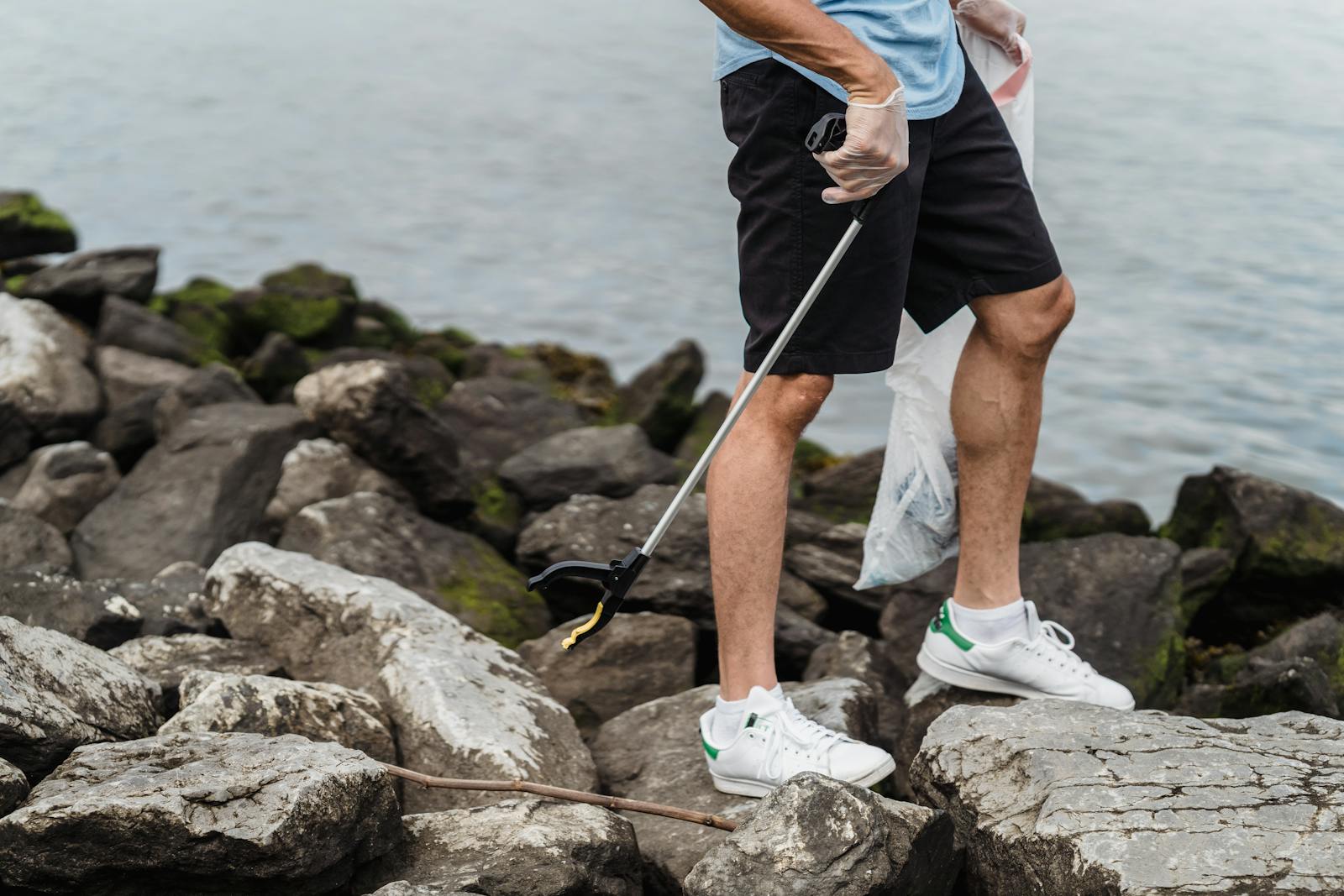
Victoria can be a strong setting for short volunteer, nonprofit, faith-linked, civic, student-service, environmental, community health, arts, education, and advocacy trips. The city has government institutions, universities, neighborhood organizations, coastal stewardship work, and a visible community-service culture. That does not make every short assignment automatically useful. A volunteer or NGO traveler should arrive with the host verified, the assignment defined, and the practical burden understood. In a short stay, good intentions are not enough. The trip has to respect local capacity, community privacy, weather, transport, and the difference between helping and creating work for the people already there.
Verify the host and assignment before travel
The first question is not whether Victoria is a pleasant place to volunteer. It is whether the host, assignment, and timing are real enough to justify the trip. A traveler should know who is responsible for them, what work they are expected to do, whether training is required, who supervises the placement, and what happens if the assignment changes after arrival.
Short-term volunteering can become weak when the traveler brings enthusiasm but not continuity. The better Victoria plan asks whether the visit fills a genuine need, supports existing staff, and avoids consuming more coordination time than it gives back.
- Confirm host identity, supervisor, assignment, schedule, eligibility, and required training.
- Ask what local need the short visit actually supports.
- Avoid vague placements that rely on goodwill instead of an operational plan.
Map the worksite before choosing lodging
A volunteer base should be chosen around the worksite, start time, transit access, meals, laundry, safety, and rest. Victoria looks compact on a map, but assignments may sit outside the Inner Harbour visitor core, on a campus, near a community facility, along the coast, or in a neighborhood where transit timing matters.
The traveler should understand how they will reach the site on ordinary mornings and how they will get back after a long or wet day. A scenic hotel can be the wrong choice if it makes every shift dependent on taxis, transfers, or optimistic weather.
- Check worksite address, start time, transit, walking exposure, meals, laundry, and return options.
- Choose lodging for the assignment rhythm rather than harbor views alone.
- Build a backup plan for rain, late shifts, or carrying supplies.

Respect safeguarding and community boundaries
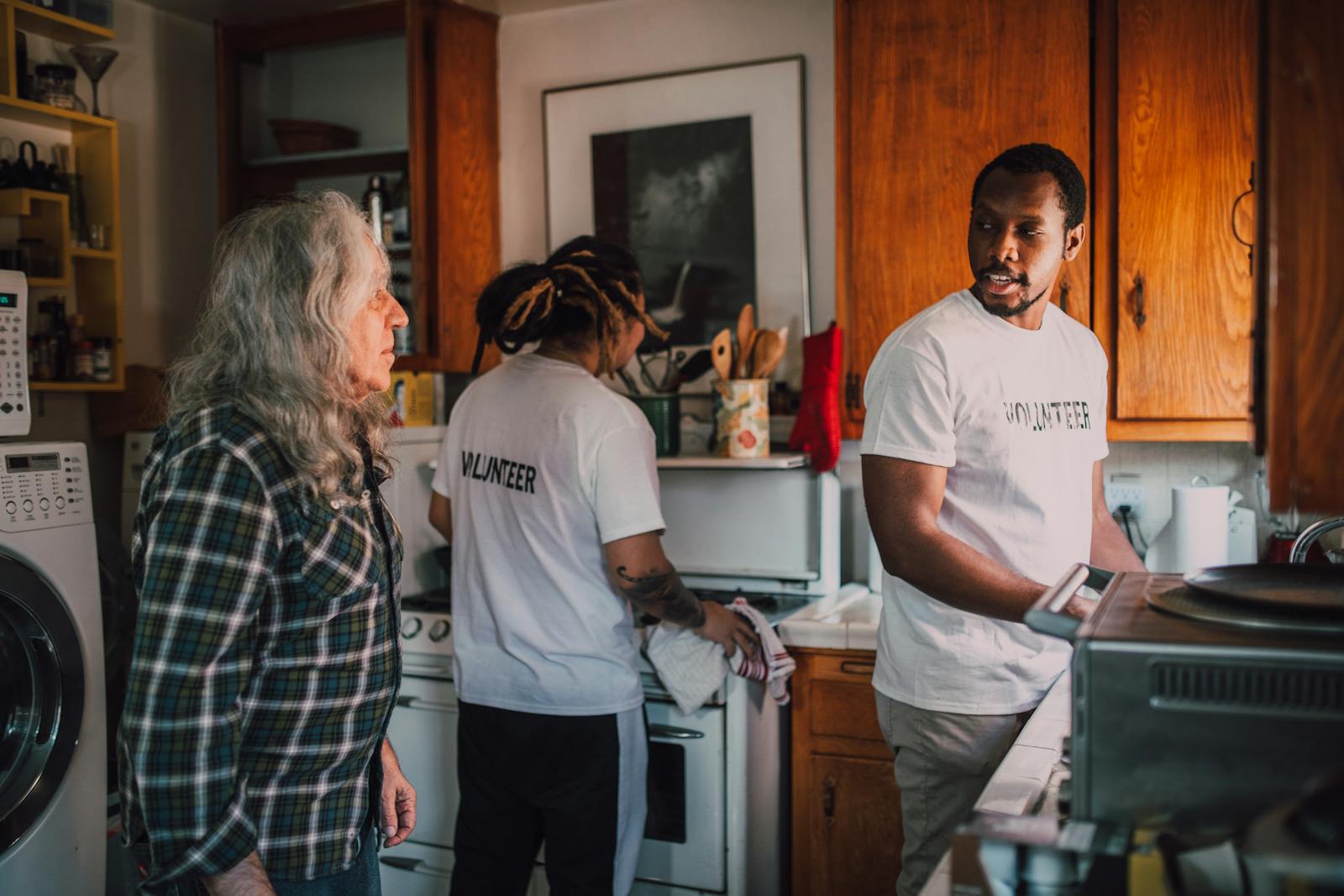
Volunteer travel can create access to people, homes, youth programs, shelters, clinics, schools, faith groups, cultural spaces, and community events. That access is not a content opportunity or an invitation to make assumptions. The traveler should understand safeguarding rules, privacy expectations, consent, photography limits, and how the host wants visitors to interact with clients or community members.
This is especially important on a short trip because there is little time to repair a breach of trust. The traveler should be useful, discreet, and willing to follow local boundaries even when those limits make the trip feel less shareable.
- Confirm safeguarding, privacy, consent, photography, and social media rules before the first shift.
- Treat access to clients, youth, elders, or community members as a responsibility.
- Do not turn service work into personal storytelling without explicit permission.

Prepare paperwork and conduct expectations
A short volunteer trip may still require identification, background checks, insurance, health forms, emergency contacts, vaccination documentation, waivers, role-specific training, workplace safety instructions, or proof that the traveler is eligible to participate. None of this should be left for the arrival morning.
The traveler should also understand the host's conduct standards. Punctuality, dress, language, alcohol rules, religious or cultural sensitivities, accessibility expectations, and conflict escalation procedures matter because the visitor is representing more than themselves.
- Settle ID, screening, insurance, waivers, emergency contacts, health needs, and training before travel.
- Ask about dress, conduct, punctuality, language, safety rules, and escalation paths.
- Carry copies of essential documents without exposing private information unnecessarily.

Plan for rain, coast, and physical effort
Victoria's volunteer work can involve walking, standing, lifting, outdoor cleanup, event support, food distribution, campus movement, community outreach, or coastal stewardship. Weather and terrain can change the difficulty of those tasks. Rain gear, shoes, layers, hydration, medications, sun protection, and recovery time are practical planning items, not extras.
The traveler should be honest about physical limits. A host can often adjust responsibilities if told early; it is harder to adapt after the traveler arrives unprepared or overcommits to work they cannot safely complete.
- Pack for rain, wind, walking, standing, lifting, outdoor work, and changing coastal conditions.
- Tell the host early about medical, mobility, dietary, or stamina limits.
- Protect recovery time so the assignment remains useful across the whole stay.

Budget for the full service trip
Volunteer travel still has costs: lodging, meals, local transport, ferry or airport transfers, supplies, phone data, laundry, rain gear, host contribution, background checks, insurance, and a few quiet evenings to recover. A traveler who underbudgets may start leaning on the host for help the host did not agree to provide.
The budget should also distinguish between useful contribution and performative spending. Buying supplies without asking may be less helpful than donating through the host's process or covering the traveler's own costs cleanly.
- Budget lodging, meals, transport, transfers, supplies, phone data, laundry, insurance, and recovery.
- Ask the host whether donations, supplies, or fees are actually useful.
- Avoid creating financial or logistical burdens for the organization.

When to order a short-term travel report
A volunteer with a formal host, confirmed housing, simple transit, and a familiar city may not need a custom Victoria report. A report becomes useful when the assignment is new, the host relationship is uncertain, the worksite is outside the visitor core, safeguarding or privacy rules are important, the traveler has health or mobility constraints, or the trip depends on ferry, airport, or tight schedule choices.
The report should test host credibility, assignment scope, lodging, worksite access, transport, weather, documentation, conduct rules, safeguarding, budget, recovery time, and what should be declined. The value is a service trip that helps without becoming a burden.
- Order when host credibility, worksite access, safeguarding, health limits, or island logistics need testing.
- Provide host details, assignment description, dates, worksites, lodging options, budget, and constraints.
- Use the report to make the trip useful, respectful, and operationally realistic.