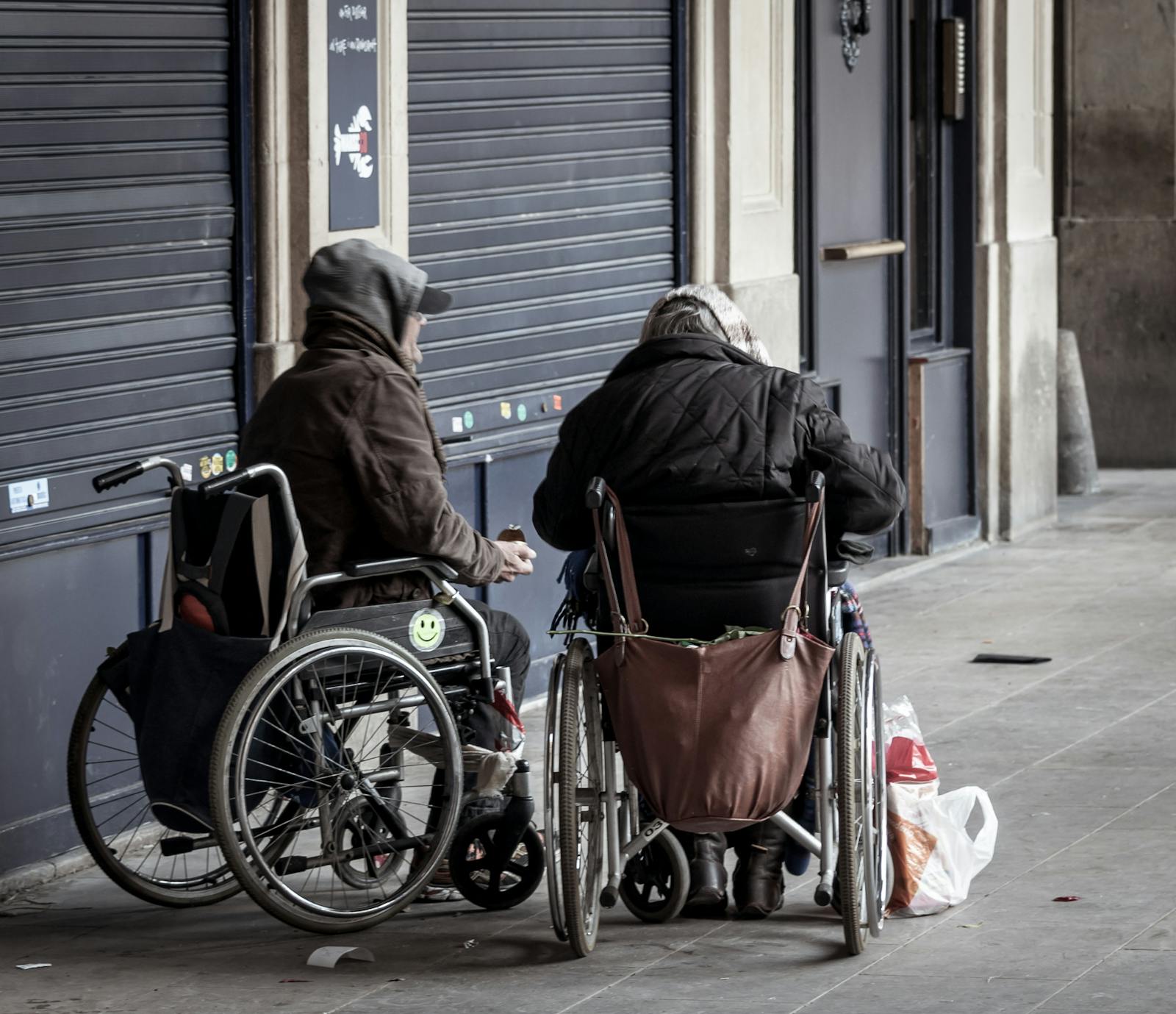
Victoria can work well for travelers with mobility limitations because many of the city's strongest experiences sit near the Inner Harbour, waterfront paths, parks, restaurants, hotels, and short scenic routes. But the city still needs careful planning. Island access, ferry terminals, airport transfers, garden paths, wet weather, curb cuts, older buildings, and uneven sightseeing days can create more strain than the map suggests. A strong mobility-aware Victoria trip starts with the traveler's actual movement pattern: walking distance, standing tolerance, step exposure, wheelchair or scooter use, cane or rollator needs, fatigue, bathroom timing, and whether a companion can assist. Once those limits are explicit, Victoria can be shaped into a comfortable short stay instead of a hopeful itinerary.
Plan access before choosing sights
The first pass through a Victoria itinerary should identify access conditions before attractions. A beautiful stop may still involve a long approach, steep curb, rough path, crowded doorway, limited seating, or taxi drop-off point that is farther away than expected. The important question is not whether something is famous; it is whether the traveler can reach, enjoy, and leave it without being depleted.
This is especially important around older buildings, wharf areas, gardens, shoreline paths, and restaurant entrances. Victoria's compactness helps only when routes are chosen with surfaces, slopes, crossings, bathrooms, and rest options in mind.
- Check surfaces, slopes, steps, curb cuts, entrances, seating, bathrooms, and return routes before finalizing sights.
- Treat a short distance on the map as unproven until the route is checked.
- Cut attractions that require too much effort for too little time on site.
Choose the hotel as an access tool
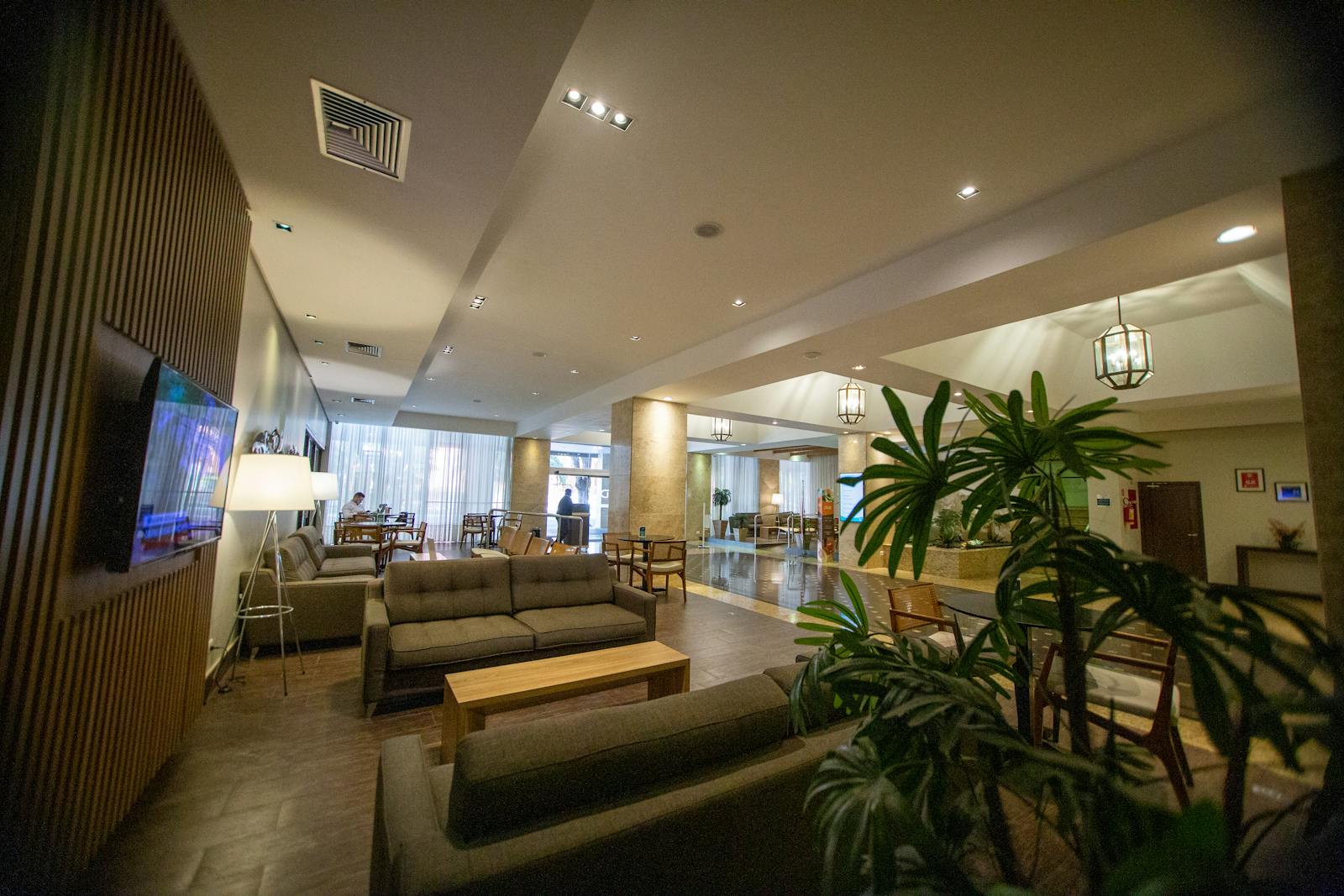
A Victoria hotel should be chosen for movement, not only charm. The traveler may need elevators, step-free entry, a roll-in or low-threshold shower, space for equipment, reliable taxi pickup, a restaurant in the building, a lobby with seating, or a room close to the elevator. A scenic old property can become frustrating if access details are vague.
Location matters just as much. A central Inner Harbour, James Bay, or downtown-edge base can reduce transfers and make it easier to return for rest. A cheaper or quieter hotel can still work, but only if the arrival, evening return, meals, and taxi plan are clear.
- Confirm elevator, entrance, bathroom, shower, room size, bed height, and equipment storage directly.
- Prioritize easy taxi pickup, lobby seating, and short returns to the room.
- Do not let historic atmosphere override the traveler's actual access needs.
Treat island arrival as part of the mobility plan
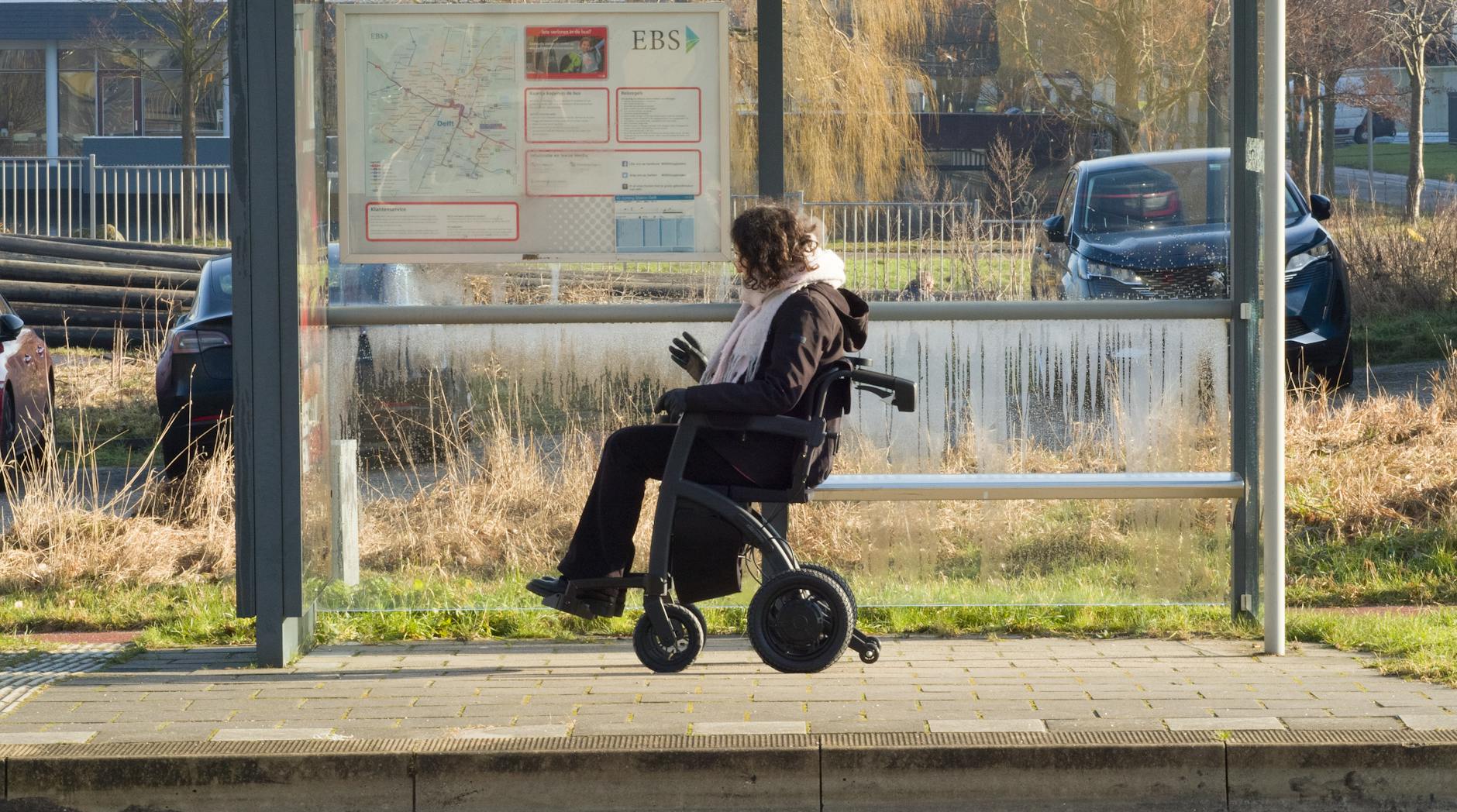
Victoria's island access can be pleasant, but it still needs mobility planning. Airport arrival, ferry, seaplane, cruise stop, taxi, shuttle, rental car, and Vancouver connection each create different walking, standing, luggage, weather, and waiting requirements. A route that looks scenic may be too exposed or too complicated for the traveler's first day.
The arrival plan should include assistance requests, luggage handling, food, medication timing, rest, and a realistic hotel transfer. The departure plan should be just as conservative, especially when a ferry or flight connection cannot be missed.
- Compare airport, ferry, seaplane, cruise, taxi, shuttle, and Vancouver transfer demands before booking.
- Arrange assistance, luggage strategy, medication timing, and arrival food before travel day.
- Keep the first and last day lighter than the sightseeing days.
Shape the harbor, gardens, and shorelines carefully
The Inner Harbour, Beacon Hill Park, Dallas Road, gardens, wharf areas, and coastal viewpoints can be the best parts of a mobility-aware Victoria visit when they are chosen carefully. They can also become too long, too wet, too crowded, or too light on seating if the traveler tries to improvise.
The plan should define the start point, endpoint, drop-off point, bathroom, seating, turnaround option, and backup ride for each outdoor block. For gardens or shoreline visits, the traveler should know which paths matter most and which can be skipped without regret.
- Plan outdoor blocks by route quality, seating, bathrooms, weather exposure, and turnaround options.
- Use taxis or drop-offs for garden, park, or shoreline visits when the approach is the hardest part.
- Choose fewer routes and enjoy them properly instead of forcing a full sightseeing loop.

Respect rain, wind, and fatigue
Victoria's coastal weather can make mobility planning more demanding. Rain changes surfaces, wind affects waterfront comfort, cool evenings can increase stiffness, and wet clothing can make a short route feel much harder. The traveler should not wait until the forecast is unpleasant to decide what the fallback is.
Fatigue planning matters as much as weather planning. A strong day may still need a hotel break, seated lunch, taxi return, or early dinner. The goal is to protect the whole trip, not prove that every planned stop can be completed.
- Pack rain protection, warm layers, stable footwear, and equipment covers as needed.
- Schedule seated pauses before fatigue becomes the decision-maker.
- Keep weather alternates near the hotel or along low-effort routes.

Use taxis, tours, and rest without treating them as failure
A mobility-aware trip should spend energy where it creates value. A short taxi, private transfer, accessible tour, hotel break, or restaurant placed near the next stop may preserve the day better than insisting on walking or transit. Victoria is enjoyable when the traveler has enough energy left to notice it.
The budget should include these supports from the beginning. Surprise taxi spending feels frustrating; planned taxi spending can be the reason the trip works.
- Budget for taxis, private transfers, accessible tours, or hotel breaks where they protect the trip.
- Use transit only where boarding, seating, timing, and the final approach are acceptable.
- Place meals and rest stops as part of the route, not as afterthoughts.
When to order a short-term travel report
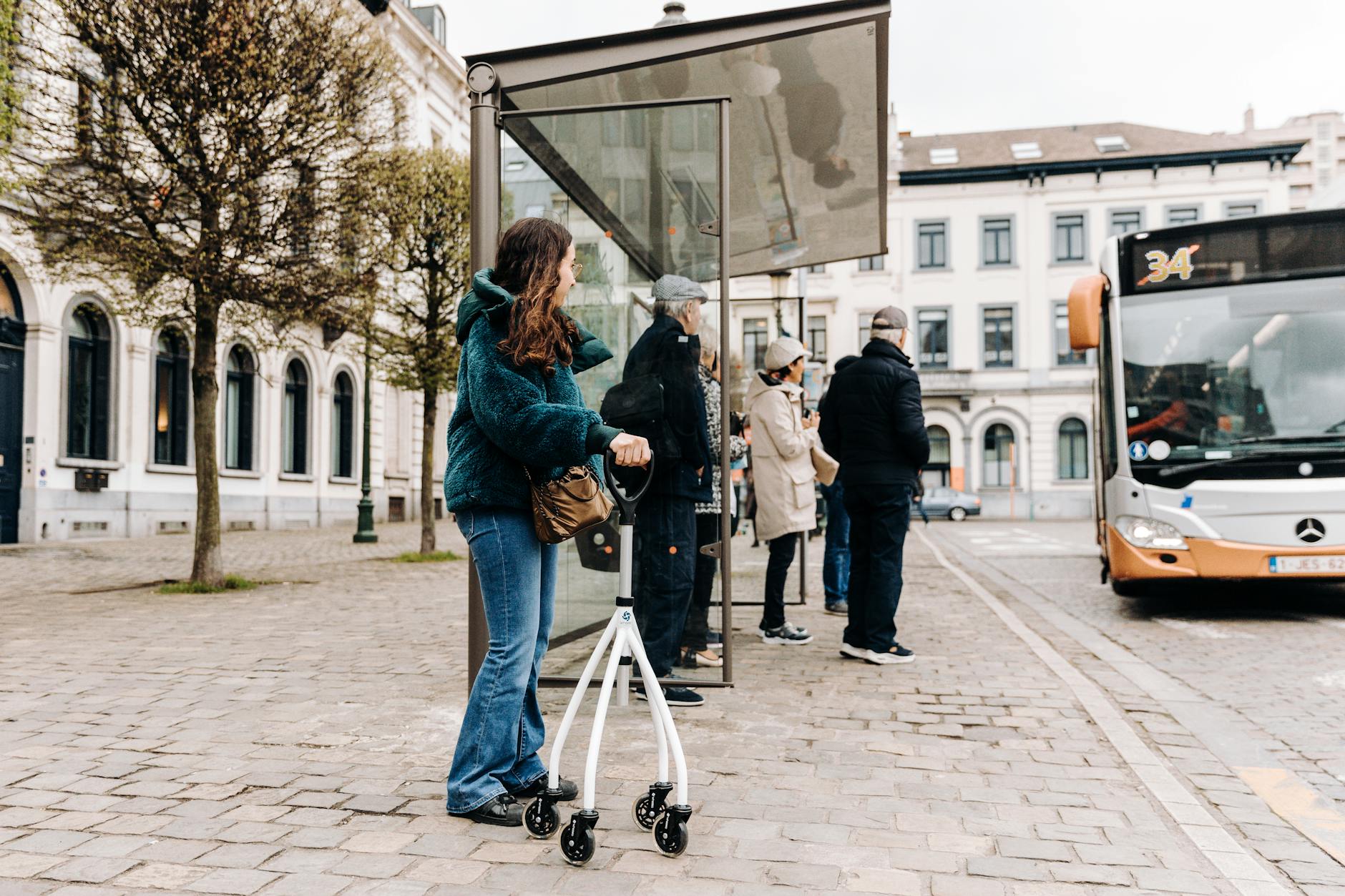
A traveler with mild mobility limits, central lodging, and flexible plans may need only basic access checks. A report becomes useful when the traveler uses a wheelchair, scooter, rollator, cane, brace, or limited-distance walking plan, or when the trip includes ferries, gardens, expensive hotels, wet weather, tight transfers, older relatives, or multiple outdoor routes.
The report should test hotel access, arrival mode, transfer risk, route surfaces, garden and shoreline feasibility, taxis, seating, bathrooms, weather alternates, meal placement, budget, and what to cut. The value is a Victoria trip that fits the traveler before the traveler is already tired.
- Order when mobility limits affect hotel choice, transfers, routes, gardens, meals, or weather plans.
- Provide mobility aid, walking tolerance, stair tolerance, hotel needs, arrival mode, dates, and must-see items.
- Use the report to preserve comfort, dignity, and choice throughout the short stay.