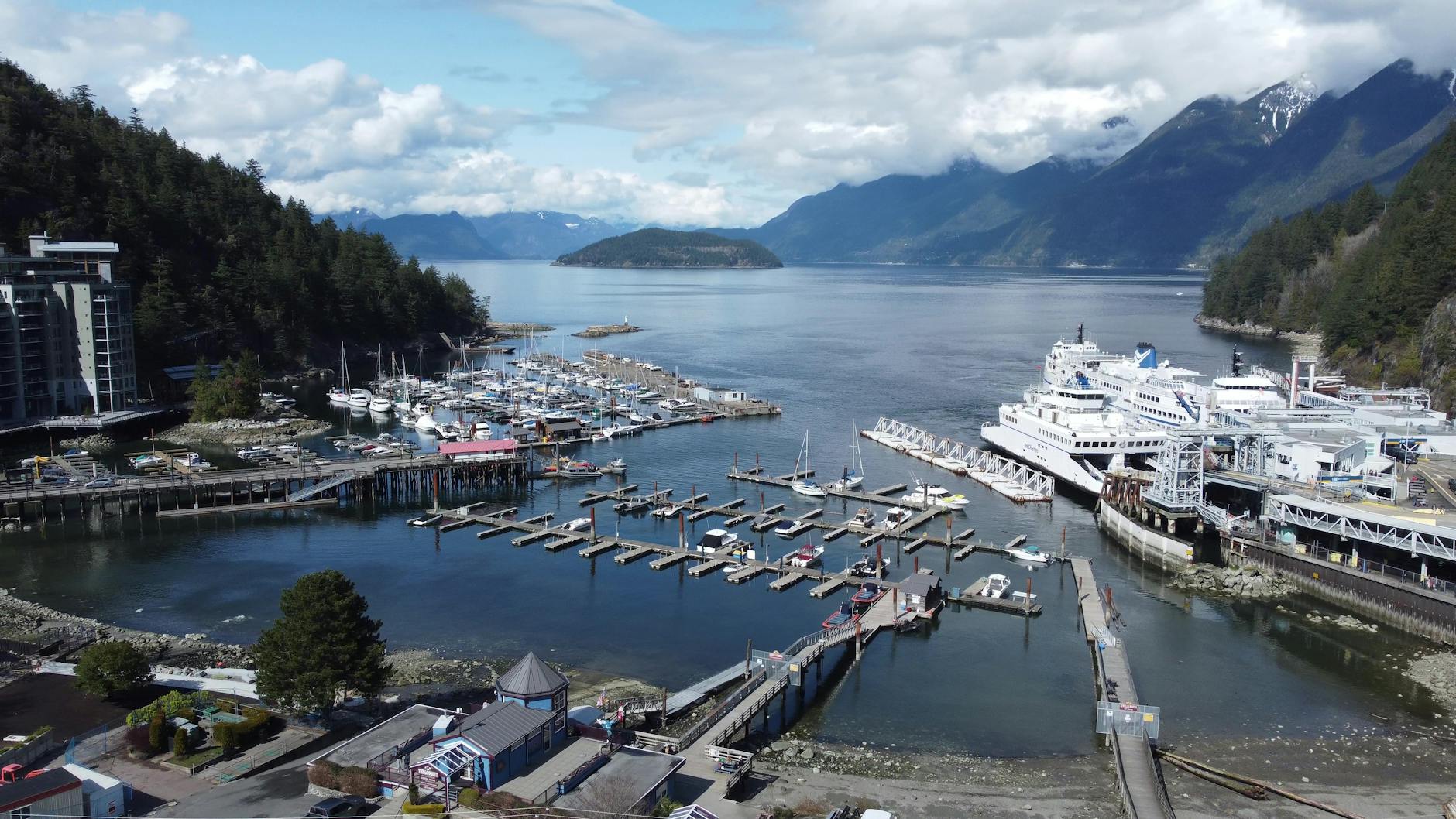
Victoria can work well for travelers with medical constraints because it offers a manageable visitor core, mature hospitality infrastructure, pharmacies, hospitals, taxis, scenic low-intensity options, and a gentler pace than many larger cities. The trip still needs more than a normal sightseeing plan. Island access, weather, walking distance, medication timing, hotel access, and recovery time can all affect comfort. This article is about travel planning, not medical advice. The traveler should make medical decisions with qualified clinicians before departure. The practical goal is to design a Victoria trip that respects known constraints instead of discovering them under pressure.
Start with condition stability and trip purpose
A traveler with medical constraints should first decide whether the timing, purpose, and intensity of the Victoria trip are appropriate. A quiet harbor stay, family visit, conference, garden-focused trip, or Vancouver Island connection each creates different demands. The traveler should not treat them as medically equivalent.
The pre-trip plan should include clinician clearance where appropriate, condition triggers, medication timing, expected energy level, emergency contacts, insurance coverage, and what would make the trip no longer sensible. That clarity should exist before flights, ferries, or hotels are locked.
- Confirm condition stability, clinician guidance, medication timing, and travel tolerance before booking.
- Match the itinerary to the actual purpose, not to a generic Victoria checklist.
- Define the symptoms, triggers, or changes that would require slowing down or canceling plans.

Choose hotel access before room style
Hotel choice should be driven by access and recovery. Elevator reliability, entrance steps, bathroom layout, bed height, quiet, climate control, breakfast, medication refrigeration, nearby pharmacy, taxi pickup, and distance to planned activities may matter more than view or charm.
A central hotel can reduce strain if the trip is built around the Inner Harbour, Parliament area, museums, or short walks. It may be less useful if medical needs require a quieter property, parking, family support, or easy access to a specific appointment.
- Check elevators, entrance steps, bathroom layout, bed height, quiet, and climate control.
- Confirm medication refrigeration, breakfast timing, taxi pickup, and nearby pharmacy access.
- Choose the hotel that reduces medical friction, not only the room that looks best.
Prepare prescriptions, documents, and insurance
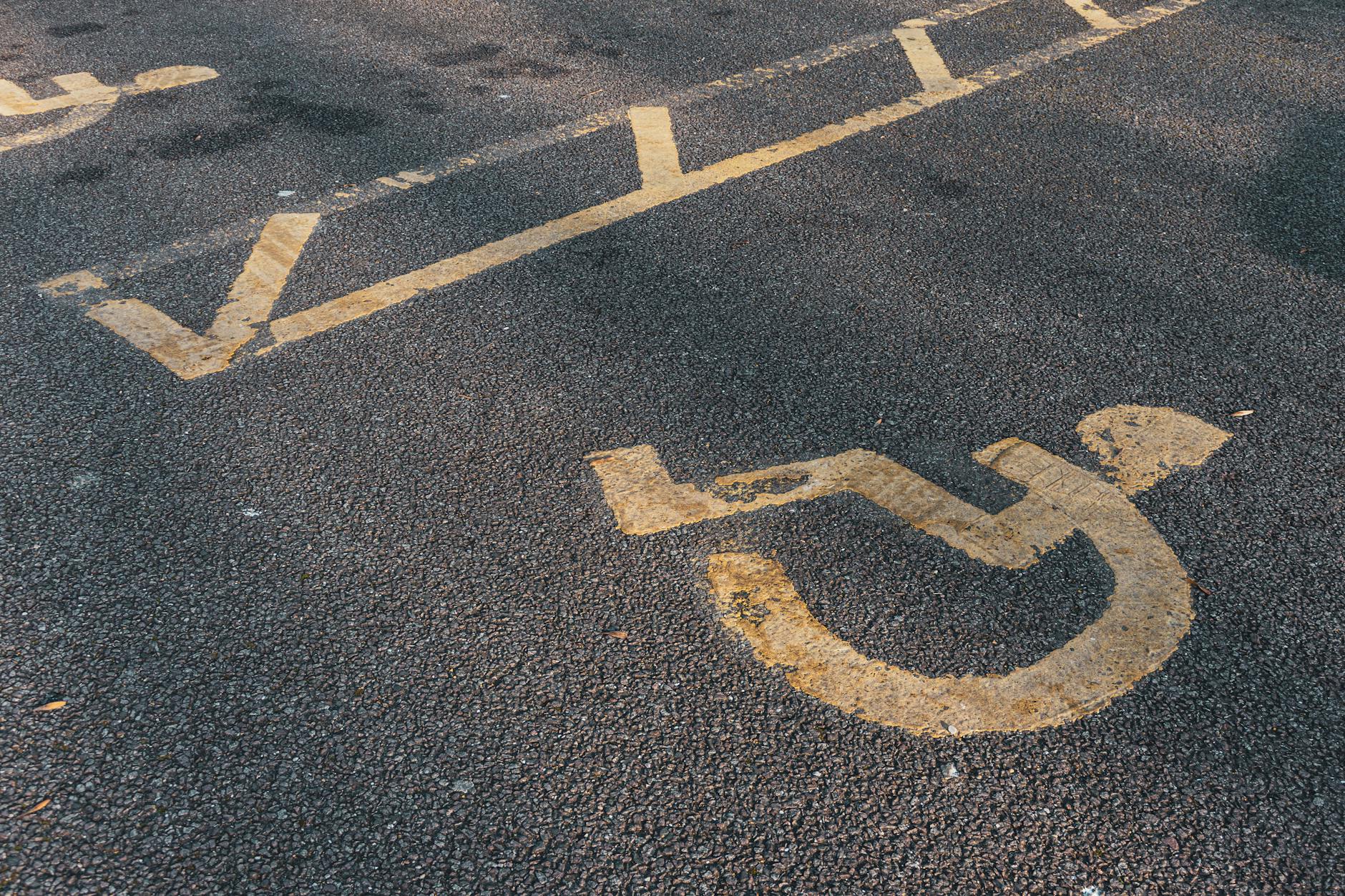
Medical travel planning should include prescriptions, medication names, dosage schedule, medical devices, backup supplies, insurance documents, clinician notes, emergency contacts, and a plan for replacement medication if luggage is delayed. The traveler should carry essentials in a way that survives ferry, airport, taxi, and hotel delays.
Insurance and payment assumptions should be checked before travel. A visitor should understand coverage limits, reimbursement process, emergency numbers, and where records or medication lists are stored.
- Carry prescriptions, medication lists, device supplies, clinician notes, and insurance details.
- Keep essential medication and devices with the traveler, not in delayed or checked luggage.
- Know how to replace medication or reach medical help if the itinerary changes.
Plan weather, walking, and energy limits carefully
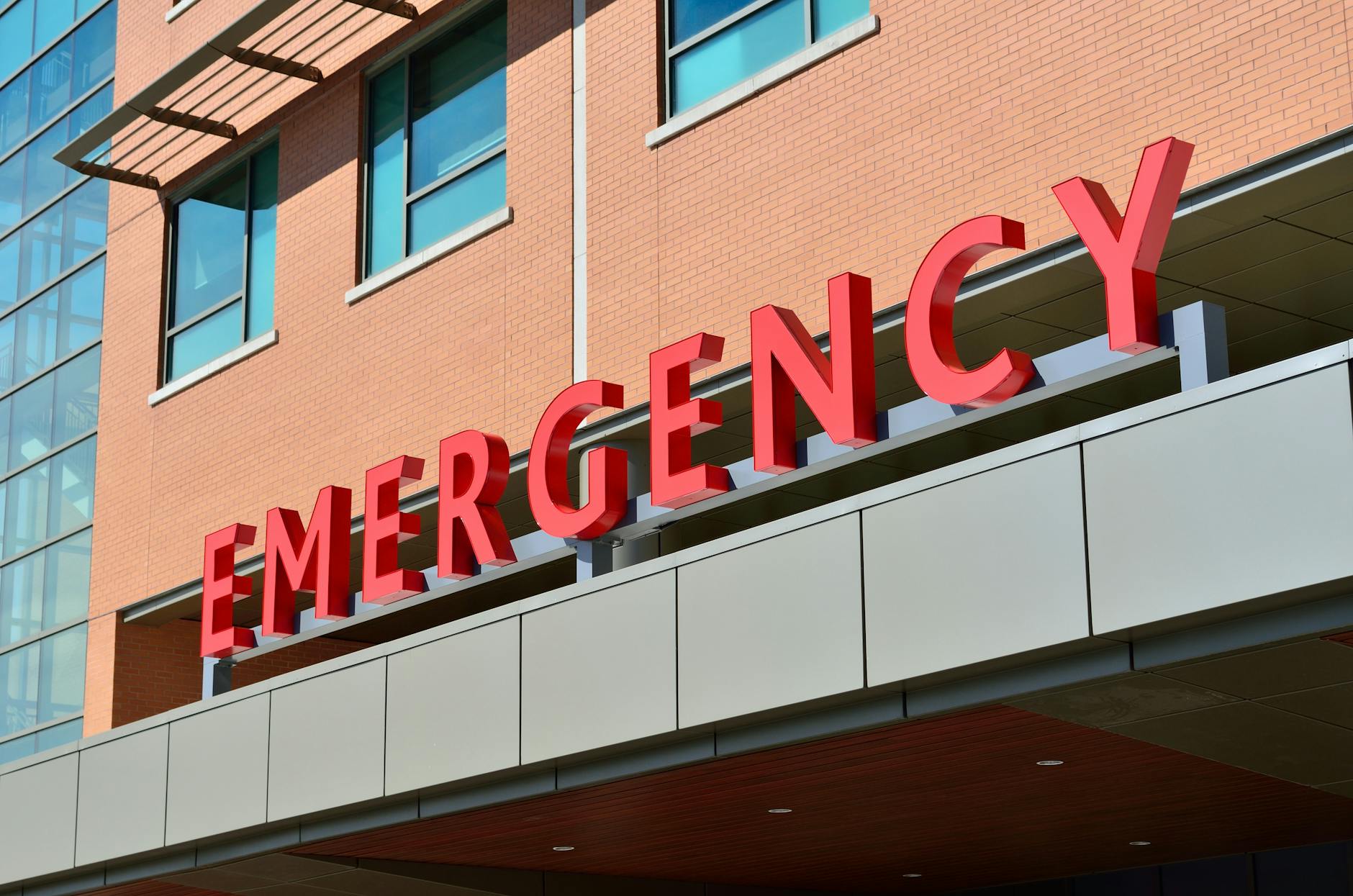
Victoria's mild reputation can hide practical strain. Rain, wind, cool evenings, uneven paths, garden surfaces, ferry decks, stairs, and long waterfront walks can affect pain, balance, breathing, fatigue, temperature sensitivity, or medication timing. A route that looks gentle may still be too much after a transfer day.
The itinerary should use shorter blocks, seated breaks, meal timing, and indoor alternates. The traveler should not rely on endurance as the main medical strategy.
- Account for rain, wind, uneven surfaces, stairs, garden paths, and waterfront distance.
- Build seated breaks, meals, hydration, medication timing, and short returns into each day.
- Use taxis or arranged transfers before fatigue or symptoms force the decision.

Choose transport by medical reliability
A traveler with medical constraints should choose between ferry, airport, seaplane, taxi, rental car, public bus, walking, and arranged transfer by reliability and physical demand. The scenic option is not always the medically sensible option. Waiting, boarding, stairs, weather exposure, bathrooms, luggage handling, and motion sensitivity all matter.
For some travelers, a ferry with room to sit and access facilities is comfortable. For others, an arranged car or simpler flight path is the better choice. The transfer plan should have a backup if weather, delay, or symptoms change the day.
- Compare transport modes by waiting, boarding, bathrooms, luggage, motion sensitivity, and weather exposure.
- Use arranged transfers when they protect energy, stability, or medication timing.
- Keep a backup for ferry, flight, seaplane, taxi, or symptom-related disruption.
Know pharmacies, urgent help, food, and triggers
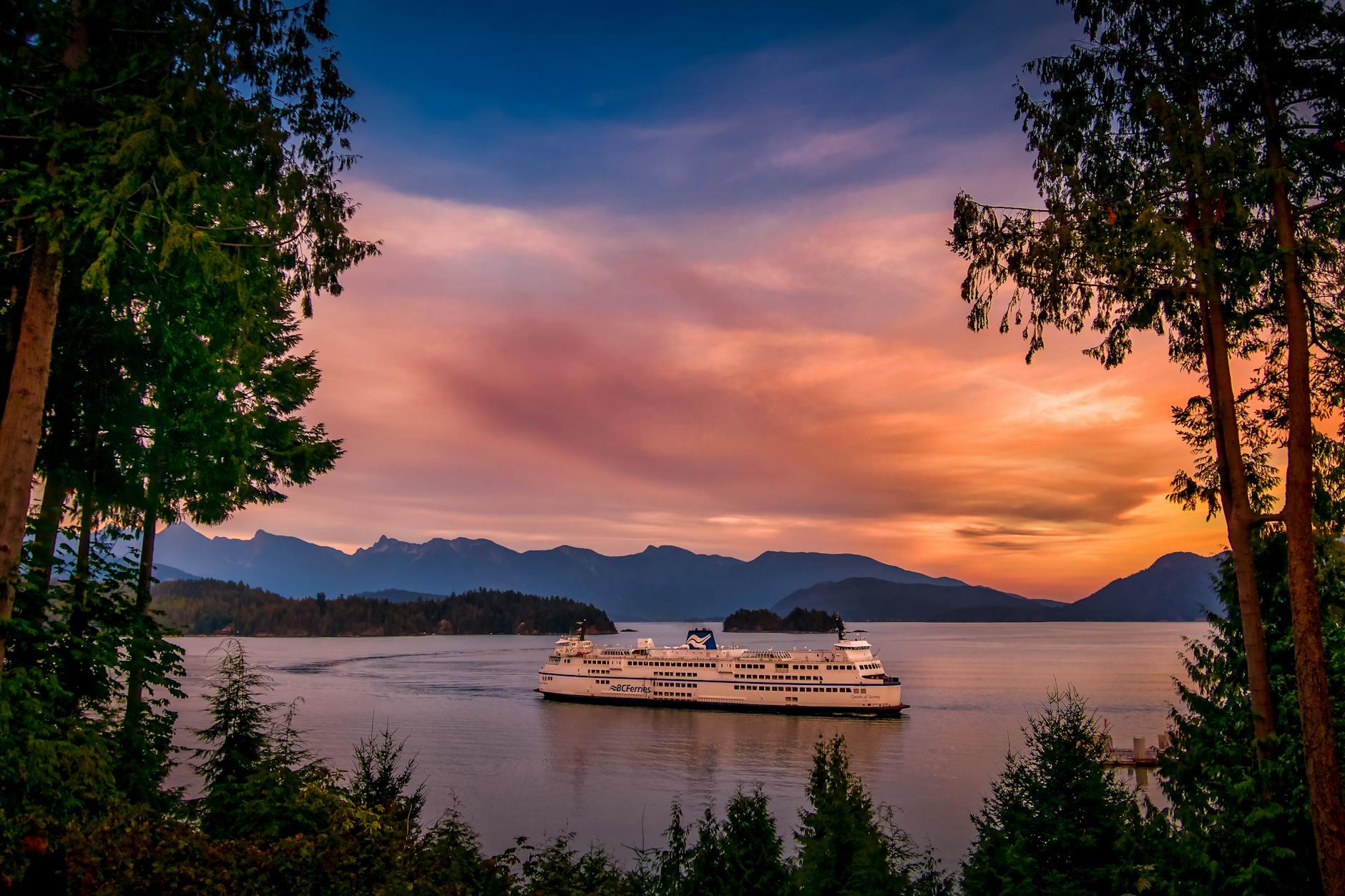
The traveler should identify pharmacy access, urgent-care options, emergency process, hotel support, and nearby food before the daily schedule is crowded. Food timing can matter for medication, blood sugar, digestion, fatigue, and nausea. Victoria's restaurants and cafes are useful only if the traveler knows where they fit in the day.
Known triggers should also shape the itinerary. Cold wind, long standing, dehydration, alcohol, missed meals, poor sleep, motion, crowds, or stress may require a slower plan than a standard visitor itinerary.
- Identify pharmacies, urgent help, emergency process, and hotel support before arrival.
- Plan food, hydration, rest, and medication timing around the actual day.
- Let known triggers determine what to skip, shorten, or move indoors.
When to order a short-term travel report
A traveler with stable constraints, flexible dates, and a simple hotel plan may not need a custom Victoria report. A report becomes useful when the trip includes ferry or seaplane decisions, mobility limits, medication timing, medical-device needs, uncertain hotel access, costly bookings, family support questions, weather sensitivity, or a conference or event schedule.
The report should test condition-sensitive timing, arrival mode, hotel access, pharmacy and urgent-help options, walking distances, weather, food and medication timing, transport backups, recovery blocks, medical fallback, and what to cut. The value is a Victoria trip that leaves medical margin.
- Order when medical constraints, transfers, hotel access, mobility, weather, or event timing need testing.
- Provide dates, medical constraints, mobility level, medication needs, arrival mode, hotel options, and plans.
- Use the report to preserve medical margin instead of relying on improvisation.