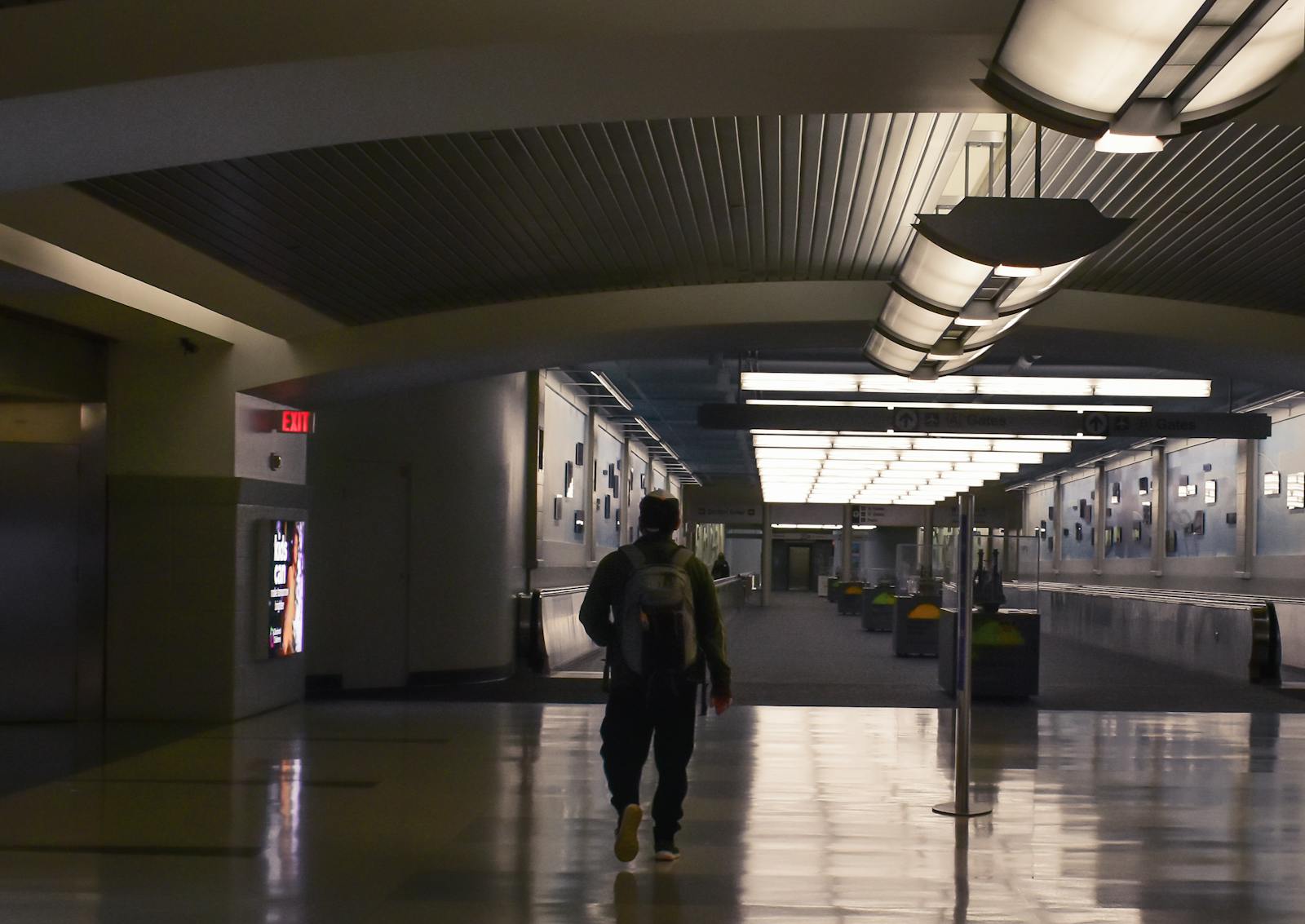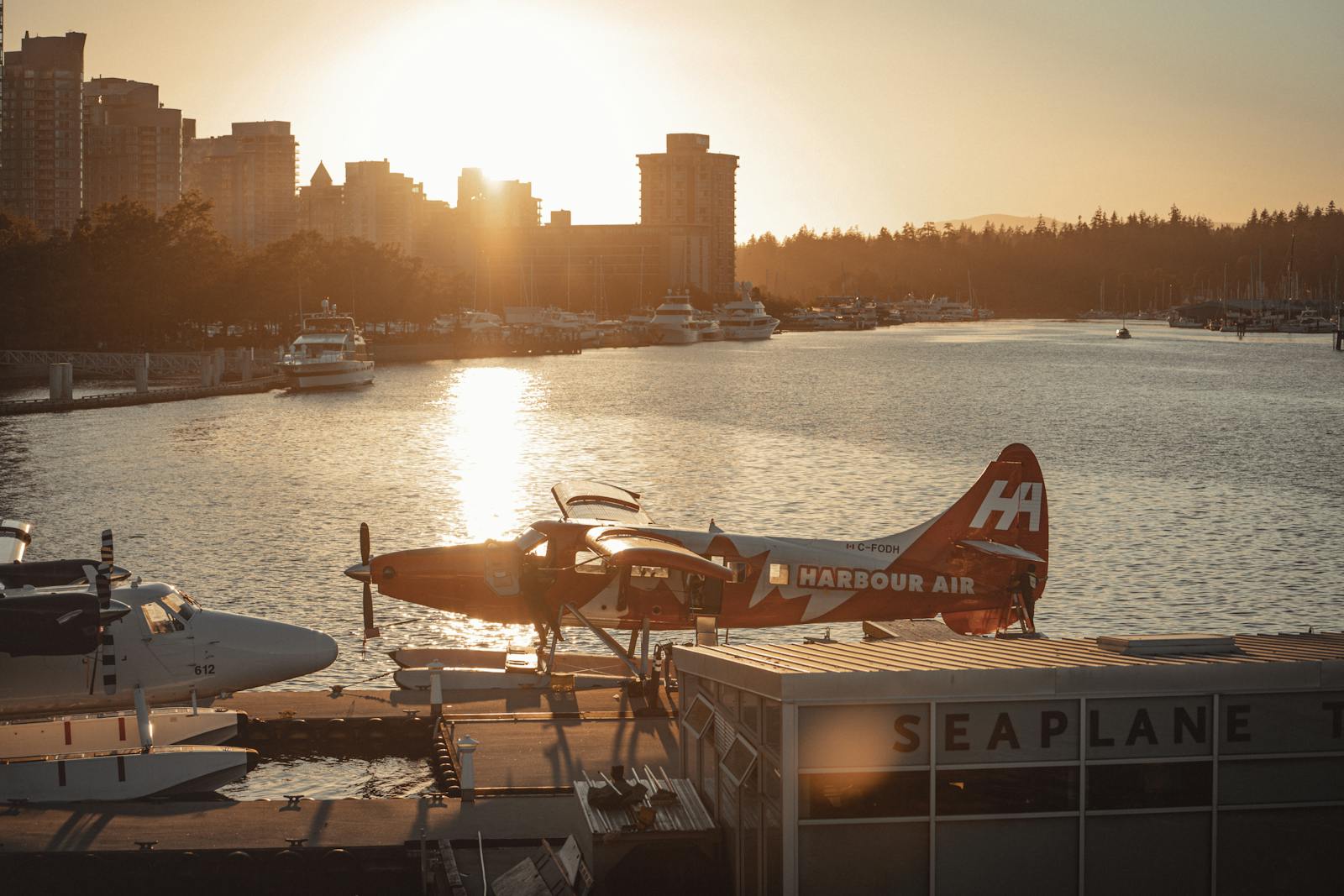
Victoria can tempt transit travelers because the city feels close, polished, and manageable. A few hours can produce a harbor walk, lunch, a hotel-lobby pause, Parliament views, or a short downtown loop if the timing is honest. But Victoria's island access makes stopovers more fragile than they appear. A traveler may be moving through Victoria International Airport, Swartz Bay ferry connections, the Inner Harbour seaplane docks, buses, a cruise transfer, or a Vancouver-linked itinerary. The stopover should be built from hard constraints first: arrival time, onward departure, baggage, transfer mode, weather, fatigue, and the latest safe return.
Start with the real usable time
A Victoria stopover should be calculated after all practical friction is removed. Deplaning, baggage, taxi wait, ferry transfer, seaplane timing, bus schedules, hotel check-in, rain gear, security, boarding, and fatigue can shrink the apparent window. A five-hour gap is not five hours in the Inner Harbour.
The traveler should set a minimum usable city threshold. If the safe window is too narrow, a meal near the airport, ferry terminal, hotel, or seaplane dock may be better than a rushed downtown attempt.
- Subtract baggage, transfers, check-in, weather, boarding, traffic, and fatigue from the stopover.
- Set a minimum usable city window before leaving the transit path.
- Choose a conservative plan when the onward move would become fragile.
Choose the transfer mode before the city route
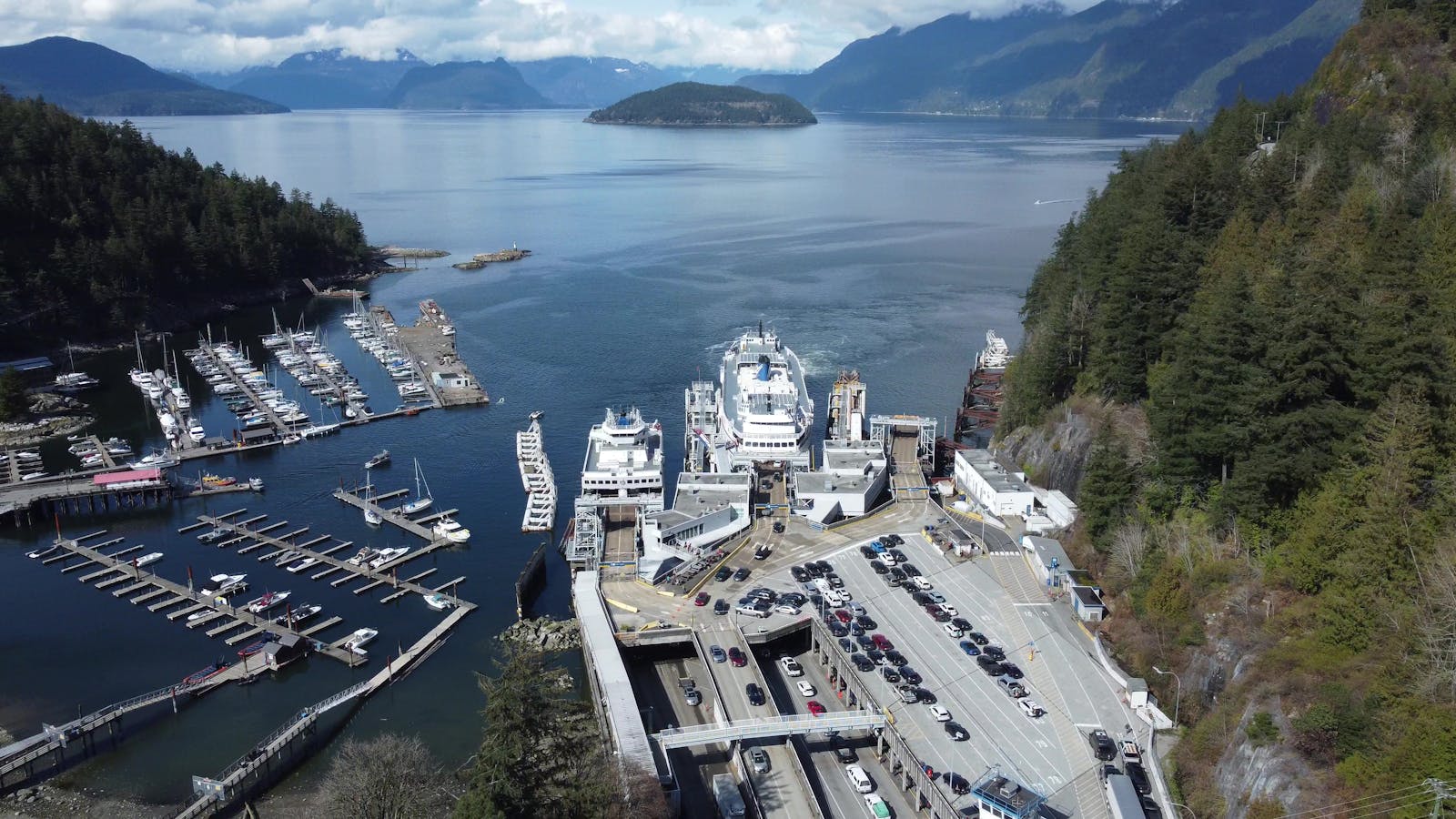
Victoria stopovers can begin at the airport, ferry terminal, seaplane dock, bus stop, cruise pier, hotel, or a Vancouver connection. Each starting point changes the route. The seaplane dock may make a short harbor loop realistic; the airport or ferry terminal requires a more cautious transfer calculation.
The traveler should compare taxi reliability, shuttle timing, bus frequency, ferry schedules, seaplane weather exposure, and rental-car logic before choosing what to see. The best stopover is often the one with the simplest return.
- Confirm airport, ferry, seaplane, bus, cruise, hotel, or Vancouver-connection timing first.
- Compare taxi, shuttle, bus, rental-car, ferry, and seaplane reliability before routing.
- Make the return route simpler than the outbound route.
Solve luggage before entering the visitor core
Luggage can make or break a Victoria stopover. Rolling bags may be manageable near a hotel or seaplane dock, but they become awkward on wet sidewalks, small cafes, shuttle lines, or a quick waterfront route. The traveler should confirm storage before committing to a downtown loop.
If luggage cannot be stored reliably, the stopover should shrink. A short meal, harbor view from a convenient point, hotel lobby pause, or terminal-adjacent plan may be wiser than dragging bags through the city.
- Confirm luggage storage at the hotel, airport, ferry terminal, seaplane facility, or a reliable service.
- Avoid rolling bags through wet sidewalks, crowded paths, small cafes, or long return routes.
- Shrink the plan if baggage cannot be handled cleanly.

Pick one compact Victoria route
A stopover should not try to cover all of Victoria. A compact route might mean the Inner Harbour, Parliament views, a reserved lunch, a short James Bay walk, a hotel tea or coffee stop, a quick downtown errand, or a waterfront loop from the seaplane dock. One good route is more valuable than several rushed fragments.
The route should have a clear exit point. The traveler should know when to stop exploring and begin the return even if the city feels close.
- Choose one compact route: Inner Harbour, Parliament, lunch, James Bay, downtown, or waterfront.
- Avoid stacking gardens, beaches, shopping, and dining into a narrow connection.
- Set a clear exit point before the route begins.
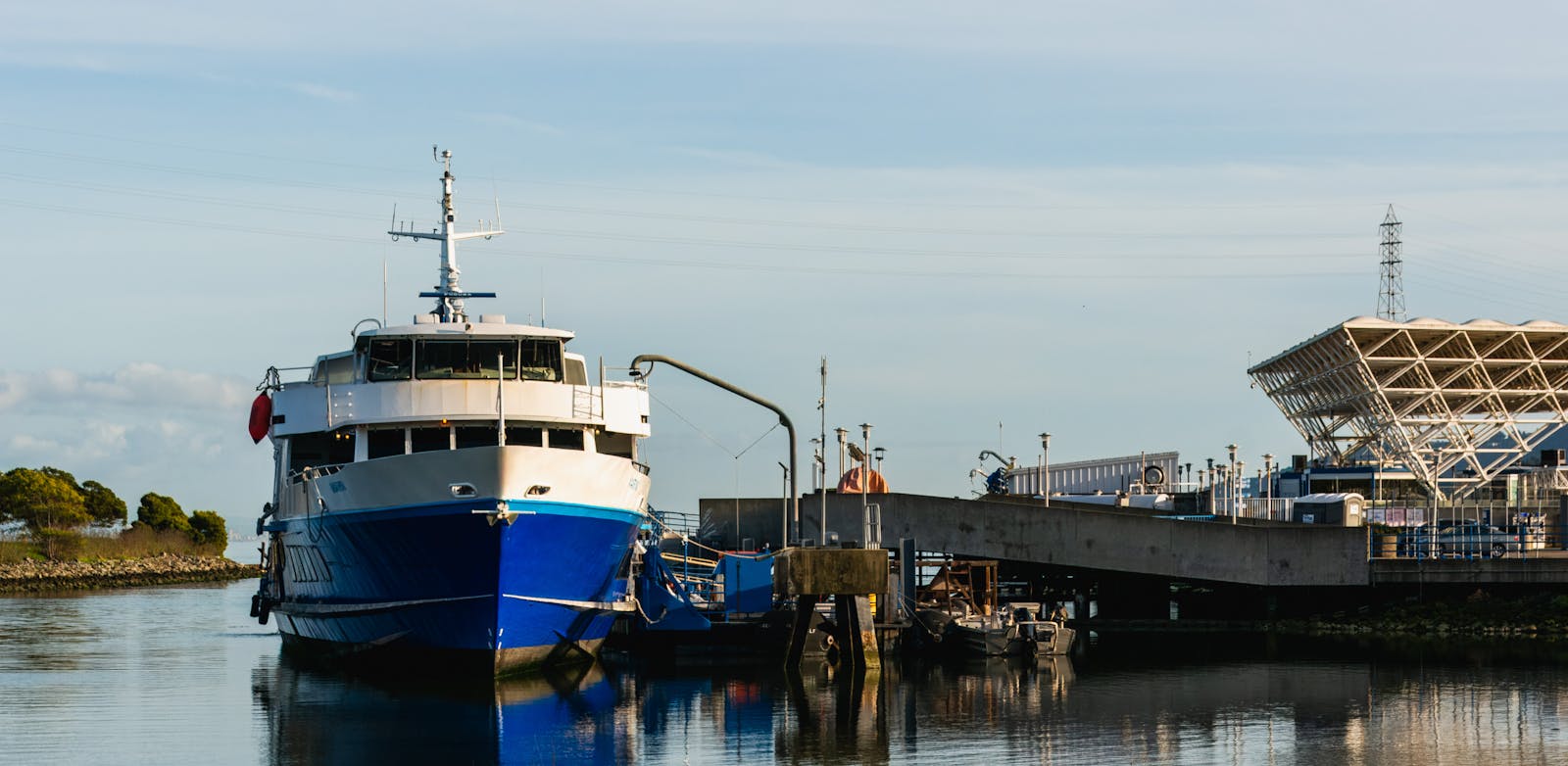
Account for weather, documents, and onward risk
Victoria weather can turn a short stopover into a different calculation. Rain, wind, cool evenings, seaplane changes, ferry delays, wet luggage, and taxi scarcity can reduce the value of leaving the transit path. Documents and onward requirements matter too, especially when the traveler is moving between Canada, the United States, a cruise, or an international flight.
The traveler should protect passport, visa, boarding, ferry, air, and hotel requirements before adding city time. A stopover should never endanger the onward move.
- Adjust plans for rain, wind, wet luggage, ferry delay, seaplane weather, and taxi scarcity.
- Protect passport, visa, flight, ferry, cruise, hotel, and security requirements.
- Skip the city route when it would make the onward move fragile.
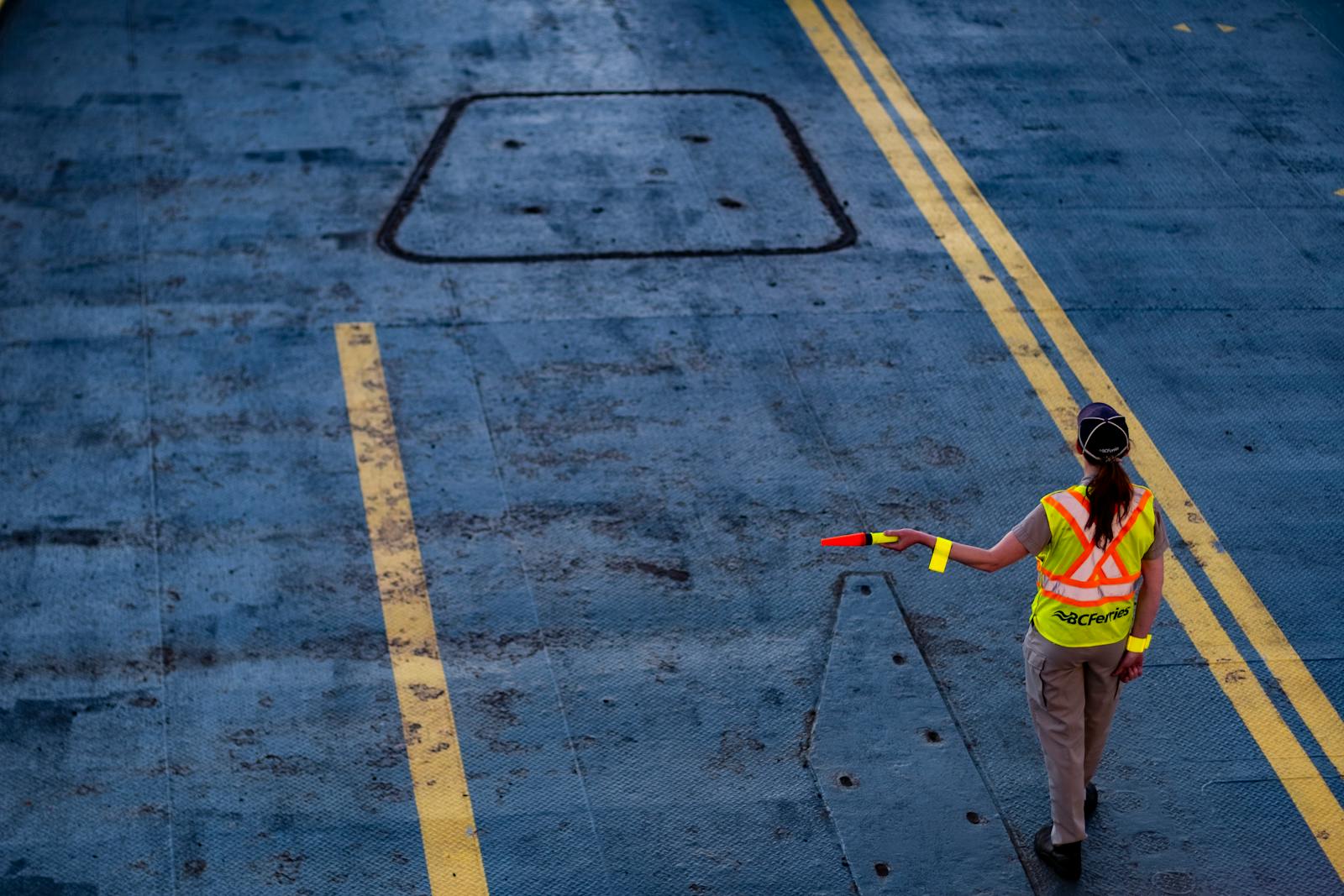
Use transit confidence, not transit optimism
A good Victoria stopover depends on confidence built from real timing, not a hopeful map. The traveler should know pickup points, payment methods, route distance, phone battery, backup transport, and what to do if the first plan fails. A short city visit can feel relaxed when the return is controlled.
Fatigue should also be counted. After an early flight, ferry crossing, long drive, cruise transfer, or Vancouver connection, the better stopover may be food, rest, and one clean view rather than a miniature sightseeing campaign.
- Know pickup points, payment, battery, backup transport, route distance, and failure options.
- Use a return buffer that survives a delayed taxi, slow meal, weather shift, or ferry issue.
- Treat fatigue as a real planning variable.
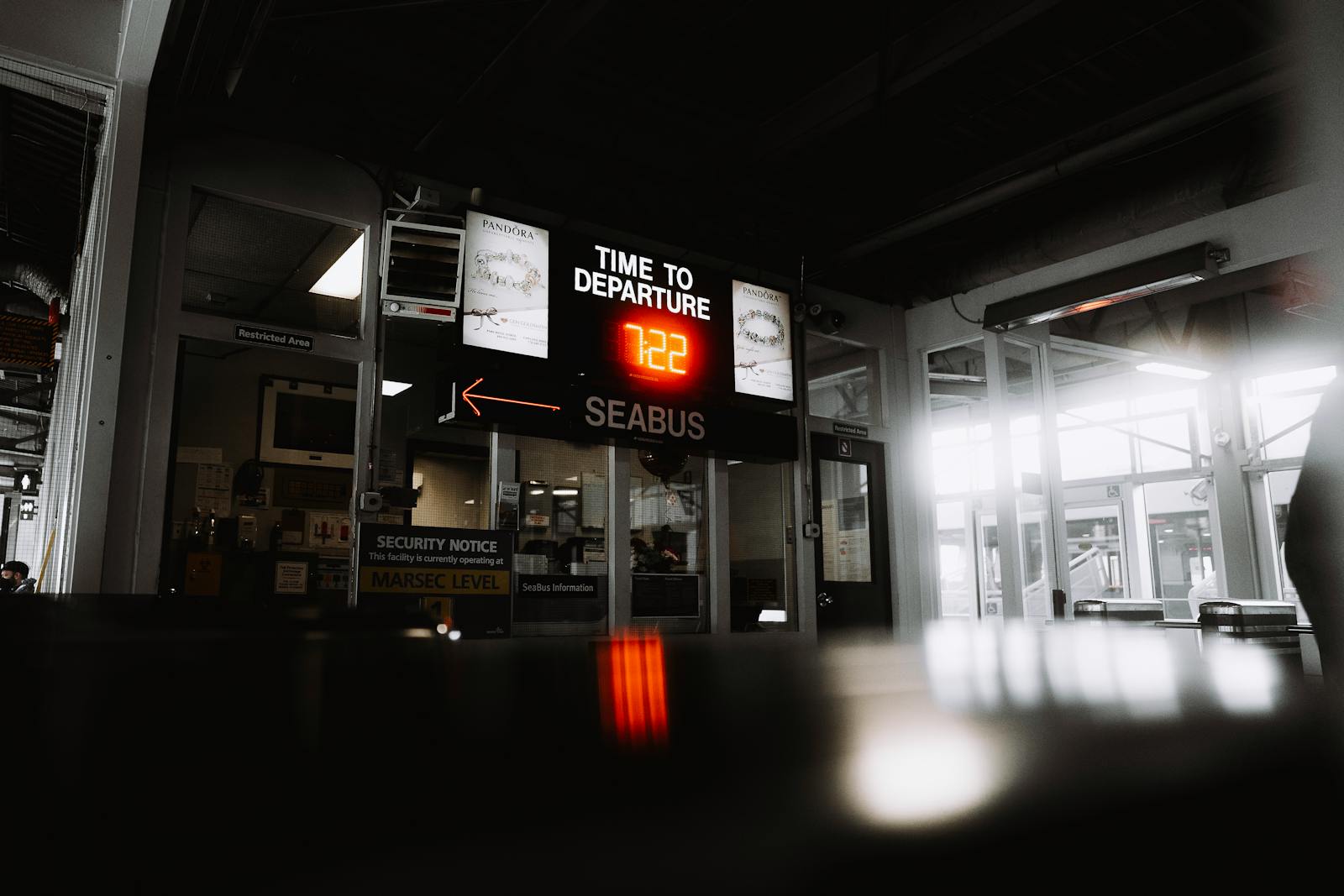
When to order a short-term travel report
A traveler with an overnight Victoria stop and a central hotel may not need a custom report. A report becomes useful when usable time is unclear, luggage storage is uncertain, ferry or seaplane timing matters, the airport is involved, mobility is limited, weather could affect the route, or the stopover must include a specific meal, meeting, errand, or sight.
The report should test usable time, transfer mode, luggage, route choice, weather, documents, fatigue, backup plans, budget, and what to cut. The value is a Victoria stopover that is worthwhile without risking the onward journey.
- Order when usable time, luggage, transfers, weather, mobility, or onward risk need testing.
- Provide arrival and departure details, baggage needs, route interests, lodging options, budget, and constraints.
- Use the report to decide whether leaving the transit path is worth it.