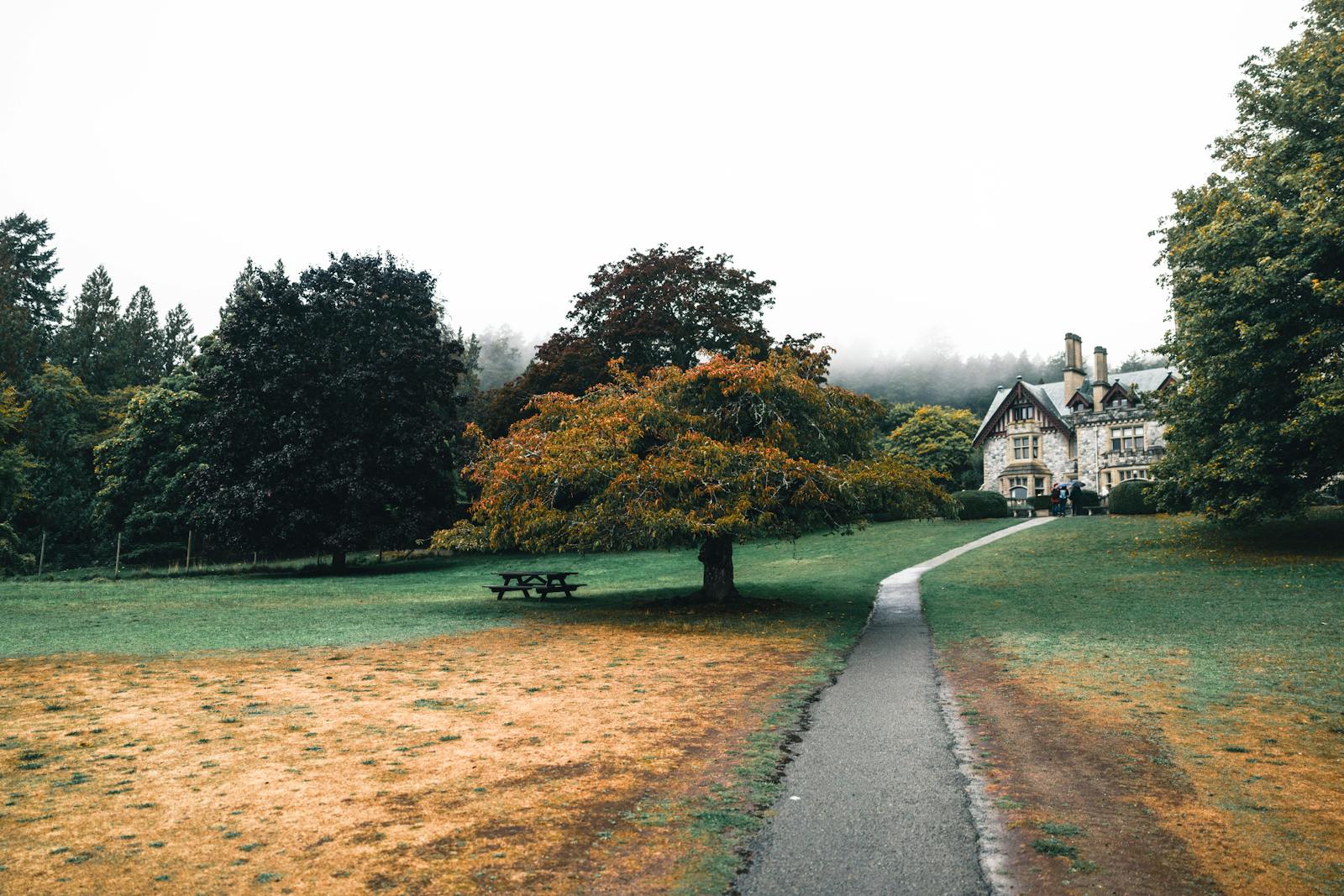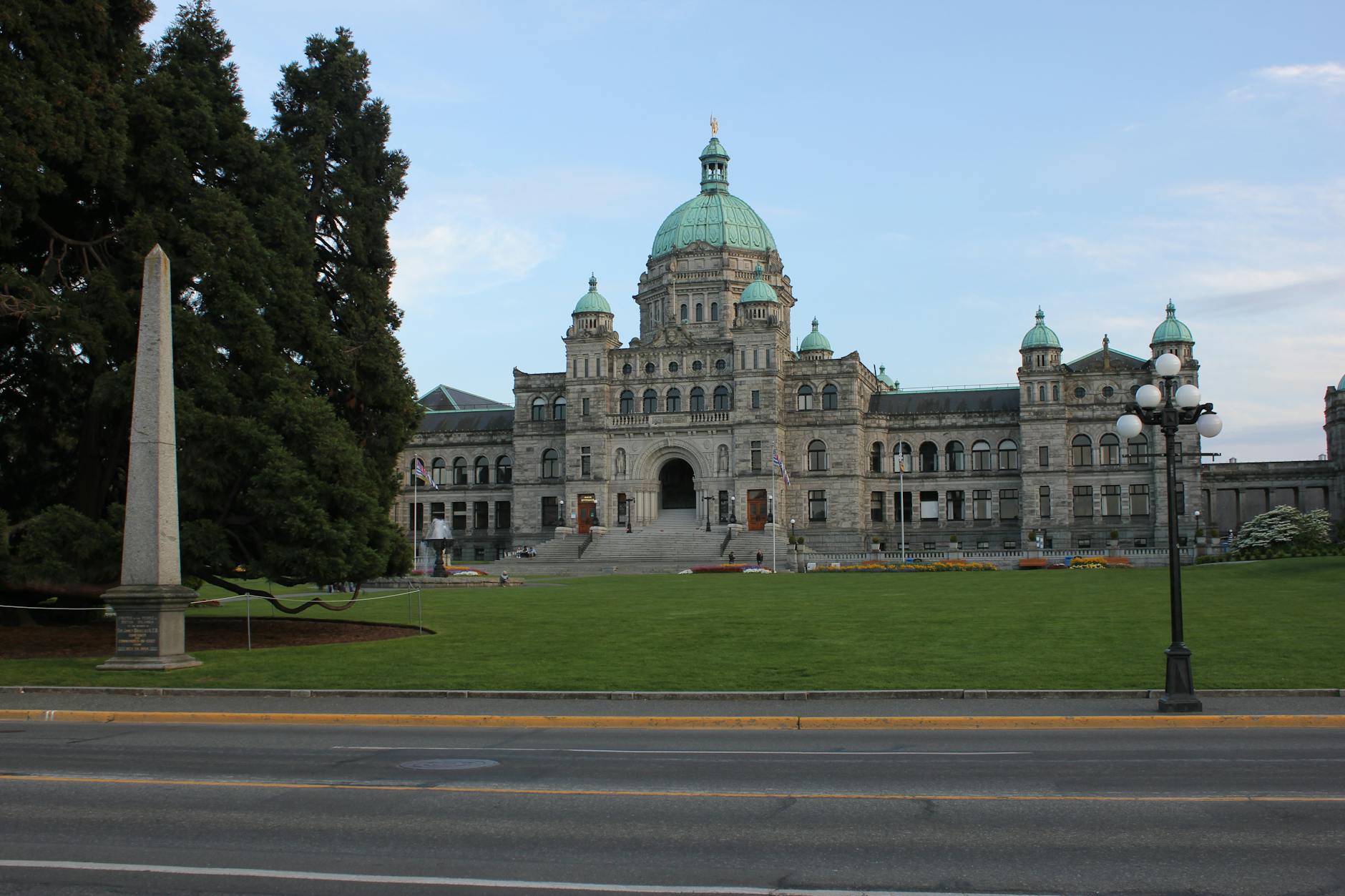
Victoria is often described as easy, pretty, and compact, which is partly true. The Inner Harbour, historic buildings, gardens, shoreline walks, small restaurants, and ferry or seaplane arrivals can make a short trip feel unusually polished. The mistake is treating that charm as proof that logistics do not matter. A tourist trip to Victoria works best when the traveler decides what kind of visit this is before booking around random attractions. A first look at the harbour, a garden-centered weekend, a Vancouver Island add-on, a ferry-based day or two, and a slower coastal stay all need different timing, lodging, meals, and weather plans.
Start with island access, not the attraction list
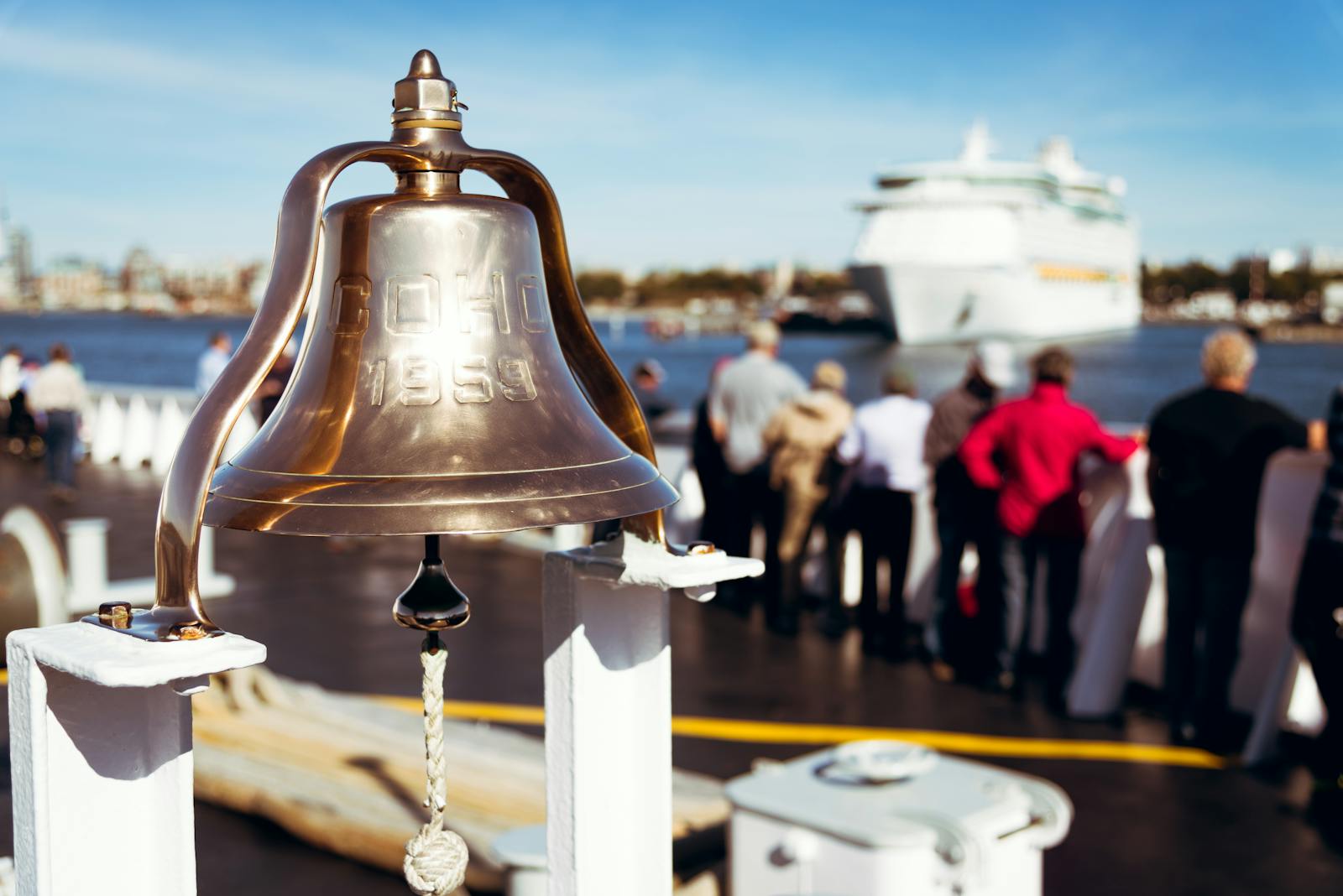
Victoria is on Vancouver Island, and that single fact should shape the first version of the itinerary. Airport arrival, ferry from the Vancouver area, seaplane, cruise timing, rental car, taxi, and hotel check-in each create a different first day. A visitor who treats Victoria like a normal mainland city can lose useful hours before the trip has really started.
The tourist should decide whether the journey itself is part of the experience or just a transfer. Ferries and seaplanes can be memorable, but they also require schedule discipline, luggage planning, weather tolerance, and backup thinking. The first attraction should not be so tightly timed that one late transfer damages the day.
- Compare ferry, airport, seaplane, cruise, and Vancouver connection timing before choosing hotel nights.
- Leave arrival margin for luggage, taxis, check-in, food, and weather.
- Do not book the first paid activity so tightly that the transfer becomes the real risk.
Choose the base that matches the tourist rhythm
Many first-time tourists will be happiest near the Inner Harbour, James Bay, or the downtown edge because Parliament, the waterfront, wharf areas, restaurants, tours, and pickup points are easier to combine. A quieter hotel can still work, but only if the traveler understands taxi needs, evening return routes, and the tradeoff between calm and convenience.
The best base depends on the tourist's real priorities. Someone who wants harbour views and short walks should not chase a lower room rate far from the center. Someone who wants gardens, beaches, or a car-based island route may need parking and road access more than postcard proximity.
- Use Inner Harbour or James Bay lodging when walkable sightseeing is the core of the trip.
- Check parking, taxi access, stairs, luggage handling, and evening return routes before booking farther out.
- Match the hotel to the actual day shape, not just the prettiest listing photo.
Build the classic Victoria day with restraint
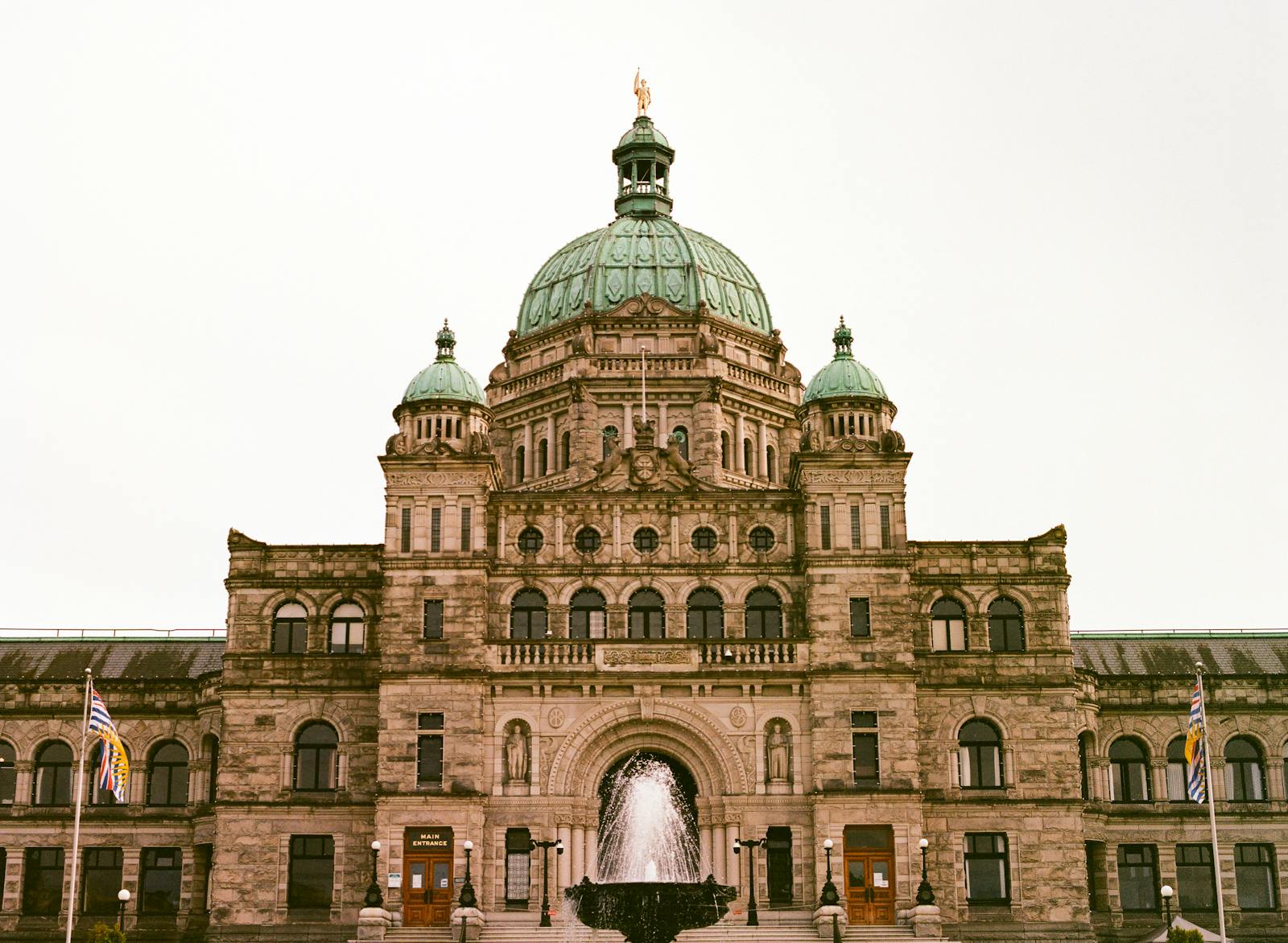
A classic Victoria tourist day can include the harbour, Parliament views, old streets, tea or a polished meal, shops, gardens, a wharf walk, and shoreline time. The risk is trying to turn all of that into one continuous checklist. Victoria rewards looking around; it becomes less satisfying when every stop is squeezed between reservations.
The visitor should divide the day into a main anchor and a few nearby supporting pieces. A harbour morning, a garden afternoon, or a food-and-neighborhood day is usually stronger than trying to cover every known attraction at once.
- Pick one primary anchor for each day and add nearby stops around it.
- Leave time for harbour walking, photos, meals, and weather adjustments.
- Avoid stacking several paid or timed attractions back to back unless the transfers are proven.
Treat gardens and coastal detours as real time blocks
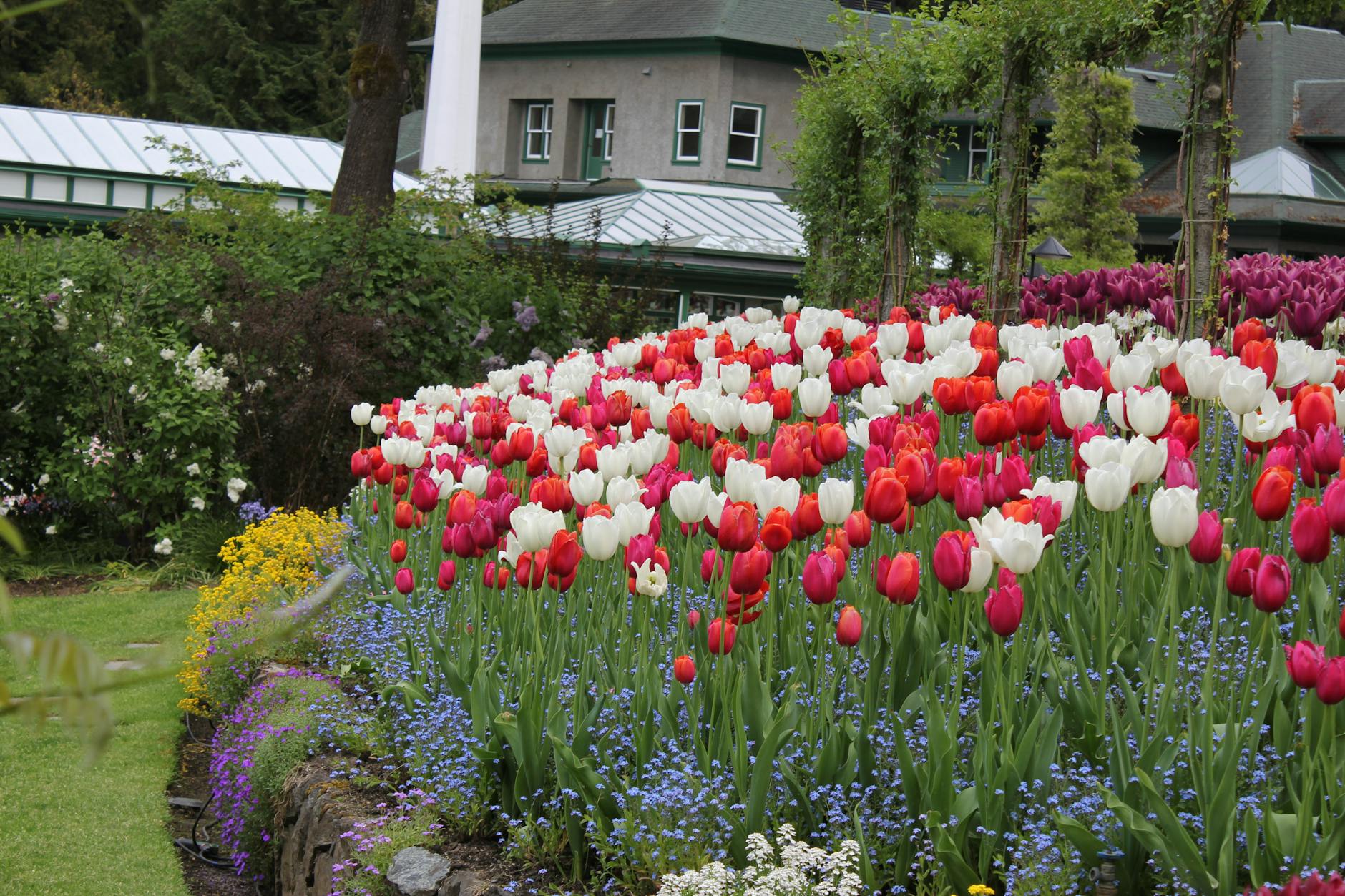
Garden trips, coastal viewpoints, wharf visits, beaches, and nearby community stops are not simple add-ons when the stay is short. Butchart Gardens, Brentwood Bay, Oak Bay, Dallas Road, Beacon Hill Park, and other out-of-core pieces can be rewarding, but they need transport time, weather judgment, food planning, and a realistic return path.
The tourist should decide whether the trip is mostly central Victoria or a broader coastal stay. Mixing both can work, but only when the itinerary leaves enough room for slow movement, photo stops, and a meal that is not eaten in a rush.
- Treat garden, beach, and bay excursions as half-day blocks unless proven otherwise.
- Check whether each stop needs a car, taxi, tour pickup, bus, or long walk.
- Keep meals and return timing planned when leaving the Inner Harbour core.
Plan around coastal weather and daylight
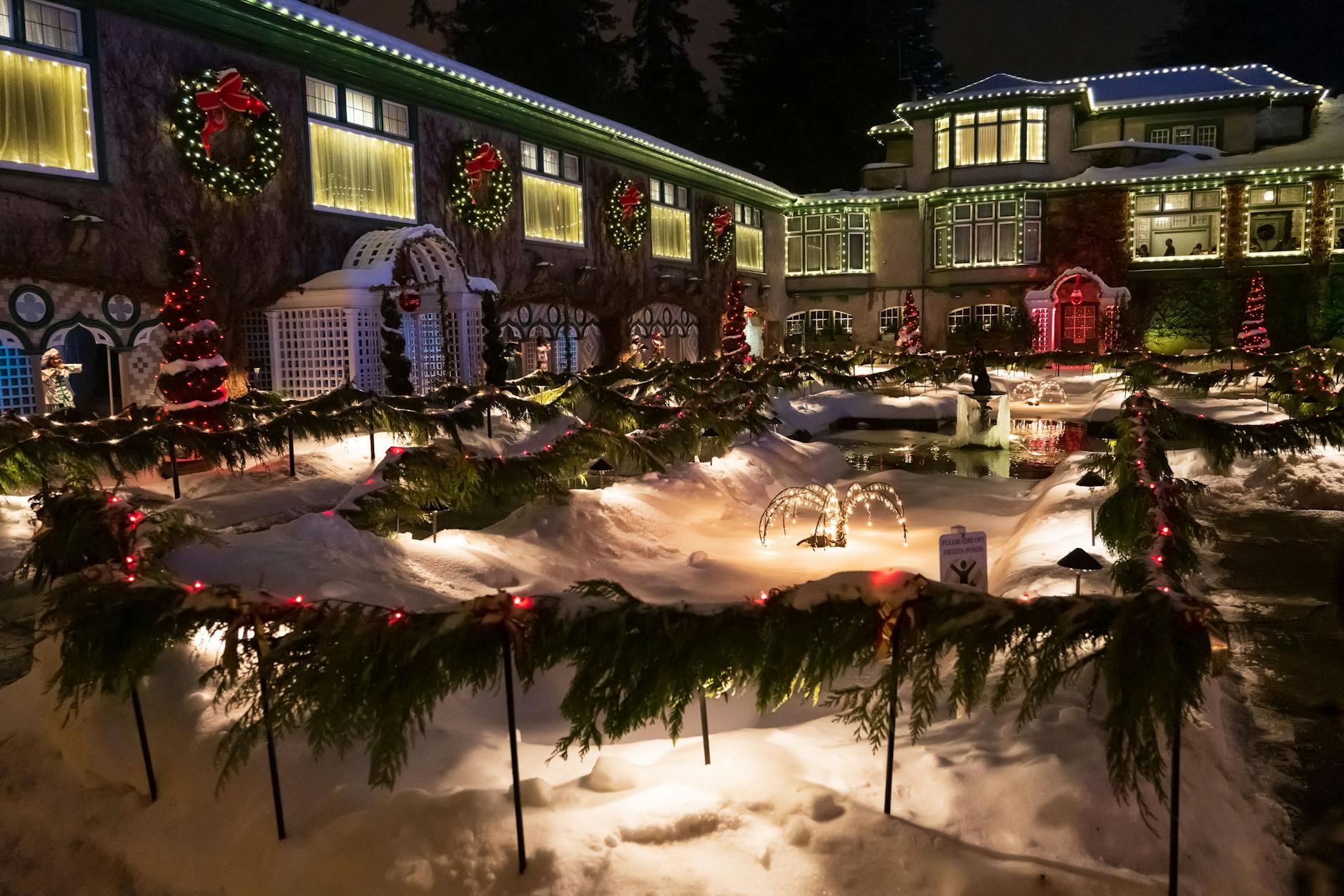
Victoria's weather can make a tourist day feel fresh and atmospheric, or it can expose weak planning. Rain, wind, cool evenings, wet paths, ferry conditions, and shorter winter daylight all affect what is pleasant on foot. A visitor who packs for a mild brochure version of the city may be uncomfortable by dinner.
The itinerary should have weather alternates that are still satisfying. A rainy harbour walk may be fine with the right layers, while a garden-heavy day may need better shoes, a taxi fallback, or an indoor meal placed at the right moment.
- Pack rain layers, comfortable shoes, and evening warmth even in shoulder seasons.
- Place outdoor attractions where daylight and weather make them most valuable.
- Keep indoor meals, tea, shops, galleries, or hotel breaks available as pressure valves.
Budget for a small city that can feel expensive
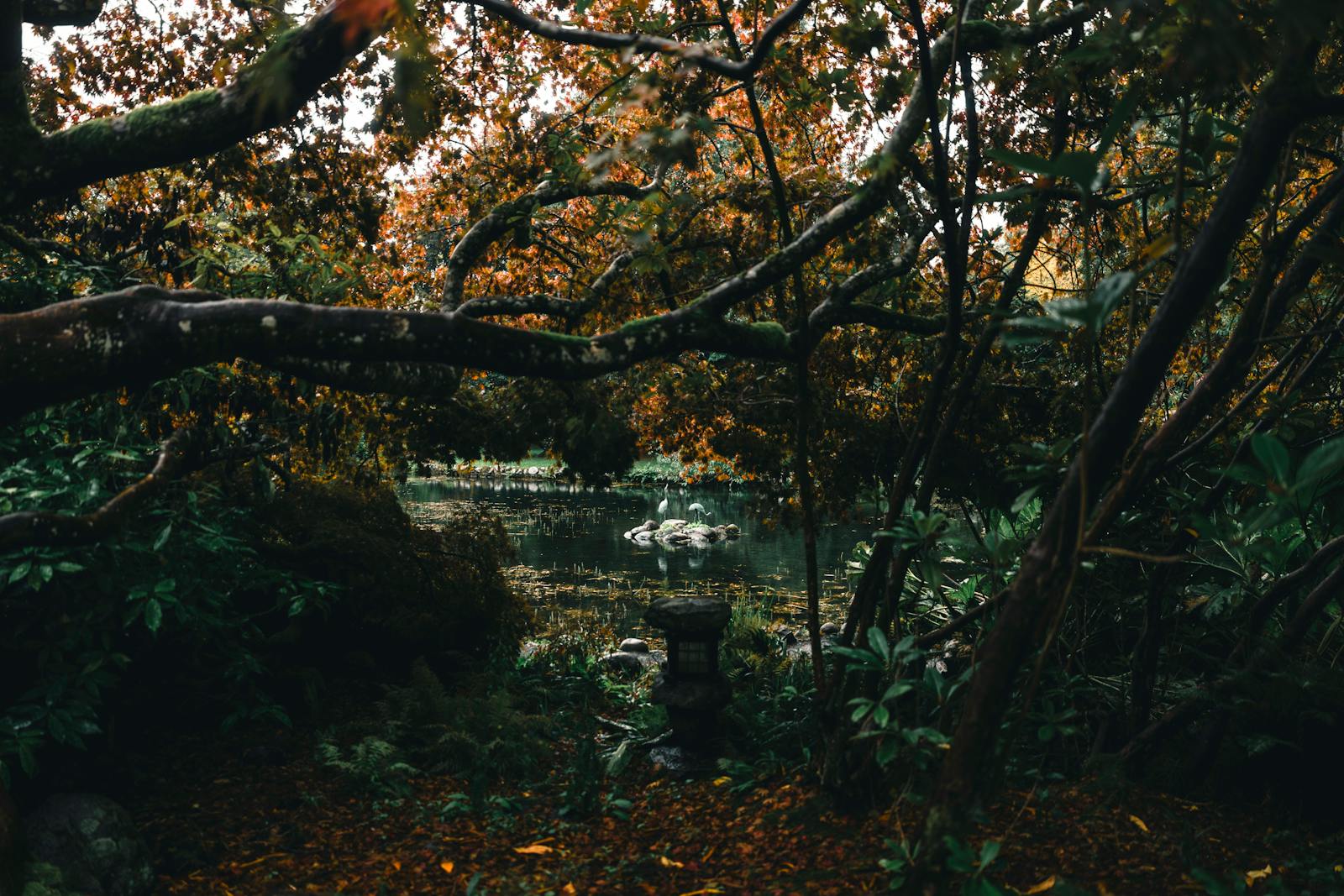
Victoria can feel manageable because distances are shorter than in larger cities, but the total trip cost can still climb. Hotels, ferry or seaplane choices, taxis, garden admission, tours, meals, parking, and peak-season rates can make a short visit more expensive than expected.
A tourist budget should separate what makes the trip worthwhile from what is just drift. Paying for a strong hotel location, a garden visit, a special meal, or a water-based arrival may be justified. Paying repeatedly for taxis because the base is wrong is usually less satisfying.
- Budget hotels, transfers, meals, admissions, tours, taxis, parking, and seasonal rate changes together.
- Spend deliberately on the moments that define the trip.
- Avoid saving on lodging if the savings create repeated transport costs and lost time.
When to order a short-term travel report
A tourist taking a simple central Victoria weekend with flexible expectations may not need a custom report. A report becomes useful when the trip involves ferry or seaplane choices, expensive hotels, garden timing, cruise timing, tight arrival windows, mobility needs, weather sensitivity, a Vancouver connection, or a desire to avoid wasting a short stay.
The report should test access mode, lodging location, day order, transfer risk, attraction pacing, weather alternates, meal placement, budget, mobility, and what to cut. The value is not a longer list of things to do. It is knowing which version of Victoria the traveler can actually enjoy.
- Order when access mode, lodging, gardens, timing, budget, or mobility affects the success of the trip.
- Provide dates, arrival mode, hotel options, interests, walking tolerance, budget, and must-do items.
- Use the report to turn a scenic idea into a workable short-stay plan.