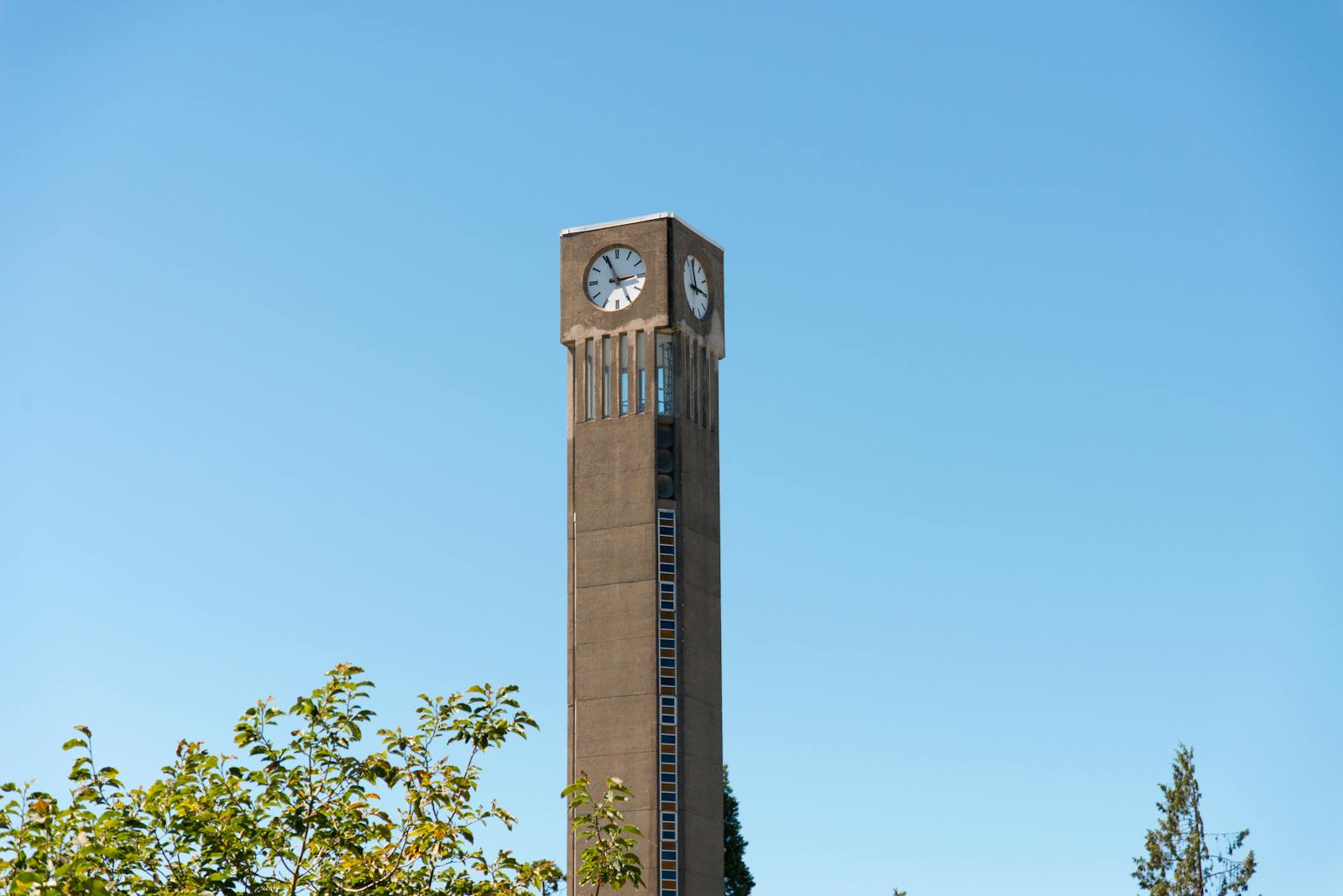
Victoria can be an excellent setting for a short academic, language, public policy, environmental studies, marine, health, hospitality, business, or summer program. The city gives students a strong sense of place through the Inner Harbour, parks, coast, cafes, government context, and nearby campus environments. A student on a short program, though, is not simply a tourist. Classes, attendance rules, housing, commute, budget, documents, health coverage, group supervision, assignments, and social expectations should shape the stay. The best Victoria plan gives the program first claim on time while leaving realistic space for the city.
Confirm the program structure first
The student should understand the program before planning Victoria around it. Class location, attendance rules, start times, field trips, group meetings, assignments, curfews, supervision, and required events determine how much independent time exists. A short program leaves less room for correction than a full semester.
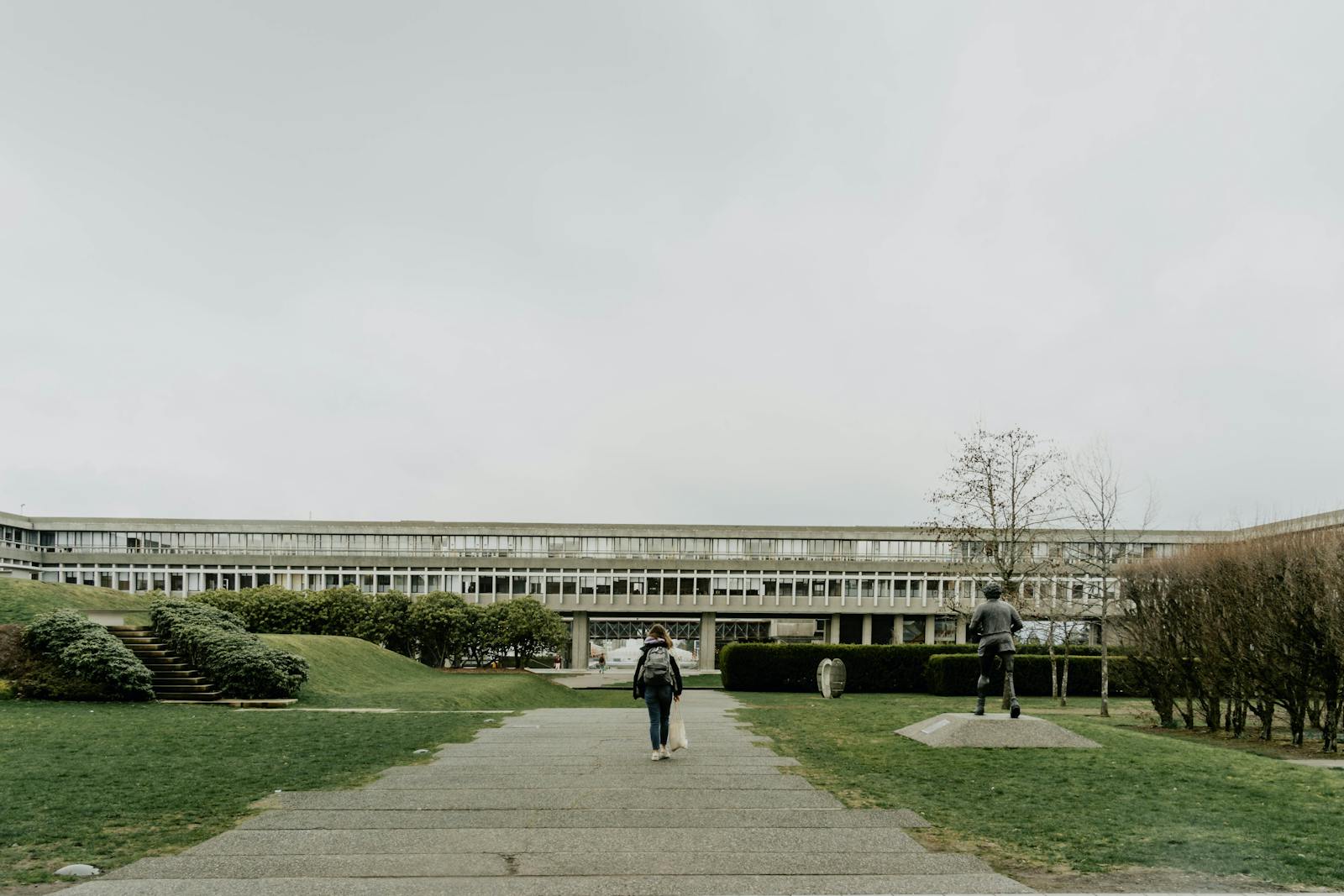
The student should also know whether the program is campus-based, downtown, residential, field-oriented, or split across several sites. Victoria's manageable size helps, but only when the required schedule is clear.
- Confirm class location, attendance rules, start times, field trips, assignments, and required events.
- Identify whether the program is campus, downtown, residential, field-based, or split-site.
- Do not build social or sightseeing plans before the academic schedule is clear.
Evaluate housing, commute, and island access together
Student housing should be judged by the full daily pattern: commute, meals, safety, laundry, Wi-Fi, study space, transit, late returns, and distance from required program sites. A cheaper room can become expensive if it creates long travel days or forces constant paid transport.
Island access also matters. The student may arrive by ferry, airport, seaplane, bus, or a Vancouver connection. Arrival timing should leave enough room for check-in, orientation, groceries, phone setup, and rest before the program begins.
- Compare housing by commute, meals, laundry, Wi-Fi, safety, study space, and transit.
- Plan ferry, airport, bus, or Vancouver connections around orientation and first class.
- Arrive early enough to settle before academic obligations begin.

Build a budget for ordinary Victoria days
A student budget should cover the ordinary days, not just arrival and tuition. Food, transit, laundry, coffee, phone data, books, printing, field-trip items, rain gear, social plans, weekend travel, emergency taxis, and medical needs can add up quickly in Victoria.
The student should decide where to spend intentionally. A few meals, a ferry outing, a museum, or a weekend trip may be worth it. Repeated convenience spending because groceries, transit, or meals were not planned is less satisfying.
- Budget food, transit, laundry, phone data, books, printing, rain gear, social plans, and emergencies.
- Identify grocery and affordable meal options near housing and program sites.
- Reserve money for a few meaningful Victoria experiences rather than daily accidental spending.
Handle documents, health, and program rules early
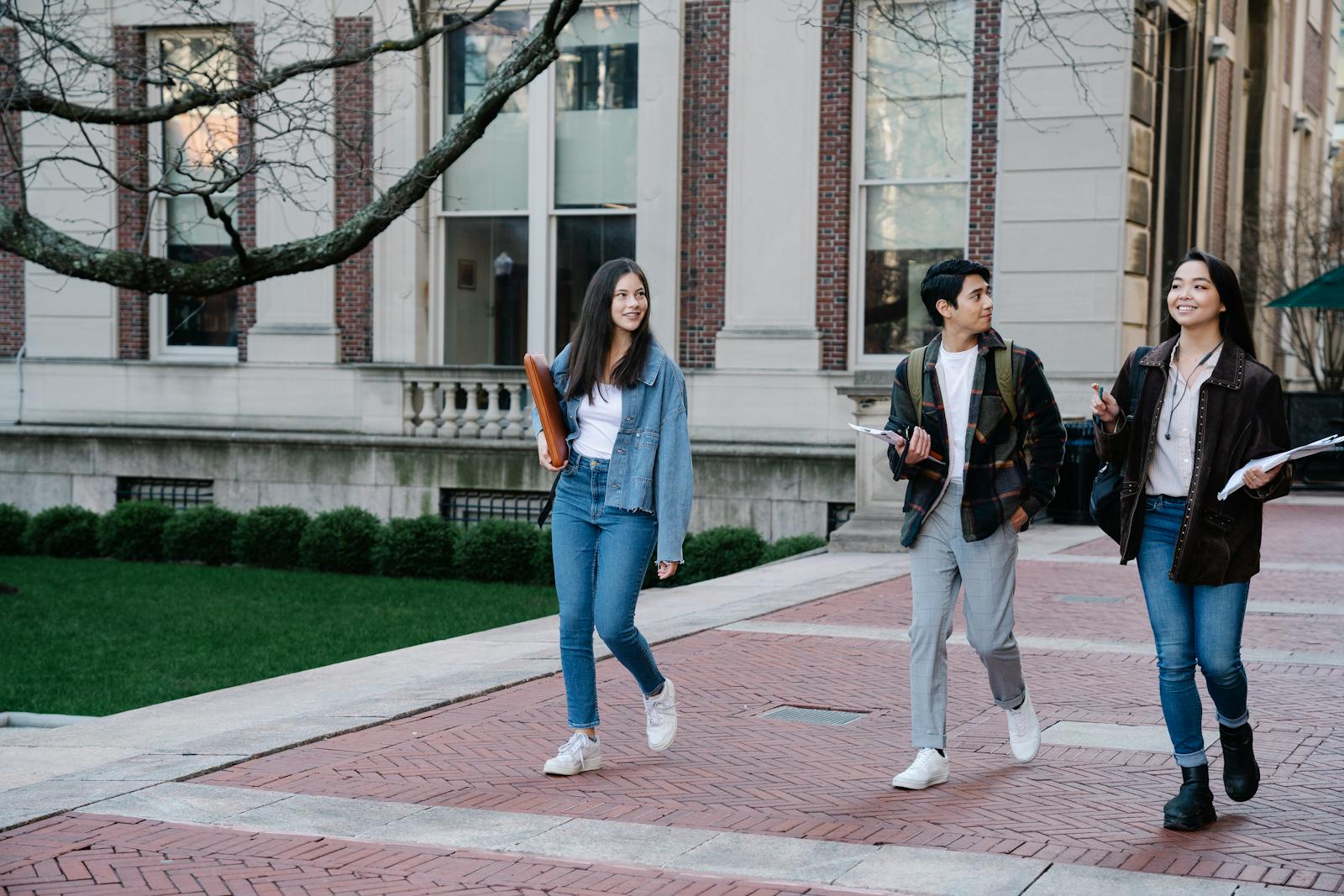
Short programs often have practical requirements that feel minor until they are missing: identification, visa or entry status when relevant, insurance, health forms, emergency contacts, prescriptions, accessibility accommodations, consent forms, payment deadlines, and program conduct rules. These should be settled before travel.
Victoria's health and pharmacy access may be manageable, but a student should not rely on improvising medication, documentation, or support. Parents, sponsors, and program staff should know what the student can handle independently and what needs a backup.
- Confirm ID, entry status, insurance, health forms, prescriptions, emergency contacts, and payment deadlines.
- Request accessibility, dietary, housing, or academic accommodations early.
- Understand conduct, attendance, supervision, and travel rules before making weekend plans.

Separate study time from city time
Victoria can tempt students into treating every free block as exploration time. That may work for a day or two, but short programs often include readings, journals, group projects, presentations, or field notes that need quiet time. A student who waits until the end of the week may lose both study quality and city enjoyment.
The plan should define study blocks, cafe or library options, group-work locations, and quiet evenings. Once those are protected, harbor walks, parks, museums, and meals can fit without becoming academic debt.
- Block time for readings, journals, group work, presentations, and field notes.
- Identify quiet study locations near housing or class.
- Use city time after academic obligations are protected, not before.

Plan social life and weekends carefully
Victoria can offer good student downtime through cafes, waterfront walks, parks, music, restaurants, gardens, beaches, and short regional trips. The student should still plan around safety, weather, transit hours, group expectations, alcohol rules, phone battery, and how to get home after dark.
Weekend travel should be realistic. Vancouver, other island stops, beaches, hikes, or ferry-based outings can be valuable, but they should not create missed assignments, late returns, or exhausted Mondays.
- Check transit, late returns, group rules, weather, phone battery, and safe meeting points.
- Plan weekend trips around assignments, cost, ferry timing, and recovery.
- Keep at least one low-pressure local day in the schedule.

When to order a short-term travel report
A student with program housing, a clear schedule, and strong support may not need a custom Victoria report. A report becomes useful when housing is uncertain, the commute is unclear, the student is new to independent travel, budget is tight, health or accessibility needs exist, ferry or airport timing is complex, or the family wants to understand whether the short program is realistic.
The report should test program location, housing, commute, arrival mode, documents, health coverage, budget, meals, study blocks, social plans, weekend travel, weather, safety, and what to cut. The value is a student stay that supports the program instead of treating Victoria like a vacation with classes attached.
- Order when housing, commute, budget, health, accessibility, arrival timing, or supervision needs testing.
- Provide program details, housing options, dates, arrival mode, budget, student experience level, and constraints.
- Use the report to keep the short program academically and practically coherent.