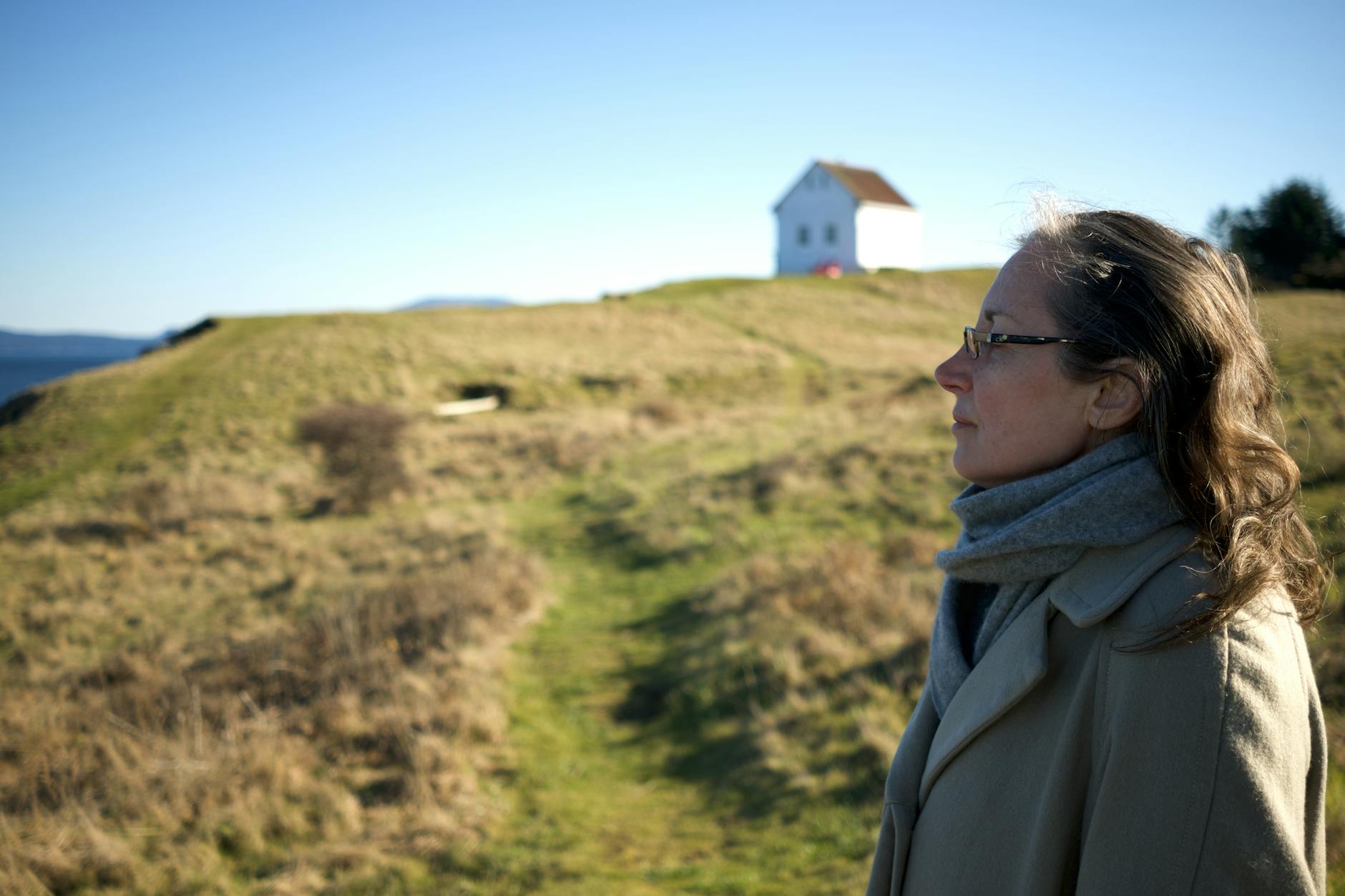
Victoria can be an excellent solo travel city because it has a scenic core, manageable scale, harbor walks, gardens, cafes, museums, coastal routes, and enough structure to feel approachable. It can also feel quiet, weather-sensitive, and expensive if the traveler arrives with only a loose list of pretty places. The solo traveler should design the trip around confidence. Where will they stay, how will they arrive on the island, how will they return at night, what will they do in rain, where will they eat comfortably alone, and how much open time is useful? Those questions matter more than collecting every famous stop.
Choose a solo-friendly base before planning sights
A solo Victoria trip should start with lodging that makes arrival, daytime movement, and evening returns feel easy. The Inner Harbour, downtown, James Bay, or a carefully chosen nearby area may work well if the traveler wants walkability. A cheaper or quieter location may be less useful if it creates uncertain returns after dinner or poor access in rain.
The traveler should check entrance security, front-desk hours, elevator access, nearby food, taxi pickup, transit comfort, and the walk back from likely evening spots. Solo-friendly lodging reduces decision load.
- Choose lodging around arrival, evening returns, nearby meals, and weather-safe walking.
- Check front-desk hours, entrance security, elevator access, and taxi pickup.
- Do not save money with a base that makes solo movement feel uncertain.
Use island arrival with fewer moving parts
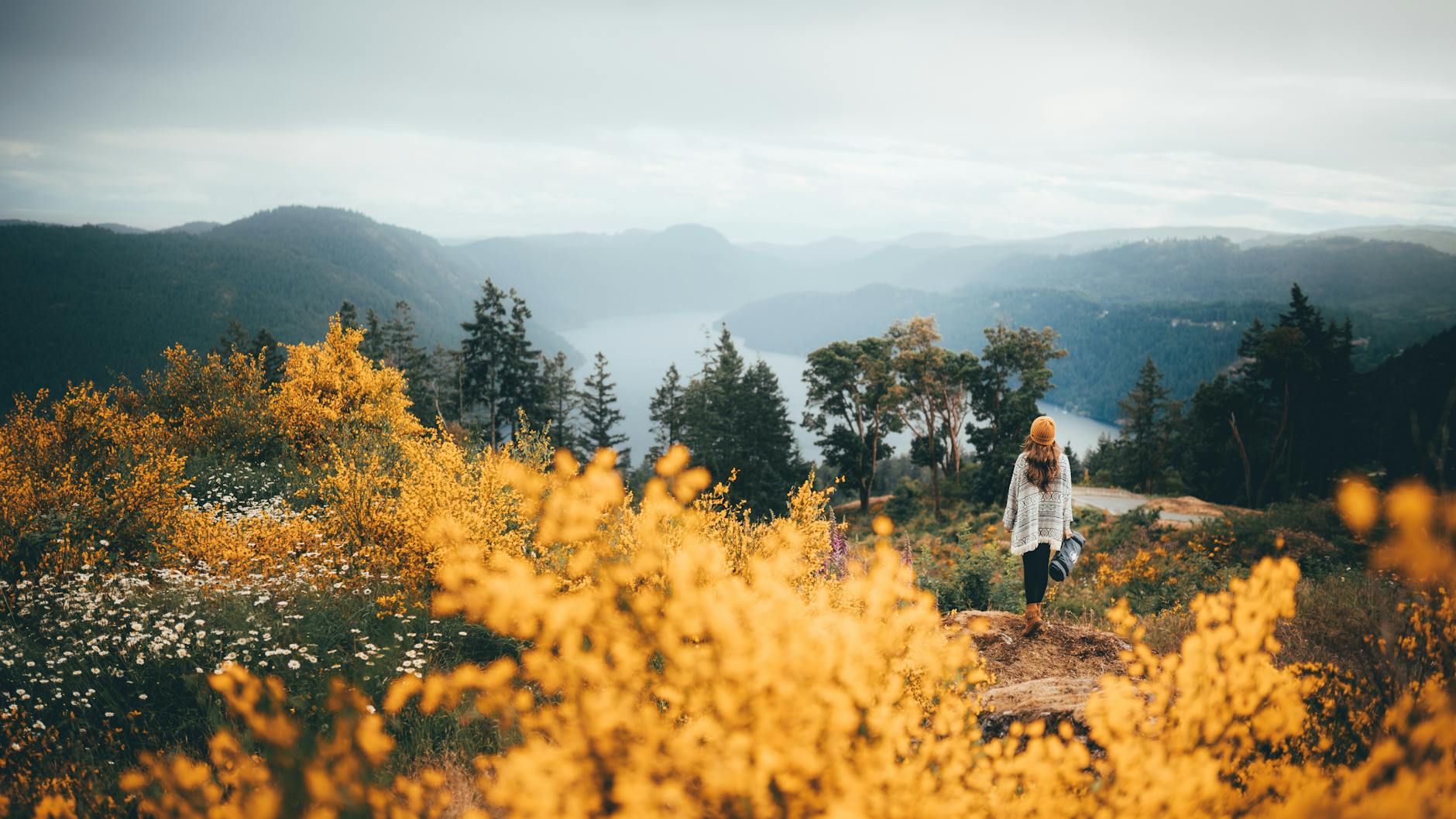
Solo travelers should choose the ferry, airport, seaplane, or Vancouver connection by confidence and simplicity, not only by price. Luggage, late arrival, weather, terminal transfers, darkness, and phone battery can affect how comfortable the first hour feels. The arrival plan should be clear before departure.
A scenic ferry or seaplane can be part of the pleasure of the trip. It should still connect cleanly to lodging, food, and rest. The traveler should know the backup if a sailing, flight, or pickup changes.
- Compare airport, ferry, seaplane, and Vancouver connection options by simplicity and confidence.
- Keep luggage, phone battery, late arrival, and ground transfer details under control.
- Know the backup before a weather or schedule change creates pressure.
Plan waterfront and coastal time with return discipline
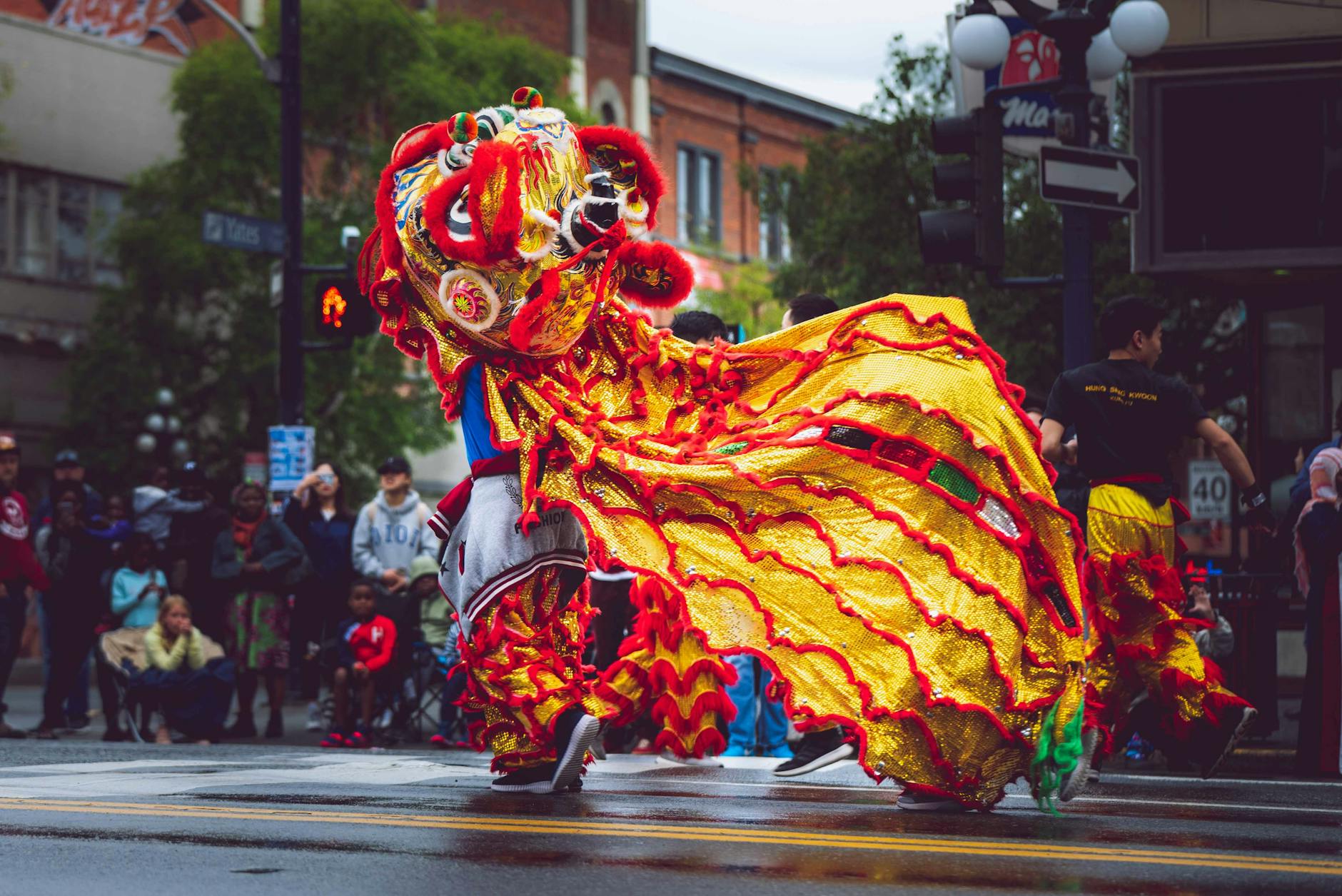
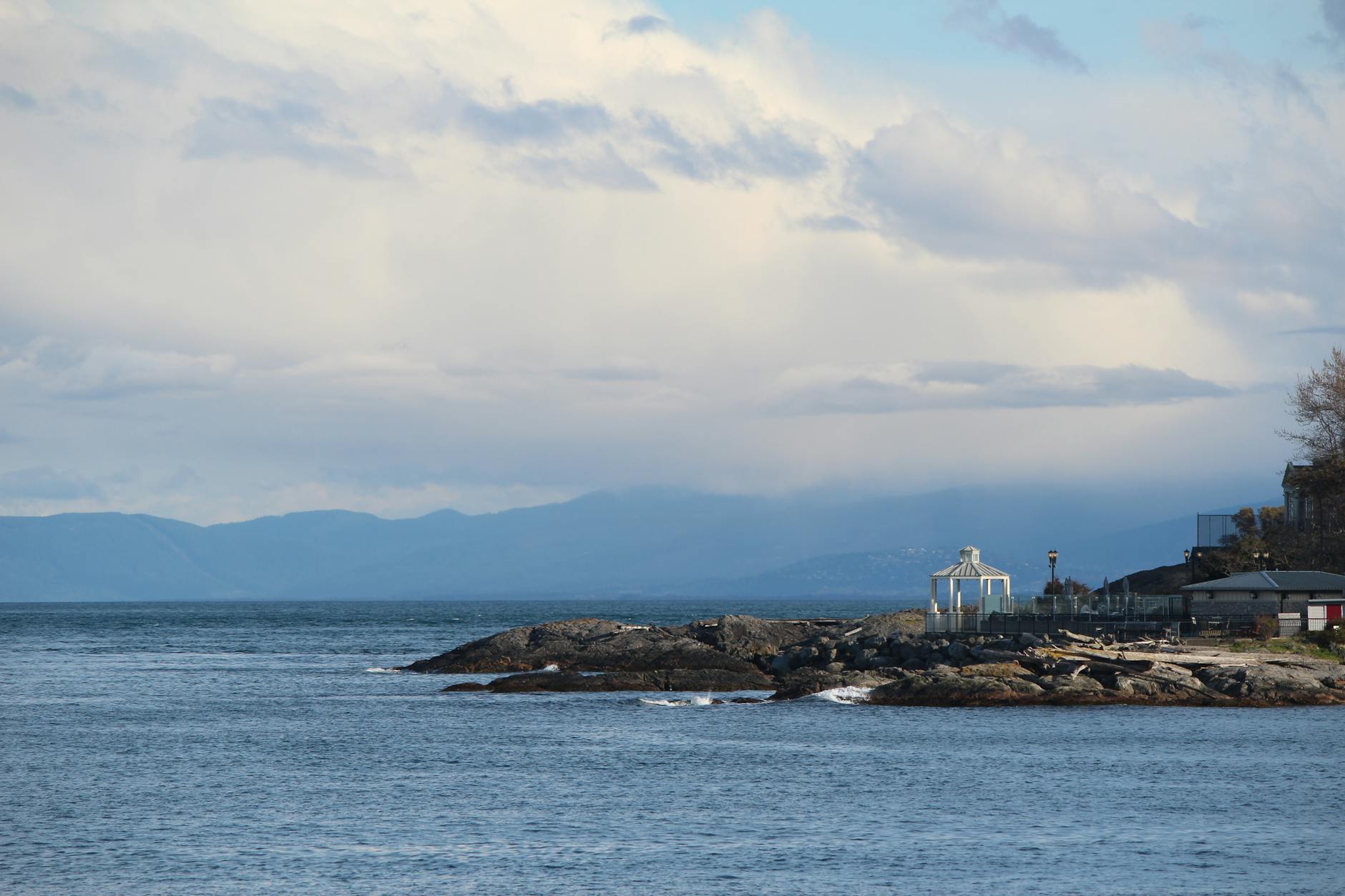
Victoria's harbor, coastal paths, parks, and viewpoints are strong solo experiences, but the traveler should plan return routes with the same care as the outward walk. Weather, light, uneven surfaces, sparse evening foot traffic, or a longer-than-expected route can change the mood of a solo outing.
The safest plan is not necessarily timid. It is structured. The traveler can enjoy Dallas Road, Beacon Hill Park, the Inner Harbour, Fisherman's Wharf, gardens, and coastal views while keeping phone power, route knowledge, taxi options, and timing visible.
- Plan both the outward route and the return before starting a long walk.
- Account for rain, wind, daylight, uneven paths, and quieter evening areas.
- Keep taxi, transit, or hotel-return options available when the route stretches.
Budget for single-person costs
Victoria can become costly for one traveler. Solo hotel rooms, taxis, ferries, tours, garden excursions, restaurant reservations, and peak-season pricing may not split well. The traveler should decide when convenience is worth paying for and where a simpler choice is enough.
A solo budget should protect confidence. A better-located hotel, taxi after dinner, or direct transfer may be worth more than an extra attraction. At the same time, a solo traveler can control costs through cafes, casual meals, walkable routes, and fewer paid experiences.
- Budget for single-room lodging, transfers, meals, garden access, tours, and taxis.
- Spend on location and safe returns before optional extras.
- Use cafes, casual meals, walking routes, and selective paid experiences to avoid drift.
Plan meals and social energy deliberately
Solo meals can be easy in Victoria if the traveler thinks ahead. Cafes, bakeries, hotel breakfast, casual seafood, Chinatown stops, bar seating, harbor restaurants, and takeaway all serve different moods. The problem usually comes when hunger, rain, and decision fatigue arrive together.
The solo traveler should also decide how much social contact they want. A guided garden visit, food tour, whale-watching trip, class, museum talk, or casual bar seat can add structure. A quiet cafe or room-service night can be just as useful after a long travel day.
- Identify a few solo-comfortable cafes, casual meals, and dinner options before arrival.
- Use guided experiences or tours when structure and light social contact would help.
- Leave room for quiet meals when the trip needs recovery rather than conversation.
Keep phone, documents, and day trips simple
Solo travelers should keep the operational layer simple: charged phone, offline map, payment backup, hotel address, emergency contacts, ferry or flight details, and document storage. Victoria is approachable, but a solo traveler has less margin if the phone dies, weather changes, or a transfer becomes confusing.
Day trips should be chosen carefully. Gardens, coast, ferries, whale watching, and regional routes can be rewarding, but they add timing, transport, and weather complexity. The traveler should know exactly how they return.
- Carry phone power, offline maps, payment backup, hotel details, and emergency contacts.
- Keep passport, cards, and travel documents controlled during ferry, tour, and cafe stops.
- Choose day trips only when the return path is clear and weather-resistant.
When to order a short-term travel report
A confident solo traveler with flexible dates and a central hotel may not need a custom Victoria report. A report becomes useful when the trip is short, arrival is late, weather may be difficult, lodging choices are uncertain, the traveler wants gardens or day trips, single-person costs are high, or evening-return confidence matters.
The report should test lodging location, arrival mode, first-night route, waterfront and coastal plans, meals, weather alternates, single-person budget, phone and document discipline, medical fallback, day-trip timing, and what to cut. The value is a solo Victoria trip that feels calm and intentional.
- Order when lodging, arrival, weather, evening returns, budget, or day trips need testing.
- Provide dates, arrival details, hotel options, solo comfort level, interests, budget, and constraints.
- Use the report to make the solo trip structured without making it rigid.