A second or third trip to Victoria can be better than the first because the visitor no longer has to prove they have seen the obvious version of the city. The Inner Harbour, Parliament views, old streets, gardens, and water approaches can still matter, but the return trip should have a sharper purpose. Repeat leisure travel fails when familiarity becomes autopilot. The traveler books the same zone, walks the same loop, eats near the same landmarks, and leaves feeling that Victoria was pleasant but thin. A stronger return trip chooses a different rhythm on purpose.
Define what the return trip is for
The first question is not where to stay; it is why return now. The repeat visitor may want a slower waterfront weekend, a garden season, a food-focused stay, an Oak Bay or James Bay rhythm, a coastal walking trip, a ferry-and-island pause, or a comfortable base for nearby exploration. Each answer changes the plan.
A repeat trip should have one or two deliberate differences from the previous visit. Without that discipline, the itinerary tends to refill with the same harbour loop and the same convenient restaurants, even when the traveler wanted something more local.
- Name the purpose of the return before booking flights, ferries, or hotels.
- Choose one or two deliberate differences from the prior trip.
- Do not let familiarity recreate the first itinerary by default.
Change the lodging logic if the rhythm changes
A repeat visitor may not need to stay in the most obvious tourist location again. Inner Harbour convenience is still useful, but Oak Bay, James Bay, downtown edges, or a quieter property may better support walking, dining, rest, or coastal time. The right answer depends on how the visitor plans to spend mornings and evenings.
The tradeoff should be explicit. Moving away from the main harbour can create a richer local feel, but it can also increase taxi use, reduce late-night convenience, or complicate day tours. A return trip should choose those tradeoffs knowingly.
- Stay central again only if central convenience still supports the trip purpose.
- Consider quieter areas when mornings, walks, restaurants, or rest matter more than landmarks.
- Check transit, taxi, parking, and evening return plans before choosing a less obvious base.
Use the harbor without letting it consume the trip
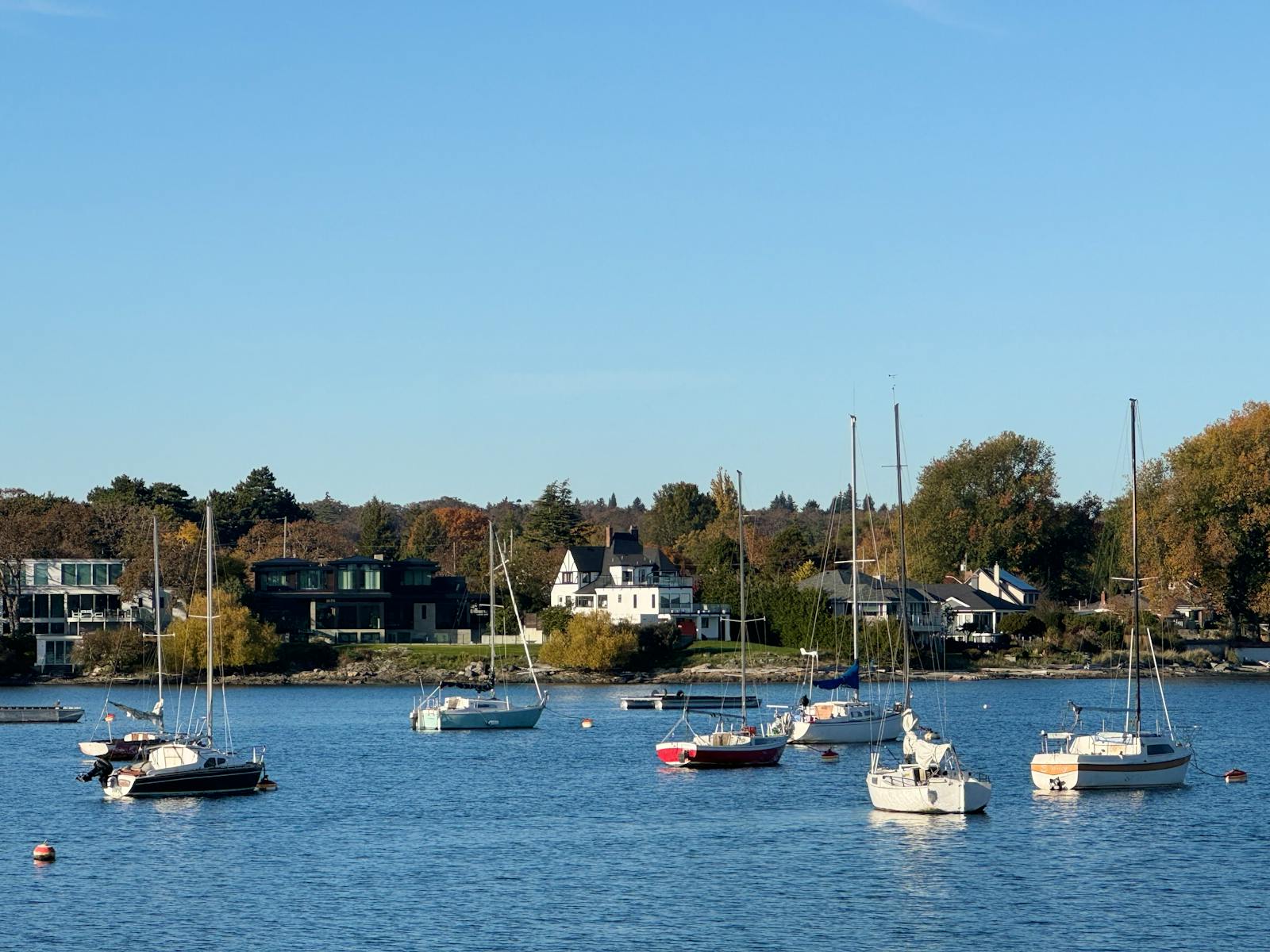
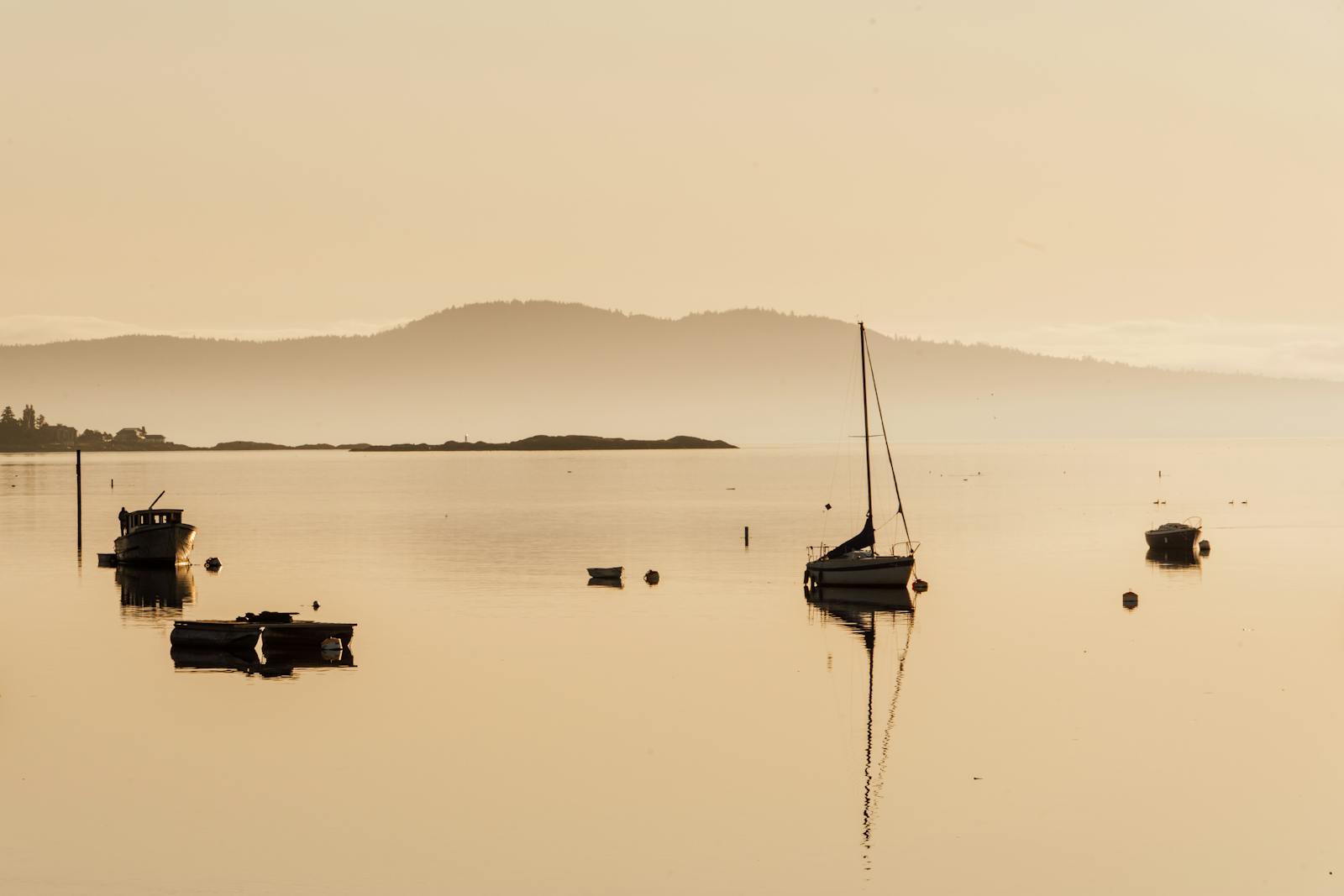
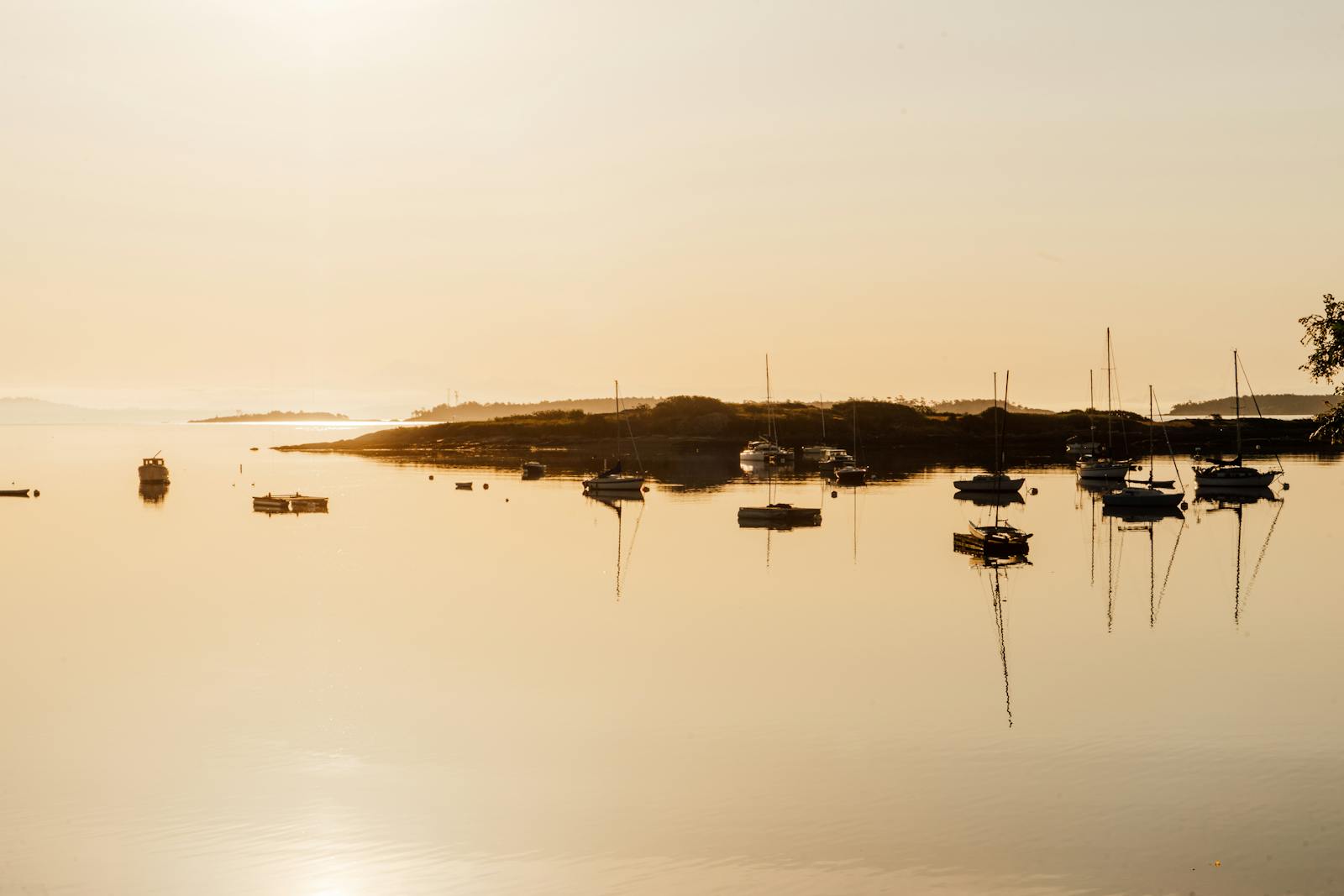
The harbour is still one of Victoria's great assets, even for someone who has already seen it. The repeat visitor can use it differently: an early walk, a sunset return, a quiet bench, a water arrival, a meal with a view, or a low-pressure transition between neighborhoods.
What the harbor should not become is the entire itinerary again. If every day circles back to the same central view, the traveler may miss the local texture that made returning worthwhile.
- Keep the harbour as a daily anchor only if it adds value rather than repetition.
- Use different times of day to make familiar views feel fresh.
- Pair central waterfront time with neighborhoods, parks, or meals outside the obvious loop.
Go deeper on neighborhoods, gardens, and shorelines
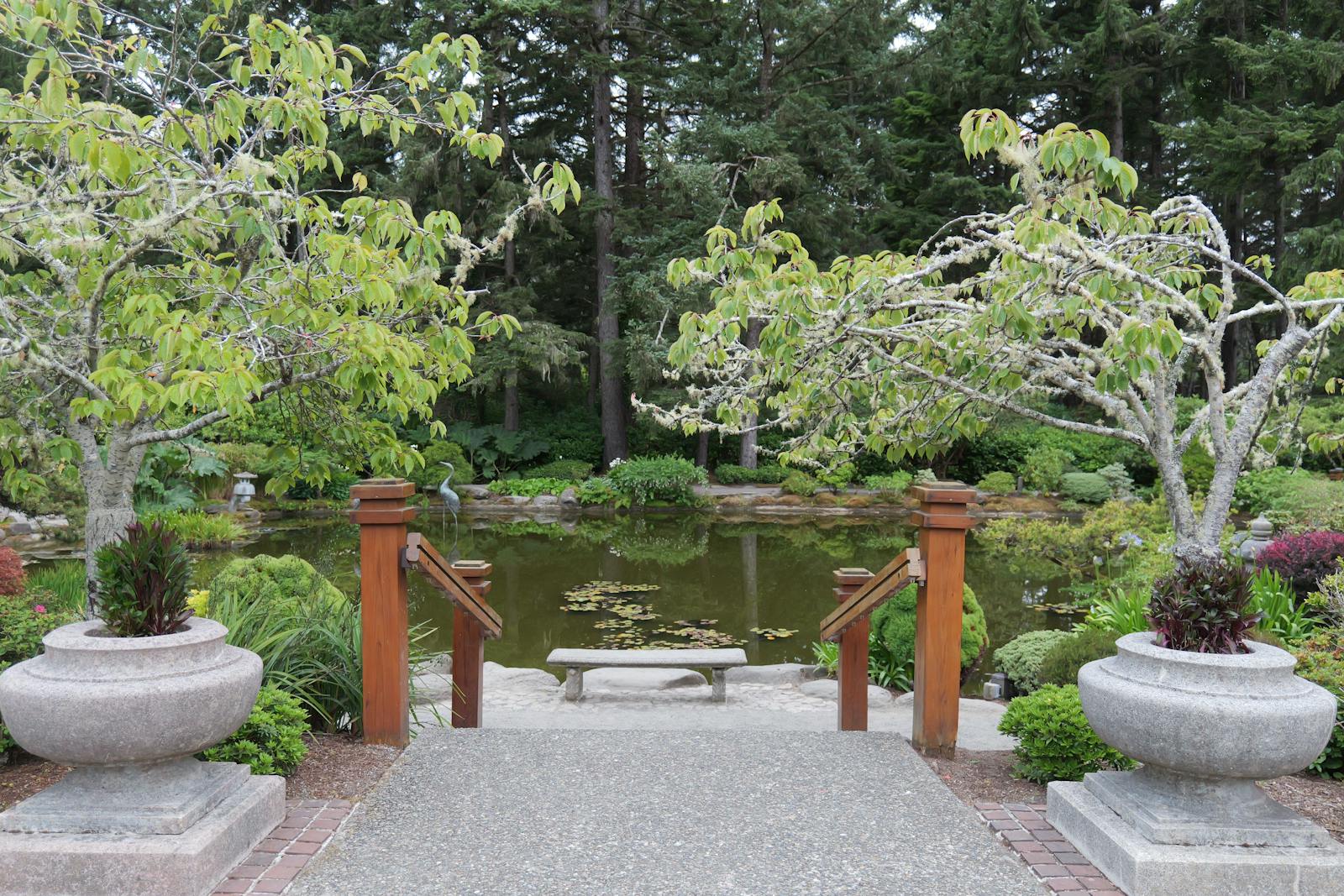
Repeat visitors have permission to slow down. Oak Bay, Dallas Road, Beacon Hill Park, garden visits, residential streets, small cafes, bookshops, markets, and shoreline walks can be more satisfying than another rapid pass through the best-known stops. The point is not to avoid landmarks; it is to use the extra familiarity to see Victoria with more patience.
This also means refusing false efficiency. A slow garden visit, a long coastal walk, or a neighborhood lunch may be the main event of a return day. It does not need to be justified by piling on three more activities.
- Choose neighborhoods and shorelines that match the desired pace.
- Let one garden, walk, or local lunch carry a full block of the day.
- Avoid adding attractions just because the map makes them look close.
Let season change the trip, not just the packing list
Victoria can feel very different by season. Gardens, daylight, rain, cruise activity, hotel rates, restaurant availability, ferry demand, and shoreline comfort all shift the value of each plan. A repeat visitor should use the season as a design tool rather than assuming the last visit's timing will translate.
Spring flowers, summer demand, autumn light, and winter quiet can each produce a valid return trip. The itinerary should lean into the chosen season instead of fighting it.
- Plan daylight, gardens, ferries, dinners, and outdoor time around the actual season.
- Use quieter periods for slower stays and peak periods for reservations and tighter logistics.
- Pack and schedule for coastal rain, wind, and cool evenings.

Do not underestimate familiar logistics
Repeat visitors sometimes cut too much margin because Victoria feels known. But ferries, airport transfers, seaplanes, hotel changes, weather, event crowds, cruise traffic, restaurant timing, and luggage still need attention. Confidence is useful only when it is attached to a real plan.
The return trip should also account for companions. A route that felt easy alone may not work with older relatives, children, mobility constraints, heavier luggage, or a partner who has never been to Victoria.
- Recheck ferry, airport, seaplane, hotel, and restaurant timing instead of relying on memory.
- Adjust the plan for companions who do not share the same familiarity.
- Keep weather and transport alternates visible even on a relaxed return trip.
When to order a short-term travel report
A repeat visitor who wants a casual version of a familiar weekend may not need a custom report. A report becomes useful when the goal is to make the return meaningfully different, compare neighborhoods, manage ferry or air choices, add gardens or shorelines, host companions, control spending, or avoid repeating an itinerary that felt too thin last time.
The report should test what changed since the last trip: base location, day rhythm, access mode, seasonal fit, restaurant and activity choices, weather alternates, mobility, budget, and what to skip. The value is a return to Victoria that has its own reason to exist.
- Order when the return trip needs a new rhythm, better base, or tighter logistics.
- Provide prior-visit details, dates, arrival mode, hotel options, interests, budget, and constraints.
- Use the report to avoid paying for a repeat of the same trip.