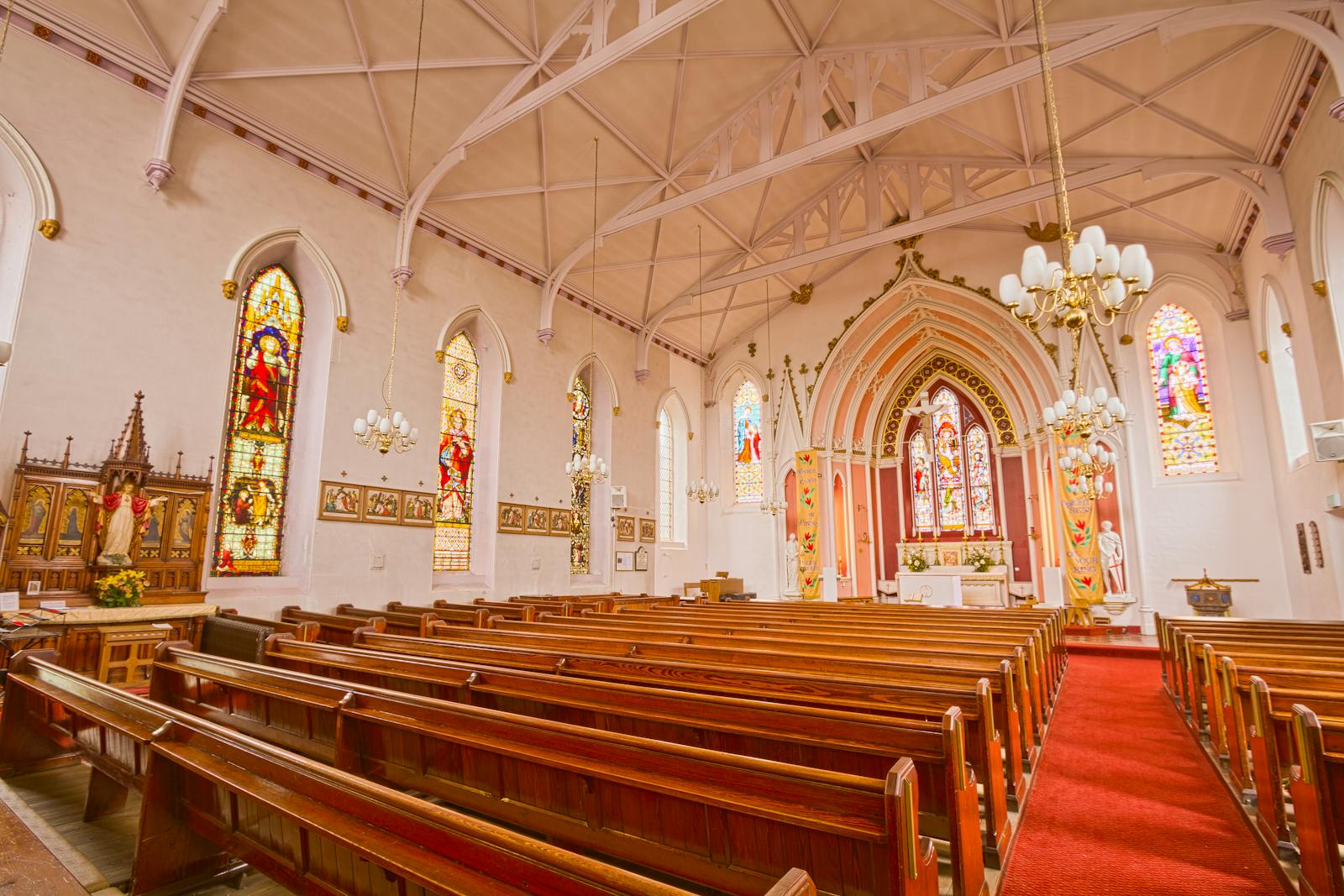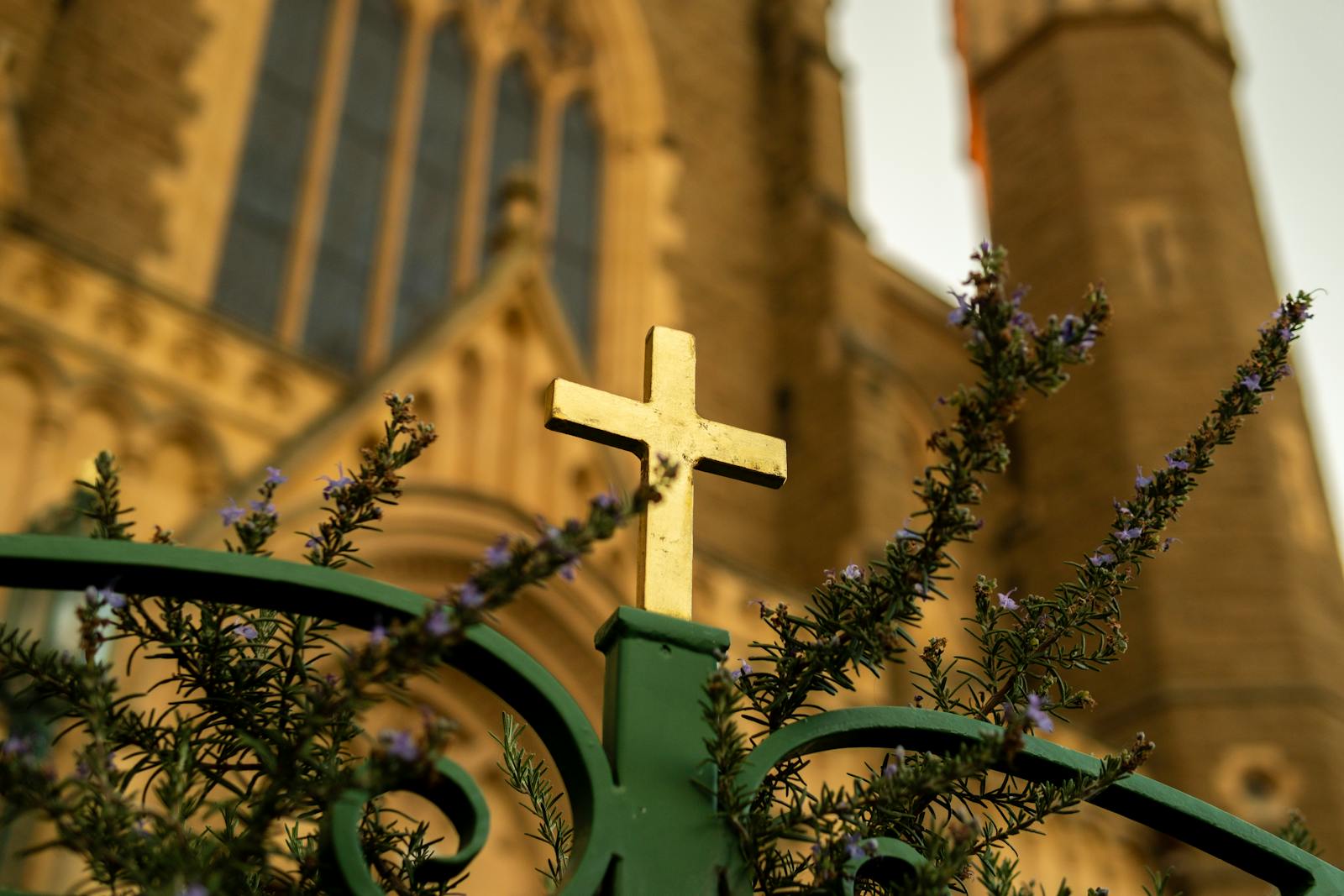
Victoria can support a quiet and meaningful religious trip, but it does not function like a major pilgrimage city with one obvious devotional route. The city has cathedrals, parish churches, synagogues, temples, chapels, cemeteries, retreat-like coastal spaces, university and interfaith context, and historic buildings that sit close to ordinary visitor routes. That closeness can make sacred time too easy to dilute. A religious or pilgrimage traveler should decide whether the trip is for worship, personal reflection, sacred architecture, family devotion, faith-community connection, retreat time, or heritage learning. The itinerary should protect that purpose before adding harbor walks, gardens, restaurants, or general sightseeing.
Define the spiritual purpose before the itinerary
A Victoria religious trip should begin with purpose. A traveler attending a service, visiting a cathedral, joining a faith community, studying sacred architecture, traveling with family, honoring a memorial, or seeking quiet retreat time will use the city differently. The purpose should be named before the traveler starts adding gardens, restaurants, and harbor views.
Without that discipline, sacred stops become scenic pauses inside a leisure trip. A stronger plan protects the worship, reflection, or heritage priority and lets the rest of Victoria support it.
- Clarify whether the trip is worship, reflection, heritage, family devotion, retreat, or community connection.
- Identify the one or two sacred anchors that should not be crowded out.
- Keep secondary sightseeing optional until the spiritual purpose is protected.
Check service times and site access early
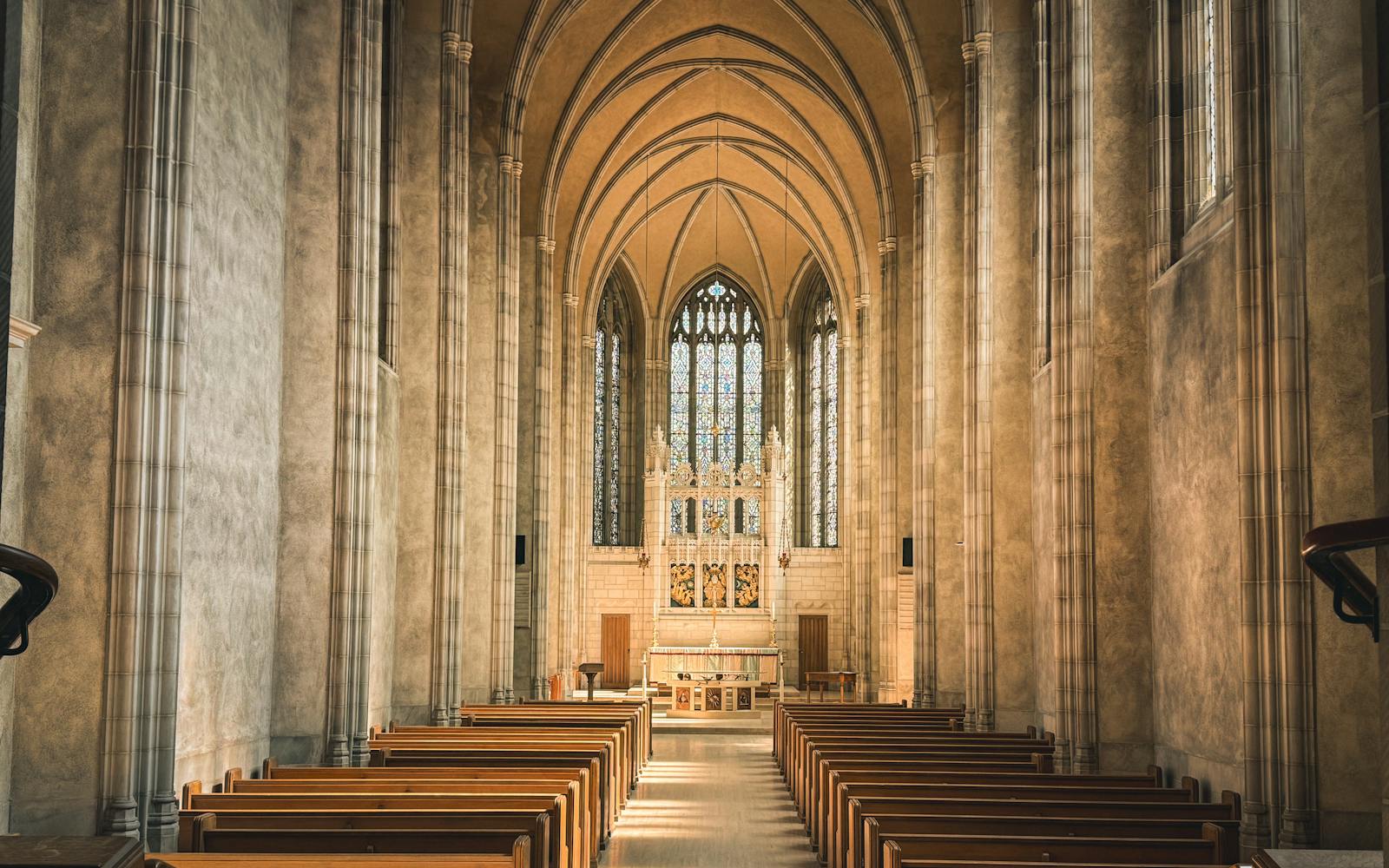
Victoria's sacred sites may have service schedules, visiting hours, office hours, event use, restoration work, security rules, group requirements, and different access for worship versus tourism. A traveler should not assume that a church, chapel, synagogue, temple, cemetery, or retreat space is open because it appears on a map.
This matters even more for travelers with a particular tradition, service language, clergy contact, confession need, dietary rule, or Sabbath or holy-day requirement. Access should be confirmed close to travel, not guessed from old listings.
- Confirm services, visiting hours, closures, event use, group rules, and worship access.
- Check language, clergy contact, dietary, Sabbath, holy-day, or accessibility needs early.
- Separate sacred commitments from casual heritage stops in the schedule.
Separate worship, heritage, and quiet time
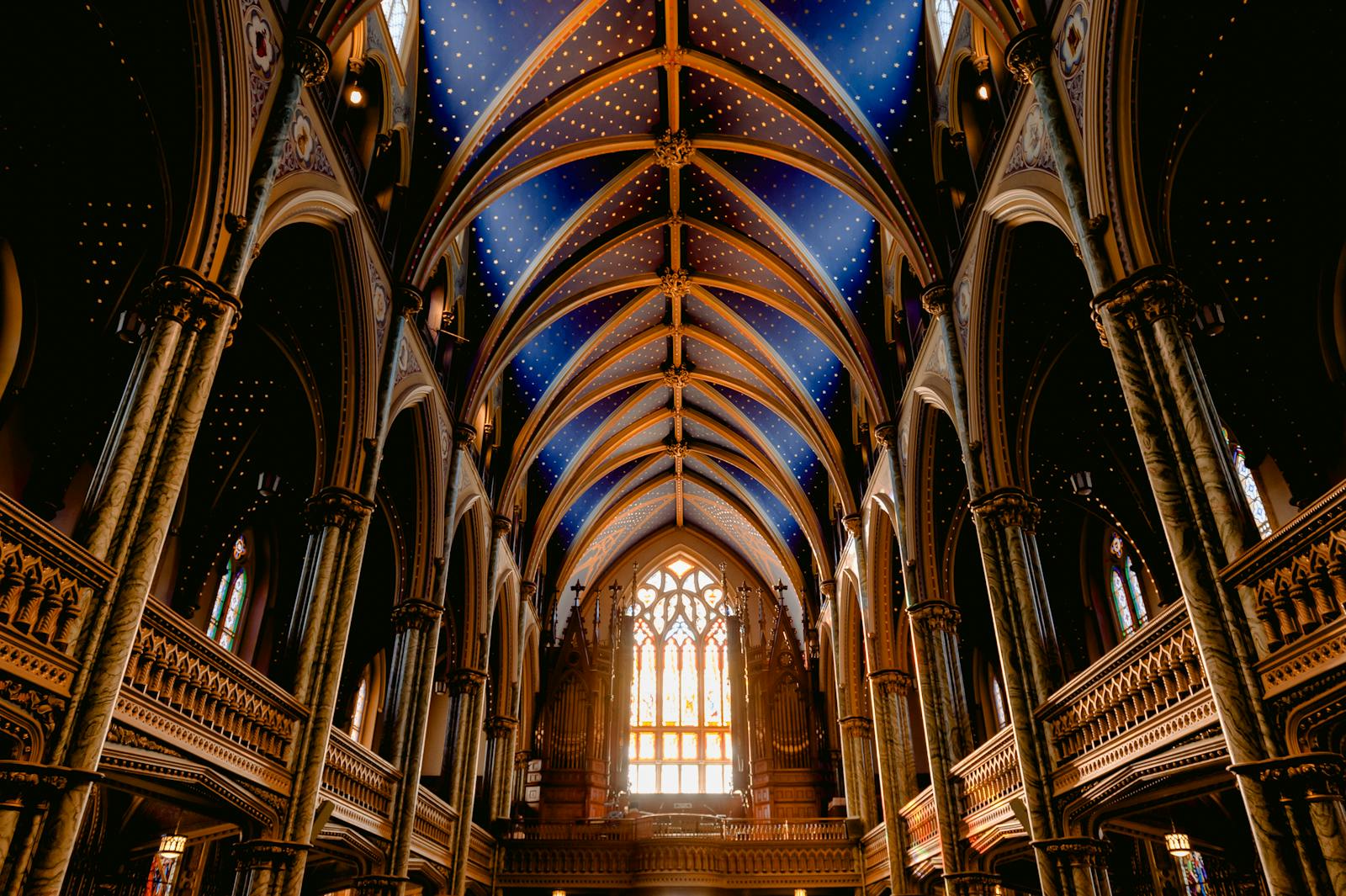
Victoria's scale can tempt travelers to stack sacred spaces, heritage buildings, cafes, museums, gardens, and waterfront walks into one continuous day. That may be efficient, but it can weaken the religious purpose. Worship, heritage learning, and quiet reflection each deserve different pacing.
A simple structure often works better: one service or sacred visit, a meal or rest block, one heritage or community stop, and a quieter evening. The point is not to make the trip severe. It is to keep the spiritual thread from disappearing into ordinary tourism.
- Give worship, prayer, heritage learning, and quiet reflection their own time blocks.
- Use gardens, meals, walks, and museums around the sacred purpose rather than in competition with it.
- Avoid making a short religious trip into a dense checklist.
Plan conduct, dress, and photography in advance
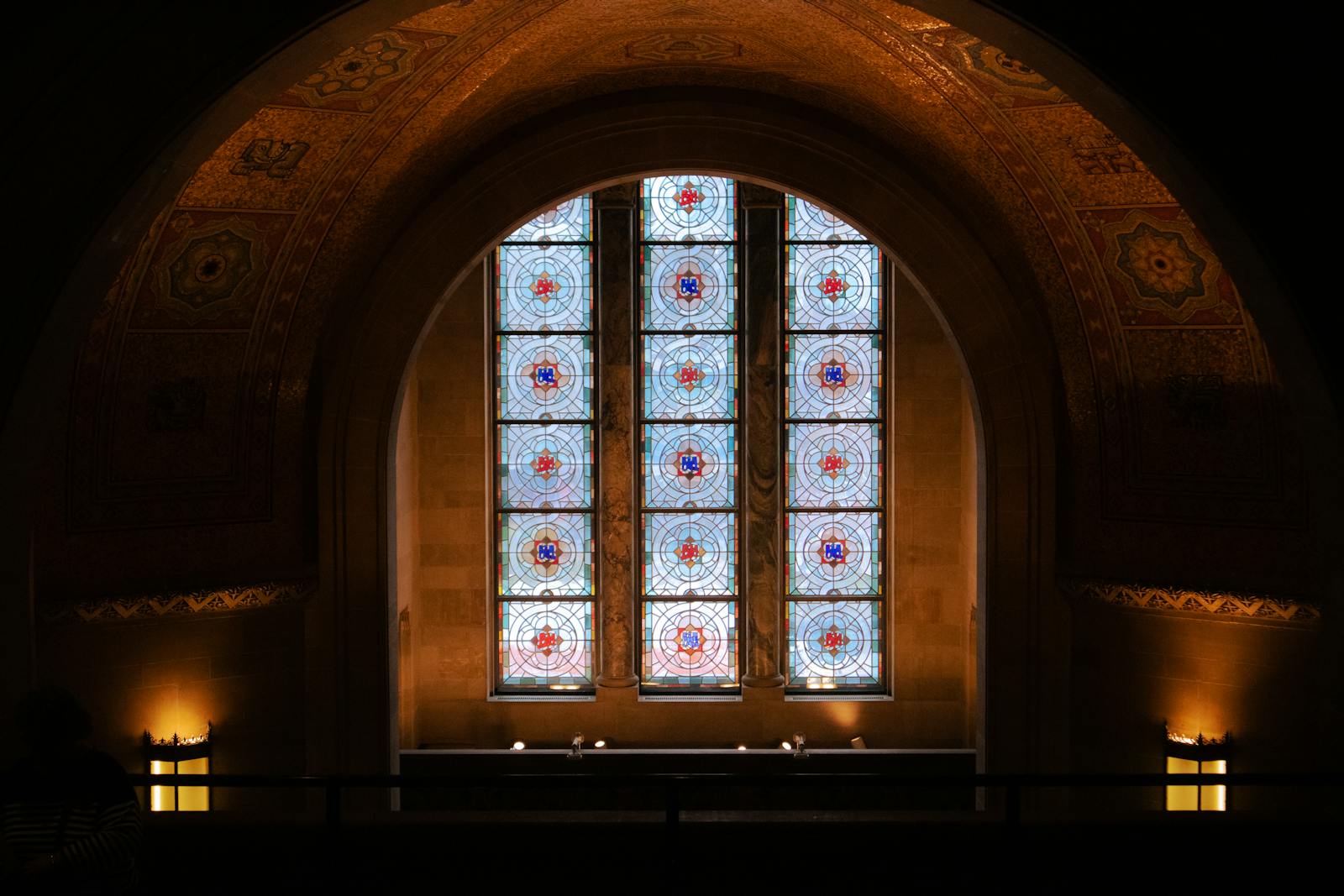
Victoria is relaxed in tone, but sacred spaces still deserve deliberate conduct. Dress, silence, phone use, photography, candles, donations, group movement, food, and behavior during services should be handled before arrival. A site may be visitor-friendly while still asking for restraint.
The traveler should also decide what not to document. Worshippers, private prayer, memorials, Indigenous or community contexts, and smaller faith gatherings should not become content simply because the traveler has a camera.
- Check dress, silence, phone, photography, donation, candle, food, and group conduct expectations.
- Use extra restraint around worshippers, memorials, private devotion, and small faith communities.
- Ask before photographing people, ceremonies, restricted areas, or community settings.
Respect heritage, Indigenous context, and community meaning
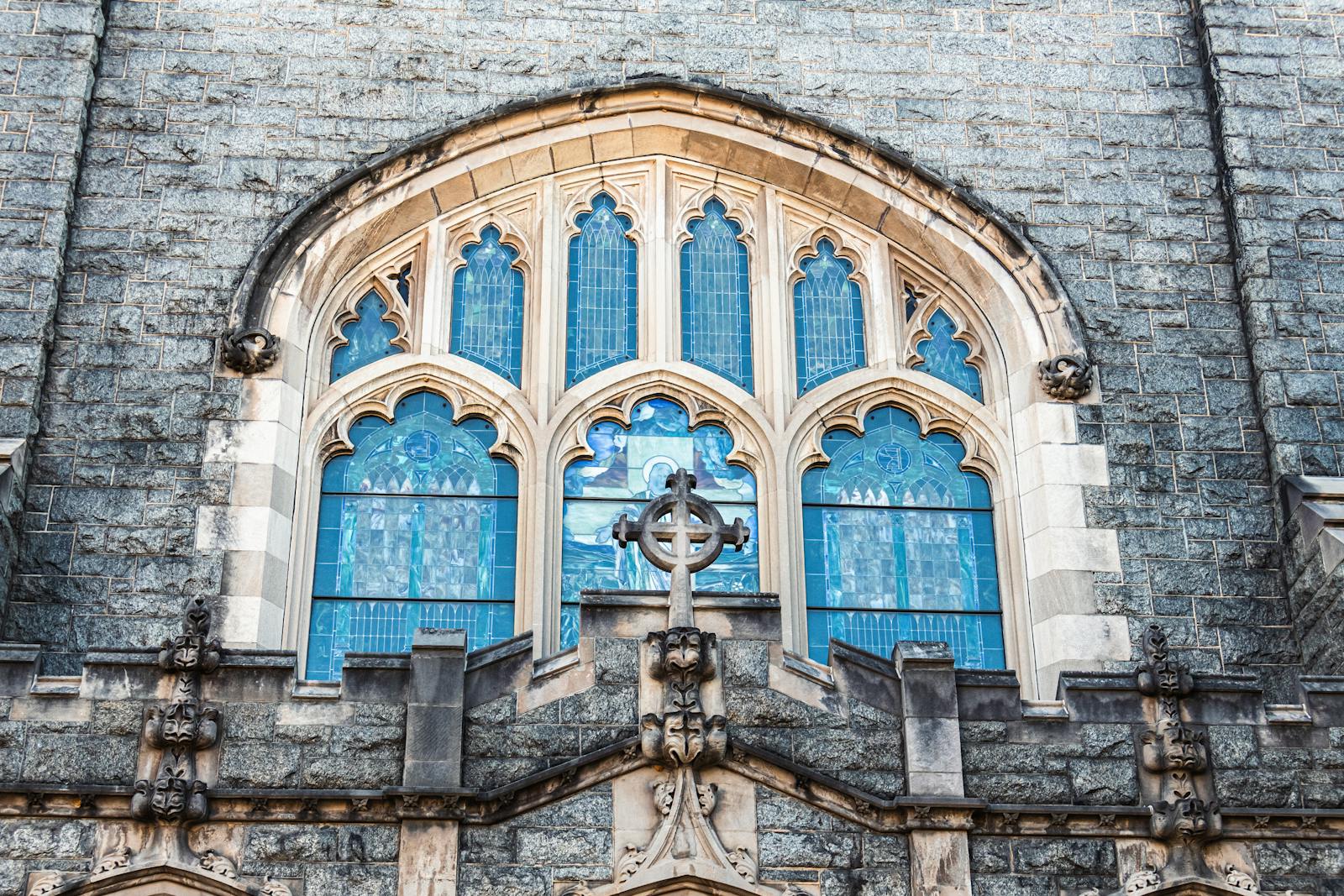
Religious and heritage travel in Victoria sits inside a wider local context. Historic churches, cemeteries, missions, schools, Indigenous presence, colonial history, immigration, and contemporary faith communities can carry meaning that is not visible in architecture alone. A traveler should avoid treating sacred heritage as decoration.
The better plan uses preparation, guided interpretation where appropriate, and enough time after complex sites to think. When the itinerary touches Indigenous, colonial, or community history, humility matters more than collecting another stop.
- Treat churches, cemeteries, missions, community sites, and Indigenous context as more than scenery.
- Use preparation or guided context when religious heritage is central to the trip.
- Leave reflection time after sites with layered cultural or historical meaning.
Account for mobility, weather, and island timing
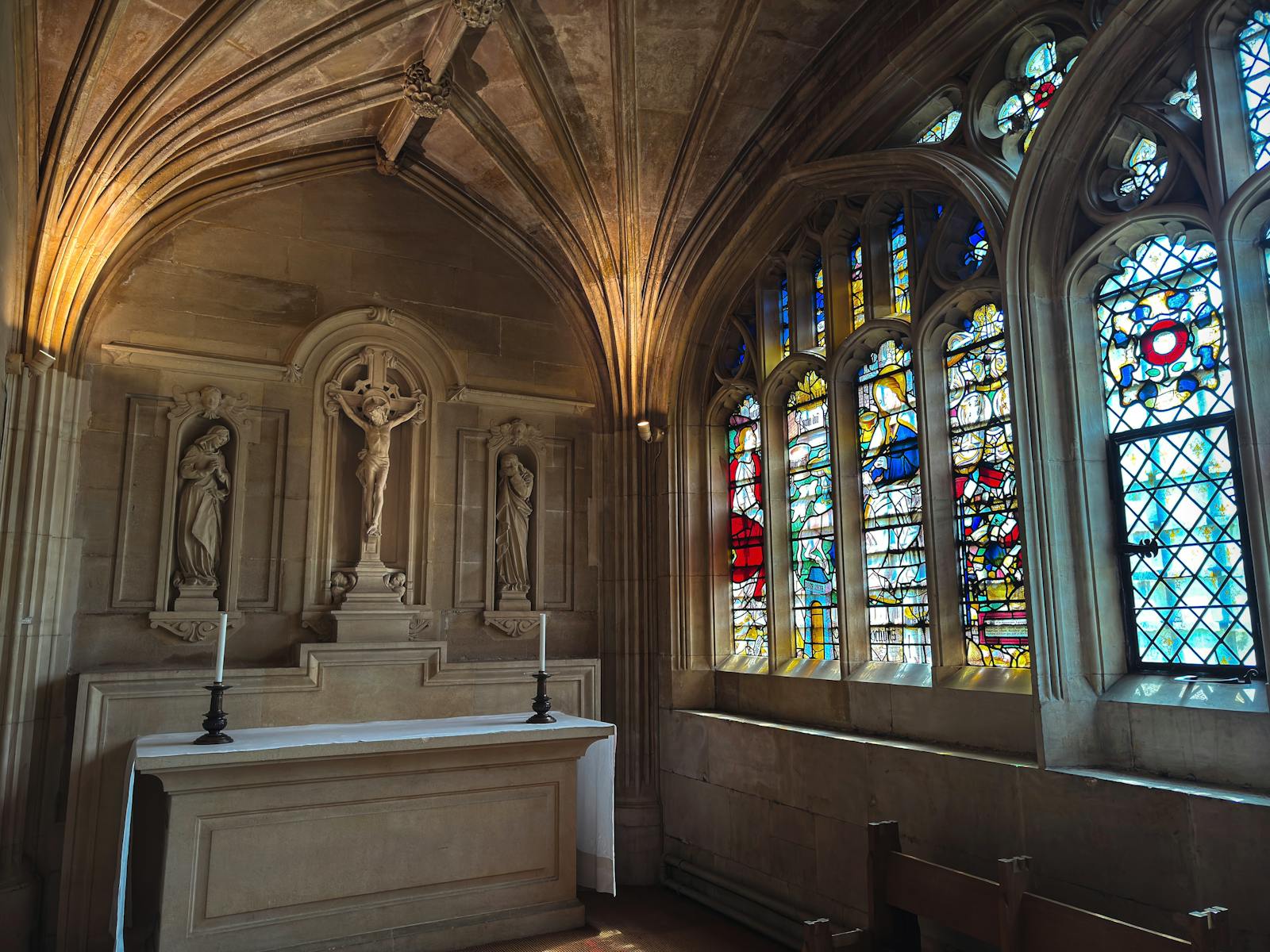
Victoria can be gentle compared with hillier pilgrimage cities, but religious travelers still need to plan walking distance, rain, wind, uneven entrances, service length, seating, taxis, ferry or airport timing, and fatigue. A sacred visit after a long travel day may not have the quality the traveler hoped for.
Older travelers, families, groups, and anyone with mobility or medical constraints should match lodging to the actual sacred priorities. A beautiful hotel can be a poor base if every service or heritage visit requires exposed transfers in wet weather.
- Plan around rain, wind, walking distance, seating, taxis, service length, and arrival fatigue.
- Choose lodging that supports the sacred sites or services that matter most.
- Build extra margin around ferry, airport, seaplane, or bus arrivals before worship commitments.
When to order a short-term travel report
A traveler attending one familiar service in Victoria may not need a custom report. A report becomes useful when the trip includes multiple sacred sites, group travel, older travelers, mobility limits, specific service needs, interfaith or heritage questions, Indigenous or colonial-history sensitivity, ferry timing, or a need to balance worship with ordinary sightseeing.
The report should test purpose, sacred-site access, service times, lodging, mobility, weather, transport, quiet time, conduct, photography limits, meals, budget, and what to cut. The value is a Victoria religious trip that remains reverent, realistic, and personally coherent.
- Order when service access, sacred-site sequence, mobility, group pacing, or island logistics need testing.
- Provide faith tradition, priorities, dates, lodging options, mobility needs, group details, and budget.
- Use the report to keep sacred purpose stronger than the city's leisure pull.