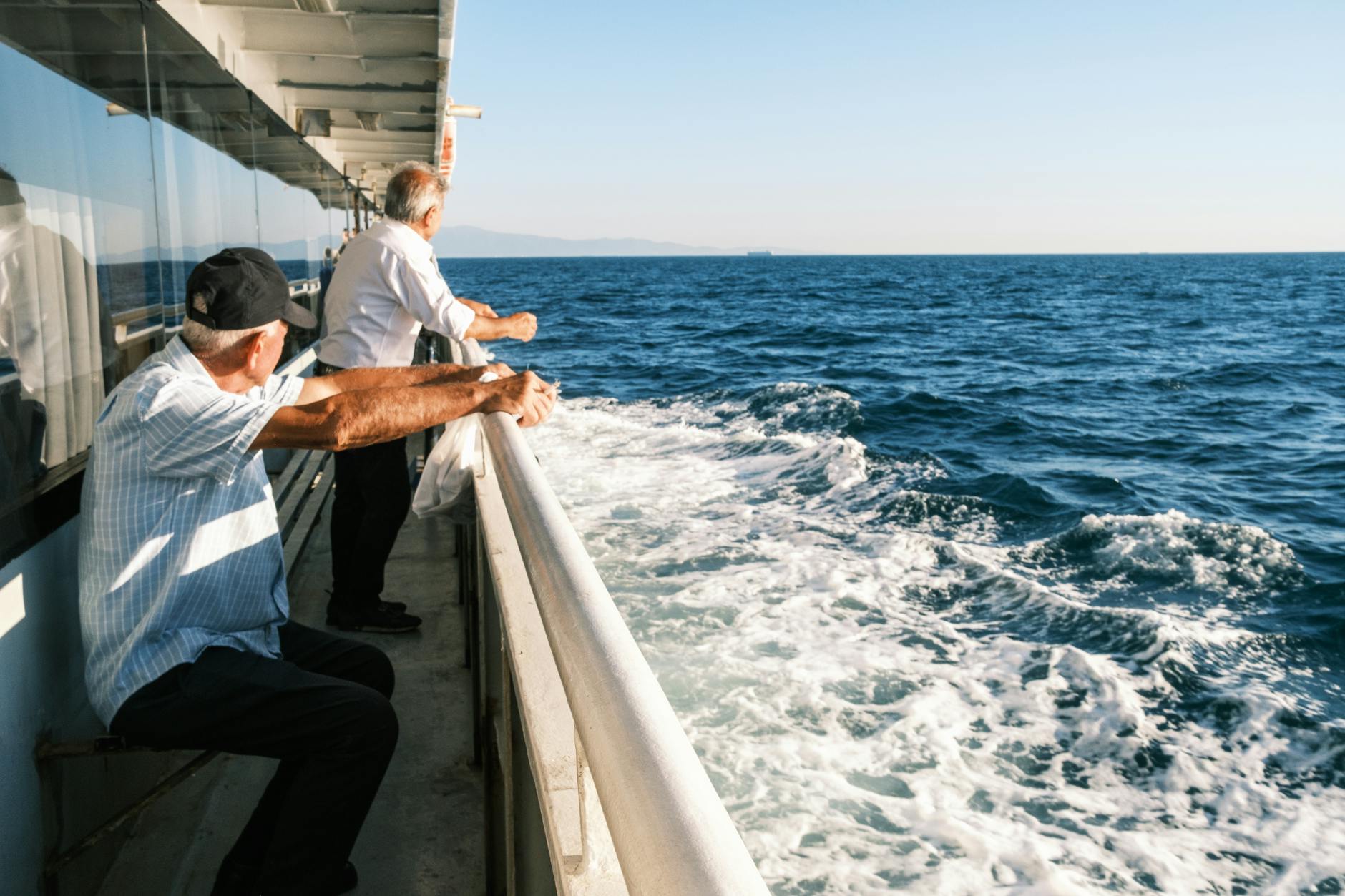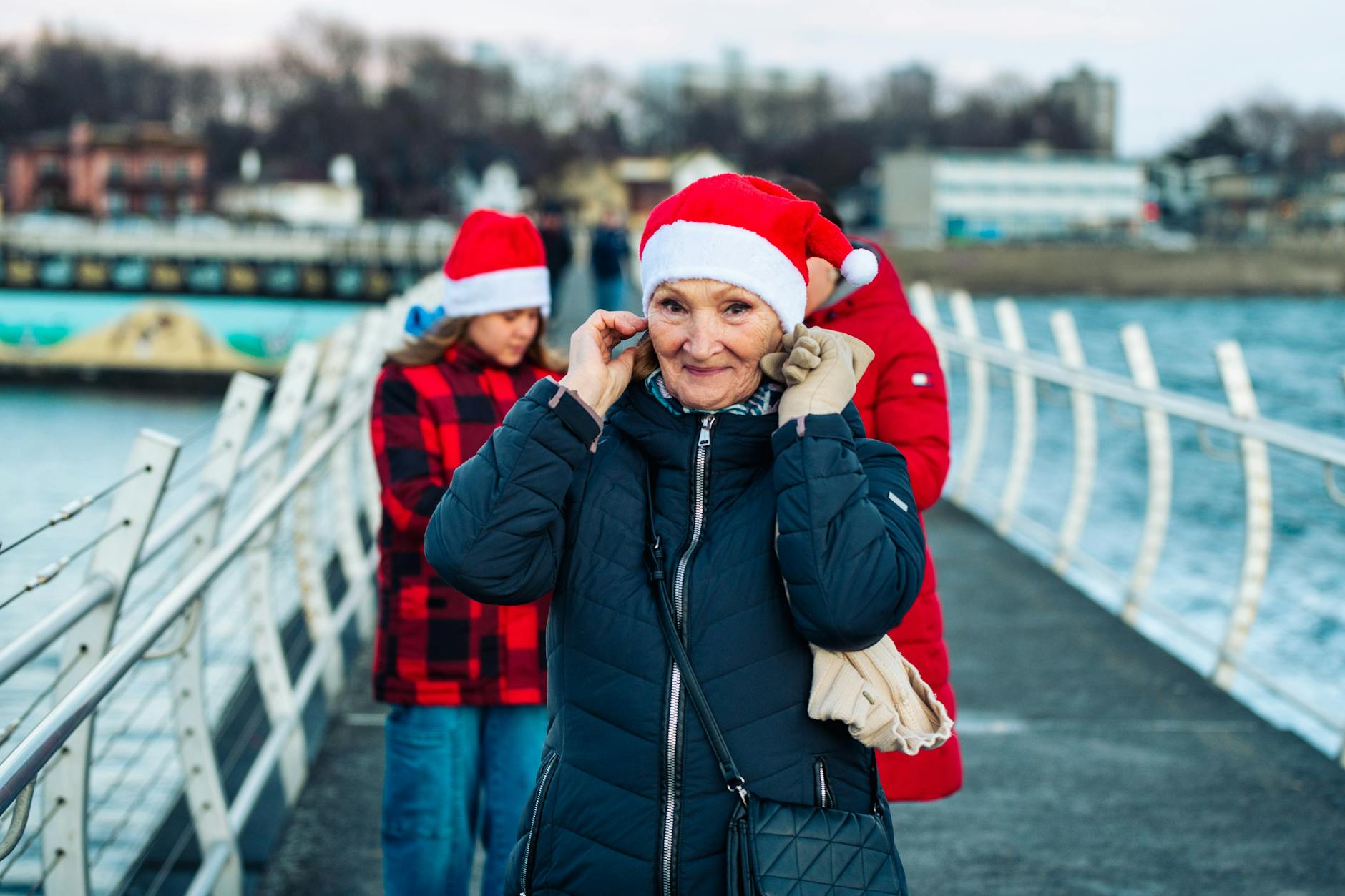
Victoria can work very well for older travelers because the city offers a polished visitor core, scenic harbor routes, gardens, historic buildings, good hotel choices, and a slower rhythm than many larger cities. The trip still needs careful design. Island access, rain, walking distances, stairs, ferry or airport transfers, and seasonal crowds can affect comfort. The goal is not to make the visit timid. It is to make it sustainable. An older traveler who chooses the right arrival mode, hotel, daily route, and recovery rhythm can enjoy Victoria's harbor, gardens, museums, and coastal views without spending the trip recovering from avoidable strain.
Choose lodging by access, not charm alone
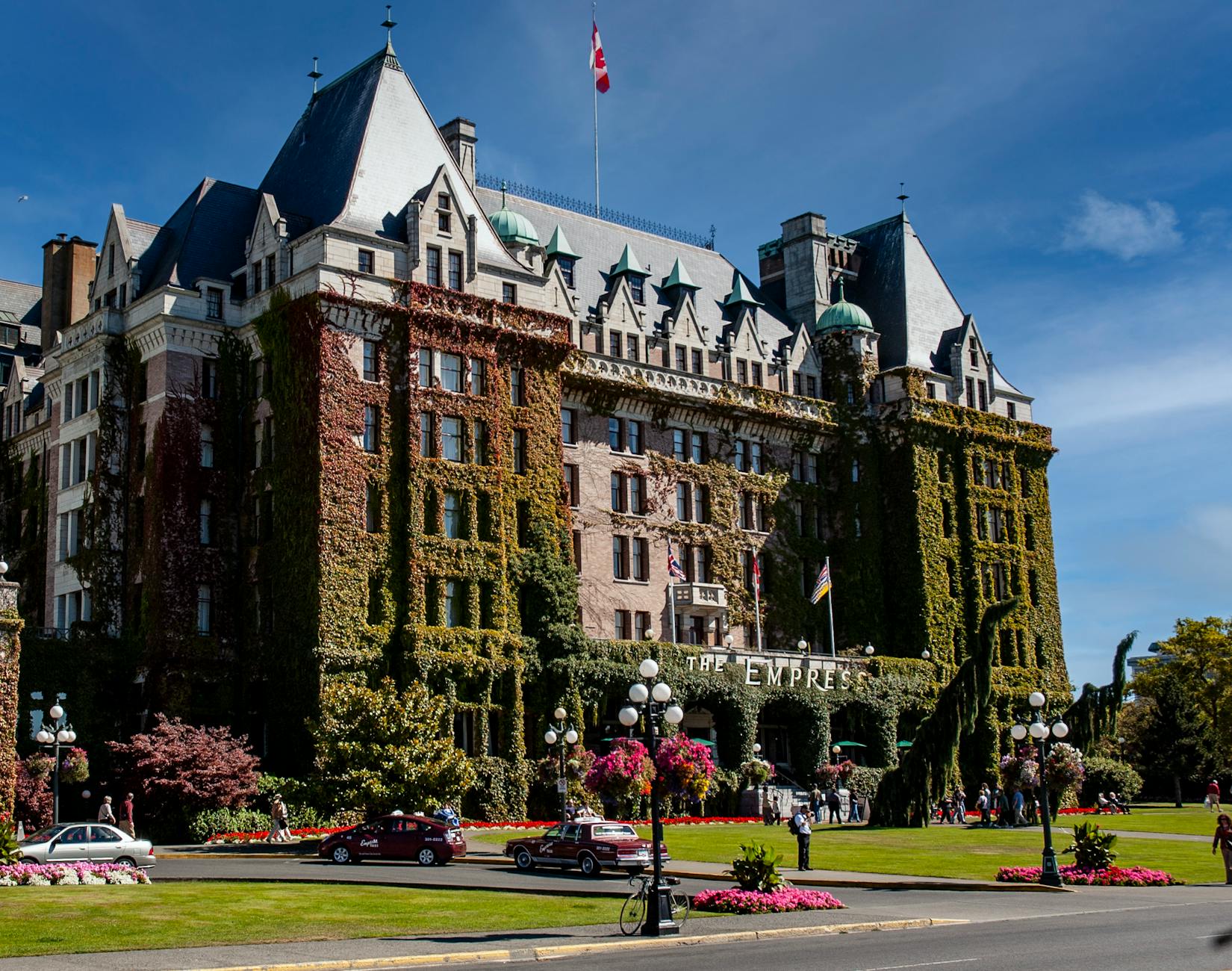
An older traveler should evaluate Victoria lodging by the full path from arrival point to room and from room to the main daily activities. Elevator access, entrance steps, bathroom layout, quiet sleep, breakfast, nearby pharmacy, taxi pickup, luggage storage, and proximity to the Inner Harbour or chosen sights can matter more than a romantic building description.
A central hotel may reduce daily strain if the traveler wants Parliament, the harbor, the museum area, or restaurants nearby. It may be less useful if the trip depends on gardens, family visits, ferry terminals, or regional plans. The right hotel is the one that makes the actual days easier.
- Check elevator, entrance steps, bathroom setup, breakfast, quiet rooms, and taxi pickup.
- Choose the hotel around arrival access and daily routes, not only heritage appeal.
- Keep walks shorter when rain, luggage, fatigue, or mobility limits are present.
Decide between airport, ferry, seaplane, taxi, and arranged transfer
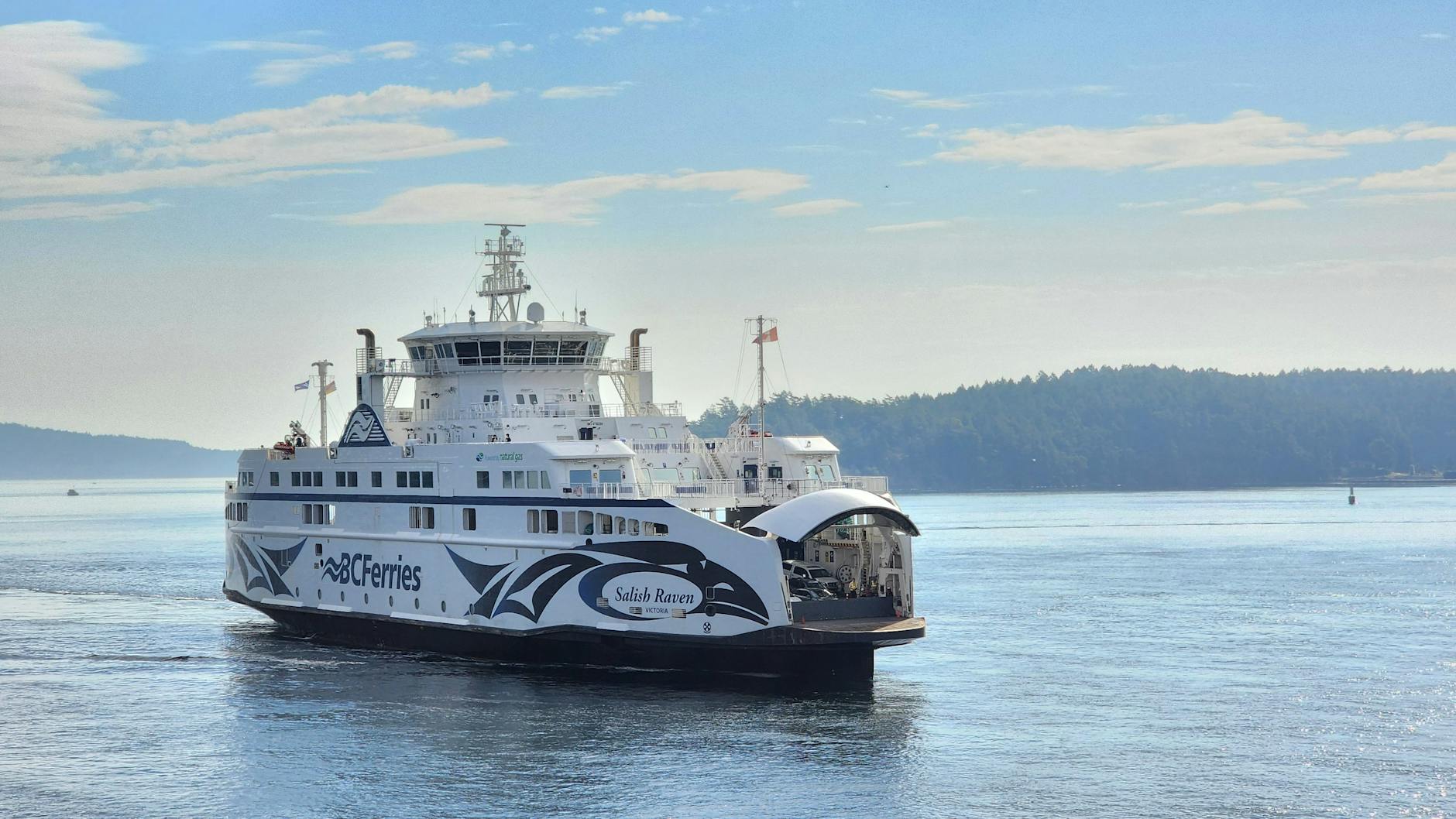
Victoria's access choices can be pleasant, but older travelers should compare them by comfort as well as scenery. Flying into the airport, arriving by ferry, taking a seaplane, connecting through Vancouver, or using an arranged transfer can produce very different demands on luggage, walking, waiting, weather exposure, and cost.
The first transfer should be simple enough to handle while tired. A ferry may be enjoyable if boarding, seating, luggage, and terminal pickup are clear. A taxi or arranged car may be worth the cost if arrival is late, wet, or physically demanding.
- Compare ferry, airport, seaplane, taxi, and arranged transfer by fatigue, luggage, weather, and cost.
- Confirm terminal pickup, walking distance, seating, luggage handling, and late-arrival backup.
- Use the simplest route when the first day already carries physical strain.
Treat rain, footing, daylight, and hills as real constraints
Victoria's climate may be moderate, but rain, wind, cool evenings, slippery paths, uneven sidewalks, garden surfaces, harbor steps, and shorter winter daylight can still change an older traveler's day. The itinerary should not assume dry weather or unlimited walking tolerance.
The traveler should pack supportive shoes, layers, rain protection, and a willingness to use taxis for short but awkward routes. A beautiful harbor plan is only useful if it remains comfortable enough to enjoy.
- Plan for rain, wind, cool evenings, slippery paths, uneven surfaces, and shorter winter days.
- Use footwear and layers that support stability, not only style.
- Make taxi or hotel-return options visible before fatigue or bad weather builds.
Use gardens, museums, and harbor routes in measured blocks
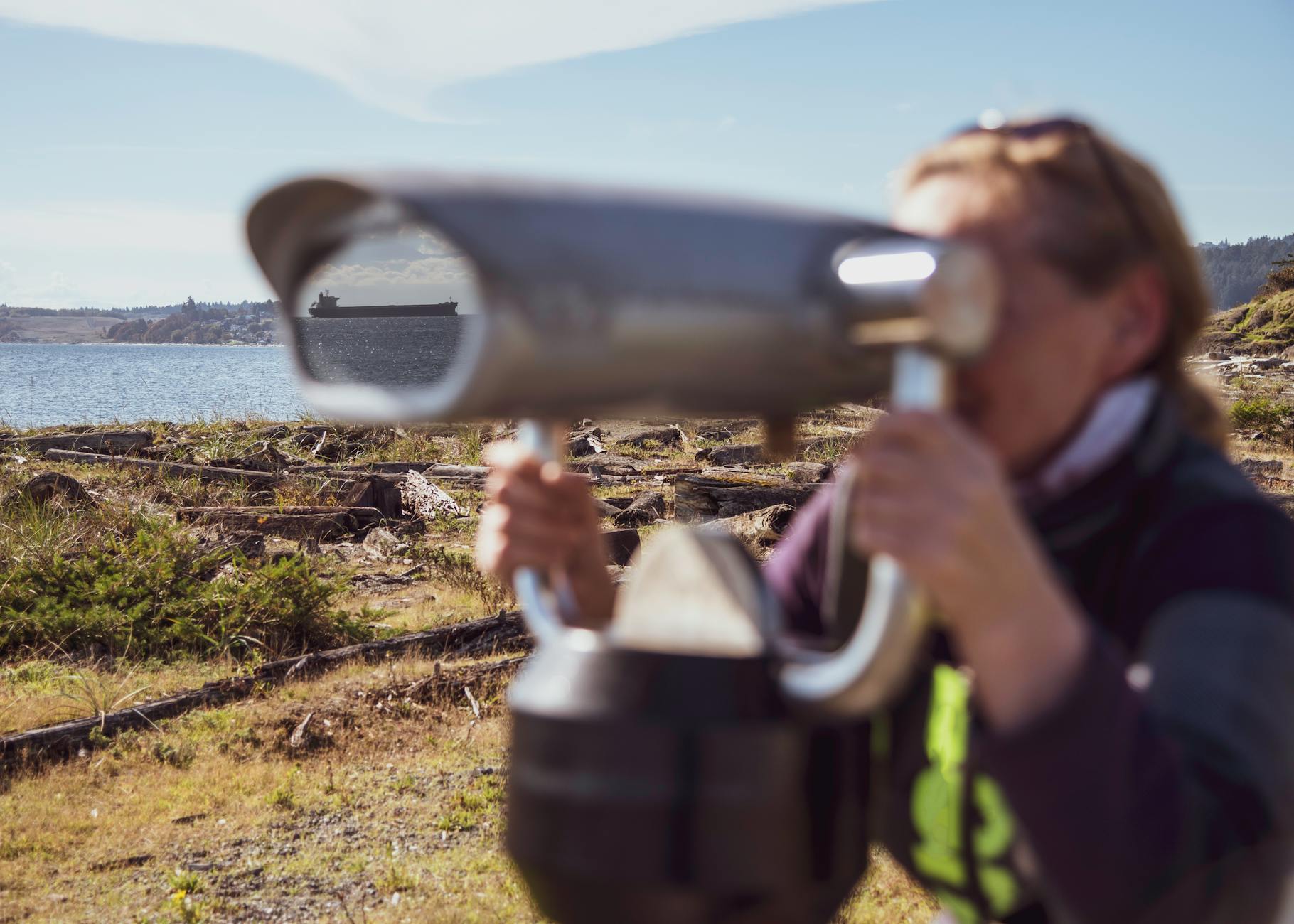
Victoria's main visitor pleasures can create long standing and walking days if they are stacked too tightly. The Inner Harbour, Parliament Buildings, Royal BC Museum area, Beacon Hill Park, Fisherman's Wharf, Chinatown, Butchart Gardens, and coastal viewpoints each require energy. Older travelers should group nearby stops and include seated breaks.
A strong day might be one garden or museum, one meal, one short harbor route, and a simple return. The traveler should avoid letting a famous list of sights override the body's pacing.
- Group nearby sights and avoid repeated crossings of the city.
- Plan seated breaks, bathrooms, meals, shade, and short returns before fatigue builds.
- Choose fewer sights if that makes the day safer and more enjoyable.

Make local movement comfortable before relying on it
Victoria's walkable image can be misleading when weather, luggage, mobility limits, evening returns, or suburban destinations enter the plan. Older travelers should know when walking is comfortable, when taxis protect the day, when a tour or hotel pickup is sensible, and whether public buses fit their confidence level.
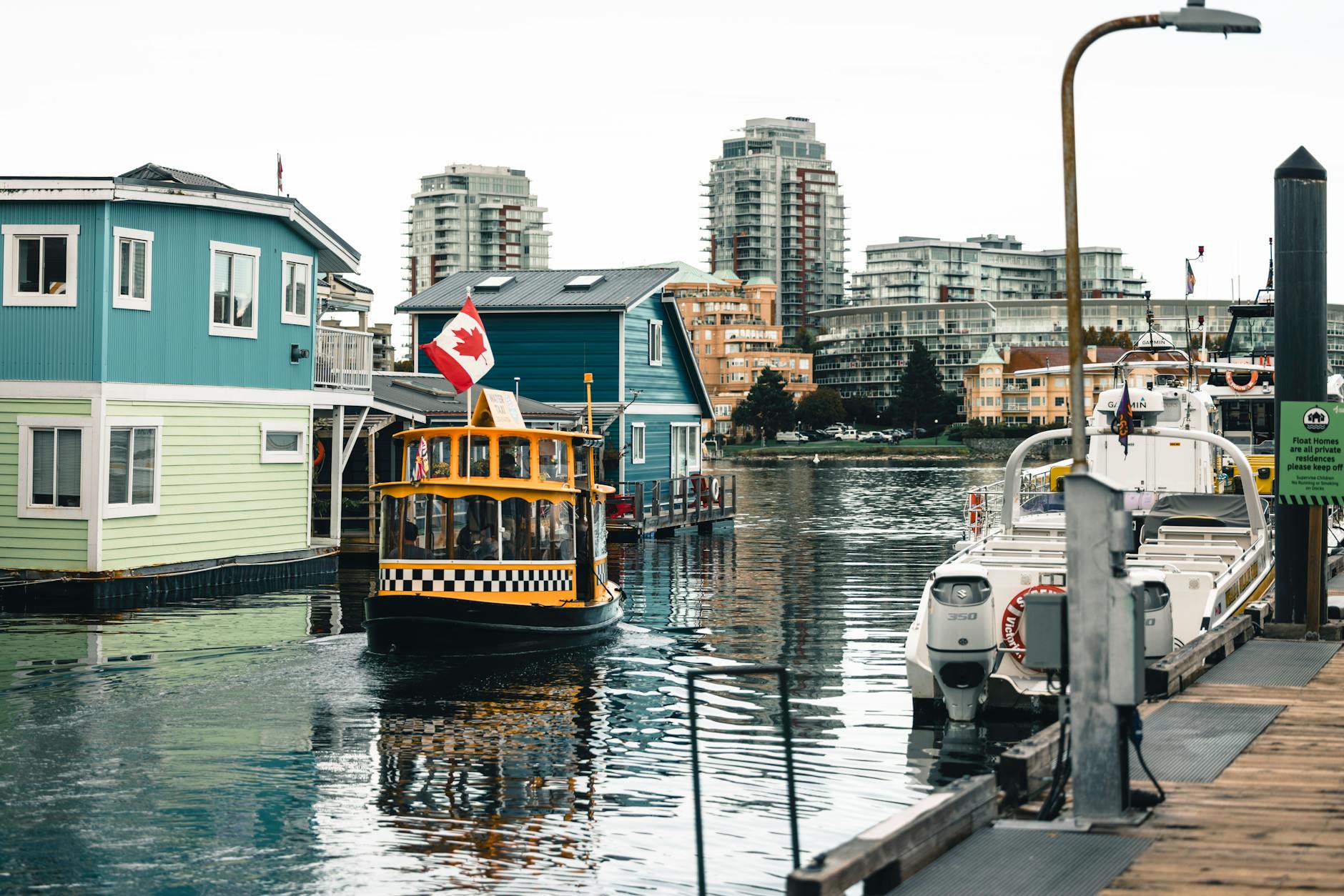
Water taxis, harbor paths, buses, taxis, and organized excursions can all be useful. The key is to make each movement choice before it is needed under pressure.
- Test walking distances, surfaces, evening returns, pickup points, and bathroom access.
- Use taxis, tours, water taxis, or hotel pickups when they protect comfort and timing.
- Avoid learning transport systems for the first time while tired or in rain.
Protect medical continuity, meals, and recovery
Older travelers should plan medication, prescriptions, travel insurance, emergency contacts, pharmacy access, hydration, meals, and recovery time before the Victoria itinerary is full. A short trip can become difficult if meals are delayed, taxis are avoided to save money, or symptoms are managed only after the day has already gone wrong.
The traveler should also know how to handle a fall, flare-up, lost medication, weather delay, ferry disruption, or sudden fatigue. A calm fallback plan lets the trip remain enjoyable even when the day changes.
- Carry medication, prescriptions, insurance details, emergency contacts, and relevant medical notes.
- Plan meals, hydration, rest, taxis, and pharmacy access before the daily schedule is crowded.
- Know what to do if symptoms, fatigue, rain, or transport disruption changes the plan.

When to order a short-term travel report
An older traveler with strong mobility, flexible dates, and a central hotel may not need a custom Victoria report. A report becomes useful when the trip includes ferry or seaplane choices, mobility concerns, medical needs, garden or museum priorities, expensive hotel decisions, family logistics, weather sensitivity, or onward Vancouver Island travel.
The report should test arrival mode, hotel access, walking distances, rain and footing, garden timing, harbor routes, taxis, bathrooms, meals, medical fallback, recovery time, and what to cut. The value is a Victoria trip that remains comfortable, dignified, and practical.
- Order when mobility, medical needs, transfers, weather, hotel access, or attraction pacing need testing.
- Provide dates, mobility level, arrival mode, hotel options, medical constraints, interests, and onward plans.
- Use the report to keep the trip enjoyable without relying on endurance.