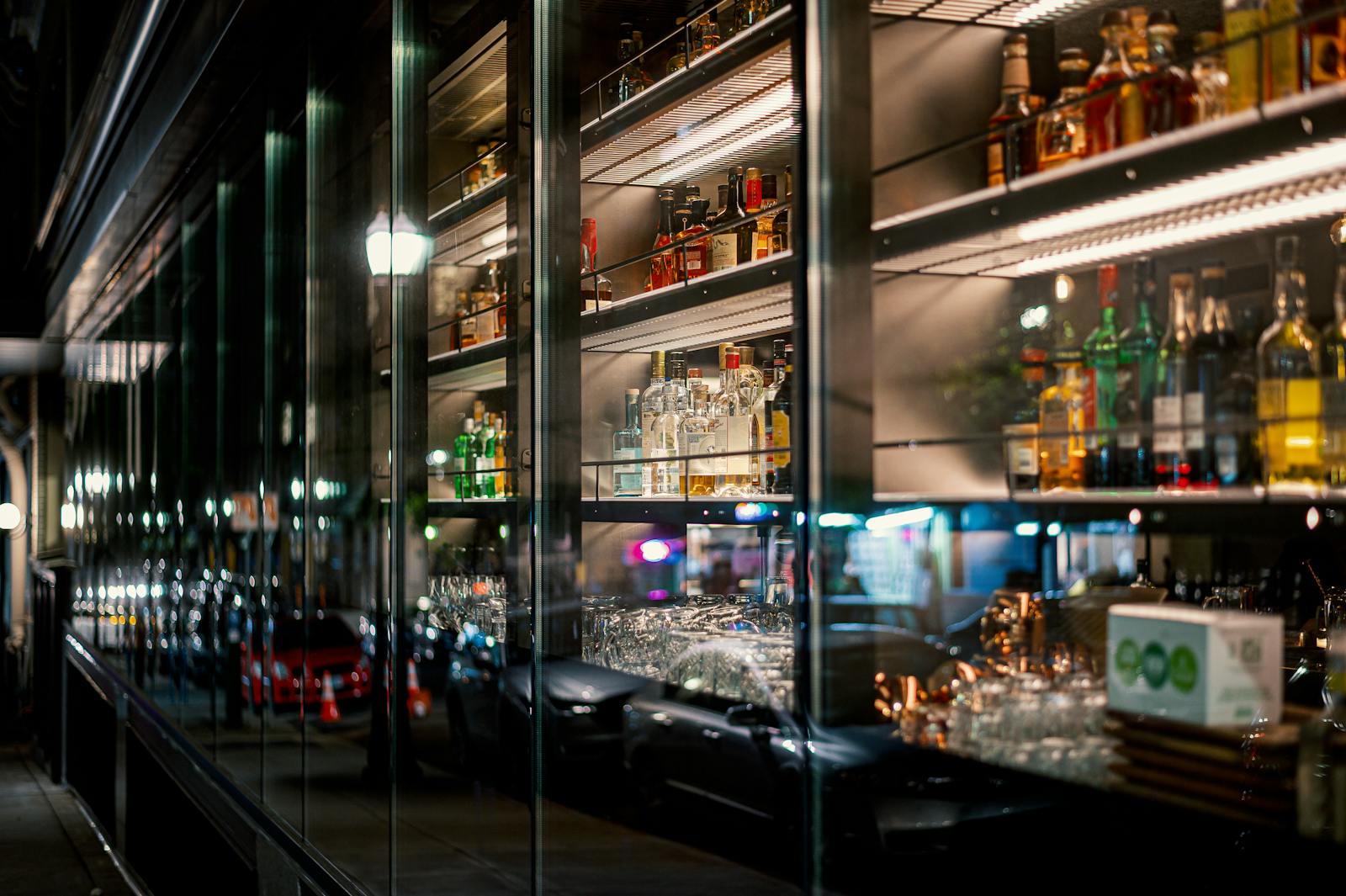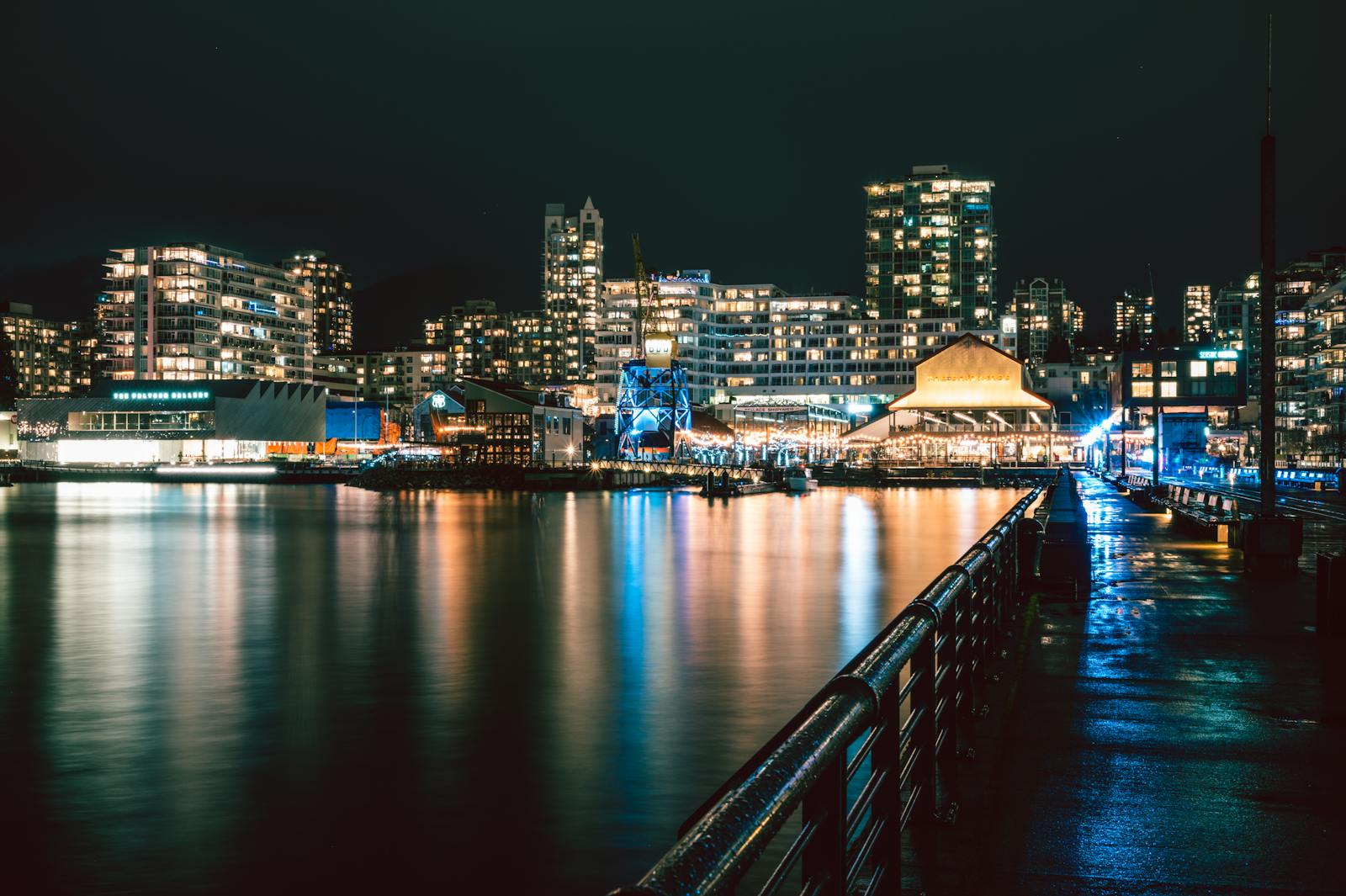
Victoria nightlife is not a giant club-city product, and that is part of its appeal. The stronger evenings tend to be food-led, pub-led, cocktail-led, brewery-led, live-music-led, hotel-bar-led, or built around a waterfront walk before or after dinner. A traveler who arrives expecting a generic party district may miss what the city does well. A good Victoria nightlife plan chooses the right tone, keeps geography tight, accounts for coastal weather, protects late transport, and leaves the next day usable. The city can reward a polished evening, but it is less forgiving when the traveler tries to force a big-night template onto a smaller island capital.
Choose the kind of night before choosing venues
A Victoria nightlife trip should start with the kind of evening the traveler wants. A seafood dinner, cocktail bar, brewery route, pub night, live music plan, hotel-bar evening, date night, group celebration, or late waterfront walk each needs a different budget, reservation strategy, clothing choice, and return plan.
Without a defined tone, the traveler can spend the night moving between places that are individually fine but collectively incoherent. Victoria works better when each evening has one strong anchor.
- Choose whether the night is food-led, cocktail-led, brewery-led, pub-led, music-led, or scenic.
- Build the evening around one strong anchor rather than a loose list of possibilities.
- Match clothing, budget, reservations, and transport to the intended tone.
Choose neighborhoods by atmosphere and return route
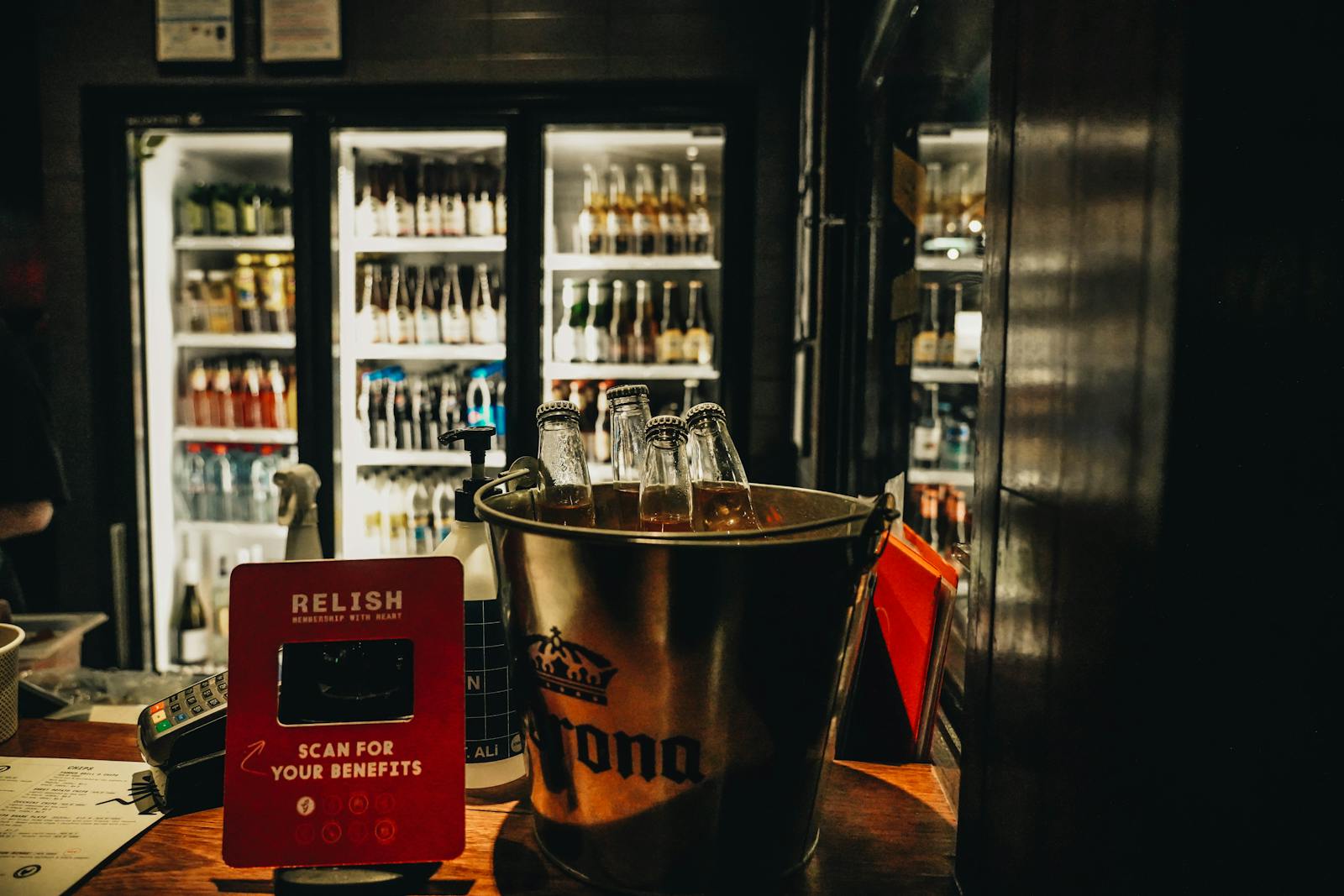
Victoria's evening geography is manageable, but venue choice should still be mapped. Downtown, the Inner Harbour, Chinatown and nearby streets, hotel lounges, brewery areas, restaurant clusters, and live-music venues can feel different after dark. A scenic route is not always the best late route.
The traveler should choose a hotel base and evening area together. If rain, fatigue, heels, group coordination, or alcohol are involved, a shorter return route can be worth more than a slightly better venue across town.
- Compare downtown, Inner Harbour, Chinatown-area streets, hotel bars, breweries, and music venues.
- Plan the final return route before the first drink.
- Choose a hotel base that supports the nights the traveler actually wants.
Time dinner, drinks, music, and waterfront movement together
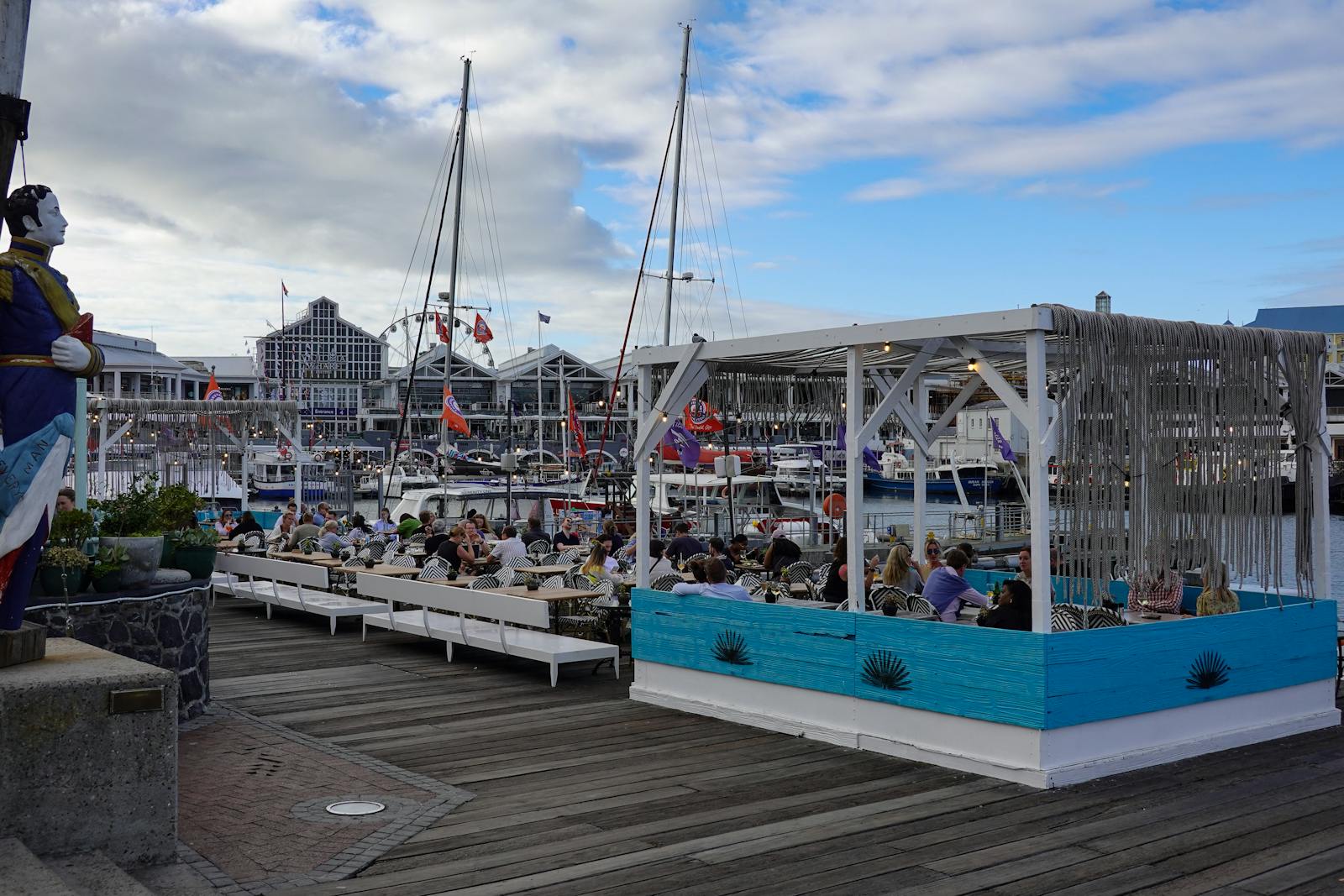
Victoria evenings often work best as a sequence: dinner, one or two drinks, music or a show, and a short waterfront or downtown walk if the weather suits. Those pieces should be timed together. A late dinner can erase music plans; a show can end after the easiest return window; a wet waterfront walk can become less romantic than expected.
Reservations, venue hours, kitchen closing times, ticketed events, and weather should be checked before the night starts. A planned sequence usually creates a smoother evening than pure improvisation.
- Coordinate dinner, drinks, music, showtimes, waterfront walks, and return transport.
- Check reservations, kitchen hours, ticketing, weather, and final-stop timing.
- Keep the evening compact enough that the best parts are not rushed.
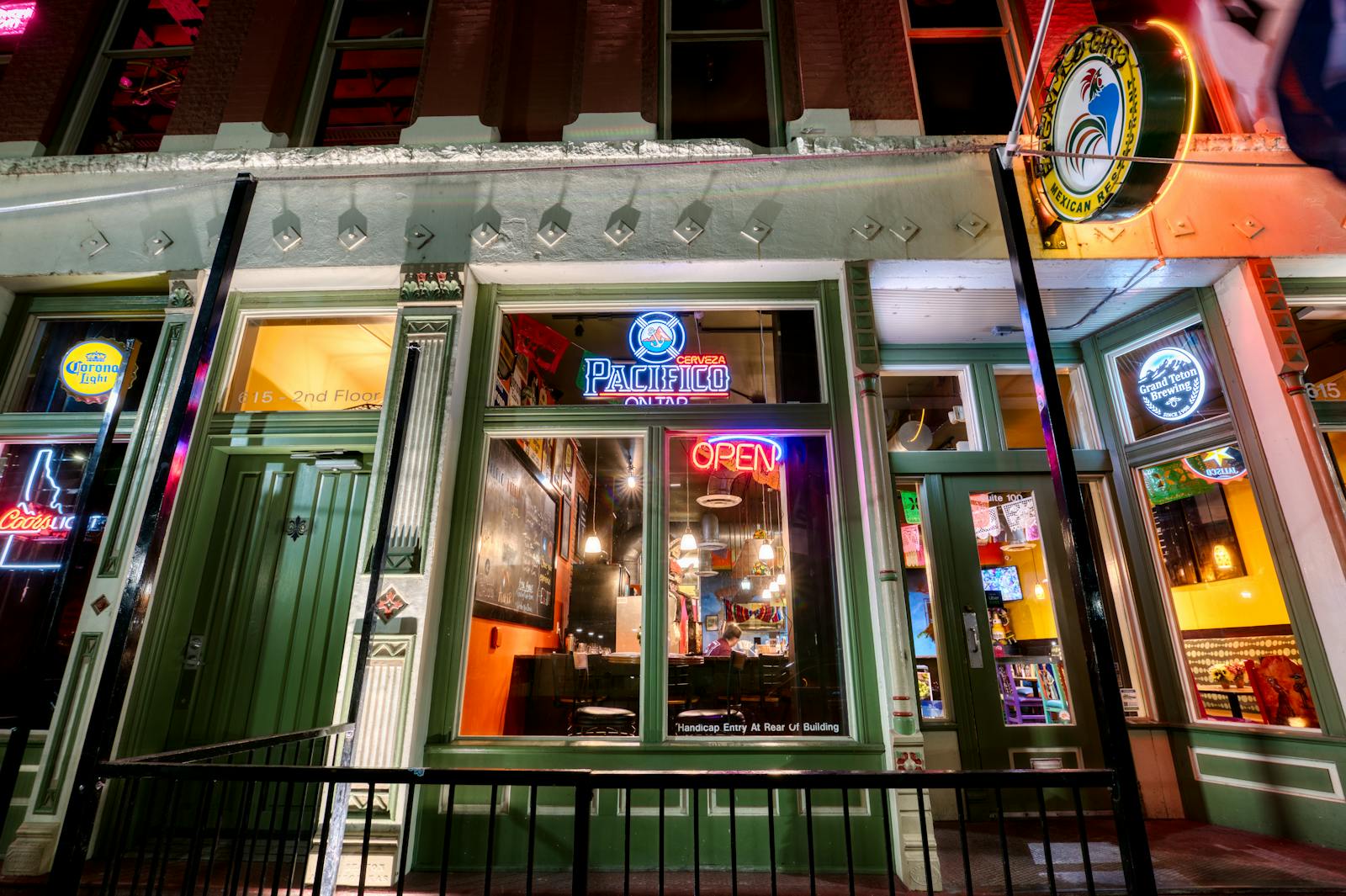
Be realistic about alcohol, weather, and late transport
Victoria can feel calm after dark, which may lead travelers to underplan. Alcohol, rain, wind, unfamiliar streets, waterfront edges, small-group dynamics, and late transport still require judgment. A nightlife traveler should know how they are getting back, what they are spending, and when the night ends.
The plan should include phone battery, rain layer, taxi or ride-hail expectations, group check-ins, drink pace, and a rule for ending the night early if weather, conflict, or fatigue changes the mood.
- Set alcohol, spending, phone battery, rain, taxi, and return-route rules before going out.
- Use extra care around waterfront edges, unfamiliar streets, and late walks after drinking.
- Keep a clean exit plan for fatigue, weather, or group disagreement.
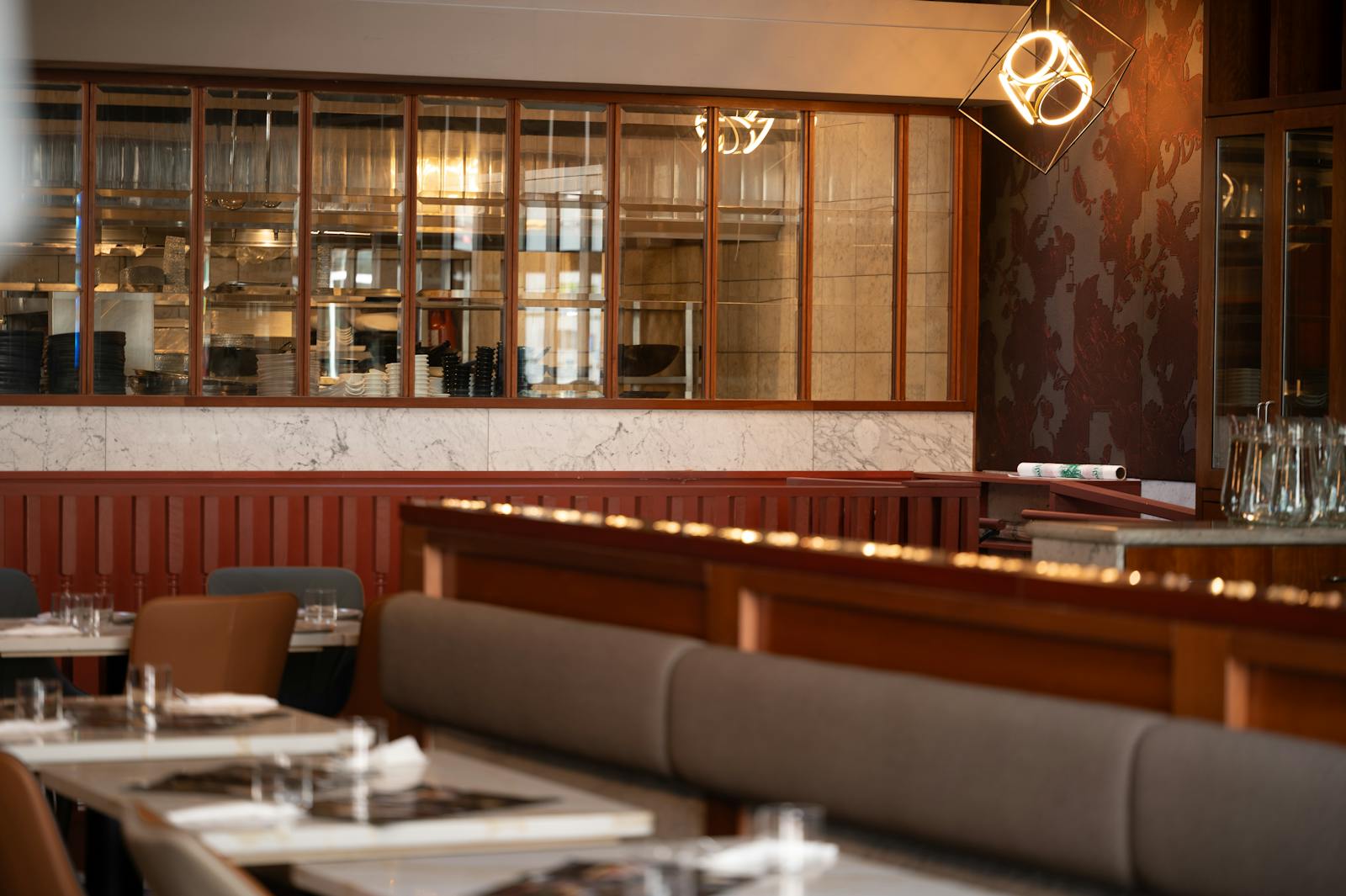
Match budget and expectations to the venue
Victoria nightlife can be casual, polished, tourist-facing, local, quiet, or event-driven depending on the venue and night. The traveler should check reservations, covers, drink prices, food minimums, closing times, dress expectations, group suitability, and whether a place is built for conversation or noise.
Budget should include dinner, drinks, taxis, tips, tickets, late snacks, and the possibility of changing plans when a room is full or too quiet. A smaller nightlife city rewards good venue fit more than volume of options.
- Check reservations, covers, prices, closing times, dress, tickets, tips, and group fit.
- Budget for dinner, drinks, transport, late snacks, and plan changes.
- Choose venues by fit rather than assuming every downtown option serves the same night.
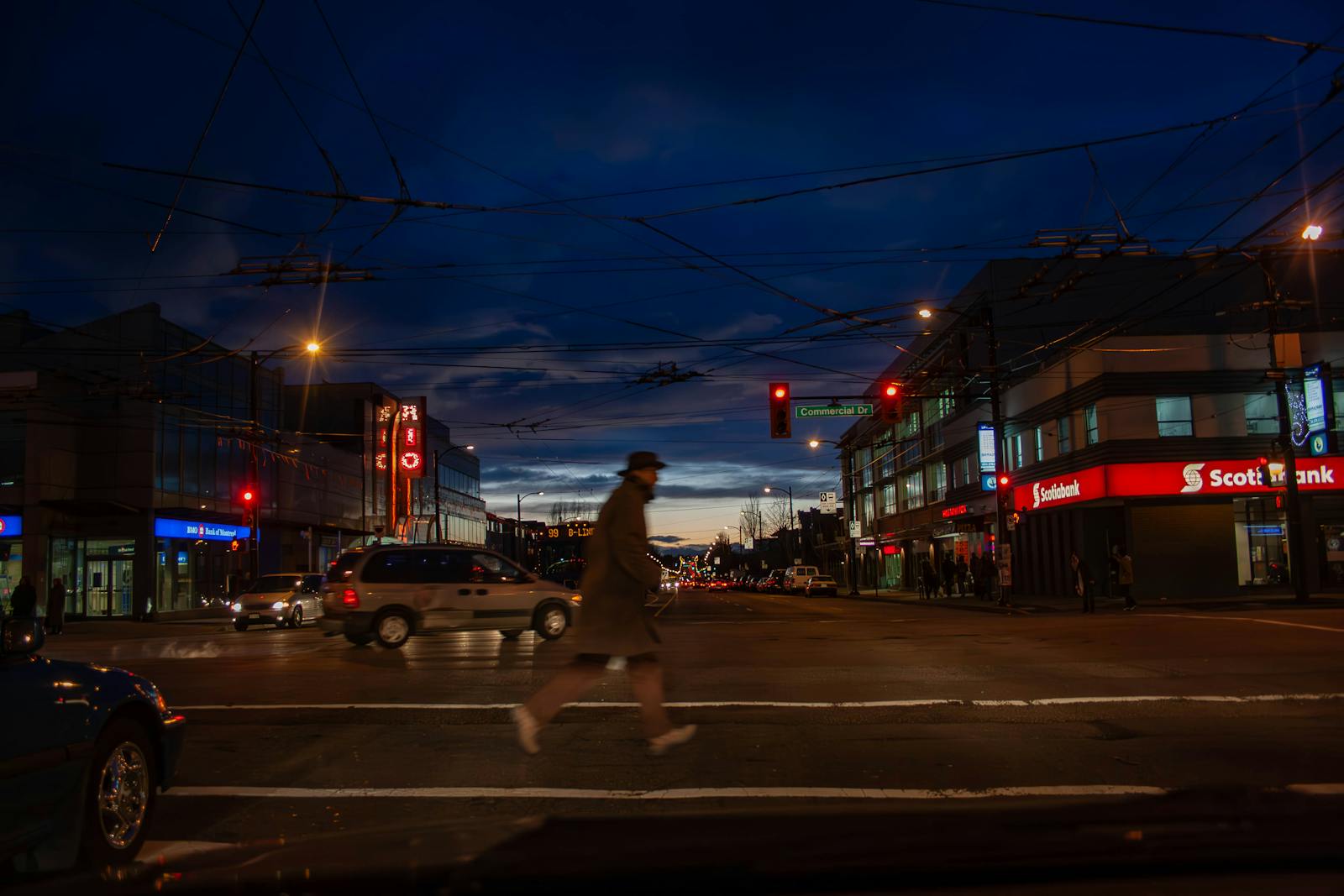
Protect the next day
Victoria's best daylight experiences can be weakened by a careless night. Ferries, flights, garden visits, whale-watching, meetings, family plans, outdoor routes, and timed breakfasts all suffer when the evening runs too late or too expensive. The traveler should decide which mornings can absorb nightlife and which cannot.
If nightlife is the main reason for the trip, mornings should be lighter. If nightlife is one element of a broader Victoria stay, the plan needs limits that keep the next day intact.
- Protect mornings with ferries, flights, tours, outdoor plans, meetings, or family commitments.
- Use later starts and simpler breakfast plans after the strongest nights.
- Set limits when nightlife is only one part of the Victoria itinerary.
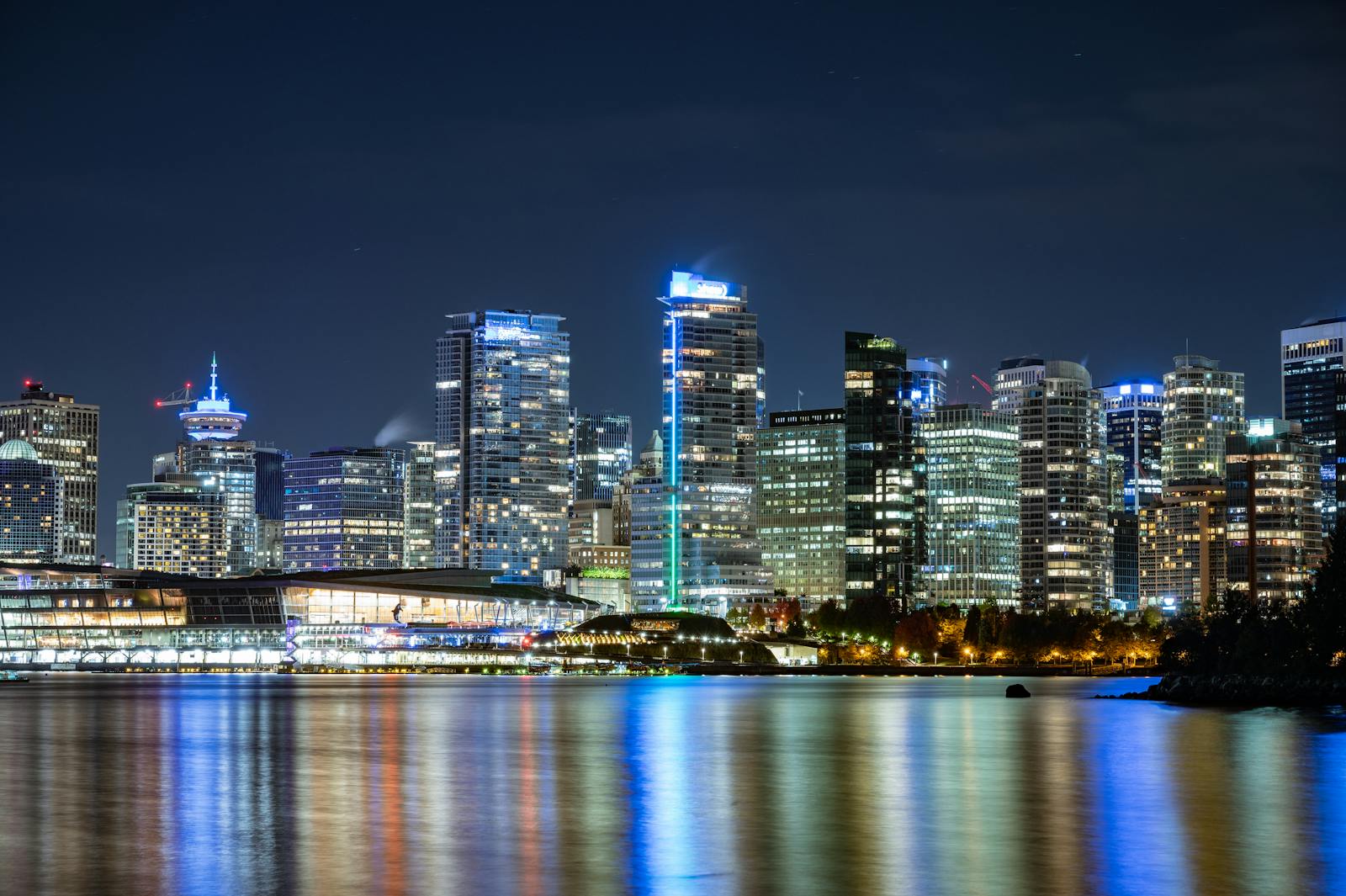
When to order a short-term travel report
A traveler planning one dinner and a drink near the hotel may not need a custom Victoria report. A report becomes useful when nightlife is a major purpose, the traveler is choosing among hotels or neighborhoods, several venues are involved, weather matters, late transport is uncertain, group safety needs structure, or the next day has expensive commitments.
The report should test neighborhood tone, hotel location, dinner and bar sequencing, live music or event timing, late transport, weather, budget, safety, alcohol risk, recovery, and what to cut. The value is a Victoria nightlife plan that feels intentional instead of improvised.
- Order when hotel location, venue fit, weather, transport, safety, or recovery need testing.
- Provide dates, lodging options, venue interests, budget, group details, boundaries, and next-day commitments.
- Use the report to make the evenings specific, controlled, and compatible with the rest of the trip.