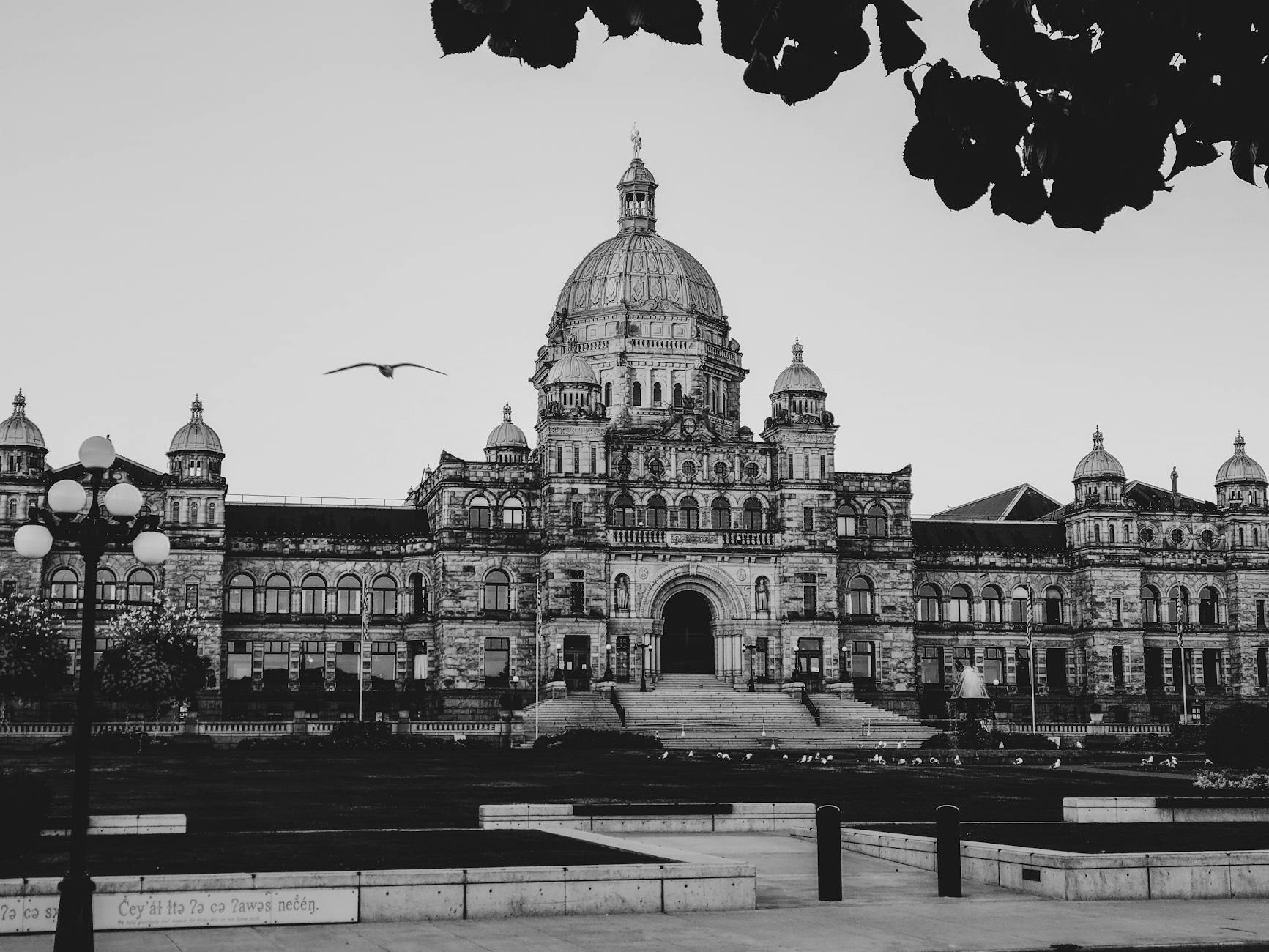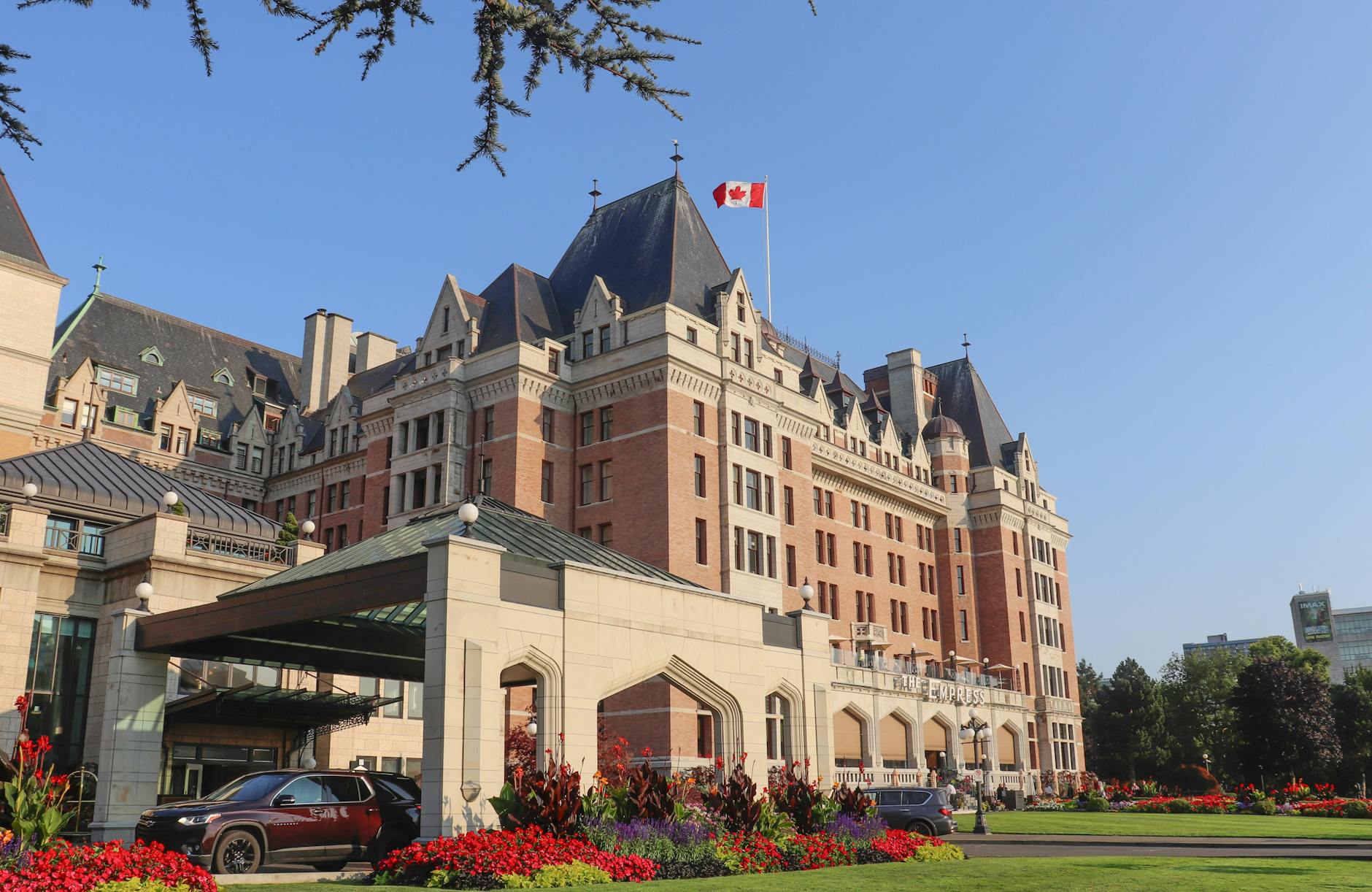
Victoria luxury is not usually about spectacle. It is about water, heritage hotels, gardens, calm service, private transfers, good meals, scenic arrivals, and enough time to let the city feel composed rather than rushed. A luxury trip can work very well, but only if the traveler defines luxury in Victoria terms instead of importing expectations from larger resort or capital cities. The useful plan starts with the desired experience: Inner Harbour suite, Empress or boutique-hotel atmosphere, gardens, seaplane arrival, spa recovery, private driver, harbor dining, coastal views, or a polished pause before a wider Vancouver Island itinerary. That choice should drive the hotel, arrival mode, reservations, and how much movement belongs in a short stay.
Define what luxury means in Victoria
A luxury Victoria trip should be shaped around atmosphere and ease, not a long list of expensive add-ons. For some travelers, luxury means a harbor-facing room, afternoon tea, and a private garden excursion. For others, it means seaplane arrival, discreet transfers, a quiet suite, wellness time, and meals that avoid crowded tourist hours.
The traveler should decide whether the stay is about heritage, romance, gardens, food, coastal scenery, family celebration, privacy, or recovery. Without that decision, the trip can become a series of attractive but mismatched reservations.
- Choose whether the trip is about harbor, heritage, gardens, dining, privacy, wellness, or coast.
- Avoid filling a short stay with premium experiences that compete with each other.
- Let the definition of luxury control hotel, transfer, dining, and daily pacing choices.
Choose the hotel by view, service, and movement
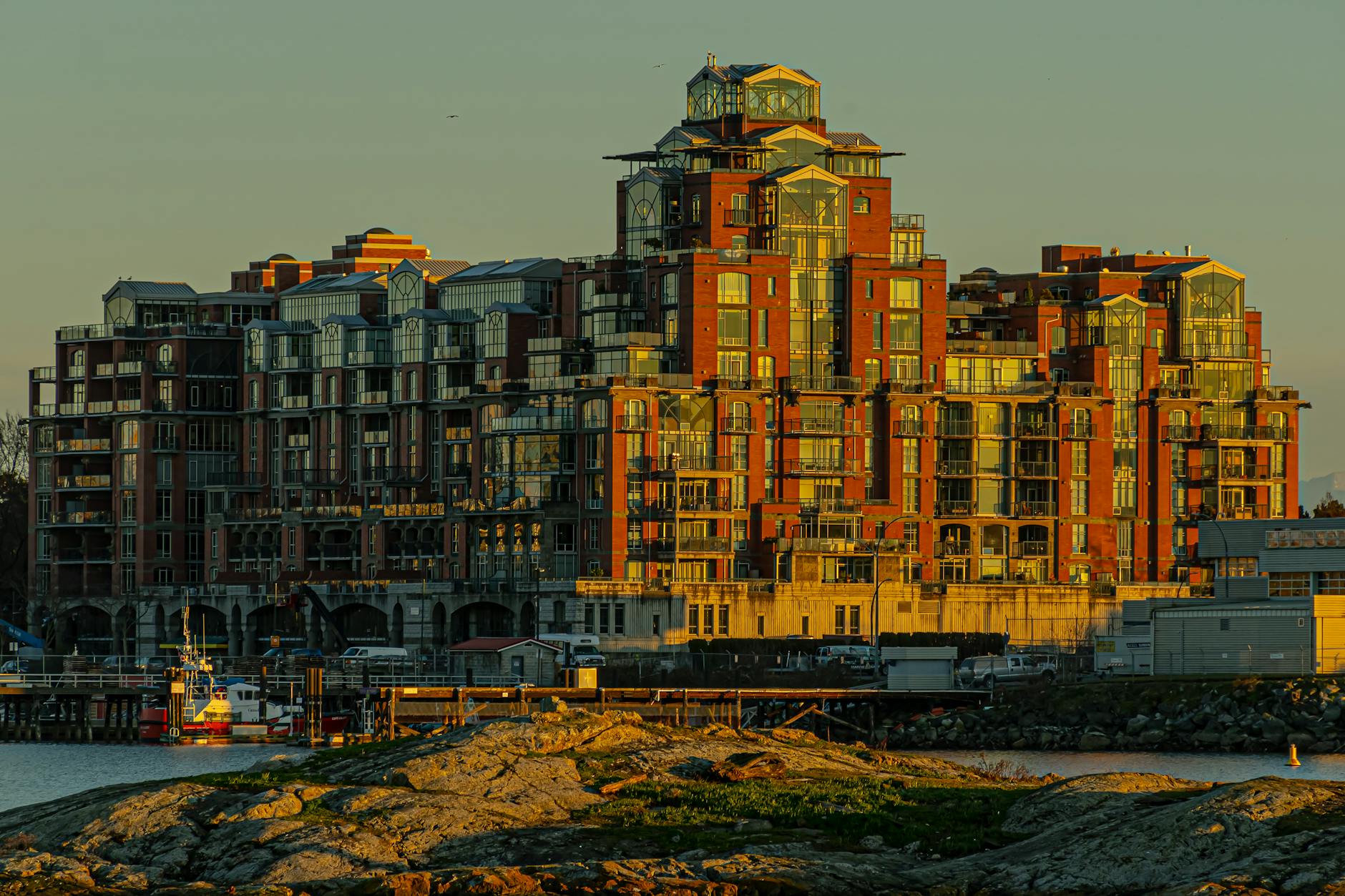
Victoria's luxury lodging decision should start with how the traveler wants the day to work. Inner Harbour hotels can support easy walks, harbor views, dining, museums, Parliament, and seaplane convenience. A quieter boutique property, garden-oriented stay, or regional retreat may feel better if privacy and recovery matter more than immediate harbor access.
The traveler should check arrival handling, room category, view certainty, elevator access, valet or taxi logistics, breakfast, spa or wellness options, quiet, and how well the concierge can support reservations and transfers. A prestigious address is not enough if movement becomes clumsy.
- Check room view, quiet, arrival handling, breakfast, wellness, valet, taxi, and concierge support.
- Match the hotel to seaplane, airport, ferry, garden, dining, and harbor plans.
- Do not pay for a central location if the actual trip needs privacy or regional access instead.
Book dining, tea, and private experiences early
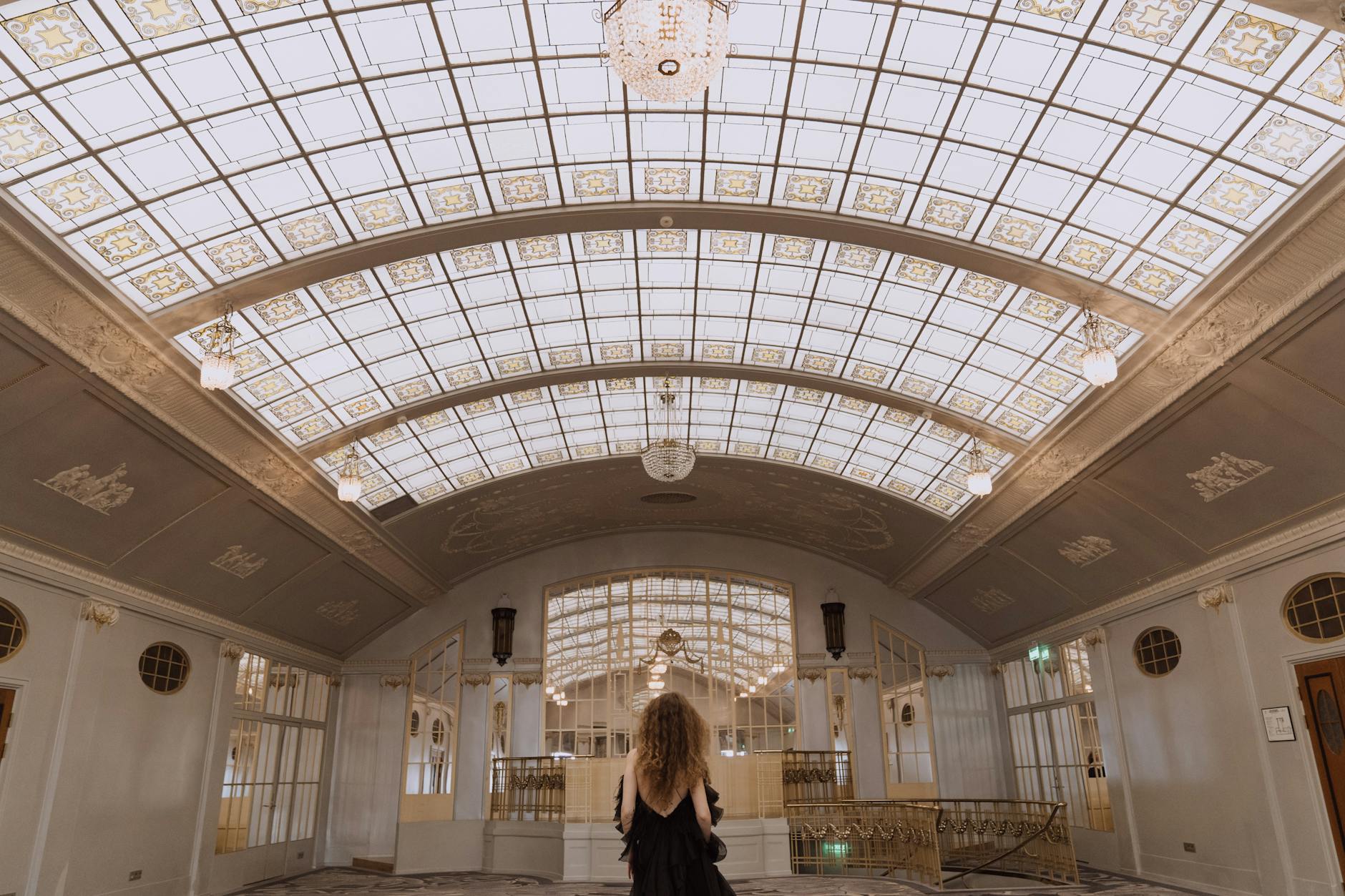
A luxury Victoria trip can be weakened by late reservations. Peak-season restaurants, afternoon tea, private drivers, garden visits, spa appointments, whale-watching options, seaplane seats, and special meals can all tighten quickly. The traveler should choose the few experiences that matter and book them with enough timing margin.
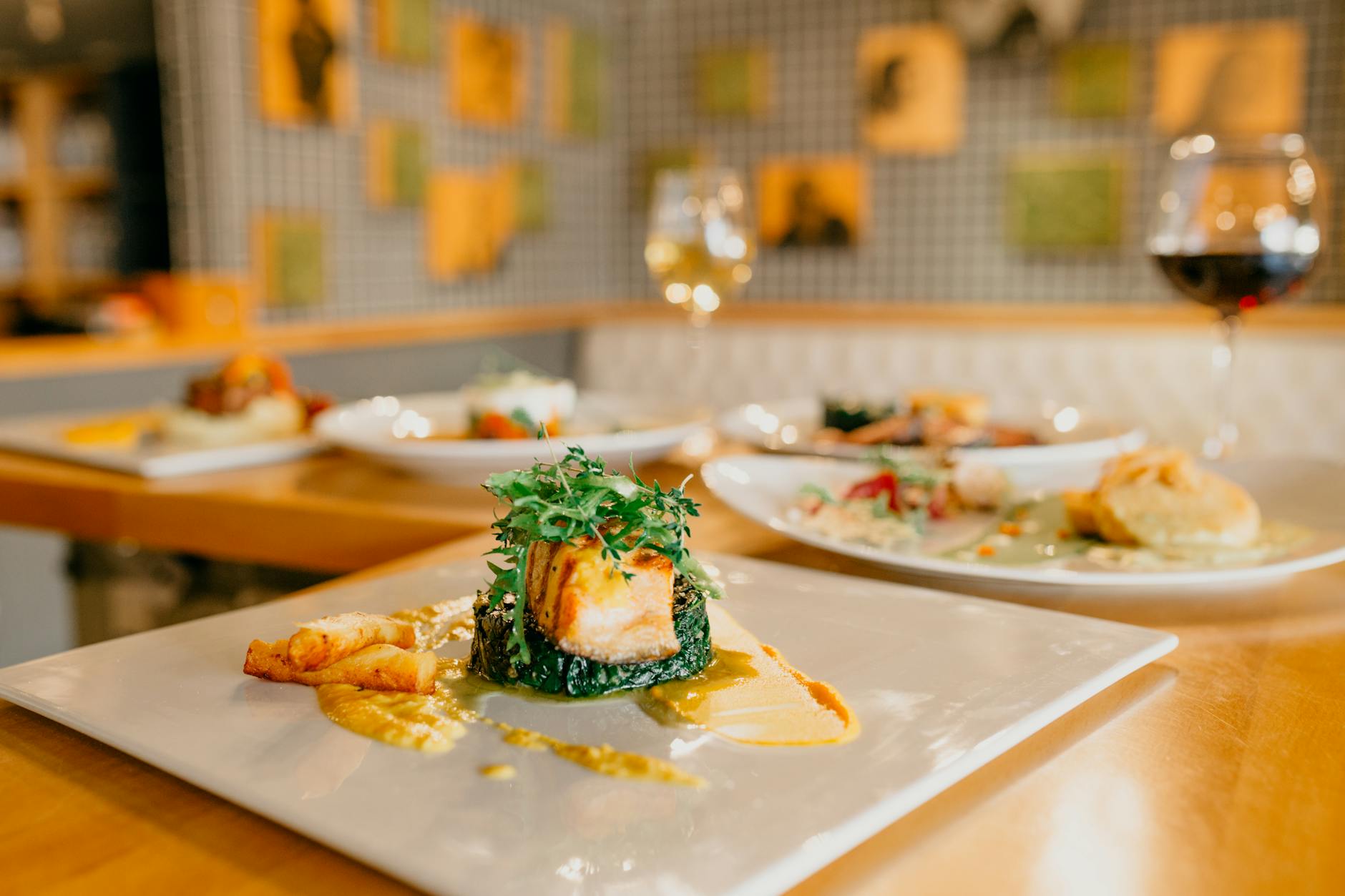
Dining should also fit the day's rhythm. A formal dinner after a long ferry arrival may not feel luxurious. A quiet lunch, early harbor dinner, room-service recovery meal, or private transfer to a restaurant can be a better choice when the travel day has already consumed energy.
- Reserve key meals, tea, spa, private driving, garden visits, tours, and seaplane seats early.
- Match dining formality to arrival fatigue, weather, and the next day's plans.
- Use fewer, better reservations instead of crowding every premium option into the stay.
Treat arrival mode as part of the experience
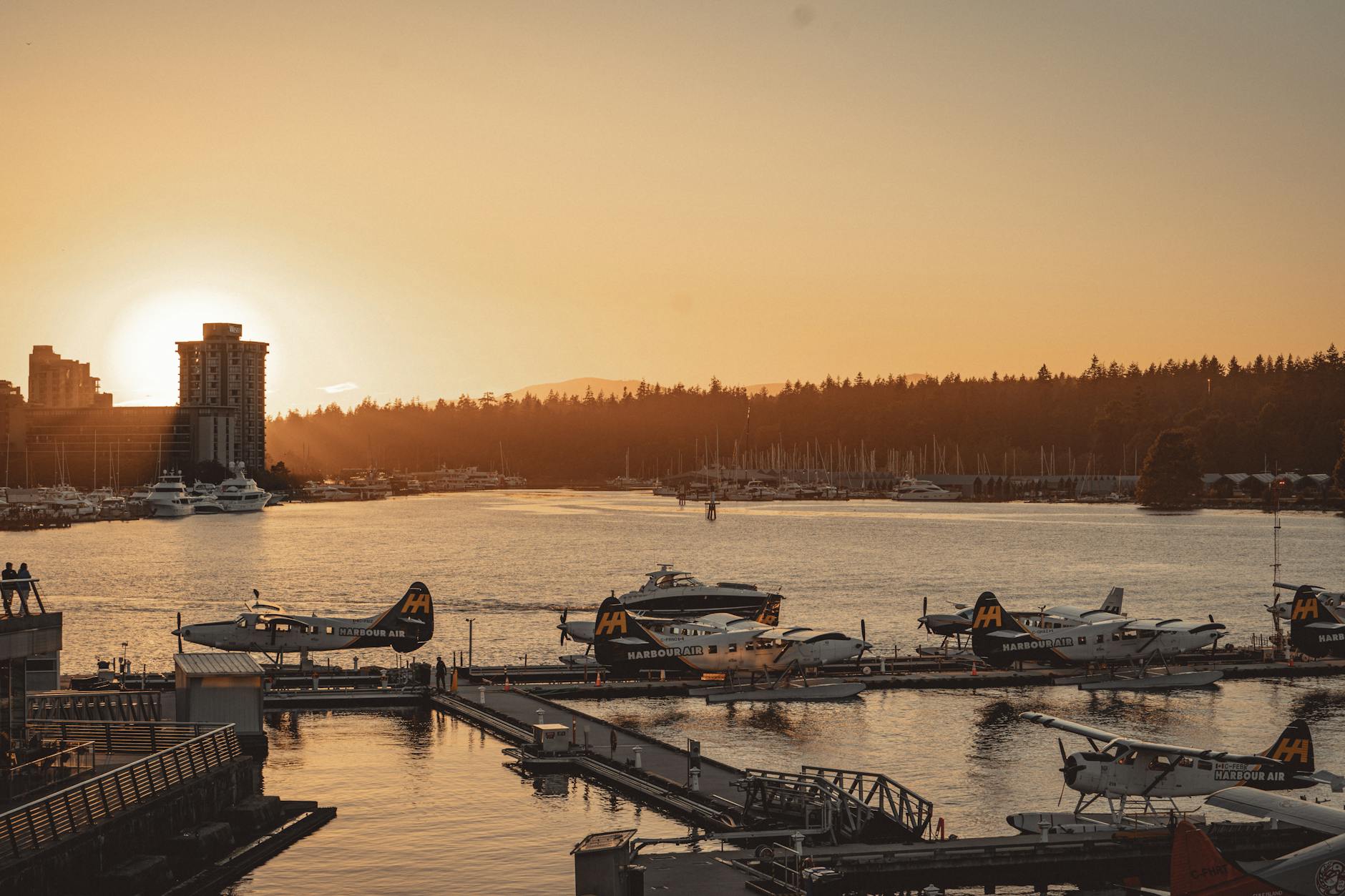
Victoria luxury often begins before the hotel. A seaplane can be memorable and efficient for some itineraries, while the airport, ferry, private car, or Vancouver connection may be better for luggage, weather, privacy, or schedule reliability. The most elegant route is the one that protects the traveler's actual comfort and timing.
The traveler should compare baggage rules, weather exposure, pickup points, terminal waiting, transfer time, and backup options. A scenic arrival loses value if it creates stress, missed reservations, or awkward luggage handling.
- Compare seaplane, airport, ferry, private car, and Vancouver connection options before booking.
- Check baggage limits, weather risk, pickup points, privacy, and terminal waiting.
- Use the scenic route when it supports the day rather than complicating it.
Use gardens, coast, and heritage without rushing
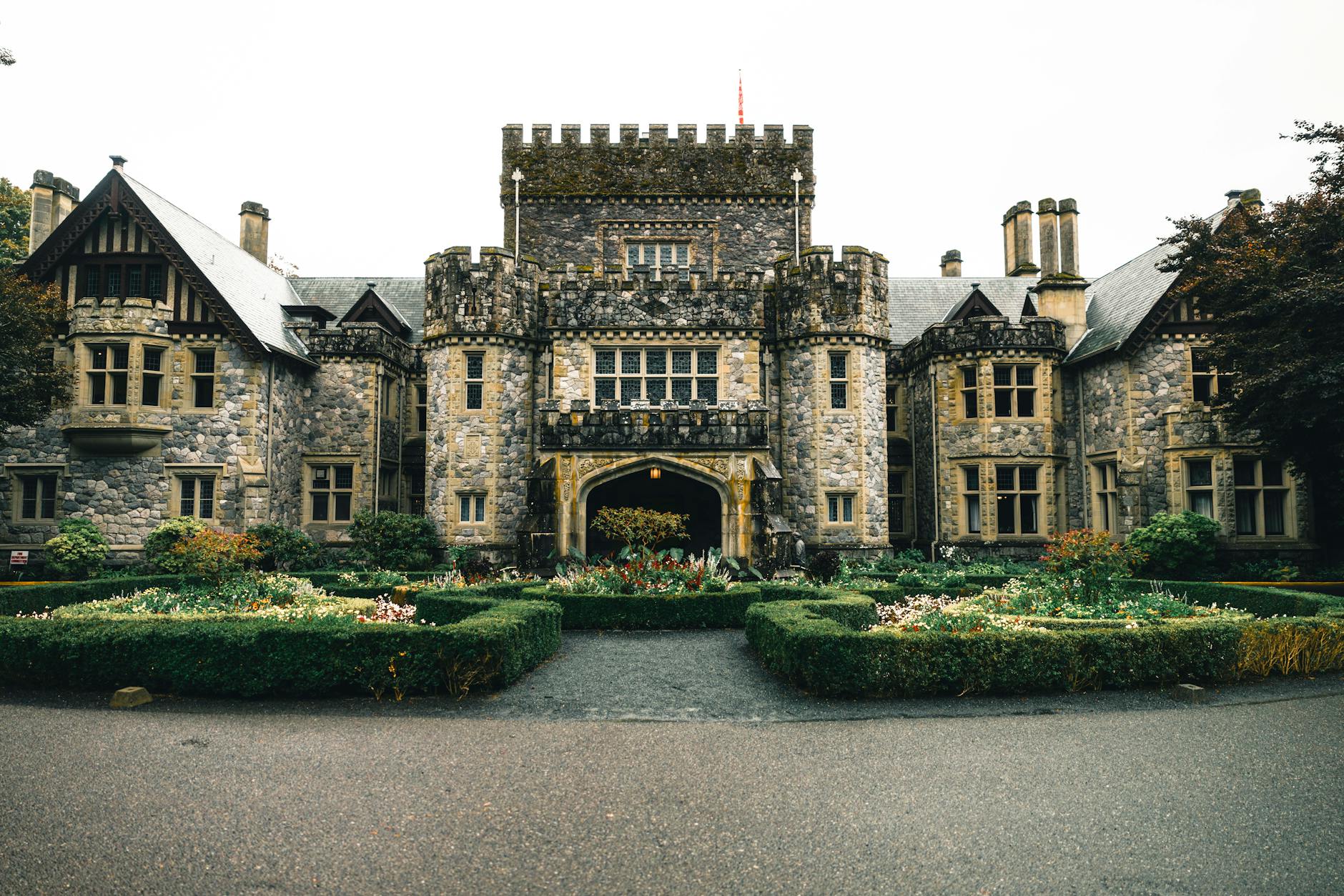
Victoria's premium appeal often sits in measured experiences: gardens, heritage architecture, harbor paths, coastal viewpoints, tea, museums, and quiet waterfront time. These do not work well when stacked like obligations. A luxury traveler should give the best choices enough space to feel calm.
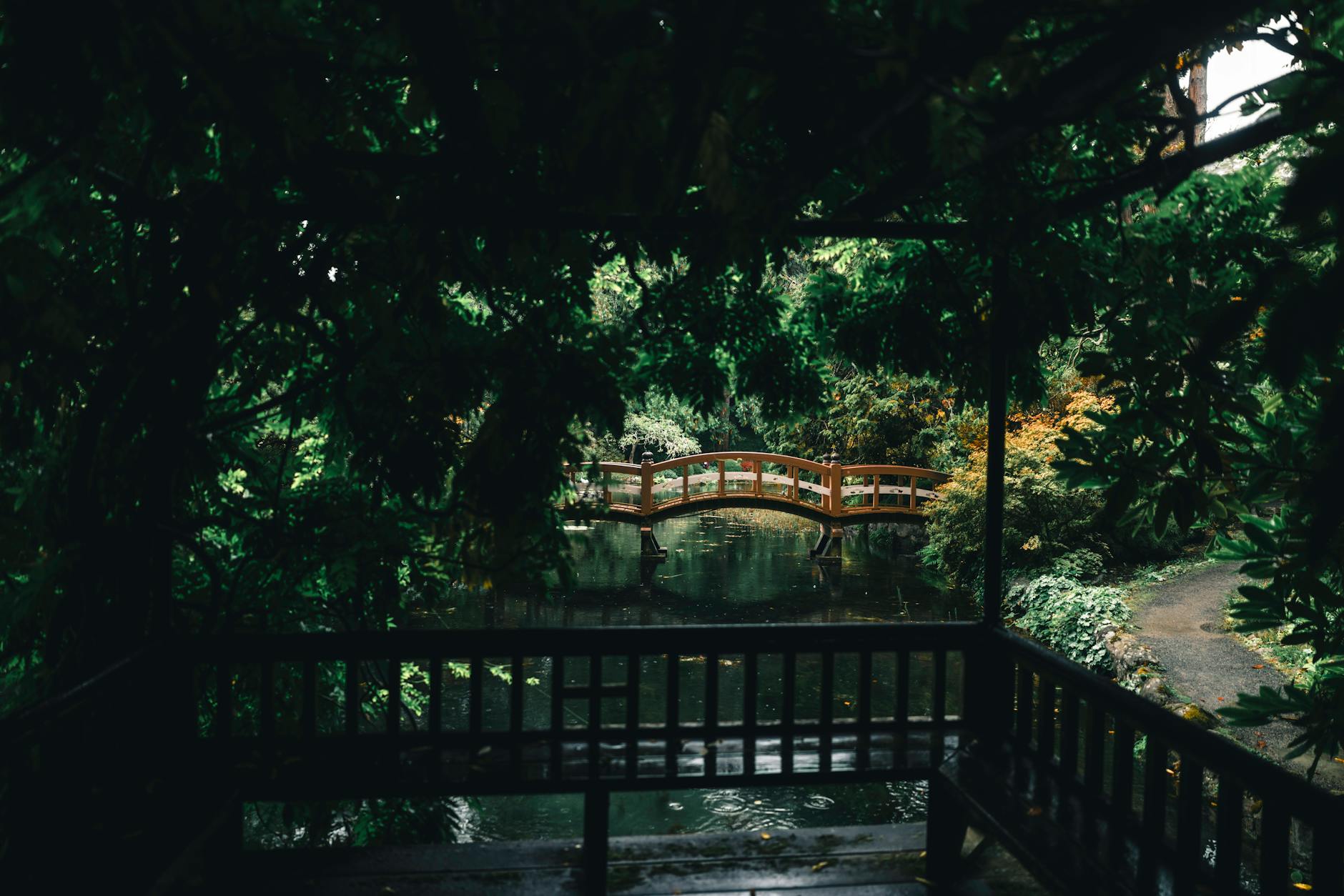
Garden and coastal plans should account for season, rain, light, footwear, transfer time, and whether the traveler wants guided interpretation or private time. A beautiful garden visit can be a center of the day, not a rushed stop between reservations.
- Give gardens, harbor walks, heritage sites, and coastal views enough time to be enjoyable.
- Plan private driving, footwear, rain, daylight, and guide needs before the day starts.
- Avoid turning premium experiences into a crowded sightseeing circuit.
Protect privacy, weather comfort, and recovery
Luxury travelers may still face ordinary friction: rain, wind, crowds, delayed ferries, restaurant noise, busy hotel lobbies, or too much walking. The plan should protect privacy, weather comfort, and recovery through good transfer timing, flexible reservations, quiet blocks, and backup indoor choices.
Wellness matters on short Victoria stays. A suite, spa appointment, harbor-view pause, late breakfast, or unplanned afternoon can be more valuable than another attraction. The traveler should know where the schedule needs silence.
- Build weather buffers, quiet time, and indoor alternatives into the itinerary.
- Use private transfers or taxis when they protect clothing, privacy, or energy.
- Leave recovery time visible instead of treating every open hour as inventory.
When to order a short-term travel report
A luxury traveler with a known hotel and flexible dates may not need a custom Victoria report. A report becomes useful when the trip involves high hotel costs, seaplane or ferry decisions, private transfers, special meals, garden timing, privacy needs, mobility considerations, celebration logistics, or onward Vancouver Island plans.
The report should test arrival mode, hotel fit, room and view priorities, transfer design, dining sequence, garden and coast timing, weather comfort, privacy, wellness, budget tradeoffs, medical fallback, and what to cut. The value is a Victoria stay that feels deliberate rather than merely expensive.
- Order when hotel, arrival mode, privacy, dining, gardens, or onward plans need testing.
- Provide dates, hotel options, transfer preferences, dining goals, budget, interests, and constraints.
- Use the report to make the luxury stay coherent, calm, and worth the spend.