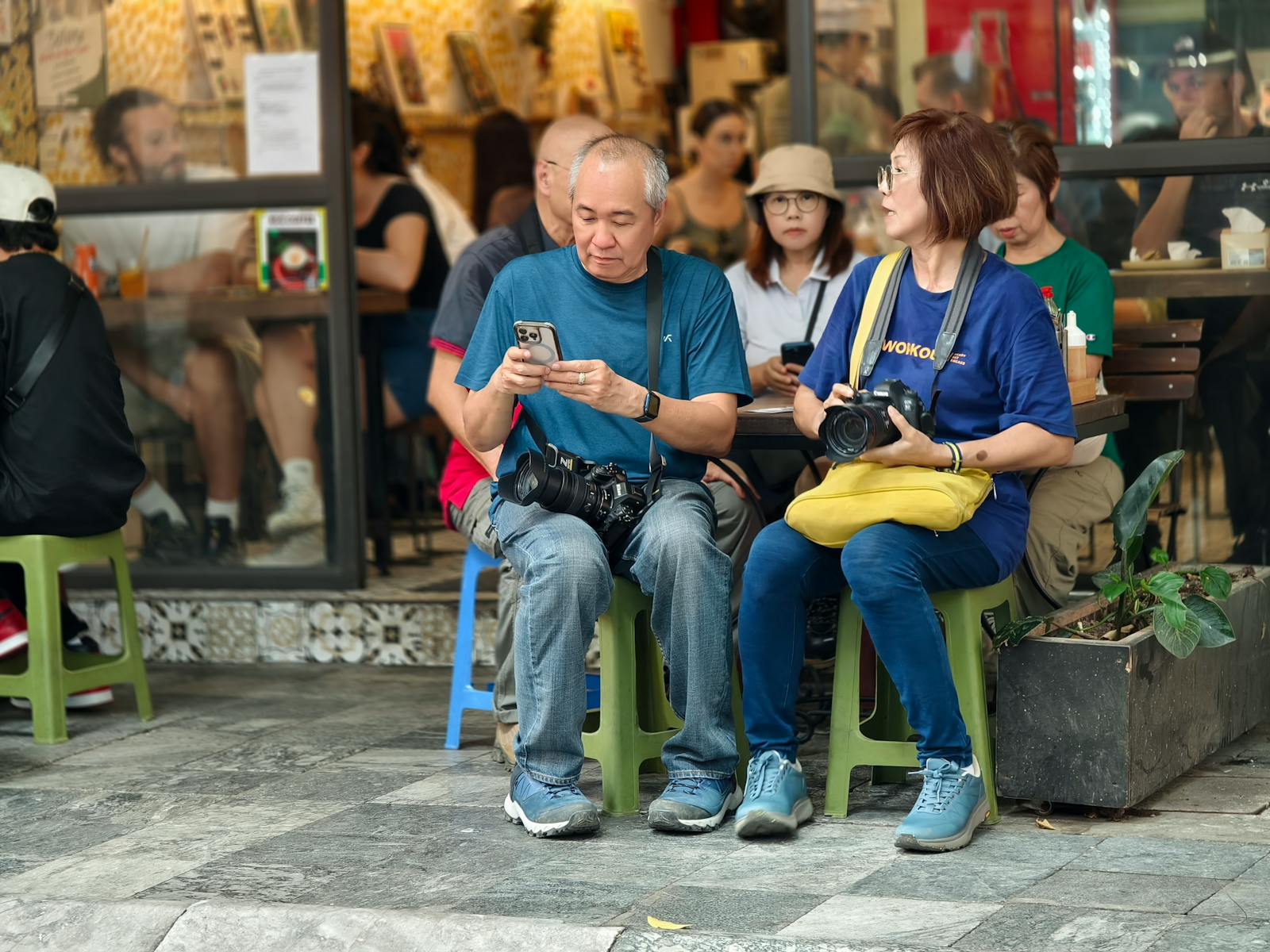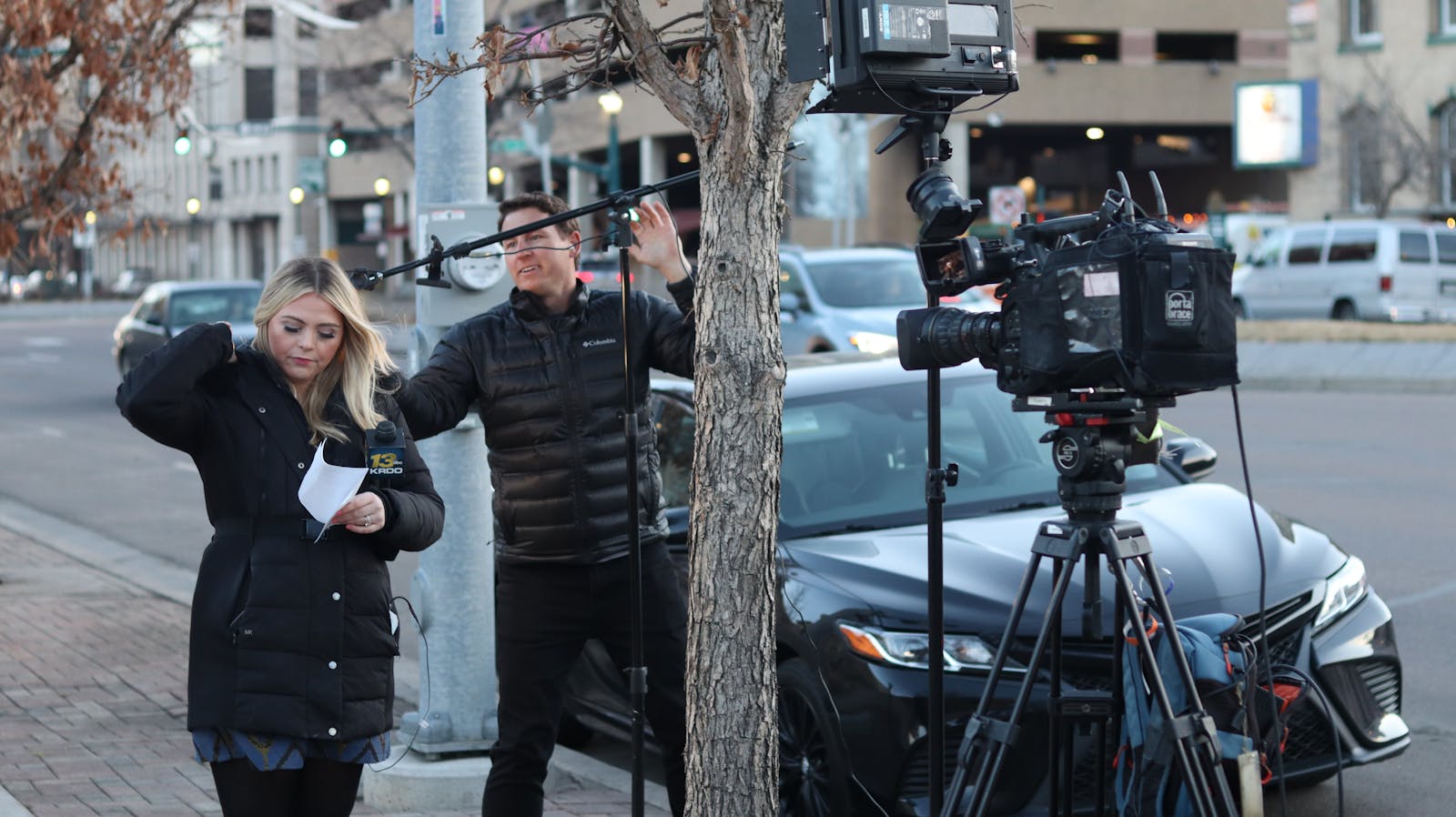
Victoria can be an efficient but deceptively layered reporting destination. It has provincial government, tourism, universities, harbor symbolism, Indigenous and regional context, environmental stories, housing pressures, business ties, arts communities, cruise activity, and island logistics. A journalist can collect useful material quickly, but only if the assignment is sharper than a scenic city visit. The main risk is mistaking the Inner Harbour for the whole story. Victoria photographs easily, but reporting requires source access, time discipline, consent awareness, equipment planning, and a base that supports deadlines. A short trip should be built around the story, not around the postcard.
Define the assignment before chasing scenes
Victoria gives journalists many easy visuals: the legislature, harbor, hotels, seaplanes, gardens, historic streets, coast, and cruise traffic. Those scenes may support a story, but they are not a story by themselves. The journalist should define the assignment question, outlet needs, format, source list, evidence standard, and deadline before building the trip.
A policy piece, travel feature, climate story, business profile, campus report, Indigenous affairs piece, culture story, or housing article will each use Victoria differently. The trip should know which one it is.
- Clarify story question, outlet format, evidence needs, photo or video requirements, and deadline.
- Separate useful establishing visuals from the reporting core.
- Do not let Victoria's scenic layer decide the assignment.
Build source access before arrival
Victoria is small enough that a journalist may assume sources will be easy to reach. That can be wrong. Government offices, universities, nonprofits, Indigenous organizations, business leaders, researchers, artists, residents, and tourism operators may need advance notice, communications approval, or careful timing.
The journalist should schedule interviews before travel, identify backups, confirm recording permissions, and leave time for source geography. A short reporting trip should not depend on cold approaches unless the story is intentionally built around street-level reporting.
- Schedule priority interviews, backups, recording permissions, and access windows before travel.
- Account for government, institutional, community, and organizational approval processes.
- Leave room for source geography outside the visitor core.
Choose a base for reporting movement
A journalist's hotel should be judged by story logistics: interview locations, transit, taxi reliability, quiet writing space, upload speed, early breakfast, late returns, gear storage, and route exposure in rain. Downtown or near the harbor may be useful for government, tourism, and convention stories, but not every assignment belongs there.
If the story requires campus access, neighborhood reporting, coastal footage, or regional movement, the base should support those days. The wrong base can turn a short reporting trip into a string of rushed transfers.
- Map interviews, visuals, institutions, neighborhoods, and upload needs before booking lodging.
- Check Wi-Fi, desk space, quiet, breakfast, gear storage, and late return logistics.
- Choose the base that serves the story, not simply the most recognizable view.

Protect equipment, files, and deadlines
A Victoria reporting trip may involve camera gear, audio equipment, notes, confidential source details, unpublished drafts, passports, laptops, chargers, batteries, cards, and cloud uploads. The journalist should plan storage, backups, weather protection, device security, and workspace before the first reporting block.
Deadline pressure changes the trip. Ferry delays, seaplane weather, weak hotel Wi-Fi, late interviews, or a wet shooting day can damage an otherwise sound assignment. The work plan should include upload windows and edit blocks, not just interviews.
- Plan backup, charging, weather protection, file naming, upload windows, and secure storage.
- Protect source notes, unpublished drafts, recordings, and devices in public spaces.
- Build writing and edit time into the itinerary before the deadline compresses the trip.

Understand consent and access limits
Victoria's public spaces may feel open, but journalists still need to think carefully about consent, filming rules, private property, institutional access, minors, vulnerable people, cultural context, and when a camera changes the situation. Reporting near community services, schools, health sites, Indigenous spaces, protests, or private businesses should be handled with particular care.
The journalist should also know when they are visible as press and when they are simply a person with equipment. A short trip leaves little room to repair mistrust caused by an unclear approach.
- Check consent, filming, private property, institutional, and cultural access rules before shooting.
- Use extra care around minors, vulnerable people, community services, protests, and health settings.
- Be clear when press identity matters to the interaction.
Plan island access and weather buffers
Victoria's island setting affects journalism more than it first appears. Flights, ferries, seaplanes, buses, rentals, and taxis can all be workable, but they should be matched to the assignment's immovable moments. A same-day arrival before a crucial interview is fragile if weather or transfer timing shifts.
Weather also affects visuals and movement. Rain can be useful for atmosphere, but it can also weaken sound, visibility, equipment handling, and outdoor source comfort. A good reporting schedule protects the essential interviews and leaves flexible time for visuals.
- Match ferry, airport, seaplane, bus, or rental choices to immovable interviews and deadlines.
- Protect equipment and sound quality against rain and wind.
- Leave flexible time for exterior visuals instead of betting everything on one weather window.
When to order a short-term travel report
A journalist covering one confirmed event from a familiar hotel may not need a custom Victoria report. A report becomes useful when the assignment includes multiple sources, uncertain access, sensitive communities, equipment-heavy work, ferry or air choices, tight deadlines, outdoor visuals, or a story that depends on understanding where Victoria's visitor image stops and the reporting subject begins.
The report should test source geography, interview sequence, lodging, transfer risk, weather, workspace, equipment handling, consent issues, public versus private access, backup plans, and what to cut. The value is a reporting trip that produces usable work instead of a scenic but thin file.
- Order when sources, access, equipment, deadlines, consent, or island logistics create risk.
- Provide assignment brief, source list, locations, dates, gear needs, output format, and deadline.
- Use the report to protect reporting value and remove weak movements from the schedule.