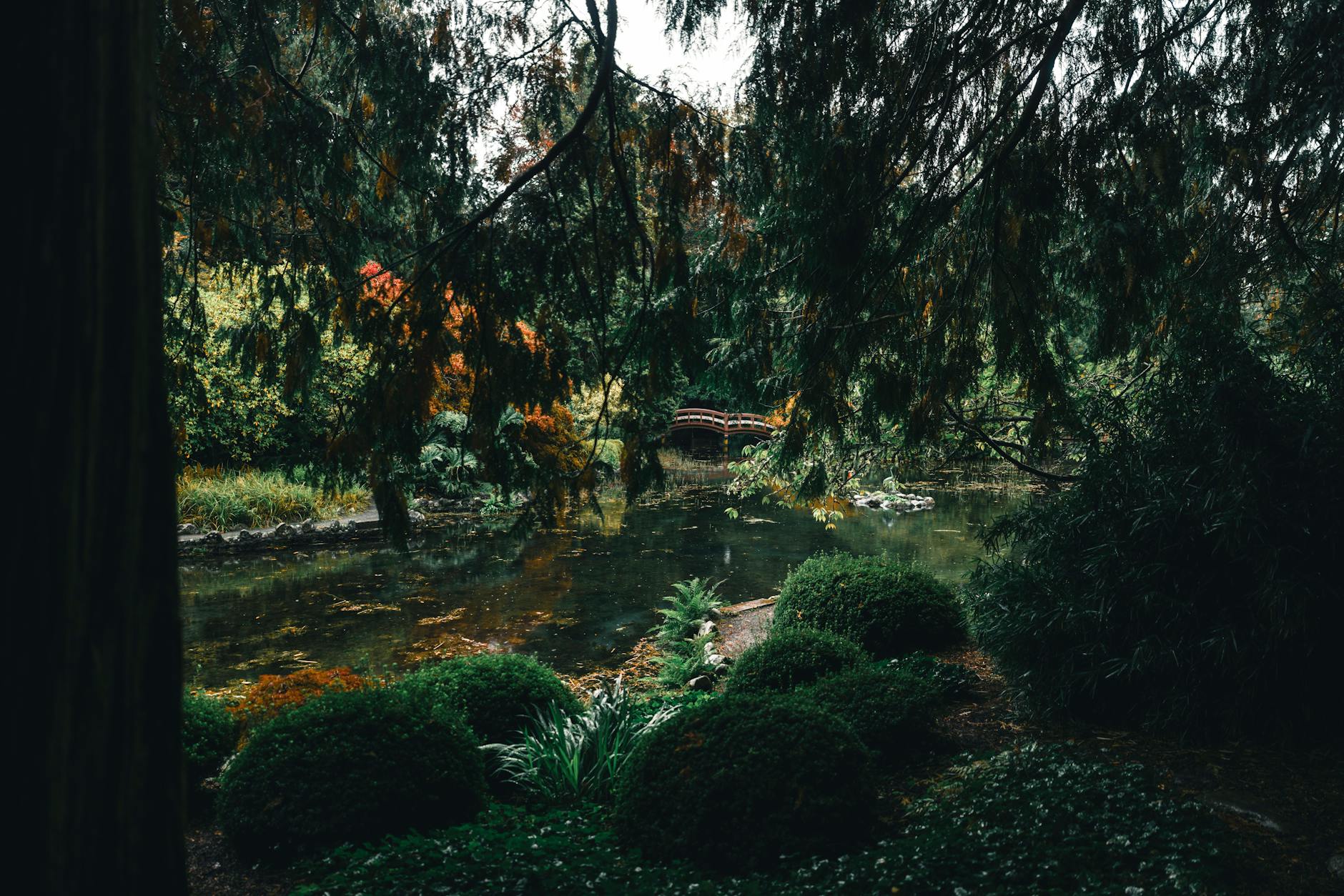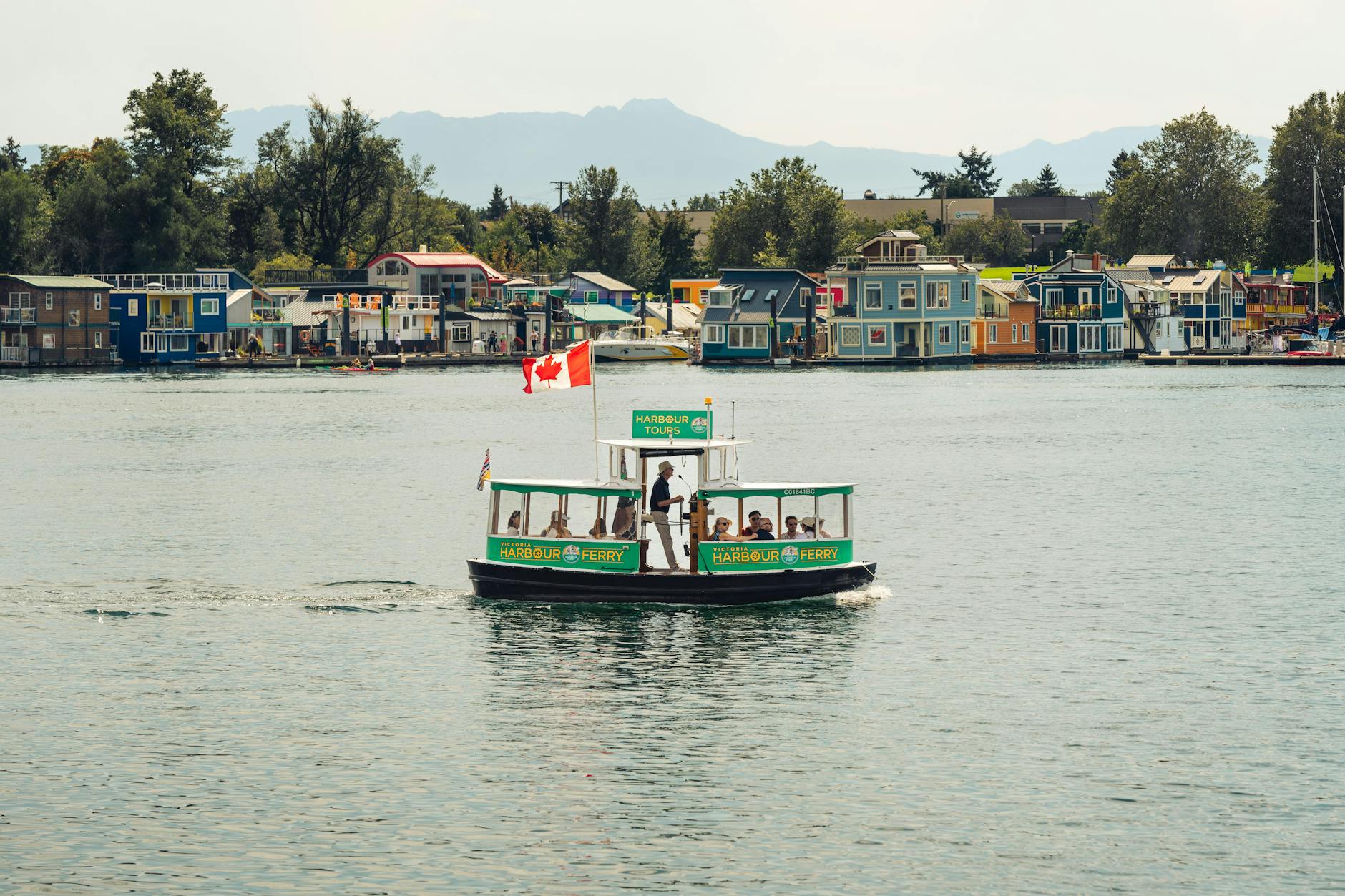
Victoria is easy to like on a first visit, but it should not be planned as if it were only a pretty harbor. The city combines an Inner Harbour core, historic hotels, Parliament Buildings, gardens, waterfront paths, neighborhoods, ferries, seaplanes, and regional day-trip options. A short first trip works best when it is compact and deliberate. The traveler should decide what kind of first Victoria trip this is: harbor and heritage, gardens, food, coastal scenery, family visit, romantic weekend, museum time, or a soft landing before exploring Vancouver Island. That choice should drive the arrival mode, hotel location, daily pacing, and what to leave for another trip.
Start with a compact first-visit shape
A first-time visitor should resist turning Victoria into a rushed Vancouver Island sampler. The Inner Harbour, Parliament Buildings, Fairmont Empress area, Royal BC Museum area, Beacon Hill Park, Chinatown, Fisherman's Wharf, Dallas Road, gardens, and coastal viewpoints can all compete for time. They do not all belong in one short stay.
For many first visits, the strongest plan begins with the Inner Harbour and one or two deliberate additions. That gives the traveler a coherent sense of place before adding a garden excursion, food route, museum block, or coastal walk.
- Choose whether the first trip is about harbor, heritage, gardens, food, coast, or a relaxed overview.
- Build the first route around lodging, arrival point, Inner Harbour, and one or two nearby areas.
- Save farther Vancouver Island ideas until the Victoria core is realistic.
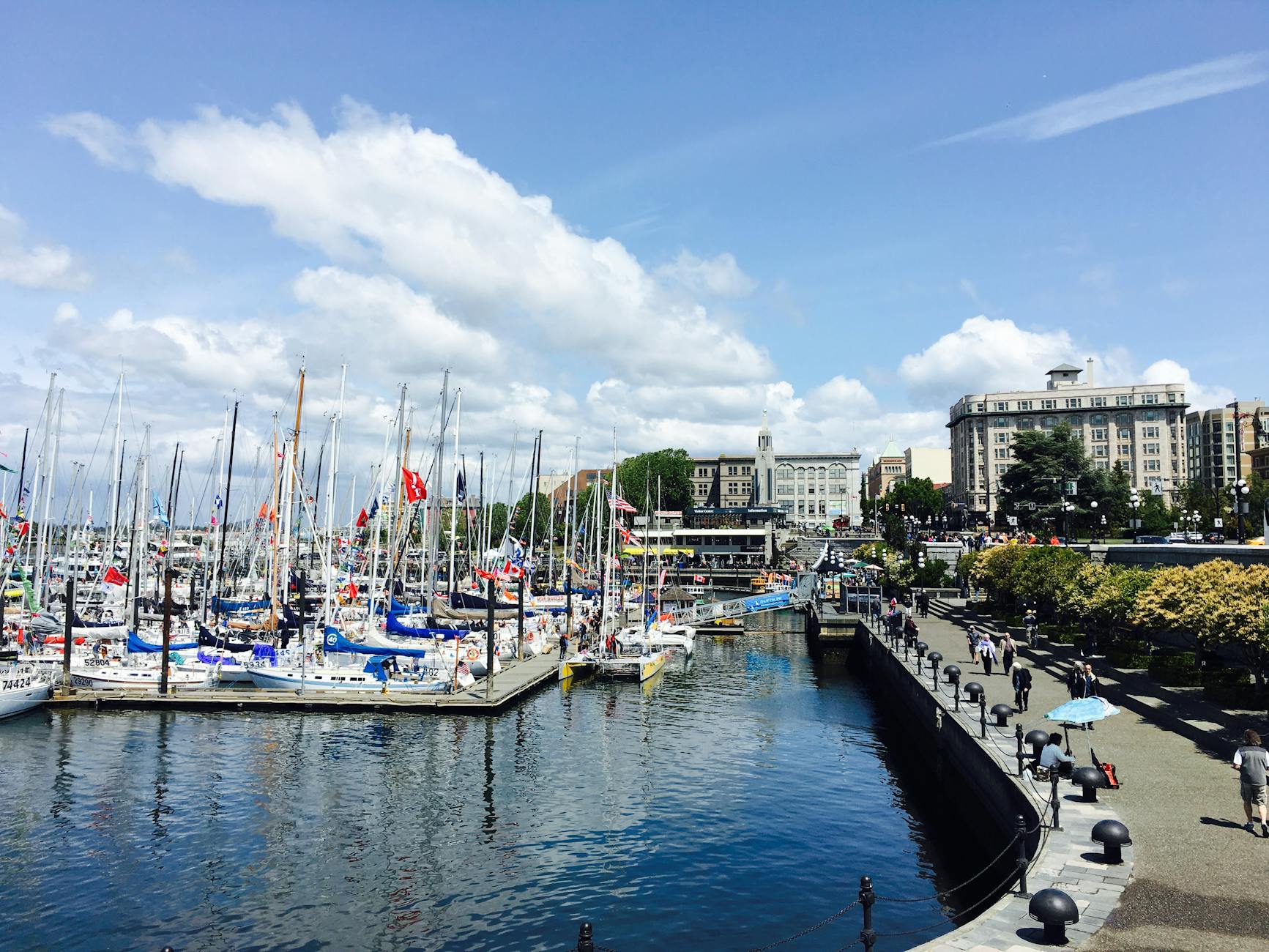
Choose arrival mode before choosing the hotel
A first-time Victoria trip often starts with a meaningful transport choice. The traveler may fly into Victoria International Airport, arrive by ferry, take a seaplane, connect through Vancouver, or combine modes. Each option changes luggage handling, weather exposure, cost, arrival time, and the transfer to the hotel.
The hotel should be evaluated against the actual arrival point. A beautiful Inner Harbour property can be convenient for a seaplane or downtown plan, but airport, ferry terminal, or regional plans may require more ground-transfer thinking than the traveler expects.
- Compare airport, ferry, seaplane, and Vancouver connection routes before locking the hotel.
- Check luggage handling, terminal distance, late arrival, taxi access, and weather exposure.
- Make the first transfer simple enough to do while tired and unfamiliar with the city.
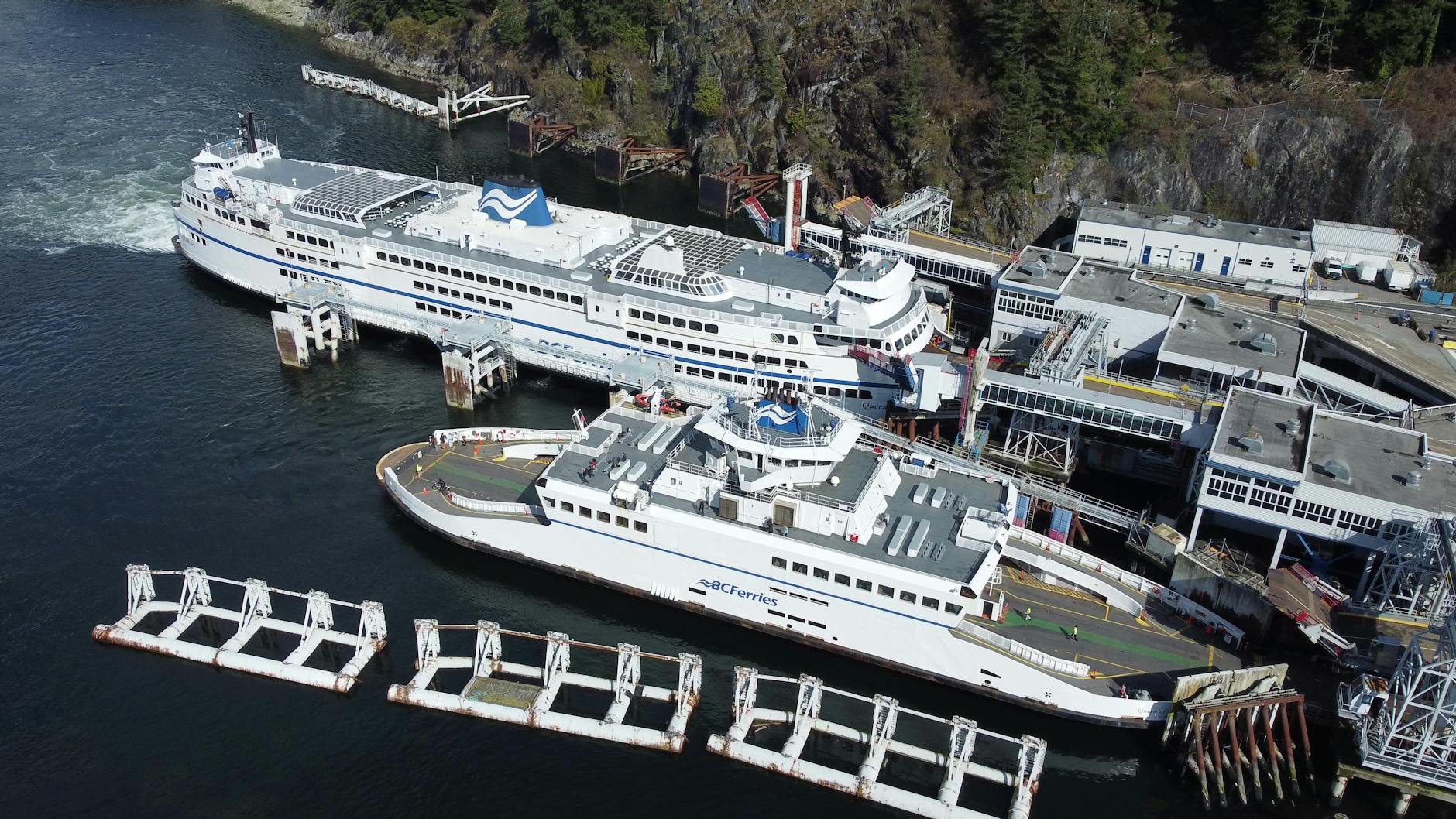
Plan by season, rain, and daylight
Victoria's coastal setting can make a first visit feel gentle, but weather still deserves planning. Rain, wind, cool evenings, bright summer tourism periods, shoulder-season changes, and shorter winter daylight can affect waterfront walks, gardens, ferry movement, and how much the traveler wants to be outside.
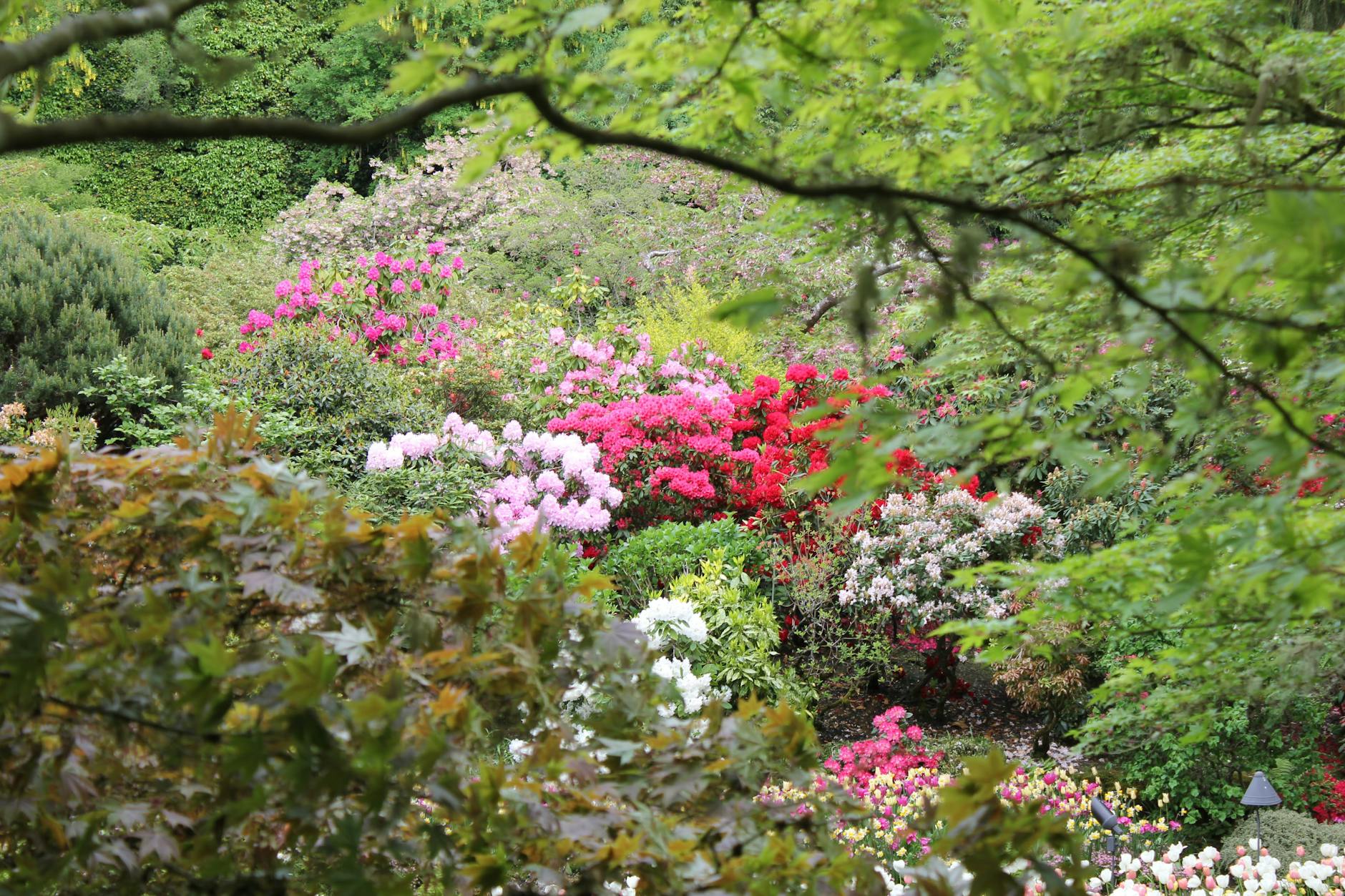
The first-time plan should include clothing, shoes, indoor alternates, reservation timing, and a realistic view of how long outdoor attractions remain enjoyable. Butchart Gardens, Beacon Hill Park, Dallas Road, and harbor walks can be excellent when the month and weather support them.
- Build different plans for rain, wind, cool evenings, summer crowds, and shorter winter days.
- Use footwear and layers that support gardens, waterfront walks, and ferry transfers.
- Keep indoor alternates ready so bad weather does not flatten the first visit.
Budget for a polished visitor city
Victoria can feel relaxed while still being costly. Inner Harbour hotels, peak-season rooms, taxis, ferries, seaplanes, garden admissions, restaurants, parking, and tours can add up quickly. A first-time visitor should decide where the money should go before the city starts making those decisions through convenience.
For some travelers, the right spend is a central hotel and simple meals. For others, it is a garden excursion, a harbor meal, afternoon tea, a seaplane arrival, or a guided experience. Budget clarity keeps the trip from becoming a string of small expensive compromises.
- Set realistic budgets for lodging, transfers, meals, gardens, museums, ferries, taxis, and tours.
- Reserve early when tourism periods, conferences, or holidays tighten central hotel supply.
- Spend deliberately on the first-visit experience that matters most.
Choose the first sights instead of collecting them
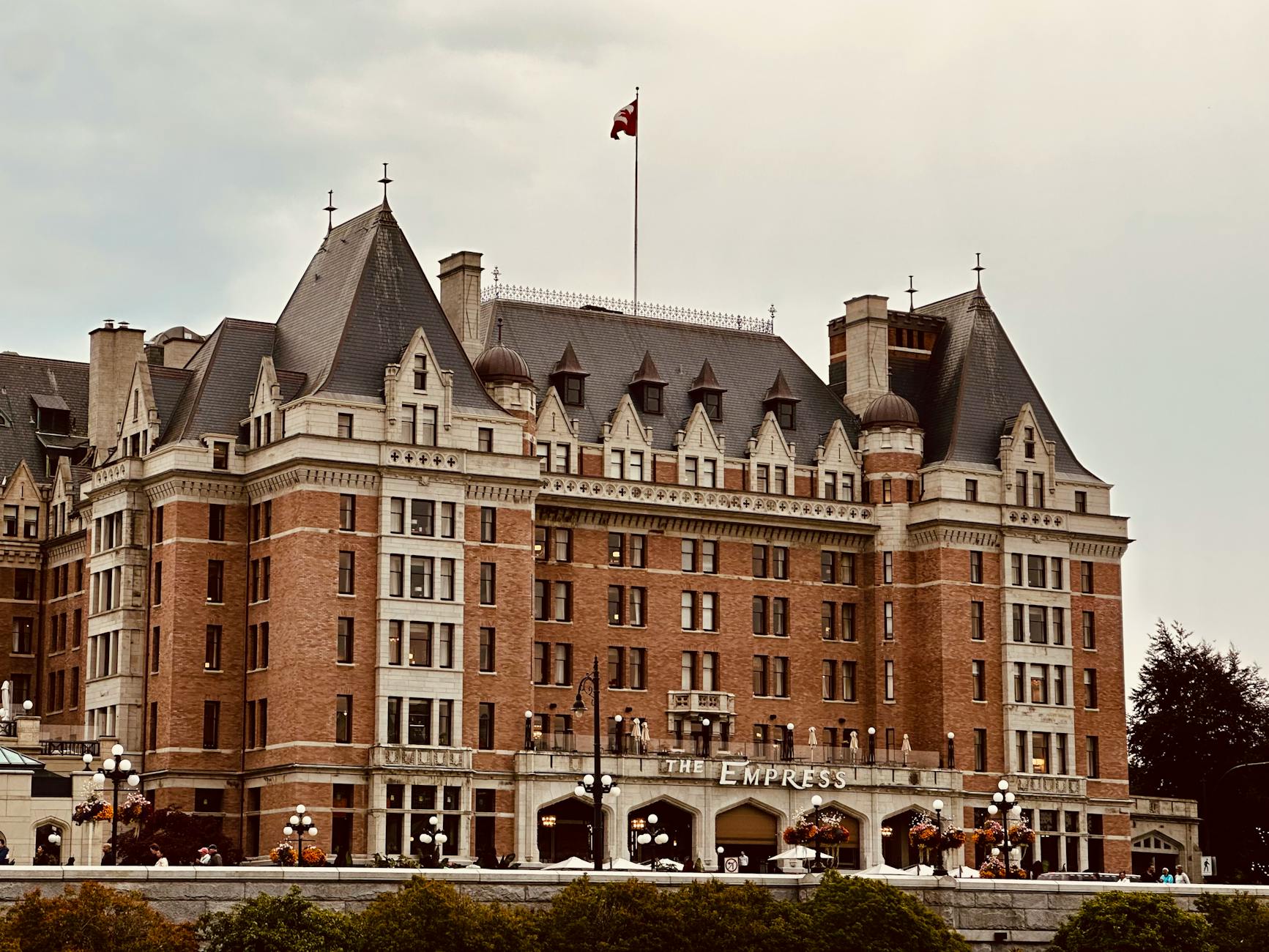
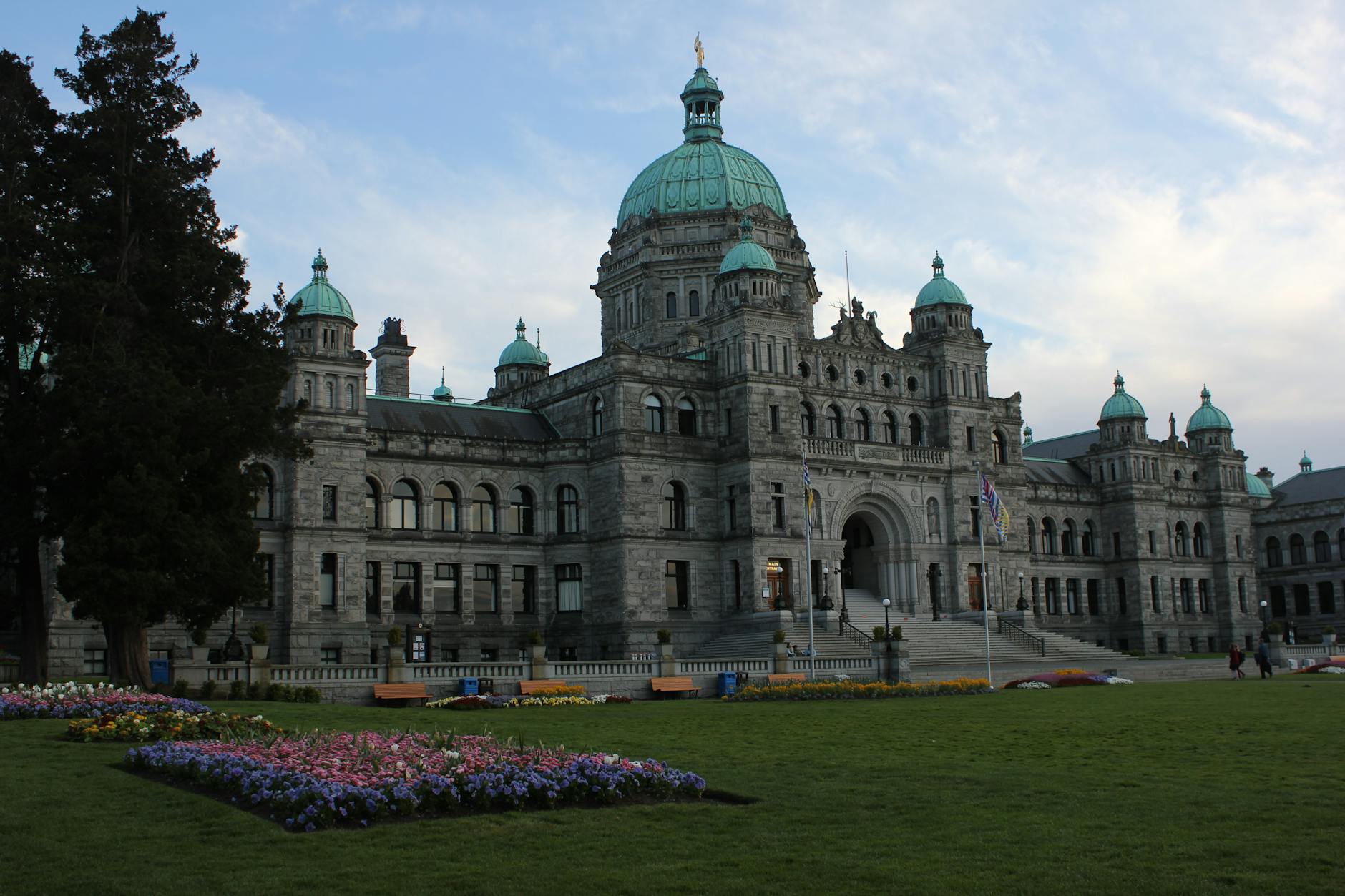
A first Victoria itinerary can become crowded with famous names. Parliament Buildings, the Inner Harbour, Fairmont Empress, Royal BC Museum area, Chinatown, Beacon Hill Park, Fisherman's Wharf, gardens, and coastal routes are all plausible. The visitor should choose by interest, route logic, and season rather than obligation.
The best first days usually group nearby sights and leave space to notice the city. A morning harbor walk, one museum or garden plan, one neighborhood, and a comfortable dinner may be stronger than a checklist that looks impressive but feels thin.
- Group sights by geography instead of crossing town for disconnected stops.
- Choose Parliament, museums, gardens, harbor, neighborhoods, or coast by actual interest.
- Leave unscheduled time near the harbor so the first visit can breathe.
Use walking, transit, taxis, and food with intent
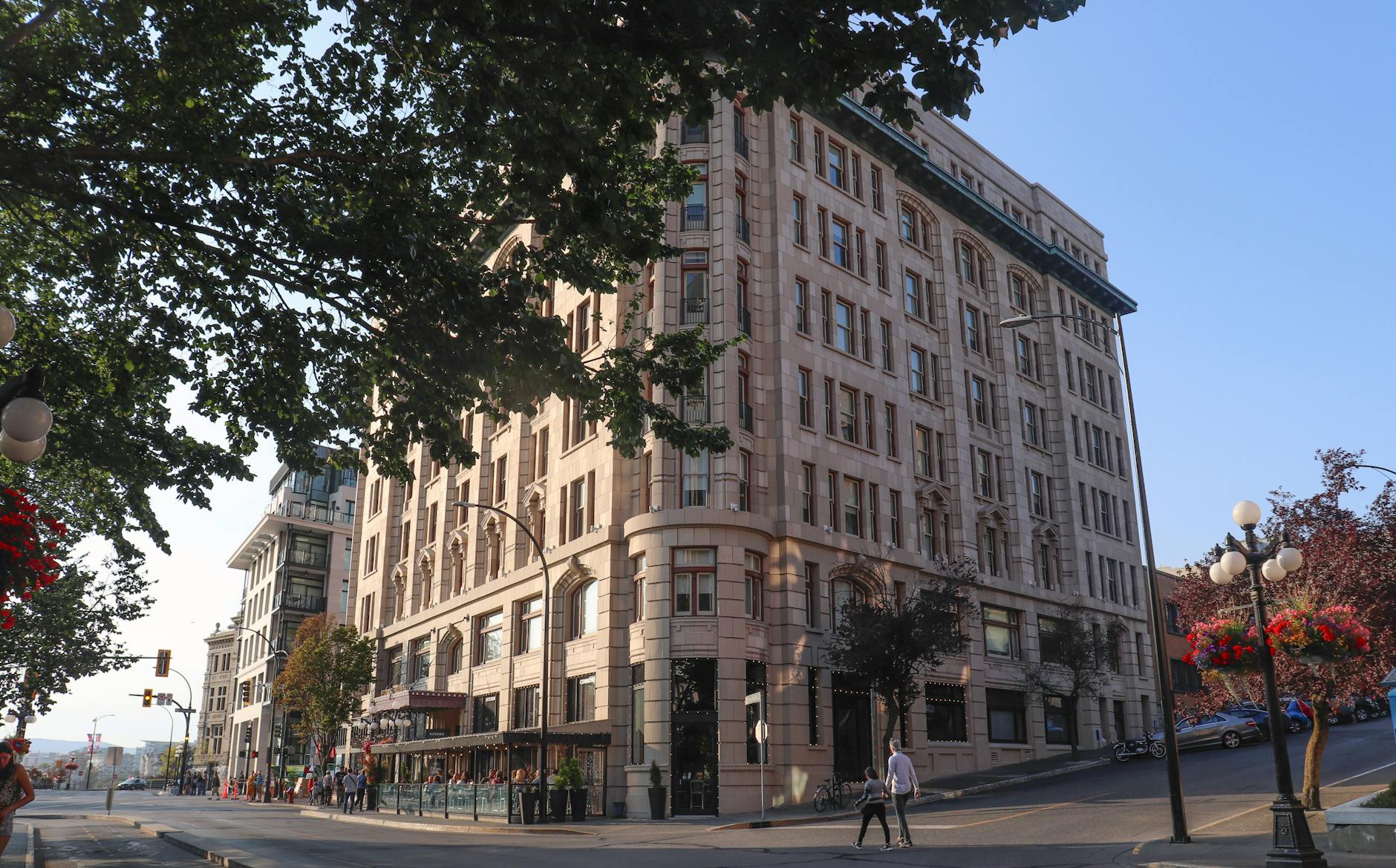
Victoria's core can be walkable, but a first-time visitor should still test distances, hills, weather, return routes, luggage, and evening comfort. Public buses, taxis, hotel pickups, bike options, ferries, and tours can all help when used deliberately. A plan that assumes every route is a short stroll may break once gardens, beaches, or suburban lodging enter the picture.
Food should also be planned enough to avoid frustration. A harbor dinner, casual bakery, Chinatown stop, hotel breakfast, market visit, seafood meal, or simple takeaway can each fit a different day. Leaving every meal to chance can make a short trip expensive and oddly inefficient.
- Test walking distances, weather exposure, luggage needs, and evening returns before relying on foot travel.
- Use buses, taxis, tours, or hotel pickups when they protect time or comfort.
- Plan a few meals deliberately so price, reservations, and timing do not dominate the trip.
When to order a short-term travel report
A first-time visitor with flexible dates, a central hotel, and a relaxed pace may not need a custom Victoria report. A report becomes useful when the trip is short, expensive, weather-sensitive, tied to ferry or seaplane timing, planned around gardens or regional stops, affected by mobility needs, or connected to onward Vancouver Island travel.
The report should test arrival mode, hotel location, first-day route, seasonal weather, walking distances, garden or museum timing, meal strategy, transfer costs, medical fallback, accessibility, and what to cut. The value is a first Victoria trip that feels coherent rather than improvised.
- Order when access mode, lodging, weather, budget, mobility, gardens, or onward travel need testing.
- Provide dates, arrival details, hotel options, interests, budget, constraints, and onward plans.
- Use the report to make the first visit compact, practical, and worth the cost.