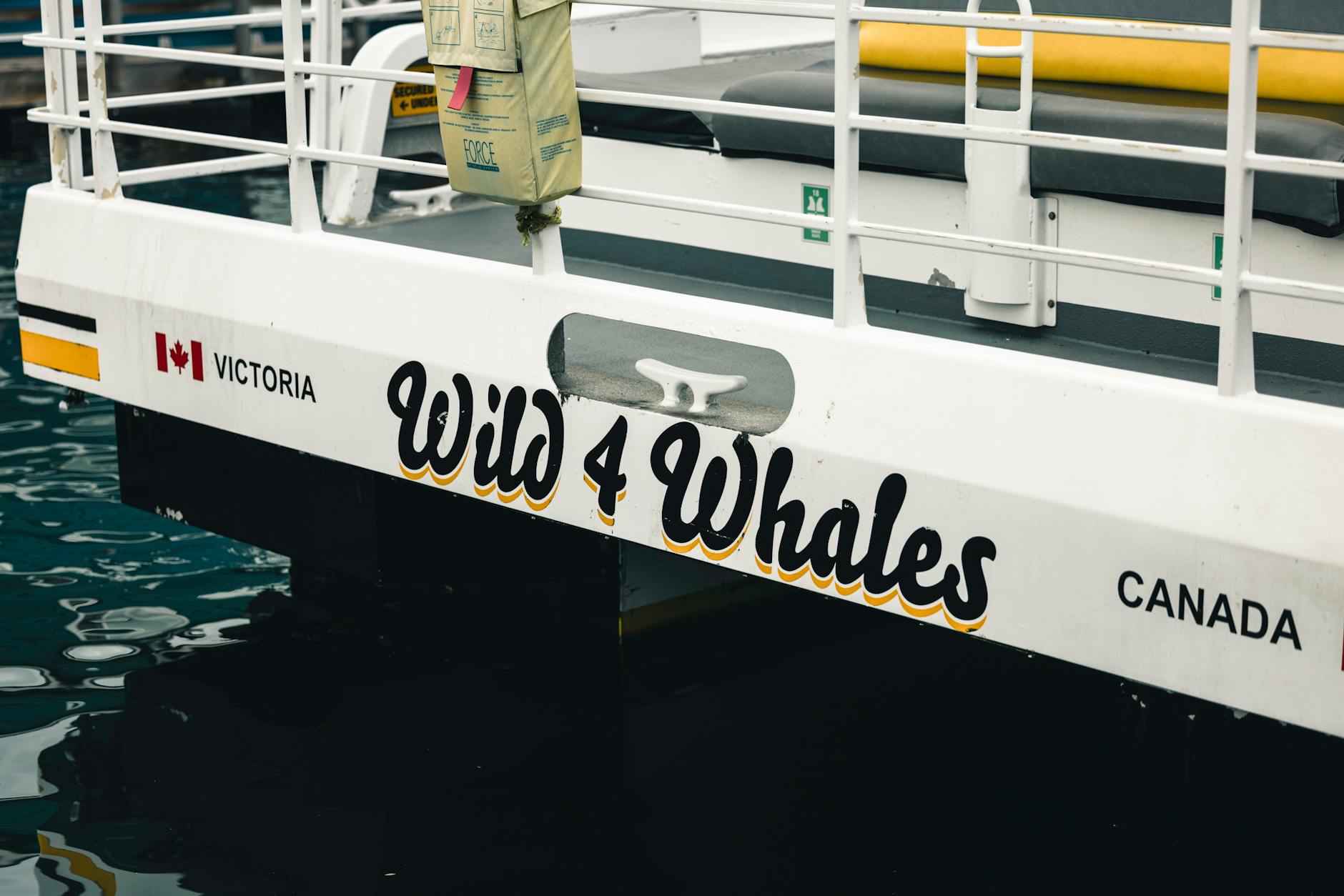
Victoria can be a strong family destination because it offers a scenic harbor, gardens, ferries, whale watching, parks, historic buildings, walkable areas, and a gentler pace than many large cities. It can also become tiring if the family underestimates island transfers, room setup, rain, walking distances, meal timing, and children's limits. The family plan should start with logistics rather than attractions. How will everyone arrive, where will luggage go, what room setup is needed, how far can children walk, what happens in rain, and which experiences fit the ages traveling? Those answers should shape the trip before the family starts adding gardens, boats, museums, and coastal routes.
Choose a family base around arrival and daily radius
A family Victoria hotel should be judged by room layout, elevator access, breakfast, laundry, crib or cot needs, quiet, nearby food, luggage storage, parking, taxi pickup, and distance to the main daily route. A charming property can be wrong if it creates too many steps with tired children or awkward stroller handling.
Families should map the arrival point before choosing the base. Airport, ferry, seaplane, and Vancouver connections all create different first-hour demands. The best hotel is the one that makes arrival, meals, naps, and evening returns manageable.
- Check room layout, elevators, breakfast, laundry, crib needs, luggage storage, and nearby food.
- Choose lodging around arrival mode, daily radius, nap windows, and evening returns.
- Avoid a pretty location that creates repeated family logistics problems.
Make island access child-proof
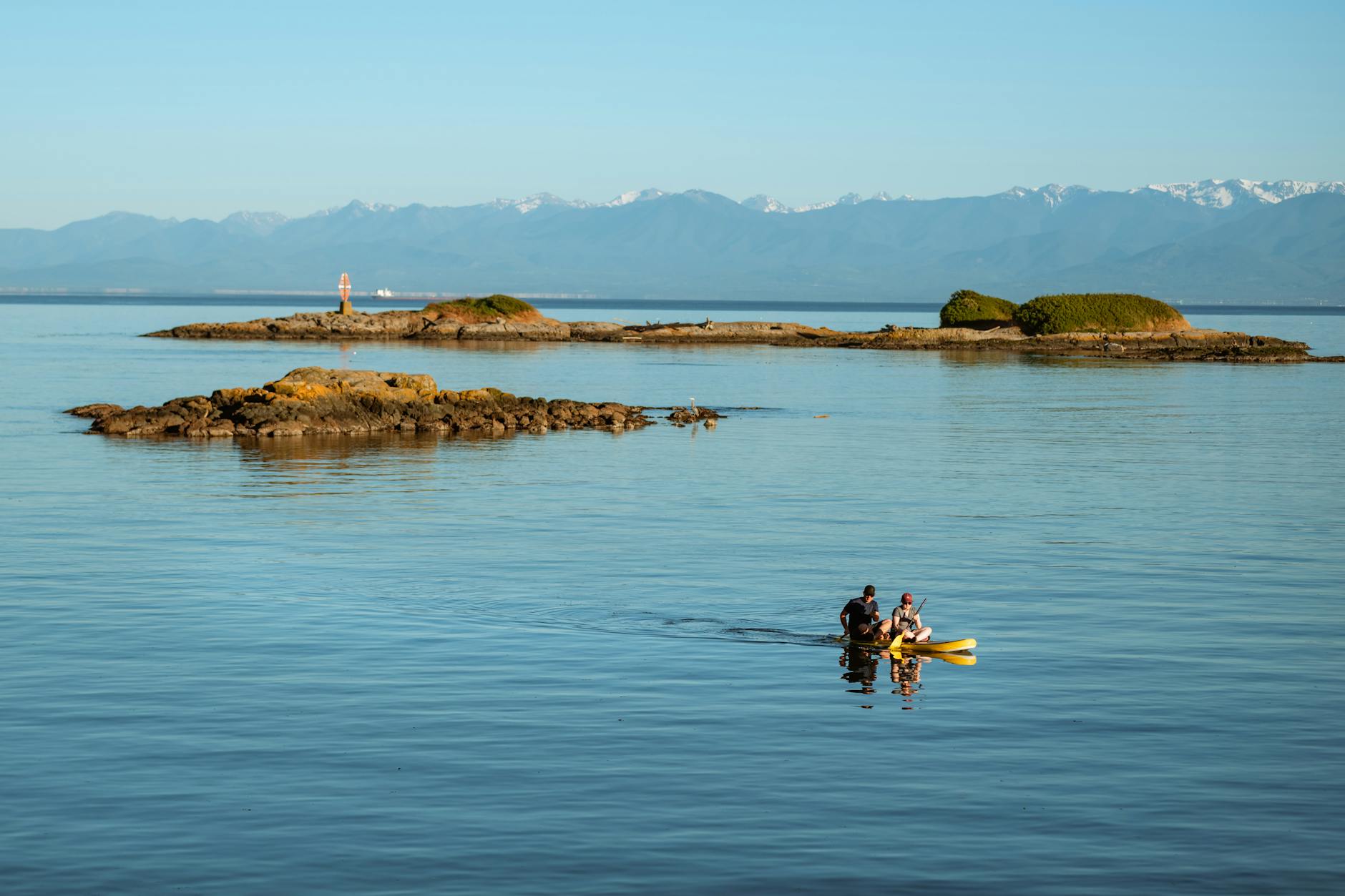
Ferries, airport transfers, seaplanes, and Vancouver connections can all work for families, but each needs a different plan for snacks, bathrooms, luggage, strollers, car seats, motion sensitivity, waiting time, and late arrival. The family should not treat arrival as a single adult would.
A scenic ferry may be part of the fun if the schedule is generous and everyone can sit, eat, and use bathrooms. A direct flight or arranged transfer may be better when the family is arriving late, carrying bulky gear, or managing very young children.
- Compare ferry, airport, seaplane, and Vancouver routes by luggage, bathrooms, car seats, and waiting.
- Pack snacks, layers, chargers, medication, and comfort items for the transfer itself.
- Use the simplest arrival when children are tired, young, or already travel-worn.
Match sights to ages and energy
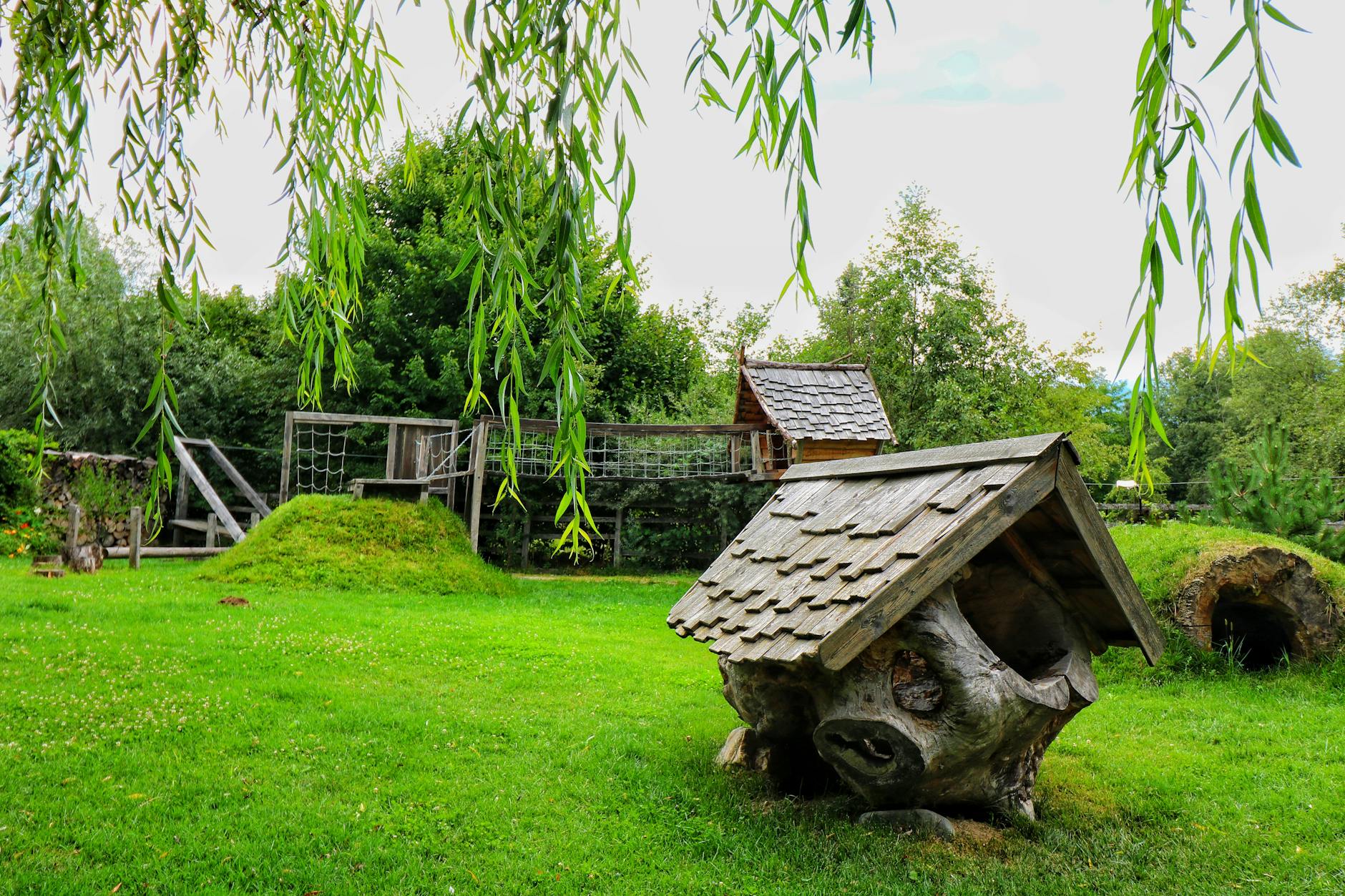
Victoria family planning should be age-specific. Gardens, whale watching, harbor walks, playgrounds, museums, ferries, coastal viewpoints, and historic buildings will not suit every child the same way. A toddler, a school-age child, a teenager, and grandparents traveling with children need different pacing.
The strongest plan usually combines one anchor activity with one flexible activity each day. A garden visit, boat trip, museum, or coastal route can work well if meals, bathrooms, and rest are built around it.
- Choose activities by child age, attention span, motion tolerance, and weather comfort.
- Use one anchor activity and one flexible activity rather than a full checklist.
- Treat gardens, boats, museums, and coastal routes as different energy demands.
Plan rain, layers, and stroller movement
Victoria's weather can be gentle, but family comfort still depends on rain gear, layers, stroller routes, footwear, and indoor alternates. A harbor walk that feels easy in sunshine can become a problem when a child is cold, tired, hungry, or stuck in wet shoes.
Families should identify weather-safe options before they need them. Hotel downtime, a museum block, cafe break, short taxi ride, or covered attraction can keep the day from collapsing when rain or wind changes the plan.
- Pack layers, rain gear, stroller covers, practical shoes, and backup clothing.
- Check stroller access, steps, uneven paths, gardens, and waterfront surfaces in advance.
- Keep indoor alternates and short returns available for bad weather or tired children.
Use ferries, boats, and wildlife plans carefully
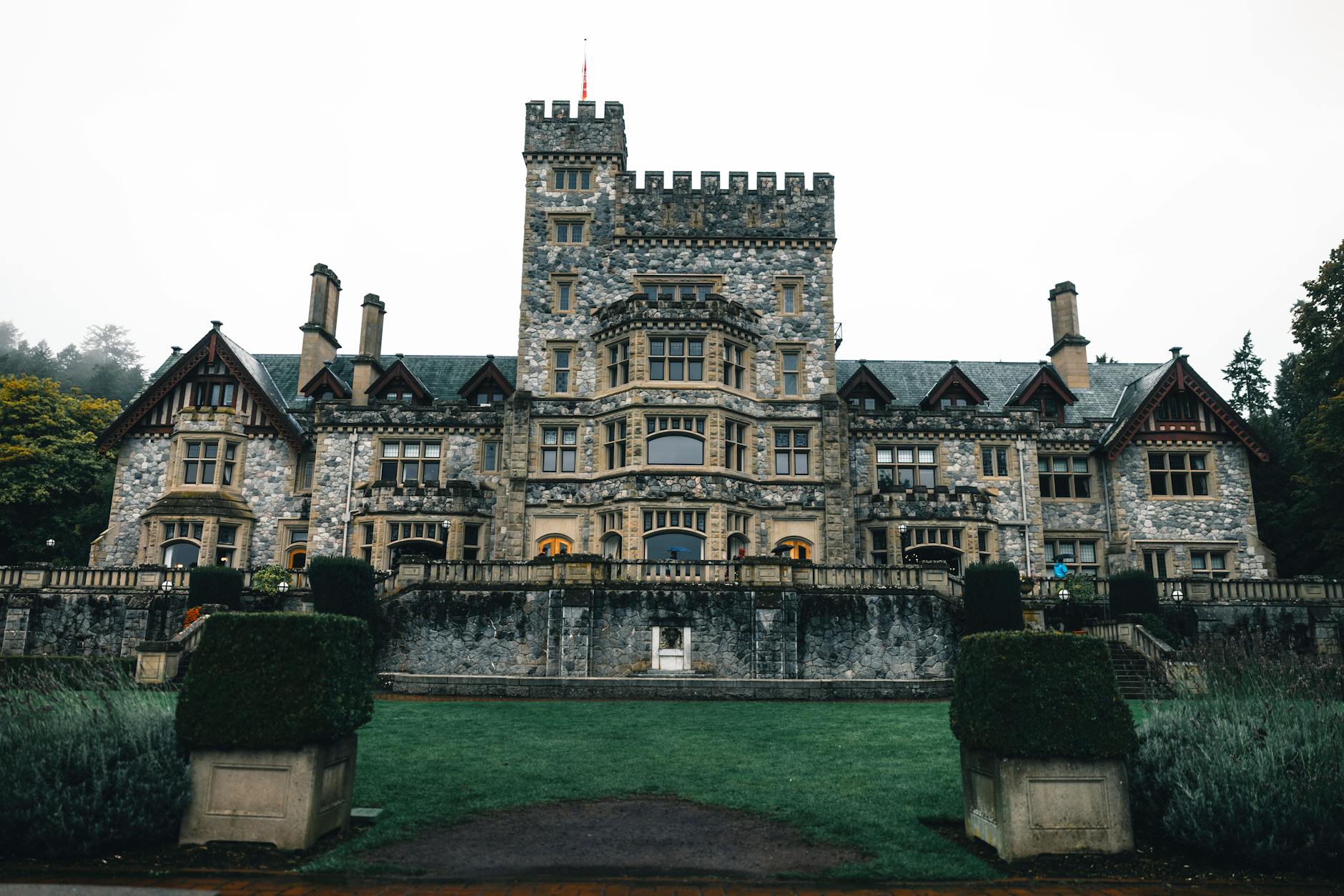
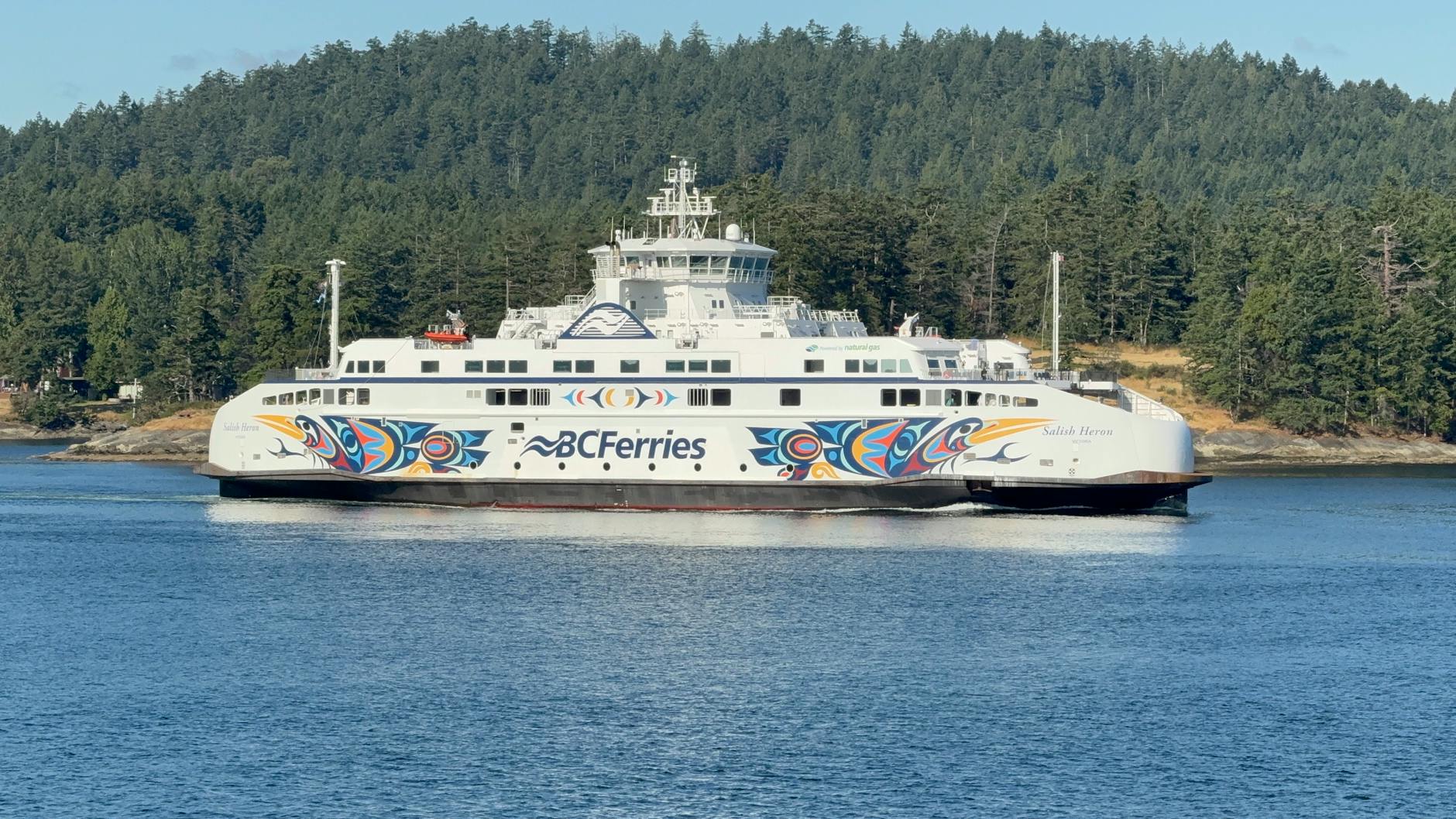
Boat-based experiences can be memorable for families, but they require honest planning. Ferry rides, whale watching, kayaking, water taxis, and harbor tours all raise questions about motion sensitivity, life jackets, bathrooms, weather, age limits, attention span, and cancellation policies. The family should know what happens if the boat plan changes.
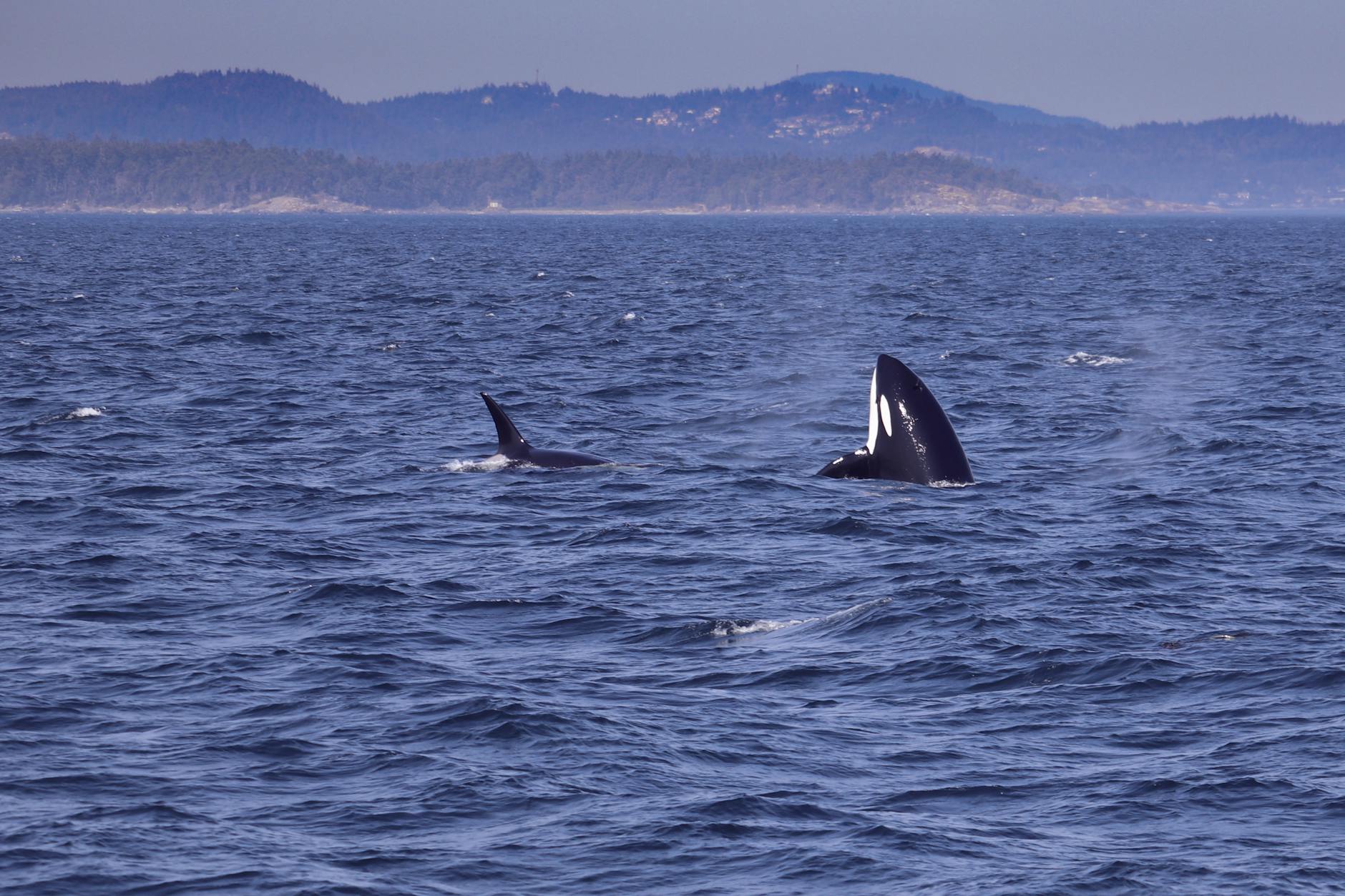
Wildlife expectations should also be managed. A whale-watching trip is not the same as a guaranteed show, and a long outing can be hard for younger children. The plan should protect the day even if the wildlife is quiet or the weather shifts.
- Check age limits, motion sensitivity, bathrooms, weather policy, clothing, and cancellation rules.
- Keep boat plans compatible with nap windows, meals, and child patience.
- Have a land-based backup if weather or comfort makes the water plan wrong.
Budget for rooms, meals, tickets, and recovery
Victoria family costs can rise through room upgrades, larger rooms, parking, taxis, ferries, garden admissions, boat trips, snacks, laundry, and flexible meals. The family should budget for convenience as well as attractions. Sometimes the taxi, central hotel, or quieter meal is what keeps the day usable.
Recovery time also has a cost and a value. A slower morning, hotel swim, room-service meal, or early night can make the next day better. Families should avoid spending every dollar and every hour on external activity.
- Budget for family rooms, parking, ferries, taxis, tickets, snacks, laundry, and flexible meals.
- Spend on convenience when it protects sleep, meals, and child mood.
- Keep recovery time visible rather than treating it as wasted time.
When to order a short-term travel report
A family with older children, a central hotel, and flexible dates may not need a custom Victoria report. A report becomes useful when the trip includes young children, stroller needs, ferry or seaplane decisions, garden or boat priorities, peak-season costs, medical constraints, mobility limits, multi-generational travel, or onward Vancouver Island plans.
The report should test arrival mode, room fit, daily radius, stroller and luggage movement, rain plans, garden and boat timing, meals, bathrooms, nap windows, budget, medical fallback, and what to cut. The value is a Victoria family trip that gives children and adults enough margin.
- Order when arrival, hotel rooms, strollers, children, boats, weather, or costs need testing.
- Provide dates, child ages, arrival mode, hotel options, mobility needs, interests, budget, and constraints.
- Use the report to make the family trip enjoyable instead of overstuffed.