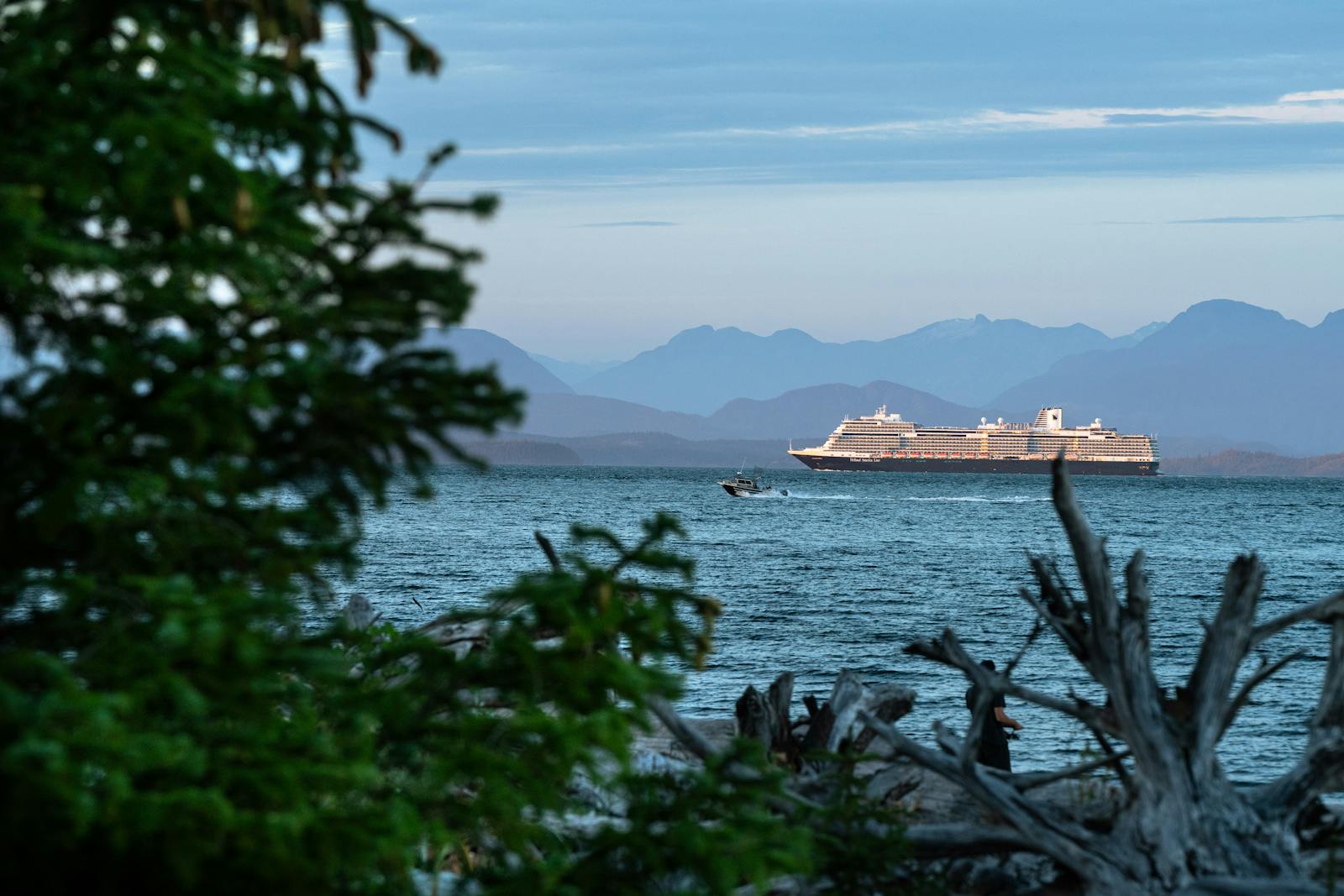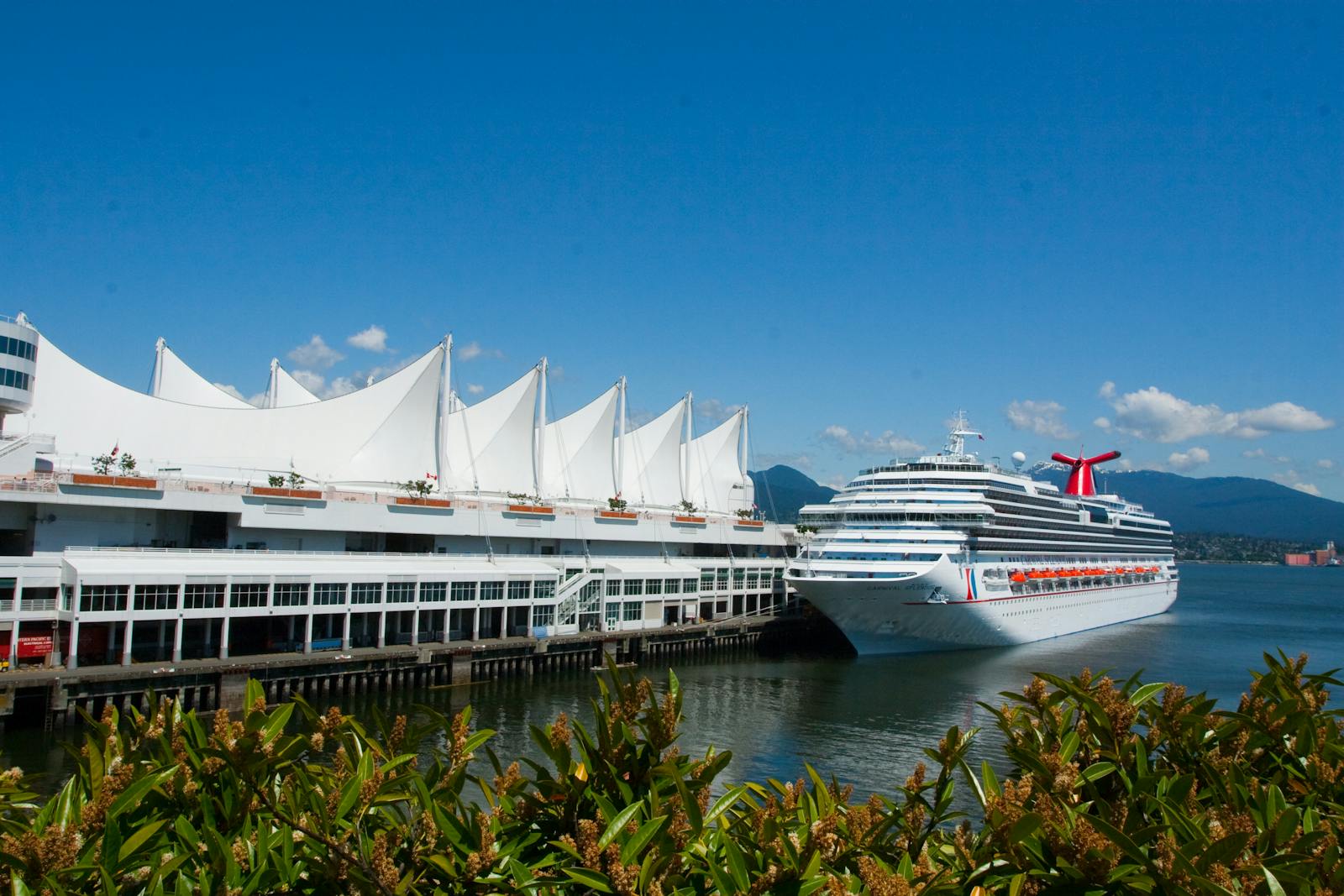
Victoria can be one of the more pleasant cruise calls on a Pacific Northwest or Alaska-linked itinerary because the city feels polished, walkable, and scenically legible. The Inner Harbour, Parliament Buildings, hotels, gardens, waterfront paths, tea rooms, and compact downtown can all tempt travelers into thinking the port day will run itself. It still needs structure. The cruise pier is not the same thing as being dropped directly into the Inner Harbour, and many Victoria calls are short, late, weather-affected, or built around all-aboard pressure. A strong port-call plan begins with the actual ship window, not with a list of attractive stops.
Start with the real port-call window
A Victoria cruise traveler should start with usable time, not scheduled time. Arrival, clearance, gangway flow, shuttle waits, taxi queues, walking pace, weather, meal timing, and the all-aboard buffer can reduce the day quickly. A late-afternoon or evening call may feel very different from a full daytime stop.
The traveler should identify whether Victoria is a brief evening call, a longer daylight stop, an embarkation or disembarkation point, or part of a pre- or post-cruise extension. Each version needs a different plan.
- Subtract clearance, gangway timing, shuttles, taxis, walking pace, weather, meals, and return buffer.
- Separate evening call, daytime call, embarkation, disembarkation, and extension logic.
- Keep the strongest city priorities inside the dependable part of the port window.
Understand Ogden Point and Inner Harbour distance
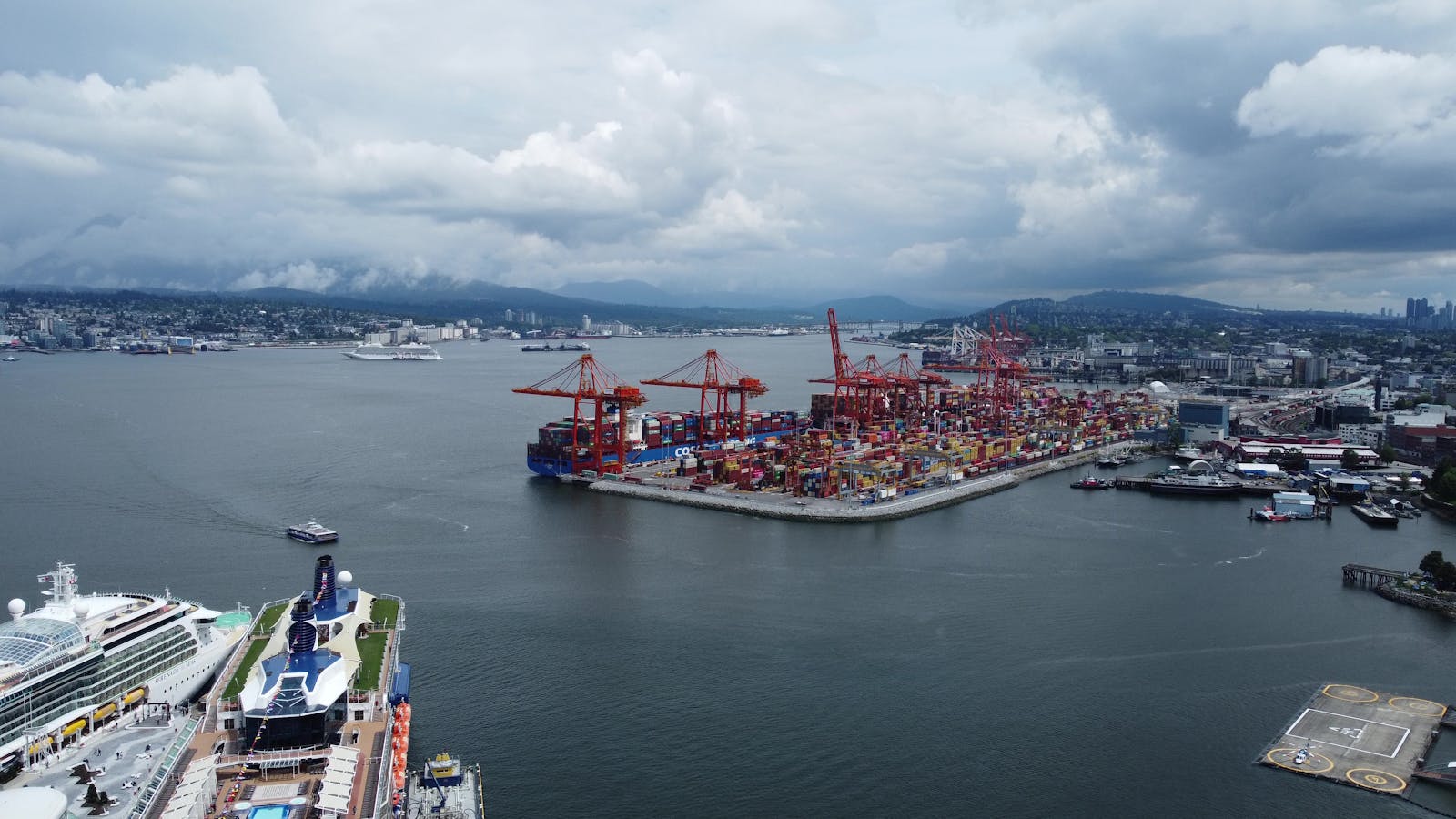
Victoria's cruise calls often involve Ogden Point, which is close enough to the visitor core to look simple but far enough that route choice matters. Some travelers can enjoy the walk through James Bay or along waterfront sections. Others should use a shuttle, taxi, organized excursion, or a shorter route that saves energy for the city itself.
The traveler should not assume that the pier, the Inner Harbour, the Empress, Parliament, and downtown restaurants are all one flat step from the gangway. Mobility, weather, sunset, and group pace decide the best connection.
- Treat Ogden Point, James Bay, Inner Harbour, Parliament, and downtown as connected but distinct.
- Choose walking, shuttle, taxi, or excursion routing by mobility, weather, daylight, and group pace.
- Avoid spending the best part of the call on an avoidable transfer mistake.
Build the call around one or two anchors
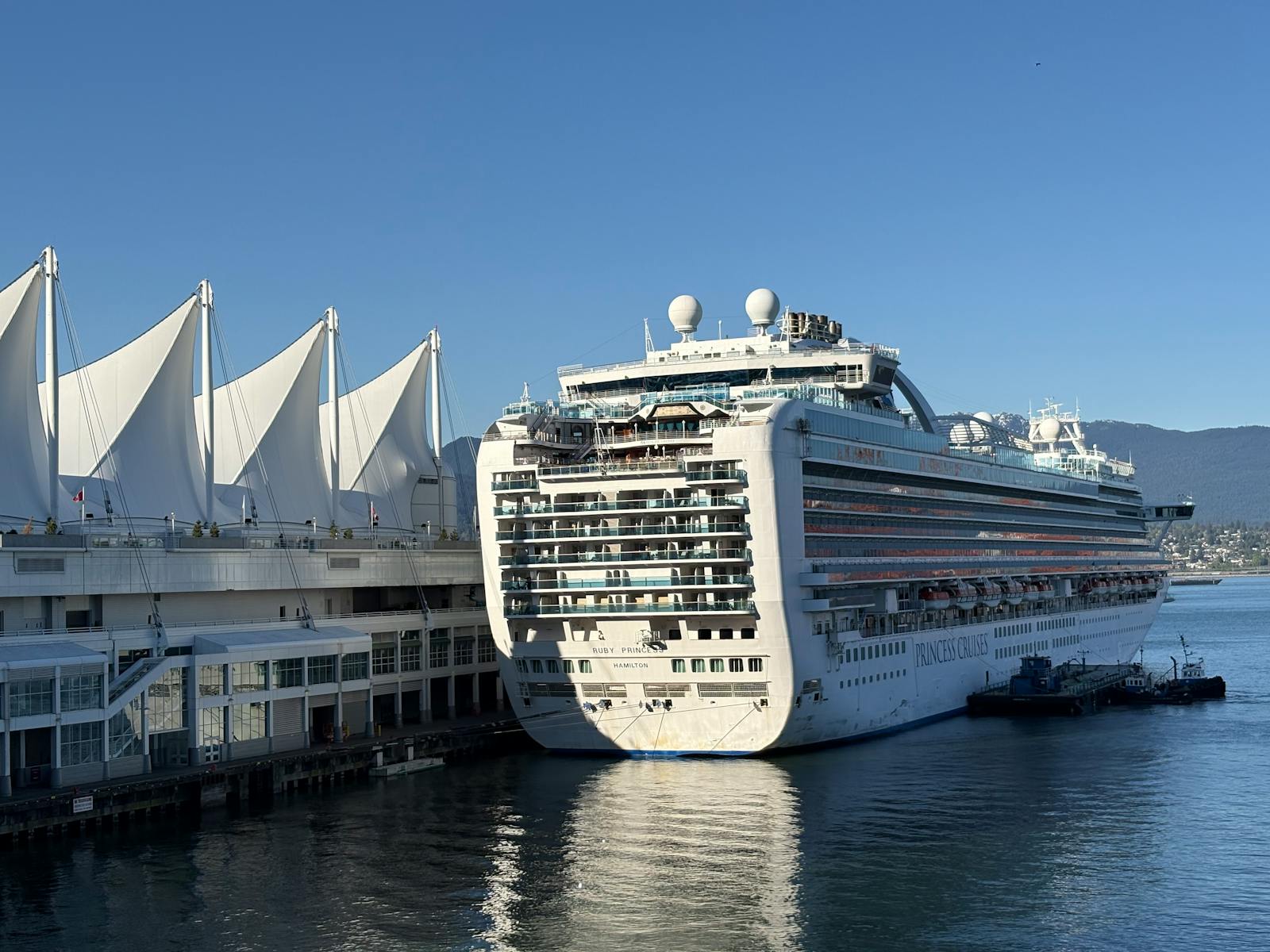
A Victoria port call can fill quickly with Parliament photos, Inner Harbour walks, tea, Butchart Gardens, whale-watching, downtown dining, James Bay wandering, shopping, and hotel-lobby curiosity. A short call works better when the traveler chooses one or two anchors and makes everything else optional.
For some visitors, the best answer is a focused Inner Harbour and Parliament evening. For others, it is a timed garden excursion or a reserved dinner. The plan should be honest about what can fit without rushing the return.
- Choose one or two anchors before adding gardens, dining, shopping, photos, or waterfront walks.
- Decide whether the call is city-centered, excursion-centered, food-centered, or mobility-light.
- Leave attractive extras cuttable if weather, crowds, or ship timing shift.
Treat evening calls as a different product
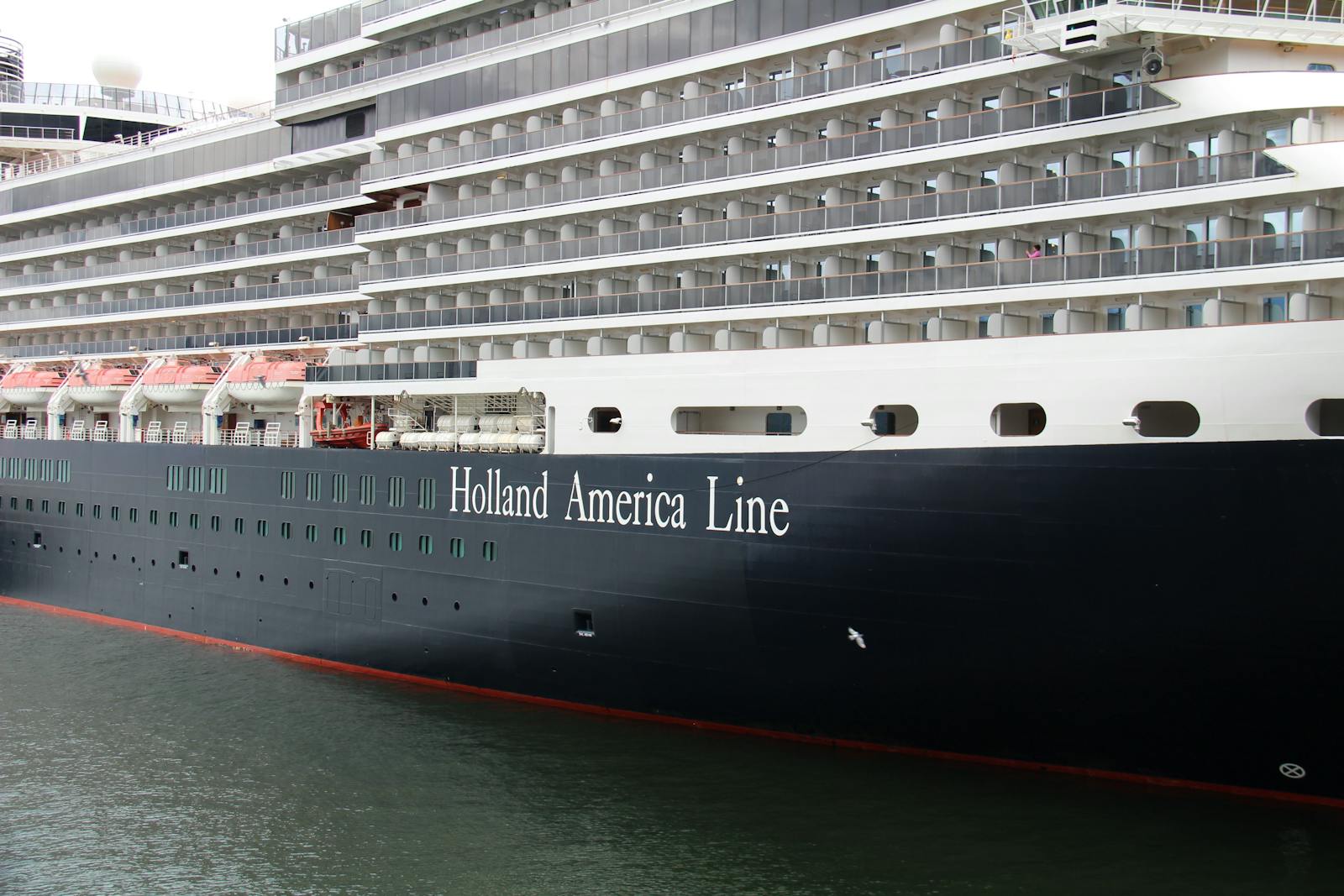
Victoria often appears as an evening or short late-day stop on cruise itineraries. That can be atmospheric, but it changes what is realistic. Gardens, museums, shops, restaurants, shuttles, taxis, sunset, weather, and personal energy may not line up with a normal daytime plan.
The traveler should decide whether the evening is for a short scenic loop, dinner, a specific excursion, or a low-effort harbor experience. Trying to force a full sightseeing day into an evening call usually weakens the port.
- Check opening hours, sunset, restaurant timing, shuttle return, taxi supply, and personal energy.
- Use evening calls for focused scenic loops, dinner, or one specific excursion.
- Do not treat a late call as if it were a full daylight city day.
Plan weather, clothing, and mobility realistically
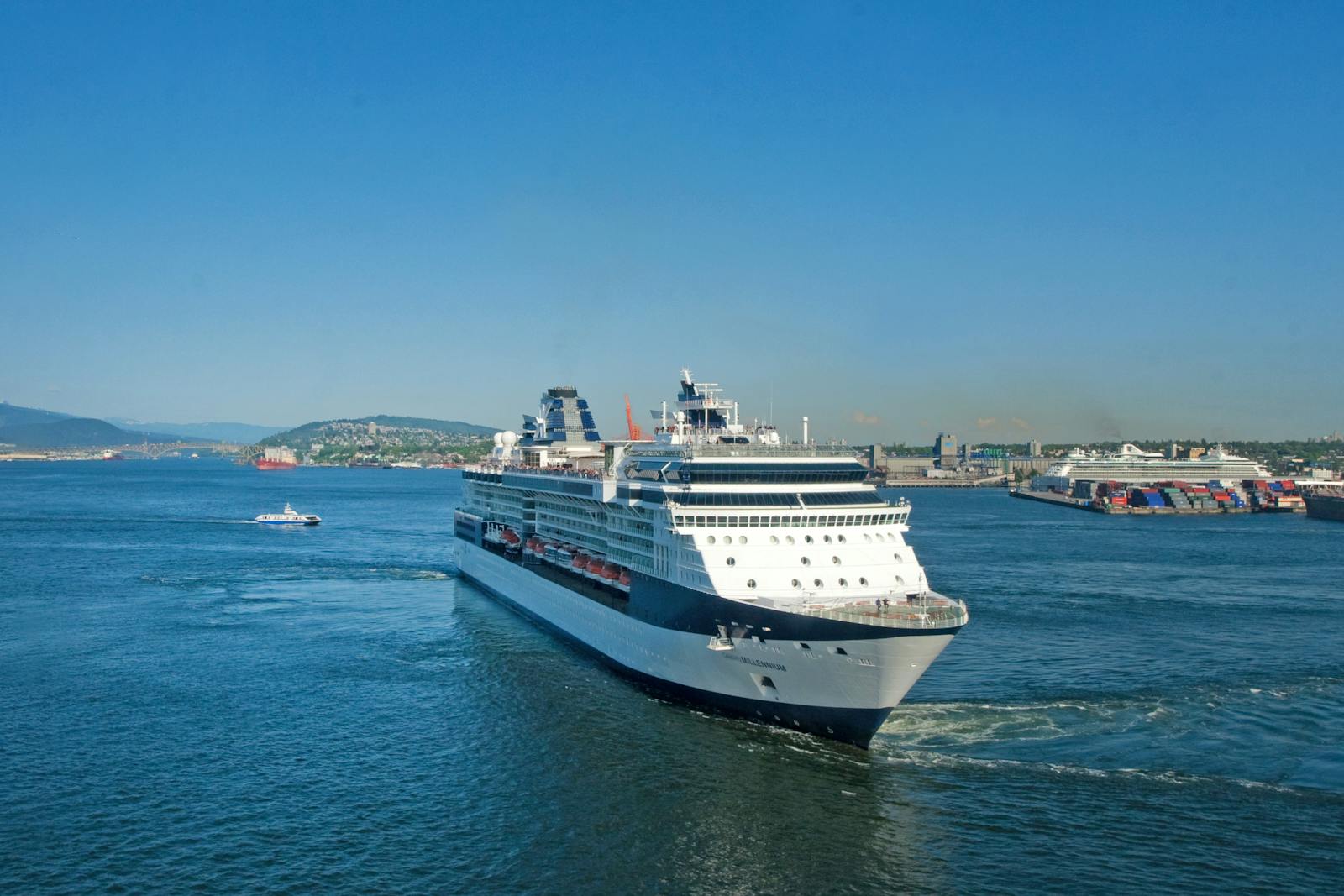
Victoria can feel gentle, but a port day may still involve rain, wind, cool evenings, uneven sidewalks, waterfront exposure, standing in queues, and walking farther than expected. Cruise clothing chosen for the ship may not match a wet coastal evening or a long walk through James Bay.
Older travelers, families, and groups with mixed ability should decide in advance when to use paid transport. Conserving energy can make the city more enjoyable than proving the walk is technically possible.
- Prepare for rain, wind, cool evenings, waterfront exposure, queues, and uneven walking.
- Use shoes and layers that work off the ship, not only onboard.
- Choose paid transport when walking would consume energy needed for the actual visit.
Protect the return to ship
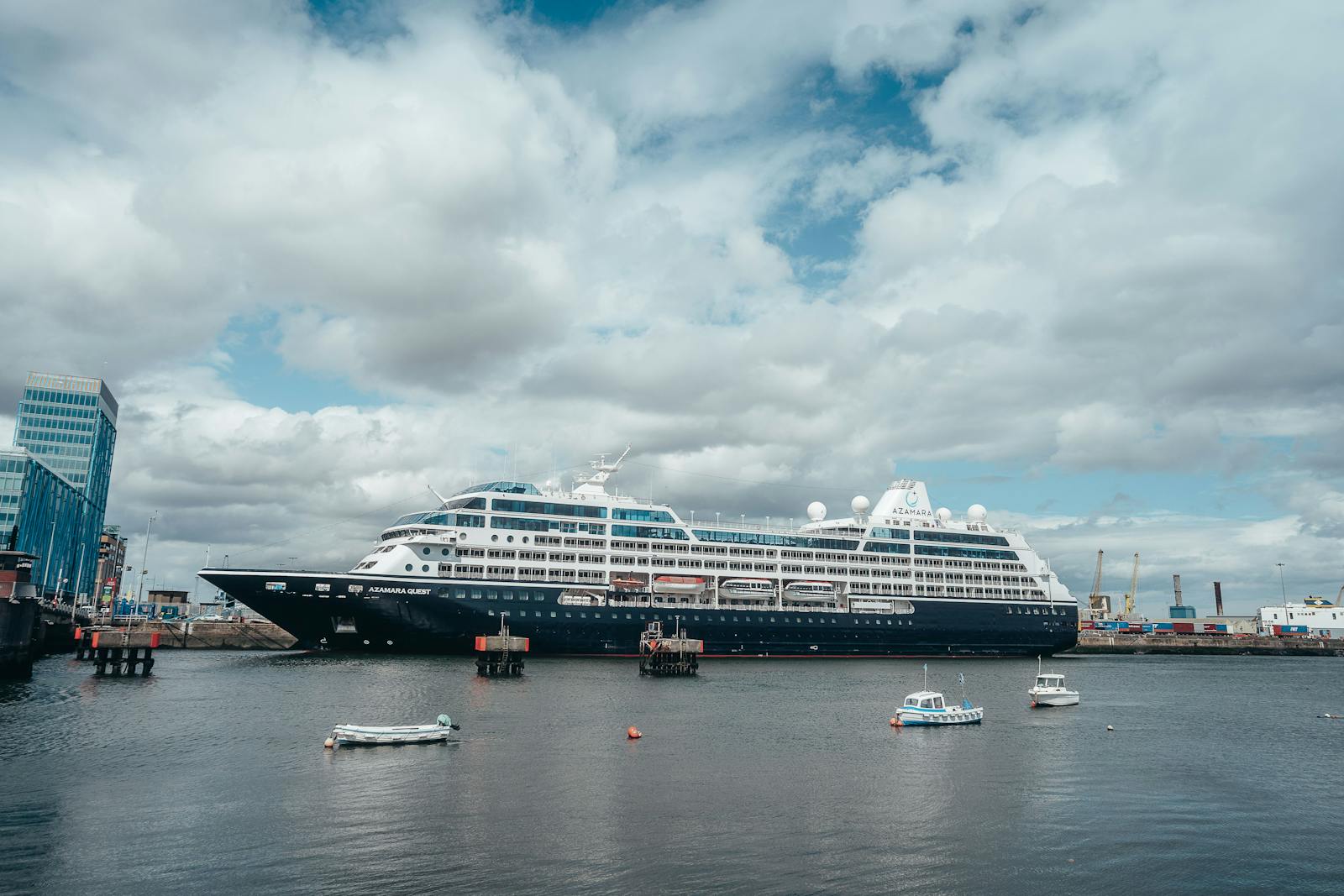
A Victoria port call should have a simple final return plan. Dinner delays, shuttle lines, taxi scarcity, slow walkers, sudden rain, and a crowded waterfront can compress the last hour. The traveler should set the latest safe return time before leaving the pier area.
The final stop should be close to the return route. A last-minute garden, distant restaurant, or extended walk can be the wrong choice even if it sounds modest on the map.
- Set a latest return time and a last safe stop before the port call begins.
- Keep the final route back to Ogden Point simple, familiar, and weather-aware.
- Avoid making all-aboard timing depend on a distant last stop or uncertain taxi.
When to order a short-term travel report
A cruise traveler with a long Victoria call, good mobility, and simple harbor interests may not need a custom report. A report becomes useful when the call is short or late, the traveler has mobility constraints, shore excursion choices are expensive, Butchart Gardens or whale-watching is under consideration, luggage or embarkation pressure exists, or the group has mixed priorities.
The report should test the port window, Ogden Point transfer, excursion value, weather, mobility, dinner timing, return buffer, budget, and what to cut. The value is a Victoria port day that feels specific and calm without risking the ship schedule.
- Order when timing, mobility, excursions, weather, dinner plans, or mixed group needs require testing.
- Provide ship schedule, pier details, mobility limits, interests, excursion options, budget, and constraints.
- Use the report to make the port call focused, realistic, and return-safe.