Victoria can be a productive consulting destination because it offers government and institutional context, strong central hotels, walkable client hospitality, and a setting that can make stakeholder time feel calmer. It can also become inefficient if the consultant underestimates island access, hotel work needs, meeting geography, weather, or the amount of private time required between client sessions. A strong Victoria consulting trip starts with the engagement outcome. Discovery interviews, executive advisory work, public-sector meetings, board support, implementation reviews, and partner workshops each require different arrival timing, hotel choice, meeting structure, dinner planning, and work blocks.
Define the client outcome first
A consultant should not start with the hotel or the scenic parts of Victoria. The first question is what must be delivered: a workshop, findings presentation, stakeholder interviews, executive alignment, board support, process review, negotiation support, or a confidential advisory session. The answer determines the entire trip shape.
Once the outcome is explicit, the consultant can decide how much city time is reasonable. Victoria can support a focused engagement, but only if the attractive setting does not dilute preparation, delivery, and follow-up.
- Name the deliverable, meeting type, stakeholders, and decision deadline before adding city time.
- Build the schedule around preparation, client sessions, notes, and follow-up.
- Treat sightseeing as optional, not as a hidden requirement of the trip.

Choose the hotel as a working base
The consultant's hotel needs more than a good location. It should support calls, document review, sleep, printing, meeting prep, reliable Wi-Fi, quiet work, charging, and a clean route to the client site. A harbour view is useful only if the room also works as a professional base.
Central lodging may be worth paying for if it reduces transfer risk and keeps the consultant close to client offices, meeting venues, government-adjacent sites, or dinner locations. A cheaper hotel can cost more in lost focus if every transition becomes a taxi calculation.
- Check Wi-Fi, desk, quiet, printing options, room service or breakfast, and taxi pickup before booking.
- Choose location around client site, meeting venues, dinner obligations, and recovery time.
- Avoid charming lodging that weakens confidential work or sleep.
Map the real client geography
Victoria client work may sit near the Inner Harbour, downtown, government offices, a campus, a health or nonprofit site, a technology office, a regional facility, or a client dinner location outside the core. These are different operating plans, even when the city name is the same.
The consultant should map every fixed commitment and decide which movements require taxi, rental car, walking, transit, or a host pickup. A short meeting gap can disappear quickly if the route crosses weather, parking, or unfamiliar pickup points.
- Map client site, hotel, dinners, workshops, side meetings, and airport or ferry access together.
- Decide transport mode by reliability, confidentiality, luggage, weather, and time pressure.
- Leave buffer before presentations or executive sessions.
Make island access conservative
Consulting trips often fail at the margins: a late ferry, tight airport transfer, delayed bag, missed meal, or rushed check-in before a client meeting. Victoria's airport, ferry, seaplane, and Vancouver connections all need to be tested against the first immovable commitment.
If the first session matters, the consultant should arrive with enough time to eat, change, review materials, and handle a delay. The departure plan should also protect the final conversation, document handoff, and next-step notes.
- Compare ferry, airport, seaplane, and Vancouver connections against the first and last client obligations.
- Carry critical materials and equipment in a way that survives baggage delay.
- Use conservative arrival timing when the first meeting is high stakes.
Protect confidential work blocks
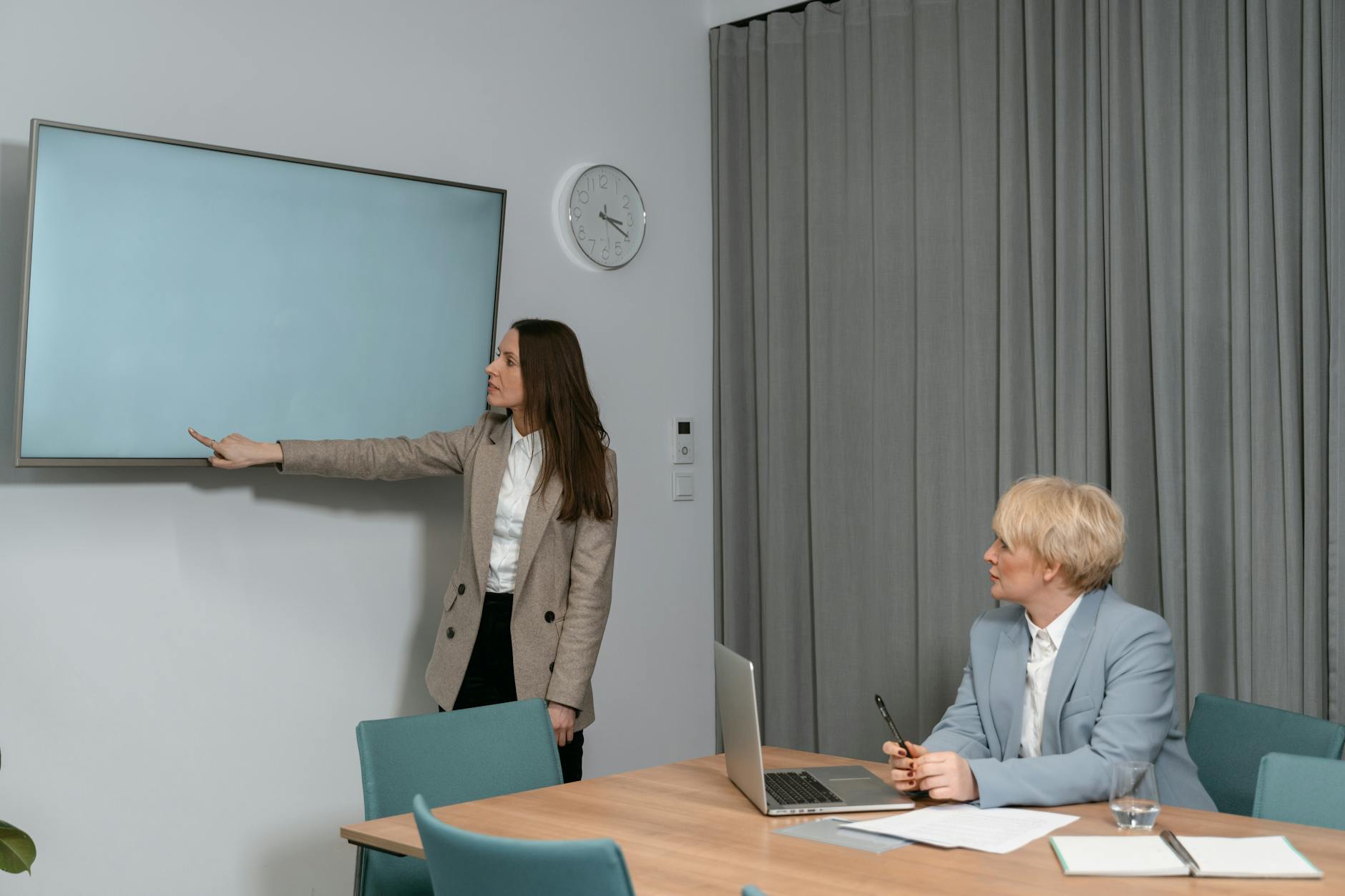
Consultants often need private time between meetings to synthesize notes, revise slides, prepare for the next stakeholder, join internal calls, or send sensitive documents. A scenic city can make these blocks feel optional, but they are usually where the engagement quality is protected.
The plan should identify where confidential calls can happen, whether hotel check-in timing creates a gap, and how to avoid discussing client work in public lounges, taxis, restaurants, or ferry terminals.
- Block private time for notes, slide revisions, internal calls, and confidential documents.
- Confirm where calls can happen before and after hotel check-in.
- Avoid relying on public spaces for sensitive client work.
Use meals and city time to support the work
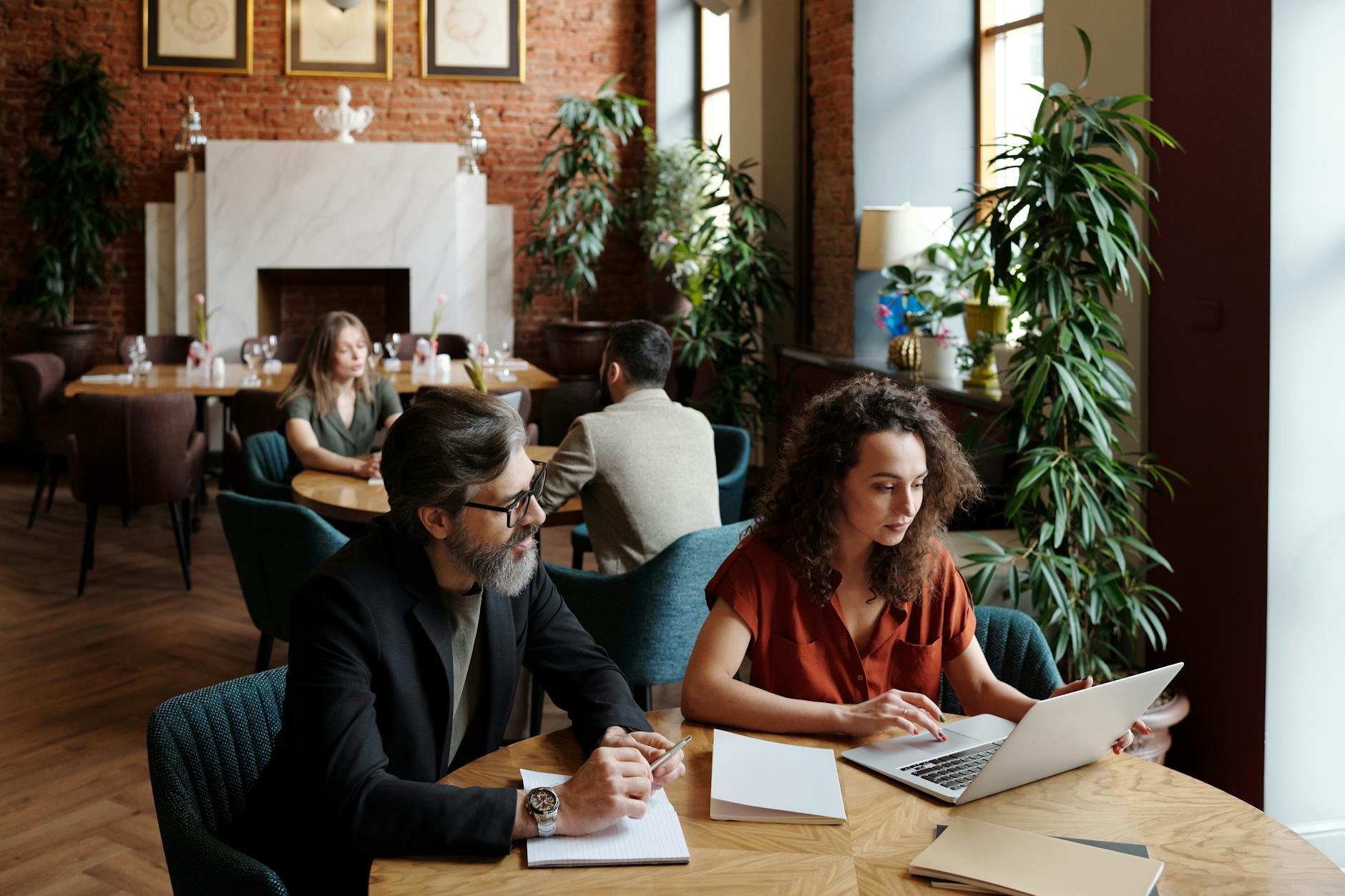
Victoria's restaurants, harbour walks, and quiet central settings can help stakeholder relationships, especially when meetings need trust rather than volume. A client dinner, breakfast, or coffee can be more useful than another formal session if it is planned around the engagement objective.
The consultant should still manage energy. Late dinners, long walks, and scenic detours are only valuable if they leave enough focus for the next day's work.
- Use meals for stakeholder trust, debriefs, and relationship work when they support the engagement.
- Reserve key restaurants or quiet meeting spots before peak demand creates friction.
- Leave recovery time after dinners or travel-heavy days.
When to order a short-term travel report
A consultant with one flexible meeting and a simple central hotel may not need a custom Victoria report. A report becomes useful when the trip includes tight island access, multiple client sites, confidential work, executive sessions, public-sector context, expensive lodging, stakeholder meals, weather exposure, or onward travel in British Columbia.
The report should test client geography, hotel work fit, arrival mode, meeting sequence, private work blocks, dining strategy, budget, weather, transfer risk, documentation needs, and what to cut. The value is a Victoria engagement that protects delivery instead of relying on charm.
- Order when client geography, access mode, hotel work setup, meetings, or confidentiality affects delivery.
- Provide engagement goals, sites, dates, hotel options, arrival mode, meeting schedule, work needs, and constraints.
- Use the report to keep the consulting trip focused and resilient.