Victoria can be a polished conference destination because it offers a compact Inner Harbour, attractive hotels, government and institutional context, walkable areas, and memorable arrival options. It can also become awkward if an attendee underestimates island access, weather, venue geography, or the time needed between sessions and receptions. The attendee should plan from the conference purpose outward. Is the trip about presenting, selling, recruiting, learning, networking, meeting partners, supporting an executive, or representing an organization? The answer changes the hotel, arrival time, materials, dinners, wardrobe, and how much of Victoria can realistically fit around the event.
Anchor the trip to venue geography
A Victoria conference plan should start with the exact venue, not the city name. A meeting at an Inner Harbour hotel, conference room, government-adjacent site, campus, Saanich venue, or regional property can create different hotel and transport logic. A central-looking address may still require a careful transfer in rain or peak traffic.
The attendee should map sessions, registration, receptions, side meetings, sponsor events, meals, and hotel options before booking. Victoria is manageable, but the wrong base can make every day feel more complicated than necessary.
- Map the venue, hotel options, registration, receptions, side meetings, and dinner locations.
- Treat Inner Harbour, campus, government, suburban, and regional venues as different problems.
- Choose lodging after the conference geography is clear.

Protect the first transfer and first session
Conference attendees often arrive close to registration, a reception, or the first morning session. In Victoria, the access mode matters. Airport arrival, ferry, seaplane, Vancouver connection, taxi, and hotel check-in all have different timing, baggage, weather, and reliability implications.
If the first commitment matters, the plan should include a conservative transfer, food option, wardrobe access, and enough time to recover. A scenic route is useful only when it still protects the event schedule.
- Compare ferry, airport, seaplane, and Vancouver connection timing against the first fixed session.
- Account for luggage, weather, terminal transfer, check-in, food, and wardrobe changes.
- Use extra margin when the first event is a presentation, reception, or client meeting.
Plan materials, tech, and wardrobe like work equipment
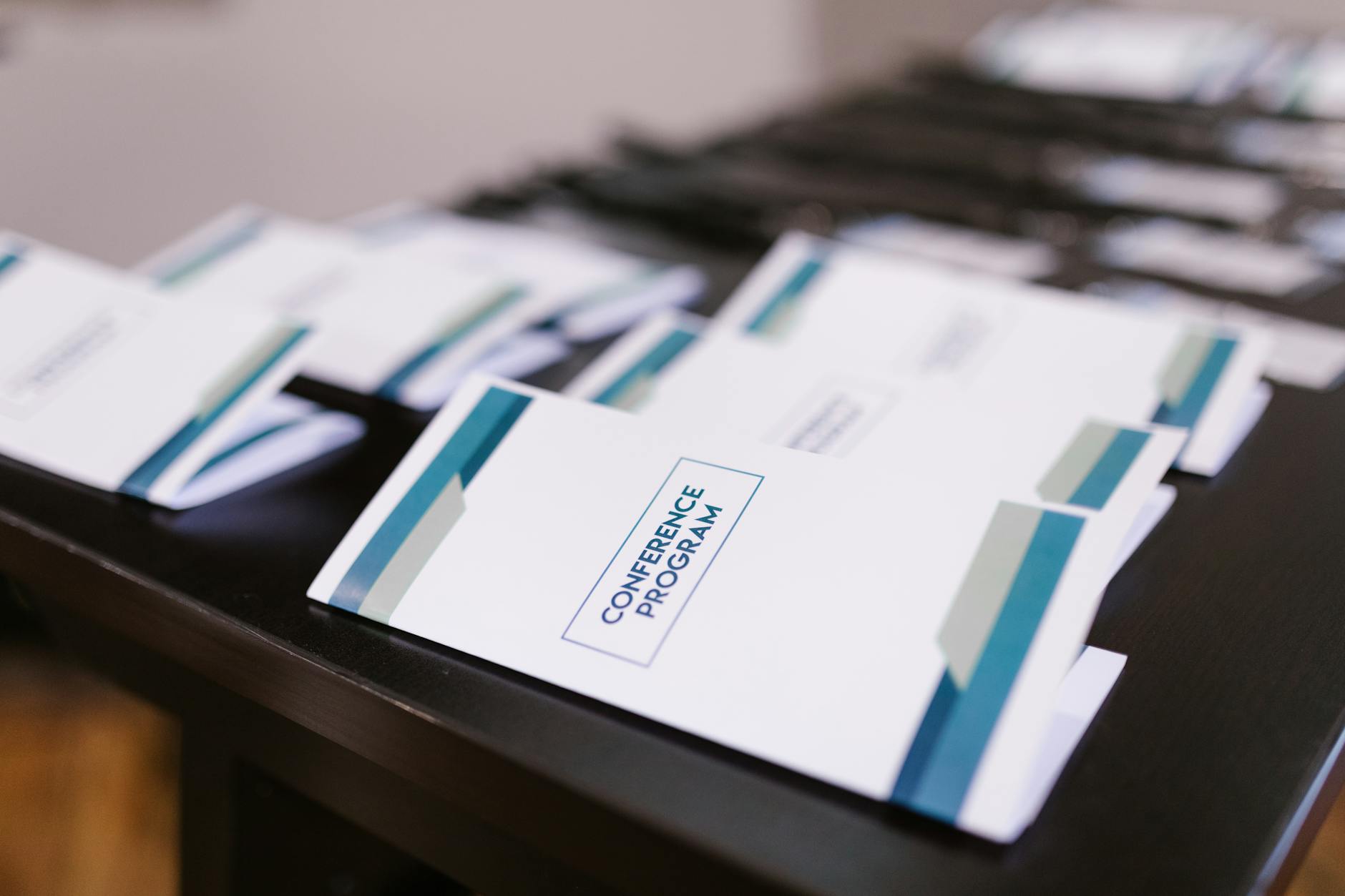
A conference trip is a work trip even when the setting is scenic. The attendee should confirm badge pickup, slide format, adapters, Wi-Fi, charging, exhibit materials, handouts, business cards, samples, shipping, storage, and whether a laptop or venue computer will be used. Small equipment failures can damage a short event.
Wardrobe also needs planning around Victoria weather. Rain, ferry decks, cool evenings, garden receptions, hotel ballrooms, and professional dinners can require different shoes and layers than a normal city break.
- Confirm badge pickup, slides, adapters, Wi-Fi, charging, handouts, shipping, and storage.
- Pack wardrobe around rain, cool evenings, walking distance, receptions, and formal sessions.
- Carry critical materials in a way that survives baggage delay or ferry disruption.
Budget for Victoria conference costs
Victoria conference costs can include peak-season hotels, taxis, ferries, seaplanes, parking, meals, sponsor dinners, receptions, printing, baggage, and last-minute supplies. The attendee should know reimbursement rules and separate useful spending from avoidable drift.
Networking may justify targeted spending. A quiet breakfast, client dinner, sponsor reception, or partner coffee can be more valuable than another attraction. But the budget should be intentional rather than discovered at checkout.
- Budget for hotels, transfers, meals, taxis, ferry or seaplane costs, printing, and supplies.
- Check reimbursement rules for meals, alcohol, taxis, receipts, and currency conversion.
- Spend on networking that supports the conference purpose, not on every optional invitation.
Use networking time without losing recovery
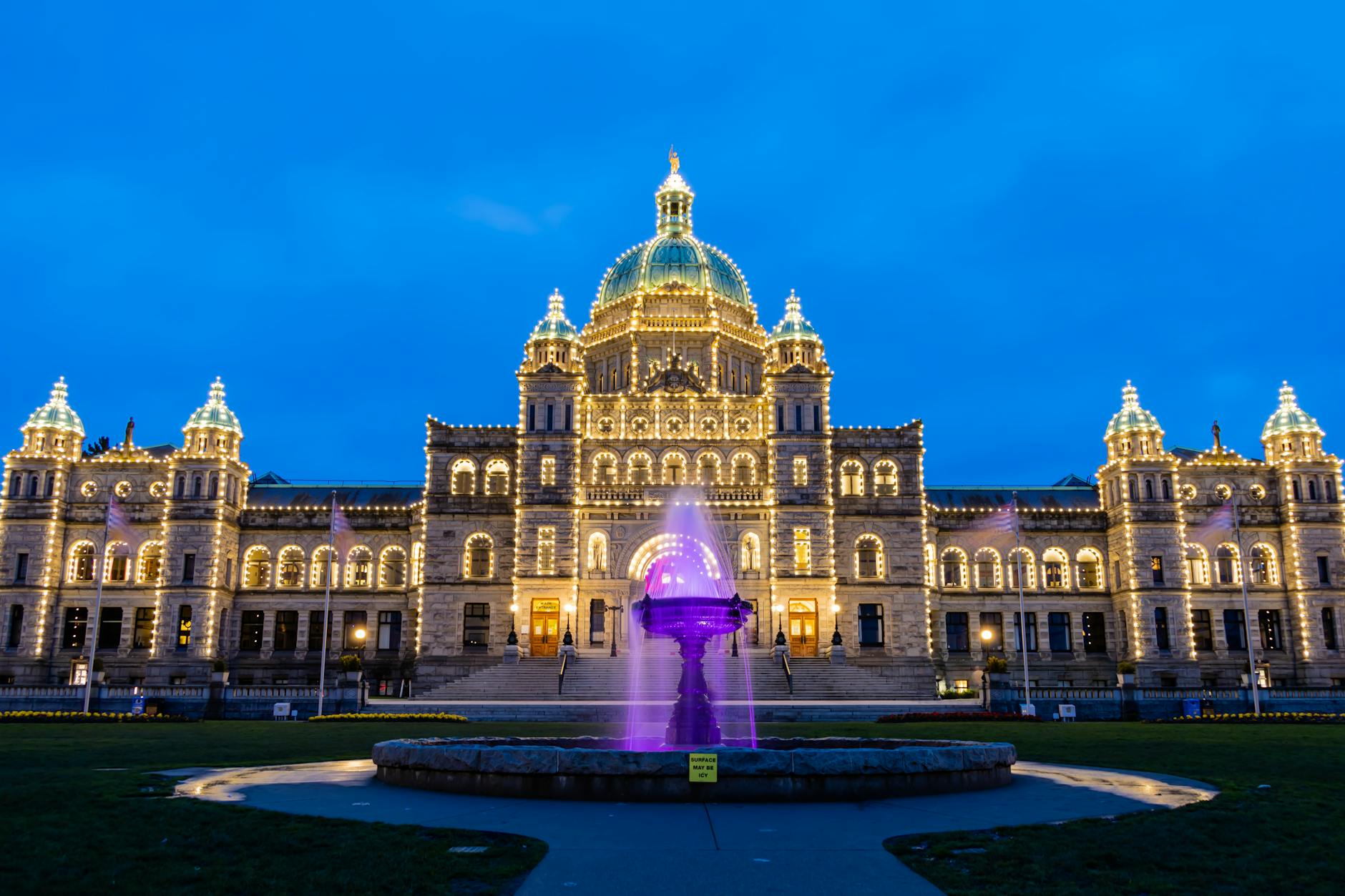
Conference value often sits outside the formal session: hallway conversations, sponsor events, dinners, receptions, coffee meetings, and late debriefs. Victoria's harbor and hotel settings can make these feel easy, but the attendee still needs enough recovery to show up well the next day.
The plan should identify which networking moments are worth protecting and which can be skipped. A short walk, quiet meal, or early night can be more useful than another reception if the next day contains important work.
- Prioritize the receptions, meals, coffees, and side meetings that support the trip purpose.
- Leave quiet blocks for notes, follow-up, email, and decompression.
- Do not let attractive harbor settings turn every evening into an overlong work event.
Adapt to weather, daylight, and local movement
Victoria's coastal weather affects conference movement. Rain, wind, cool evenings, ferry delays, and shorter winter daylight can change how realistic it is to walk between hotel, venue, dinner, and side meetings. A conference outfit that works indoors may not work on a ferry deck or wet harbor route.
Accessibility should also be checked early. Venue entrances, hotel elevators, walking distance, taxi pickup points, and reception locations can matter for attendees with mobility limits or heavy materials.
- Plan for rain, wind, cool evenings, low light, and weather-sensitive transfers.
- Check venue access, elevators, taxi pickup, walking distances, and reception locations.
- Keep short taxi or hotel-return options available when weather or fatigue changes the day.

When to order a short-term travel report
An attendee staying at the event hotel with flexible timing may not need a custom Victoria report. A report becomes useful when the trip includes a tight arrival, presentation, sponsor booth, multiple venues, ferry or seaplane choices, expensive lodging, client dinners, accessibility needs, weather sensitivity, or onward Vancouver Island travel.
The report should test venue geography, arrival mode, hotel fit, first-session risk, materials, wardrobe, networking, budget, weather, accessibility, recovery time, medical fallback, and what to cut. The value is a conference trip that works as an operating plan, not just a reservation list.
- Order when venue, arrival, presentation, networking, budget, weather, or access needs testing.
- Provide venue, schedule, hotel options, arrival details, materials, meetings, budget, and constraints.
- Use the report to keep the conference productive and controlled.