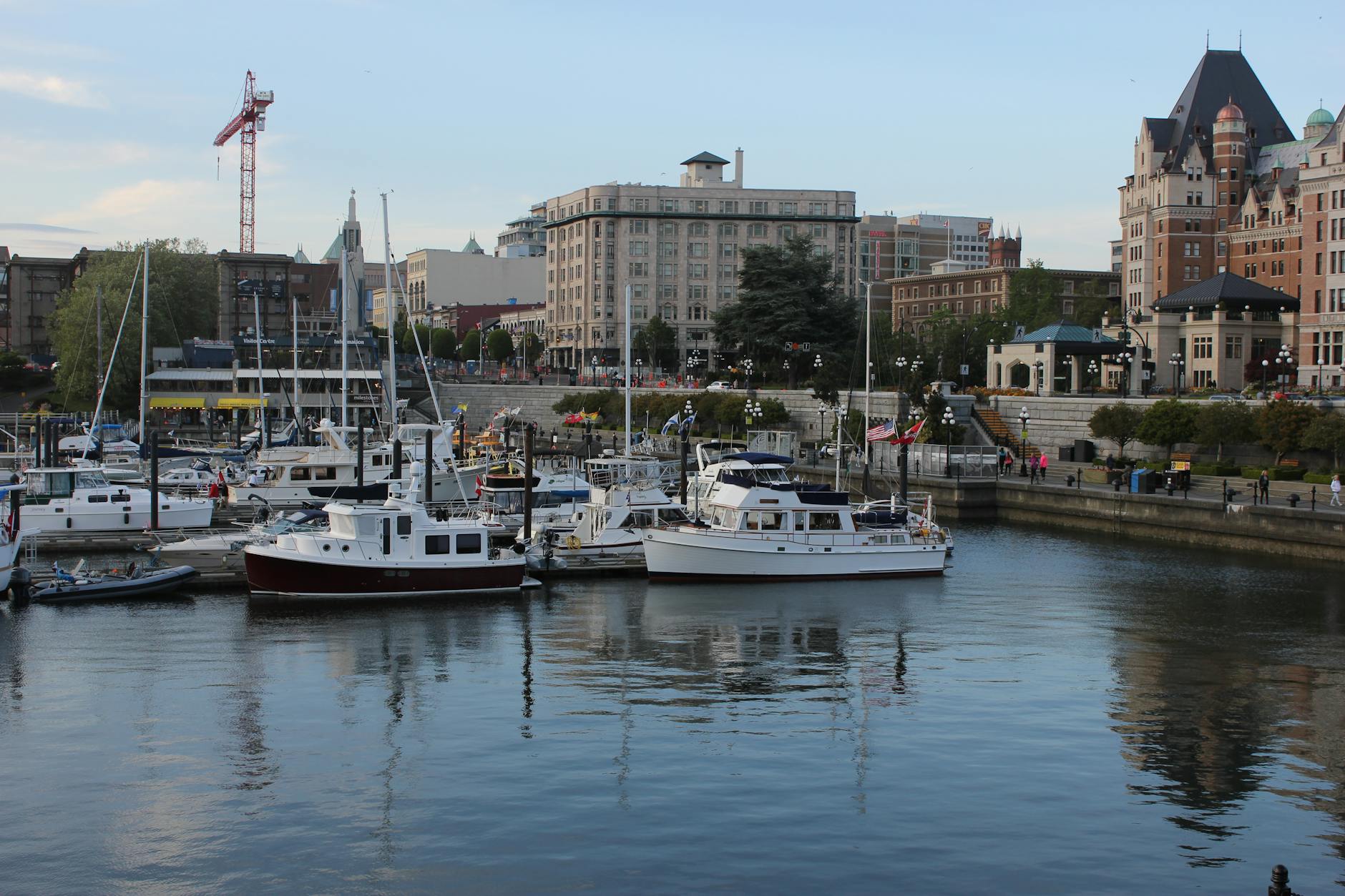
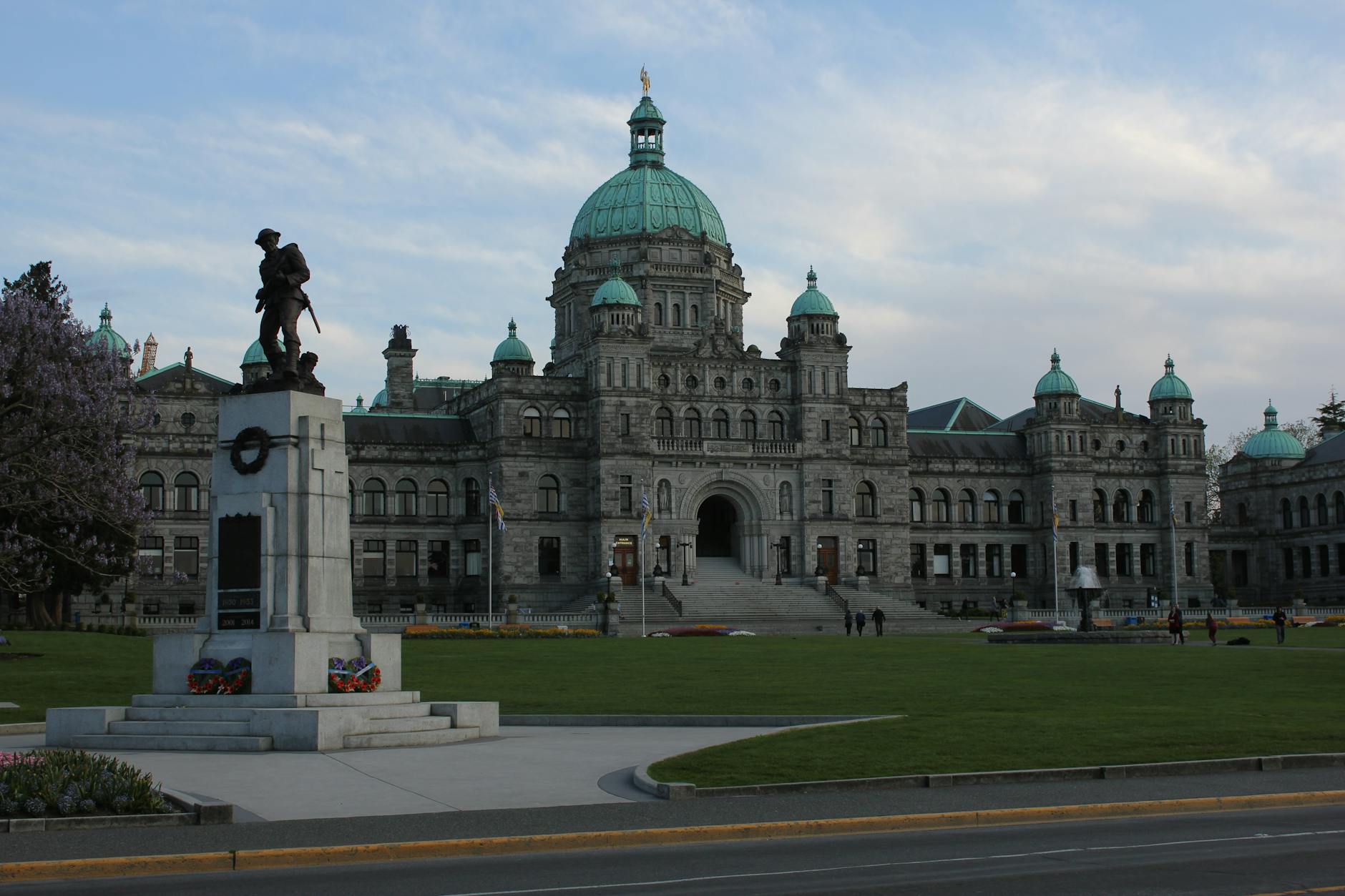
Victoria can be an efficient and polished business destination, but it rewards practical planning. The Inner Harbour, British Columbia Parliament Buildings, downtown offices, government-adjacent meetings, hotels, ferries, seaplanes, and airport connections can make a short trip distinctive. They can also make the schedule vulnerable if the traveler underestimates island access, weather, or transfer timing. A business visitor should build the trip around the actual meeting geography: downtown, Inner Harbour, James Bay, Saanich, UVic, Esquimalt, Langford, or a regional site. The goal is not to see Victoria in general. The goal is to arrive prepared, move cleanly, and avoid letting attractive surroundings weaken the business purpose.
Anchor the trip to meeting geography
A Victoria business trip should start with meeting addresses, not with a hotel view. Downtown, the Inner Harbour, government offices, Saanich, UVic, Esquimalt, Langford, and client sites outside the core can produce very different movement patterns. A visitor who assumes everything is a harbor walk may misjudge the day.
The traveler should map each meeting, meal, hotel option, and transfer point before booking. Victoria is manageable, but island geography and local road timing still matter.
- Plot downtown, Inner Harbour, government, university, naval, suburban, and regional meeting sites.
- Choose lodging after meeting geography and transfer points are clear.
- Avoid treating Victoria as one compact harbor district if the work sits elsewhere.
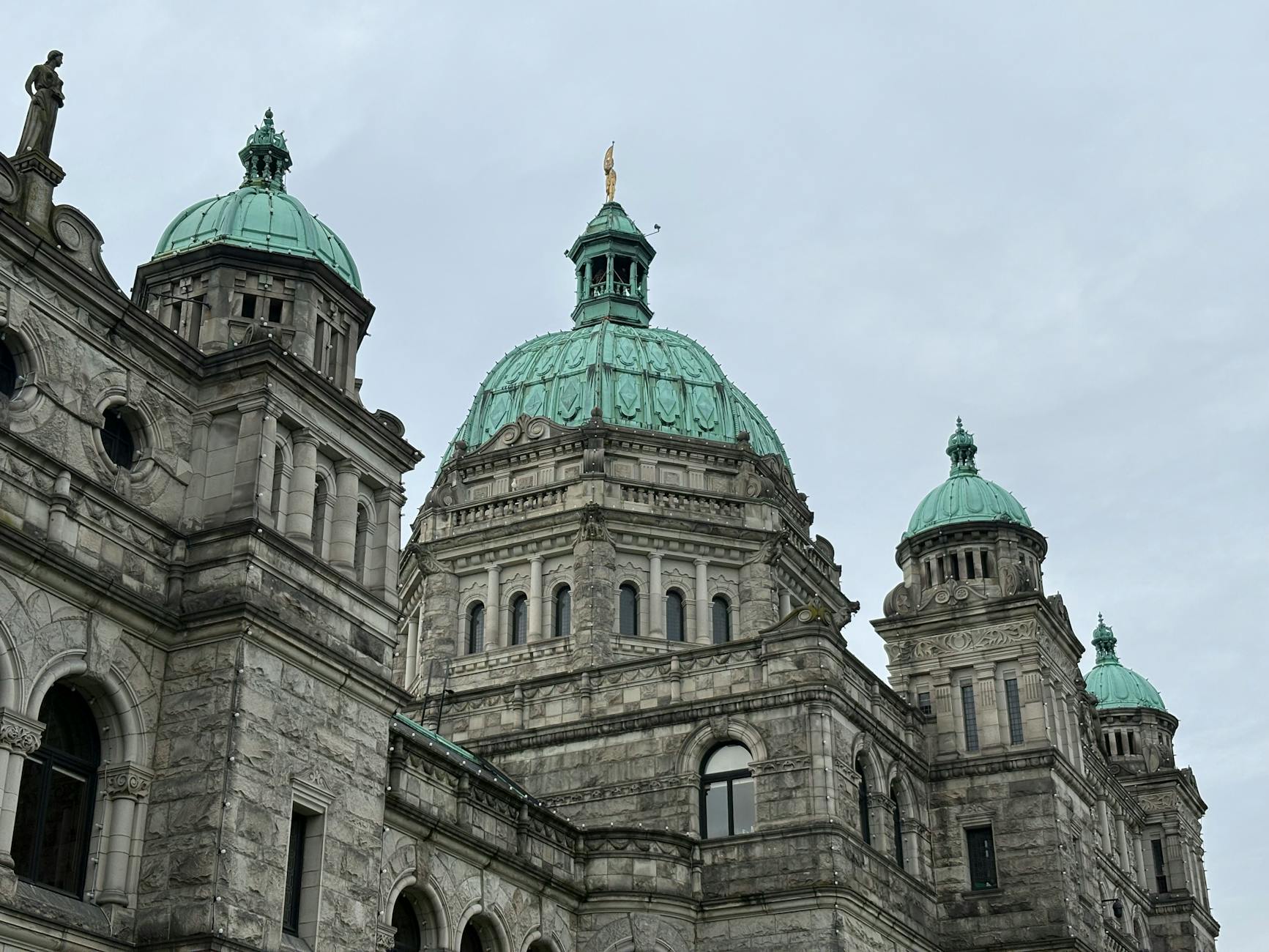
Use ferry, airport, and seaplane access deliberately
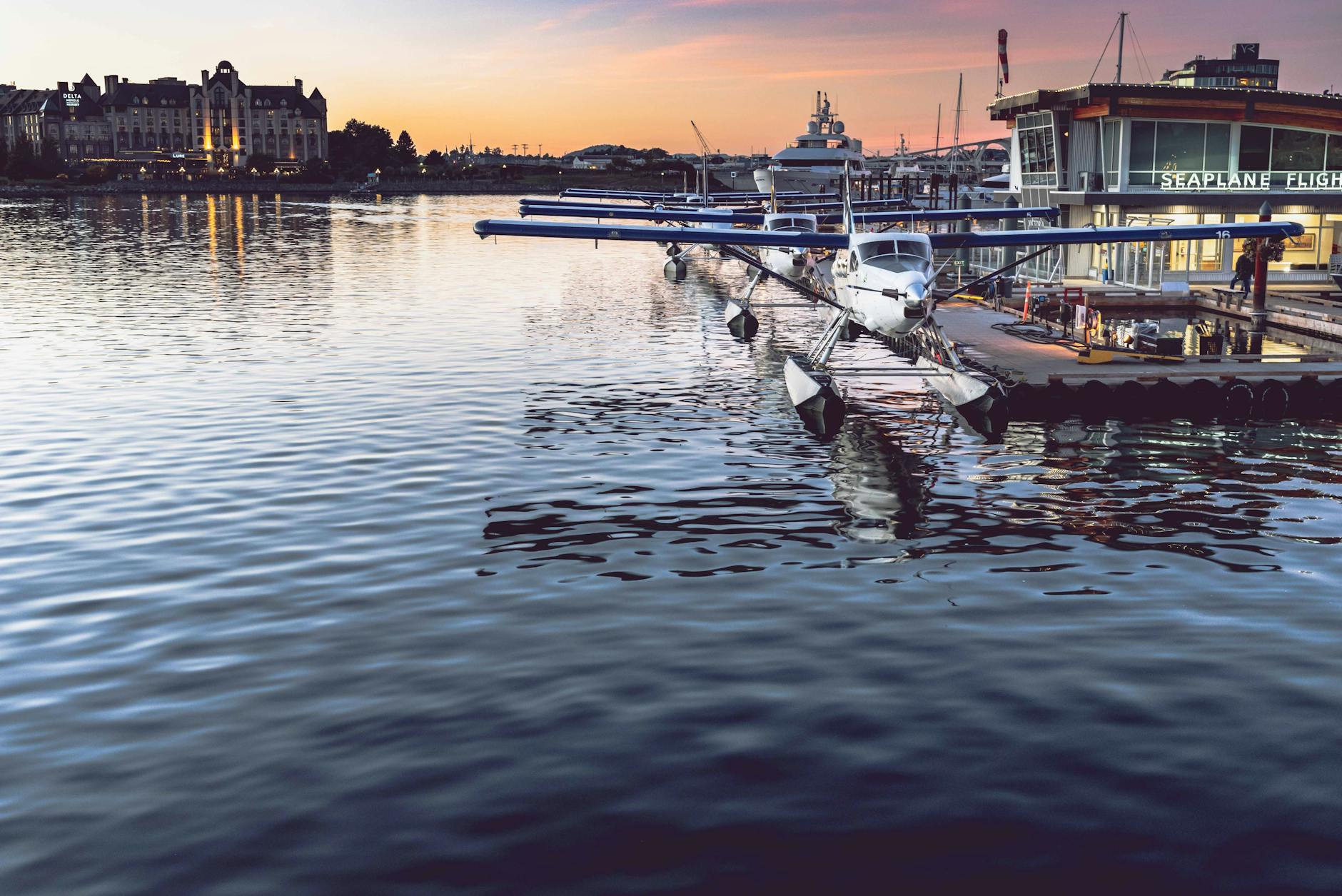
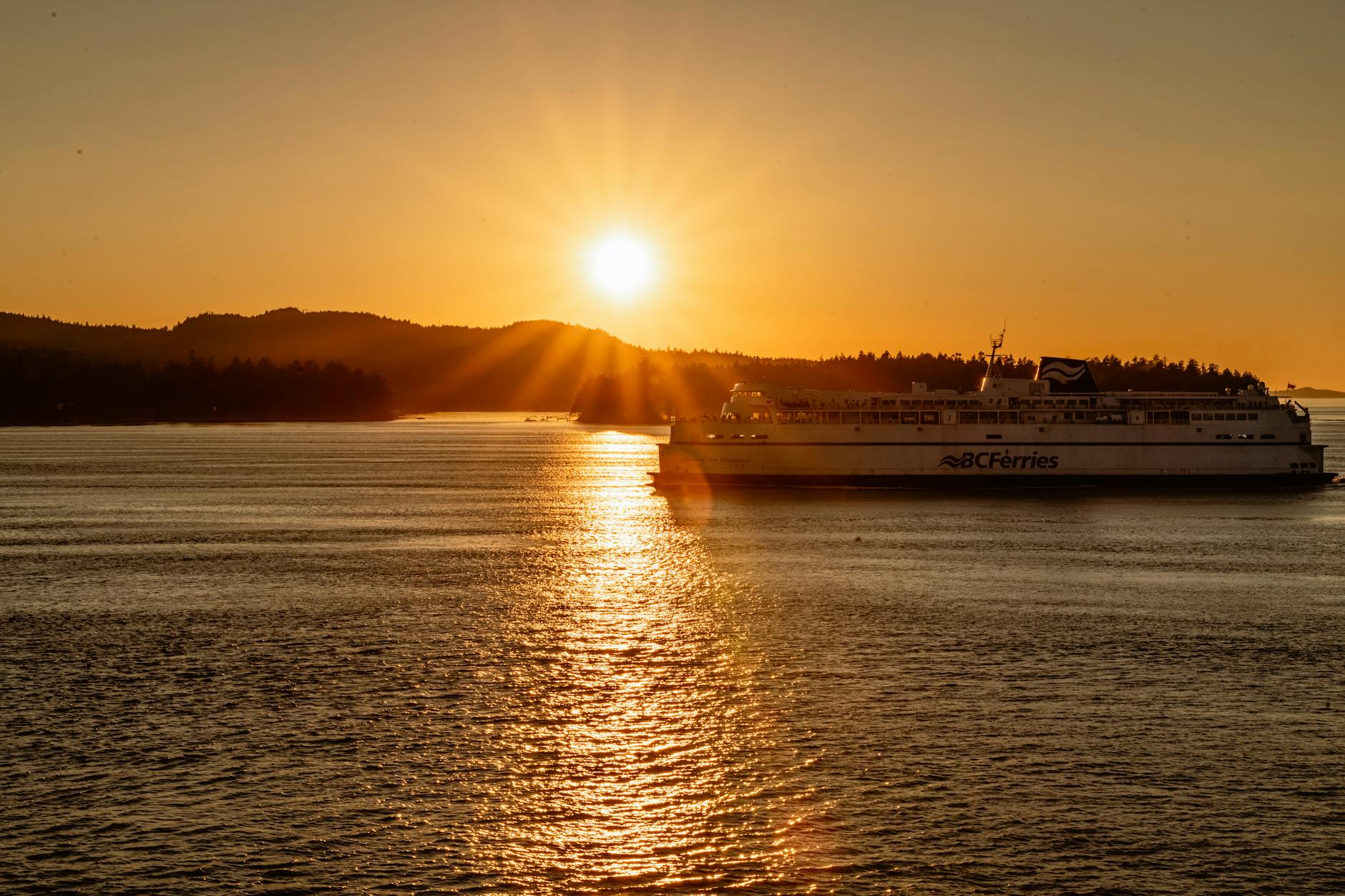
Victoria business travel often involves a choice between flying into the airport, arriving by ferry, using a seaplane, or connecting through Vancouver. Each option has different timing, weather exposure, baggage limits, meeting reliability, and cost. The most scenic option is not always the best business option.
The traveler should compare transfer time from the airport, ferry terminal, or seaplane dock to the first meeting. A tight first appointment deserves the most reliable route, not the most charming one.
- Compare airport, ferry, seaplane, and Vancouver connection timing before booking.
- Account for weather, baggage, terminal transfers, ground transport, and first-meeting readiness.
- Use scenic access only when it still protects the business schedule.
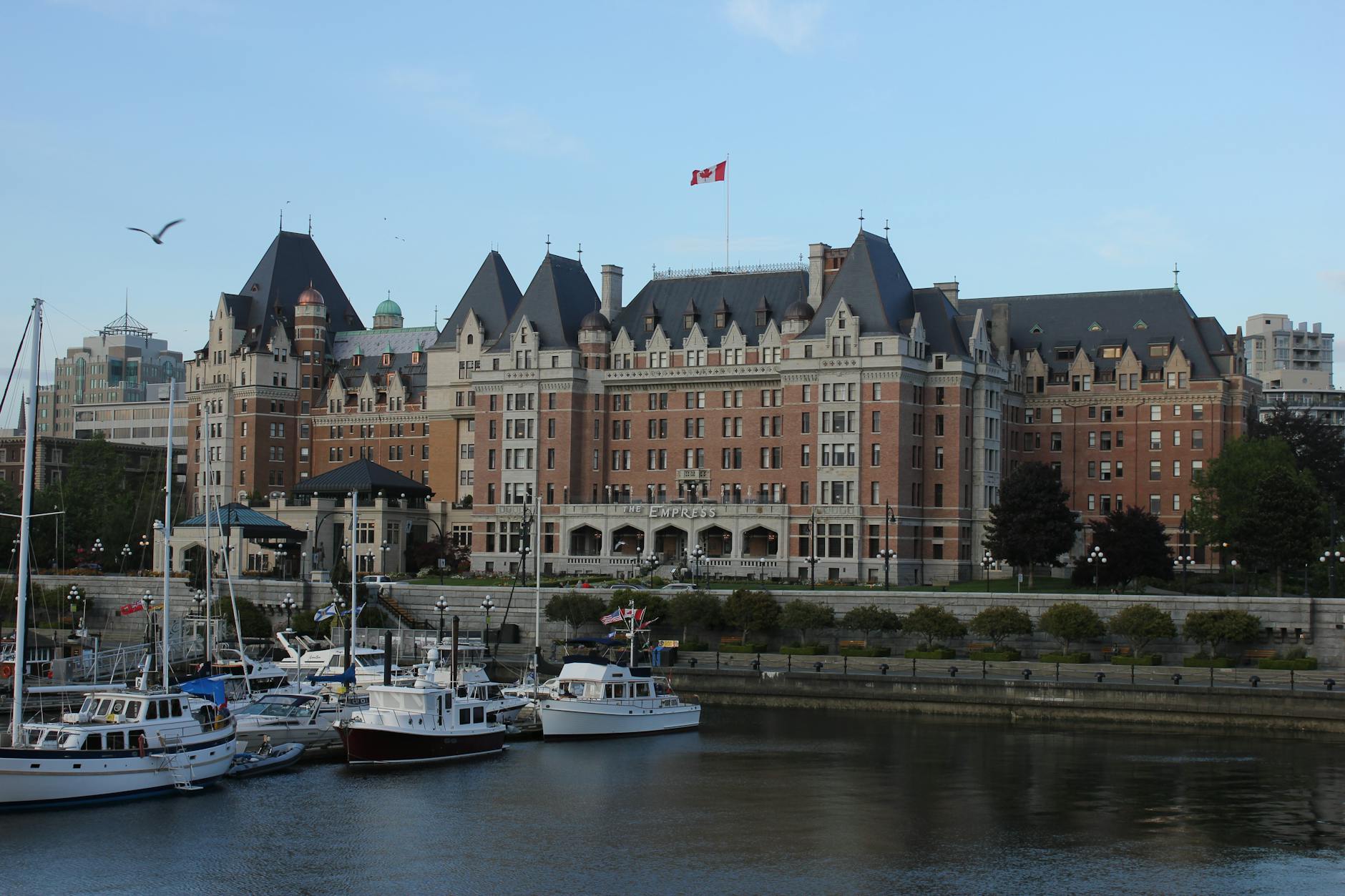
Book a hotel that supports work
Victoria has attractive hotels near the Inner Harbour, but a business hotel should be judged by work support as much as location. Desk setup, Wi-Fi, quiet, breakfast timing, meeting rooms, printing, taxi access, luggage storage, and proximity to the first appointment can affect performance.
A harbor-facing hotel may be excellent if the meetings are downtown or government-adjacent. It may be less useful if most work is in Saanich, at a campus, near a ferry connection, or outside the core.
- Check Wi-Fi, desk setup, quiet, breakfast, meeting rooms, printing, luggage, and taxi access.
- Match hotel location to meetings, not only to harbor appeal.
- Keep early or late work blocks realistic if island travel compresses the schedule.
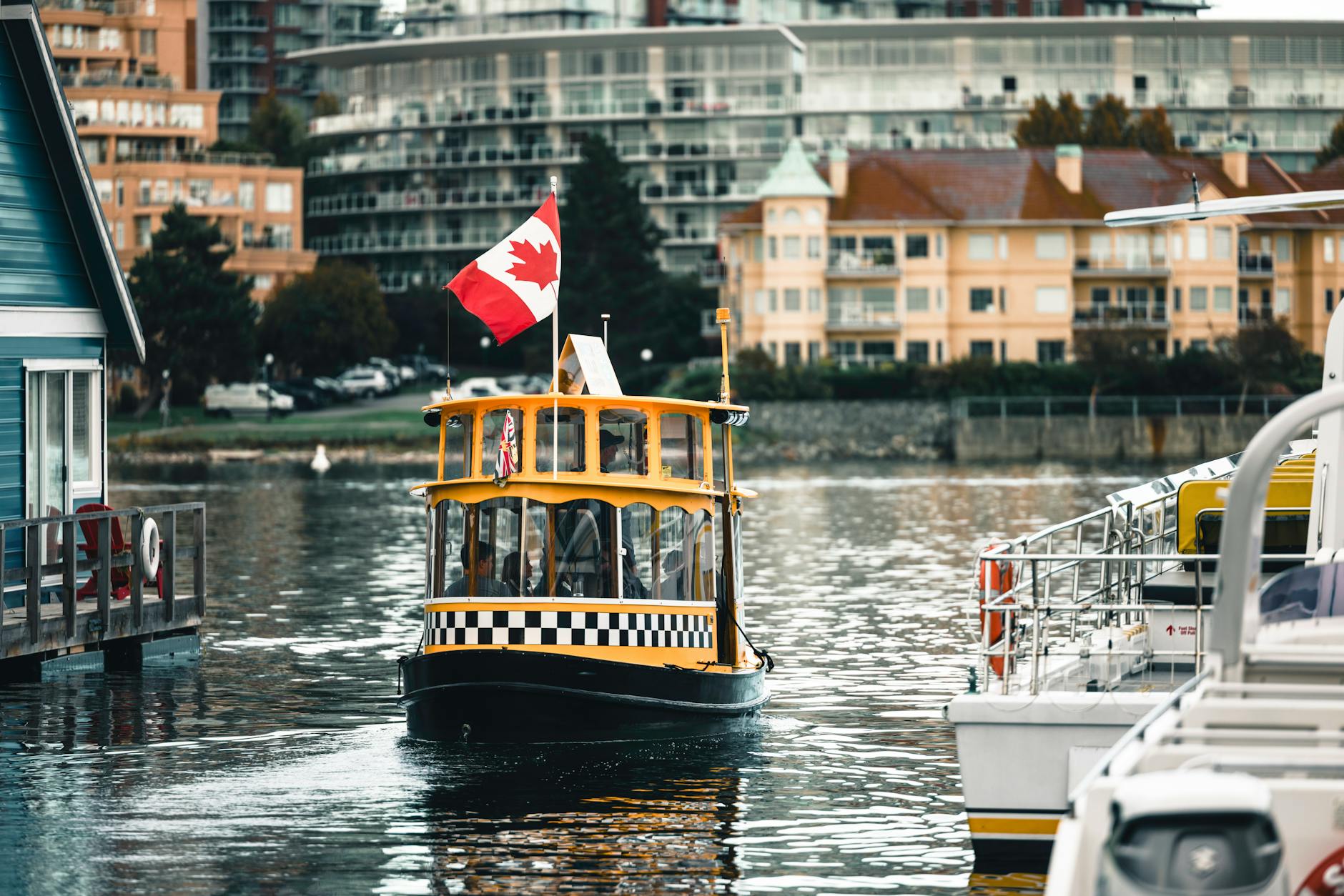
Plan around government and institutional rhythm
Victoria business travel may involve provincial government, public-sector contacts, education, healthcare, maritime, technology, tourism, or nonprofit stakeholders. These contexts can require different security, punctuality, meeting etiquette, document preparation, and follow-up timing than a purely private-sector visit.
The traveler should confirm entry requirements, ID, meeting room location, titles, agenda language, and whether a local partner or public-affairs contact is involved. Preparation helps the visit feel credible.
- Confirm ID, entry rules, meeting location, titles, agenda, and document expectations.
- Prepare differently for government, campus, healthcare, maritime, tourism, or nonprofit meetings.
- Leave time for security, check-in, building navigation, and formal introductions.
Budget for island costs and client meals
Victoria can feel relaxed, but a short business trip can become expensive quickly. Hotels, ferries, taxis, seaplanes, restaurant reservations, parking, and peak visitor periods can all affect the budget. The traveler should separate convenience costs from avoidable costs.
Client meals should also be chosen by purpose. A quiet government-adjacent lunch, harbor dinner, coffee meeting, team debrief, and informal partner meal each need different timing, privacy, noise level, and return logistics.
- Budget for hotels, ferries, taxis, seaplanes, parking, meals, and peak-season pricing.
- Match client meals to privacy, noise, timing, stakeholder type, and return route.
- Reserve early when conferences, tourism periods, or government schedules tighten options.
Protect documents, tech, and contingency time
A Victoria business visitor should prepare for the possibility that transport shifts affect the workday. Weather, ferry delays, flight changes, seaplane disruptions, traffic, or a meeting that runs long can compress the schedule. Documents, laptops, chargers, printed materials, and backup presentation options should be ready.
The traveler should also protect follow-up time. A trip that ends with a scenic ferry or late flight can still require notes, emails, decisions, and next steps before momentum fades.
- Carry chargers, adapters, presentation backups, printed essentials, and secure document storage.
- Build contingency around weather, ferry, airport, seaplane, traffic, and meeting overruns.
- Reserve time for notes, follow-up, CRM updates, and next-step emails before leaving.
When to order a short-term travel report
A business visitor with one downtown meeting and a known hotel may not need a custom Victoria report. A report becomes useful when the trip involves ferry or seaplane choices, several meeting sites, government context, a tight first appointment, peak-season hotel pressure, client meals, island weather risk, or onward travel through Vancouver.
The report should test meeting geography, access mode, hotel fit, transfer timing, weather, client meals, work setup, documents, budget, contingency, and what to cut. The value is a Victoria business trip that stays productive despite attractive but time-sensitive surroundings.
- Order when ferry, seaplane, airport, meeting geography, government context, or peak-season pressure need testing.
- Provide meeting addresses, access options, hotel choices, budget, work requirements, meals, and constraints.
- Use the report to protect business outcomes while using Victoria intelligently.