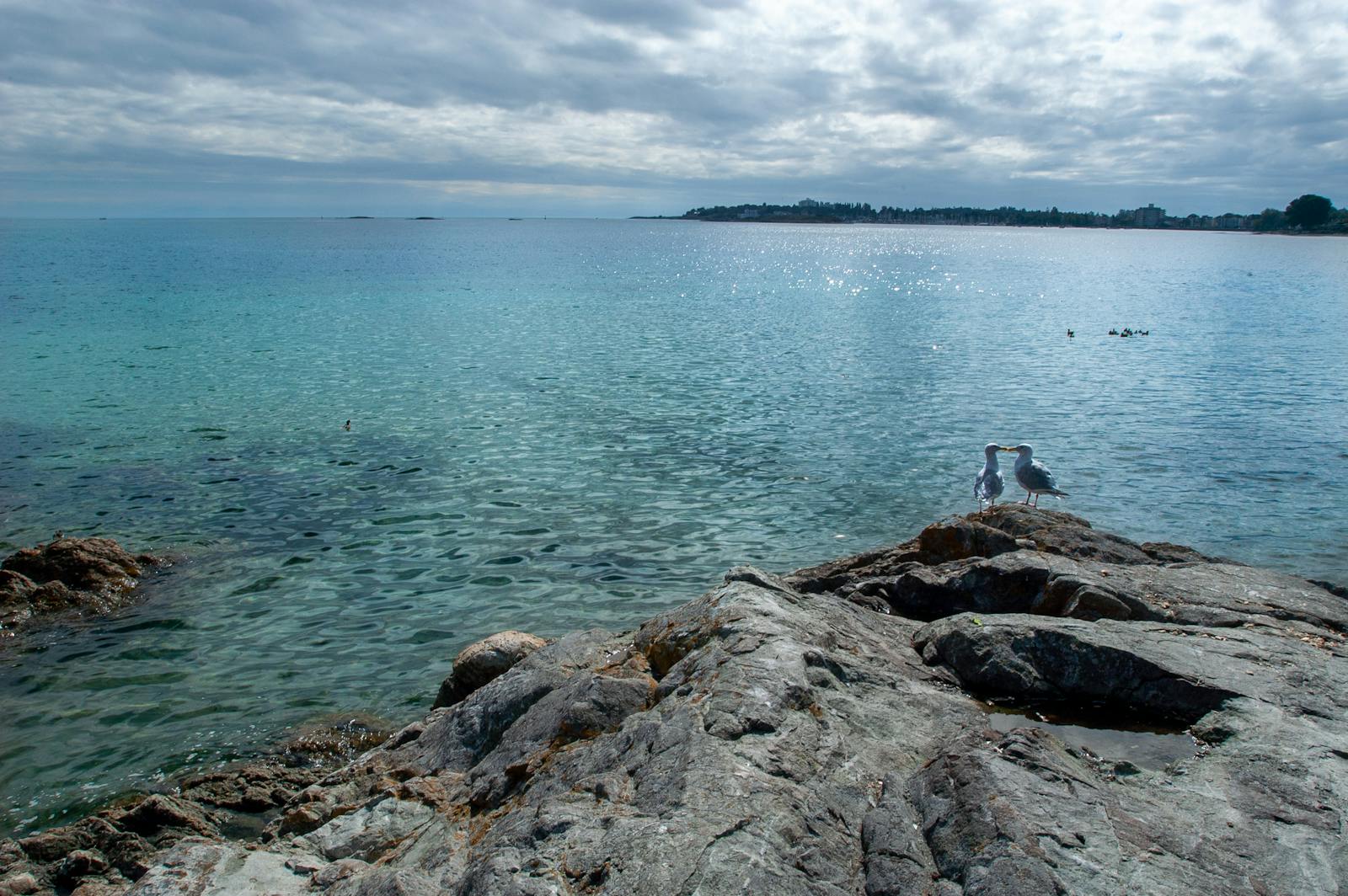
Victoria can look like a gentle budget destination because it is walkable in parts, scenic without constant admission fees, and full of waterfront, parks, old streets, and public views. It can also become expensive quickly if the traveler misprices ferry access, hotel location, meals, taxis, and seasonal demand. A budget trip to Victoria should be designed around total cost, not just the cheapest room or fare. The right plan protects the parts of the city that are genuinely affordable while avoiding false savings that create extra transfers, bad meals, wet clothing, and wasted time.
Price the whole access chain
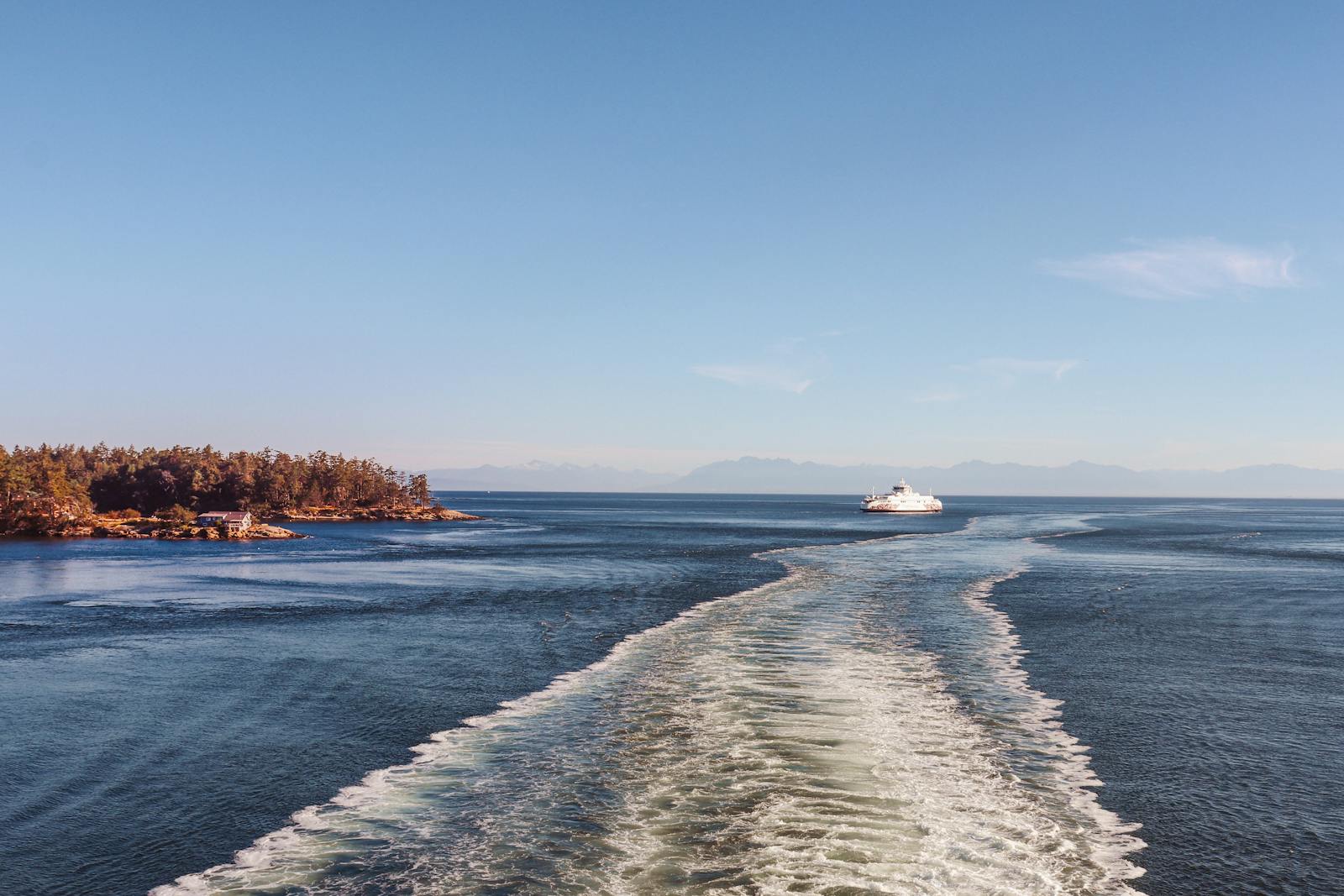
The budget starts before the traveler reaches Victoria. Ferry, airport, seaplane, bus, taxi, parking, rideshare, luggage, and Vancouver connection costs can change the real price of the trip. A cheap flight or room may not stay cheap if it creates a difficult transfer or an expensive late arrival.
Budget travelers should map the full door-to-door path and put actual time next to actual money. The cheapest path is not always the best one, but the best value path is usually visible once the transfer chain is written down.
- Compare ferry, airport, bus, taxi, parking, luggage, and Vancouver connection costs together.
- Add time cost and fatigue to the price comparison.
- Avoid arrivals that require expensive last-mile transport because the schedule is too tight or too late.
Use transit and walking without pretending they solve everything
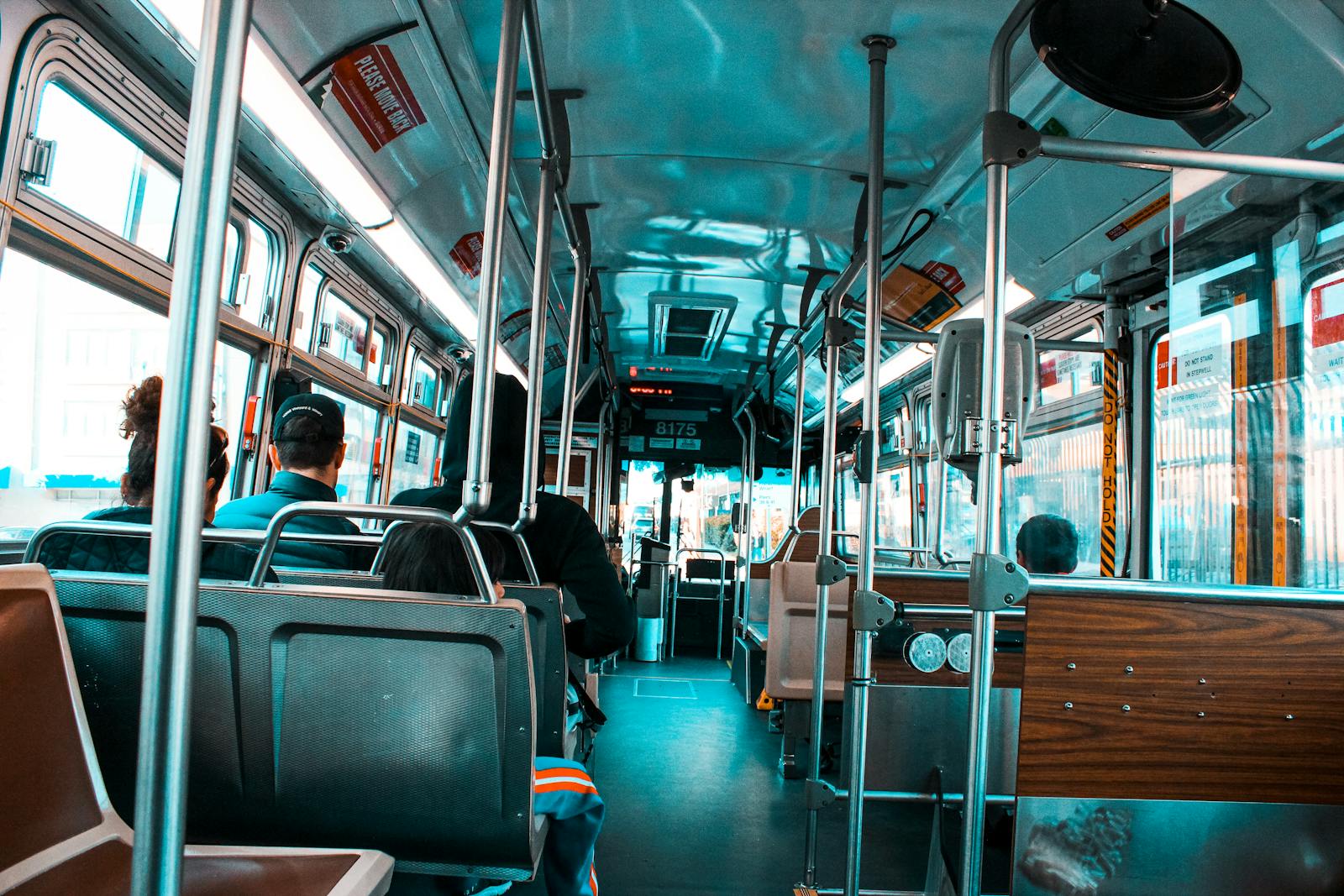
Victoria can reward walkers, especially around the Inner Harbour, James Bay, downtown, Beacon Hill Park, and nearby waterfront areas. Transit can help with some longer movements. But a budget traveler still needs to know where luggage goes, how late they will return, how wet the route may be, and whether a cheap base creates repeated travel time.
The plan should identify which days are truly walkable and which require bus, taxi, bike, tour pickup, or a different lodging choice. Saving money is easier when the movement plan is honest.
- Separate walkable central sightseeing from longer movements to gardens, beaches, or ferry points.
- Check luggage, late returns, weather, and transfer time before relying on transit.
- Keep one taxi or emergency ride in the budget instead of assuming every route will be pleasant on foot.
Do not let cheap lodging create expensive days
The lowest room rate may sit outside the most useful part of the trip. That can be fine if the traveler has a car, a simple transit route, or a slow itinerary. It can become costly if every meal, harbour walk, tour pickup, or evening return requires extra movement.
A budget traveler should compare lodging by total daily cost: room rate, taxes, breakfast, kitchen access, parking, transit, taxi risk, and time lost. A slightly higher central room can sometimes be the cheaper decision after meals and movement are counted.
- Compare room price with parking, breakfast, kitchen access, transit, and taxi needs.
- Check whether tour pickups, ferry links, and evening meals are practical from the chosen base.
- Pay more for location only when it reduces real daily costs and friction.

Build the trip around free and low-cost Victoria
Victoria gives budget travelers a strong base of free or low-cost value: harbour walks, Parliament views, Beacon Hill Park, Dallas Road, shoreline paths, old streets, Chinatown wandering, wharf areas, neighborhood strolls, and public viewpoints. These can carry a trip if they are arranged with enough time and weather protection.
The budget itinerary should not feel like deprivation. It should feel like a deliberate use of the city's public beauty, with one or two paid experiences added only when they clearly improve the trip.
- Use harbour walks, parks, shorelines, old streets, public views, and neighborhoods as the core plan.
- Place free outdoor time when weather and daylight support it.
- Choose paid attractions only when they add value beyond the free city experience.
Make food part of the budget plan
Food can quietly break a Victoria budget. A visitor who waits until hungry in the most tourist-heavy area may spend more than planned on an average meal. Breakfast availability, grocery access, coffee stops, picnic options, markets, happy hour timing, and kitchen access should be considered before arrival.
This does not mean avoiding good meals. It means choosing them. One strong local meal is more satisfying than several accidental expensive ones caused by poor timing.
- Identify grocery, bakery, casual meal, coffee, and picnic options near the hotel and daily routes.
- Use kitchen access or breakfast inclusion when it actually reduces daily cost.
- Protect budget for one or two meals that are worth spending on.

Spend selectively on the experience that matters
A budget traveler does not need to avoid every paid experience. The better question is which paid item defines the trip: gardens, a tour, a special meal, a water arrival, a museum-style stop, a bike rental, or a day outside the center. Paying for one strong anchor can make the rest of the low-cost plan feel more complete.
The dangerous spending is not the planned anchor; it is the unplanned accumulation of taxis, snacks, admissions, upgrades, and bad timing. A disciplined budget leaves space for value while cutting drift.
- Choose one or two paid anchors instead of scattering money across weak extras.
- Reserve or schedule paid items when timing affects value.
- Cut accidental spending before cutting the experience that made Victoria worth visiting.
When to order a short-term travel report
A budget traveler with flexible dates, central lodging, and simple interests may not need a custom Victoria report. A report becomes useful when the traveler is comparing ferry versus air, choosing between cheaper lodging areas, trying to avoid taxis, planning with rain or mobility limits, selecting one paid anchor, or deciding whether the short trip works at all within the budget.
The report should test access cost, hotel location, transit, walking distance, food plan, free activities, paid anchors, weather gear, luggage, backup transport, and what to skip. The value is a trip that is economical without becoming uncomfortable or false.
- Order when access, lodging, transit, food, weather, or one paid anchor could change the budget outcome.
- Provide dates, arrival mode, hotel options, budget ceiling, interests, walking tolerance, and constraints.
- Use the report to save money without damaging the trip.