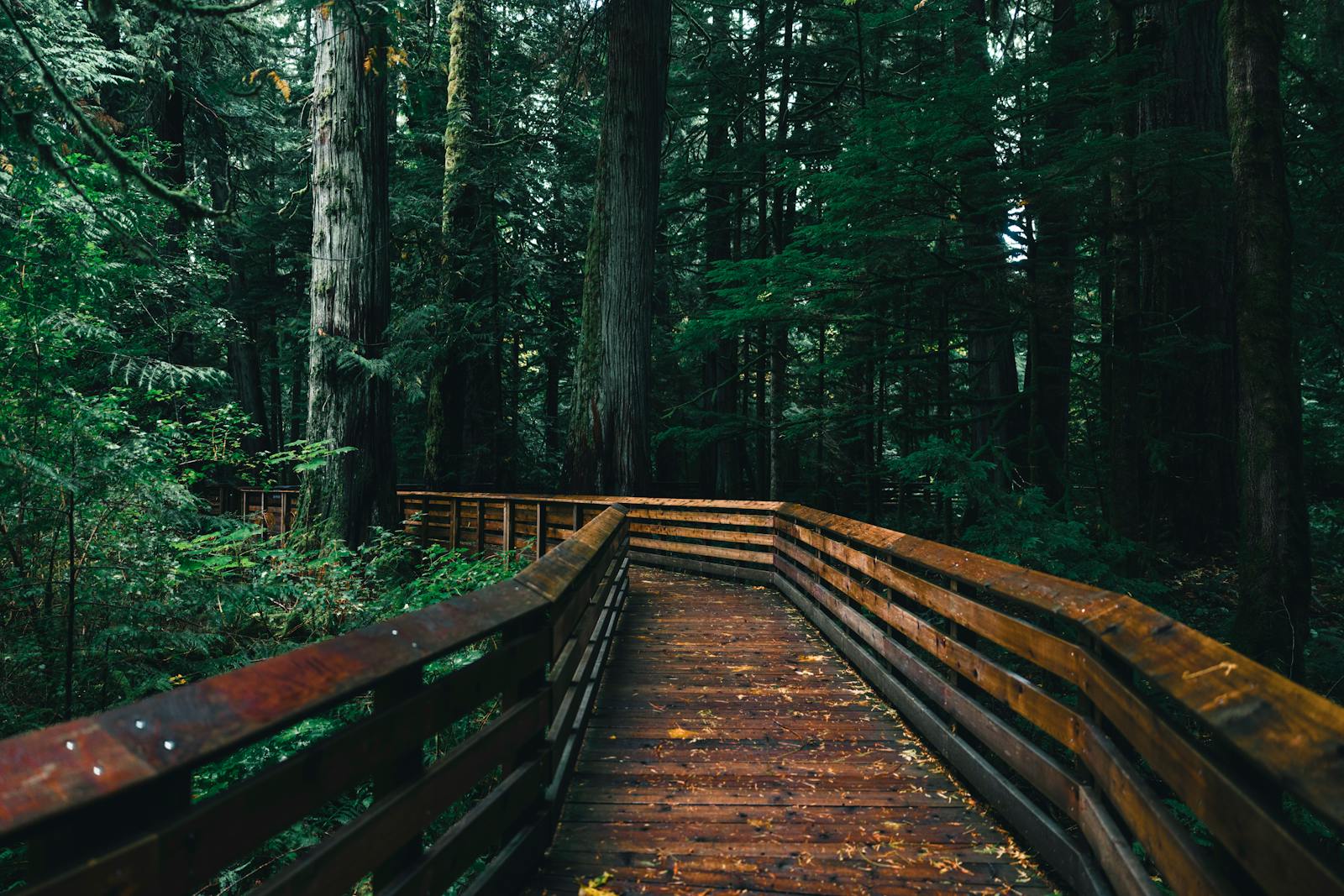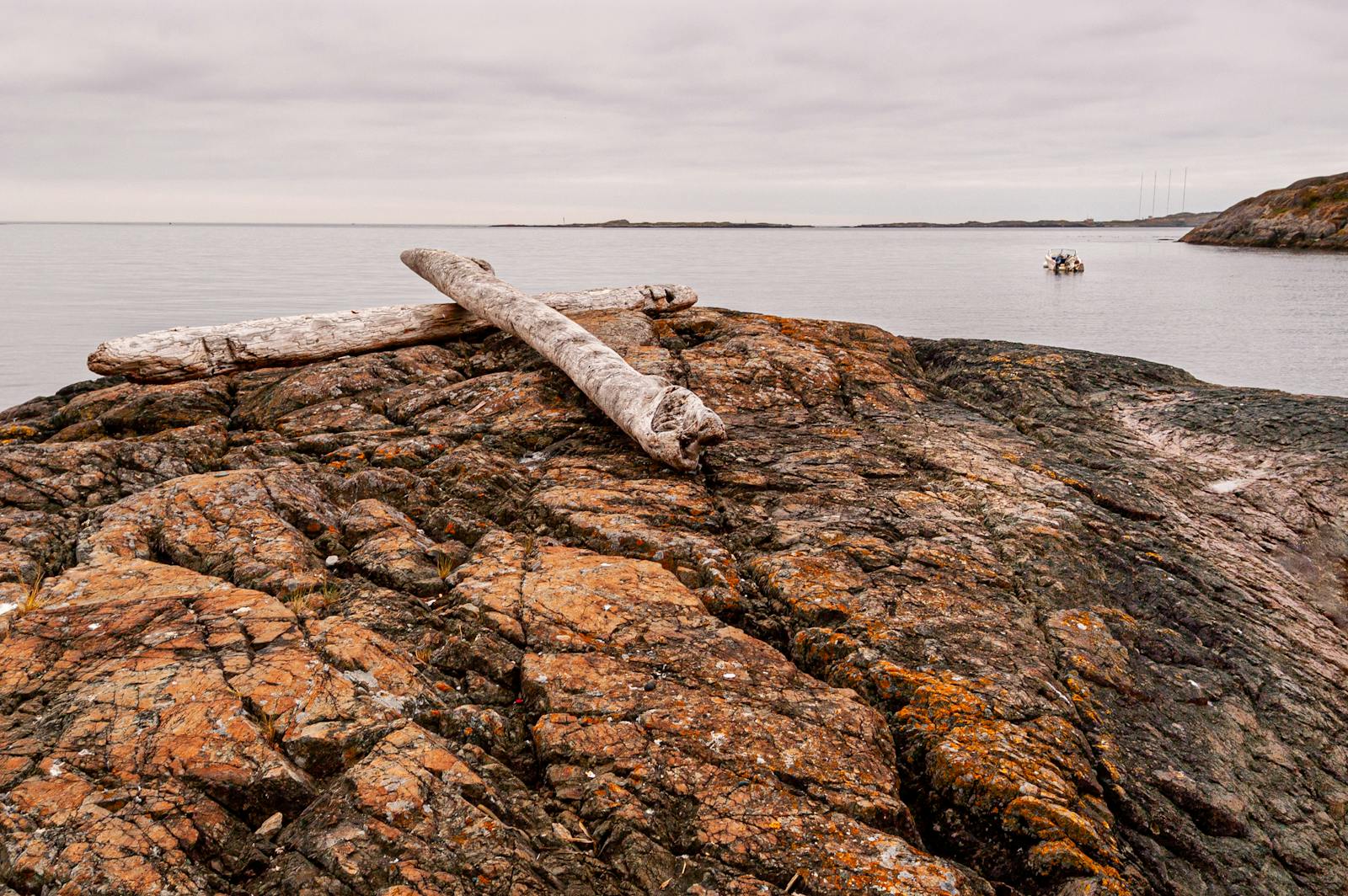
Victoria can be an appealing short outdoor base because the city puts coast, parks, harbor movement, cycling routes, gardens, trails, and island excursions close to a manageable urban core. A traveler can walk Dallas Road, use Beacon Hill Park, ride parts of the regional trail network, visit the breakwater, join a water-based outing, or push farther toward lakes, forests, and wilder Vancouver Island edges. The planning mistake is treating that access as automatic. Coastal weather, daylight, ferry or airport timing, gear, transport, physical limits, and recovery time decide whether the trip feels active and clean or just tiring.
Decide what kind of outdoor trip Victoria should be
Outdoor Victoria can mean gentle coastal walking, cycling, gardens and parks, whale-watching, kayaking, lake time, forest trails, a photography-heavy coast day, or a more ambitious Vancouver Island excursion. The traveler should define the outdoor purpose before booking every meal and hotel night.
A short stay rarely supports every version well. The better plan chooses one or two outdoor priorities and leaves the rest as flexible options. That choice affects lodging, transport, clothing, start times, and whether a rental car is worth the complexity.
- Clarify whether the trip is coastal walking, cycling, parks, water-based, trail-based, or excursion-led.
- Choose one or two outdoor priorities instead of spreading effort across too many activities.
- Match lodging, transport, clothing, and start times to the actual outdoor purpose.
Use coast, parks, and trails as the route spine
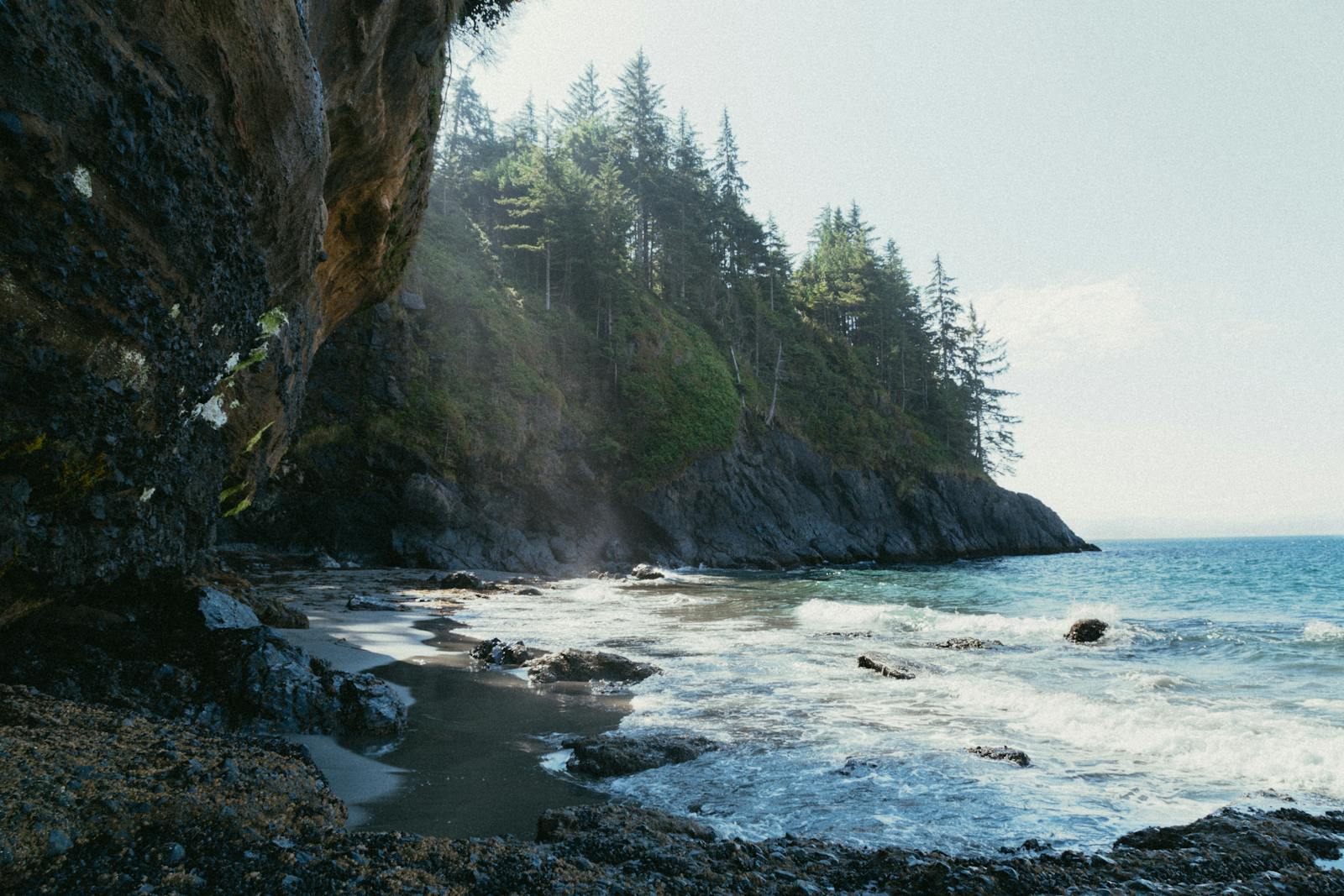
Victoria outdoor planning works best when the route has a spine. Dallas Road, Beacon Hill Park, the Inner Harbour, Ogden Point, the breakwater, beaches, local gardens, regional cycling routes, lakes, and nearby forested trails can all fit different trips. They should not be scattered randomly across a short stay.
The traveler should group outdoor blocks by geography and intensity. A coastal morning, a cycling afternoon, and a forested day trip each need different transport, meals, bathrooms, gear, and recovery.
- Group routes by coast, harbor, park, cycling, lake, forest, or day-trip geography.
- Plan Dallas Road, Beacon Hill Park, Ogden Point, and trail options as coherent blocks.
- Avoid backtracking that turns active time into logistical repair.
Treat weather and daylight as operating constraints
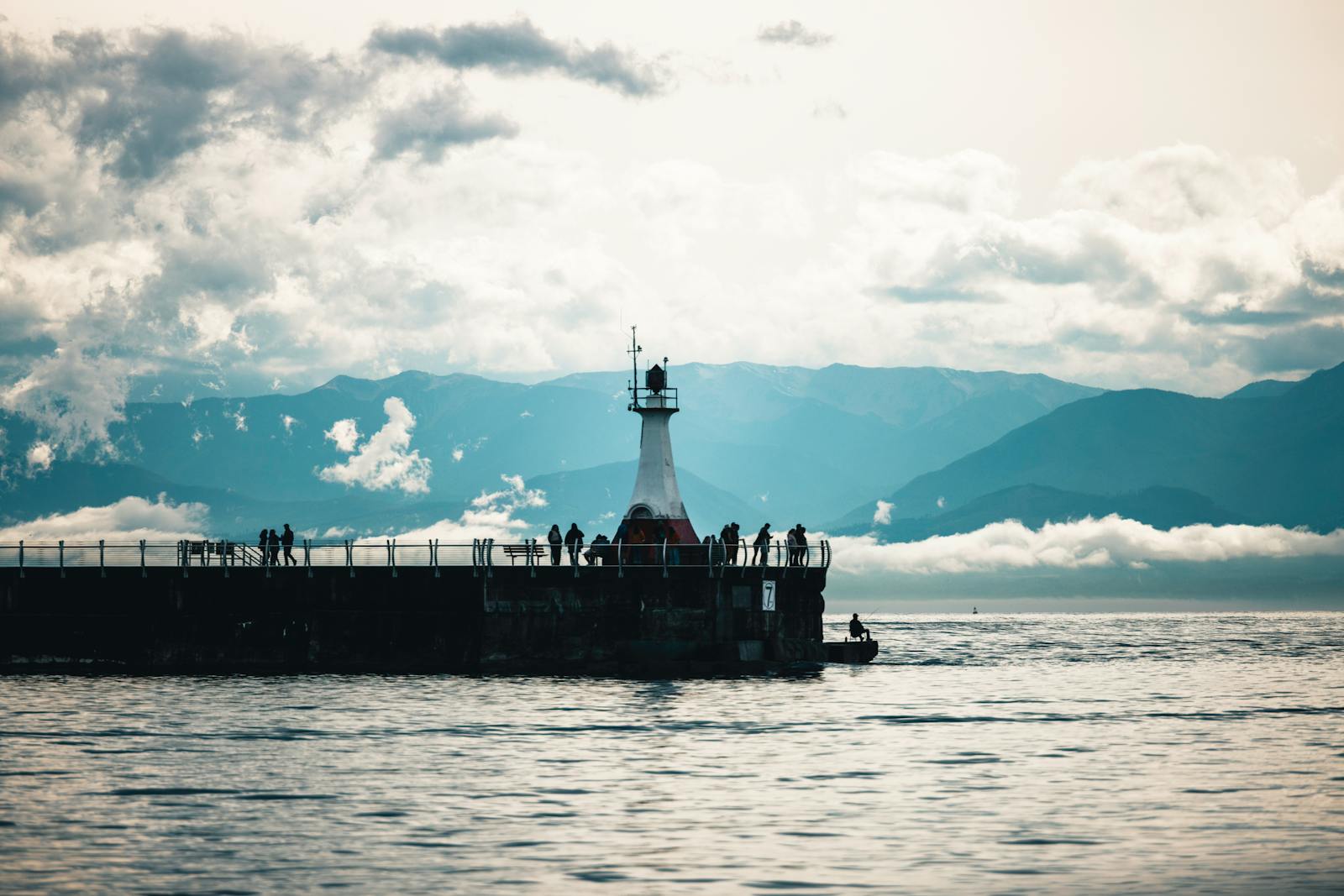
Victoria's coastal conditions can change the day quickly. Rain, wind, cool evenings, marine fog, slippery paths, bright sun, and short winter daylight all affect comfort and safety. A route that feels easy in mild weather can become exposed when the wind rises along the water.
The traveler should check daylight, wind, tide or water conditions where relevant, tour cancellation rules, and return timing. A lower-exposure backup route is useful when the coast does not cooperate.
- Check daylight, rain, wind, marine conditions, temperature, and tour cancellation rules.
- Use lower-exposure park, garden, cafe, or museum options when coastal weather turns.
- Avoid betting the whole trip on one perfect outdoor window.
Choose gear for mixed city and coast use
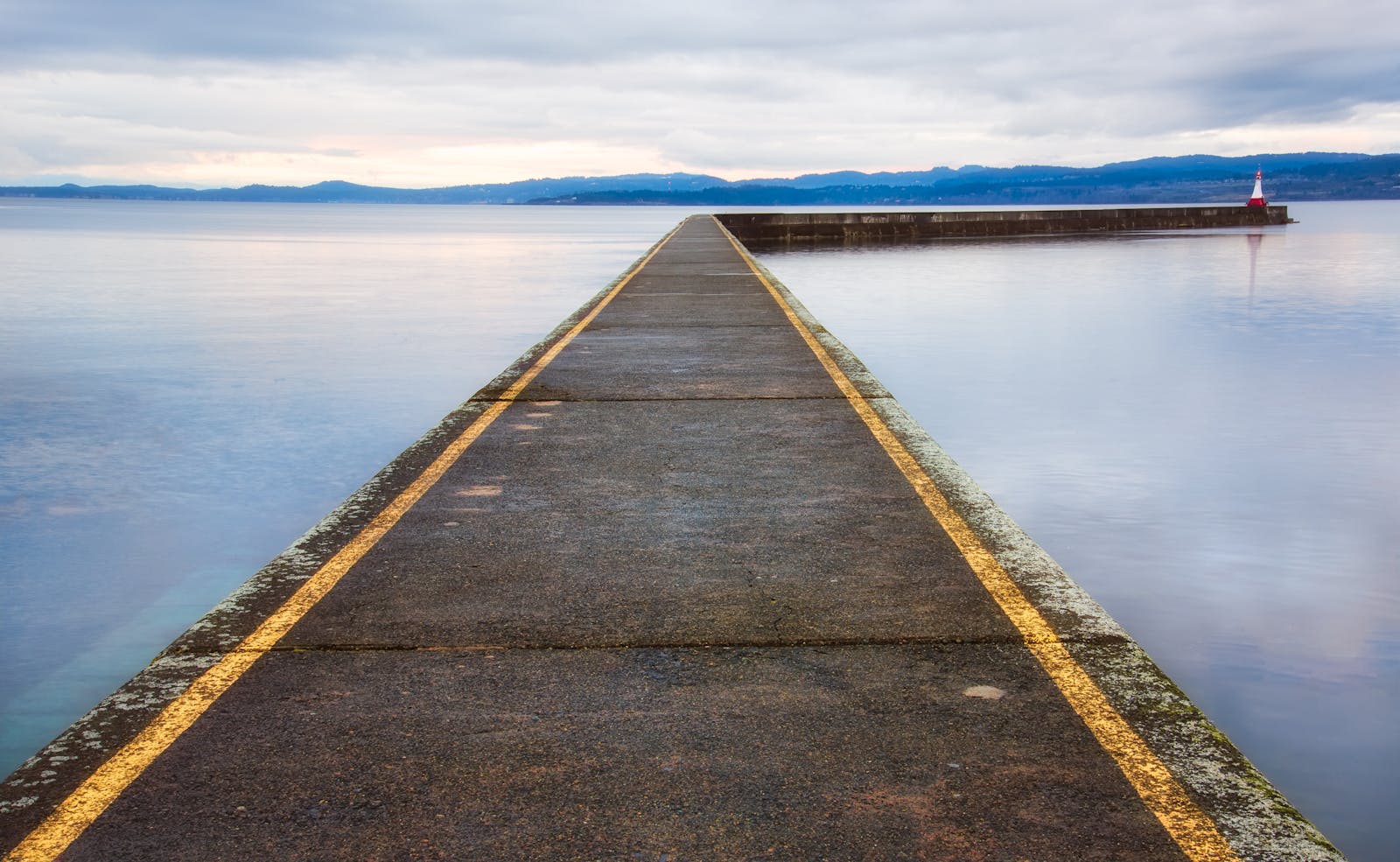
A Victoria outdoor day may move from hotel breakfast to seawall, wet grass, gravel, dock, bike path, boat, cafe, and restaurant. Footwear and clothing should handle mixed surfaces without making the urban part awkward. Layers matter more than many visitors expect.
The traveler should also plan phone battery, water, snacks, medications, small dry storage, rain protection, sunscreen, and whether rented gear is better than packing bulky items. Outdoor ambition should not make every indoor stop uncomfortable.
- Use footwear and layers that work for coast, parks, gravel, docks, rain, wind, and restaurants.
- Carry water, snacks, medications, battery backup, sunscreen, and dry storage.
- Rent bikes, paddling gear, or specialized items when carrying them would weaken the trip.
Plan transport for island-scale activities
Victoria's outdoor map can expand quickly. A simple city walk may need no vehicle, but lakes, forested trails, regional parks, launch points, and farther Vancouver Island excursions may require taxis, tours, buses, bikes, or a rental car. The traveler should not decide this casually after arrival.
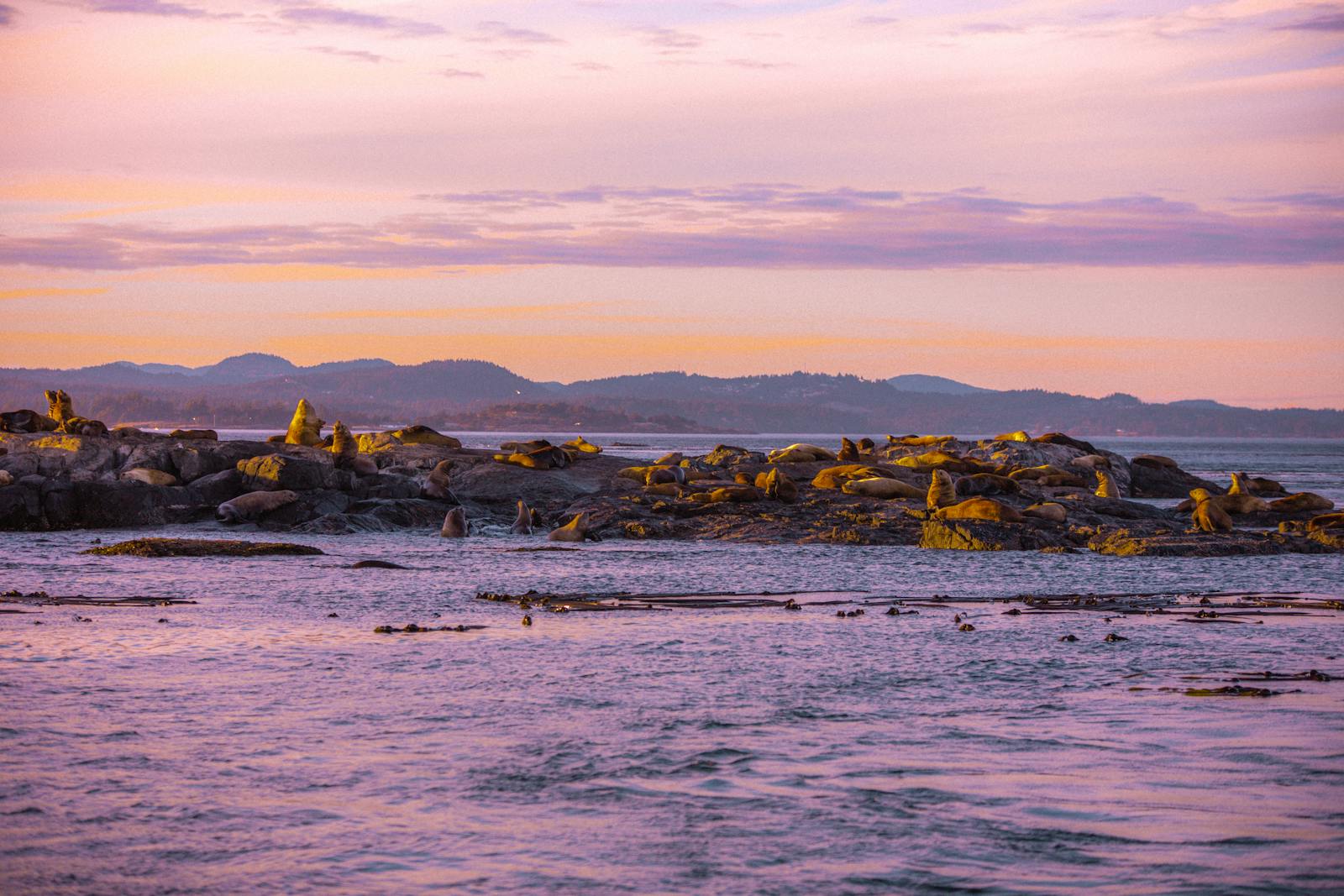
If the trip includes whale-watching, kayaking, cycling, a guided excursion, or a trail outside the core, timing should be tied to transport, weather, pickup points, meal placement, and how the traveler gets back if tired or wet.
- Match outdoor goals to walking, transit, taxi, bike, tour, or rental-car needs.
- Confirm pickup points, tour timing, cancellation policies, and return options.
- Do not let a hard-to-reach activity consume the whole short stay by accident.
Protect food, bathrooms, and recovery
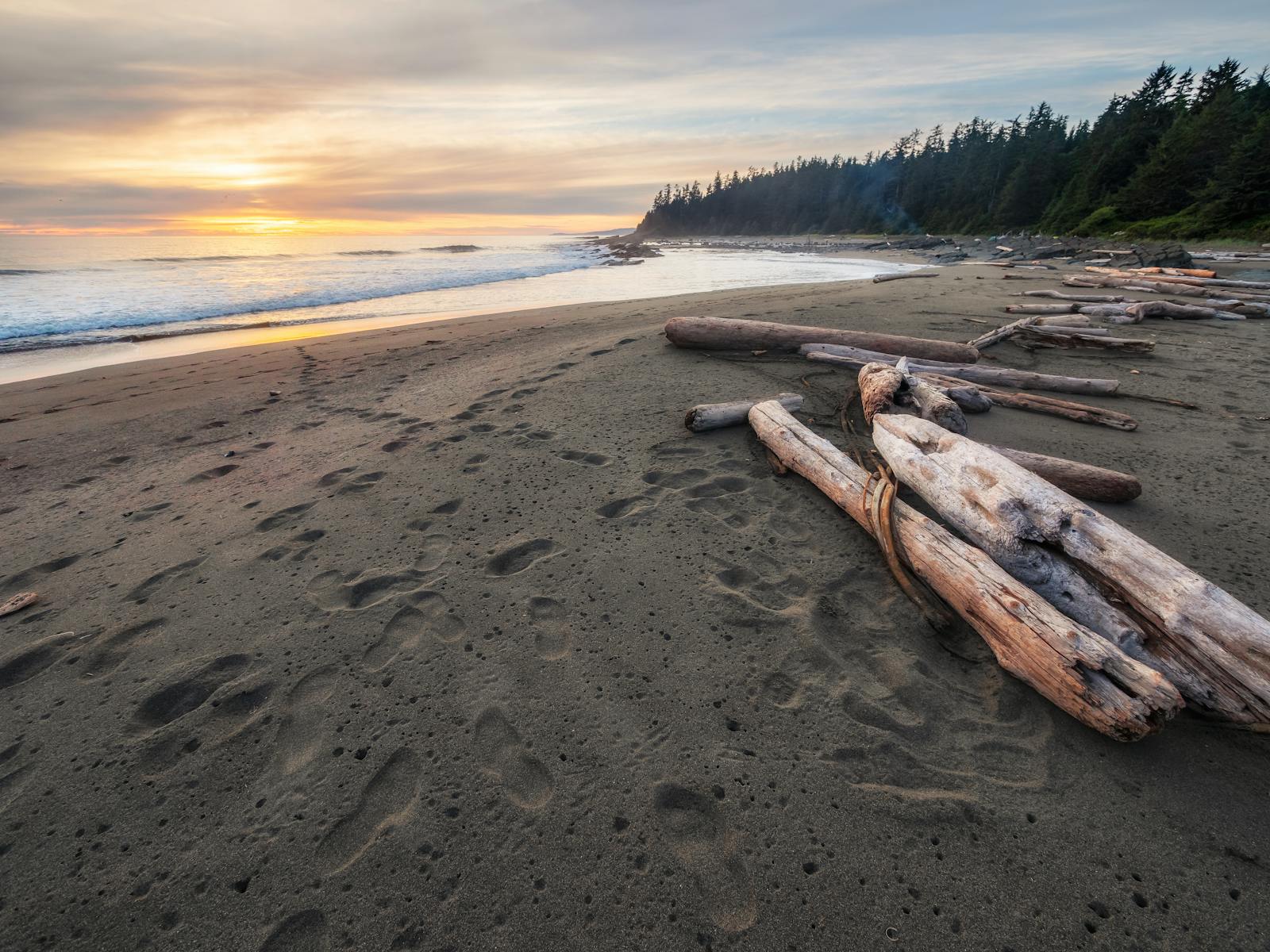
Outdoor travelers often plan the route and forget the ordinary support. Food, water, bathrooms, warm drinks, post-activity showers, laundry, dry socks, and a realistic evening matter in Victoria. A wet coastal day followed by an ambitious dinner can feel worse than expected.
The traveler should decide where to refuel and when to stop. Recovery is not a failure of adventure; it is what lets the next part of the trip work.
- Map meals, water, bathrooms, cafes, warm-up stops, laundry, and return transport.
- Leave recovery time after cycling, water activities, long walks, or exposed coastal routes.
- Avoid pairing the hardest outdoor day with the tightest evening or early departure.

When to order a short-term travel report
An outdoor traveler doing a simple harbor walk may not need a custom Victoria report. A report becomes useful when the trip depends on weather, cycling, water activities, whale-watching, trail choices, rental car decisions, family stamina, mobility limits, hotel location, tight daylight, or balancing outdoor priorities with restaurants and city time.
The report should test route logic, season, weather, transport, tour timing, gear, lodging, meals, bathrooms, safety, recovery, budget, and what to cut. The value is a Victoria outdoor trip that feels active without becoming fragile.
- Order when weather, route design, tours, transport, gear, mobility, or daylight need testing.
- Provide dates, outdoor priorities, fitness level, lodging options, budget, and constraints.
- Use the report to make outdoor ambition realistic and compatible with the whole trip.