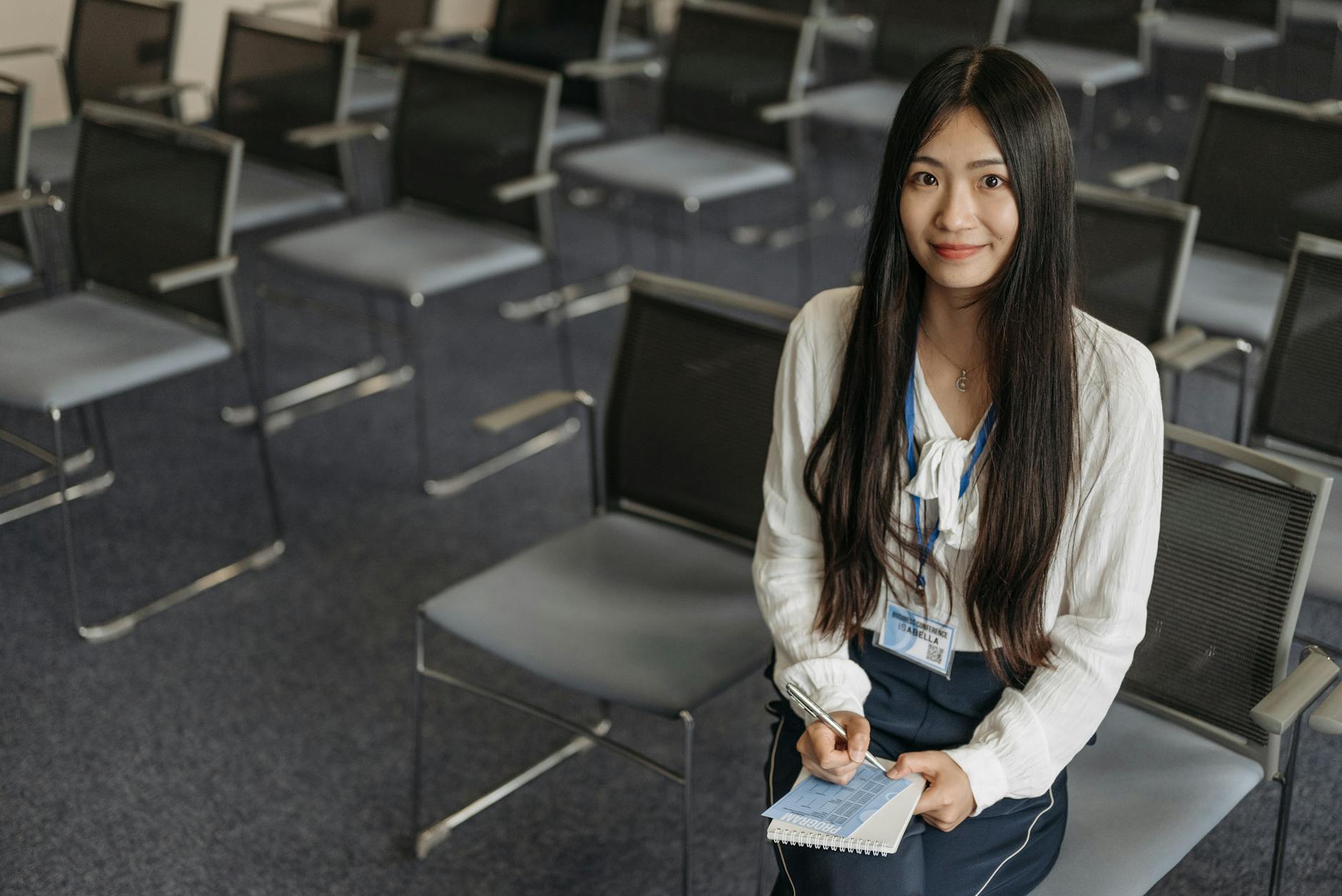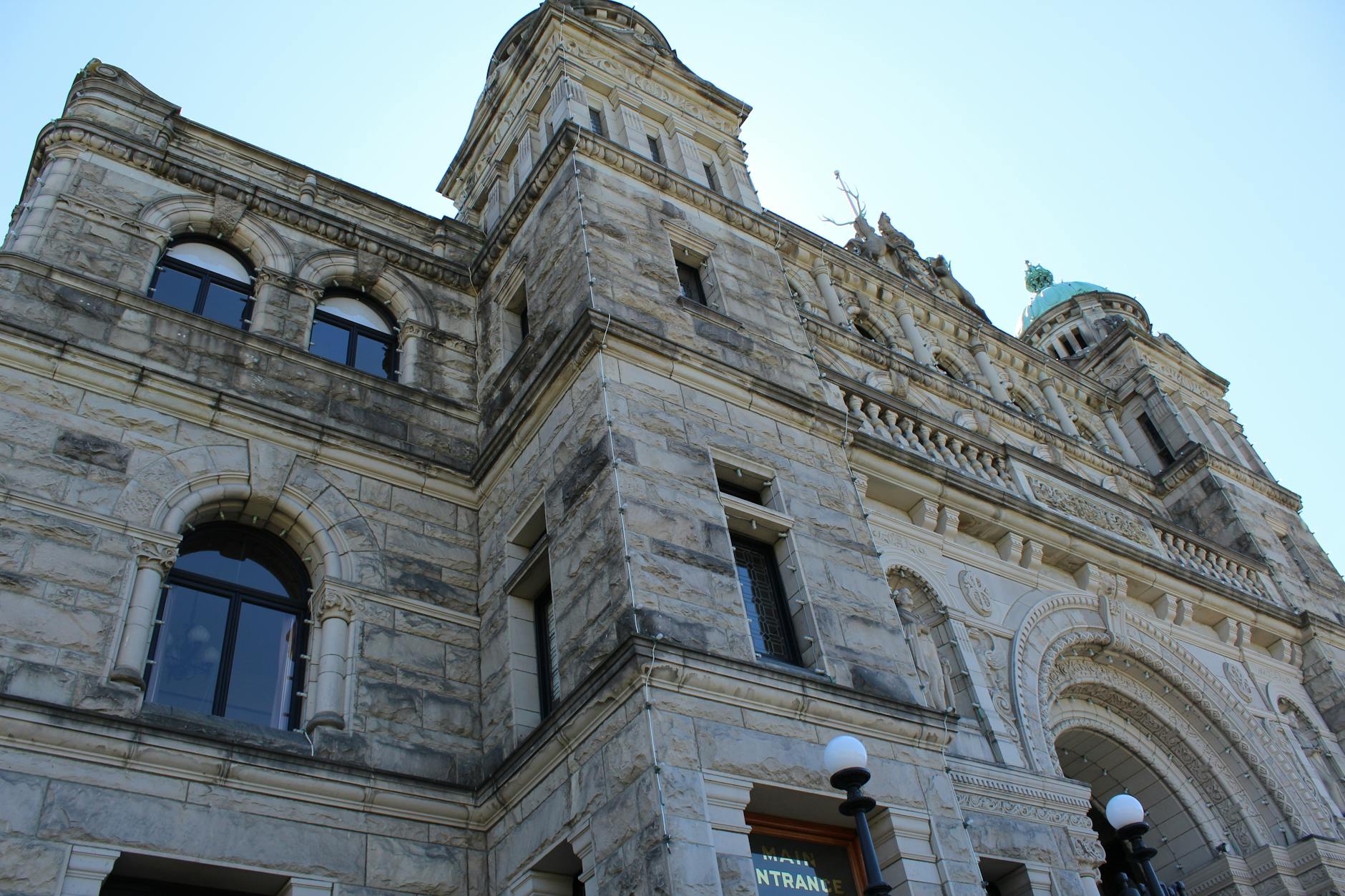
Victoria can be a rewarding academic conference destination because it combines a compact Inner Harbour, government and university context, walkable cultural sites, ferry and seaplane access, and a polished visitor infrastructure. It can also create schedule risk if the attendee treats island access, venue location, or weather as incidental. The useful plan starts with the conference purpose. A faculty presenter, graduate student, visiting researcher, association delegate, poster presenter, grant collaborator, or hiring committee member will not use Victoria the same way. The trip should protect the academic outcome before adding the harbor, gardens, museums, or side trips.
Anchor the trip to the venue and academic purpose
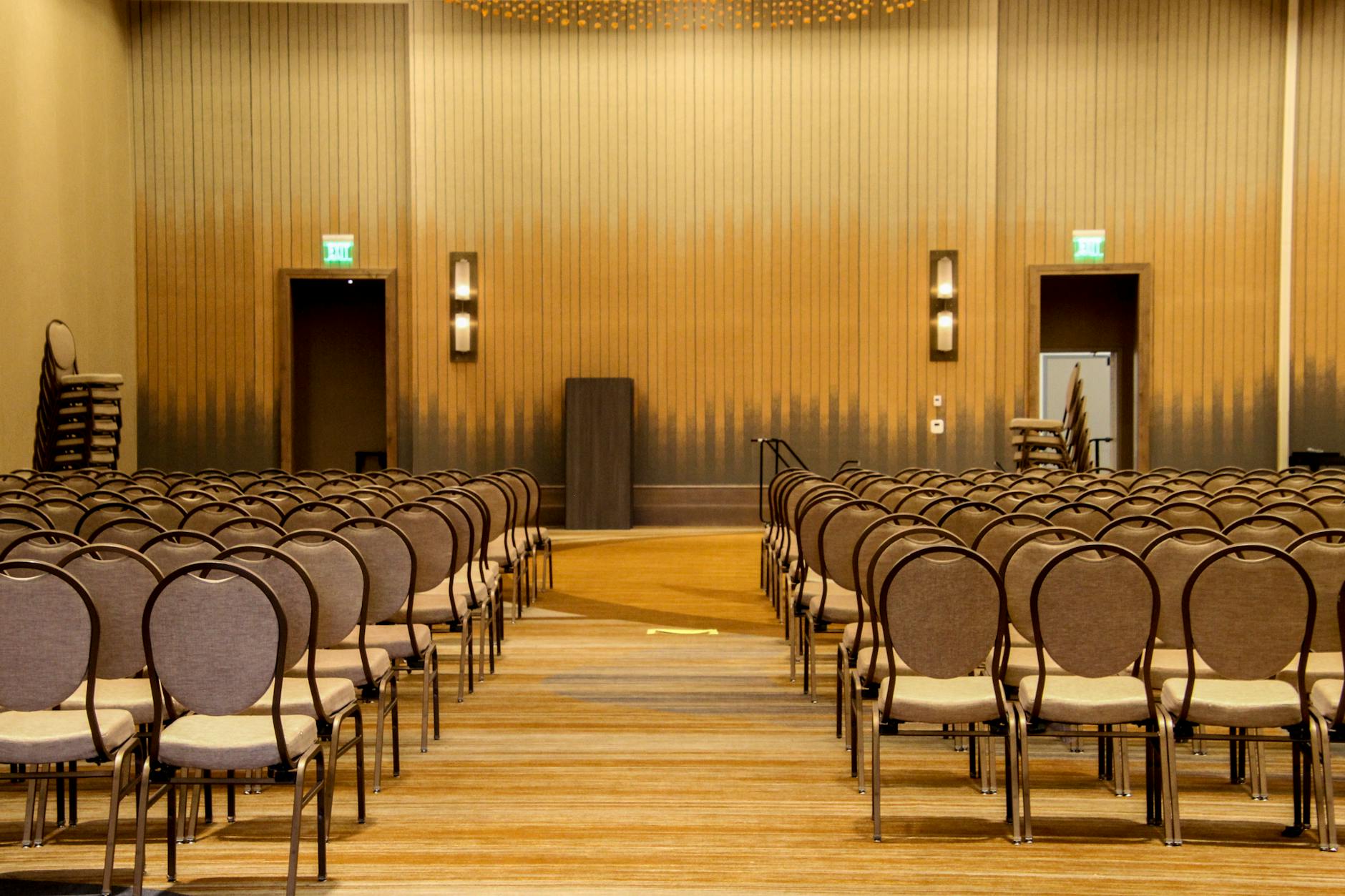
A Victoria conference plan should begin with the exact venue, not with a generic downtown hotel. Events may sit near the Inner Harbour, at a hotel meeting space, near government buildings, on a university campus, in Saanich, or in a regional venue that changes the whole movement plan. A visitor who assumes the conference is only a pleasant harbor walk away can lose time quickly.
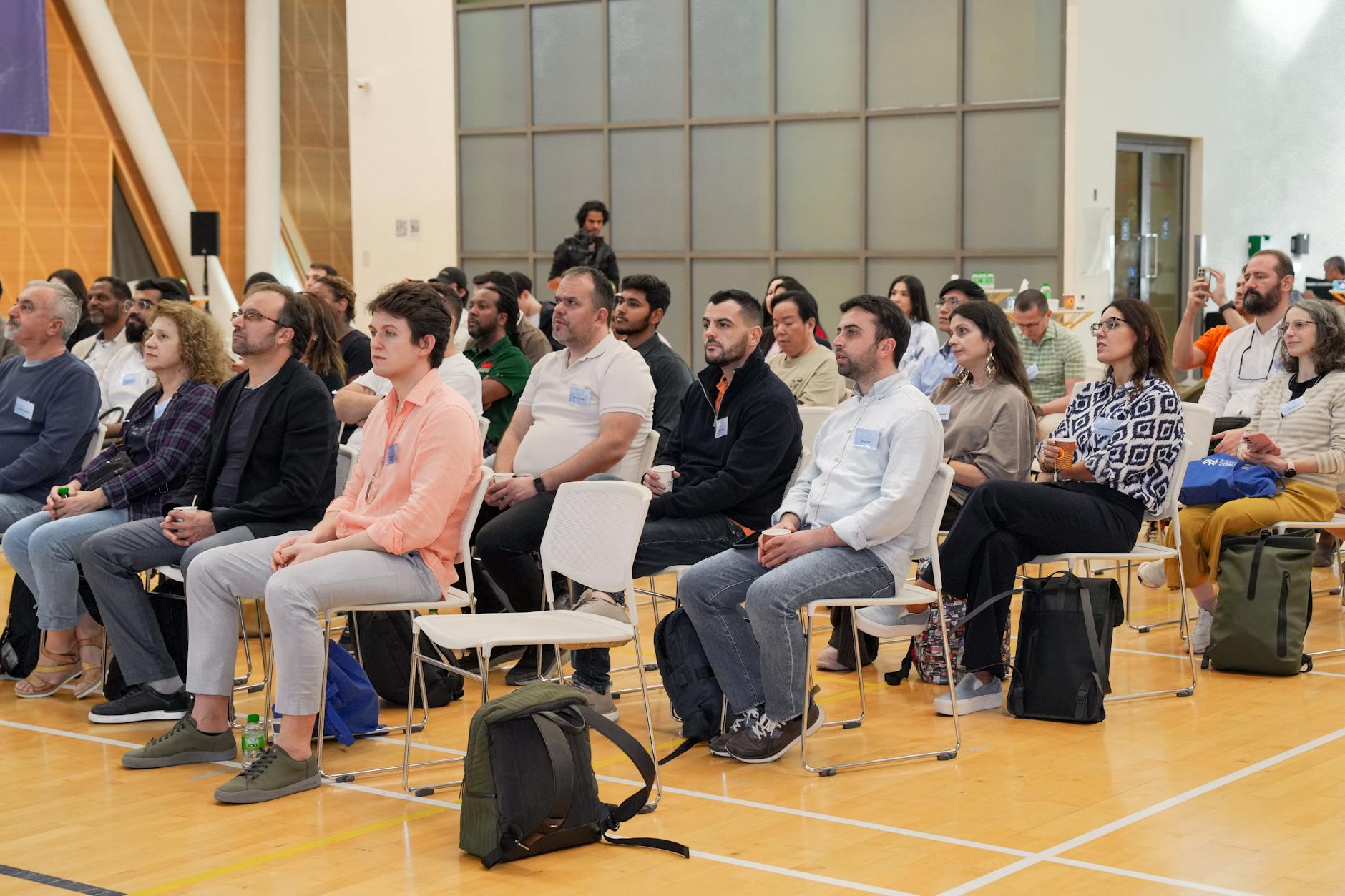
The attendee should also define the academic purpose. Presenting, recruiting, interviewing, committee work, poster sessions, continuing education, grant meetings, or lab visits all create different requirements for arrival time, hotel choice, materials, networking, and recovery.
- Map the venue, hotel options, reception sites, campus visits, and side meetings before booking.
- Define whether the trip is about presenting, hiring, collaboration, training, or attendance.
- Do not let Victoria's compact image hide suburban, campus, ferry, or regional movement demands.
Use island access as part of the academic schedule
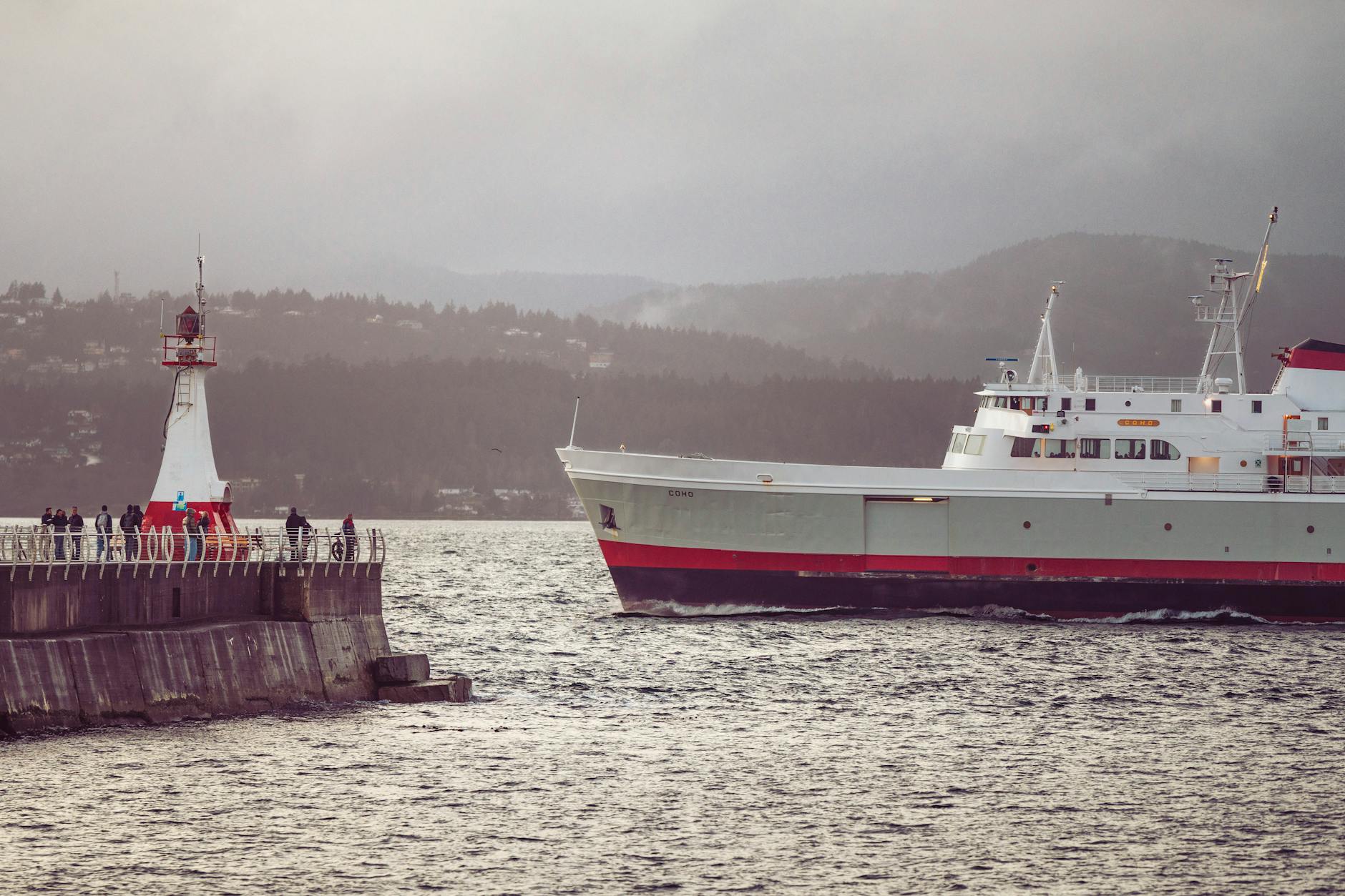
Victoria access is part of the conference plan, not a separate travel detail. Attendees may fly into Victoria International Airport, arrive by ferry, use a seaplane, connect through Vancouver, or combine transport modes. Each option has different exposure to weather, baggage limits, timing, cost, and first-session reliability.
A late arrival before a morning presentation deserves conservative routing. A scenic seaplane or ferry can be excellent when the schedule has margin. It is less appropriate when a delayed transfer would threaten a keynote, panel, exam board, workshop, or meeting with a collaborator.
- Compare airport, ferry, seaplane, and Vancouver connection timing against the first commitment.
- Account for poster tubes, equipment, luggage, weather exposure, and terminal ground transfers.
- Choose the scenic route only when it still protects the academic work.
Plan presentation, poster, and equipment logistics
Conference travel often breaks through small logistics. The attendee should confirm slide format, room computer rules, adapters, microphone setup, Wi-Fi, recording policy, badge pickup, poster dimensions, printing options, storage, shipping, charging, and whether materials can be left securely between sessions. Victoria's visitor infrastructure does not solve a missing cable or an oversized poster.
The plan should also protect materials during island access. A ferry walk-on, seaplane baggage rule, taxi transfer, or late hotel check-in can all matter when the attendee is carrying a poster tube, samples, demo equipment, books, or assessment documents.
- Confirm slide format, adapters, Wi-Fi, microphones, badge pickup, poster size, and storage.
- Check local printing and backup options before relying on them under deadline pressure.
- Carry critical academic materials in a way that survives transport delay and rain.
Budget for Victoria without weakening networking
Victoria can be expensive during tourism periods, conferences, government-heavy weeks, and strong hotel demand. Academic travelers may also be constrained by grant rules, per diem limits, reimbursement policies, receipt requirements, and limits on taxis, alcohol, or hosted meals. The budget should be known before the attendee starts accepting every informal plan.
Networking still matters. A coffee near the venue, a quiet dinner with collaborators, a reception, or a targeted meeting may justify spending more than another attraction. The attendee should decide where money advances the academic purpose and where it only adds stress.
- Check reimbursement rules for lodging, meals, taxis, ferries, seaplanes, alcohol, and receipts.
- Reserve budget for coffee meetings, receptions, and collaborator meals that matter.
- Avoid lodging savings that create poor attendance, rushed transfers, or missed networking.

Handle weather, fatigue, and evening rhythm
Victoria has a milder coastal climate than many Canadian destinations, but rain, wind, cool evenings, ferry disruption, and low seasonal light can still affect the academic day. A schedule built around outdoor walks between sessions should have practical alternatives. Shoes, layers, umbrellas, and short transfer routes matter more than the brochure image of the harbor.
Conference fatigue is also real. Presentations, meetings, reception talk, time-zone shifts, and dense note-taking can make the attendee less useful by the second day. The itinerary should preserve meals, sleep, quiet work blocks, and a realistic return from evening events.
- Plan for rain, wind, cool evenings, low light, and weather-sensitive transfers.
- Protect quiet blocks for notes, email, slide changes, and decompression.
- Do not let harbor dinners or late receptions damage the next academic commitment.
Use city time only when the schedule can support it
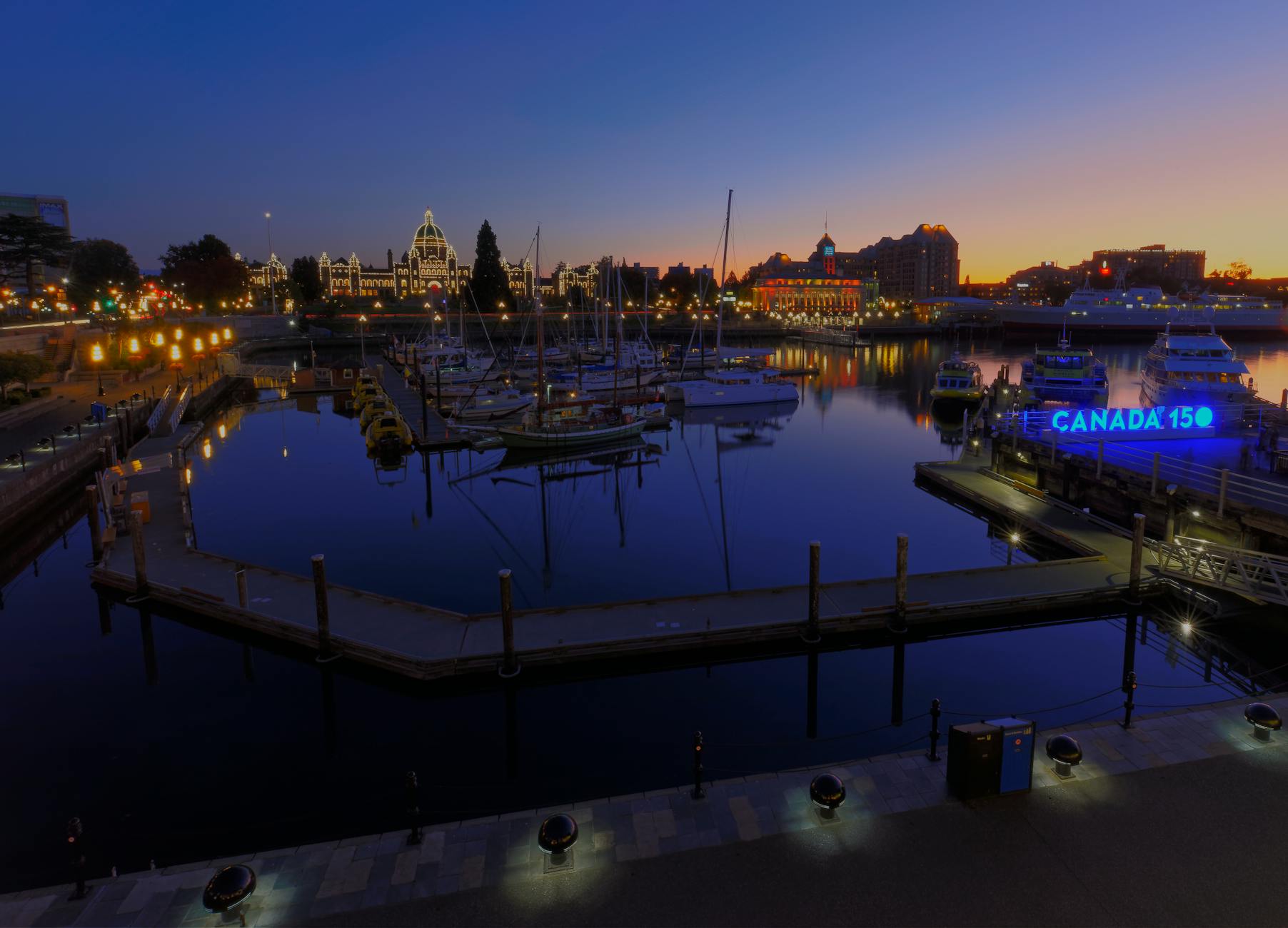
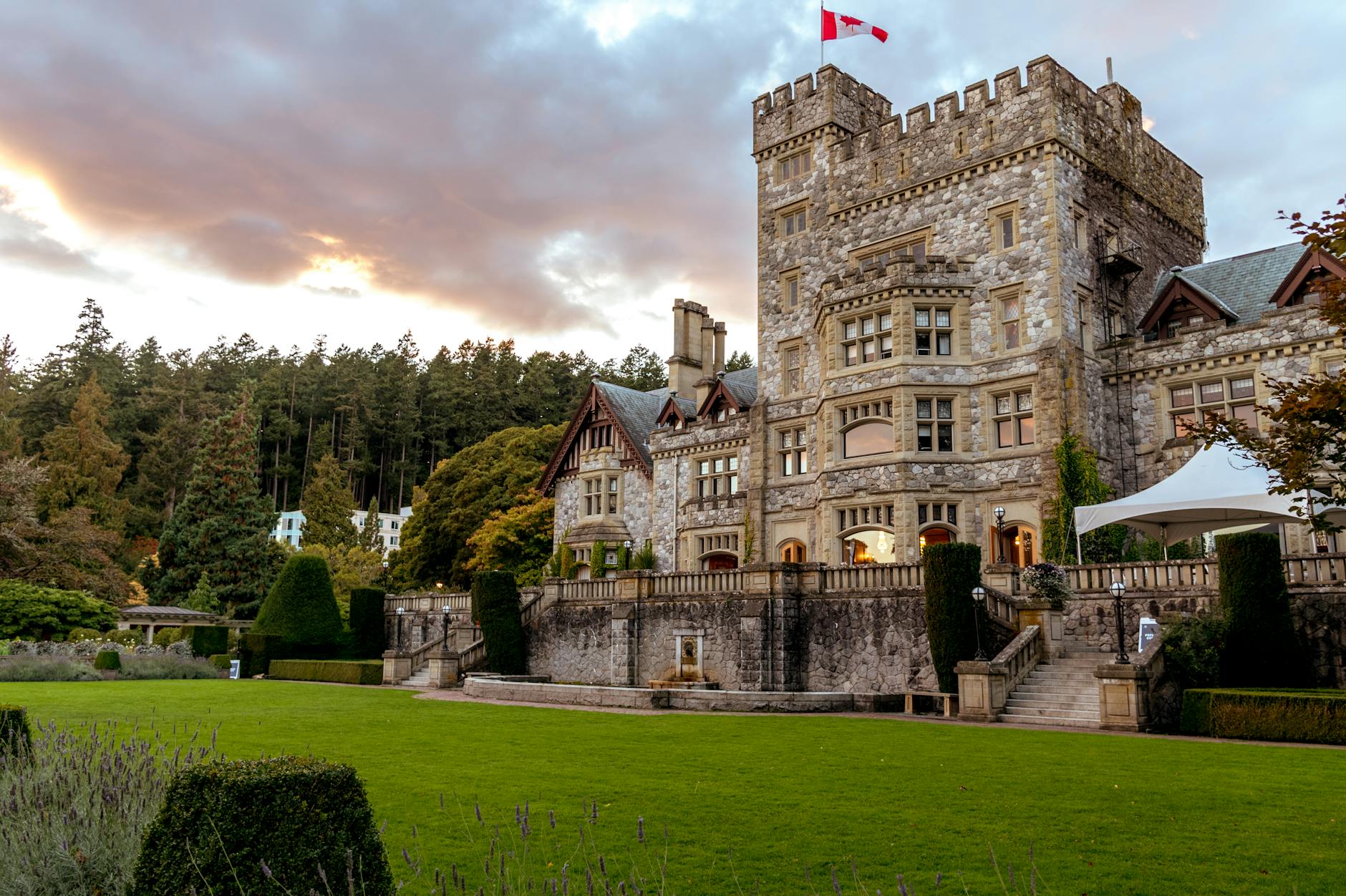
Victoria gives conference attendees tempting add-ons: the Inner Harbour, Parliament Buildings, Fairmont Empress, Royal BC Museum, Beacon Hill Park, Chinatown, gardens, waterfront paths, and nearby coastal views. The attendee should decide which of these supports the trip and which would simply crowd the schedule.
The best city time is usually compact and close to the conference route. A harbor walk, one museum, a garden visit, or a planned meal can work well. A scattered list of sights can turn a productive academic trip into a tired one.
- Choose one or two city experiences near the venue, hotel, or transfer route.
- Do not sacrifice presentation prep, collaborator time, or recovery for broad sightseeing.
- Keep garden, museum, and waterfront plans flexible around weather and session changes.
When to order a short-term travel report
An attendee staying at the conference hotel with no presentation may not need a custom Victoria report. A report becomes useful when the trip includes a presentation, poster, equipment, ferry or seaplane decisions, a tight arrival, multiple venues, campus or government meetings, accessibility needs, budget limits, or uncertain weather.
The report should test venue geography, access mode, hotel fit, presentation logistics, poster handling, transfer timing, networking value, budget rules, weather, recovery, medical fallback, and what to cut. The value is a Victoria conference trip that advances the academic purpose instead of merely reaching the island.
- Order when venue, presentation, poster, access mode, budget, weather, or side meetings need testing.
- Provide the conference schedule, venue, arrival details, materials, hotel options, budget, and constraints.
- Use the report to make the conference productive, not just pleasant.