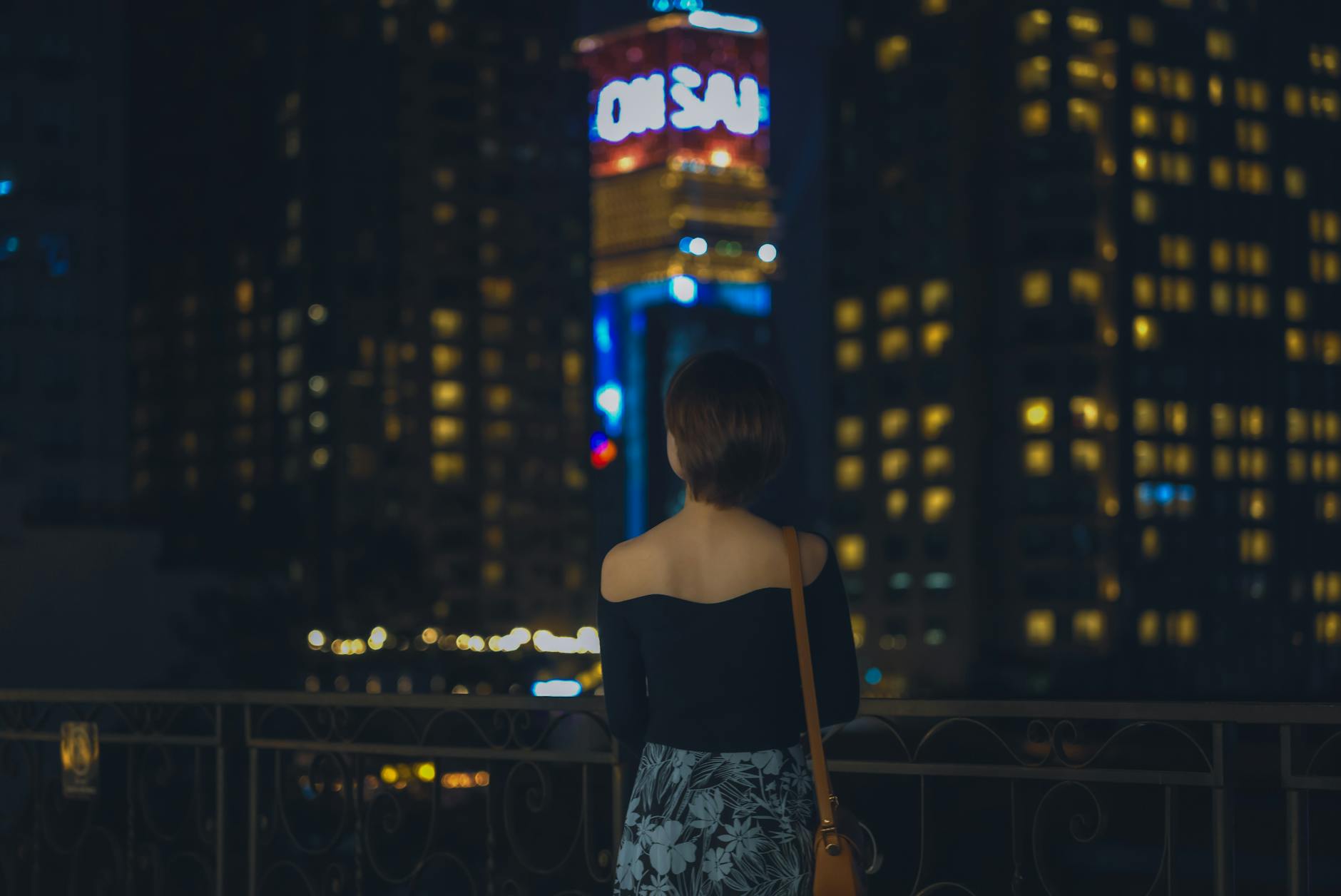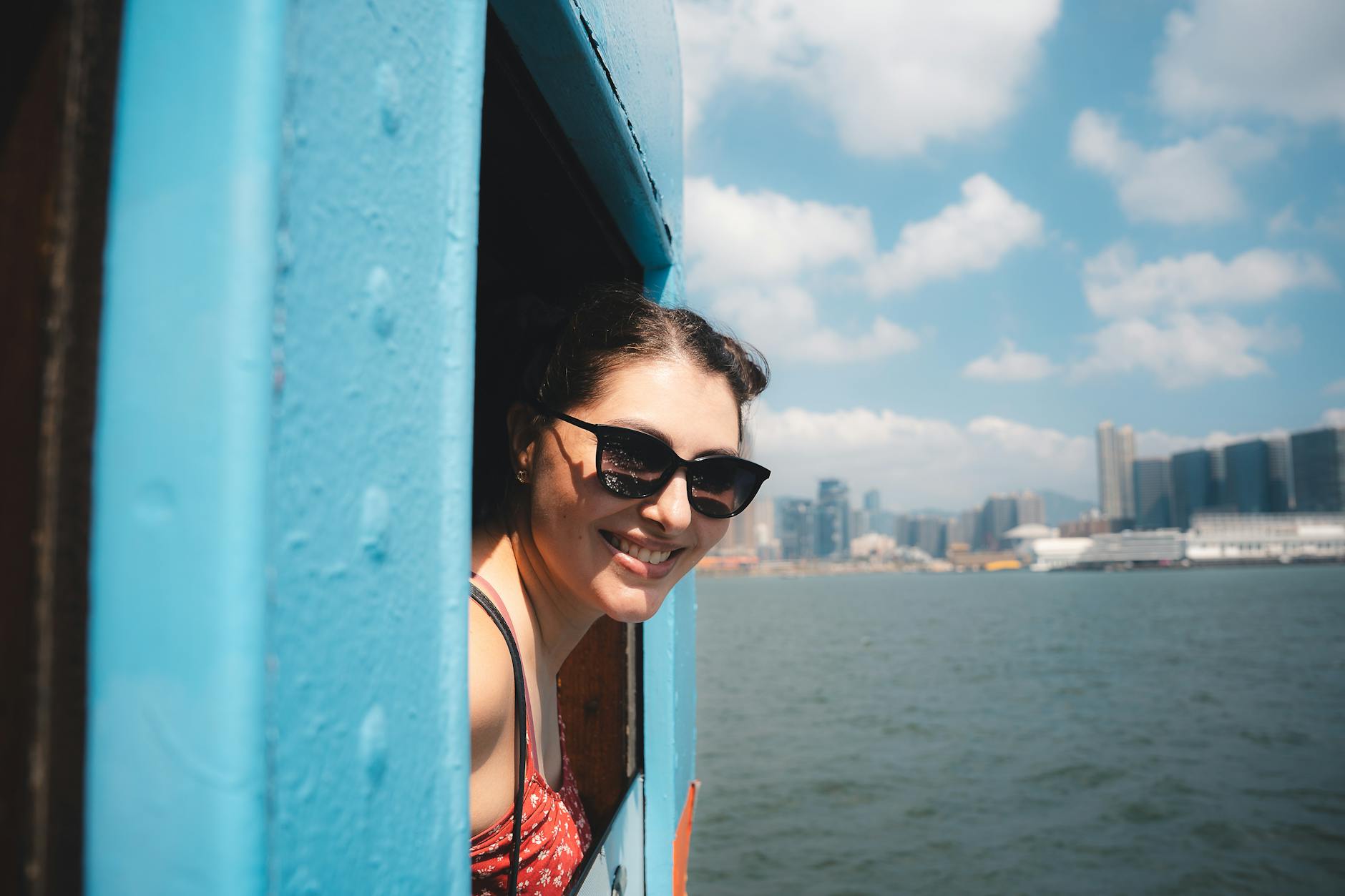
Tsim Sha Tsui can be a strong base for a woman traveler because it offers hotels, restaurants, transit, waterfront views, shopping, museums, taxis, and ferry access in a compact area. It can also feel busy and tiring if arrival, hotel choice, late returns, and crowded walking routes are left to the moment. A short stay should be planned around confidence and practical control. The traveler should know how to arrive, how to return after dark, which streets and transit exits are easiest, where to eat comfortably, and when to use a taxi or hotel car instead of making a route more complicated than it needs to be.
Choose the hotel for return comfort
A woman traveler should choose a Tsim Sha Tsui hotel by more than view, price, or brand. Entrance placement, lobby staffing, lift access, taxi pickup, MTR exits, street lighting, late-night food nearby, and the final block back to the hotel all matter. A hotel can be central on a map and still be awkward after a long evening.
The best base is usually the one that makes arrival, midday rest, and night returns simple. The traveler should compare hotels by the route she will use when tired, carrying shopping bags, arriving in rain, or returning after dinner.
- Check hotel entrance, lobby staffing, lifts, taxi pickup, MTR exits, lighting, and nearby food.
- Compare hotels by late return, rain, luggage, shopping bags, and tired end-of-day movement.
- Choose the base that reduces solo decision-making at the hardest moments.
Make arrival and the first evening simple
The arrival plan should be settled before landing. Airport Express plus taxi, direct taxi, hotel car, or MTR transfer can all work, but the right choice depends on arrival time, luggage, budget, and how much energy the traveler expects to have after the flight. The hotel address, payment method, data plan, and backup route should be ready before leaving the airport.
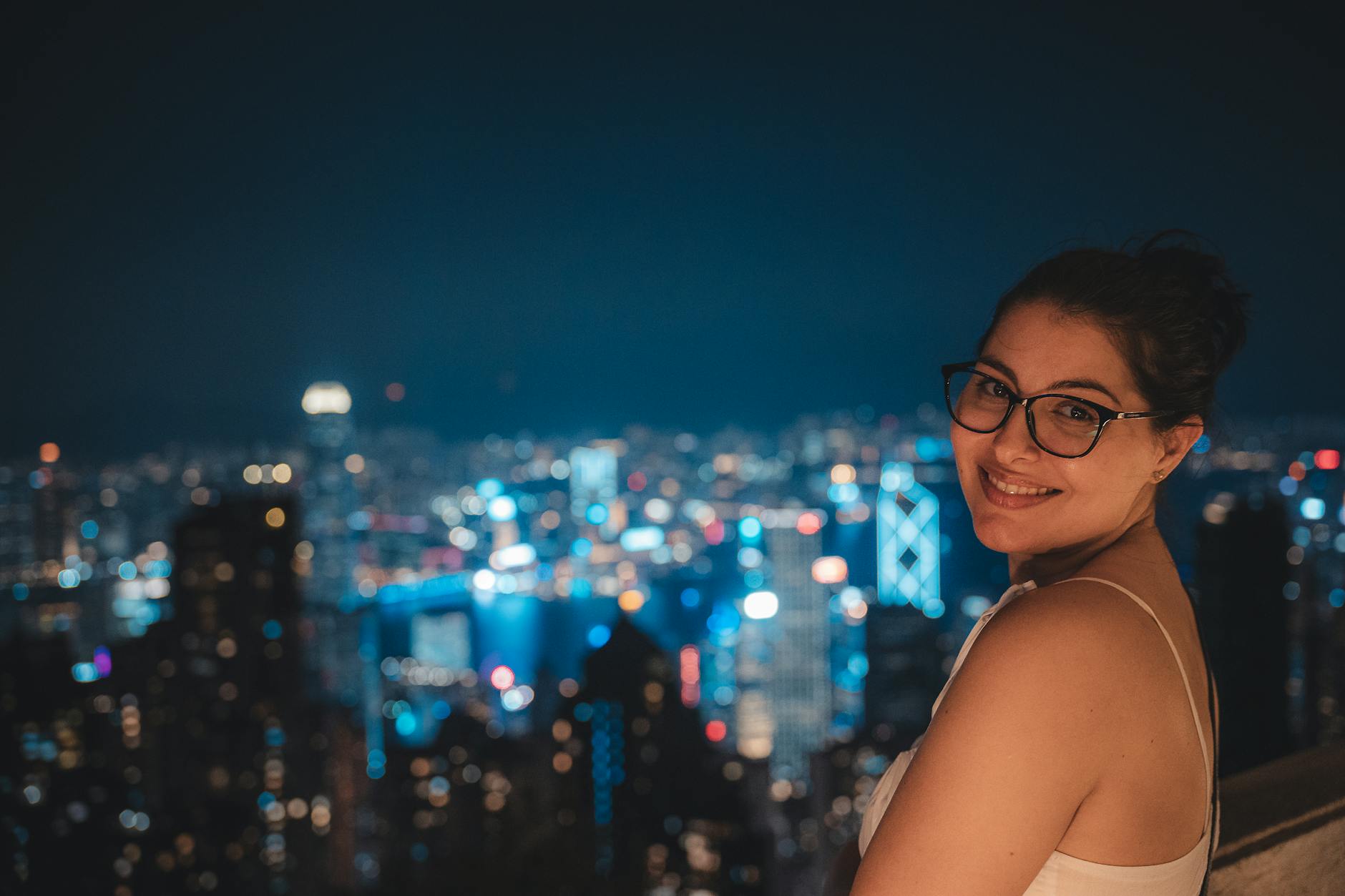
The first evening should not require solving the whole district. A nearby meal, a short waterfront orientation, a check of the nearest MTR exit, and an easy return to the hotel can build confidence without adding unnecessary exposure or fatigue.
- Choose the airport route, hotel address, payment method, data access, and backup option before landing.
- Keep the first evening close to the hotel with a simple meal and orientation walk.
- Avoid making arrival depend on distant reservations or complicated transfers.
Use personal safety as a practical planning tool
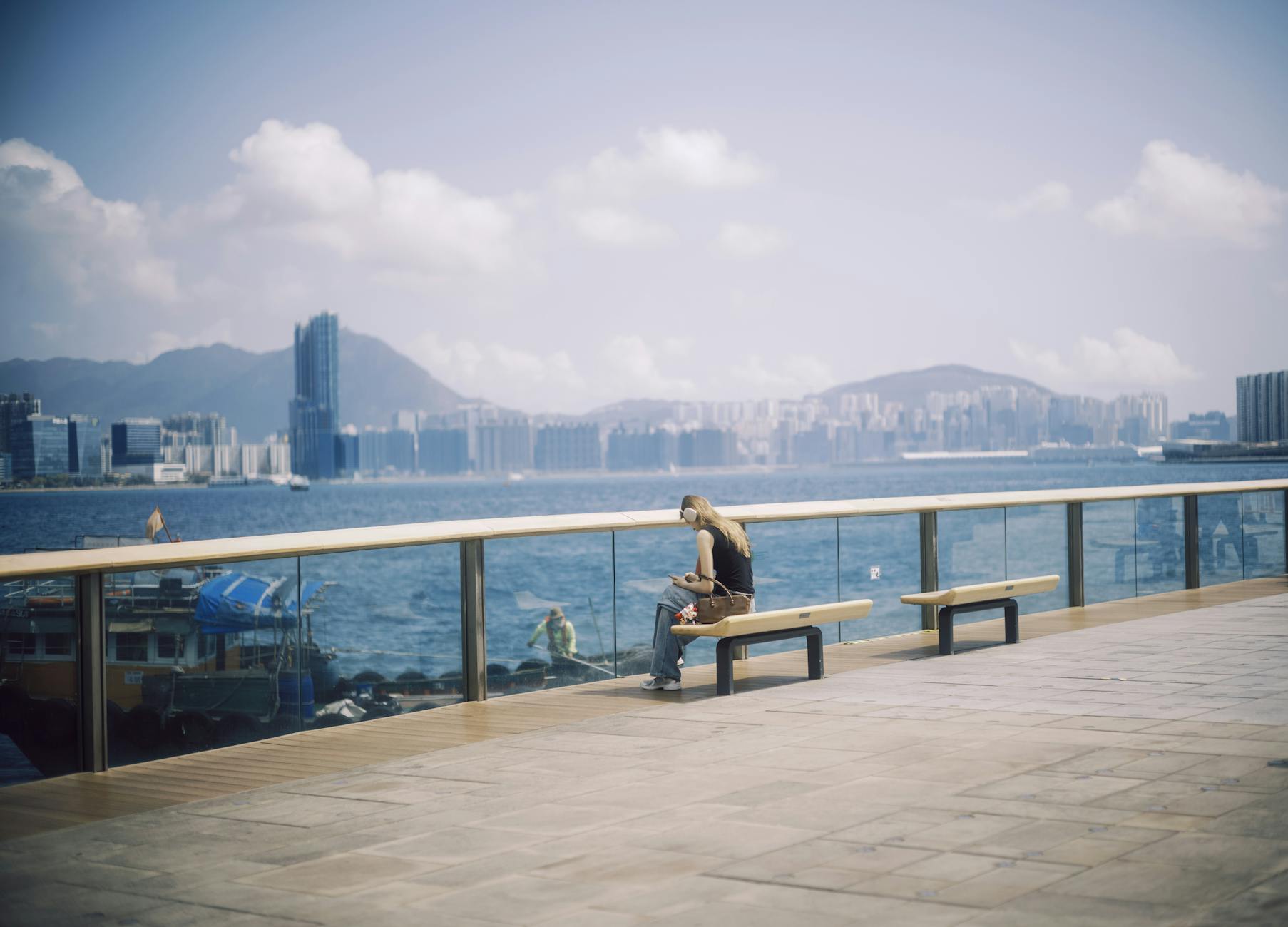
Tsim Sha Tsui is heavily traveled, but a woman traveler should still plan around personal safety in a practical way. That means knowing return routes, using taxis when tired, keeping phone battery available, controlling valuables in dense areas, and avoiding unnecessary detours through unfamiliar streets late at night.
Safety planning should not shrink the trip. It should make the traveler more comfortable using the waterfront, Star Ferry, restaurants, shops, museums, and evening views. The plan should be clear enough that she is not making every decision while standing on a crowded corner.
- Know hotel return routes, taxi points, battery backup, payment backup, and late-night options.
- Control valuables around stations, malls, waterfront crowds, and busy shopping streets.
- Choose evening plans with a direct route back to the hotel.
Plan MTR, ferry, taxi, and walking by situation
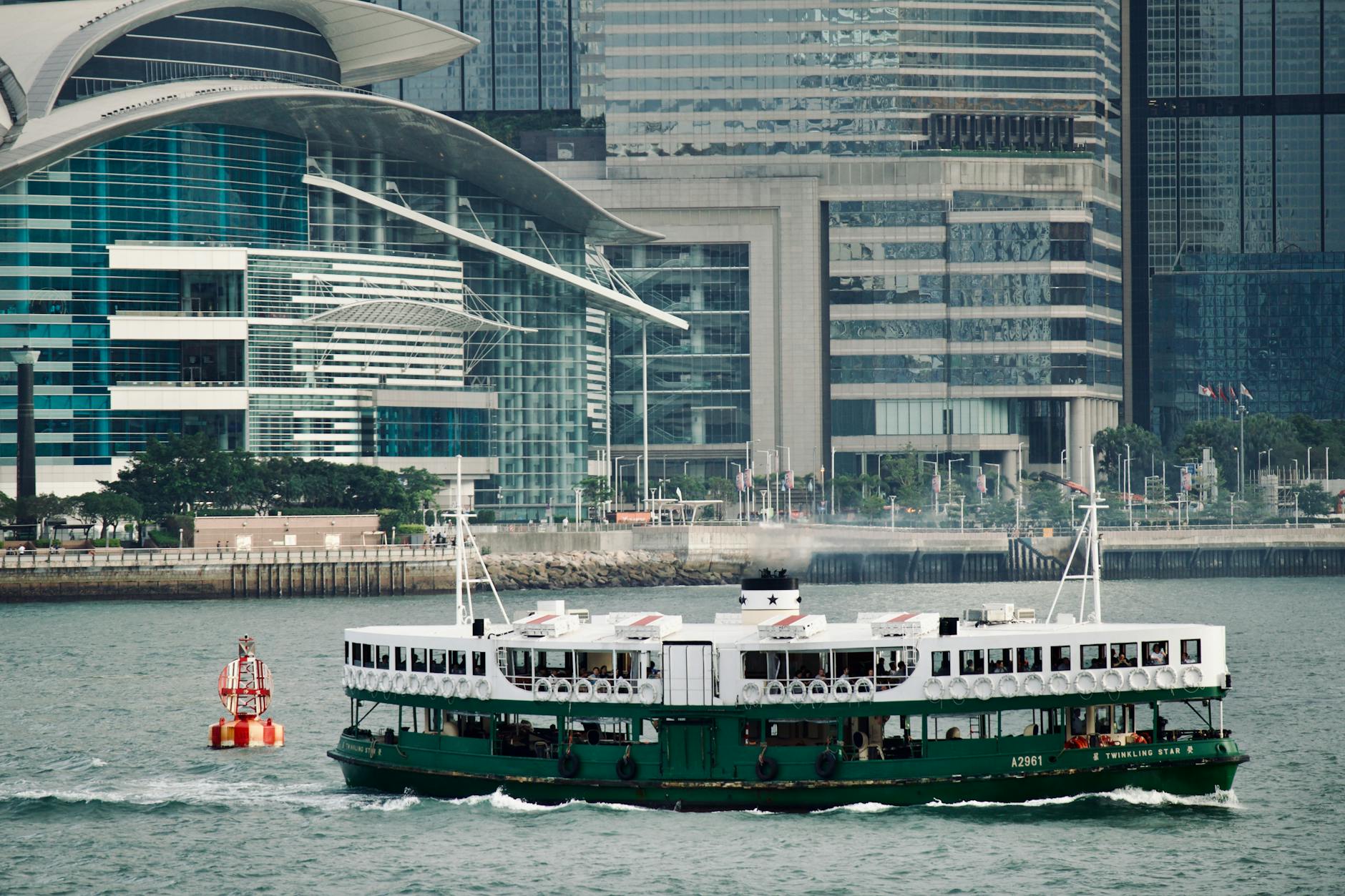
A woman traveler in Tsim Sha Tsui should not treat any one transport mode as always best. The MTR may be fastest during the day, the Star Ferry may be the most memorable harbor crossing, taxis may be better after dinner or in rain, and walking may be pleasant when the route is clear and crowded enough to feel comfortable.
The traveler should choose each mode by time of day, weather, clothing, bags, crowd level, and fatigue. Station exits and pier distance matter because the last few minutes can be the part that determines whether a route feels easy or stressful.
- Choose MTR, ferry, taxi, or walking by time, weather, clothing, bags, crowds, and fatigue.
- Check station exits, pier distance, taxi stands, and hotel return routes before leaving.
- Use taxis or hotel cars when comfort and directness matter more than speed.
Make meals comfortable, not accidental
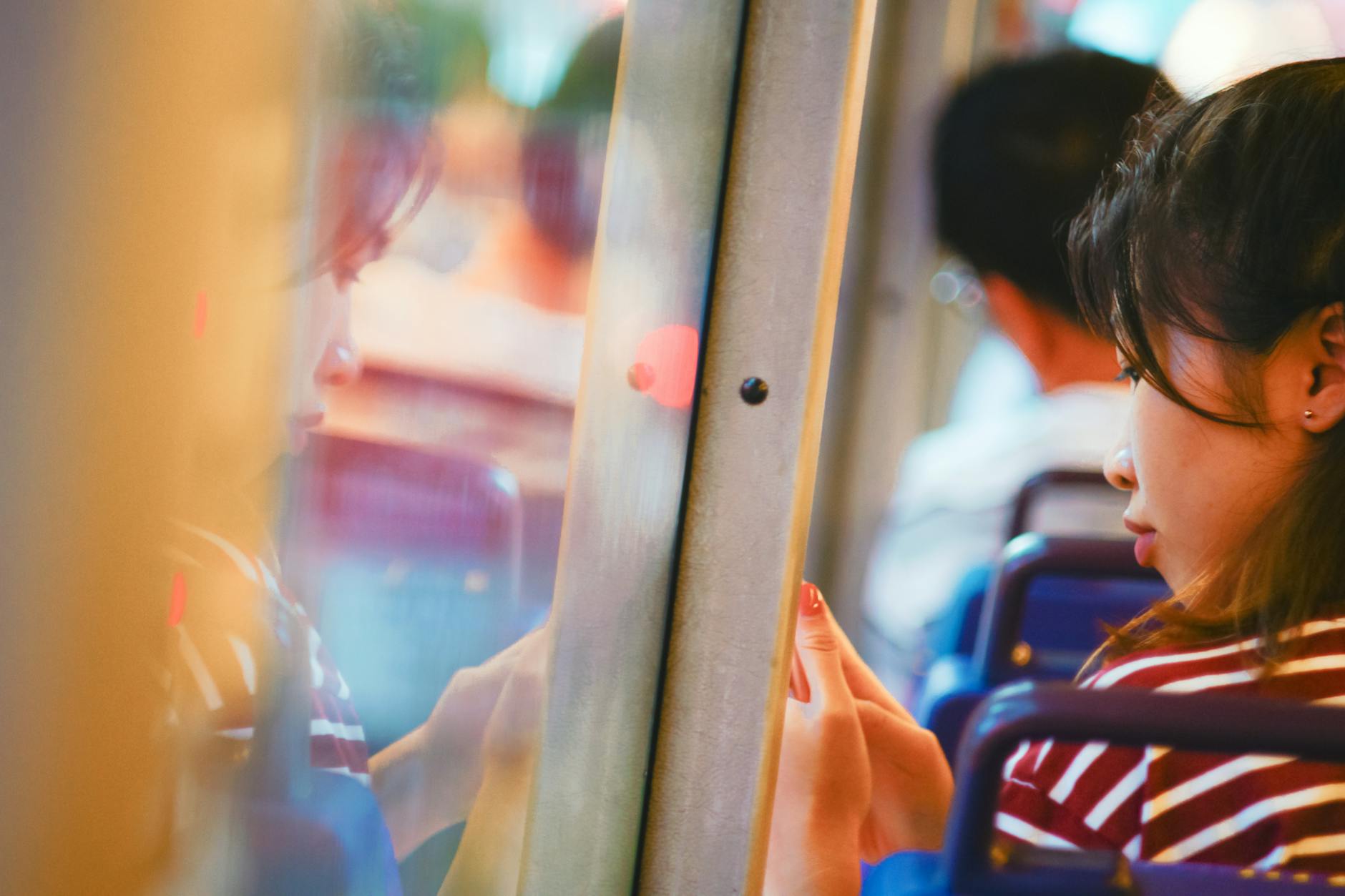
Tsim Sha Tsui has many restaurants, but a woman traveler should not leave every meal to chance. Hotel restaurants, casual Cantonese options, cafes, mall dining, waterfront venues, and bars can all be useful depending on mood and timing. The traveler should identify comfortable solo or small-group options near the hotel, transit points, and evening routes.
Meal planning reduces decision fatigue and avoids wandering while hungry. It also helps with dietary needs, reservations, noise level, seating comfort, payment, and whether the meal location makes the next move easier or harder.
- Preselect hotel-area, waterfront, transit-area, casual, and late-arrival meal options.
- Check seating, noise, queues, dietary fit, payment, reservations, and return route.
- Use meals as anchors so the day does not become a string of open decisions.
Dress for humidity, interiors, and long walking days
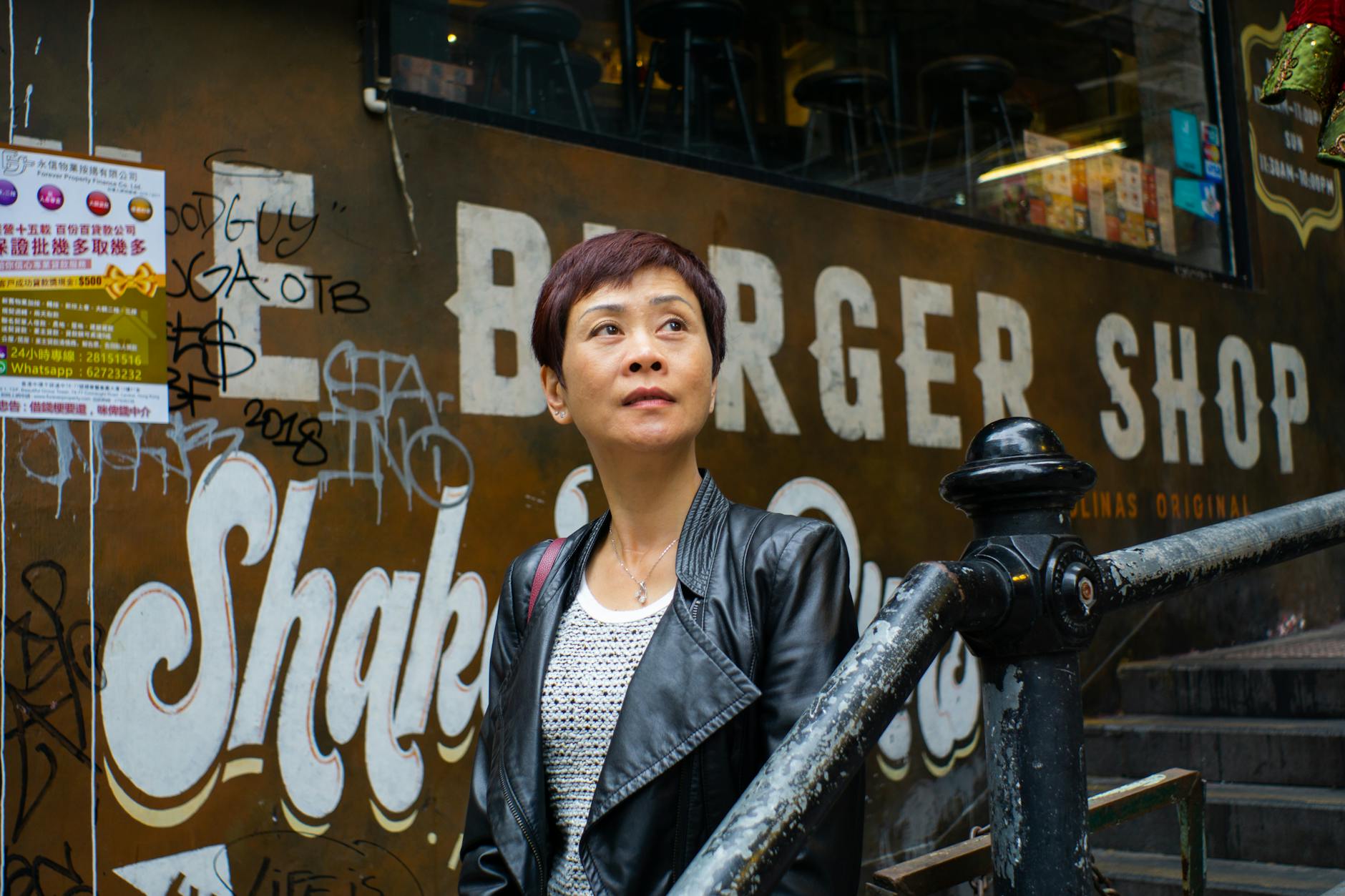
Tsim Sha Tsui can move quickly between humid streets, rain, windy waterfront areas, cold interiors, formal dining rooms, and crowded transit. A woman traveler should plan clothing and shoes around the actual day, not only the photos. Comfortable footwear, a light layer, compact umbrella, practical bag, and secure pocket or pouch can make the trip easier.
The traveler should also think about shopping, laundry, and how much she wants to carry. A short stay can be more comfortable when the bag is lighter and the hotel is close enough for a rest or change before dinner.
- Plan for humidity, rain, cold interiors, windy waterfront areas, formal meals, and crowded transit.
- Use comfortable shoes, a light layer, compact umbrella, practical bag, and secure valuables setup.
- Keep hotel returns available for rest, clothing changes, or shopping drop-offs.
When to order a short-term travel report
A woman traveler with flexible time, strong Hong Kong familiarity, and a simple hotel choice may not need a custom Tsim Sha Tsui report. A report becomes useful when the stay is short, arrival is late, the traveler is choosing between Kowloon and Hong Kong Island, safety planning matters, evening routes need testing, or the itinerary needs to balance independence with fewer avoidable mistakes.
The report should test hotel access, airport arrival, first evening, MTR and ferry choices, taxi use, solo meals, evening returns, weather, clothing, rest blocks, budget, and what to cut. The value is a Tsim Sha Tsui stay that feels confident and practical from the first hour.
- Order when hotel access, arrival, evening routes, meals, safety, or pacing needs testing.
- Provide dates, flight times, hotel options, comfort level, interests, constraints, and budget.
- Use the report to make the trip confident, selective, and easy to operate.