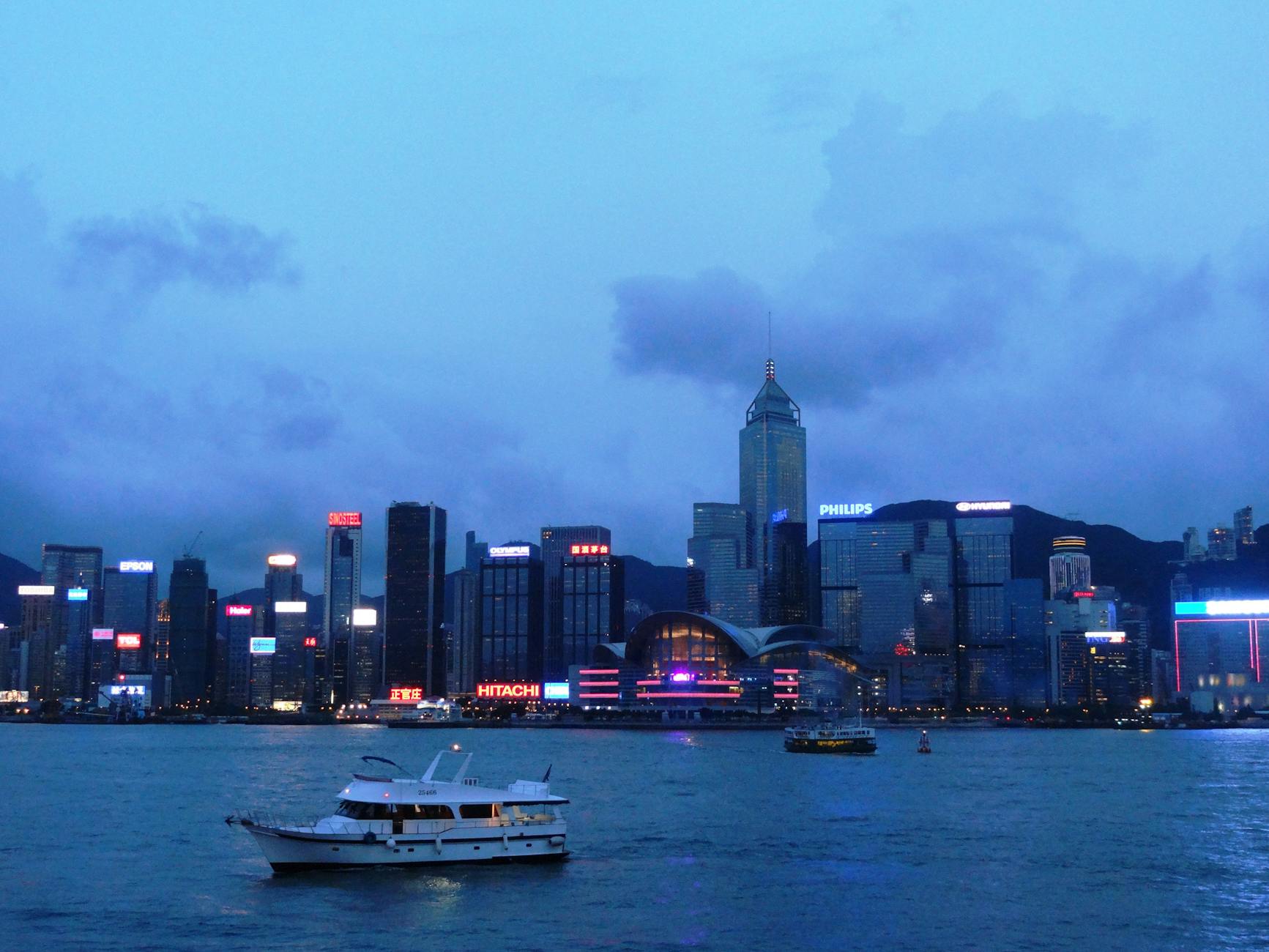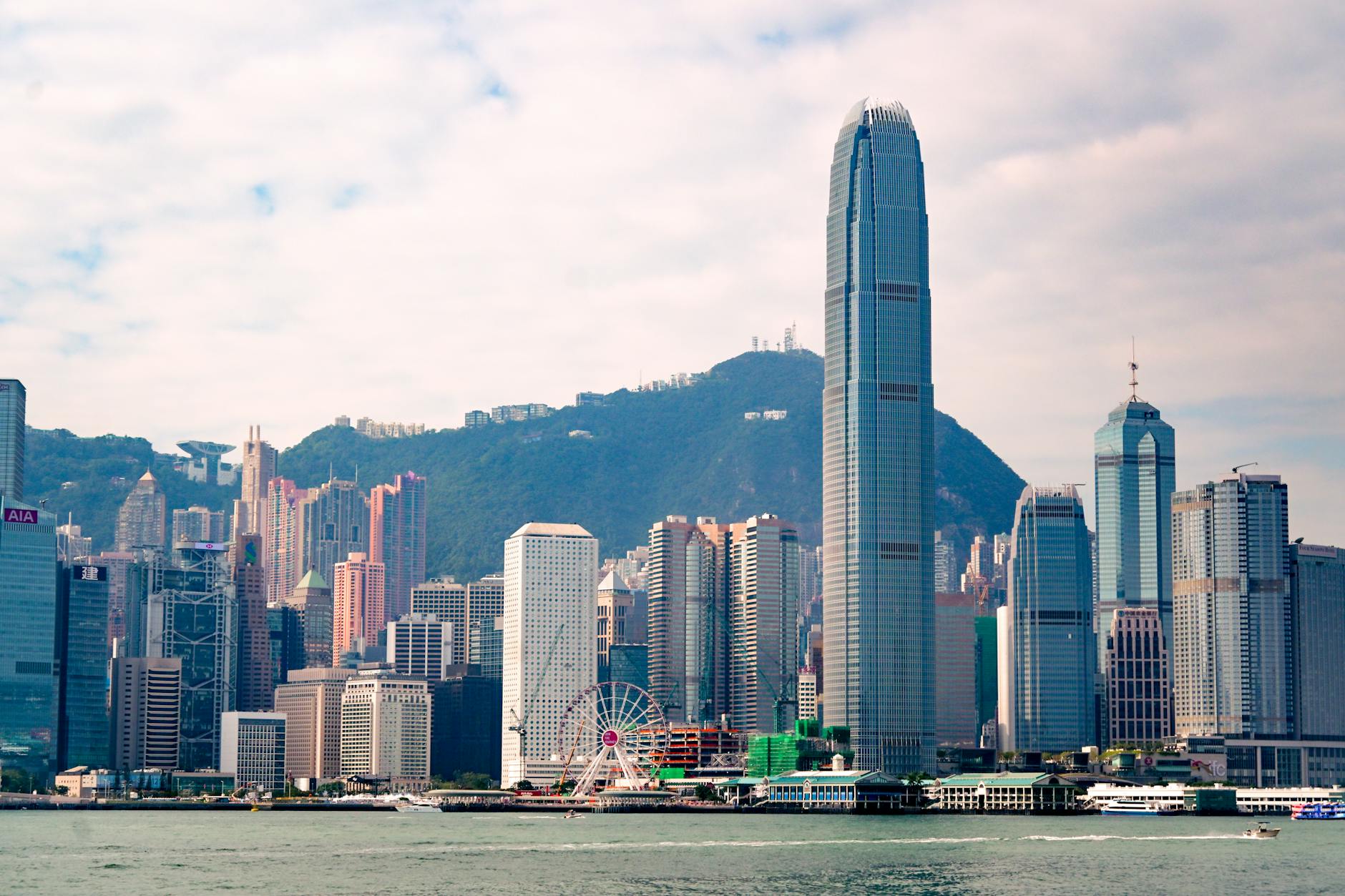
Tsim Sha Tsui can be a useful base for a volunteer or NGO traveler when the work involves Kowloon partners, community meetings, training sessions, donor visits, hotel-based briefings, or cross-harbor coordination. It can also create tension if the traveler chooses the district for convenience without checking whether the service locations are actually nearby. A short volunteer or NGO trip should protect the mission, the partner relationship, and the traveler's stamina. The traveler should know where the work happens, how to move affordably, what documentation is needed, which meals are practical, and when to rest instead of turning every free hour into sightseeing.
Confirm the host geography before choosing Tsim Sha Tsui
A volunteer or NGO traveler should start with the partner map. Training sites, community organizations, donor meetings, field visits, briefings, and lodging may be in different parts of Hong Kong. Tsim Sha Tsui can be convenient for Kowloon and cross-harbor movement, but it should not be assumed to be close to every service location.
The traveler should ask hosts for exact addresses, arrival windows, preferred routes, dress expectations, and whether solo arrival is appropriate. A service trip runs better when the travel plan supports the partner's operating rhythm.
- Map host offices, training sites, field visits, donor meetings, lodging, and transit before booking.
- Ask hosts for exact addresses, arrival windows, preferred routes, and dress expectations.
- Choose Tsim Sha Tsui only when it supports the real service schedule.

Choose lodging that respects budget and mission
Volunteer and NGO travelers often need lodging that is affordable, safe, modest, and operationally useful. In Tsim Sha Tsui, the traveler should check entrance security, reception hours, room quiet, luggage storage, laundry, Wi-Fi, breakfast, nearby affordable meals, and the route back after evening meetings.
The traveler should also consider optics. A luxury hotel may be inappropriate for some partner contexts, while an extremely cheap room may create safety, sleep, or access problems. The lodging decision should fit both budget and purpose.
- Check security, reception, quiet, storage, laundry, Wi-Fi, breakfast, meals, and return routes.
- Balance affordability, safety, rest, and partner optics before choosing lodging.
- Avoid lodging that saves money but weakens the service schedule.
Plan transit around partner expectations
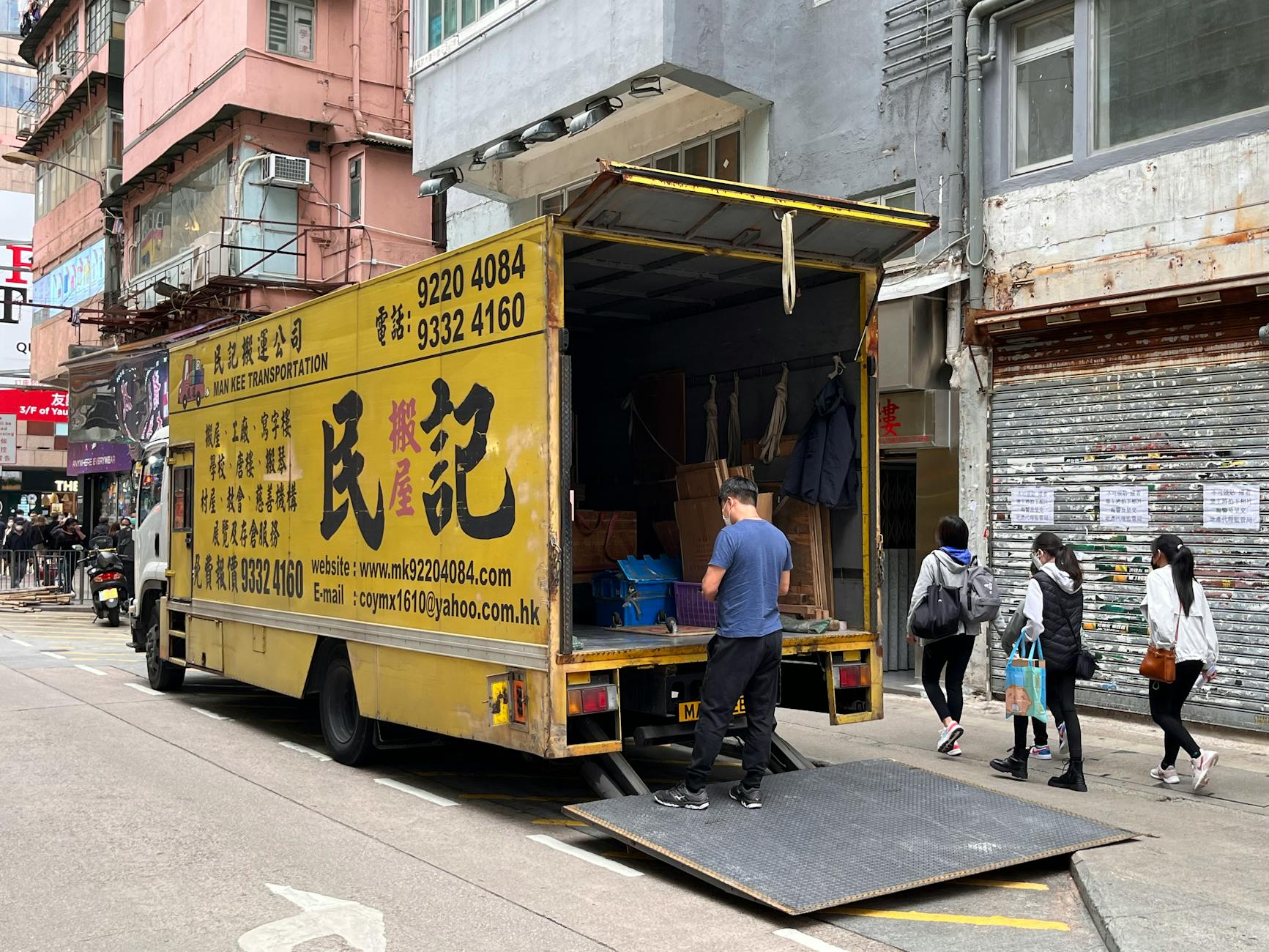
Tsim Sha Tsui gives volunteer and NGO travelers access to MTR, ferries, buses, taxis, and walking routes. The cheapest option is not always the right one if it makes the traveler late, sweaty, confused, or difficult for hosts to meet. The traveler should choose transport by time, safety, weather, carrying load, and the formality of the work.
The traveler should also know whether the host expects independent arrival, pickup, or group movement. Clear transit planning reduces burden on the partner organization.
- Choose MTR, ferry, bus, taxi, or walking by time, safety, weather, bags, and work formality.
- Confirm whether hosts expect independent arrival, pickup, or group travel.
- Use practical routes that reduce burden on local partners.
Prepare documents, roles, and boundaries
Volunteer and NGO trips can be sensitive. The traveler should confirm visa assumptions, organizational letters, identification, insurance, emergency contacts, role description, photography rules, consent expectations, donation handling, and any limits on public posting. A short trip is not the time to improvise around community trust.
The traveler should also understand what is helpful and what is not. Showing up prepared, punctual, and respectful may matter more than trying to add extra activities.
- Confirm visa assumptions, letters, ID, insurance, contacts, role scope, and emergency procedures.
- Clarify photography, consent, posting, donation, and confidentiality expectations.
- Respect partner boundaries rather than adding unscheduled service ideas.
Keep meals practical and culturally aware
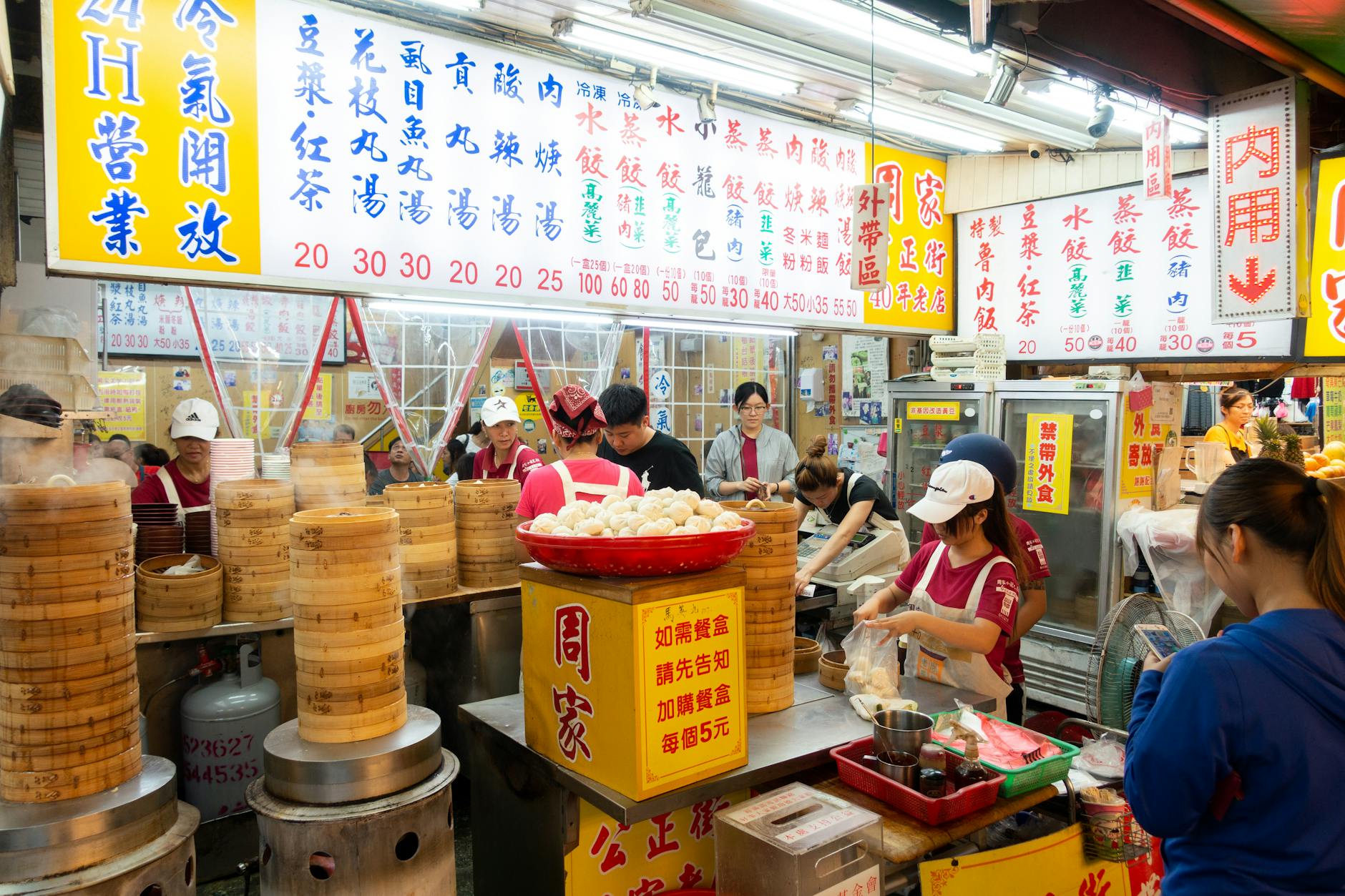
Volunteer and NGO travelers should plan meals around service hours, budget, dietary needs, and host expectations. Tsim Sha Tsui has many affordable options, but the traveler should avoid creating awkward cost gaps with local partners or choosing meal locations that are hard to reach after a long day.
The plan should include simple meals near lodging, near host sites, and near transit. Water, snacks, and modest fallback options are useful when service days run long.
- Plan meals by service schedule, budget, dietary needs, host expectations, and return route.
- Keep affordable options near lodging, host sites, and transit points.
- Carry water and snacks for long or unpredictable service days.
Protect recovery and personal safety
Service trips can be emotionally and physically tiring. A Tsim Sha Tsui base offers waterfront walks, museums, simple meals, and hotel recovery, but the traveler should not overfill every free hour. Heat, rain, crowded transit, long conversations, and cross-harbor movement can add up quickly.
The traveler should keep a phone battery backup, host contact details, payment backup, water, and a clear evening return route. Rest is part of being useful the next day.
- Plan for emotional fatigue, heat, rain, crowded transit, and long service days.
- Keep host contacts, battery backup, payment backup, water, and return routes ready.
- Use rest time to protect the next day's service commitments.
When to order a short-term travel report
A volunteer or NGO traveler with arranged lodging, local pickup, and a fixed host schedule may not need a custom Tsim Sha Tsui report. A report becomes useful when the traveler is choosing lodging, coordinating several partner sites, balancing donor and service meetings, managing safety or budget constraints, or adding independent time before or after the service work.
The report should test host geography, lodging fit, transit, documents, meal planning, partner expectations, safety, weather, recovery blocks, budget, and what to cut. The value is a service trip that respects the mission while still functioning as travel.
- Order when host geography, lodging, transit, documents, safety, or budget needs testing.
- Provide dates, host sites, lodging options, role details, partner rules, constraints, and budget.
- Use the report to make the service trip respectful, practical, and resilient.