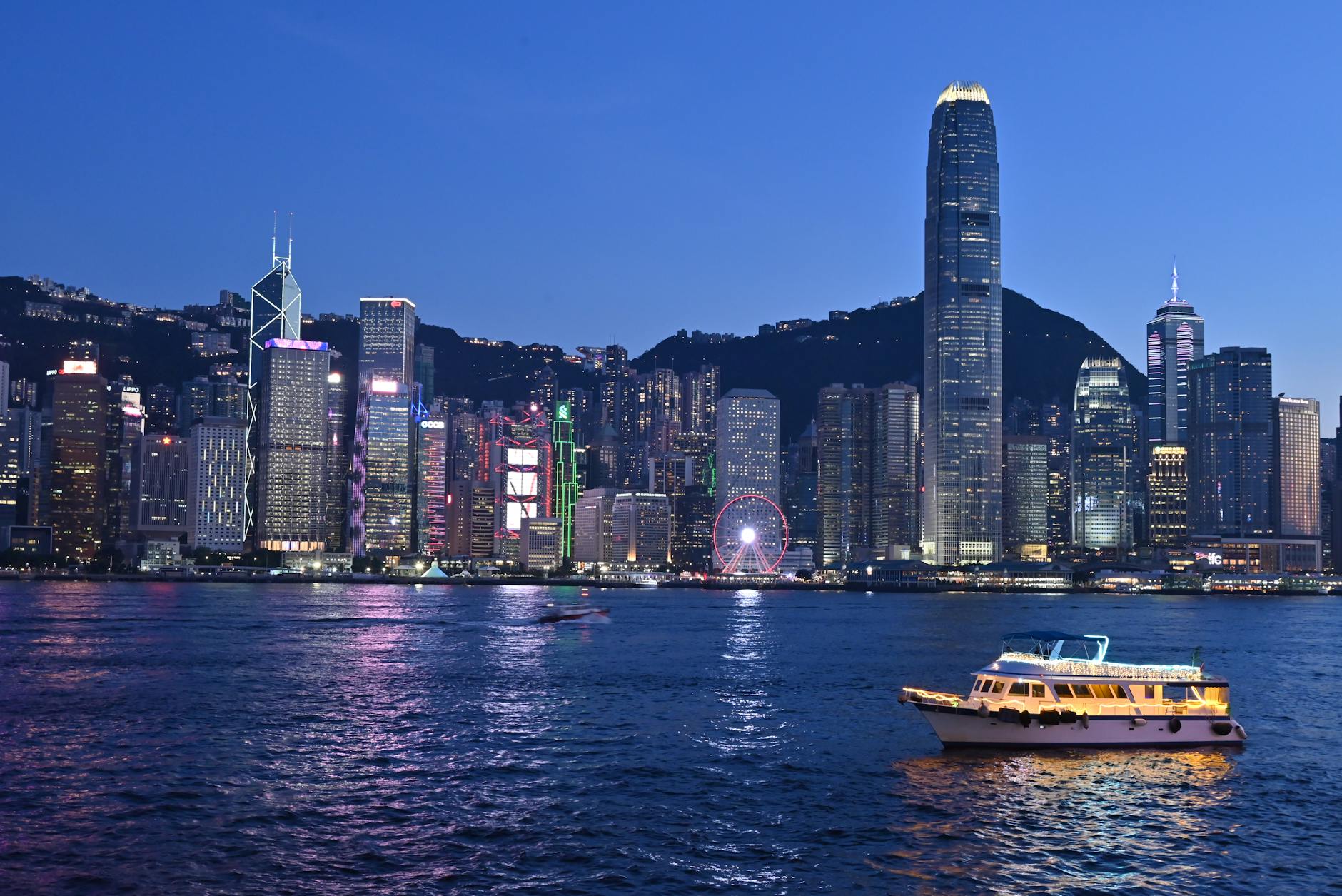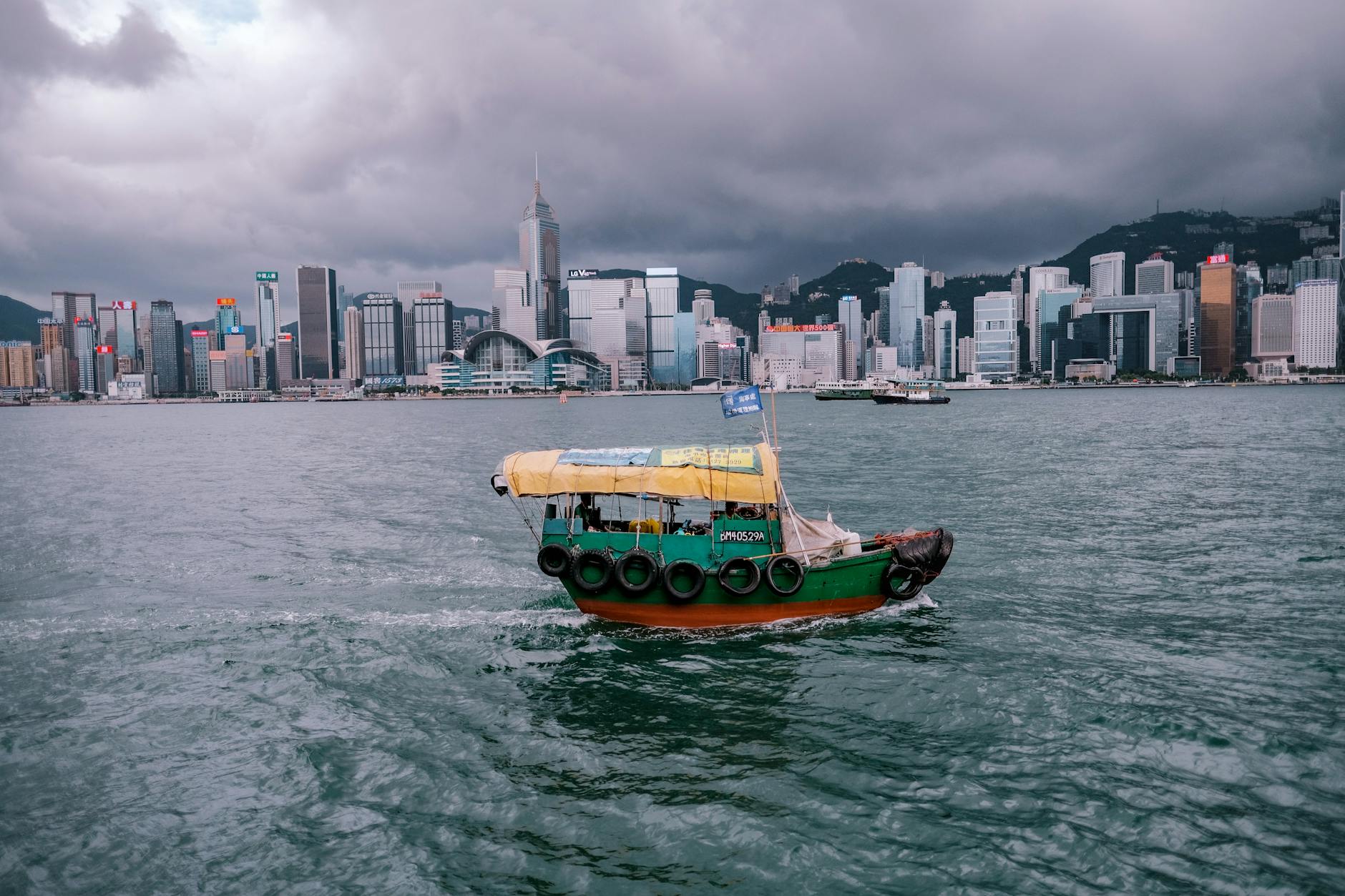
Tsim Sha Tsui can be rewarding for a traveler with mobility limitations because many of Hong Kong's high-value experiences are concentrated near the harbor: hotels, restaurants, museums, ferry views, shopping, and skyline walks. It can also be difficult when stairs, long station corridors, crowded crossings, hotel entrances, rain, and waterfront congestion are not planned around in advance. A short stay should be built around usable access rather than theoretical distance. The traveler should know which hotel entrance works, which routes have lifts, when taxis are better than MTR, where to sit, and what to cut if the day becomes too tiring.
Choose the hotel by access details
The hotel decision matters more than almost anything else for a traveler with mobility limitations. In Tsim Sha Tsui, the traveler should check entrance grade, lift access, taxi pickup, lobby seating, room-to-elevator distance, bathroom layout, breakfast access, nearby meals, and whether the route from the MTR or ferry is realistically usable.
A waterfront or well-known hotel is not automatically the best choice. The better base is the one that works after a long flight, during rain, after dinner, and on a low-energy day.
- Check entrance grade, lifts, taxi pickup, lobby seating, bathroom layout, breakfast, and nearby meals.
- Compare hotels by airport arrival, rainy departures, late returns, and low-energy days.
- Choose practical access over a view that makes daily movement harder.
Verify routes instead of trusting map distance
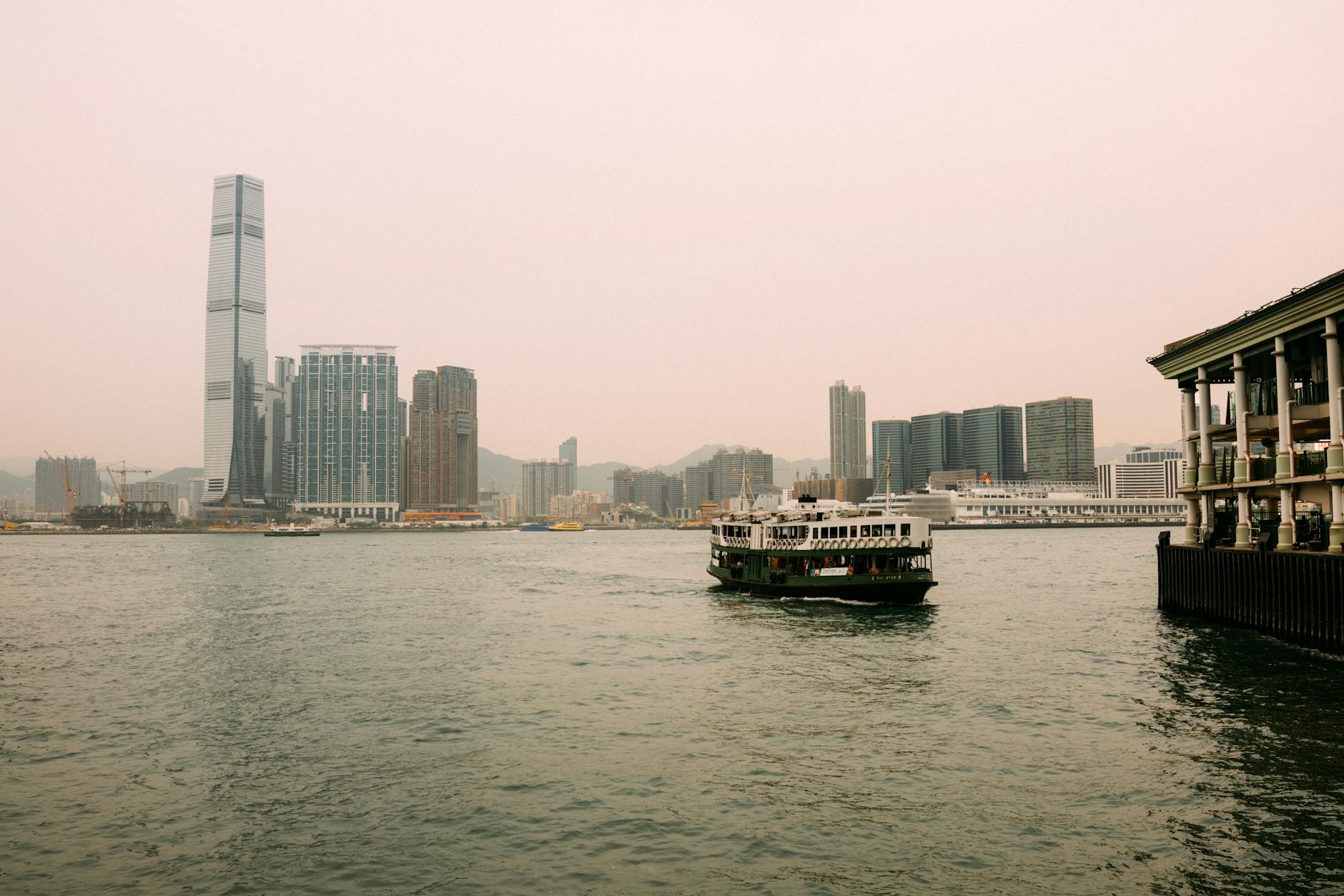
Tsim Sha Tsui maps can make distances look short, but mobility-limited travelers need to know the route surface, crossings, gradients, stairs, lifts, crowd levels, and places to sit. A five-minute walk may become much longer if the route includes detours, inaccessible exits, or heavy pedestrian traffic.
The traveler should identify step-free paths between hotel, waterfront, restaurants, museums, MTR exits, ferry points, and taxi stands. Each day should include a shorter version that still feels worthwhile.
- Check surfaces, crossings, gradients, stairs, lifts, crowd levels, and seating before relying on a route.
- Map step-free paths among hotel, waterfront, museums, meals, transit, and taxi points.
- Keep a shorter version of each day ready.
Choose transport by effort and predictability
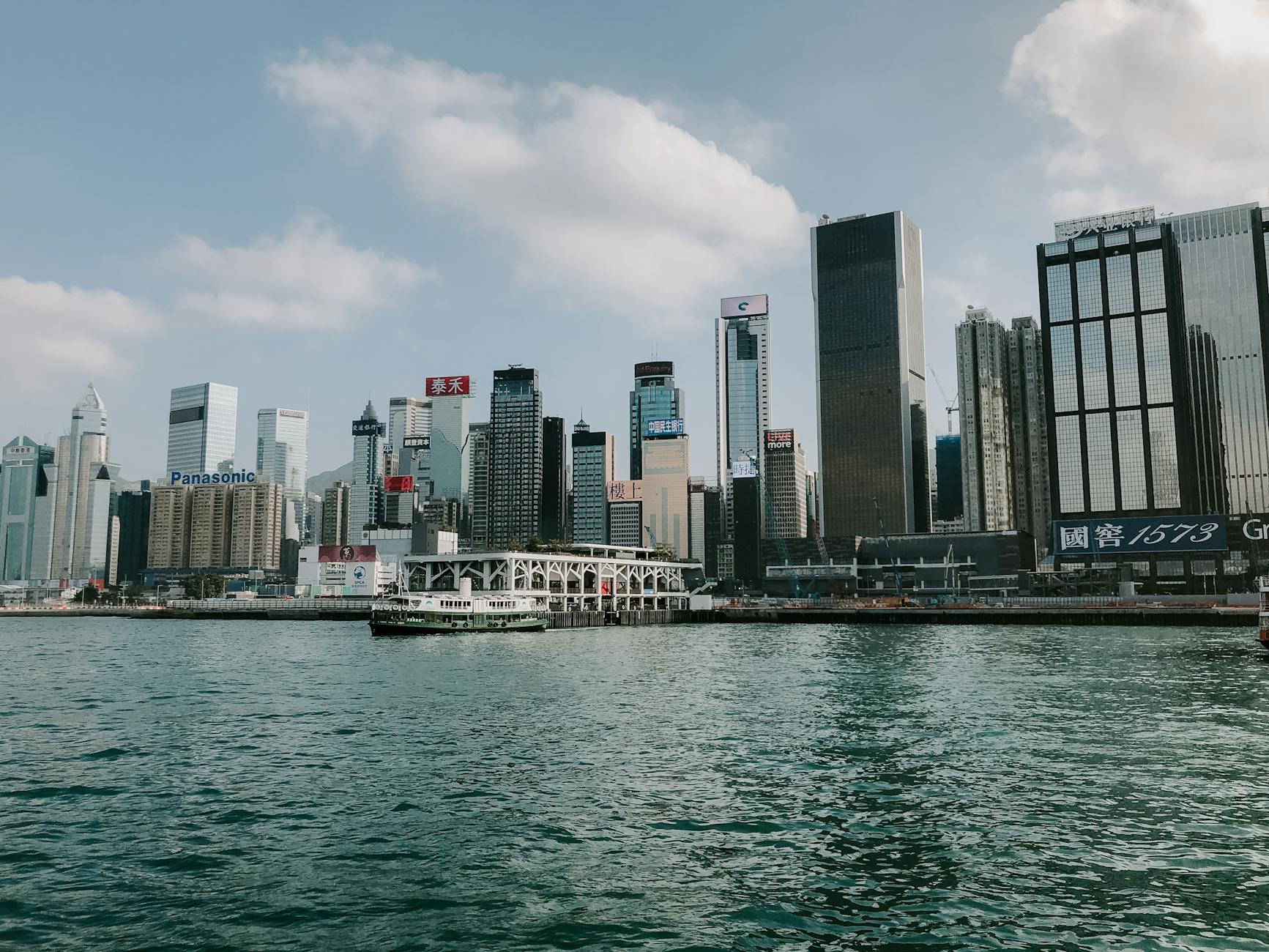
The best transport mode is not always the fastest one. The MTR can be efficient but may involve long corridors, busy platforms, and exit-specific lift issues. Taxis can reduce walking but need a clear pickup point. The Star Ferry can be memorable but requires pier access, waiting, weather exposure, and boarding comfort.
The traveler should choose transport by physical effort, predictability, and what remains after the ride. A route that saves money or minutes is not better if it uses too much energy before the main activity.
- Choose MTR, taxi, ferry, or hotel car by effort, lift access, waits, crowds, and weather.
- Check pickup points, station exits, pier access, boarding comfort, and return options.
- Protect energy for the activity, not just the route to it.
Plan the waterfront carefully
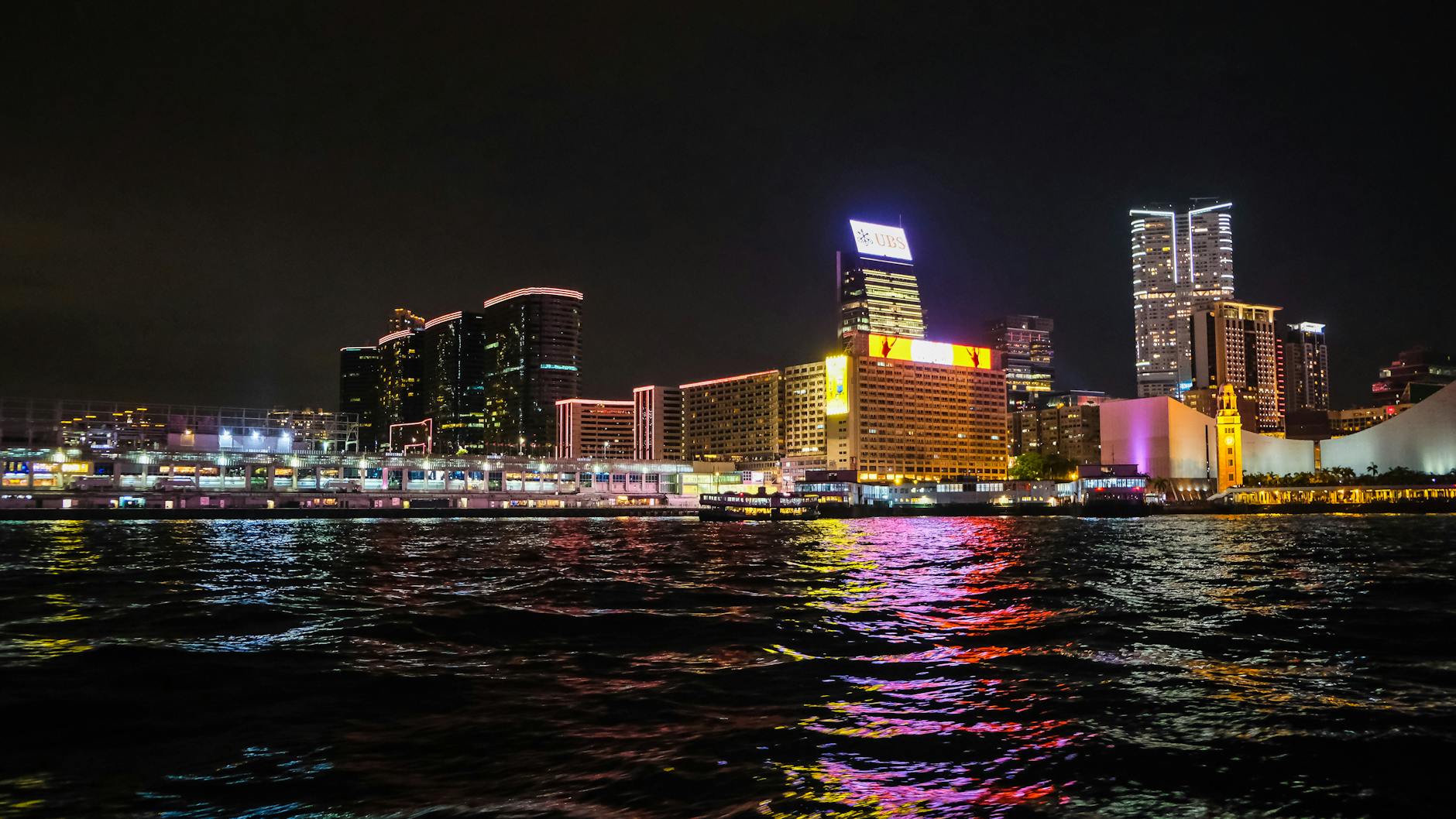
The Tsim Sha Tsui waterfront is one of the district's strongest reasons to visit, but it should be timed carefully. Heat, crowds, events, rain, wind, construction diversions, and limited seating can change whether the promenade feels comfortable. The traveler should choose the best time of day and know where to enter and exit.
A shorter waterfront plan may be better than a long continuous walk. The view can still be excellent from selected points, nearby restaurants, museums, hotels, or taxi-accessible areas.
- Check heat, rain, wind, crowds, events, construction diversions, seating, and access points.
- Use selected viewpoints instead of assuming a long waterfront walk is required.
- Keep hotel, museum, restaurant, and taxi exits near the waterfront plan.
Use museums and meals as access anchors
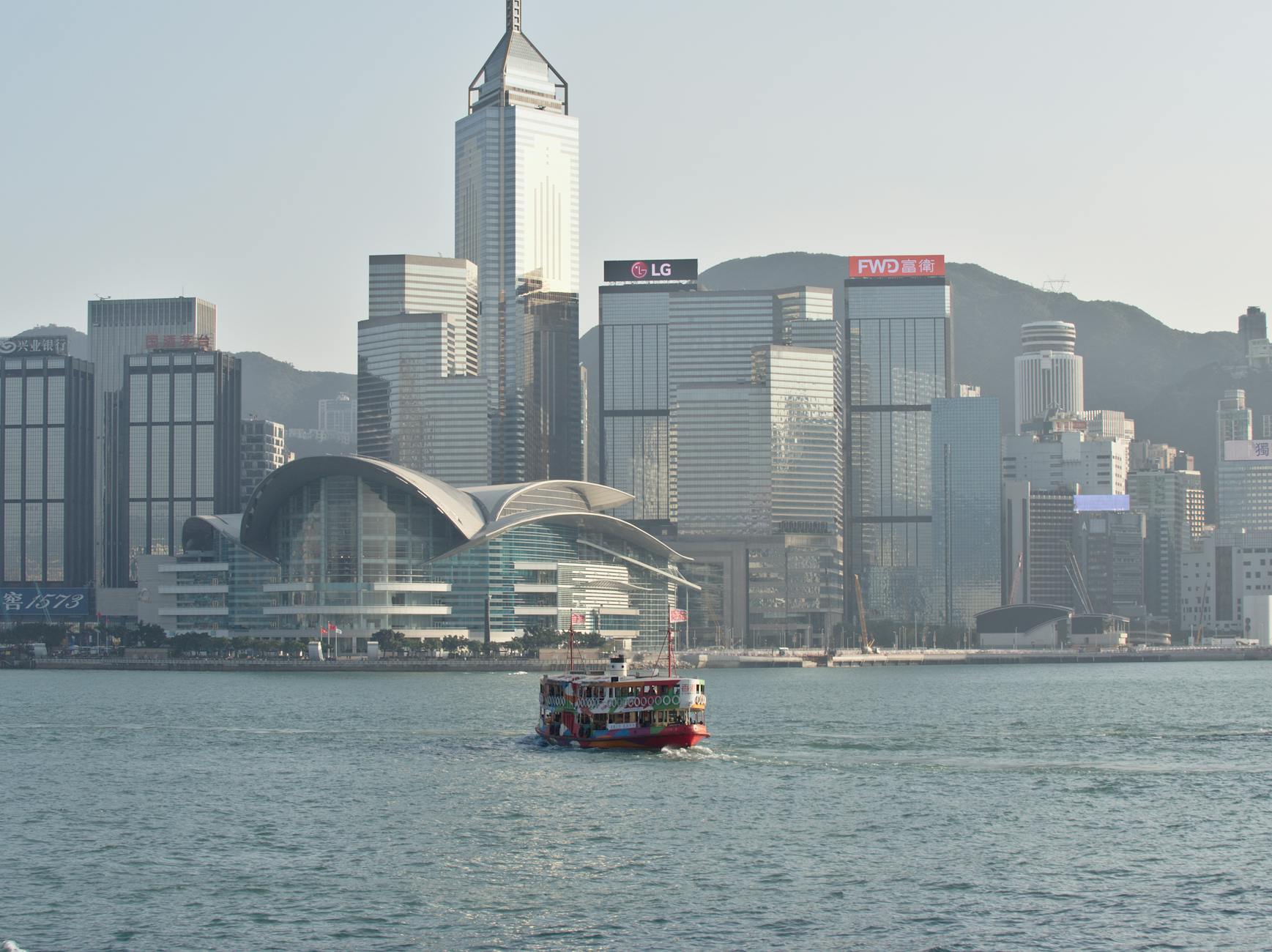
Museums, hotel restaurants, mall dining, and seated meals can make a Tsim Sha Tsui day more manageable. The traveler should choose activities and restaurants by lift access, seating, restroom access, noise, distance from the hotel, taxi availability, and whether the space offers a real break from heat or rain.
Meals should be planned before fatigue sets in. A nearby restaurant with good access may be more valuable than a famous option that requires difficult walking or waiting.
- Choose museums and meals by lift access, seating, restrooms, noise, weather protection, and taxi access.
- Preselect accessible restaurants near the hotel, waterfront, and main activity blocks.
- Use seated stops as part of the itinerary rather than emergency pauses.
Build recovery blocks into each day
A mobility-limited traveler should not plan a Tsim Sha Tsui day as one continuous route. Rest blocks, hotel returns, indoor breaks, taxi legs, water, medication timing, and flexible meal choices should be designed into the day from the start. That makes changes easier and reduces the chance that one hard movement damages the rest of the trip.
The plan should also state what gets cut first. If weather, pain, fatigue, or crowds increase, the traveler should know which activity is optional and which experience matters most.
- Build in hotel returns, indoor breaks, taxi legs, water, medication timing, and flexible meals.
- Decide what to cut first if fatigue, pain, rain, or crowds increase.
- Place the most important activity at the traveler's strongest time of day.
When to order a short-term travel report
A traveler with mild mobility limitations and a well-vetted accessible hotel may not need a custom Tsim Sha Tsui report. A report becomes useful when the stay is short, step-free routes are uncertain, hotel access needs testing, ferry or MTR practicality is unclear, the traveler has medical constraints, or companions have different stamina levels.
The report should test hotel fit, arrival route, step-free movement, taxi points, MTR and ferry choices, waterfront access, meals, museums, weather, rest blocks, budget, and what to cut. The value is a Tsim Sha Tsui stay that protects comfort without removing the best parts of the district.
- Order when hotel access, step-free routes, transport, meals, or pacing needs testing.
- Provide dates, flight times, hotel options, mobility details, medical needs, priorities, and budget.
- Use the report to make the trip accessible, selective, and realistic.