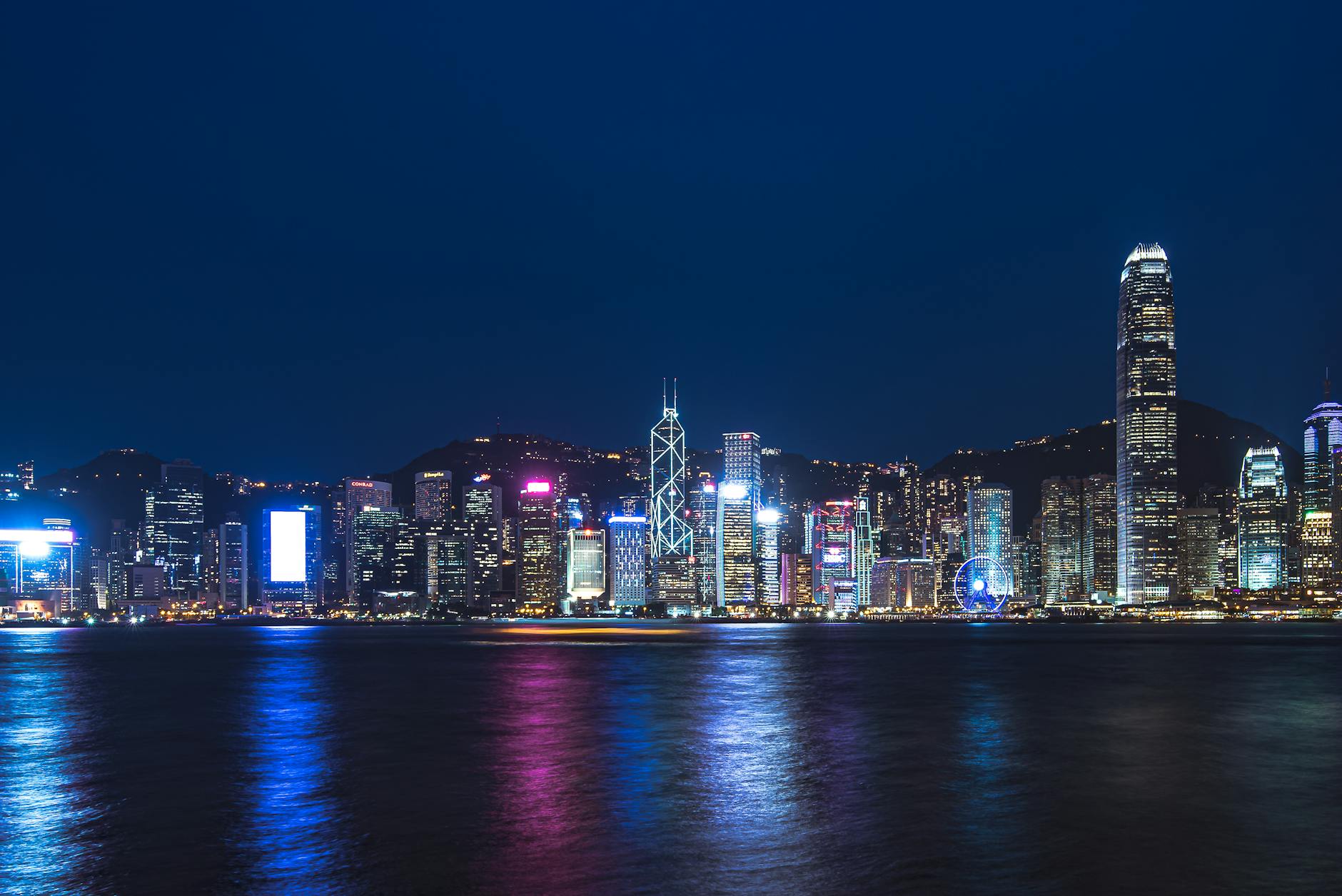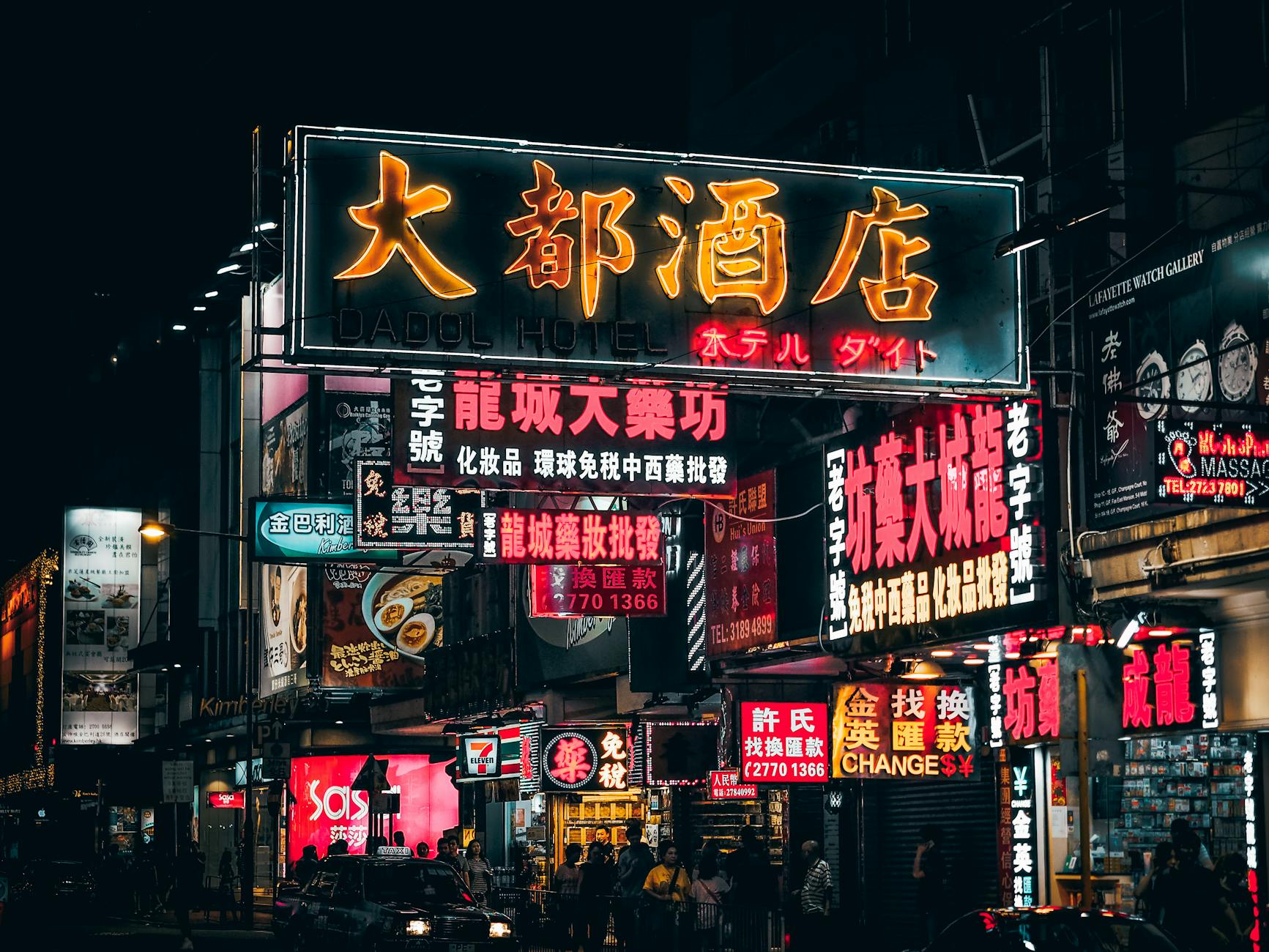
Tsim Sha Tsui can be workable for a traveler with medical constraints because it has hotels, taxis, pharmacies, restaurants, museums, waterfront spaces, and strong transit nearby. It can also be demanding when humidity, crowds, long station corridors, stairs, late meals, and tight schedules are not planned around the traveler's actual condition. A short stay should make the medical constraint visible in the plan without letting it define the entire trip. The traveler should know where to stay, how to arrive, where to rest, what to eat, how to move, and what to cut if symptoms, fatigue, weather, or medication timing change the day.
Choose a hotel that supports the constraint
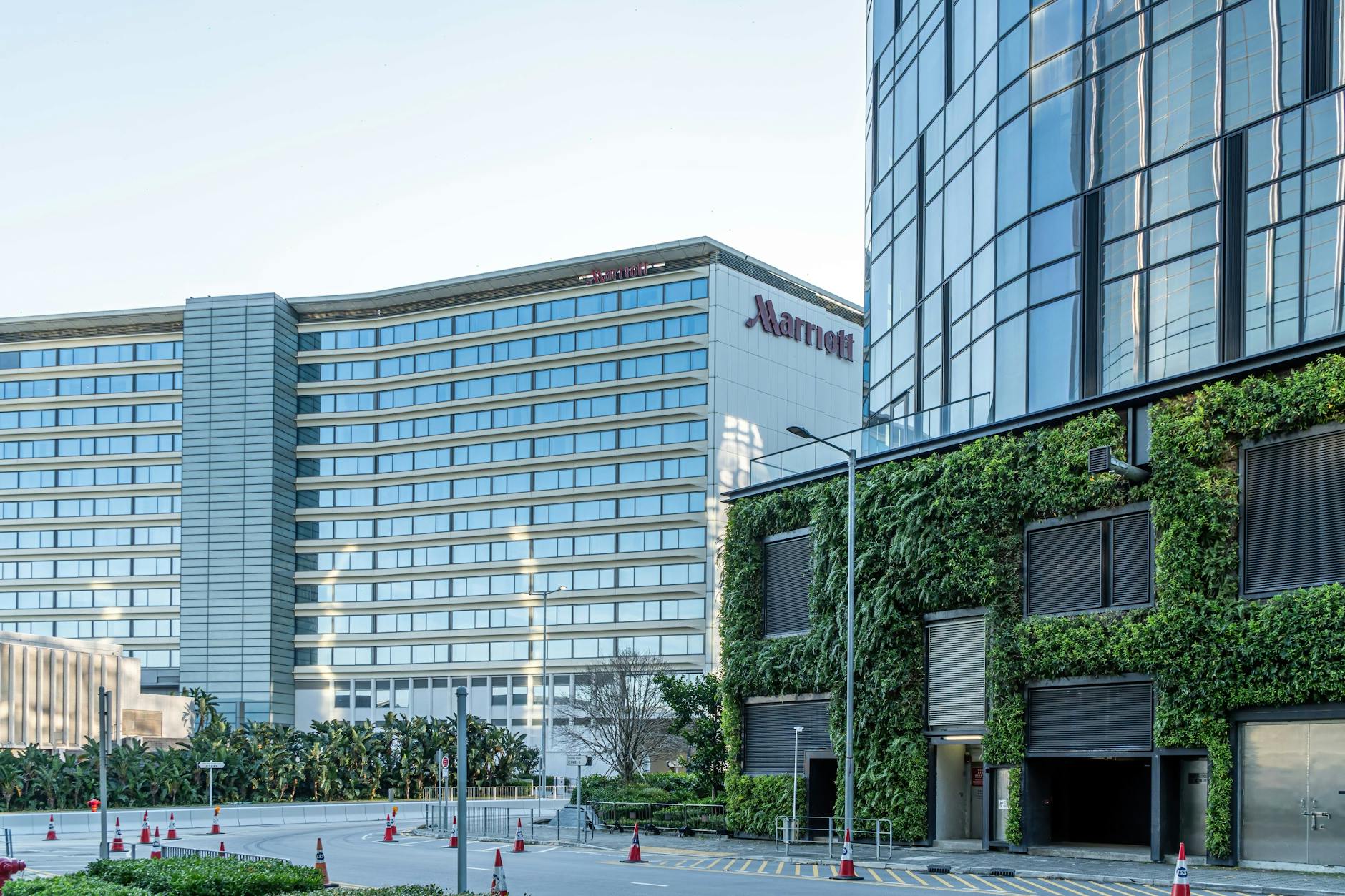
The hotel is the most important planning decision for many travelers with medical constraints. In Tsim Sha Tsui, the traveler should check step-free access, lift reliability, taxi pickup, room quiet, bathroom layout, refrigeration, air conditioning, proximity to food, pharmacy access, and how quickly the traveler can return for rest. A hotel that looks close to the harbor may still require tiring walks or awkward crossings.
The traveler should compare hotels by the hardest day, not the easiest day. If symptoms flare, medication timing shifts, or rain arrives, the hotel should still function as a practical base.
- Check step-free access, lifts, taxi pickup, room quiet, bathroom layout, refrigeration, and air conditioning.
- Compare hotels by pharmacy access, nearby food, rest returns, and bad-weather movement.
- Choose the base that works on a difficult day, not only on a good day.
Prepare medication and care information before departure
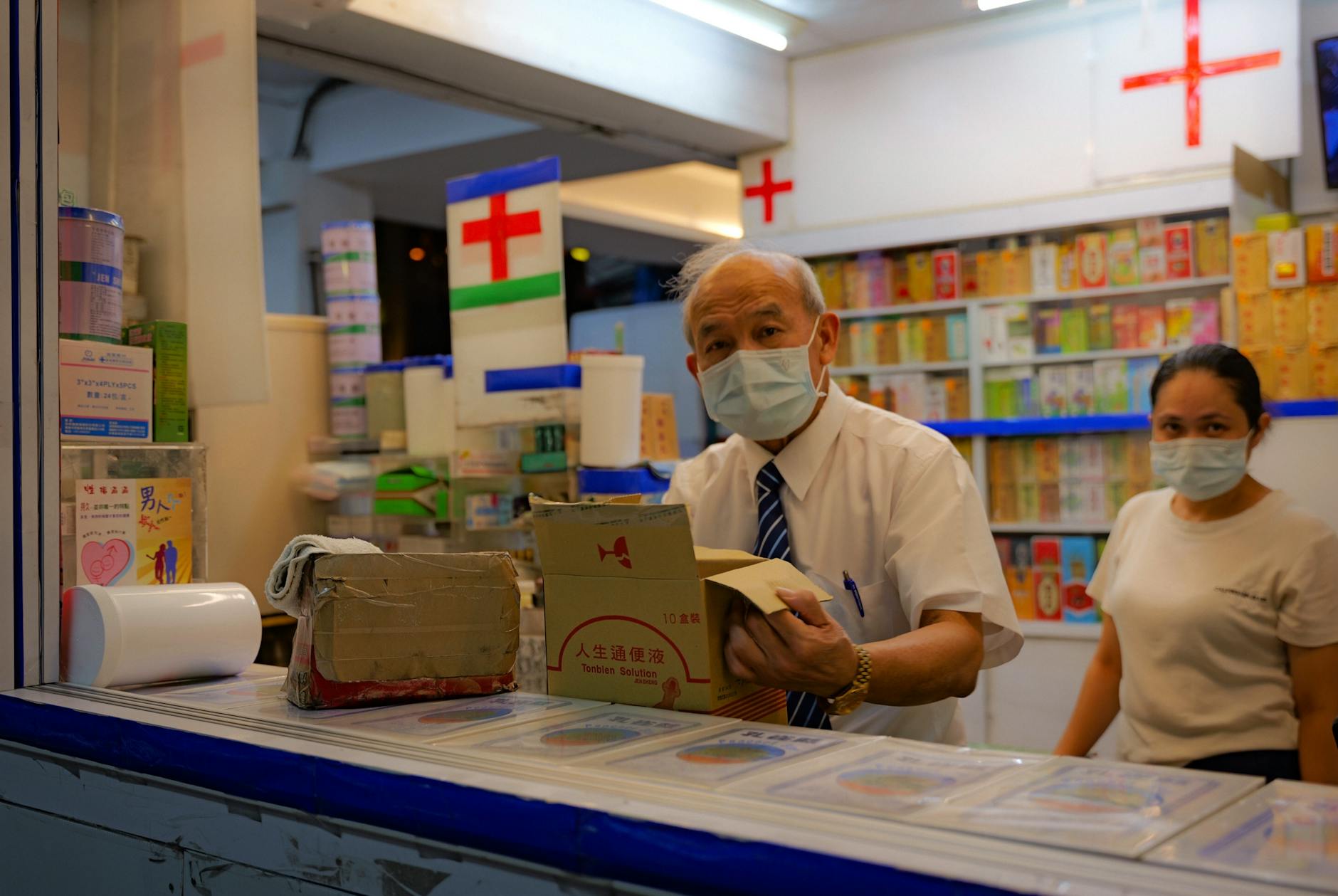
Medication planning should be done before the trip, especially for a short Hong Kong stay. The traveler should confirm medication timing across time zones, prescription documentation, storage needs, travel insurance, physician advice, allergy information, and what to do if medication is lost or delayed. Any medical device, dietary requirement, or mobility aid should be treated as part of the itinerary.
Tsim Sha Tsui has pharmacies and hotel support, but the traveler should not rely on solving essentials after arrival. Written details, backup supplies, and clear emergency contacts reduce the burden if something changes.
- Confirm medication timing, documentation, storage, insurance, allergies, devices, and backup supplies.
- Keep essential medical details, hotel address, emergency contacts, and care preferences accessible.
- Do not assume a short trip leaves no room for medical planning.
Design routes around exertion and recovery
Tsim Sha Tsui can make distances look shorter than they feel. Crowded sidewalks, station corridors, crossings, stairs, humidity, rain, and waterfront wind can all affect a traveler with medical constraints. A realistic route should include places to sit, indoor alternatives, taxi points, hotel returns, and shorter versions of each activity.
The traveler should plan by energy windows. If mornings are strongest, put the most important activity early. If medication or symptoms require predictable timing, meals, rest, and transit should be scheduled around that reality.
- Account for crowds, station corridors, crossings, stairs, humidity, rain, and waterfront exposure.
- Build routes with seating, indoor alternatives, taxi points, hotel returns, and shorter options.
- Place important activities during the traveler's strongest energy windows.
Choose transport by physical impact
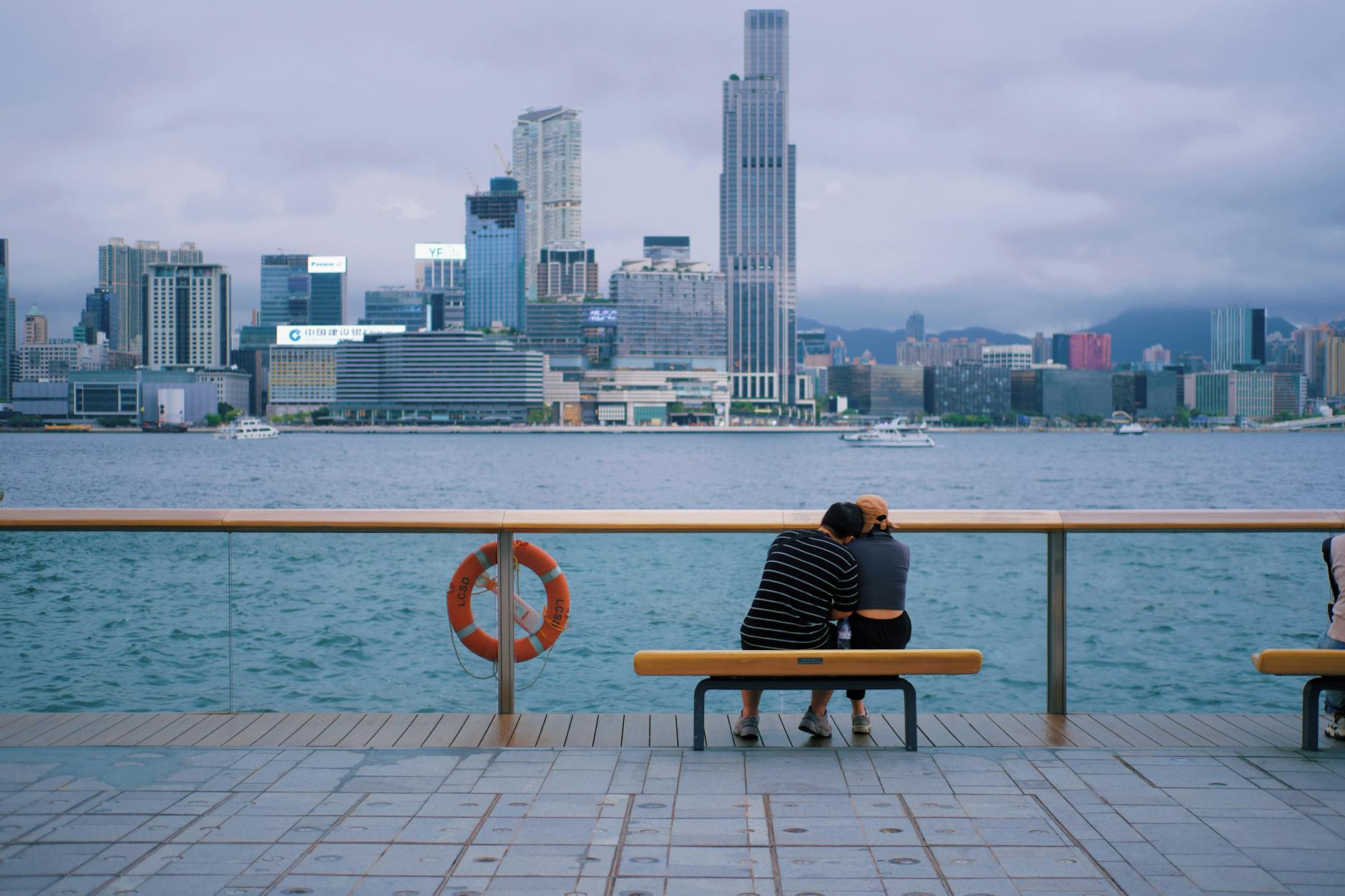
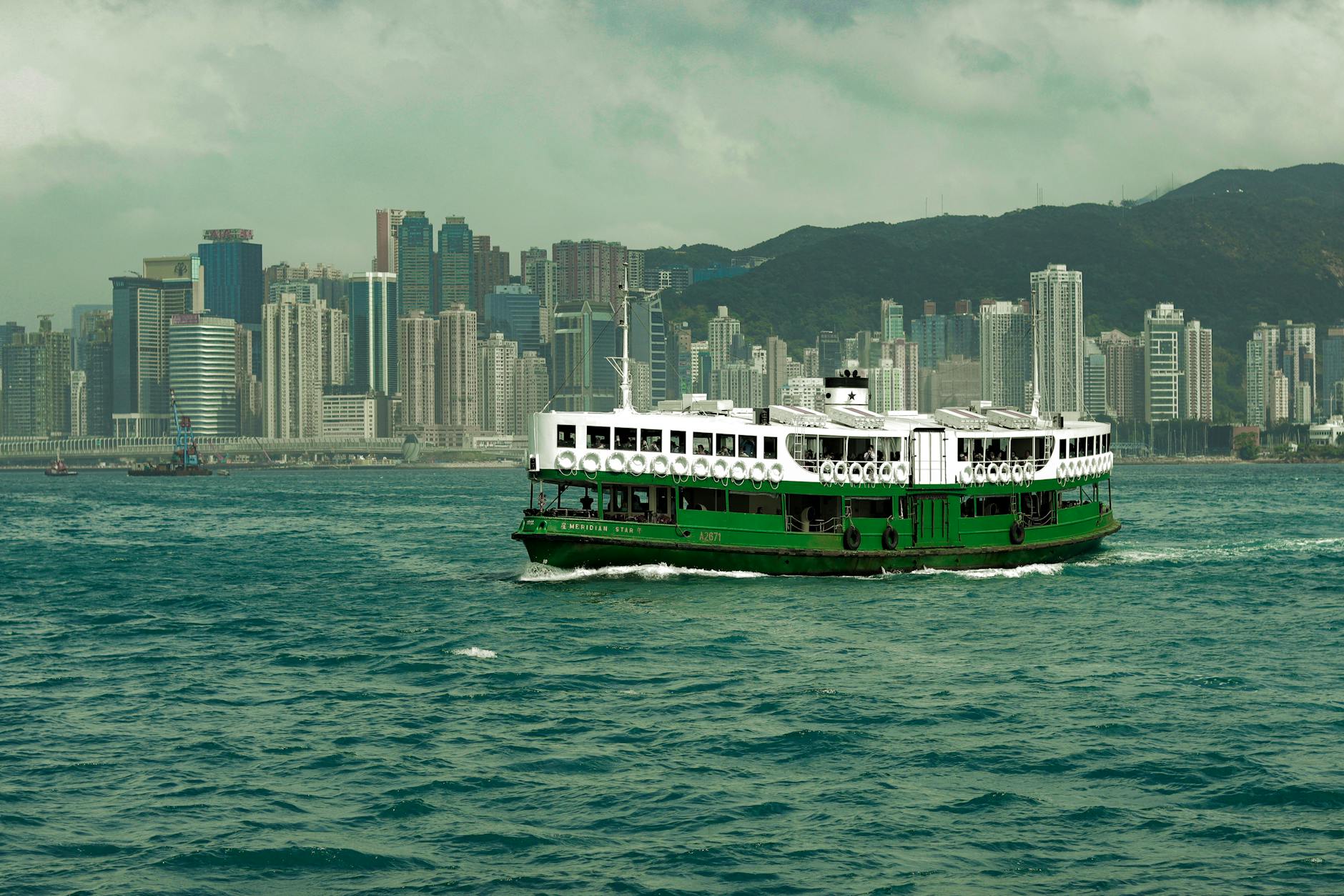
The fastest transport route may not be the right route for a traveler with medical constraints. MTR can be efficient but may require long walks, stairs, or crowded platforms. The Star Ferry can be memorable but may involve pier access, ramps, waits, and weather. Taxis or hotel cars may be worth using when directness, seated movement, or climate control matters.
The traveler should choose transport by physical impact, not by abstract efficiency. That means checking accessible exits, pickup points, traffic, return routes, and whether the movement leaves enough energy for the activity itself.
- Choose MTR, ferry, taxi, or hotel car by exertion, stairs, waits, weather, and symptom risk.
- Check accessible exits, taxi points, pier access, traffic, and return options before leaving.
- Protect energy for the activity, not just the trip to the activity.
Plan meals around medical and energy needs
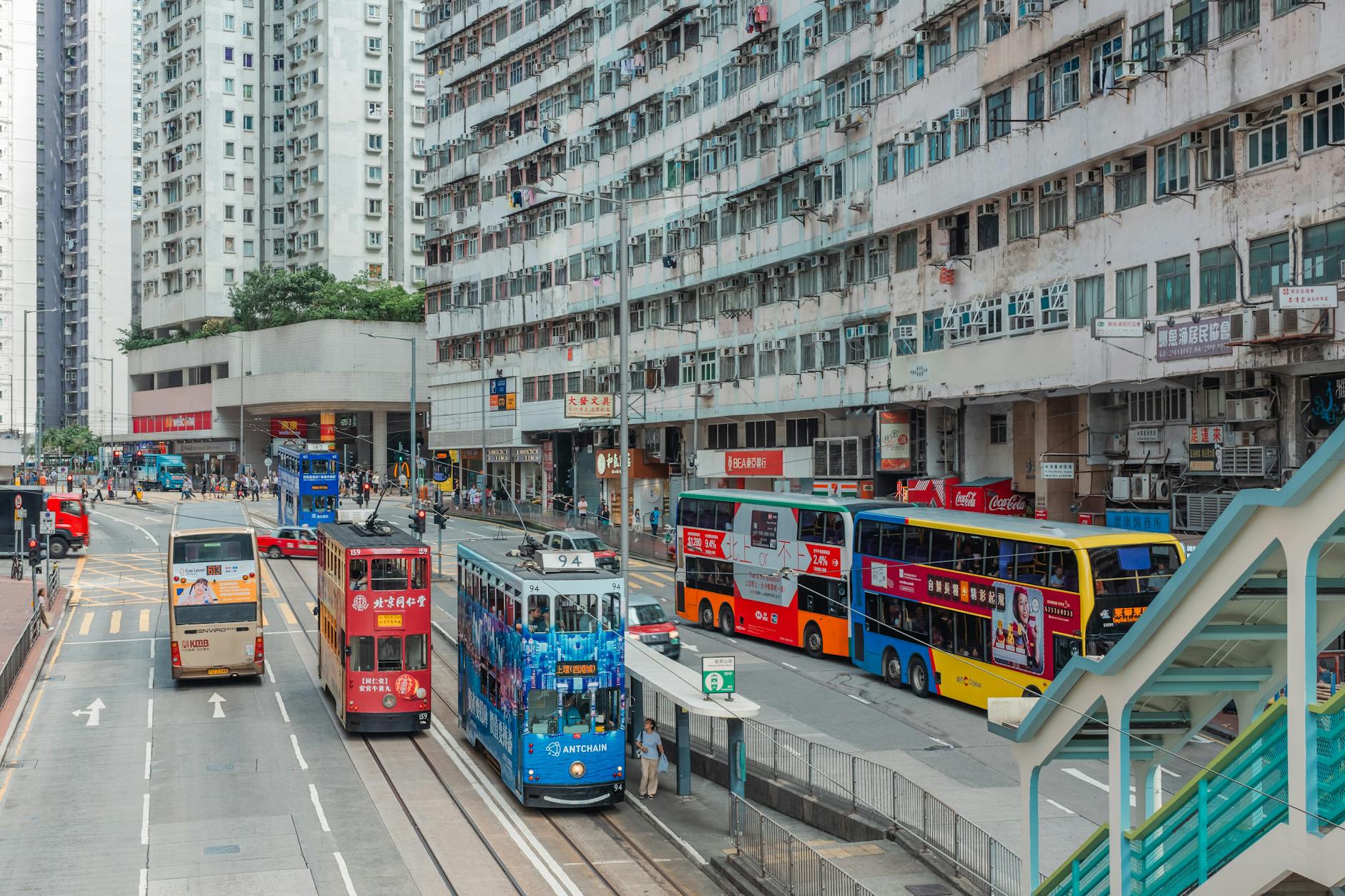
Food planning matters when the traveler has medication timing, allergies, digestive limits, diabetes considerations, hydration needs, or fatigue patterns. Tsim Sha Tsui offers many restaurants, but queues, stairs, noise, late meals, and unfamiliar menus can add strain. The traveler should identify reliable meals near the hotel, near planned activities, and near transit points.
The plan should include snacks, water, backup meals, and a way to communicate dietary needs. It should also avoid making the traveler wait too long for food after medication, exertion, or a long transfer.
- Identify meals by dietary fit, medication timing, seating, stairs, queues, noise, and restroom access.
- Carry snacks, water, backup meal options, and clear dietary notes if needed.
- Avoid long food gaps after transfers, exertion, or medication windows.
Set a clear cut list before the trip
A traveler with medical constraints should decide in advance what gets cut first if the day becomes too hot, crowded, painful, tiring, or delayed. In Tsim Sha Tsui, the best replacement may be a shorter waterfront visit, a museum instead of a cross-harbor outing, a hotel meal instead of a distant reservation, or a taxi instead of transit.
A cut list makes the trip more resilient. It prevents the traveler from treating every change as failure and helps companions understand which priorities are essential and which are optional.
- Decide which sights, meals, crossings, and shopping plans are optional before symptoms appear.
- Keep shorter waterfront, museum, hotel-meal, taxi, and rest alternatives ready.
- Use the cut list to protect the highest-value parts of the short stay.
When to order a short-term travel report
A traveler with mild constraints, strong local support, and a very simple itinerary may not need a custom Tsim Sha Tsui report. A report becomes useful when the stay is short, hotel access needs testing, medication timing affects the day, mobility or diet is uncertain, the traveler has multiple planned activities, or companions need a clear plan for what to do if symptoms change.
The report should test hotel fit, airport arrival, medication timing, nearby care, pharmacy access, route exertion, MTR and taxi choices, meals, weather, rest blocks, budget, and what to cut. The value is a Tsim Sha Tsui stay designed around the traveler's real operating limits.
- Order when hotel access, medication timing, route exertion, meals, or contingency planning needs testing.
- Provide dates, flights, hotel options, medical constraints, mobility details, diet needs, and budget.
- Use the report to reduce avoidable strain while preserving the best parts of the trip.