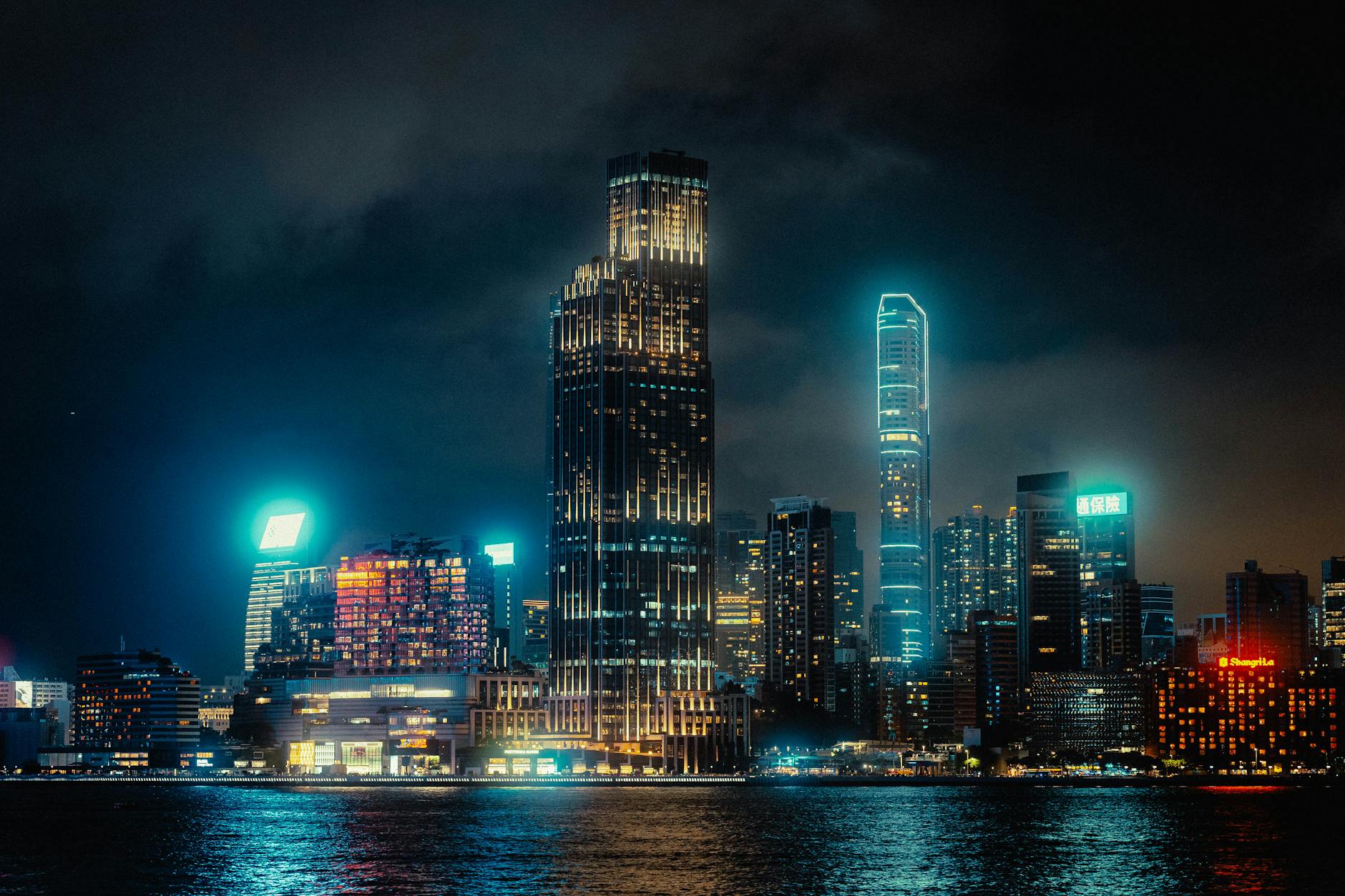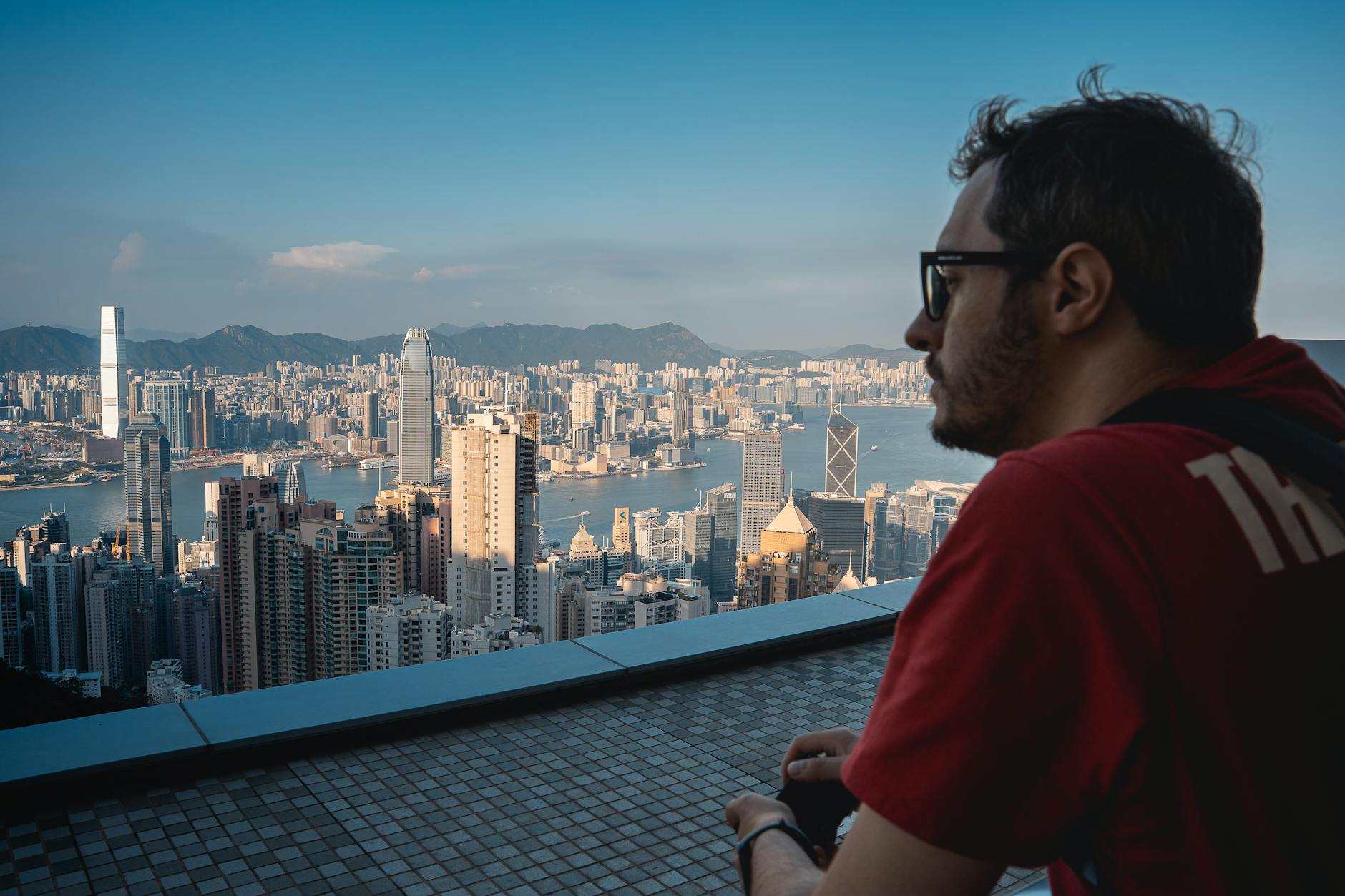
Tsim Sha Tsui can turn a long layover or short Hong Kong stopover into something memorable: skyline views, Star Ferry, hotels, restaurants, museums, shopping, and harbor walks are close together. It can also be the wrong answer if the traveler overestimates usable time, drags luggage through the district, or forgets that returning for the onward flight is the real deadline. A stopover plan should begin with the next departure and work backward. Immigration, baggage, Airport Express or taxi timing, hotel check-in, weather, fatigue, and the need to return calm all matter. Tsim Sha Tsui works best when the traveler chooses one clear objective rather than trying to make a layover behave like a full city break.
Count usable time, not layover time
A transit traveler should not treat the scheduled gap as time in Tsim Sha Tsui. Immigration, baggage, airport transfers, walking, hotel check-in, security on return, airline cutoffs, fatigue, and possible delays all reduce the window. The traveler should define the latest safe airport return before choosing any activity.
If the usable window is small, staying near the airport or using a hotel may be smarter. If the window is real, Tsim Sha Tsui can be rewarding because the district offers several high-value experiences close together.
- Subtract immigration, baggage, transfers, security, airline cutoffs, fatigue, and delay margin first.
- Leave the airport only when the usable Tsim Sha Tsui window is genuinely worthwhile.
- Work backward from the onward flight rather than forward from arrival excitement.
Solve luggage before choosing the route
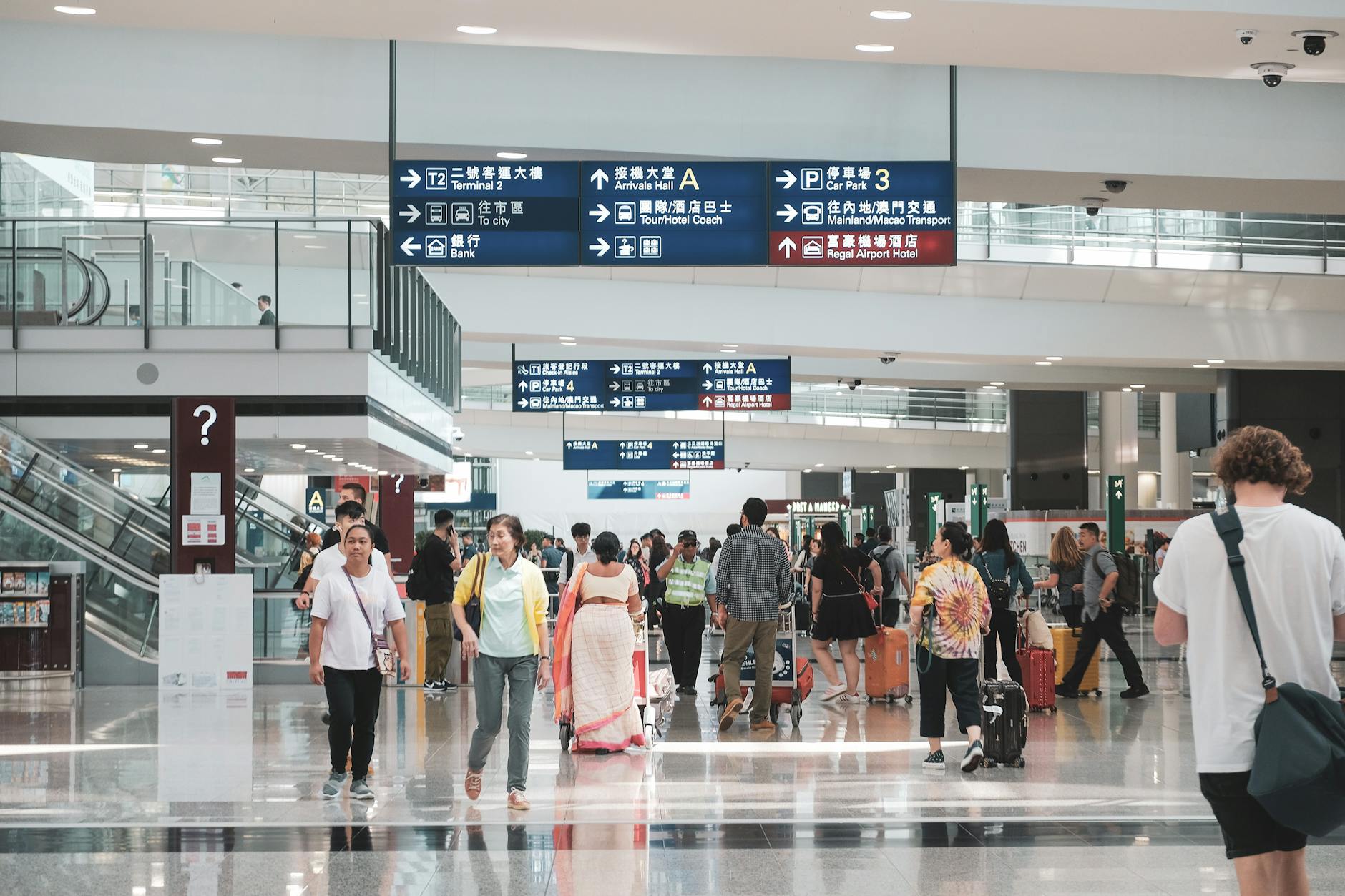
Luggage can decide whether a Tsim Sha Tsui stopover is pleasant or inefficient. The traveler should know whether checked bags continue through, whether carry-ons can be stored, whether a hotel or station option is realistic, and what valuables or medication must stay with them. Rolling bags through crowded sidewalks, station corridors, ferry approaches, and restaurants can drain the stopover quickly.
The luggage plan should include a backup. If storage fails, the route should become shorter and simpler rather than forcing the original idea.
- Confirm checked-through bags, carry-on storage, valuables, medication, and backup luggage plans.
- Avoid dragging bags through crowded sidewalks, stations, ferry approaches, and restaurant queues.
- Shorten the route if luggage cannot be stored cleanly.
Choose one anchor and one backup
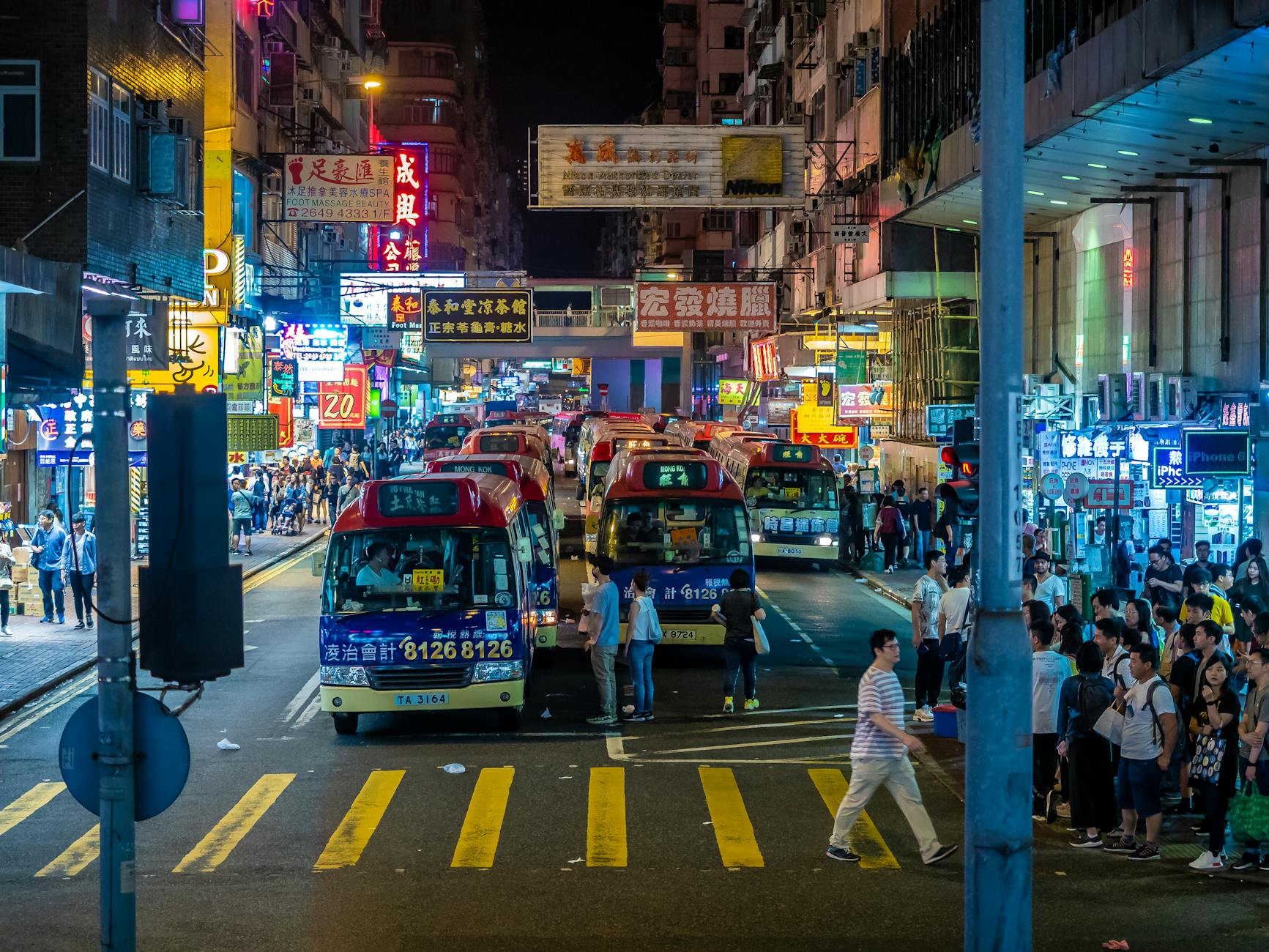
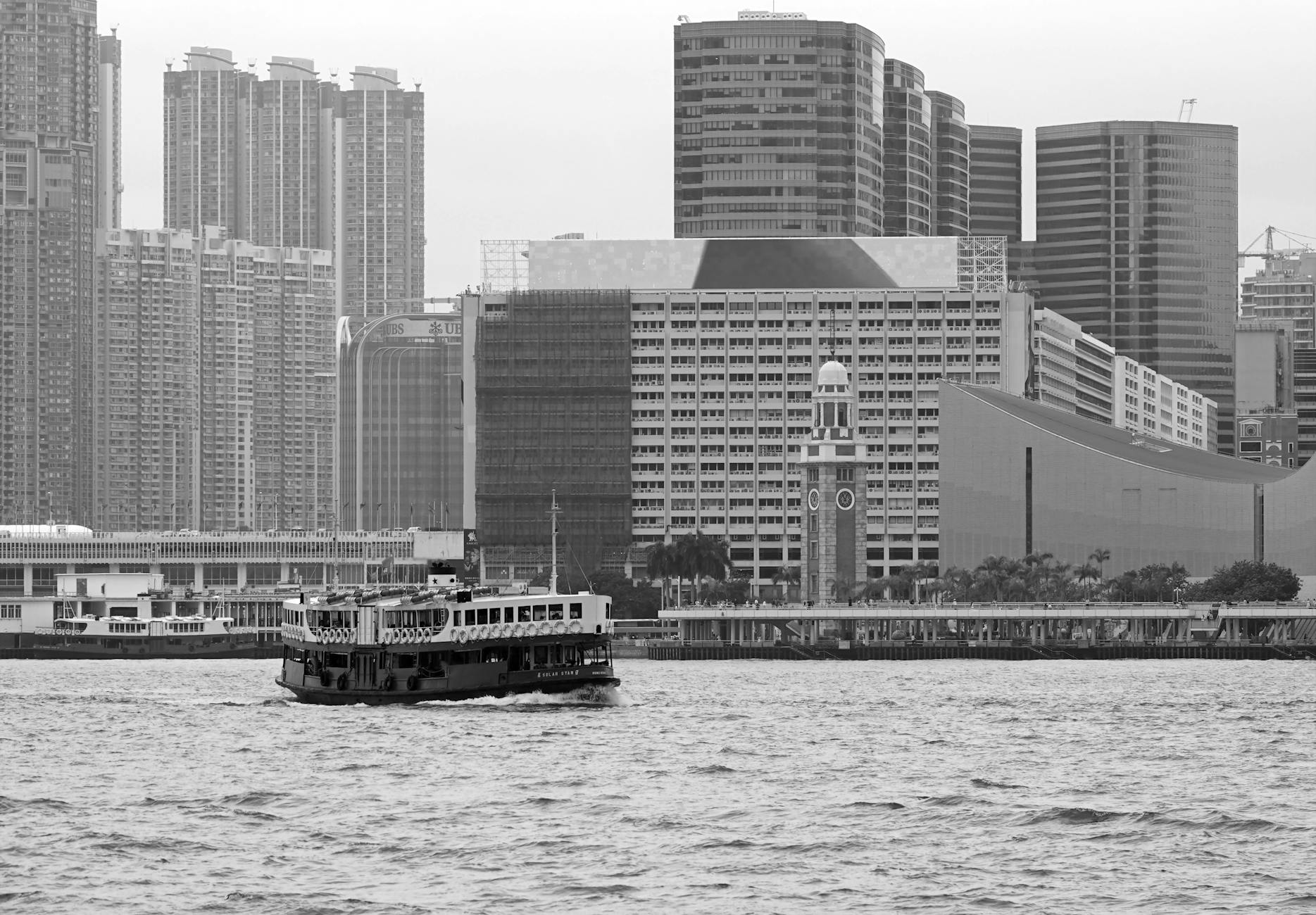
A stopover traveler should choose one Tsim Sha Tsui anchor: a harbor walk, Star Ferry ride, hotel shower, museum stop, Cantonese meal, shopping errand, or skyline view. Then the traveler should keep one nearby backup if timing is better than expected. The route should stay close to the return path.
The point of a stopover is not to prove that Hong Kong has been covered. It is to use the short window cleanly. One good anchor usually beats four rushed fragments.
- Choose one main anchor: harbor, ferry, hotel rest, museum, meal, shopping, or skyline view.
- Keep one nearby backup and one early exit route ready.
- Avoid repeated cross-harbor moves during a layover or short stopover.
Use hotel time only when it earns its place
Some stopovers are best solved by a Tsim Sha Tsui hotel room, especially when the traveler needs a shower, sleep, work space, luggage control, or a predictable base before continuing. Other stopovers do not have enough time for check-in, room use, checkout, and return. The traveler should decide whether a hotel is an anchor or an unnecessary complication.
If hotel time is part of the plan, location matters. Airport transfer, taxi access, MTR exits, lift speed, room availability, and checkout flexibility should be checked before arrival.
- Use a hotel when shower, sleep, work, luggage, or recovery meaningfully improves the stopover.
- Check room availability, taxi access, MTR exits, lift time, and checkout flexibility.
- Skip hotel logistics when the window is too short to benefit from the room.
Plan food, water, and weather before arrival
Transit travelers are often tired, dehydrated, and underfed. Tsim Sha Tsui has many meal choices, but the traveler should not wait until they are standing hungry in a crowded district. A realistic meal, water stop, bathroom, cafe, or hotel lounge should be identified before leaving the airport.
Weather can also change the answer quickly. Heat, humidity, rain, cold interiors, and inappropriate footwear can make a short walk feel longer than expected. The plan should include an indoor fallback.
- Map food, water, bathrooms, cafes, lounges, and indoor fallback options before leaving the airport.
- Account for jet lag, humidity, rain, cold interiors, footwear, and carry-on fatigue.
- Keep the stopover restorative if the traveler is already depleted.
Protect the onward departure
The return to the airport or onward transport should be treated as a hard deadline. The traveler should know train timing, taxi risk, terminal, boarding time, security requirements, document needs, and whether the airline or onward operator requires earlier processing. One last photo or meal should not threaten the next departure.
A smart Tsim Sha Tsui stopover ends earlier than the traveler thinks it needs to. That extra margin is what keeps the outing from feeling like a gamble.
- Know terminal, boarding time, security needs, train timing, taxi risk, and document requirements.
- Set a last departure from Tsim Sha Tsui that includes real delay margin.
- End the district visit while the clock still feels calm.
When to order a short-term travel report
A transit traveler with a short layover may not need a custom Tsim Sha Tsui report because the answer may simply be to stay airside. A report becomes useful when the traveler has a long layover, overnight stopover, luggage uncertainty, family members, mobility limits, a desired ferry or meal experience, or concern about whether leaving the airport is sensible.
The report should test usable time, immigration and baggage assumptions, Airport Express or taxi timing, luggage storage, Tsim Sha Tsui route design, food, rest, shower options, weather, return buffers, onward requirements, budget, and what to cut. The value is knowing whether the stopover is worth doing before the clock starts.
- Order when usable hours, luggage, transfer timing, route choice, rest, or return buffers need testing.
- Provide flight times, airline, bags, passport constraints, priorities, mobility needs, and budget.
- Use the report to make a Tsim Sha Tsui stopover useful without risking the onward departure.