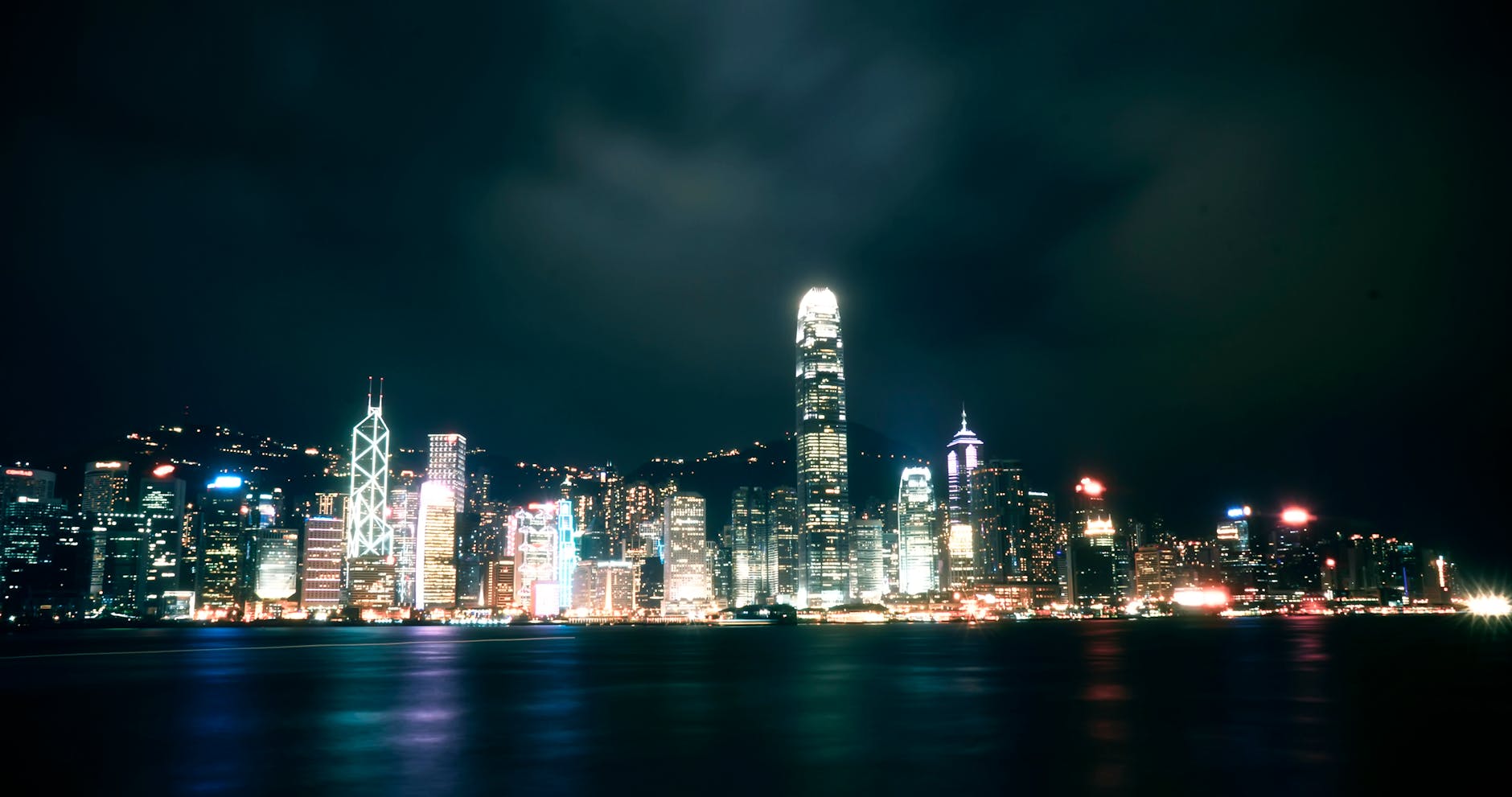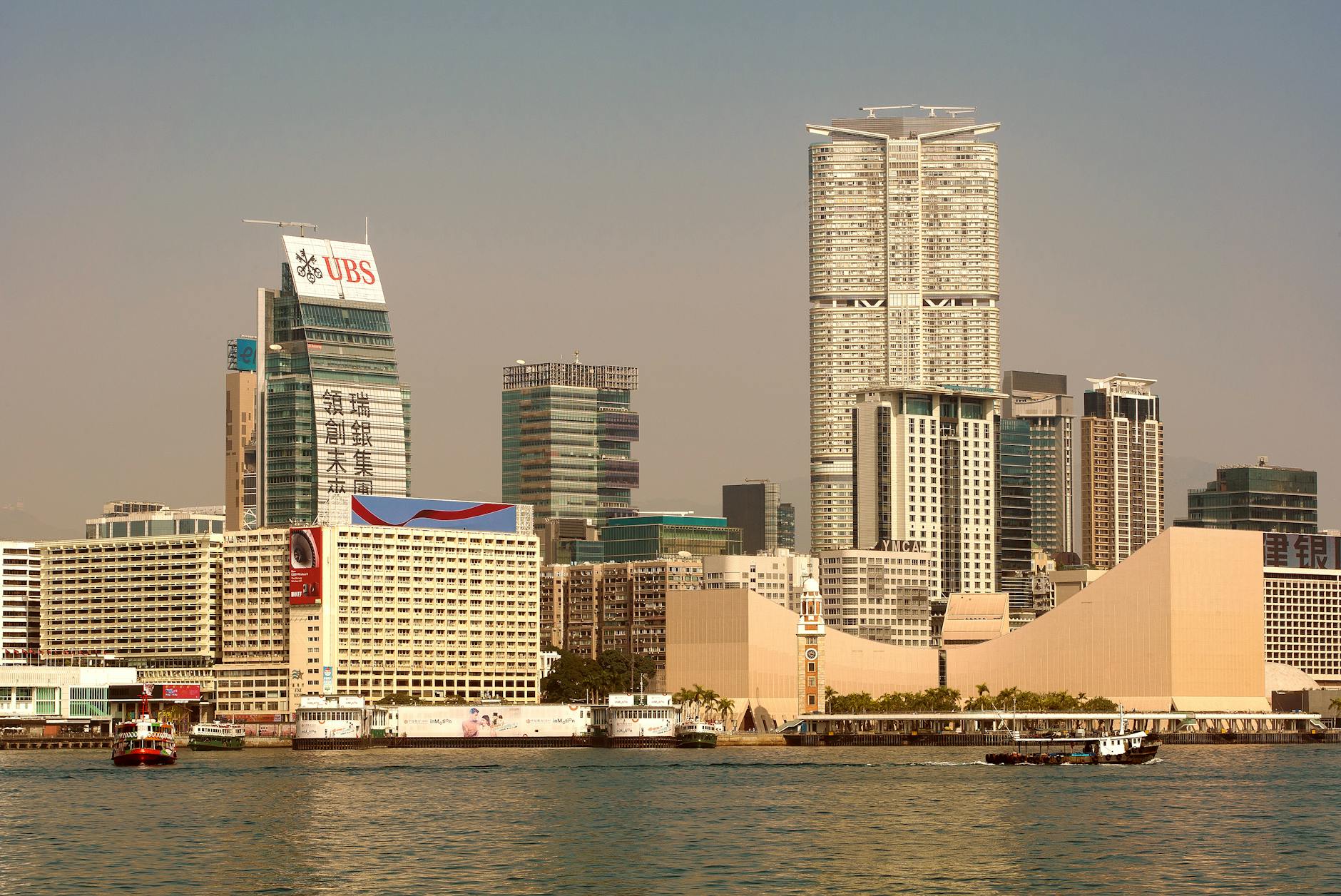
Tsim Sha Tsui can be a useful base for a trade-show attendee when the event connects to Kowloon hotels, harbor-side venues, hospitality groups, retail networks, sourcing meetings, or cross-harbor appointments. It can also become inefficient if the attendee treats the district as a scenic hotel choice rather than an operating base for show days. A short trade-show trip should protect punctuality, materials, meetings, client hosting, and recovery. The attendee should know where the show happens, how to move with samples or bags, when to cross the harbor, and which dinners or follow-ups deserve the limited evening energy.
Confirm the show geography before choosing the base
A trade-show attendee should start with exact locations: exhibition floor, registration, meeting rooms, hotel receptions, buyer dinners, supplier offices, and any cross-harbor appointments. Tsim Sha Tsui may be the best base, or it may be a hotel-heavy district that still requires careful movement to other parts of Hong Kong.
The attendee should map the first morning, the busiest show day, and the final evening before booking. The right base is the one that makes those pressure points easier.
- Map exhibition floor, registration, meeting rooms, receptions, dinners, suppliers, and hotel entrance.
- Check whether obligations stay in Tsim Sha Tsui or require cross-harbor movement.
- Choose the hotel around the busiest show day and final evening.
Choose the hotel for materials and movement
Trade-show travelers often carry more than a normal visitor: samples, catalogs, badges, devices, chargers, product notes, business cards, or show bags. A Tsim Sha Tsui hotel should be evaluated by taxi access, lifts, luggage storage, desk space, laundry, breakfast timing, Wi-Fi, printing support, and how quickly the attendee can return between obligations.
A room with a view may be a bonus, but a hotel that makes show movement easier is usually more valuable. The attendee should also consider whether client meetings or informal buyer conversations may happen near the hotel.
- Check taxi access, lifts, storage, desk space, laundry, breakfast, Wi-Fi, and printing support.
- Plan for samples, catalogs, badges, devices, show bags, and client materials.
- Prioritize a hotel that supports repeated movement and quick returns.
Plan badges, samples, and shipping before the first day
Operational details can consume a trade-show trip if they are left until arrival. Badge pickup, QR codes, sample handling, courier options, luggage storage, business cards, chargers, payment methods, product notes, and customs or import questions should be settled before the first show morning. Tsim Sha Tsui is convenient, but that does not make last-minute logistics painless.
The attendee should know what must be carried, what can be stored, and what can be shipped or left behind. A lighter show day is often a more productive show day.
- Prepare badges, QR codes, samples, couriers, storage, business cards, chargers, and payment methods.
- Decide what to carry, store, ship, or leave at the hotel before the first show morning.
- Reduce materials where possible so movement and meetings stay manageable.
Match transport to show-day load
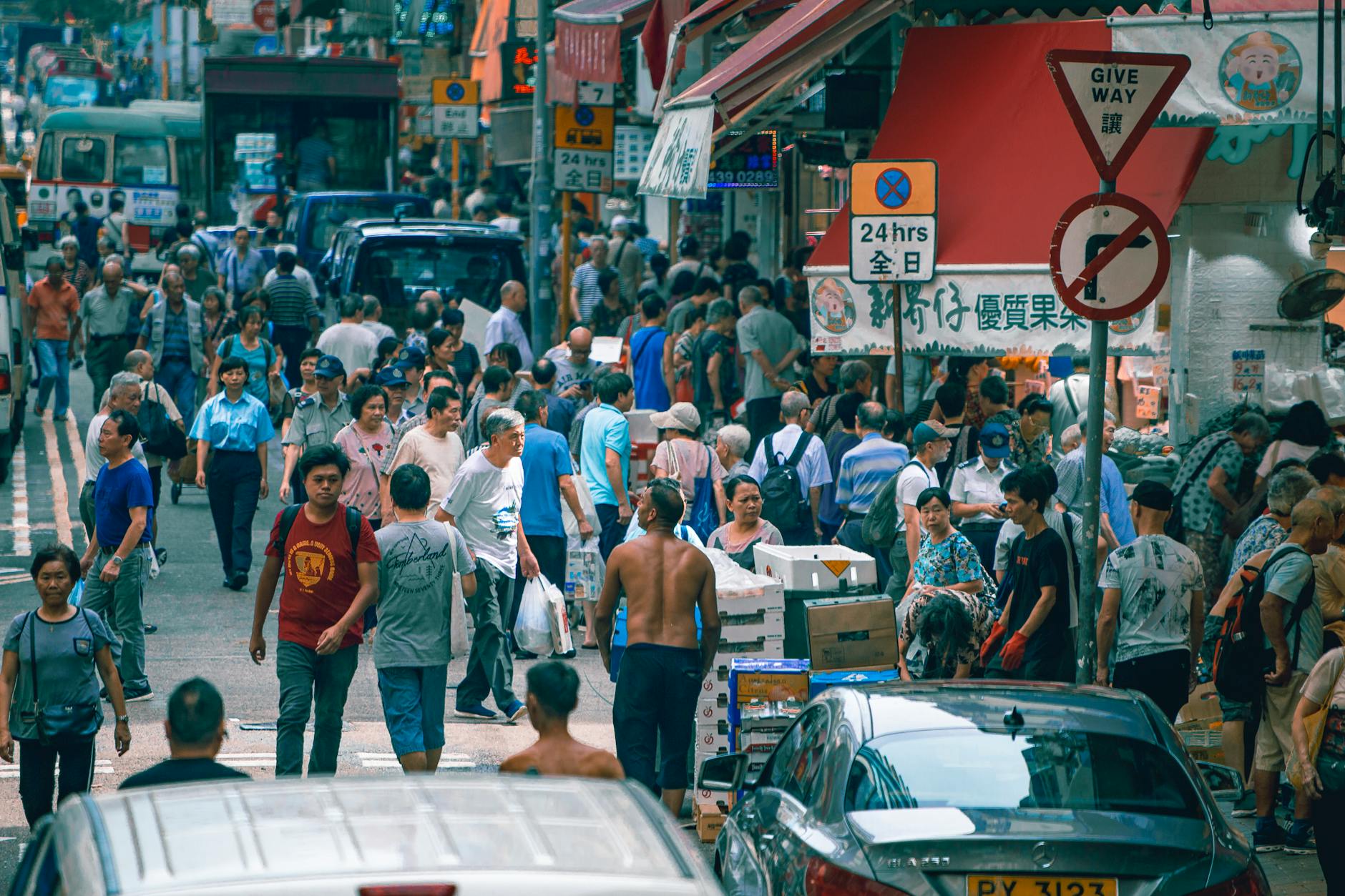
A trade-show attendee should choose transport by what is being carried and how formal the next meeting is. MTR can be efficient, but crowds and station corridors may be poor with samples or formal clothing. Taxis and cars can help with materials, but traffic and pickup points matter. The Star Ferry may be useful for certain harbor-side moves but is usually not the default for time-critical show obligations.
The attendee should plan conservative buffers before important meetings. A show trip has too many small delays to rely on optimistic transfer times.
- Choose MTR, taxi, ferry, or car by samples, clothing, meeting seniority, weather, and timing.
- Check station exits, taxi pickup points, pier distance, traffic, and return routes.
- Build larger buffers before buyer meetings, presentations, and hosted dinners.
Make client meals purposeful
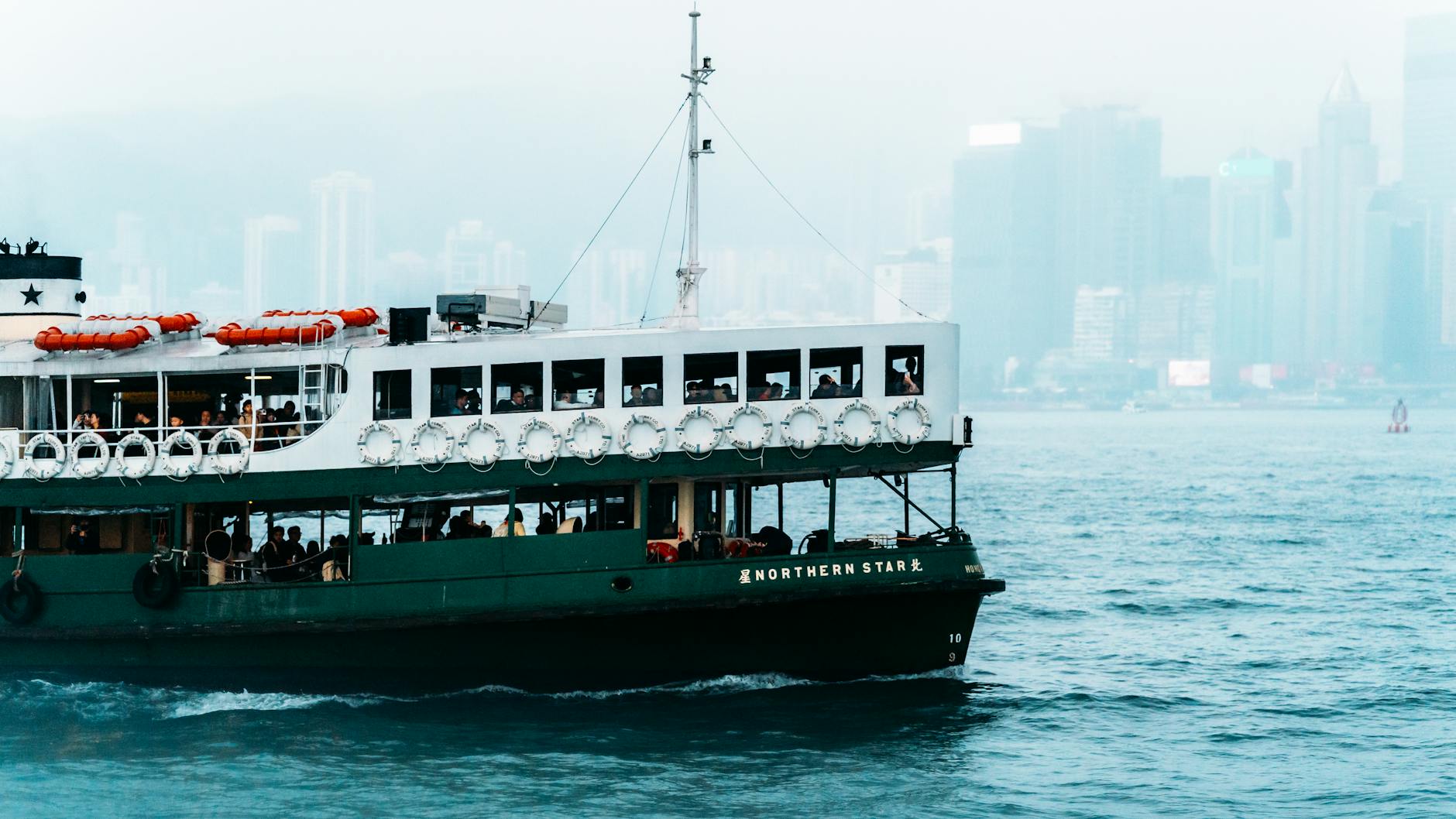
Tsim Sha Tsui is strong for trade-show meals because it has hotel restaurants, private rooms, Cantonese dining, casual follow-up spots, and harbor-view venues. The attendee should choose meals by purpose: buyer relationship, supplier review, team debrief, informal follow-up, or recovery. Not every dinner should be a production.
Meal locations should also support the next move. A beautiful dinner that leaves the attendee far from the hotel or too tired for the next morning may reduce the value of the show.
- Choose meals by buyer relationship, supplier review, team debrief, informal follow-up, or recovery.
- Check privacy, noise, group size, dietary needs, payment, timing, and return route.
- Avoid overbooking evening meals when the next show day starts early.
Protect recovery during dense show days
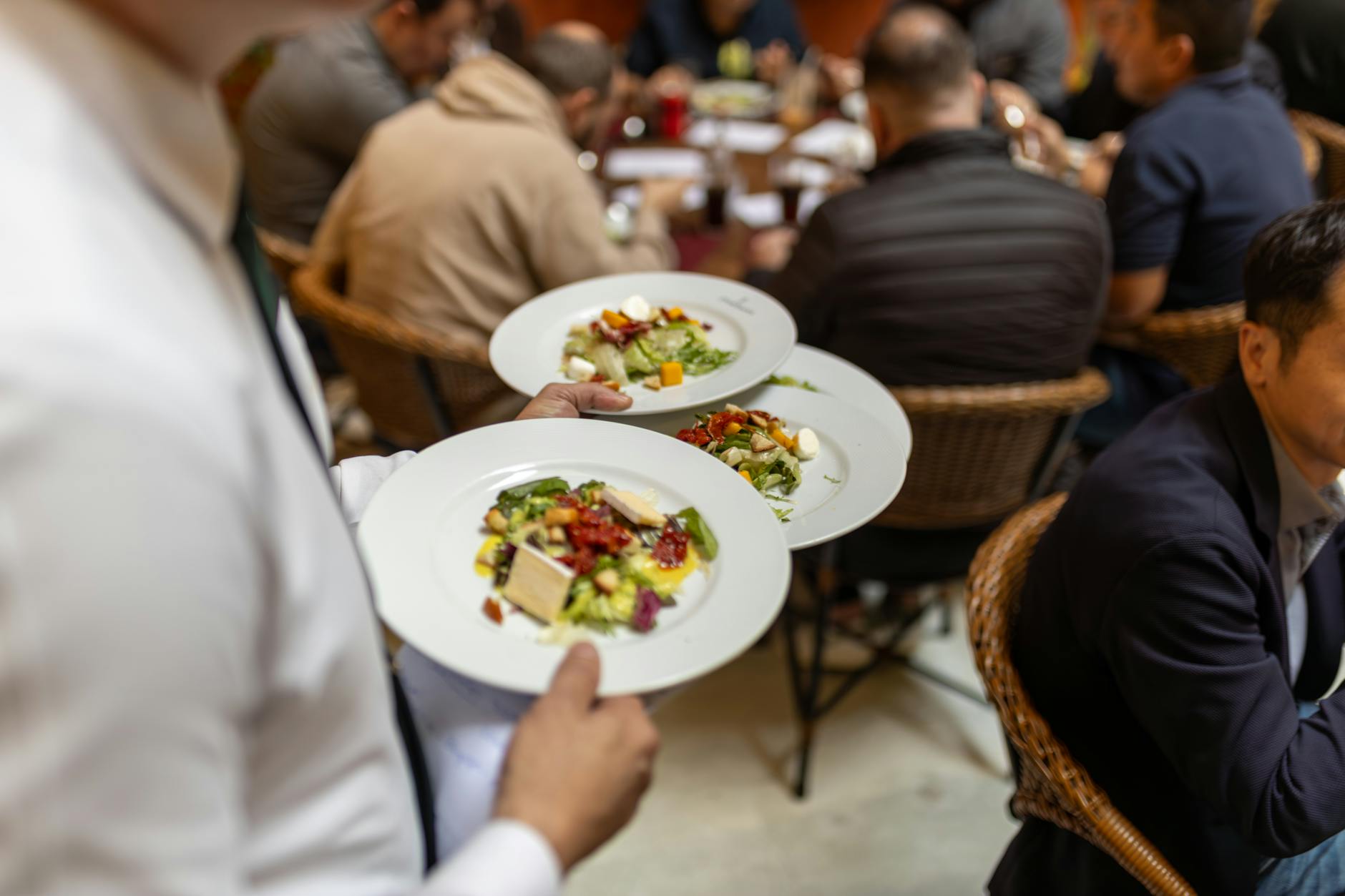
Trade shows can make Tsim Sha Tsui feel more demanding than a normal visit. The attendee may face long standing periods, crowded aisles, humid outdoor transfers, cold interiors, late dinners, and early starts. Recovery needs to be designed into the schedule, especially if the trip is short.
The traveler should keep water, a light layer, battery backup, practical shoes, and a plan for returning to the hotel. A short harbor break can be useful, but only if it does not steal time from rest or follow-up work.
- Plan for standing, crowds, humidity, cold interiors, late dinners, early starts, and show fatigue.
- Keep water, light layer, battery backup, practical shoes, and hotel-return options ready.
- Use breaks deliberately so they support follow-up work and the next day.
When to order a short-term travel report
A trade-show attendee with a hosted hotel, simple badge pickup, and no external meetings may not need a custom Tsim Sha Tsui report. A report becomes useful when the attendee is choosing a base, carrying samples, arranging buyer meetings, planning cross-harbor appointments, scheduling client meals, or trying to keep a short show trip productive without exhausting the team.
The report should test venue geography, hotel fit, badge and material logistics, transport, client meals, weather, recovery blocks, shipping assumptions, budget, and what to cut. The value is a show trip that stays operational under real constraints.
- Order when hotel choice, materials, shipping, buyer meetings, meals, or transport needs testing.
- Provide dates, venue names, hotel options, show duties, materials, meetings, constraints, and budget.
- Use the report to keep the trade-show trip practical and productive.