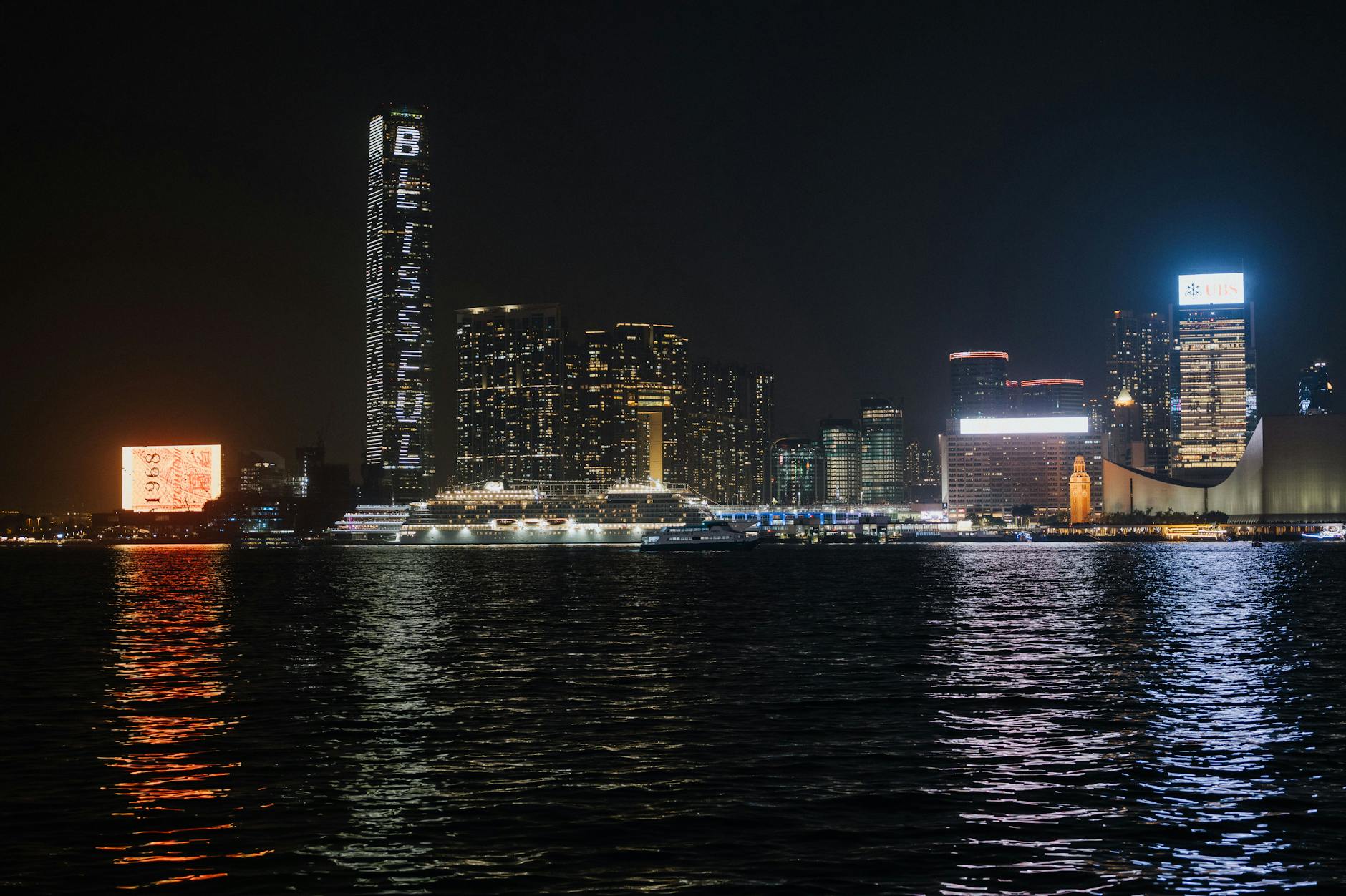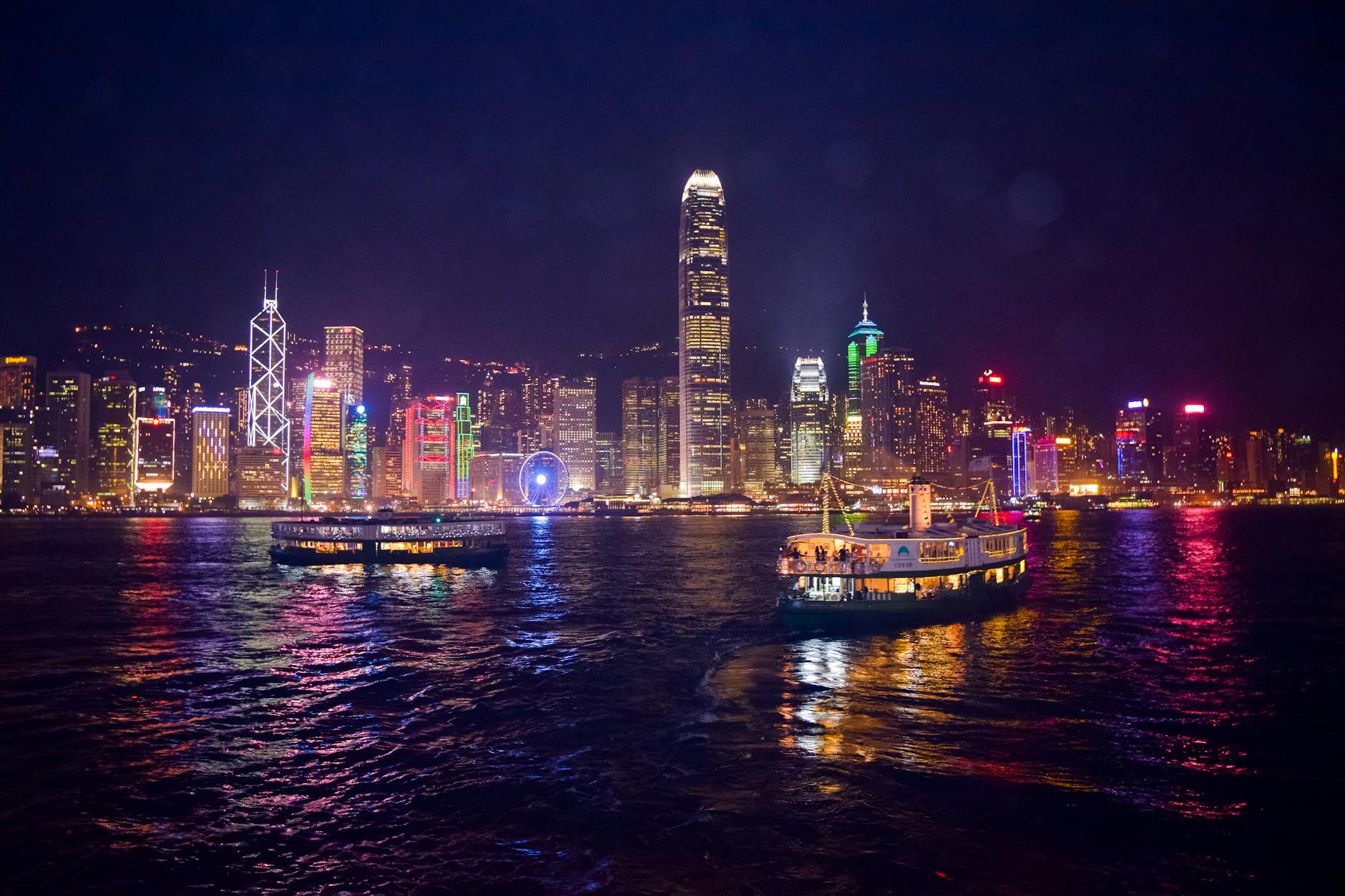
Tsim Sha Tsui is one of the clearest places for a tourist to start a Hong Kong trip. The district gives immediate access to Victoria Harbour, skyline views, Star Ferry crossings, museums, hotels, shopping streets, restaurants, and transit. That concentration is useful, but it can also encourage a tourist to plan too many stops into too little time. A short tourist visit should treat Tsim Sha Tsui as a base with choices, not as a checklist. The traveler should know how to arrive, where to stay, when to cross the harbor, which sights are worth prioritizing, and how to keep enough energy for the evening views that often define the district.
Use the harbor to understand the district
A tourist should start by orienting around Victoria Harbour. The waterfront, Star Ferry pier, Avenue of Stars area, nearby museums, hotel clusters, Nathan Road, and MTR exits form the basic map of Tsim Sha Tsui. Once those anchors are clear, the district becomes much easier to use without constant phone checking.
The traveler should avoid trying to understand all of Hong Kong on the first walk. A focused harbor orientation, simple meal, and transit check can make the rest of the short stay smoother.
- Use the waterfront, Star Ferry, museums, hotels, Nathan Road, and MTR exits as orientation points.
- Keep the first walk focused so the district becomes usable rather than overwhelming.
- Treat the harbor as the map anchor before planning wider Hong Kong movement.
Choose a hotel that makes tourist days easy
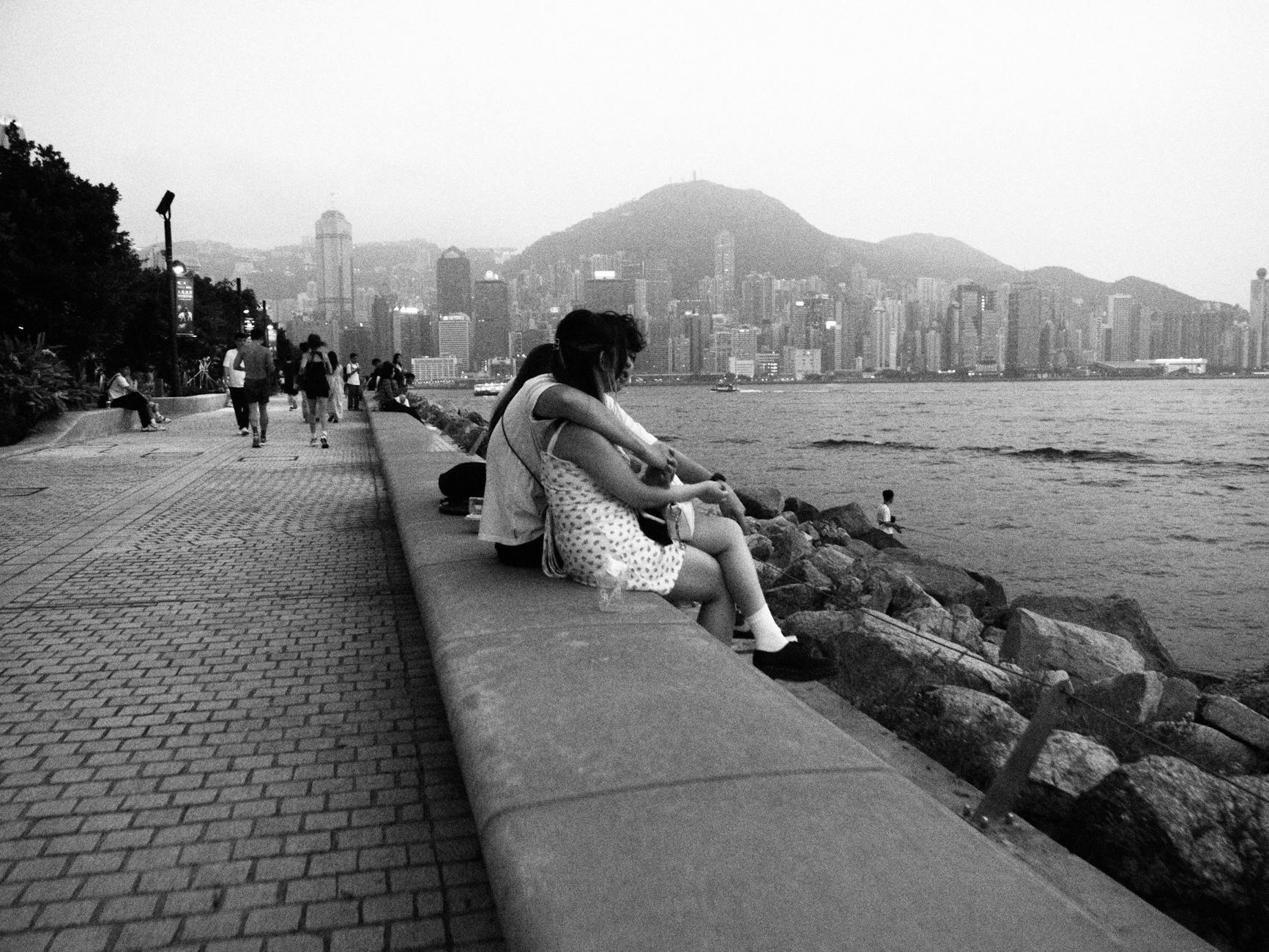
Tourists often choose Tsim Sha Tsui hotels by price, brand, or harbor view. Those factors matter, but the practical details shape the trip: MTR exit, ferry distance, taxi access, lift reliability, breakfast, nearby meals, room quiet, and the route back after a long day. A scenic room can still be a poor choice if it makes every outing more tiring.
The traveler should compare hotels against the planned first two days. Airport arrival, harbor walk, ferry crossing, museum visit, shopping street, and evening return should all be easy enough to repeat.
- Check MTR exits, ferry distance, taxi access, lifts, breakfast, nearby meals, and room quiet.
- Compare hotels by the first two days of actual movement, not only by view.
- Choose a base that supports midday rest and evening returns.
Use ferry and MTR for different jobs
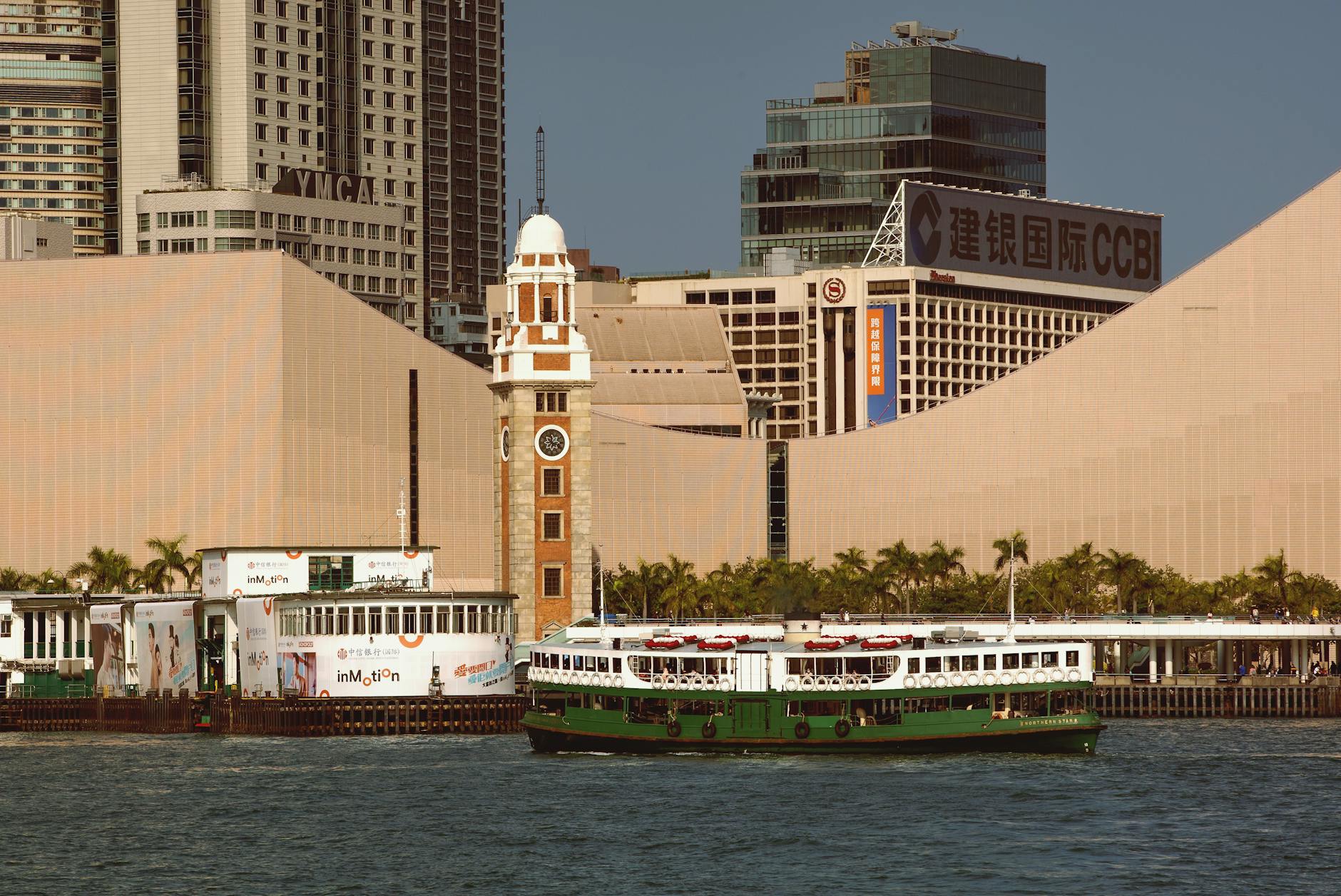
The Star Ferry and MTR are both useful, but they should not be treated as interchangeable. The ferry is memorable and helps a tourist understand the harbor. The MTR is usually better for efficient district-to-district movement. Taxis can be useful when weather, bags, late hours, or fatigue make transit harder.
A good tourist plan might use the ferry for one planned crossing, MTR for practical movement, and taxis for recovery or bad weather. The visitor should know station exits and pier distance before relying on any route.
- Use the ferry for the harbor experience and the MTR for efficient district movement.
- Check exits, pier distance, return route, weather, and service timing before crossing.
- Use taxis when rain, luggage, late hours, or fatigue make transit less useful.
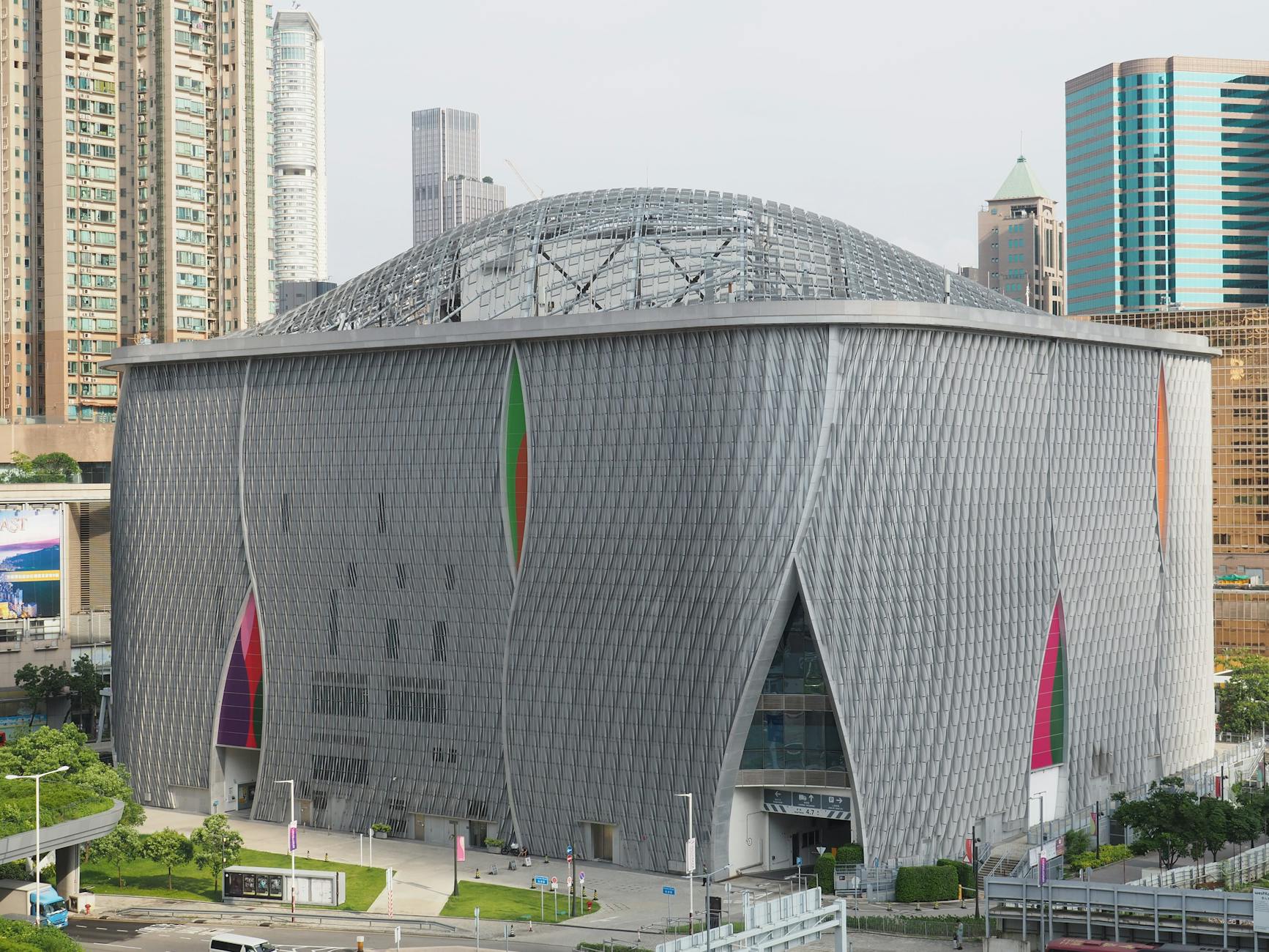
Keep the sightseeing list selective
Tsim Sha Tsui makes it tempting to stack the waterfront, museums, Star Ferry, shopping, multiple meals, night views, and Hong Kong Island into one day. A short tourist trip usually works better with fewer priorities. Heat, rain, queues, crowds, and jet lag can make a packed day feel less rewarding than a selective one.
The traveler should choose one main sight per half day and keep backup options nearby. If the weather shifts or energy drops, the day can still work without forcing every item on the list.
- Choose one main sight per half day instead of overloading the itinerary.
- Keep nearby backup options for heat, rain, queues, crowds, and low energy.
- Decide what to skip before the trip rather than while tired in the district.
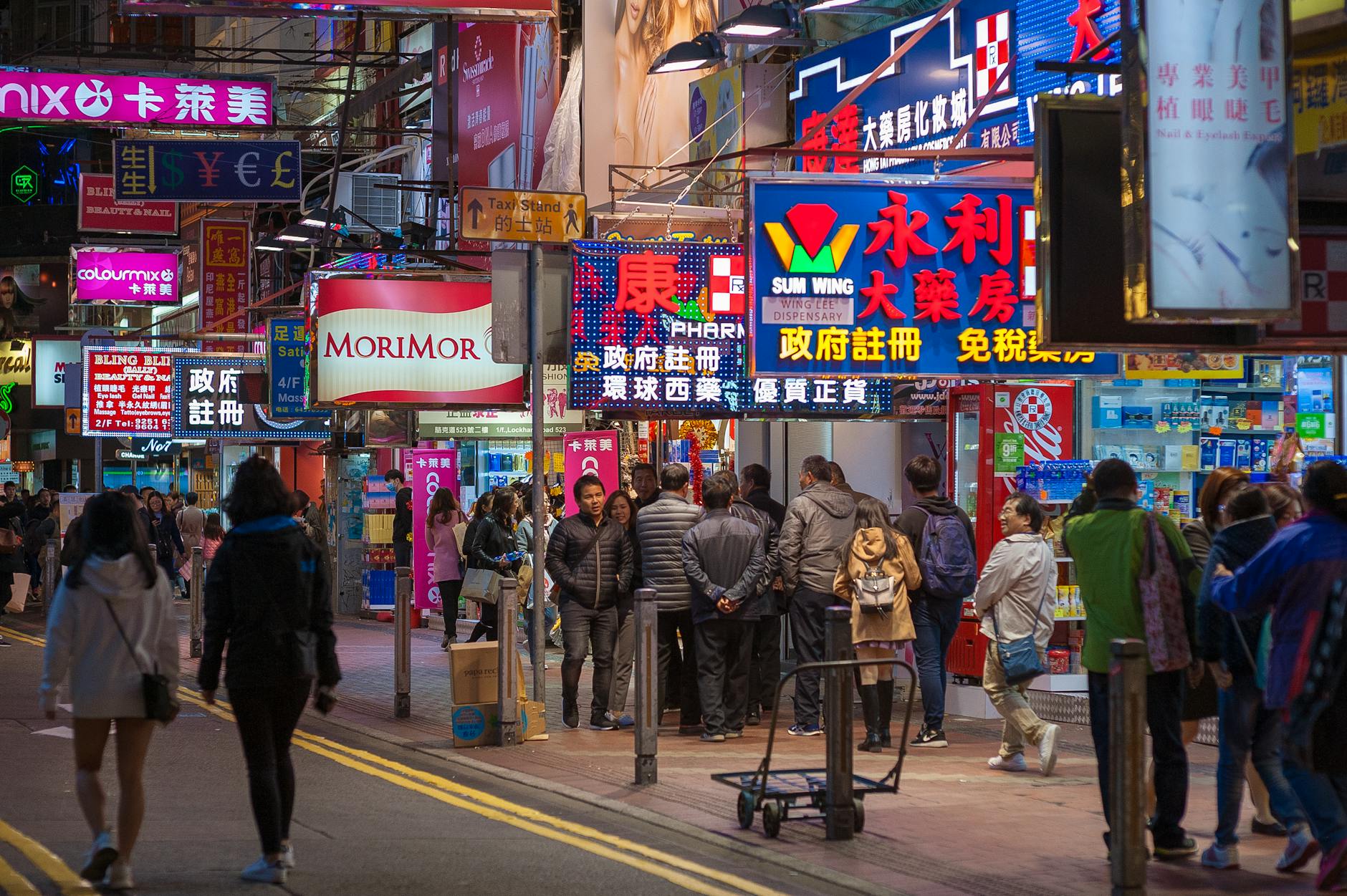
Plan meals before decision fatigue sets in
A tourist can eat well in Tsim Sha Tsui, but the number of hotel restaurants, casual Cantonese spots, mall dining options, cafes, waterfront venues, and late-night choices can become confusing. The traveler should identify a few reliable meals near the hotel, waterfront, museums, and transit before arrival.
Meal planning does not need to be rigid. It should prevent hungry wandering, help with dietary needs, and reduce the chance of spending too much time in the wrong mall or tourist-heavy street.
- Preselect hotel-area, waterfront, museum-area, transit-area, and late-night meal options.
- Check queues, dietary fit, seating, payment, noise, and return route.
- Use meals as practical anchors for sightseeing days.
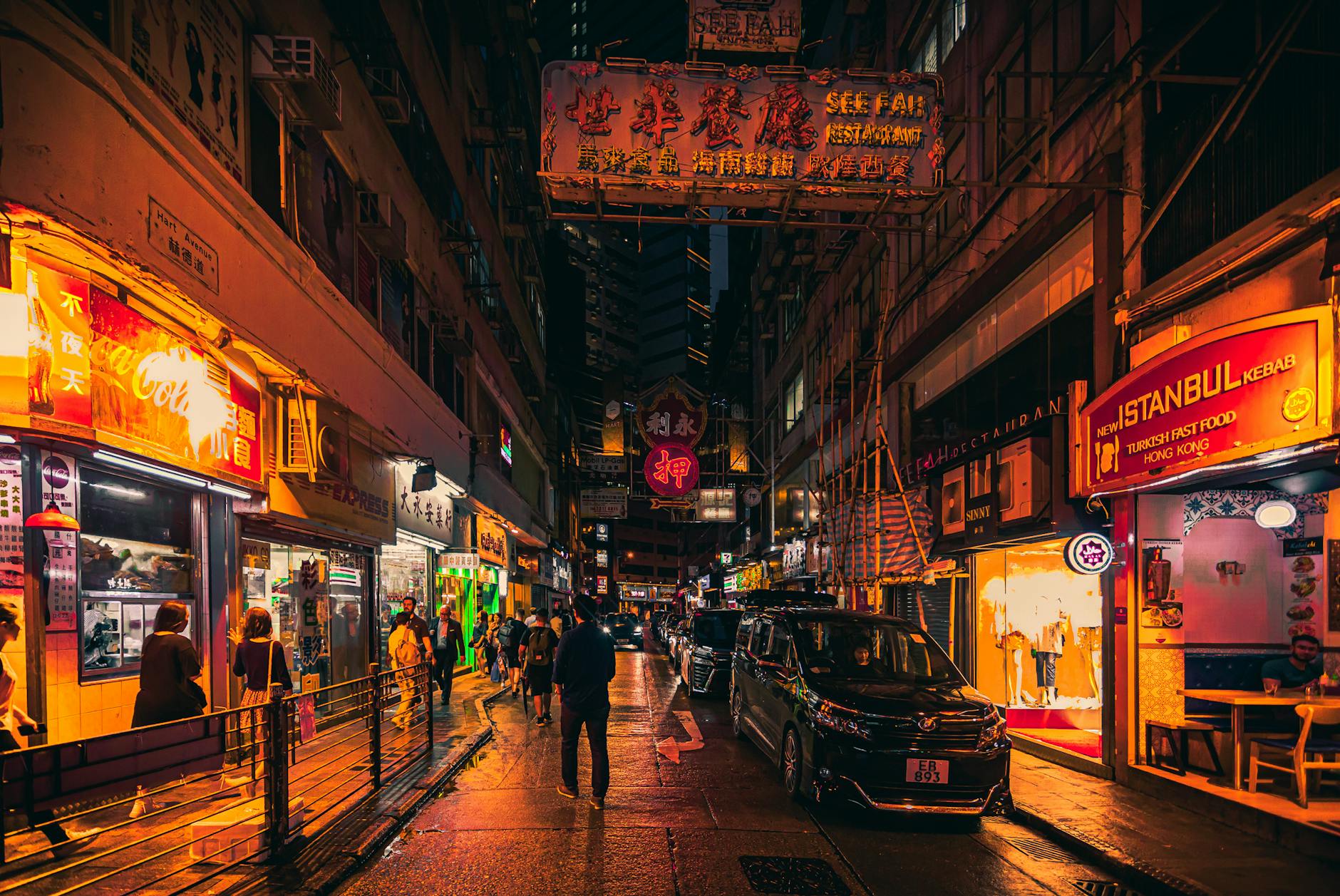
Plan around crowds, weather, and evening views
Tourists should expect Tsim Sha Tsui to change by time of day. The waterfront, stations, malls, hotels, and popular viewpoints can become crowded, while weather can shift between humidity, rain, wind, and cold interiors. Evening skyline plans are worthwhile, but they need timing and a return route.
The traveler should keep water, a light layer, umbrella, phone battery, and a simple evening exit plan. If the view is the priority, the rest of the day should leave enough energy for it.
- Plan for humidity, rain, wind, cold interiors, waterfront crowds, and station congestion.
- Keep water, umbrella, light layer, phone battery, and return route ready.
- Leave enough energy for the evening skyline if that is a main goal.
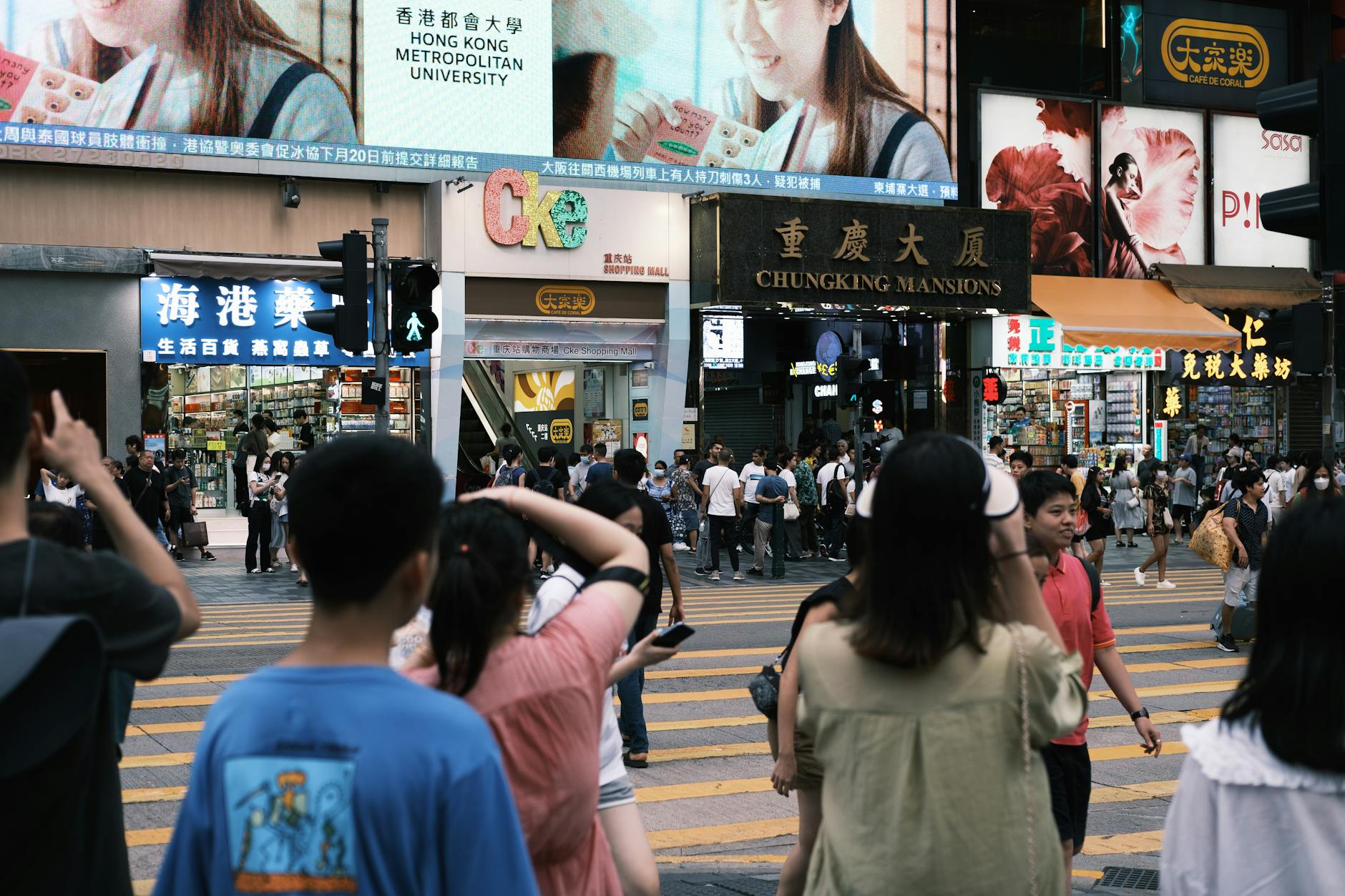
When to order a short-term travel report
A tourist with flexible days, a simple hotel, and low pressure may not need a custom Tsim Sha Tsui report. A report becomes useful when the stay is short, the traveler is choosing between Kowloon and Hong Kong Island, arrival timing is awkward, family or mobility needs are involved, or the itinerary risks becoming an unfocused list of famous places.
The report should test hotel location, airport arrival, first-day pacing, ferry and MTR routes, sightseeing priorities, meals, weather, evening views, budget, and what to cut. The value is a tourist visit that feels full without becoming chaotic.
- Order when hotel location, arrival, pacing, sightseeing priorities, or cross-harbor routes need testing.
- Provide dates, flight times, hotel options, interests, constraints, mobility needs, and budget.
- Use the report to make the tourist stay selective, efficient, and enjoyable.