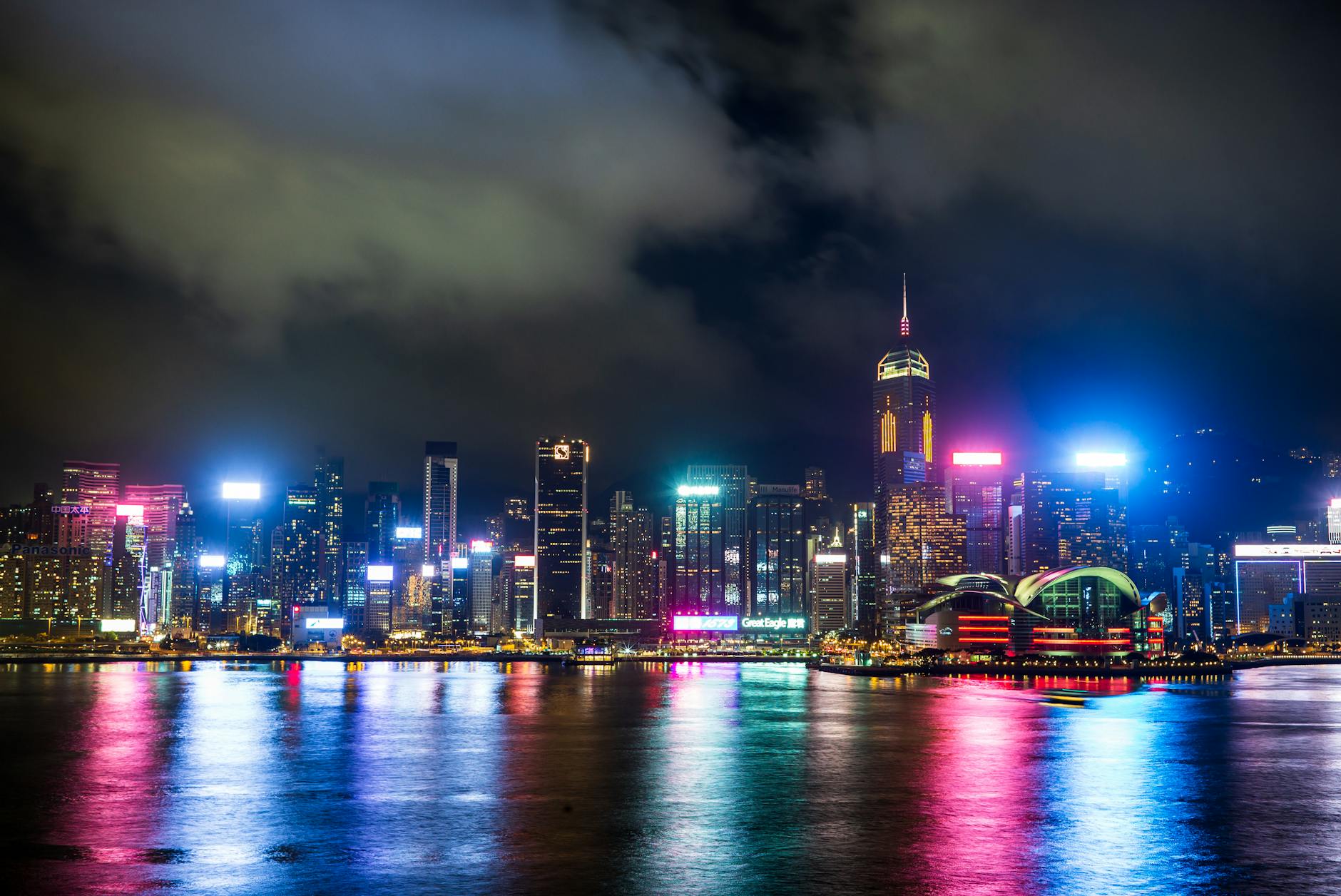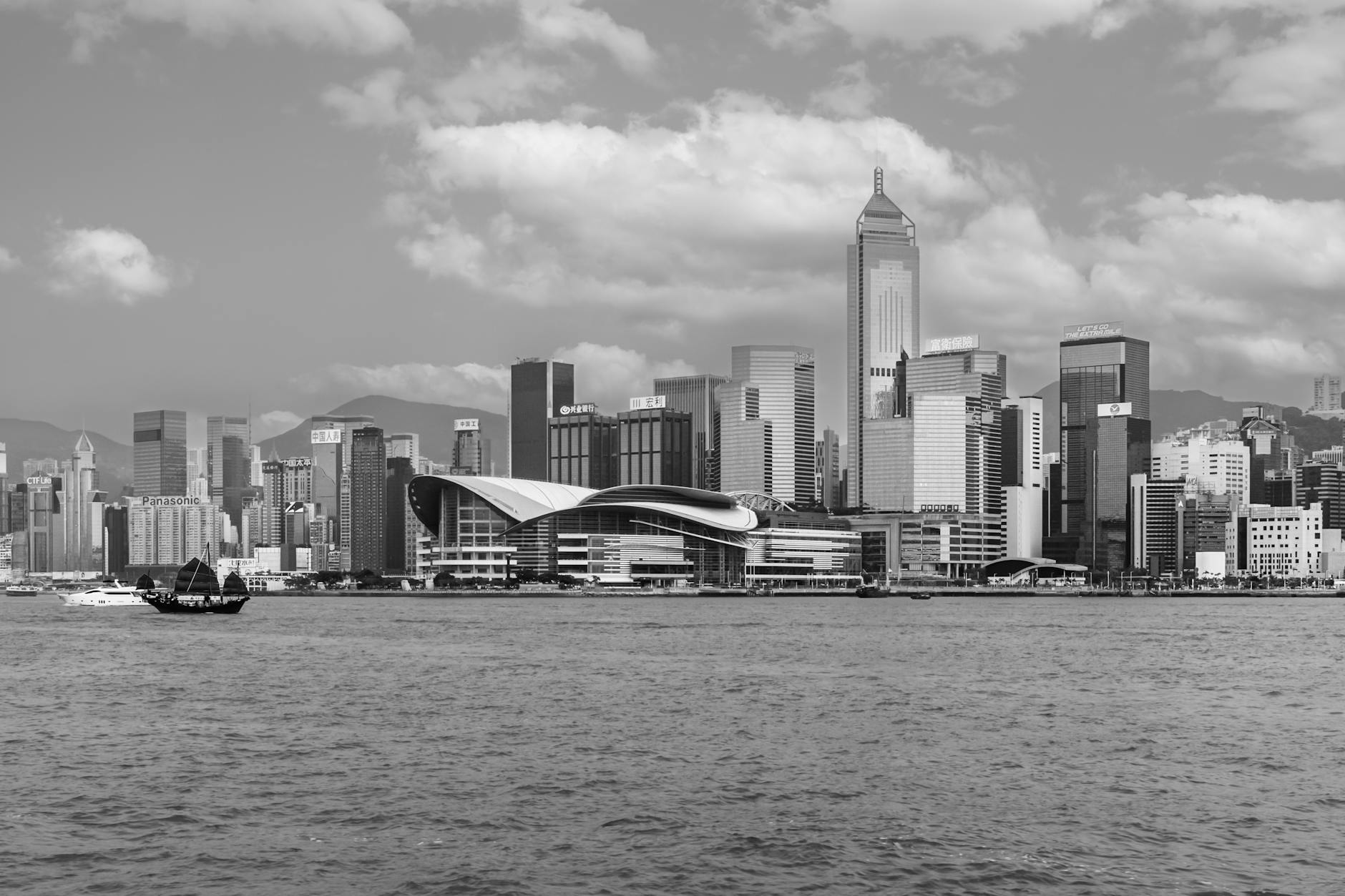
Tsim Sha Tsui can be a useful base for a student on a short program because it gives immediate access to Hong Kong's harbor, transit, museums, affordable food, shopping streets, and cross-harbor movement. It can also become expensive or confusing if lodging, food, transport, safety, and group timing are not planned before arrival. A short student program should balance learning, budget, independence, and supervision. The student should know where to stay, how to reach program sites, where to eat affordably, how to move with the group, and when to choose rest over squeezing in another stop.
Confirm program geography and supervision rules
A student should understand exactly where the short program happens. Classes, site visits, museum sessions, language practice, group meals, hotel meeting points, and free-time boundaries may all use different parts of Tsim Sha Tsui or wider Hong Kong. Program rules matter as much as the map.
The student should know check-in times, curfew expectations, group meeting points, emergency contacts, and whether independent travel is allowed. A clear structure makes the district easier and safer to use.
- Map classes, site visits, museums, meals, meeting points, hotel, and free-time boundaries.
- Confirm curfew, independent travel rules, emergency contacts, and group check-in procedures.
- Use program rules as part of the route plan, not as an afterthought.
Choose lodging for safety, access, and sleep
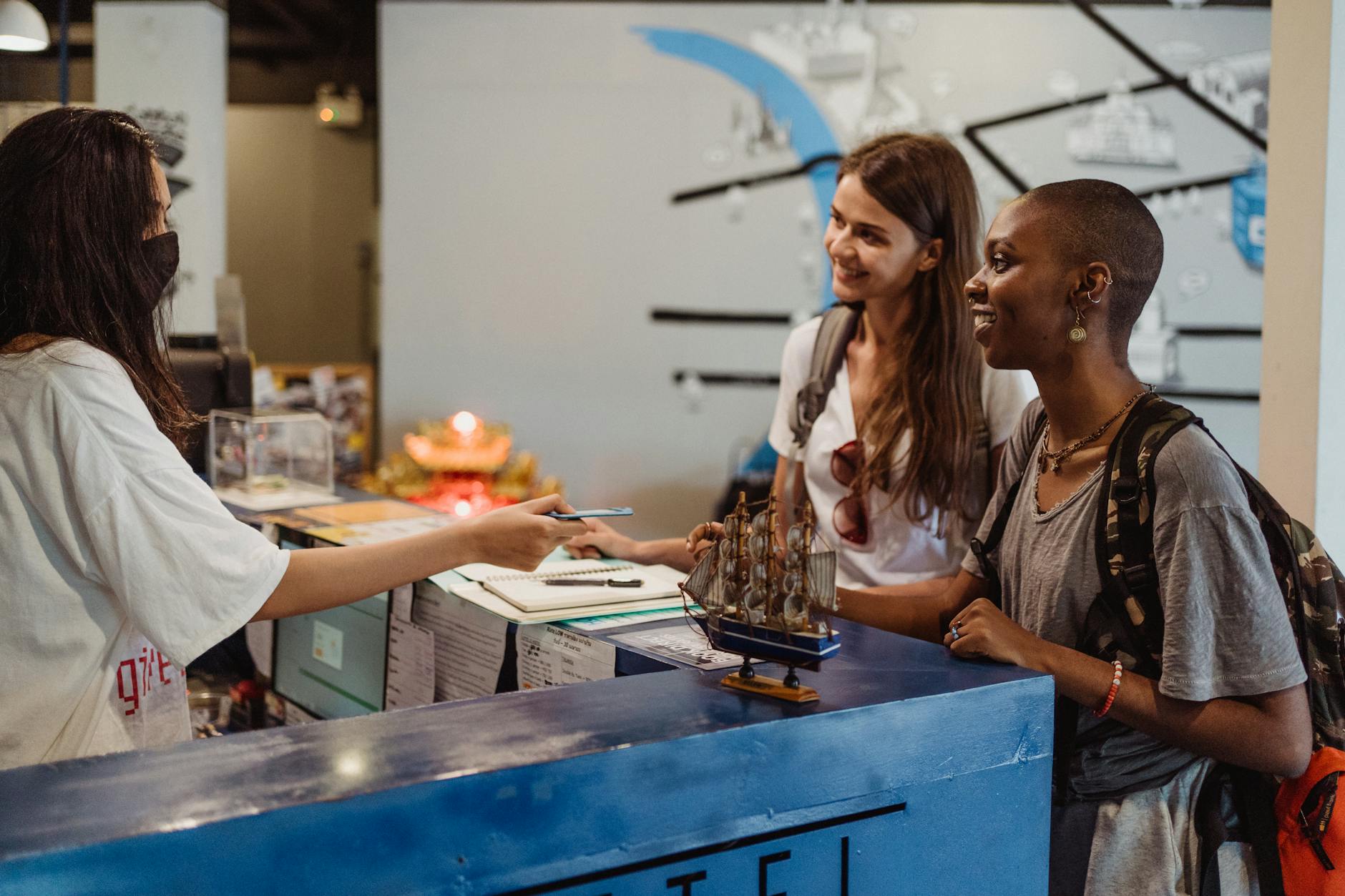
Student lodging may be a hotel, hostel, residence, or group-arranged property. The student should check entrance security, reception hours, room sharing, bathroom setup, luggage storage, laundry, Wi-Fi, quiet hours, air conditioning, and distance to program meeting points. Cheap lodging can become expensive in lost sleep or difficult movement.
The best lodging choice is usually the one that supports program attendance and safe returns. If students are returning in groups at night, the final route back matters.
- Check security, reception, room sharing, bathrooms, luggage storage, laundry, Wi-Fi, and quiet hours.
- Compare lodging by program meeting points, transit access, and night return routes.
- Protect sleep and attendance before optimizing for the lowest visible price.
Use transit without wasting money or time
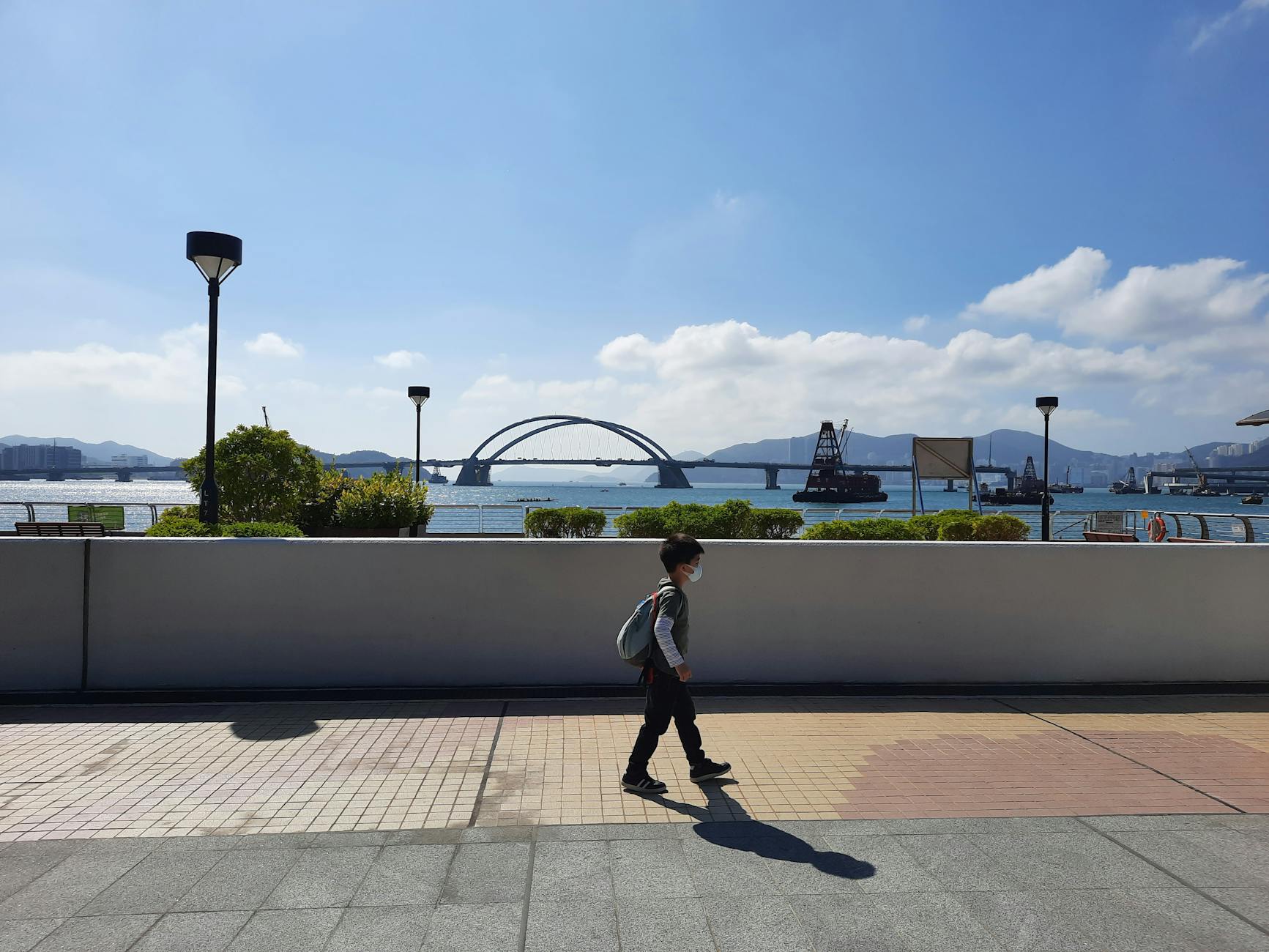
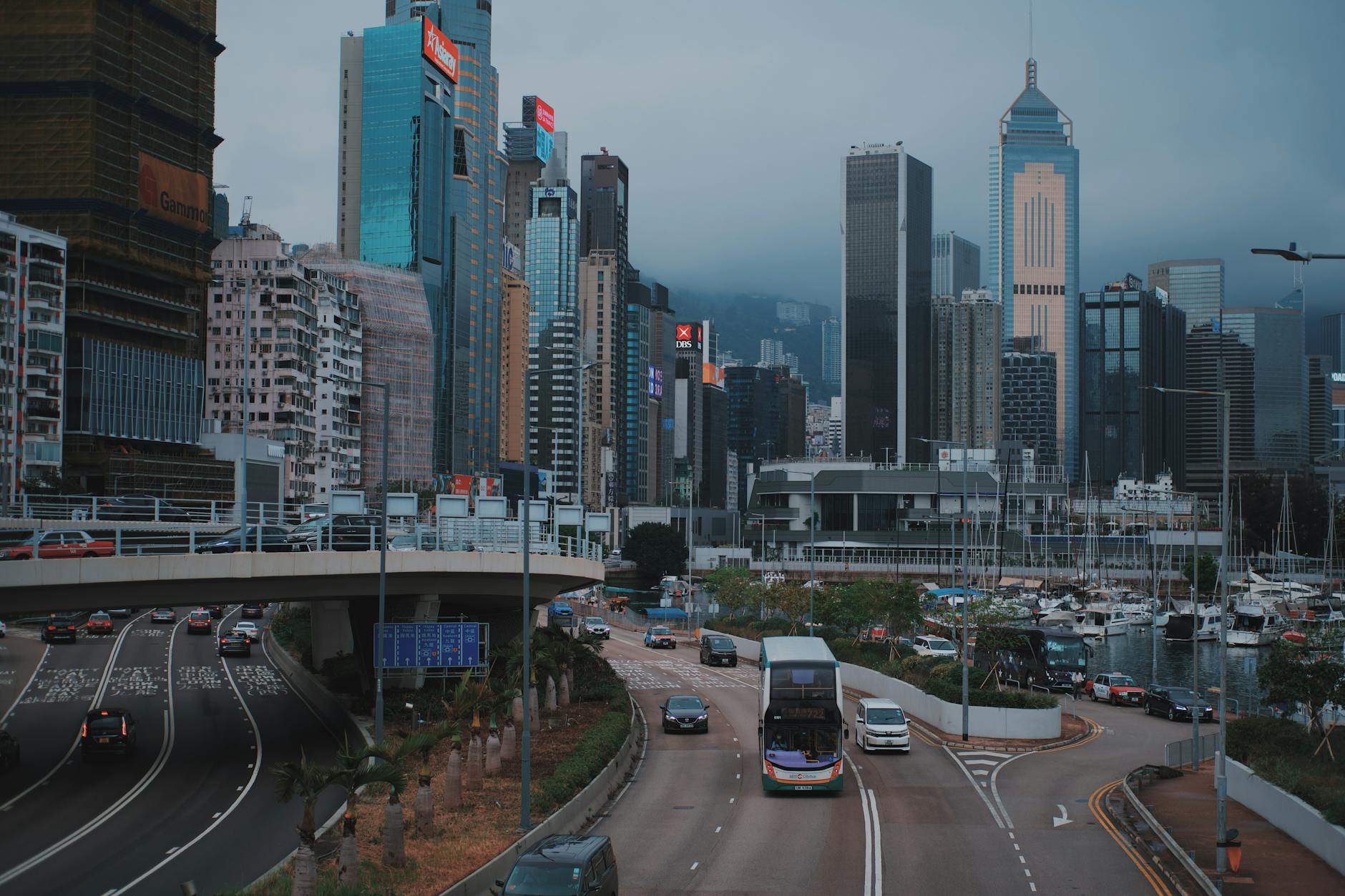
Tsim Sha Tsui is useful for students because MTR, ferry, buses, and walking routes can keep movement affordable. The student should still learn station exits, group meeting points, fare payment, ferry timing, and when a taxi is necessary for safety or late returns. A cheap route is not useful if it causes the student to miss a program session.
The student should practice the main route early, especially if the program includes morning sessions. Knowing one reliable route is more important than knowing every possible route.
- Learn MTR exits, fare payment, ferry timing, bus options, and group meeting points.
- Use taxis when late hours, weather, safety, or group rules make transit unsuitable.
- Practice the main route before relying on it for an early program session.
Plan food and spending realistically
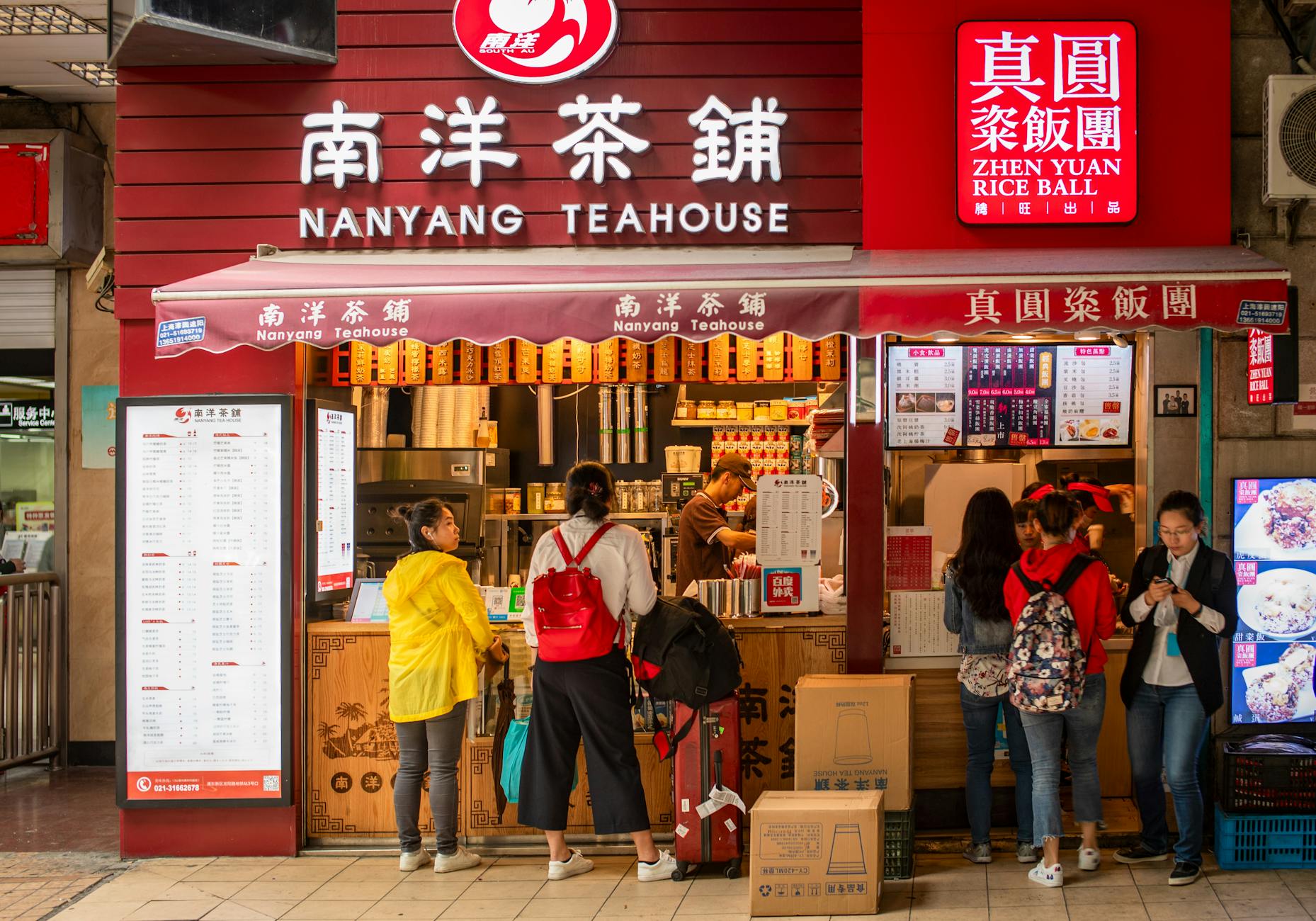
Students can spend quickly in Tsim Sha Tsui if every meal becomes a mall meal, cafe stop, or group impulse. The student should identify affordable meals near lodging, program sites, the waterfront, and transit points. Bakeries, casual restaurants, food courts, convenience stores, and simple local meals can all help keep the budget stable.
The student should also plan for water, snacks, mobile data, laundry, transit, museum fees, and small purchases. Budget trouble often comes from many small costs rather than one large one.
- Preselect affordable meals near lodging, program sites, transit, and waterfront routes.
- Budget for water, snacks, data, laundry, transit, museum fees, and small purchases.
- Avoid letting group impulse spending decide every meal and activity.
Use free time with boundaries
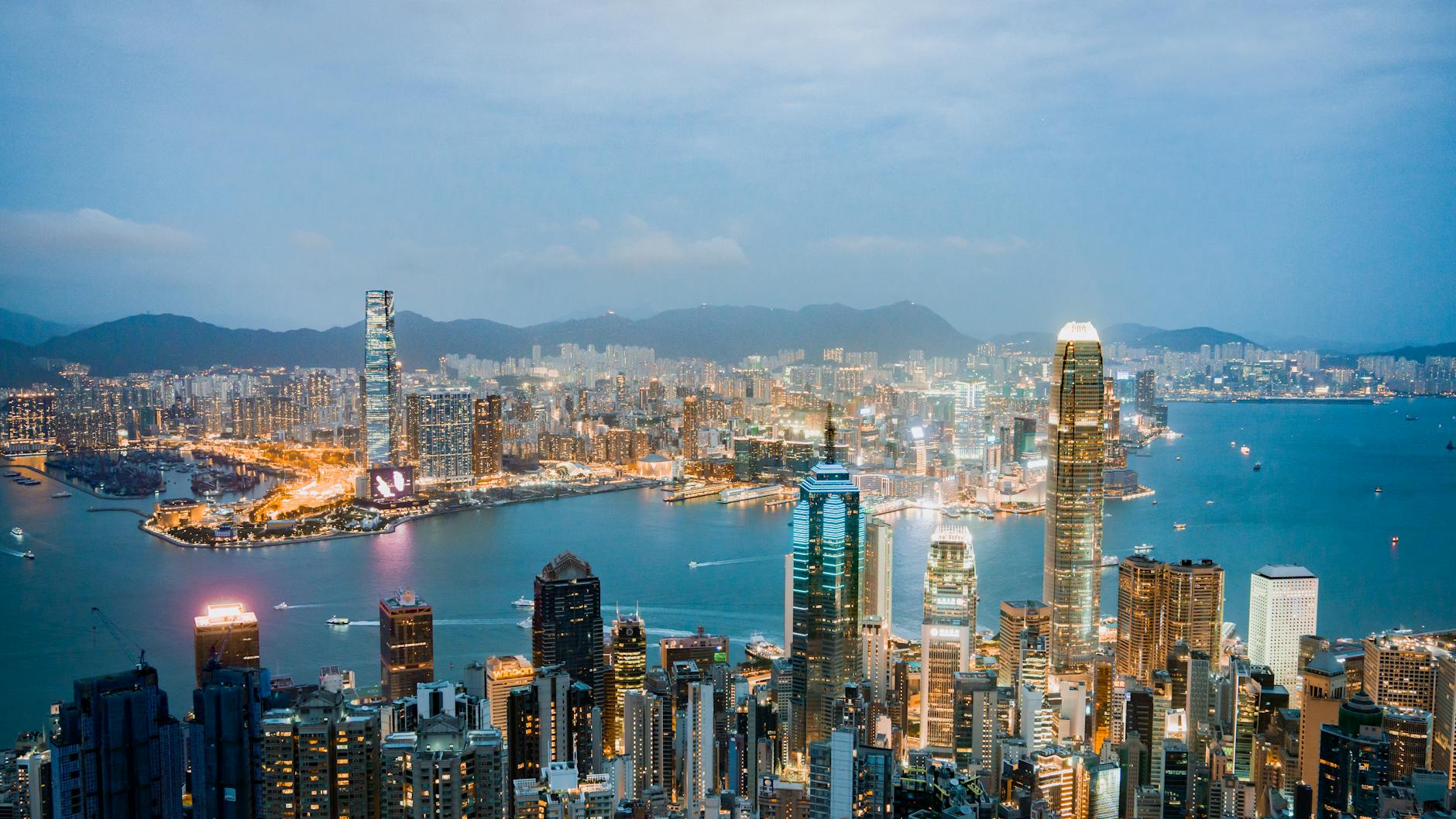
Tsim Sha Tsui gives students many easy free-time options: harbor walks, Star Ferry rides, museums, shopping streets, skyline photos, casual meals, and nearby parks or cultural spaces. The issue is not finding something to do. The issue is using free time without missing group expectations or draining energy before required sessions.
The student should choose free-time blocks that are close, affordable, and easy to exit. If the program is academically demanding, study time and sleep need to be part of the plan.
- Use free time for harbor walks, ferry rides, museums, casual meals, shopping, and skyline views.
- Stay near the base when group check-ins, curfew, or early sessions are approaching.
- Protect study time and sleep when the program has academic requirements.
Plan for weather, crowds, and group movement
Student groups can move slowly through Tsim Sha Tsui because of crowded sidewalks, station exits, waterfront congestion, heat, rain, and photo stops. The student should carry water, a compact umbrella, a light layer, battery backup, program contact details, and enough payment flexibility for transit or food.
Group movement also needs meeting points and separation rules. A simple plan for what to do if someone gets separated or delayed is more useful than trying to solve the problem in a crowd.
- Plan for crowds, heat, rain, cold interiors, waterfront congestion, station exits, and photo stops.
- Carry water, umbrella, light layer, battery backup, program contacts, and payment backup.
- Use clear meeting points and separation rules for group movement.
When to order a short-term travel report
A student on a fully hosted short program may not need a custom Tsim Sha Tsui report if lodging, meals, and transport are already arranged. A report becomes useful when the student or family is choosing lodging, arranging arrival, planning independent free time, managing budget, navigating safety rules, or extending the trip before or after the program.
The report should test lodging, arrival route, program geography, MTR and ferry use, meals, budget, safety, weather, study blocks, free-time options, and what to cut. The value is a student stay that supports learning without turning every off-program hour into guesswork.
- Order when lodging, arrival, independent time, budget, safety, or extension planning needs testing.
- Provide dates, program sites, lodging options, rules, budget, interests, constraints, and flight times.
- Use the report to make the short program easier, safer, and more useful.