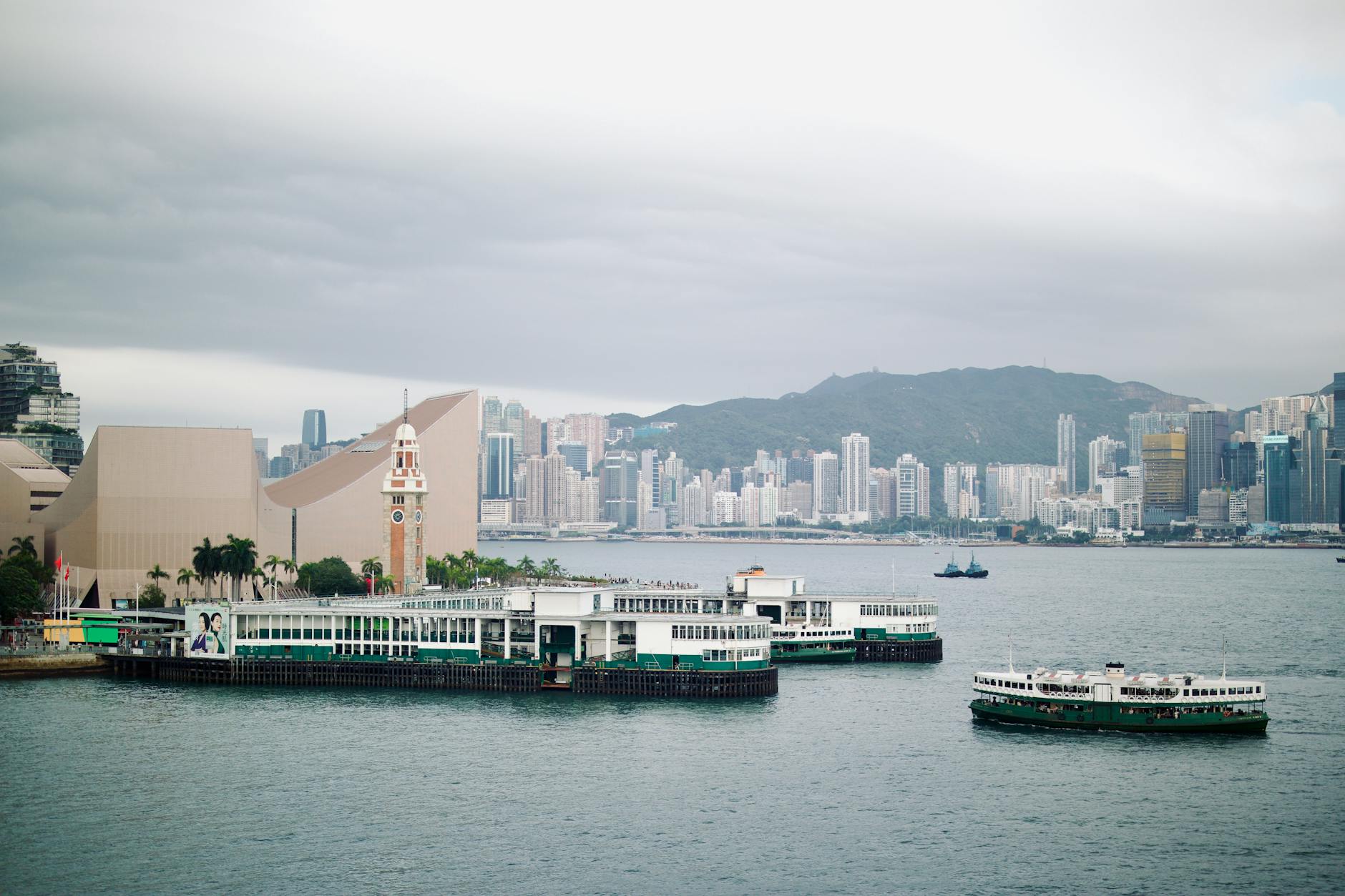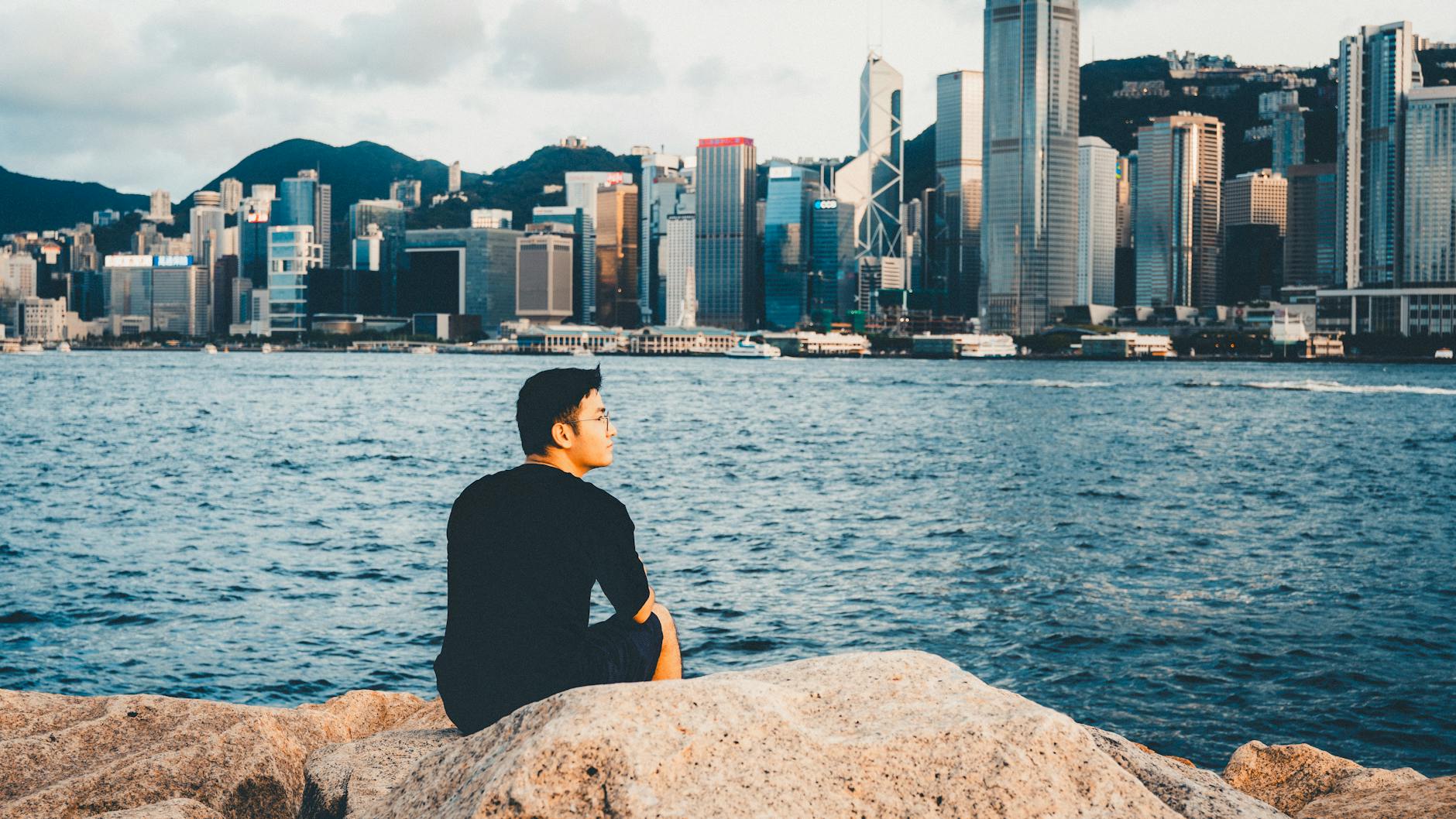
Tsim Sha Tsui can be a practical solo base because it gives one traveler a strong arrival point: harbor views, MTR access, ferry crossings, museums, restaurants, shopping, hotels, and evening activity are close together. It is also a district where crowds, late-night streets, confusing exits, and decision fatigue can make a short solo stay feel more tiring than expected. A solo trip should be built around confidence and flexibility. The traveler should know how to arrive, how to return at night, where to eat without overthinking, which sights are worth doing alone, and when to choose taxis, ferries, or MTR for comfort rather than only speed.
Choose a base that makes solo movement simple
Solo travelers should choose a Tsim Sha Tsui hotel by access and return comfort. A good base should make airport arrival, MTR use, ferry access, meals, and late returns straightforward. Entrance placement, elevator access, taxi pickup, lobby staffing, street lighting, and the final block back to the hotel all matter more when there is no companion to help make decisions.
The traveler should compare hotel options against the actual moments that create stress: late arrival, rain, bags, tired evenings, and confusing station exits. A slightly more expensive hotel can be worth it if it reduces friction every day.
- Check hotel entrance, MTR exits, taxi access, lobby staffing, lighting, lifts, and late returns.
- Compare hotels by arrival, rain, luggage, tired evenings, and route simplicity.
- Choose a base that keeps solo decisions easy at the end of the day.
Plan arrival and first evening before landing
A solo arrival should be deliberately simple. The traveler should know whether to use Airport Express, taxi, MTR transfer, or a hotel car, and should have the hotel address, payment method, phone data, and backup route ready before leaving the airport. Tsim Sha Tsui is manageable, but arrival with bags can still feel disorienting.
The first evening should not require solving the whole city. A good solo plan might include check-in, a nearby meal, a short waterfront orientation, and an early return. That gives the traveler confidence without creating unnecessary exposure or fatigue.
- Choose the airport route, hotel address, data plan, payment method, and backup option before landing.
- Keep the first evening near the hotel with a simple meal and orientation walk.
- Avoid making the arrival day depend on complicated transfers or distant reservations.
Use personal safety as a planning filter
Solo travel in Tsim Sha Tsui can be comfortable, but the traveler should still plan around practical safety. That means knowing late-night routes, avoiding unnecessary detours with a low phone battery, keeping valuables controlled in dense areas, using taxis when tired, and choosing restaurants or bars with an easy return path.
The goal is not to make the trip timid. It is to remove avoidable friction. A solo traveler can enjoy the waterfront, ferry, museums, shopping, and evening skyline more fully when the return plan is already clear.
- Know late-night routes, taxi points, hotel return paths, battery backup, and payment options.
- Control valuables in dense streets, malls, stations, and waterfront crowds.
- Choose evening plans with a simple, well-lit return route.
Make eating alone easy
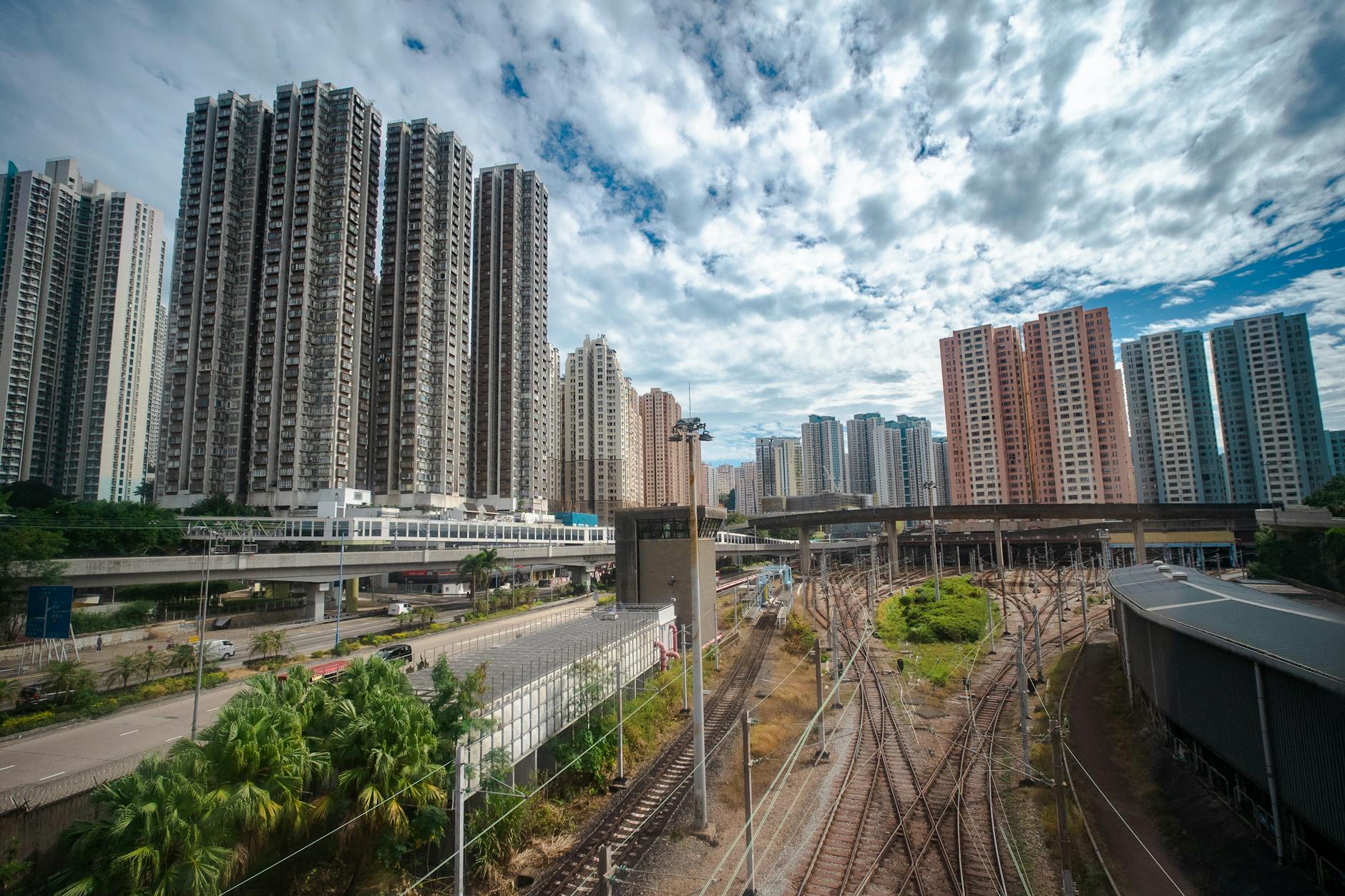
Tsim Sha Tsui has many meal options for a solo traveler, but choice can become tiring. The traveler should identify a few comfortable solo meals near the hotel, one or two special meals that are worth reserving, and fallback options for late arrival, rain, or low energy. Counter seating, casual restaurants, hotel dining, food courts, cafes, and early dinners can all work.
Solo dining should support the trip rather than become a daily negotiation. The traveler should also consider dietary needs, payment, queues, noise, and whether a meal location makes the next move easier or harder.
- Preselect hotel-area meals, casual solo options, one special meal, and late-arrival fallbacks.
- Check counter seating, queues, noise, dietary fit, payment, and return route.
- Use meals to anchor the day instead of making every evening an open question.
Balance solo freedom with route discipline
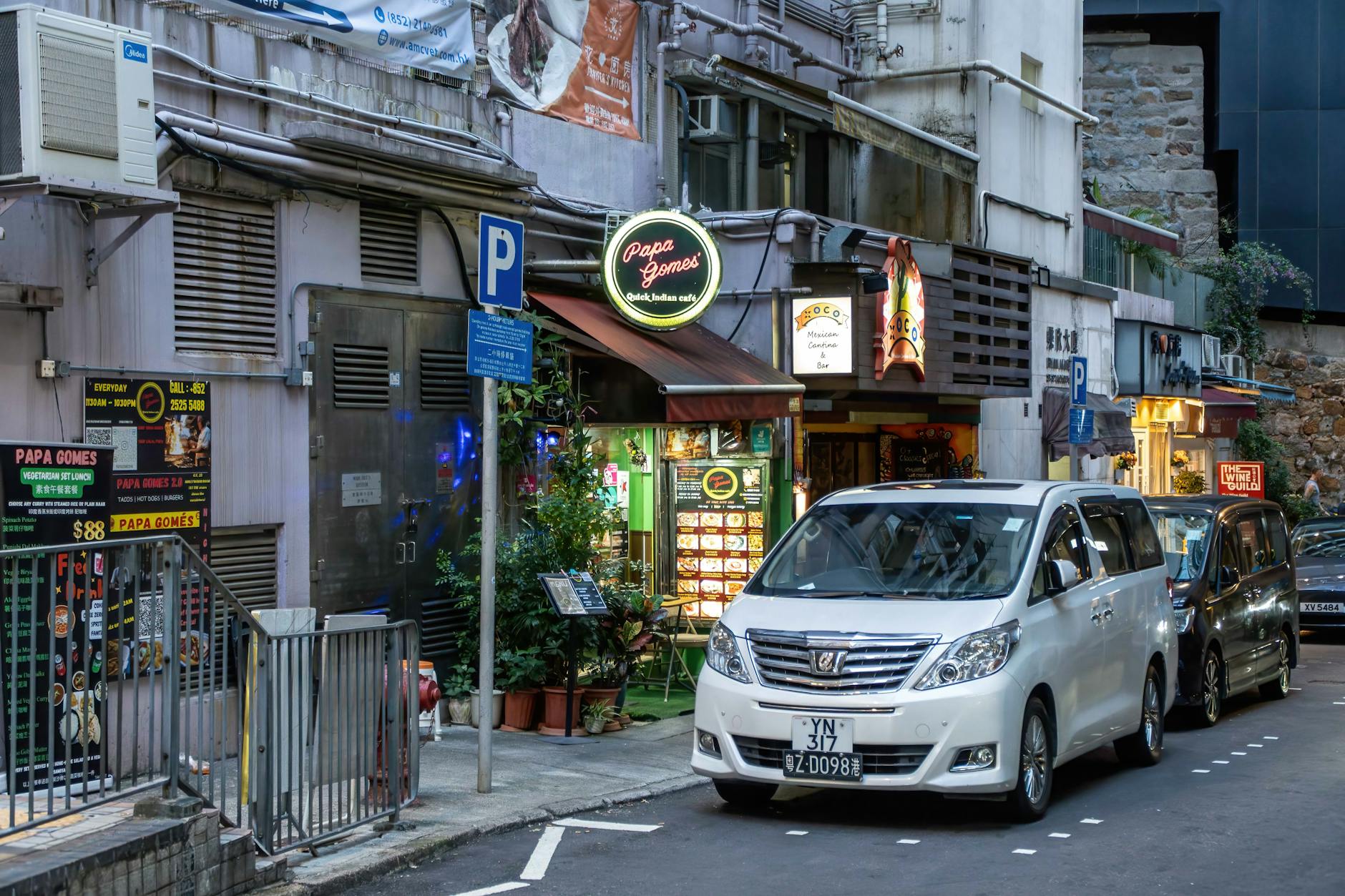
A solo traveler can move quickly through Tsim Sha Tsui because there are fewer group compromises. That freedom is useful, but it can also create a day of constant pivots. The traveler should set a few anchors, such as a museum, ferry crossing, harbor walk, meal, or Hong Kong Island outing, then leave flexible space around them.
The best solo plans often include one main activity per half day and a clear fallback. That keeps the traveler from overusing energy on transit, mall detours, or repeated cross-harbor decisions.
- Set a few anchors, then leave flexible space around them.
- Use one main activity per half day for better pacing.
- Avoid repeated cross-harbor moves unless they serve a clear purpose.
Plan evening activity with an exit strategy
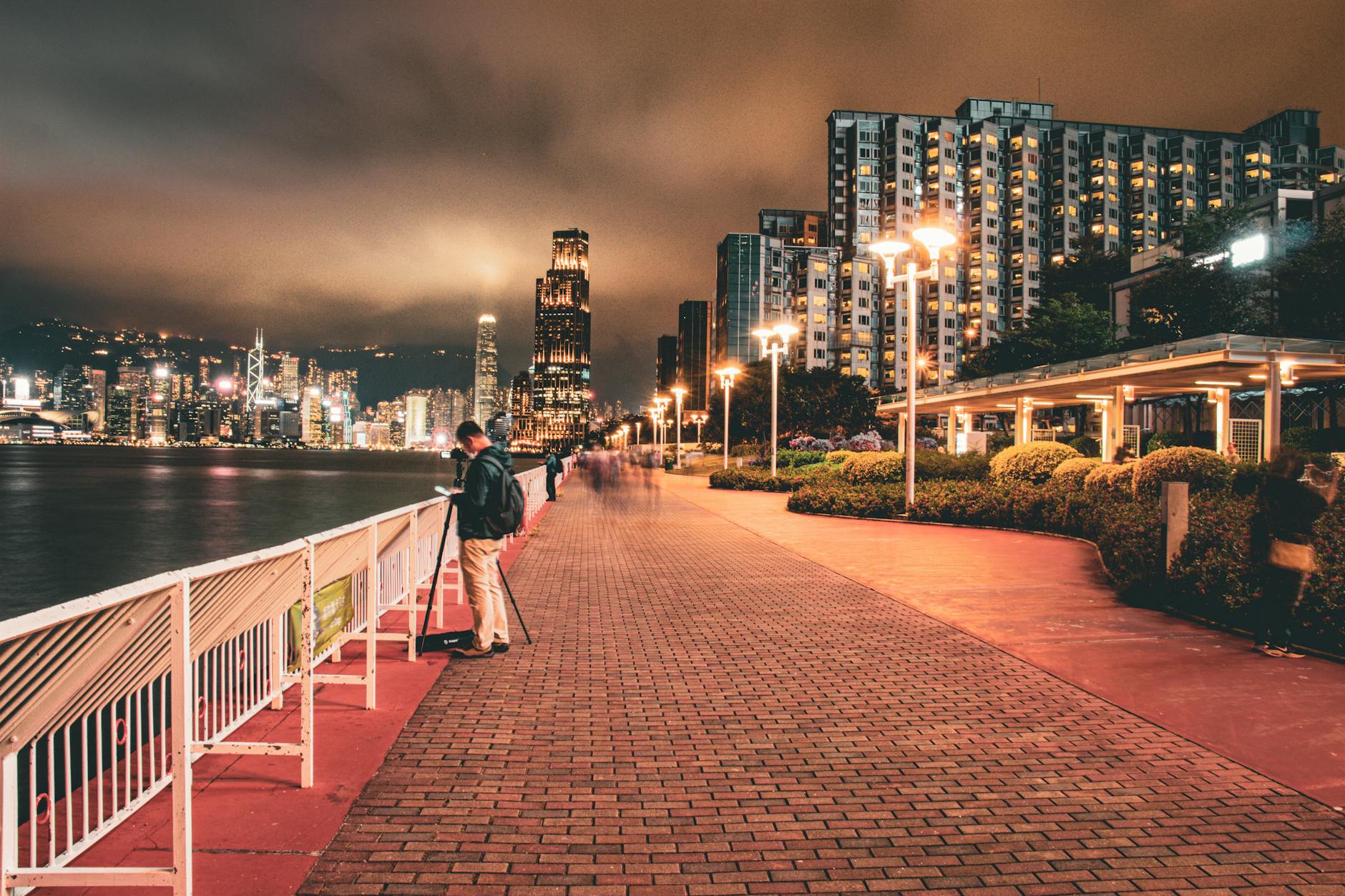
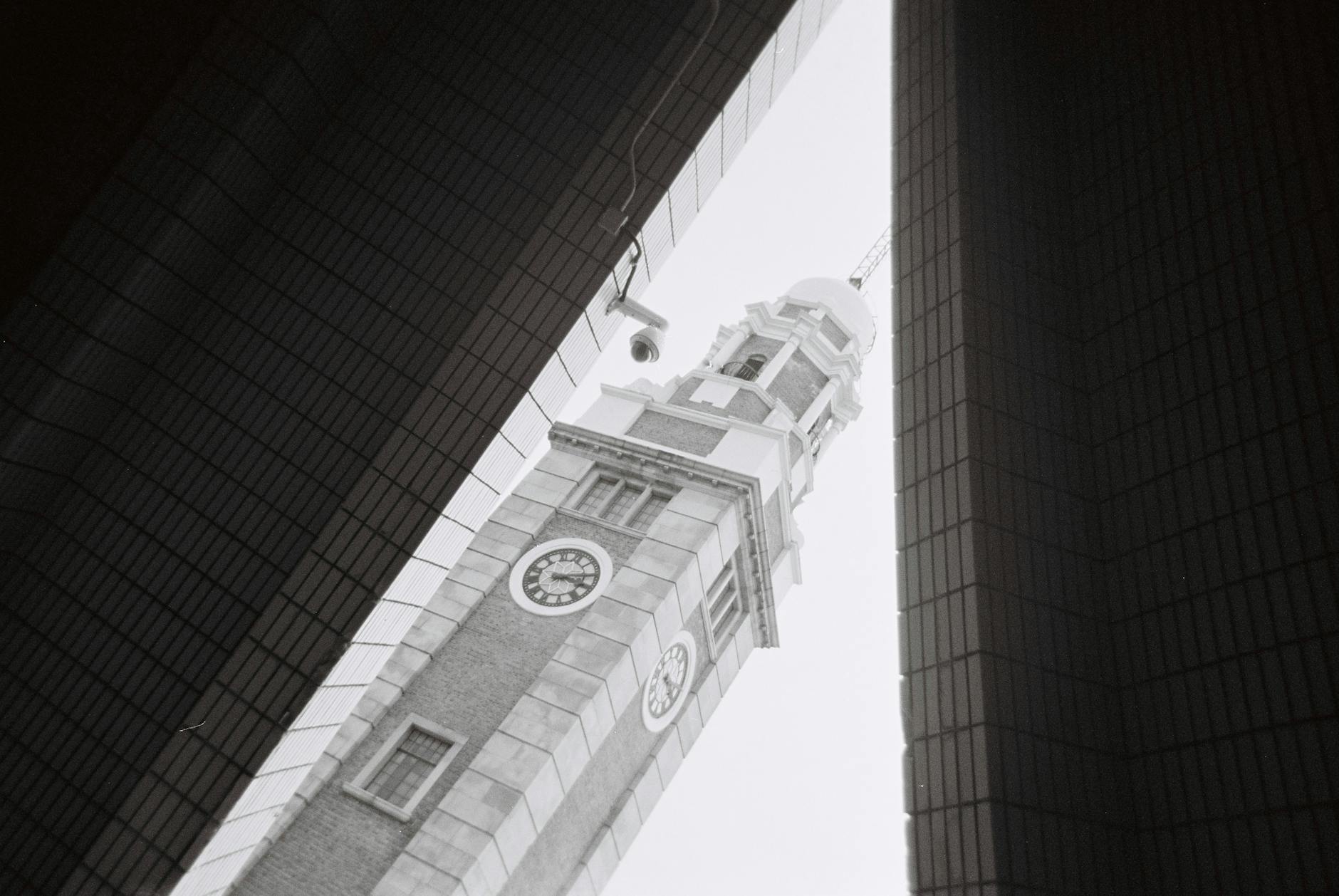
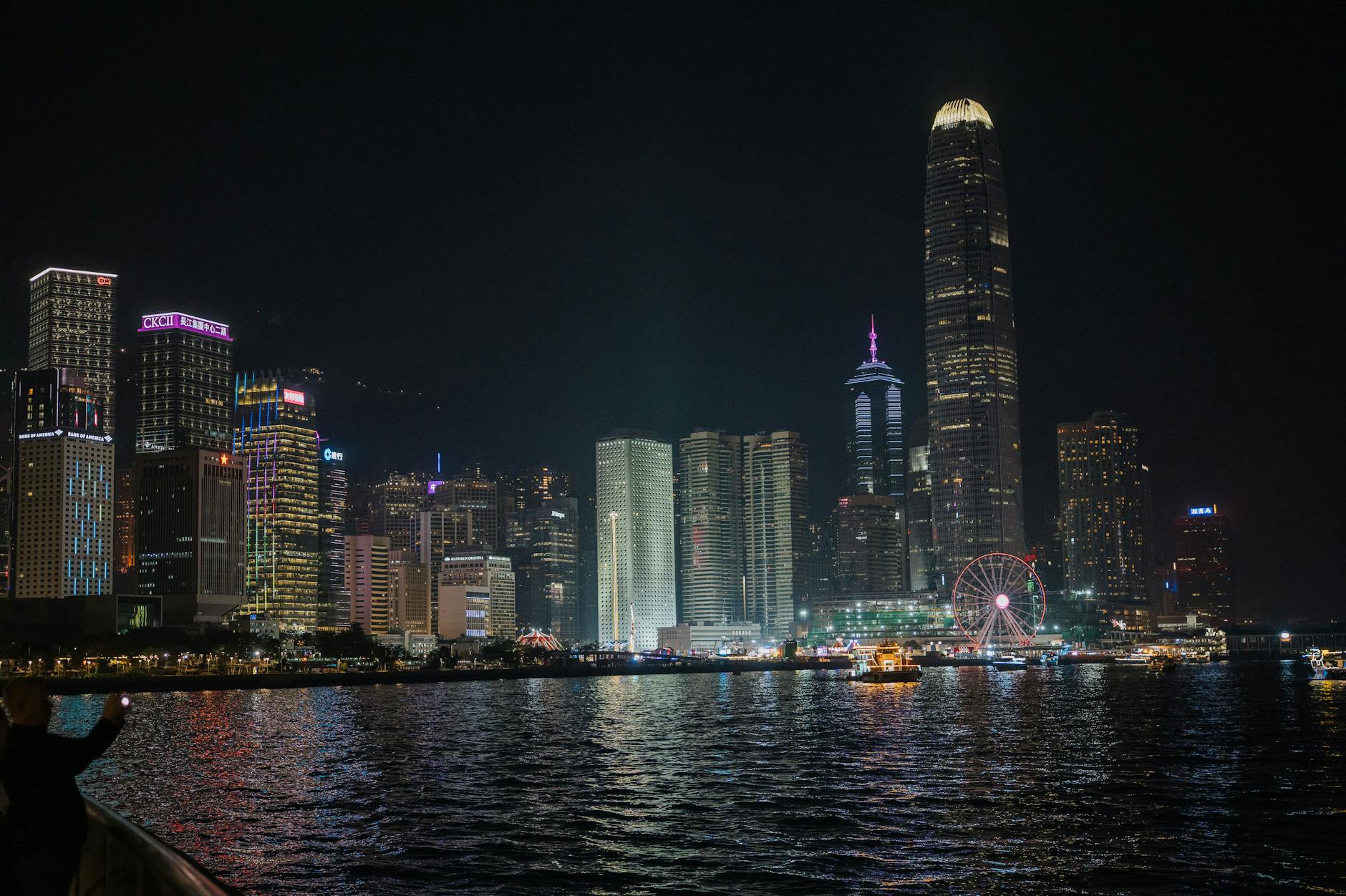
Tsim Sha Tsui evenings can be rewarding for a solo traveler because the skyline, waterfront, bars, hotel lounges, night photography, and late meals are accessible. They can also become crowded and tiring. The traveler should decide in advance which evenings are for a view, which are for rest, and when a taxi is worth using.
A clear exit strategy matters more than an ambitious evening list. If the traveler knows when to leave, how to get back, and what to do if rain or crowds increase, the evening can stay enjoyable instead of becoming a problem to solve.
- Choose specific evenings for skyline views, meals, lounges, photography, or rest.
- Know when to leave, where to get a taxi, and how to return if weather changes.
- Keep phone battery, hotel address, and payment backup available after dark.
When to order a short-term travel report
A solo traveler with flexible time, strong city confidence, and a clear hotel choice may not need a custom Tsim Sha Tsui report. A report becomes useful when the stay is short, arrival is late, the traveler is choosing between districts, personal safety planning matters, meals for one are a concern, or the itinerary needs to balance independence with fewer avoidable mistakes.
The report should test hotel access, airport transfer, first evening, solo meal options, MTR and ferry routes, nighttime returns, weather, sights, rest blocks, budget, and what to cut. The value is a solo Tsim Sha Tsui stay that feels confident without requiring constant improvisation.
- Order when arrival, hotel choice, solo meals, evening safety, or route design needs testing.
- Provide dates, flight times, hotel options, comfort level, interests, constraints, and budget.
- Use the report to make solo movement confident, efficient, and flexible.