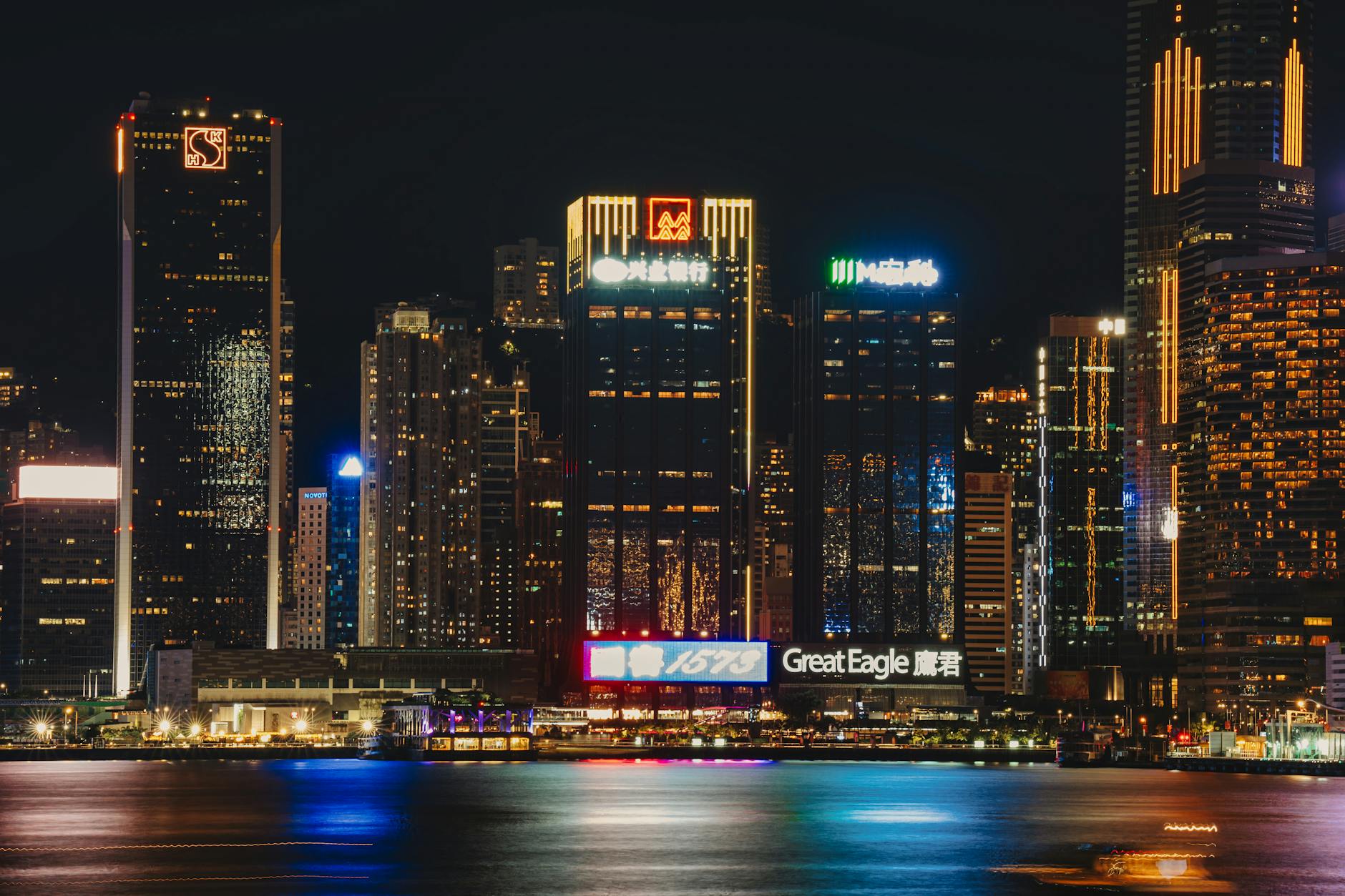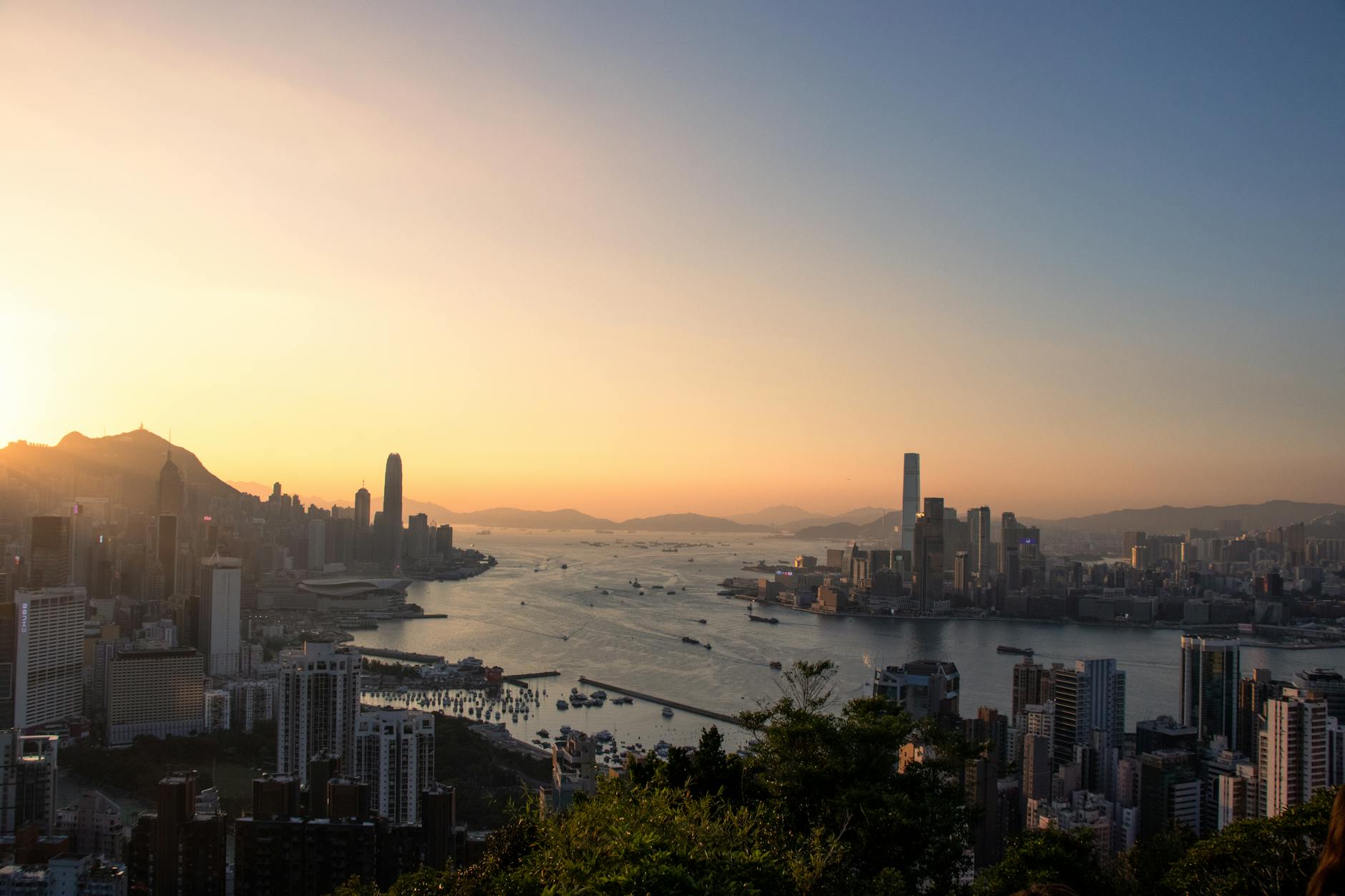
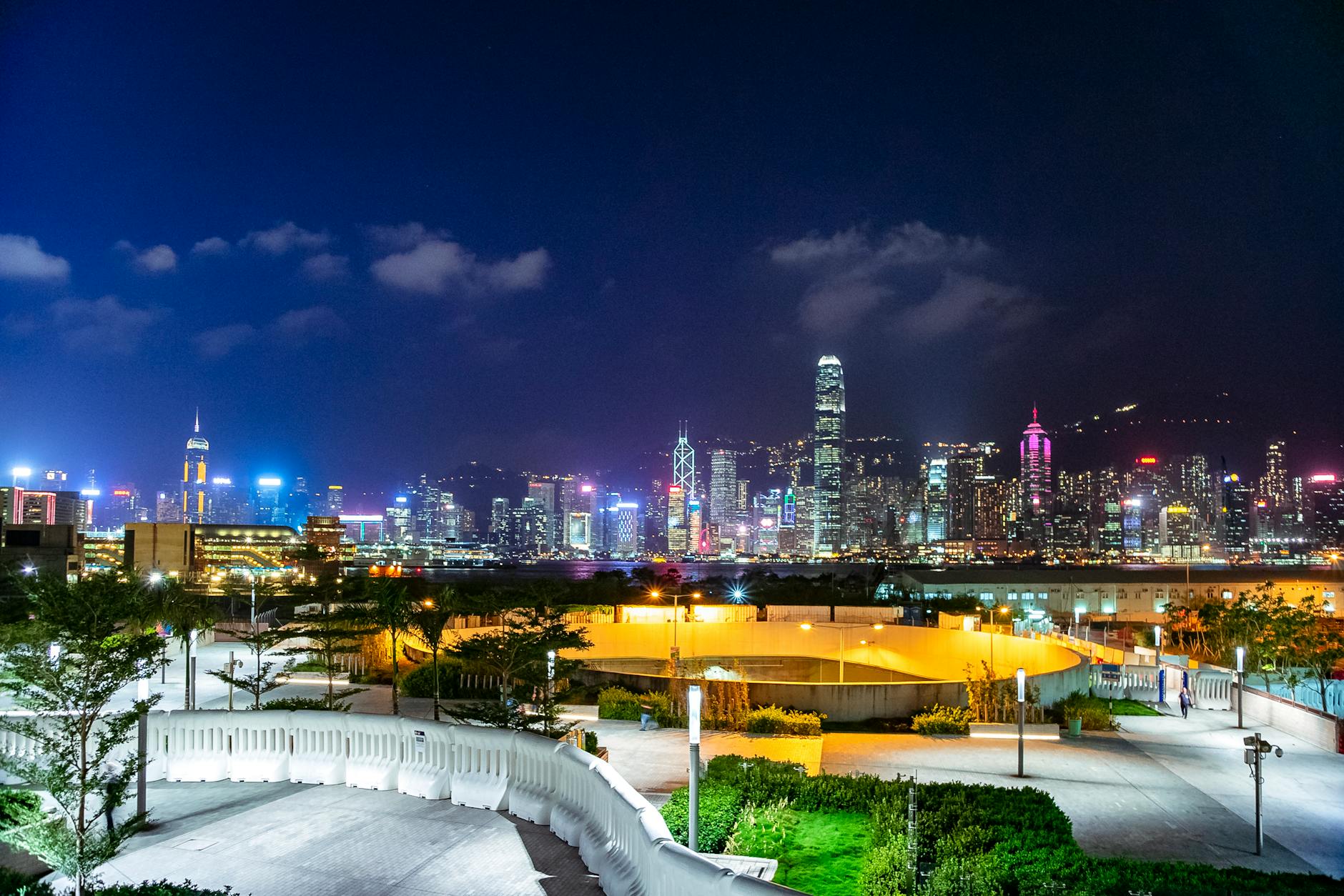
Tsim Sha Tsui can work well for a sales traveler when the trip involves Kowloon prospects, hospitality clients, retail groups, sourcing contacts, waterfront hotels, conference-adjacent meetings, or buyer dinners. It can also waste time if the traveler books for view or rate without testing how each prospect meeting will actually be reached. A short sales trip should protect punctuality, preparedness, follow-up, and relationship quality. The traveler should know where to stay, how to cross the harbor, when to use taxis, where to host clients, and how to keep enough energy for the meetings that create revenue.
Map prospects before choosing the base
A sales traveler should start with the actual prospect map. Tsim Sha Tsui may be ideal for Kowloon hotels, retail buyers, hospitality groups, sourcing contacts, or meetings near the waterfront. It may be less efficient if the strongest prospects are in Central, Admiralty, Quarry Bay, or the New Territories.
The traveler should map each prospect, dinner, hotel, airport transfer, and follow-up work block before choosing a base. The right Tsim Sha Tsui hotel is the one that makes the highest-value meetings easier, not merely the one with the best view.
- Map prospects, dinners, hotel, airport timing, and follow-up work before booking.
- Choose Tsim Sha Tsui when Kowloon access, hospitality clients, or waterfront hosting supports the trip.
- Do not let a scenic base create avoidable cross-harbor friction.
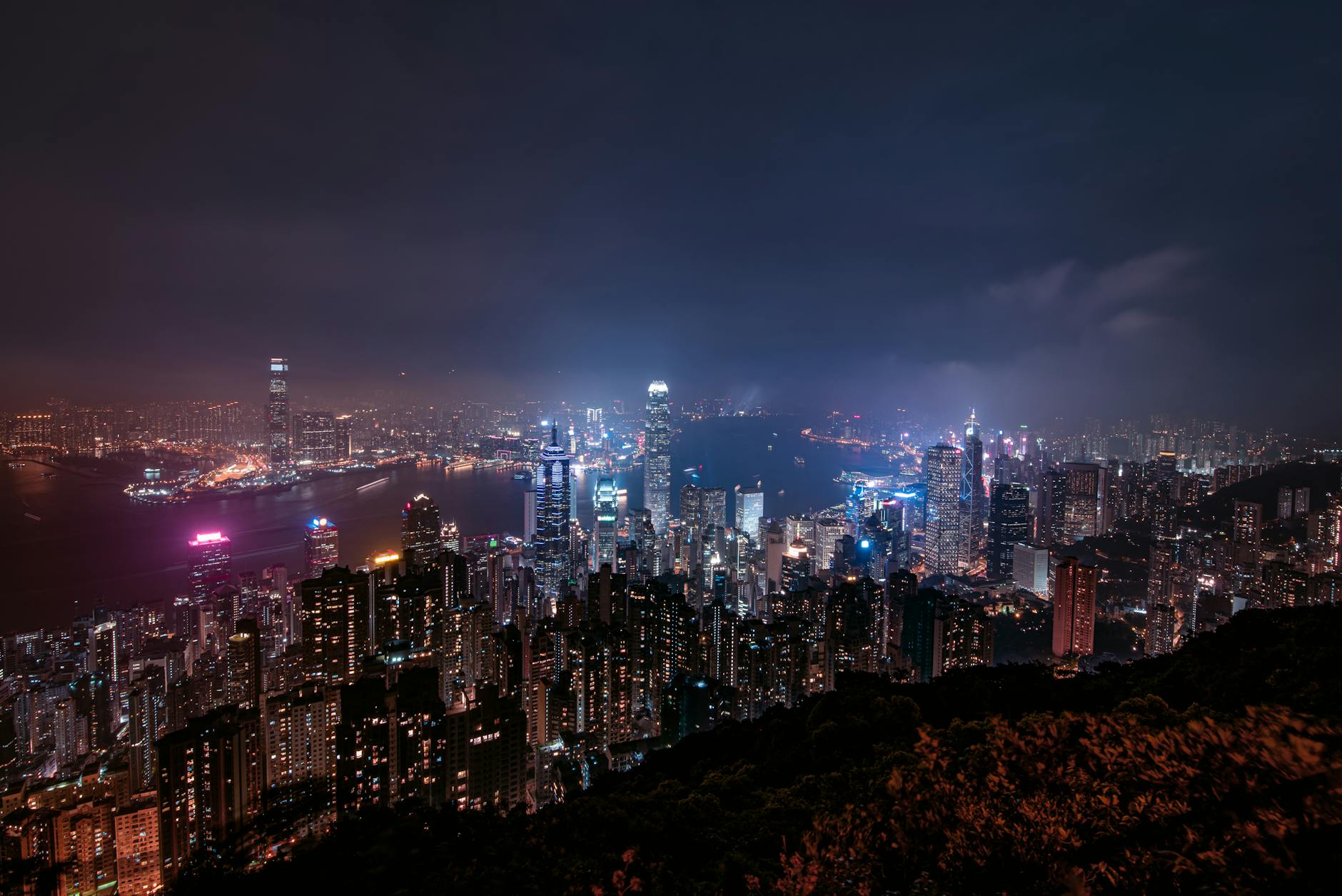
Choose a hotel that supports sales work
Sales travelers need a hotel that supports preparation and recovery. Desk space, Wi-Fi, quiet rooms, breakfast speed, laundry, ironing, taxi access, MTR exits, lobby crowding, and the ability to take calls privately all matter during a short trip. If the traveler is carrying samples, decks, or demo equipment, lifts and taxi pickup points become more important.
The hotel should also support quick resets between meetings. A room that makes it easy to change, print, recharge, or update a proposal may be worth more than a cheaper room farther from the day's route.
- Check desk, Wi-Fi, quiet, laundry, ironing, breakfast, taxi access, MTR exits, and private call options.
- Plan around samples, decks, demo equipment, chargers, and quick changes between meetings.
- Choose a hotel that supports preparation as well as sleep.
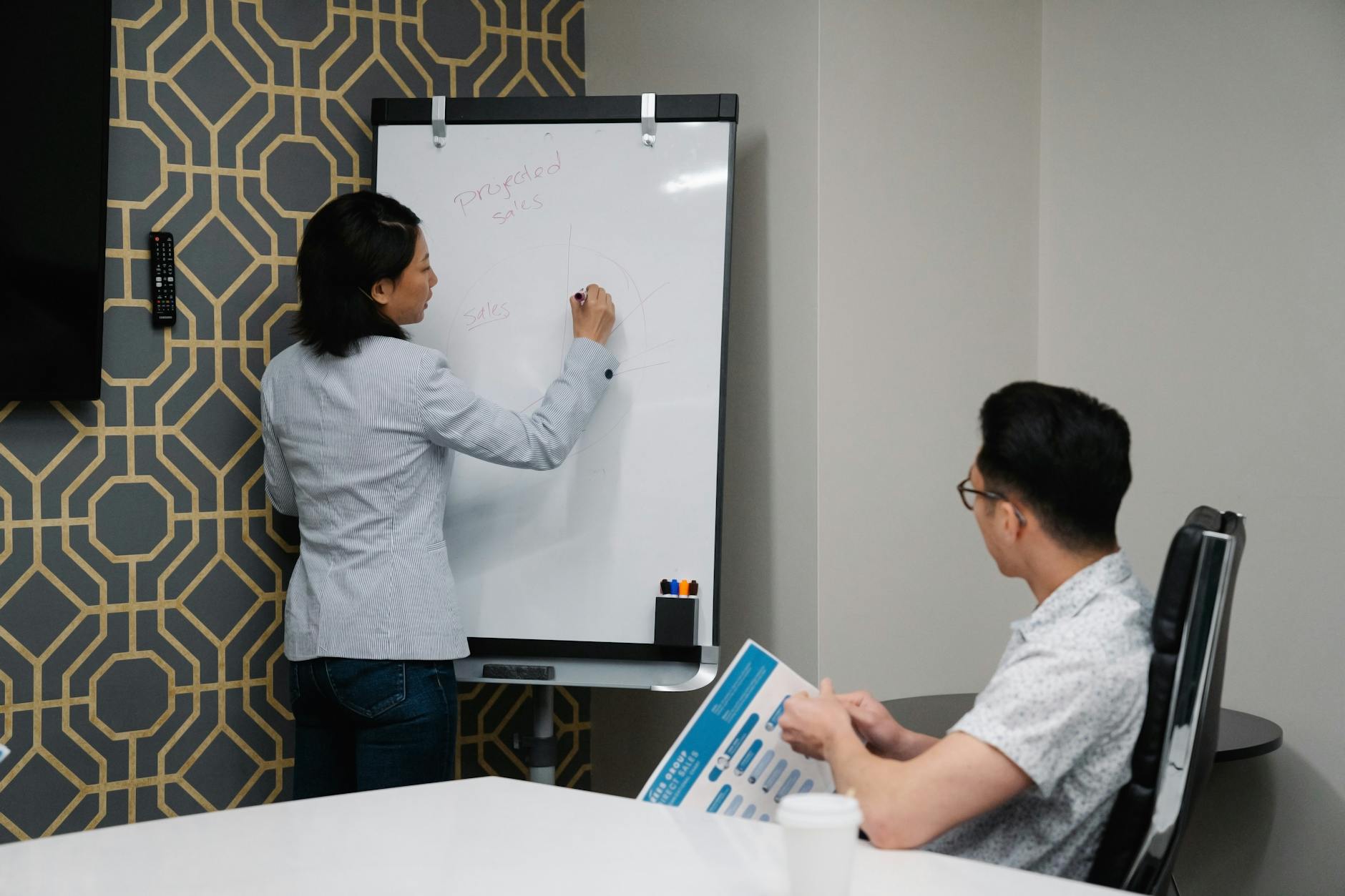
Match transport to meeting stakes
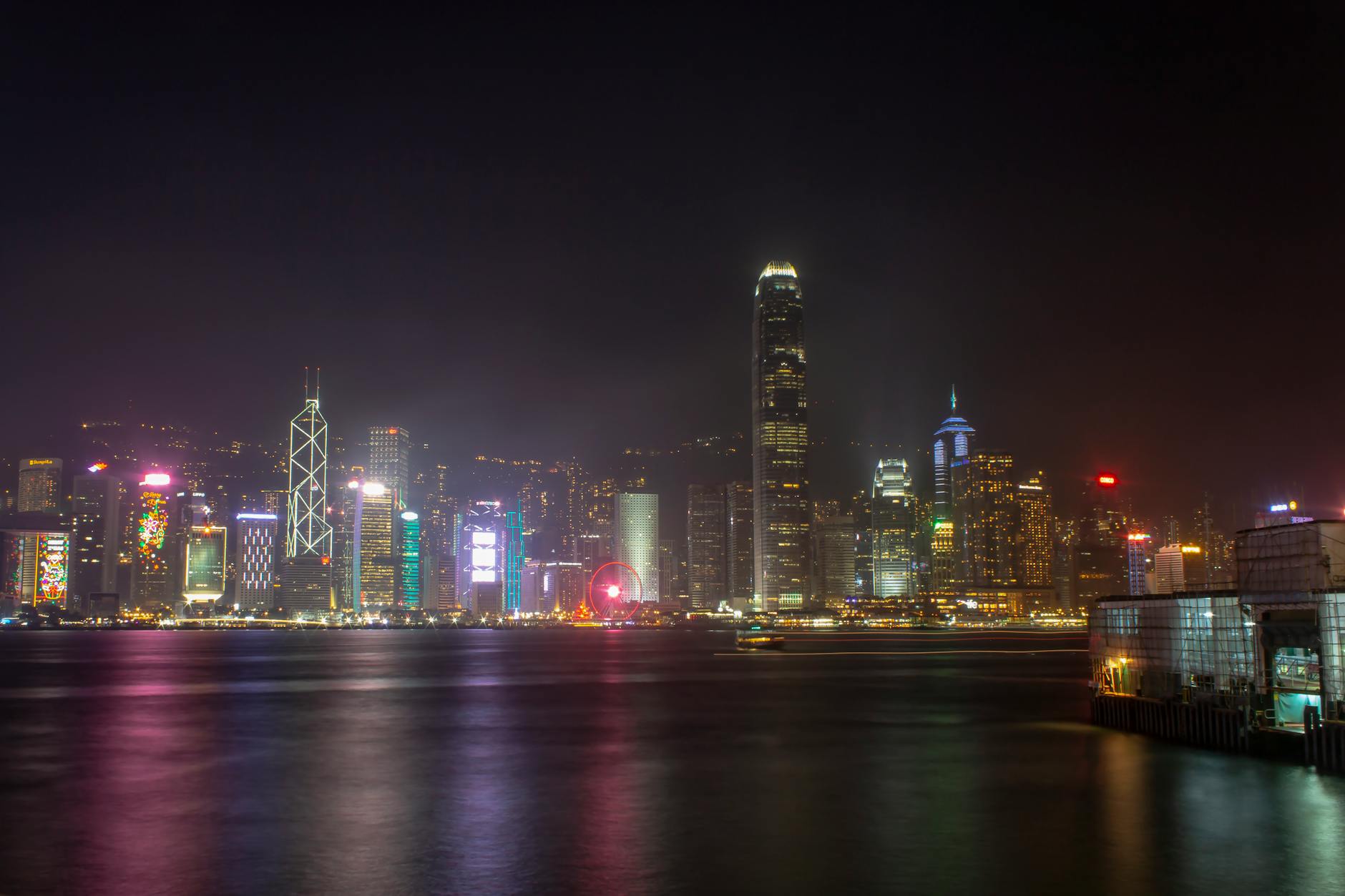
Tsim Sha Tsui gives a sales traveler several movement options, but each meeting should drive the choice. The MTR may be efficient for lower-stakes movement, taxis may be better with formal clothing or materials, the Star Ferry can work for a relaxed cross-harbor transfer, and a car may be useful for senior buyer meetings. Weather and timing can change the decision quickly.
The traveler should build more conservative buffers before demos, procurement conversations, executive introductions, and hosted meals. Losing a few minutes to traffic or station exits is not the same as losing a first impression.
- Choose MTR, taxi, ferry, or car by meeting stakes, clothing, materials, weather, and timing.
- Use conservative buffers before demos, senior meetings, procurement discussions, and hosted meals.
- Check station exits, taxi pickup points, pier distance, and return routes before the day starts.
Protect demos, samples, and follow-up
Sales trips often depend on small operational details: demo device charging, adapters, printed leave-behinds, sample condition, business cards, QR codes, presentation backups, and follow-up notes. Tsim Sha Tsui is convenient, but last-minute errands can still consume the margin needed before a meeting.
The traveler should decide what to carry, what to leave at the hotel, what can be sent digitally, and when follow-up messages will be written. The sale may depend on the hour after the meeting as much as the meeting itself.
- Prepare demo devices, adapters, samples, leave-behinds, cards, QR codes, and backup decks.
- Decide what to carry, store, send digitally, or leave at the hotel.
- Reserve follow-up blocks soon after important meetings while details are fresh.
Use client meals with purpose
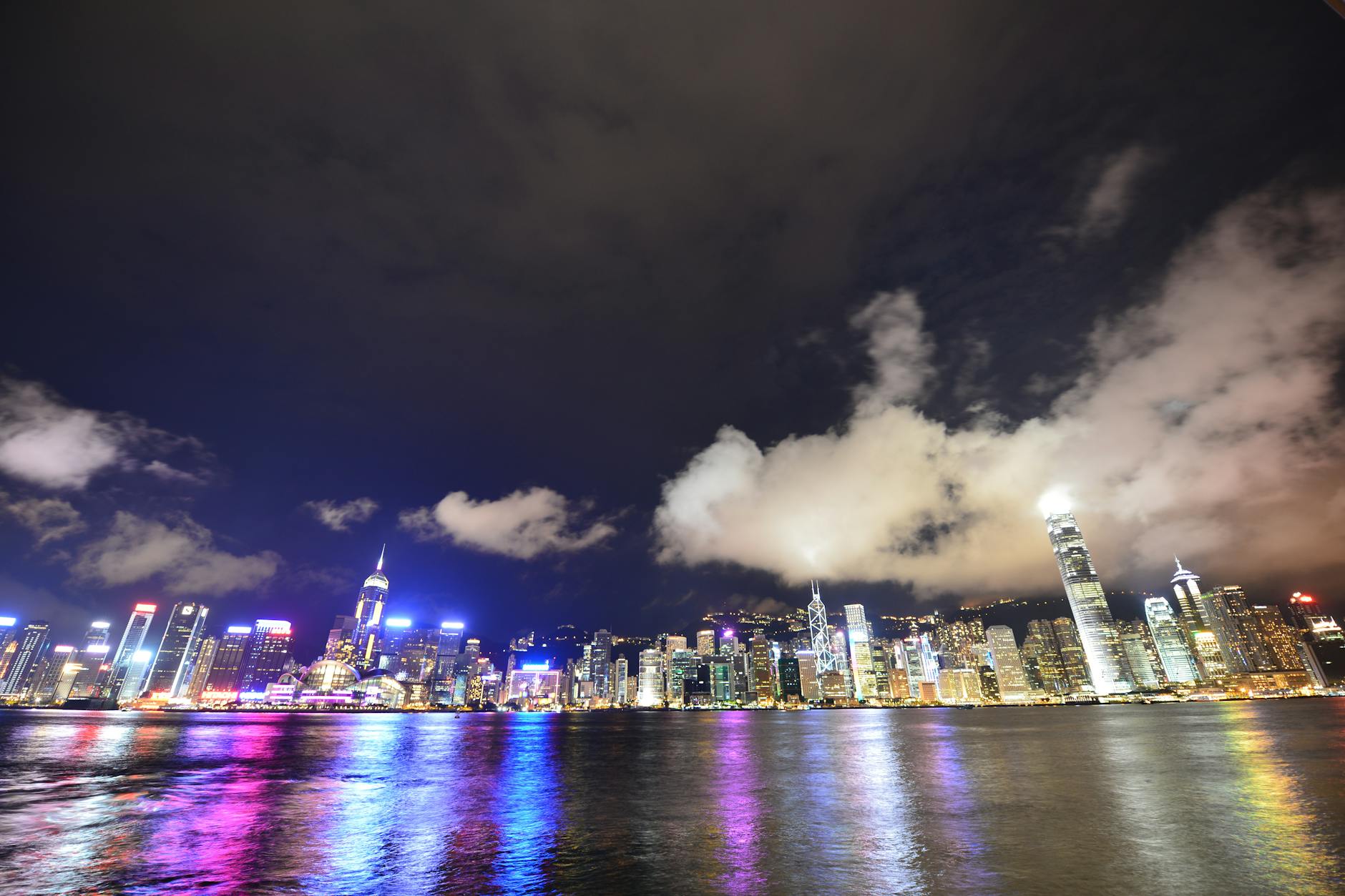
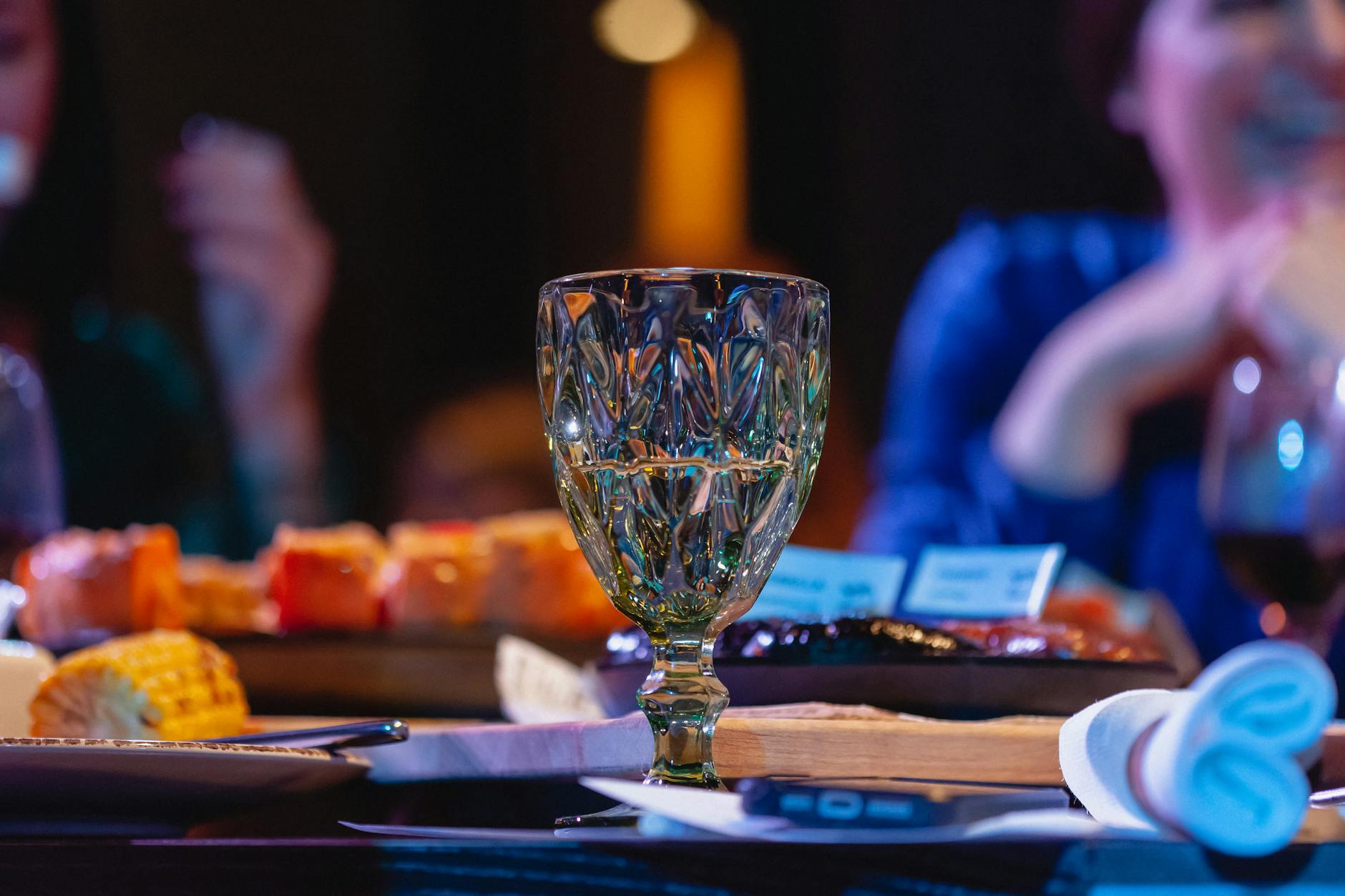
Tsim Sha Tsui is strong for sales meals because it has hotel restaurants, Cantonese dining, private rooms, casual coffee spots, and harbor-view venues. The traveler should choose meals by relationship stage. A prospect discovery coffee, renewal dinner, channel partner meal, and celebratory client dinner need different settings.
The meal should also fit the next move. A beautiful harbor dinner may help a relationship, but it should not weaken the next morning's meeting or leave follow-up work undone.
- Choose meals by relationship stage, privacy, noise, timing, payment, dietary needs, and return route.
- Use hotel restaurants, private rooms, coffee spots, or harbor views according to the sales purpose.
- Protect next-day meetings and follow-up work from overlong dinners.
Plan around weather, clothing, and stamina
Sales travelers in Tsim Sha Tsui may move between humid streets, rainy sidewalks, cold interiors, crowded stations, waterfront wind, and formal meeting rooms. Shoes, jacket, laptop bag, samples, water, and a compact umbrella all affect how professional the traveler feels on arrival.
The schedule should include recovery and appearance checks. A short hotel return, taxi leg, or indoor route can be more valuable than forcing a scenic but sweaty walk before a sales conversation.
- Plan for humidity, rain, cold interiors, waterfront wind, crowded stations, and formal clothing.
- Carry water, umbrella, battery backup, practical shoes, and a manageable work bag.
- Use hotel returns, taxis, or indoor routes before high-value meetings.
When to order a short-term travel report
A sales traveler with one hosted meeting and arranged transport may not need a custom Tsim Sha Tsui report. A report becomes useful when the trip has multiple prospects, cross-harbor movement, samples or demos, client meals, hotel choice uncertainty, late arrival, or tight airport timing.
The report should test prospect geography, hotel fit, meeting timing, transport, demo logistics, meals, weather, recovery, follow-up blocks, budget, and what to cut. The value is a sales trip that protects revenue opportunities instead of letting logistics drain them.
- Order when prospect geography, hotel choice, demos, client meals, or transport needs testing.
- Provide dates, prospect locations, hotel options, meetings, materials, meals, constraints, and budget.
- Use the report to keep the sales trip punctual, prepared, and commercially useful.