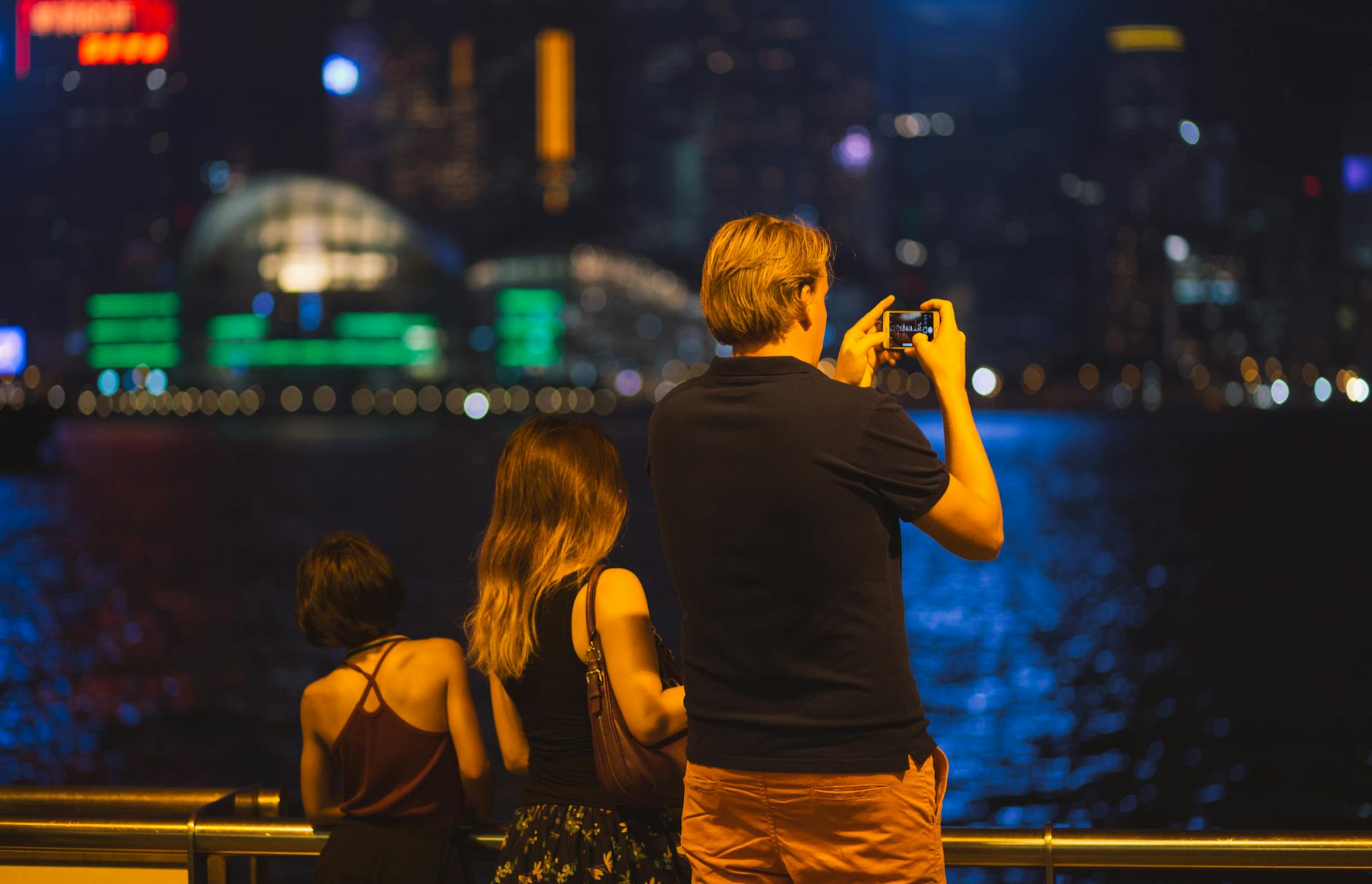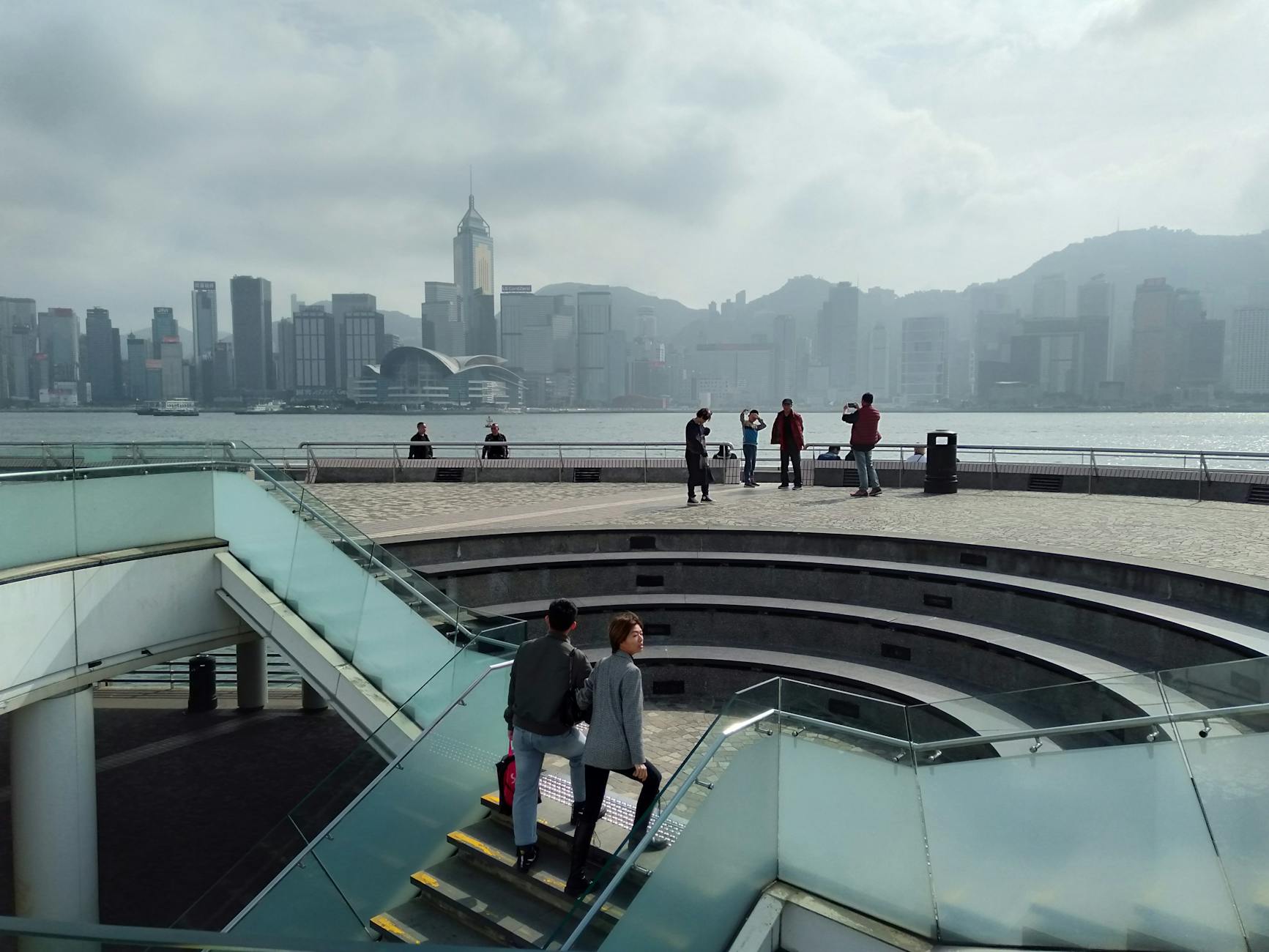
A repeat leisure visitor already knows that Tsim Sha Tsui can deliver the skyline, Star Ferry, waterfront, shopping, and big-name hotels. The better question is how to use the district differently on a return trip. The answer may be a better room category, quieter harbor timing, more deliberate meals, smaller museums, different ferry or MTR routes, or a less obvious balance between Kowloon and Hong Kong Island. A short repeat visit should avoid recreating the first trip unless that is the point. The traveler should decide what deserves repetition, what should be upgraded, and what should be skipped so the stay feels fresh rather than familiar but unfocused.
Decide what should be repeated on purpose
A repeat visitor should not avoid the famous Tsim Sha Tsui experiences automatically. A harbor walk, Star Ferry crossing, skyline view, favorite meal, or familiar hotel can still be valuable. The difference is that repetition should be intentional rather than default.
The traveler should name the experiences that are worth repeating and then leave space for new choices. This prevents the short stay from becoming either a duplicate of the first trip or an overcorrection that skips the district's real strengths.
- Choose which harbor, ferry, meal, hotel, or skyline experiences are worth repeating.
- Separate meaningful repetition from default itinerary recycling.
- Leave room for new choices without rejecting what still works.
Upgrade the base intelligently
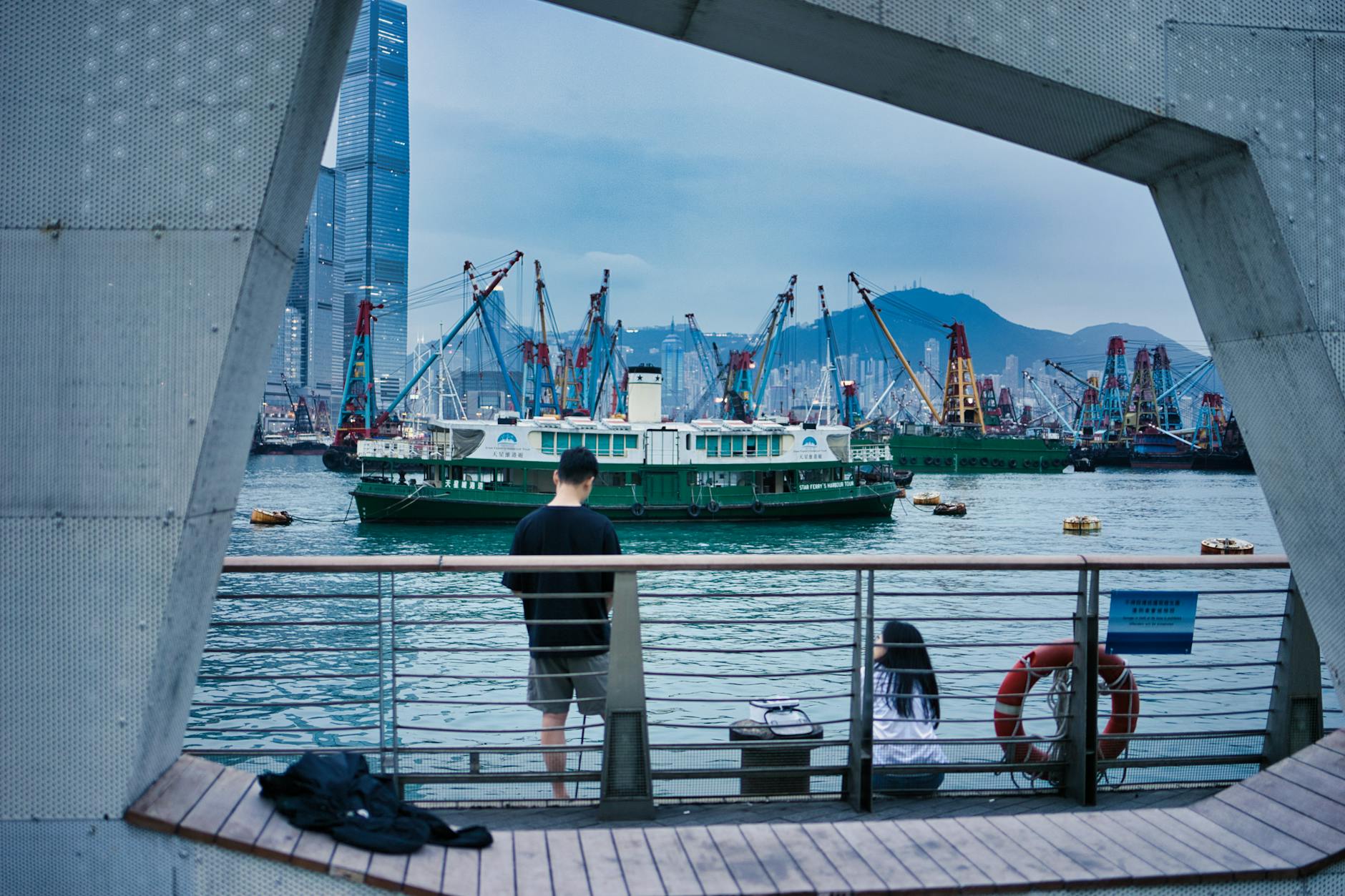
A repeat leisure visitor can make a smarter hotel decision because the first trip revealed what mattered. The traveler may now care more about a specific harbor angle, quieter room, better breakfast, easier MTR access, faster taxi pickup, a stronger lounge, or a hotel closer to preferred meals. The upgrade does not always mean a more expensive property.
The traveler should use past friction to choose the new base. If the first trip involved too much walking, poor sleep, inconvenient station exits, or weak dining access, those problems should drive the second hotel choice.
- Use first-trip friction to choose the next hotel, room type, view, or district edge.
- Check room quiet, breakfast, MTR access, taxis, lounge value, and preferred meal locations.
- Upgrade the base by usefulness, not only by price or reputation.
Go deeper on culture instead of adding distance
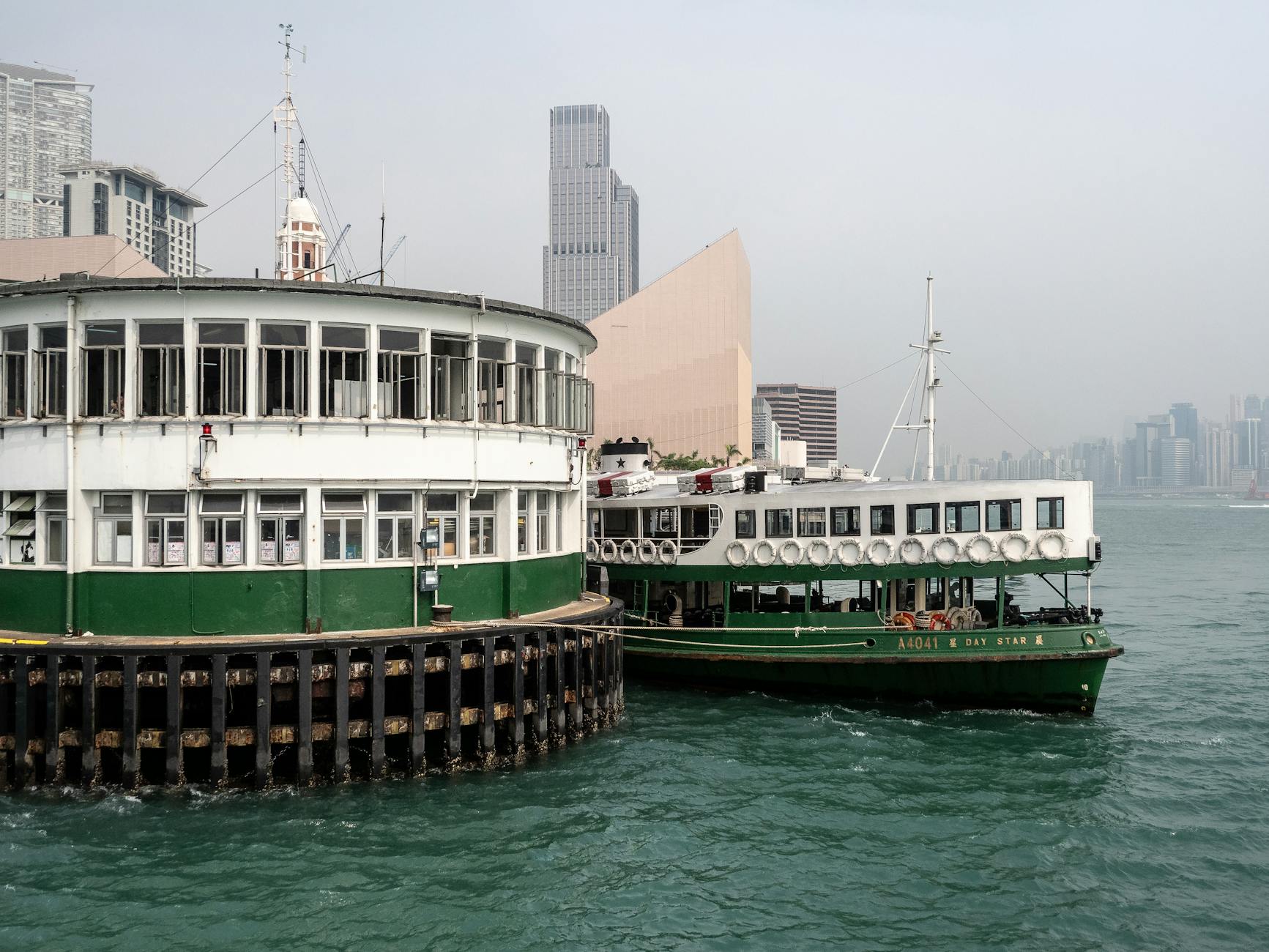
Repeat visitors often feel pressure to keep expanding outward. That can be worthwhile, but a short stay may be better served by going deeper within or near Tsim Sha Tsui. Museums, West Kowloon, smaller exhibits, harbor history, architecture, bookshops, galleries, and slower waterfront time can create a more distinct second trip without complicated transit.
The traveler should decide whether the trip needs new districts or better use of the current base. Depth can be a stronger choice than distance when time is limited.
- Consider museums, exhibits, West Kowloon, architecture, galleries, bookshops, and harbor history.
- Choose depth near the base when time is too short for distant districts.
- Avoid adding travel time just to prove the trip is different.
Make food the main upgrade if it matters
A return trip is a good time to improve the food plan. Instead of relying on convenient mall dining or famous names, the repeat visitor can choose specific Cantonese meals, hotel restaurants, neighborhood spots, private rooms, bakeries, tea, bars, or one cross-harbor meal that justifies the movement. The key is knowing which meals are anchors and which are flexible.
The traveler should also protect recovery. A better food plan should not mean a late formal dinner every night. It should make the trip feel more deliberate and less random.
- Choose specific meals, tea stops, bakeries, hotel dining, bars, or one cross-harbor reservation.
- Separate meal anchors from flexible casual meals near the hotel.
- Use food planning to improve the return trip without overbooking every evening.
Use cross-harbor movement more deliberately
A repeat visitor may know the Star Ferry and MTR, but the second trip should use them with more intention. Some days may call for a ferry crossing because the harbor is part of the experience. Other days may need MTR efficiency, taxis, or staying entirely on the Kowloon side. The route should match the purpose of the outing.
The traveler should avoid crossing the harbor simply because it feels required. Tsim Sha Tsui can be a full leisure base when the day is designed well.
- Choose ferry, MTR, taxi, or staying in Kowloon by the purpose of the day.
- Use cross-harbor movement when it adds experience or efficiency, not out of habit.
- Build at least one day that uses Tsim Sha Tsui without unnecessary crossings.
Control shopping, nightlife, and familiar detours
Repeat visitors can lose time to familiar Tsim Sha Tsui detours: one more mall, one more harbor photo, one more late drink, one more shop that was convenient last time. Those can be enjoyable, but they should not consume the trip by accident. Shopping, nightlife, and strolling need boundaries when the stay is short.
The traveler should decide what counts as a successful return visit. That may be one excellent purchase, one relaxed harbor evening, one new bar, or one quiet morning rather than several loosely connected repeat activities.
- Set boundaries for shopping, nightlife, harbor photos, and familiar mall detours.
- Define what success looks like before the return trip starts.
- Use familiar places selectively so they support the stay rather than absorb it.
When to order a short-term travel report
A repeat leisure visitor who simply wants to revisit favorite places may not need a custom Tsim Sha Tsui report. A report becomes useful when the traveler wants the second or third trip to feel sharper, is choosing between hotel upgrades, wants better meals, needs cross-harbor variety, is traveling with different companions, or wants to avoid repeating old friction.
The report should test hotel fit, what to repeat, what to skip, food priorities, cultural depth, shopping boundaries, ferry and MTR use, weather, rest blocks, budget, and what to cut. The value is a return trip that uses familiarity without becoming stale.
- Order when hotel upgrades, meal priorities, new cultural stops, or repeat-trip focus needs testing.
- Provide prior trip notes, dates, hotel options, favorites, frustrations, companions, and budget.
- Use the report to make the return visit sharper and more intentional.