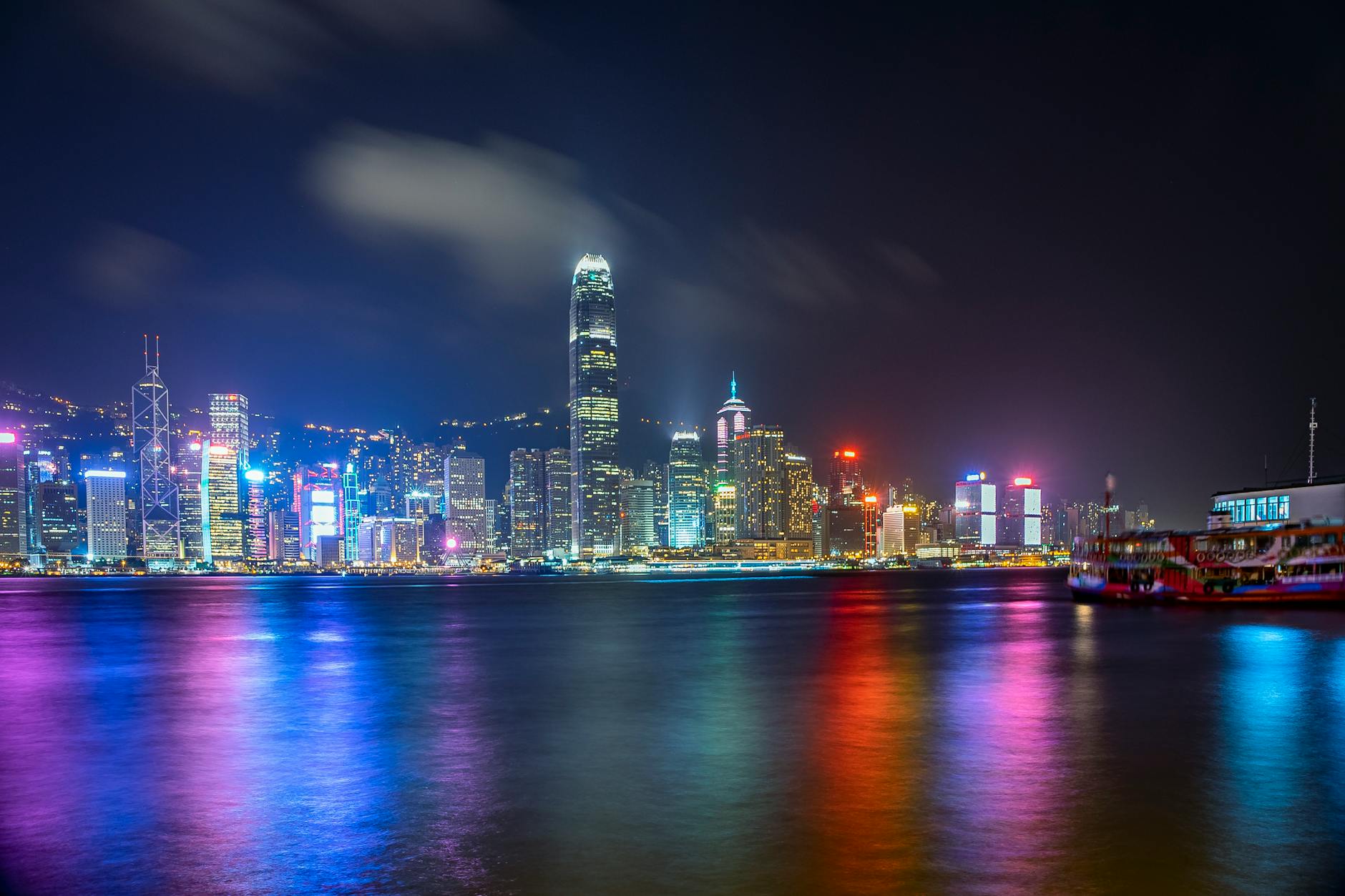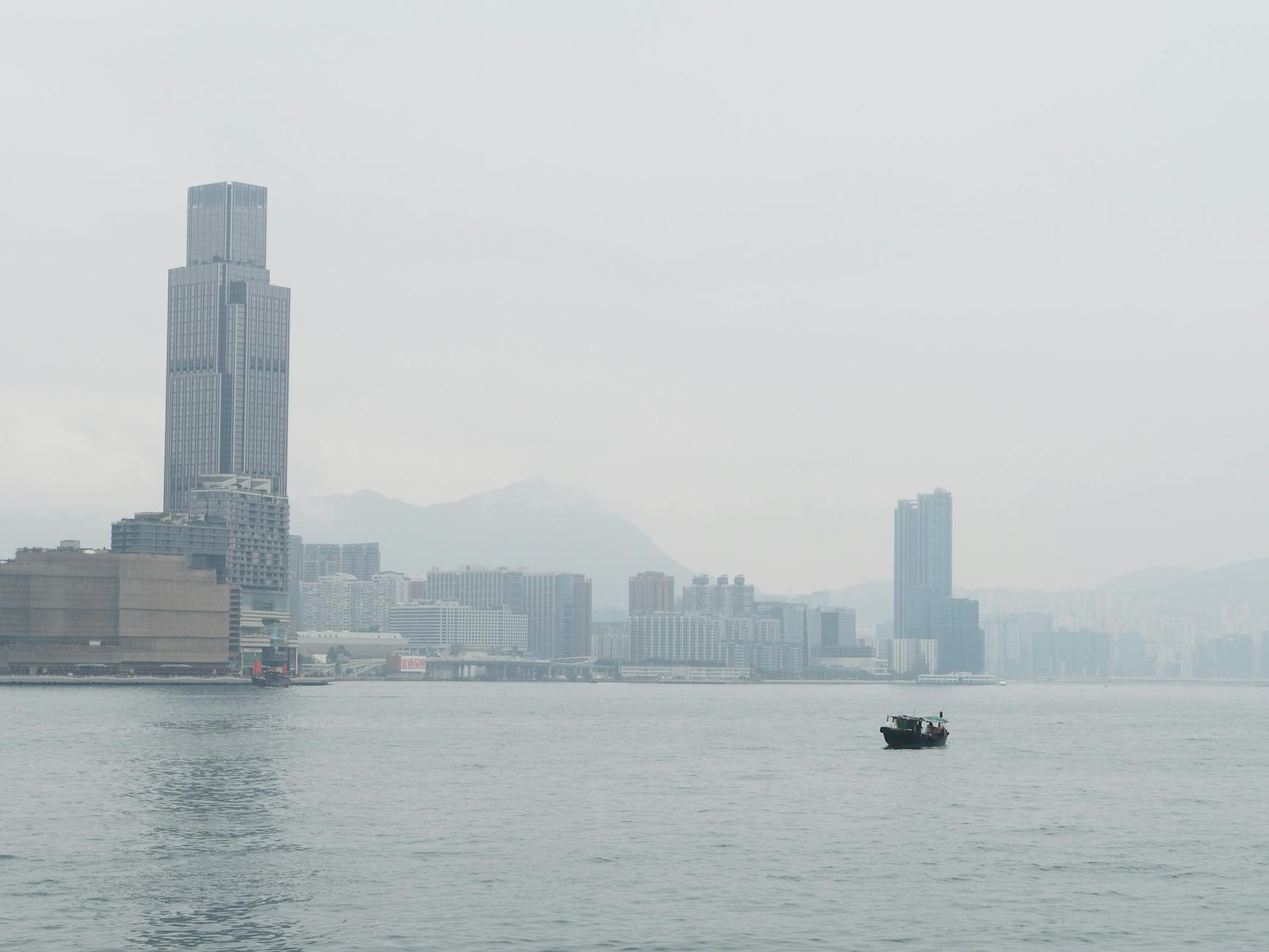
Tsim Sha Tsui can work well for a religious or pilgrimage traveler because it has strong transport, hotels, waterfront breathing room, Kowloon Mosque, nearby churches, restaurants, and easy links to sacred and cultural sites across Hong Kong. It can also disappoint if the traveler treats faith commitments as loose sightseeing and lets crowds, weather, meals, or cross-harbor travel absorb the time that should have been protected. A short faith-focused stay should begin with the actual obligations: services, prayer times, temple or church visits, dietary requirements, group leadership, modest dress, recovery, and the travel time between them. The best plan is not the busiest one. It is the one that keeps the religious purpose of the trip intact while still making Hong Kong manageable.
Confirm the faith itinerary before choosing the base
A religious or pilgrimage traveler should choose Tsim Sha Tsui only after mapping the actual worship, pilgrimage, service, meeting, and reflection commitments. Kowloon Mosque, St Andrew's Church, waterfront quiet time, nearby hotel chapels or meeting spaces, and cross-harbor links may make the district useful. Other commitments may pull the traveler toward Central, Lantau, the New Territories, or a different Kowloon base.
The base decision should be made around faith geography, not just the skyline. A hotel that looks convenient on a map can still create friction if it adds difficult transfers before early services or late group returns.
- Map worship locations, services, group meetings, sacred-site visits, meal needs, and return routes.
- Use Tsim Sha Tsui when Kowloon access, harbor crossings, and hotel concentration support the itinerary.
- Choose the base around religious commitments rather than views alone.
Treat sacred sites as commitments, not filler
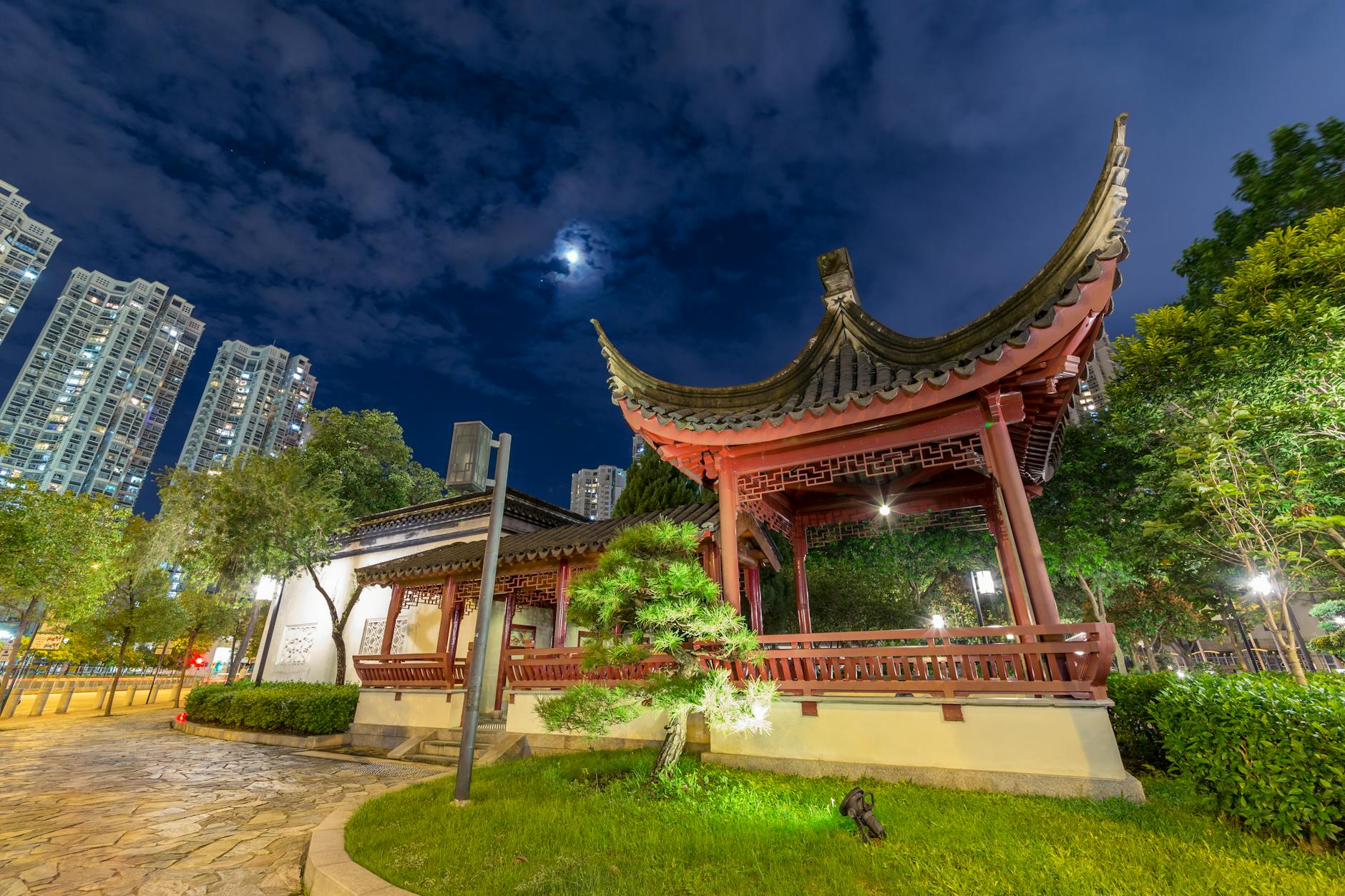
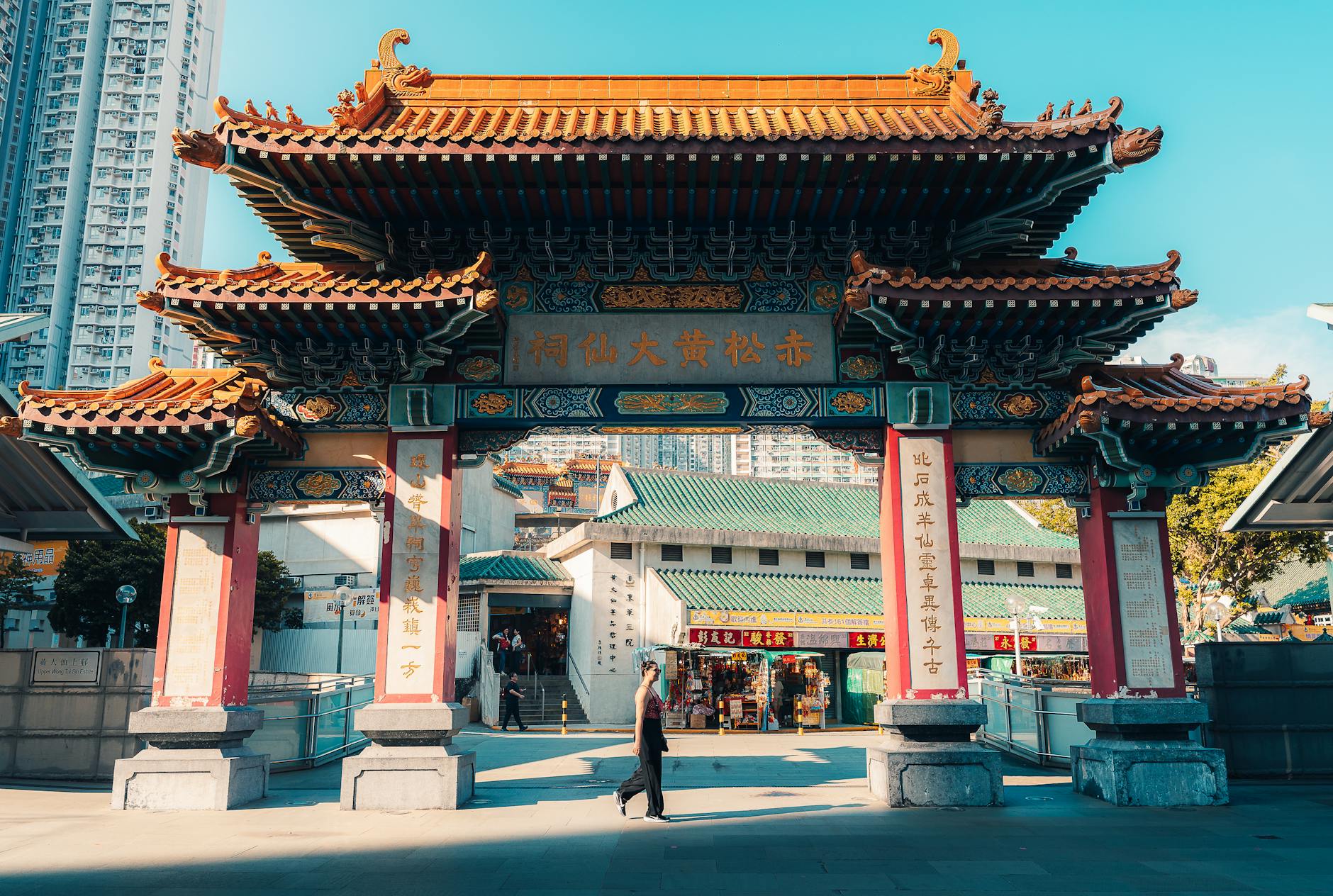
Hong Kong's sacred sites should not be handled like spare sightseeing blocks. Opening hours, service times, prayer times, dress expectations, photography rules, silence, offerings, group movement, and the needs of worshippers all matter. A traveler who wants the trip to retain meaning should protect time before and after important visits instead of rushing from one site to another.
Tsim Sha Tsui makes many movements easy, but easy movement can create a false sense of unlimited capacity. Sacred visits usually work better when they are fewer, better timed, and approached with more attention.
- Check opening hours, service times, prayer times, dress expectations, and photography limits.
- Leave time before and after important visits instead of stacking sacred sites too tightly.
- Respect worshippers, silence, offerings, and group movement at each site.
Plan food, fasting, and observance needs early
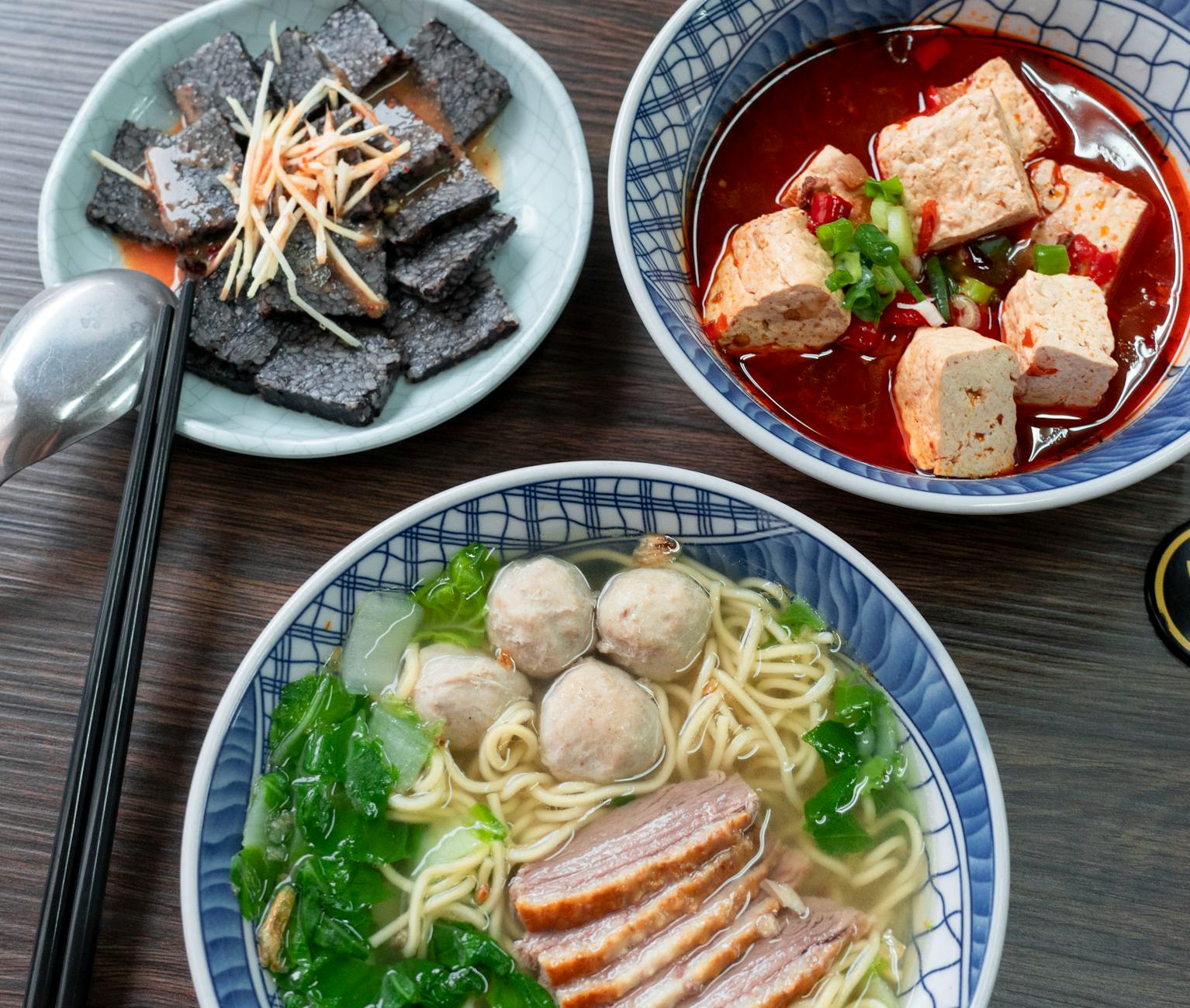
Food planning matters more for this traveler than for a standard visitor. Halal, vegetarian, kosher-style caution, fasting windows, alcohol avoidance, group meals, and modest restaurant settings can shape the day. Tsim Sha Tsui has many restaurants, but the traveler should identify suitable options near the hotel, worship locations, and evening return routes before arrival.
The plan should also include water, medication timing, breakfast access, and whether a hotel room or nearby cafe can support quiet observance. A short trip leaves little room for improvising every meal around faith practice.
- Identify halal, vegetarian, fasting-aware, alcohol-free, or group-friendly meal options in advance.
- Check food options near the hotel, worship sites, and evening return routes.
- Plan water, medication timing, breakfast access, and quiet observance needs.
Give cross-harbor travel real margin
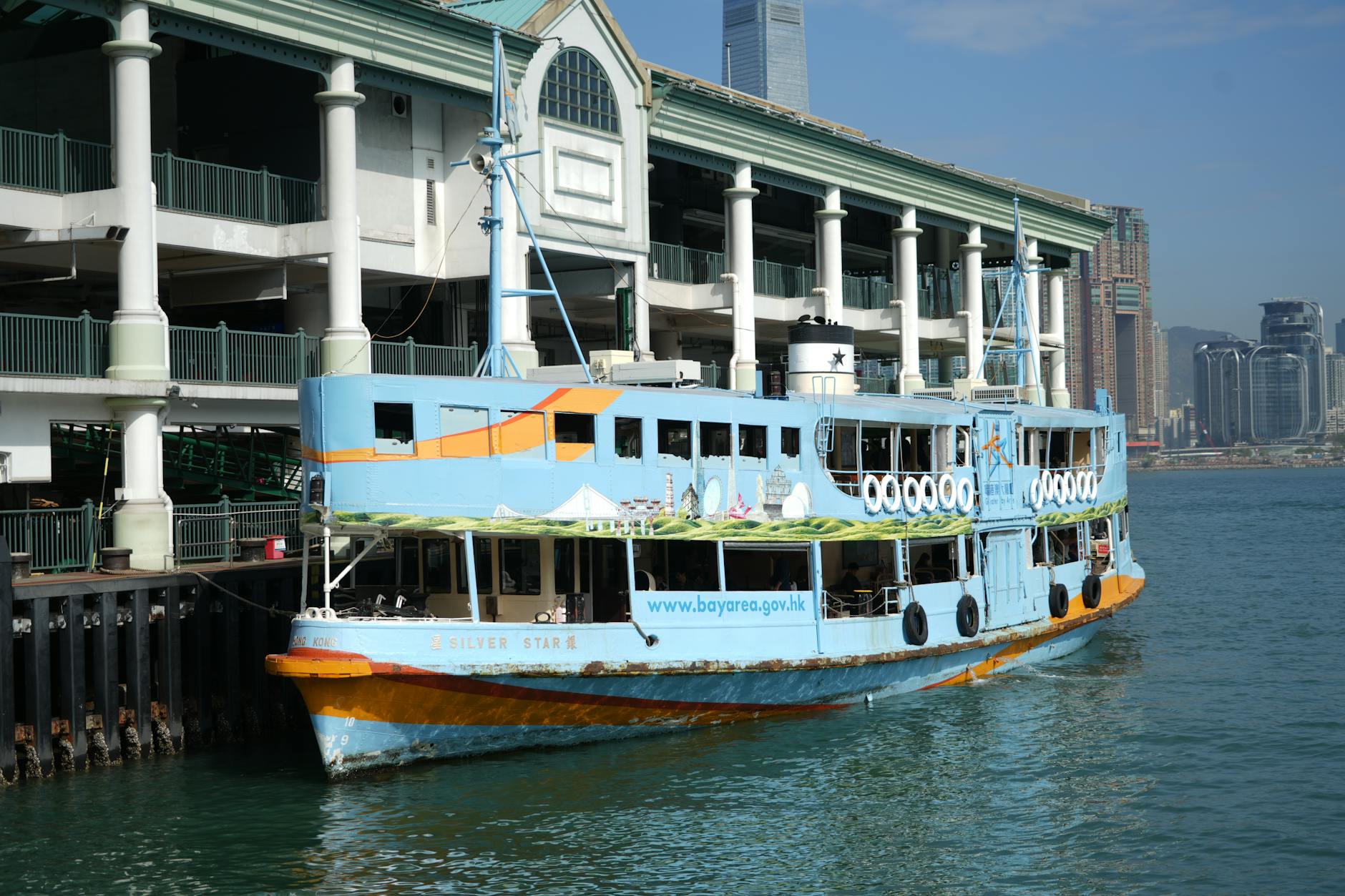
Tsim Sha Tsui is connected by MTR, Star Ferry, buses, taxis, and walking routes, but religious travel often has harder timing than leisure travel. A missed prayer time, late service arrival, or rushed group return can change the tone of the day. Weather, queues, station exits, crowds, and waterfront events can all slow movement.
The traveler should test the route to each meaningful commitment, including the return route after dark. The ferry can be beautiful, but the MTR or taxi may be the more dependable answer for some time-sensitive obligations.
- Plan MTR, ferry, taxi, and walking routes with realistic buffers.
- Check station exits, weather, crowds, waterfront events, and evening return routes.
- Use the most dependable route for time-sensitive services or prayers.
Choose lodging that supports quiet and schedule control
The hotel should support the religious purpose of the trip. Quiet rooms, reliable elevators, early breakfast, prayer or reflection space, nearby suitable food, laundry, easy taxi pickup, and a manageable walk to transit can matter more than a famous view. If the traveler is with a group, lobby space and meeting clarity also matter.
A nightlife-heavy or retail-heavy block may still be convenient, but the traveler should know what that means for noise, crowds, late returns, and personal composure. The right hotel helps the trip stay purposeful.
- Check quiet, breakfast timing, elevators, transit access, food options, laundry, and taxi pickup.
- For groups, verify meeting points, lobby capacity, room distribution, and leader communication.
- Avoid lodging where noise and crowd pressure undermine the trip's purpose.
Protect group discipline, documents, and recovery
Religious and pilgrimage travel often involves group rules, leader instructions, documents, donations, shared transport, or pastoral care. The traveler should keep passports, insurance, emergency contacts, local addresses, mobile power, payment backup, and group meeting details organized. This is especially important if the itinerary crosses districts or includes older travelers.
Recovery is also part of the plan. Heat, rain, dense streets, service length, standing time, and emotional intensity can make even a short trip tiring. Tsim Sha Tsui's waterfront can help, but recovery time has to be reserved.
- Keep documents, insurance, addresses, group contacts, payment backup, and mobile power organized.
- Respect leader instructions, meeting points, donation handling, and shared transport rules.
- Reserve recovery time after long services, dense routes, heat, rain, or emotional days.
When to order a short-term travel report
A religious traveler with one familiar service and arranged lodging may not need a custom Tsim Sha Tsui report. A report becomes useful when the trip includes multiple worship sites, a group, dietary constraints, older travelers, accessibility needs, cross-harbor movement, service timing, modesty concerns, or an uncertain hotel choice.
The report should test worship geography, hotel fit, meal planning, transport, timing, etiquette, weather, recovery, documents, budget, and what to cut. The value is a short Hong Kong trip that honors the religious purpose instead of letting logistics dominate it.
- Order when worship geography, group needs, diet, accessibility, timing, or lodging requires testing.
- Provide dates, faith commitments, service times, sites, hotel options, constraints, and budget.
- Use the report to protect the trip's religious purpose and practical flow.