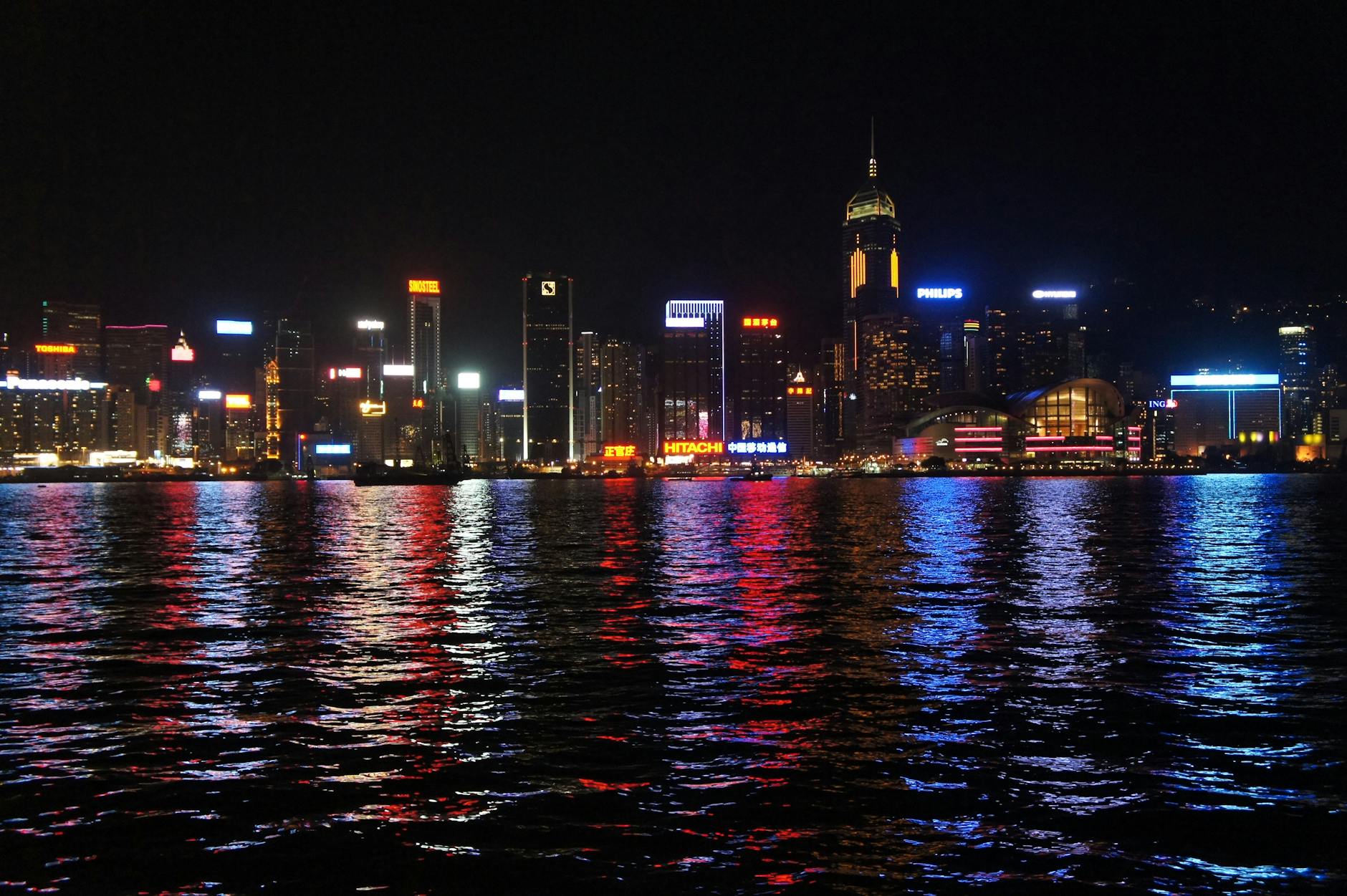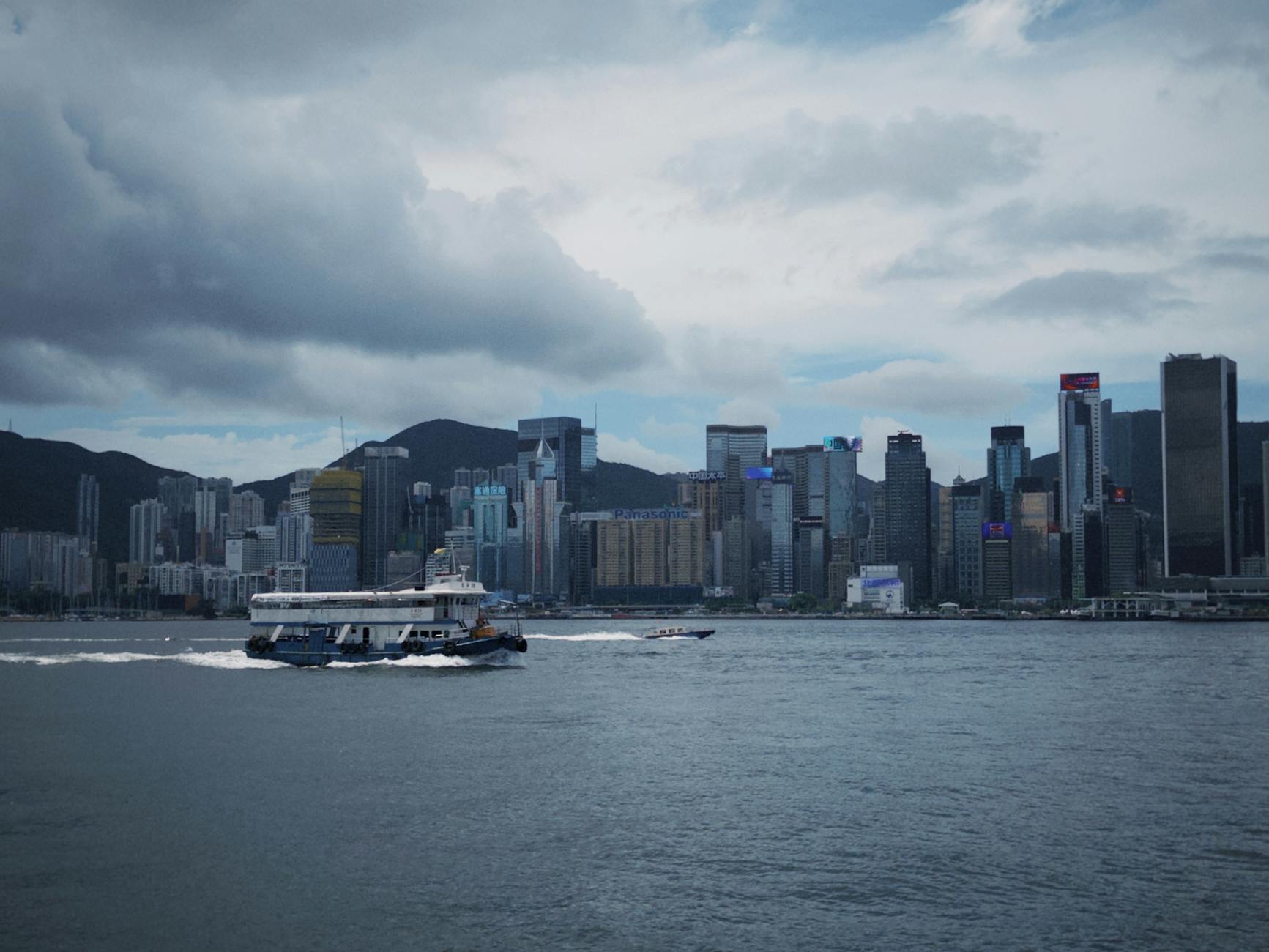
Tsim Sha Tsui can work very well for an older traveler because it offers harbor views, hotels, restaurants, museums, ferry access, taxis, and many activities close together. It can also be harder than it looks because sidewalks are busy, distances are deceptive, MTR exits vary, weather can be tiring, and scenic routes may not be the easiest routes. A short visit should be designed around comfort, access, rest, and useful choices. The goal is not to remove ambition from the trip. The goal is to make the best parts of Tsim Sha Tsui reachable without making every day depend on long walks or improvised transport.
Choose the hotel around access, not only view
Older travelers should treat hotel access as one of the most important decisions in Tsim Sha Tsui. A harbor view can be valuable, but entrance placement, taxi access, lifts, step-free routes, lobby seating, room quiet, bathroom design, breakfast access, and proximity to practical meals may matter more during a short stay.
The traveler should compare hotels by the hardest moments: airport arrival with luggage, returning after dinner, leaving in rain, reaching the MTR, and getting back to the room when tired. The right hotel can make the whole district feel easier.
- Check taxi access, lifts, entrances, step-free routes, lobby seating, bathroom design, and room quiet.
- Compare hotels by arrival, rainy exits, dinner returns, and tired end-of-day movement.
- Do not let a harbor view outrank daily comfort and access.
Measure walks realistically
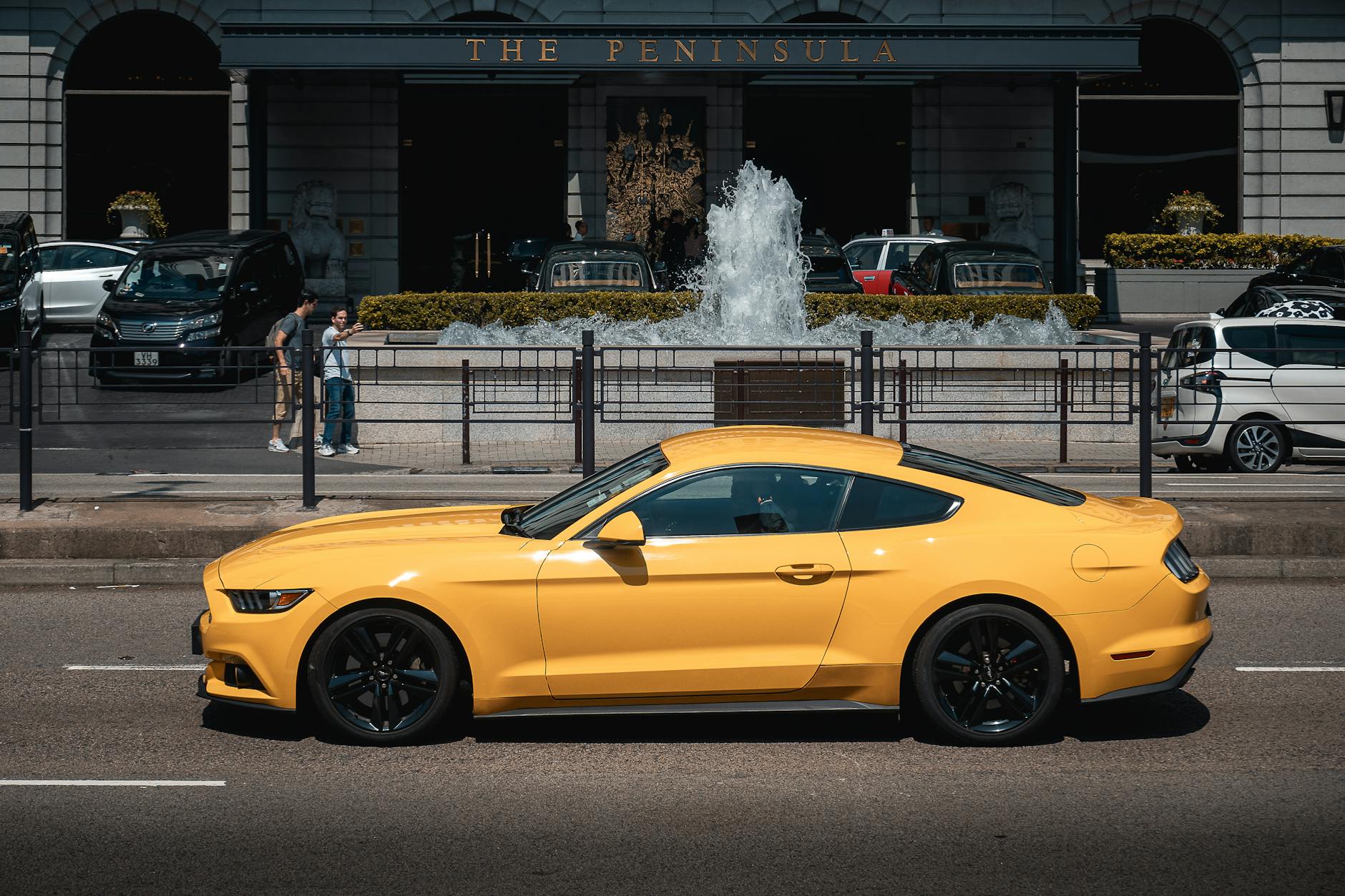
Tsim Sha Tsui maps can make walks look short, but older travelers should account for crossings, stairs, crowds, heat, rain, uneven surfaces, station corridors, and the distance between an MTR exit and the actual destination. A ten-minute map walk may feel very different with humidity, bags, or limited stamina.
A good plan should identify seated breaks, indoor routes, taxi points, waterfront benches, museum stops, mall links, and places to pause. The traveler can still enjoy the district, but the day should not depend on uninterrupted walking.
- Account for crossings, stairs, crowds, heat, rain, station corridors, and exit-to-door distance.
- Identify benches, indoor routes, museum stops, mall links, and taxi points before the day starts.
- Break routes into manageable segments rather than relying on one long walk.
Use transport by comfort as well as speed
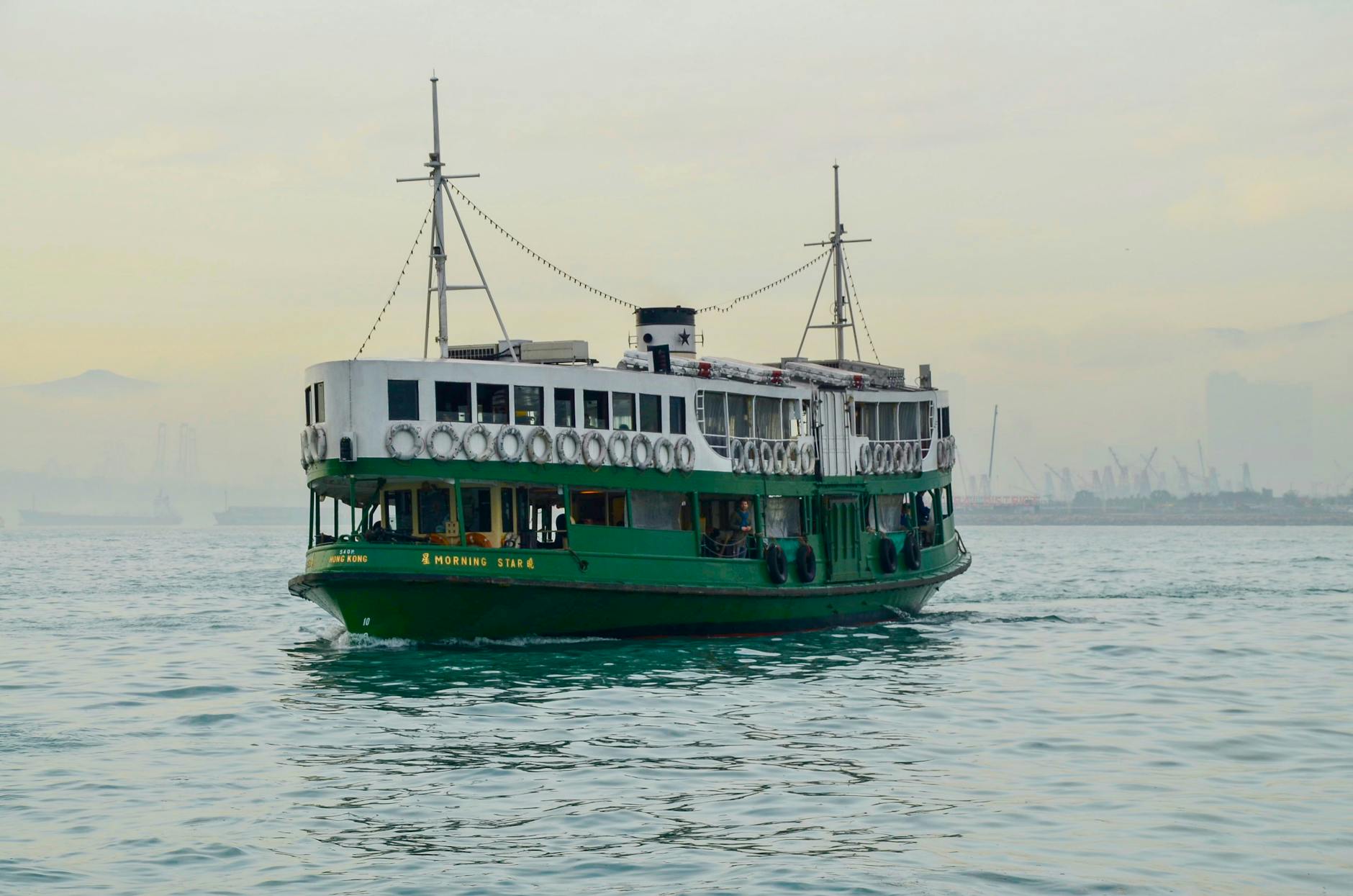
MTR, taxis, ferries, and hotel cars can all be useful for older travelers in Tsim Sha Tsui. The fastest route is not always the best route. Stairs, escalators, station crowds, long corridors, taxi queues, ferry ramps, rain, and late-evening fatigue can change the decision.
The traveler should decide which movements are worth doing by MTR, which are better by taxi, and which ferry crossings are mainly for enjoyment. A clear transport plan reduces stress, especially when returning from Hong Kong Island or moving after dinner.
- Choose MTR, taxi, ferry, or hotel car by comfort, stairs, crowds, weather, fatigue, and timing.
- Check accessible exits, taxi stands, pier distance, and return options before leaving the hotel.
- Use scenic ferry rides when they fit the day, not when they create strain.
Plan medical, medication, and heat needs
Older travelers should make health planning explicit before a short Hong Kong stay. Medication timing, prescriptions, travel insurance, nearby clinics, pharmacy access, hydration, meal timing, air conditioning, sleep, and a plan for heat or rain can make the difference between a comfortable trip and a tiring one.
Tsim Sha Tsui is not remote, but short trips leave little room for avoidable problems. The traveler should know where the nearest pharmacy is, how to contact the hotel desk, when to rest indoors, and which activities should be cut first if the day becomes too hot or tiring.
- Plan medication timing, prescriptions, insurance, pharmacy access, hydration, meals, and sleep.
- Know nearby support options and hotel contact procedures before they are needed.
- Identify which activities to cut first during heat, rain, fatigue, or illness.
Make meals easy to reach
Tsim Sha Tsui has many restaurants, but older travelers should not leave every meal to chance. Noise, seating comfort, stairs, queues, dietary needs, restroom access, payment, and distance from the hotel can matter more than a famous name. A good short trip should have convenient options near the hotel and a few special meals chosen carefully.
The traveler should also plan around meal timing. Long gaps, late dinners, and crowded restaurant periods can make the day harder. Reservations, early meals, hotel restaurants, and nearby casual options can all be sensible tools.
- Choose meals by seating, noise, stairs, restrooms, dietary needs, queues, payment, and distance.
- Keep reliable hotel-area options for tired evenings and bad weather.
- Use reservations or early meals when crowds would make dining harder.
Design each day with one main success
Older travelers can enjoy Tsim Sha Tsui more when each day has one main success rather than several competing goals. That might be a harbor morning, a museum visit, a Star Ferry crossing, a special meal, a Hong Kong Island outing, or an evening skyline view. Rest can be part of the design, not a sign that the plan failed.
The traveler should put the most important activity at the strongest time of day and keep alternatives nearby. If weather, fatigue, or crowds change the plan, the day can still work because the route has been built with flexibility.
- Set one main goal per day and place it at the traveler's strongest time.
- Keep nearby indoor alternatives, seating, meals, and taxi options available.
- Treat rest as part of the itinerary, not as wasted time.
When to order a short-term travel report
An older traveler with an accessible hotel, flexible dates, and local family support may not need a custom Tsim Sha Tsui report. A report becomes useful when the stay is short, hotel access is uncertain, walking tolerance is limited, the traveler has medical constraints, the route includes family members with different stamina, or the trip needs to balance comfort with meaningful sightseeing.
The report should test hotel access, step-free movement, walking distances, MTR and taxi choices, ferry practicality, meals, medical planning, weather, pacing, airport transfers, budget, and what to cut. The value is a short Tsim Sha Tsui stay that feels full without becoming physically punishing.
- Order when hotel access, walking tolerance, transport, medical needs, or pacing needs testing.
- Provide dates, hotel options, mobility details, medical constraints, priorities, flight times, and budget.
- Use the report to make Tsim Sha Tsui comfortable, selective, and worthwhile.