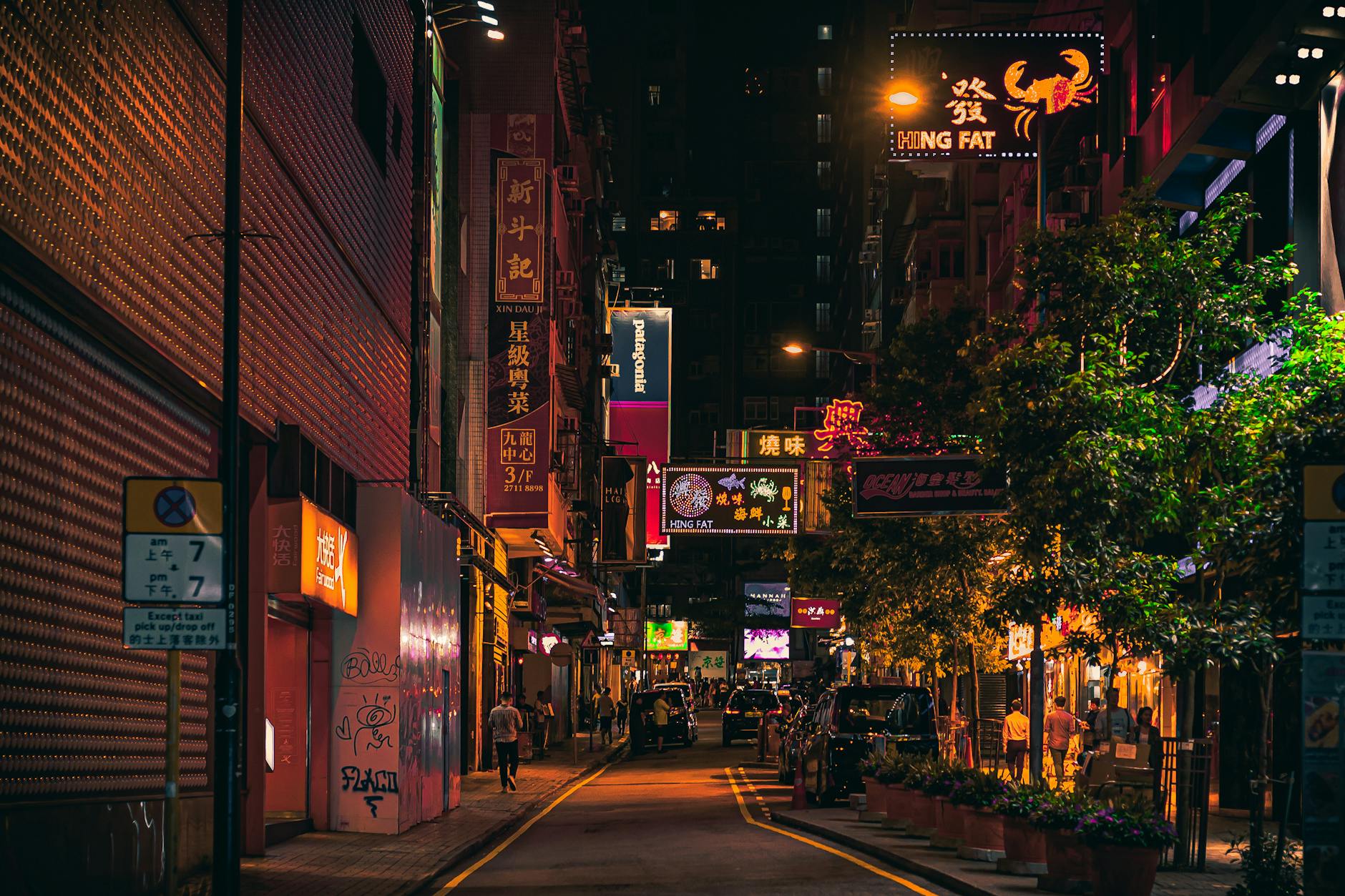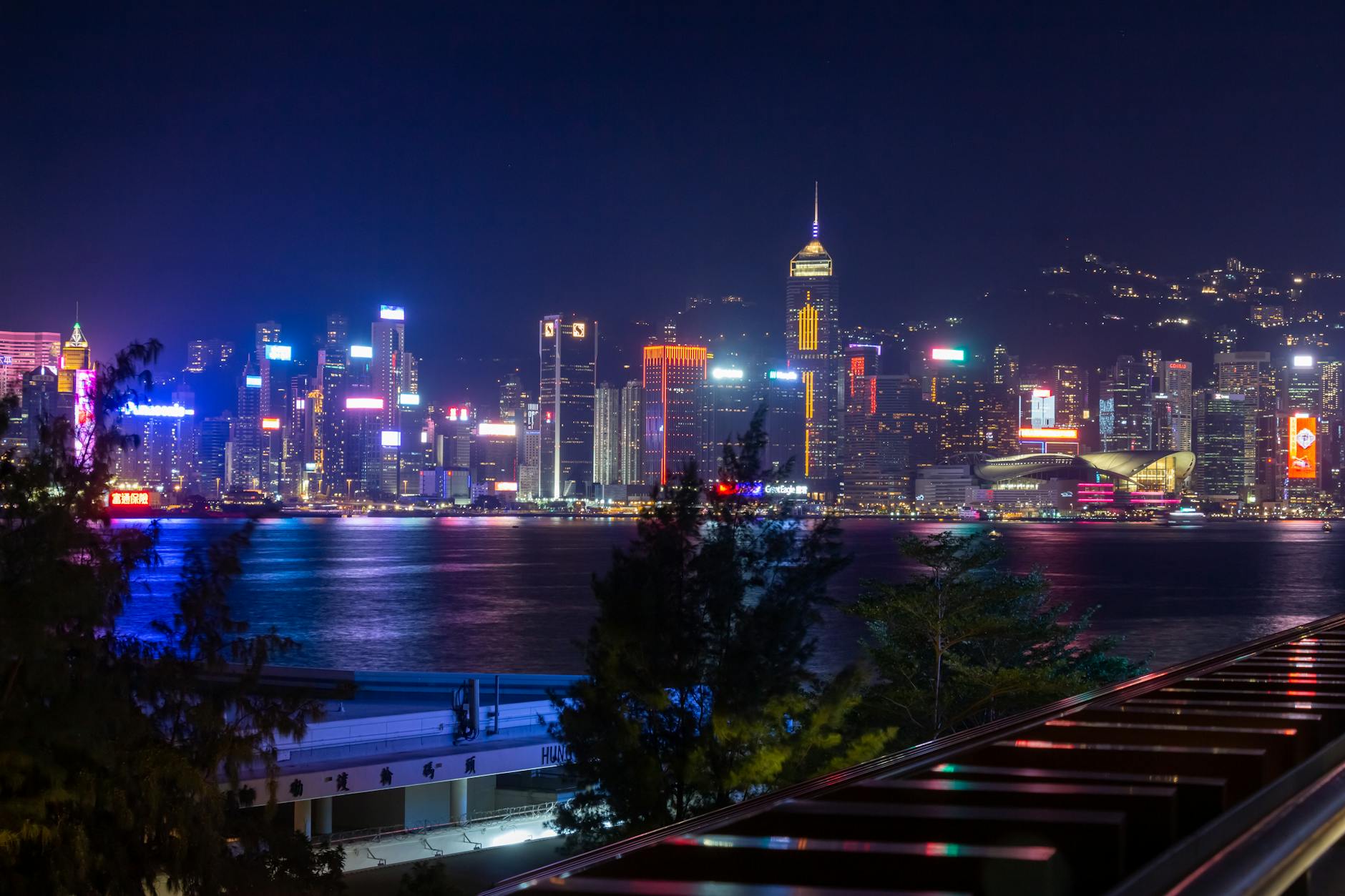
Tsim Sha Tsui can be a strong base for a nightlife-focused traveler because it offers skyline evenings, hotel bars, restaurants, late shopping streets, waterfront walks, and quick access to nightlife elsewhere in Hong Kong. It is also easy to misuse if the traveler assumes every late-night option has the same tone, cost, safety profile, or return route. A short nightlife trip should be designed around the kind of evenings the traveler actually wants: polished, social, food-led, view-led, casual, loud, or cross-harbor. The goal is not to stay out everywhere. It is to make each night deliberate enough that the next day still works.
Choose the nightlife style before choosing the hotel
A nightlife-focused traveler should not choose a Tsim Sha Tsui hotel only by price or view. The district can support polished hotel-bar evenings, food-led nights, waterfront walks, shopping-street energy, and easy cross-harbor movement. It can also put the traveler in a noisy or inconvenient block if the desired evening style is elsewhere.
The hotel should match the intended nights: late returns, taxi access, room quiet, breakfast flexibility, bar proximity, and the ability to recover. A famous address is not enough if it fights the actual evening plan.
- Define whether the trip is bar-led, food-led, view-led, casual, polished, or cross-harbor.
- Check hotel noise, late taxi access, room quiet, breakfast timing, and recovery fit.
- Choose lodging around the nights the traveler will actually have.
Understand that late-night Hong Kong is district-specific
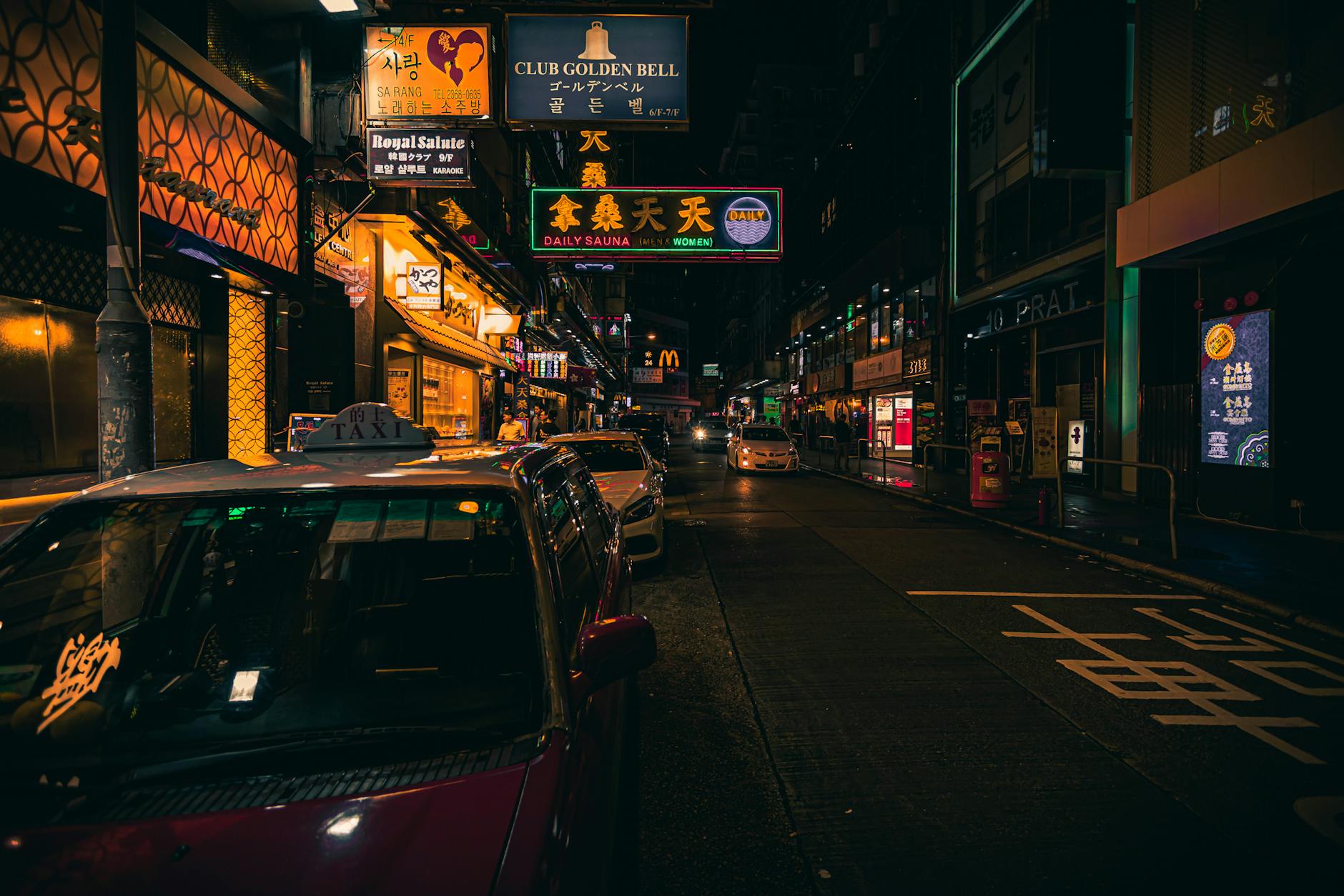
Tsim Sha Tsui after dark is not the same as Central, Lan Kwai Fong, Wan Chai, Causeway Bay, or hotel-heavy harbor nightlife. Each has a different tone, price level, transport pattern, and tolerance for spontaneity. The traveler should decide whether to stay in Kowloon, cross the harbor, or keep one night close to the hotel.
This matters because late movement can be the hidden cost of nightlife. The return plan should be known before the first drink, not discovered at the end of the night.
- Compare Tsim Sha Tsui, Central, Wan Chai, Causeway Bay, and hotel nightlife by tone and cost.
- Decide in advance which nights stay in Kowloon and which cross the harbor.
- Set the late return route before the evening starts.
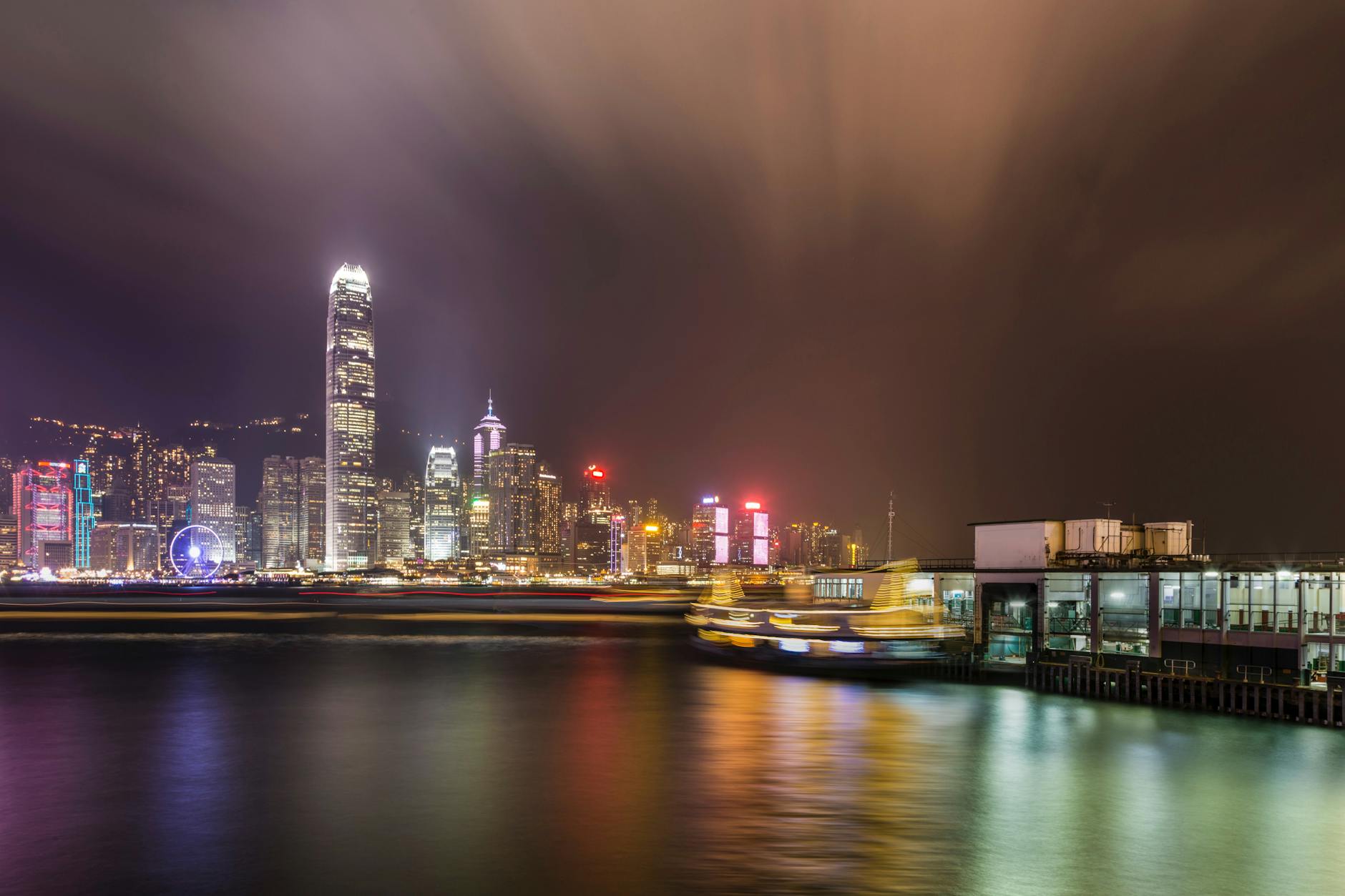
Use the waterfront as more than a photo stop
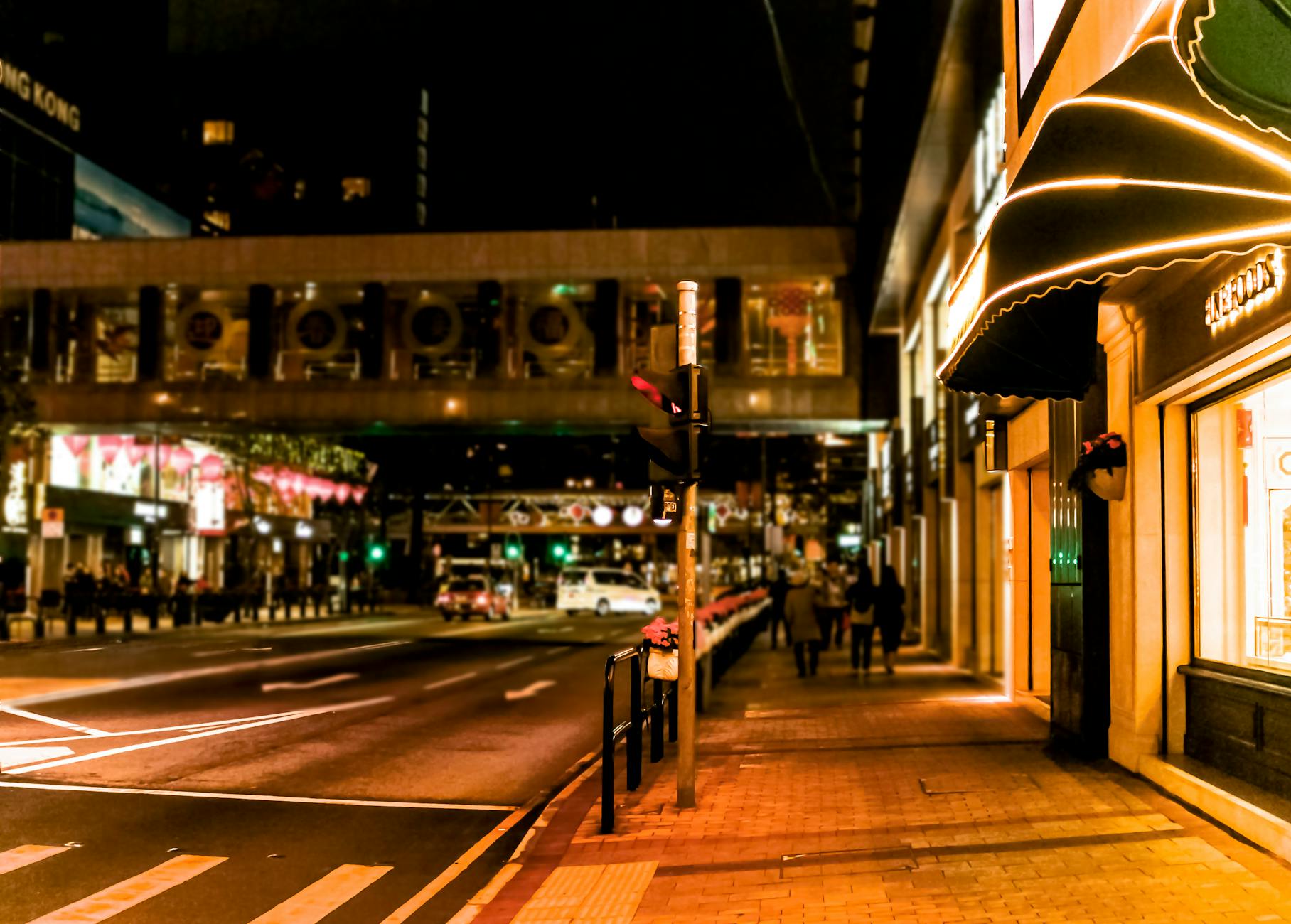
The Tsim Sha Tsui waterfront can anchor a good night without becoming the entire night. It can work before dinner, between venues, after a hotel bar, or as a lower-pressure evening when the traveler wants Hong Kong after dark without committing to a loud district. The skyline has value when it is timed well.
The traveler should plan waterfront movement around crowds, weather, special events, ferry timing, and the hotel return. A night walk is better when it is part of the evening's structure.
- Use the waterfront before dinner, between venues, after drinks, or on a lighter evening.
- Check crowds, weather, ferry timing, events, and hotel return routes.
- Treat skyline time as planned pacing, not just a photo errand.
Plan late transport with sober precision
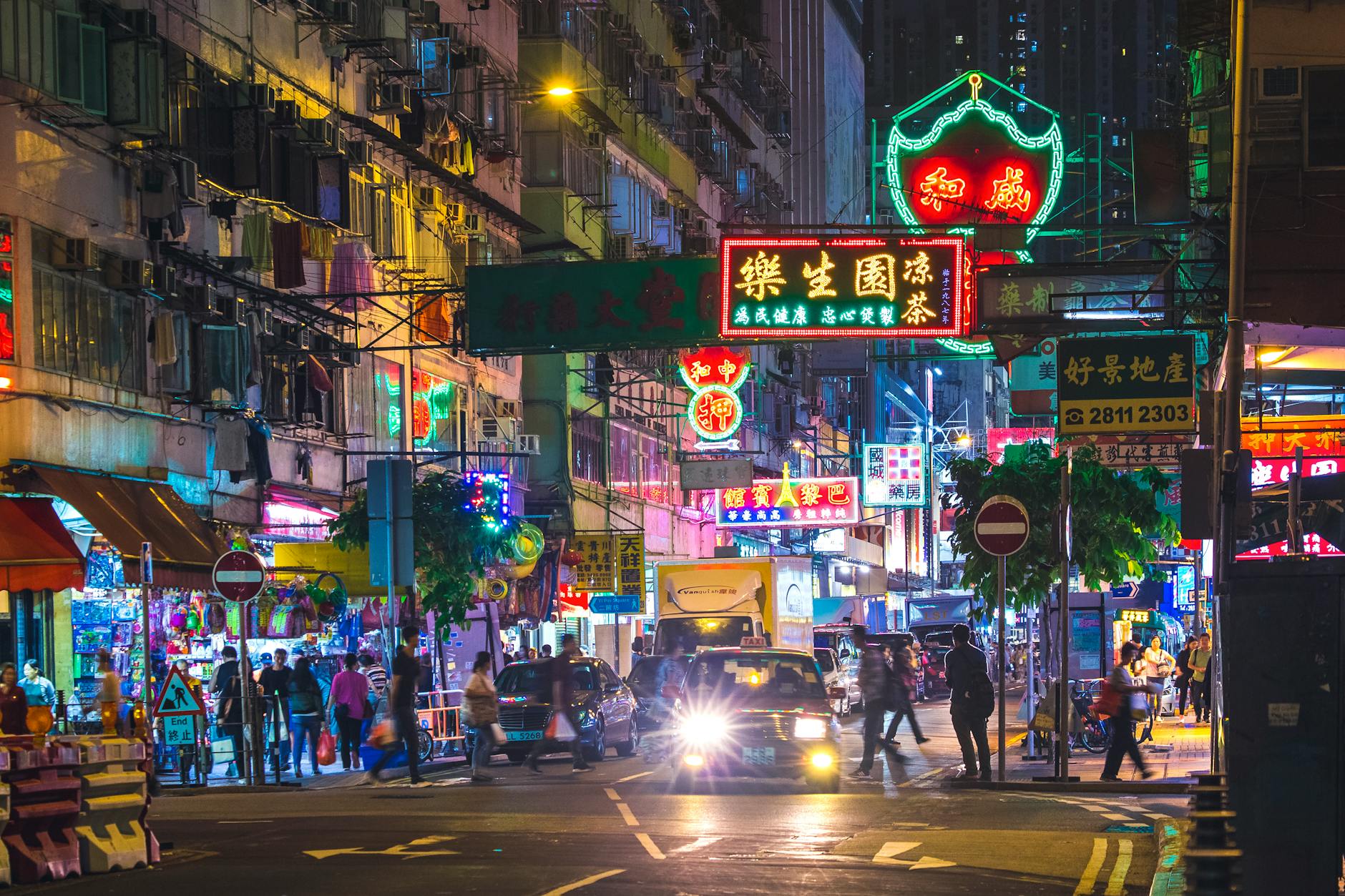
Nightlife travelers should be practical about late MTR timing, taxis, ferries, ride-hailing expectations, walking routes, and hotel access. The route that feels easy at 8 p.m. may feel different after midnight, in rain, in dress shoes, or after several venues. A short trip should not lose energy to avoidable late-night confusion.
The traveler should save hotel addresses in English and Chinese where useful, carry payment backup, and know when a taxi is worth it. Late transport planning is part of nightlife, not separate from it.
- Check late MTR timing, taxis, ferries, walking routes, weather, and hotel access.
- Save the hotel address, keep payment backup, and choose taxi points before the night starts.
- Do not rely on a complex return route after several venues.
Make food part of the night, not an afterthought
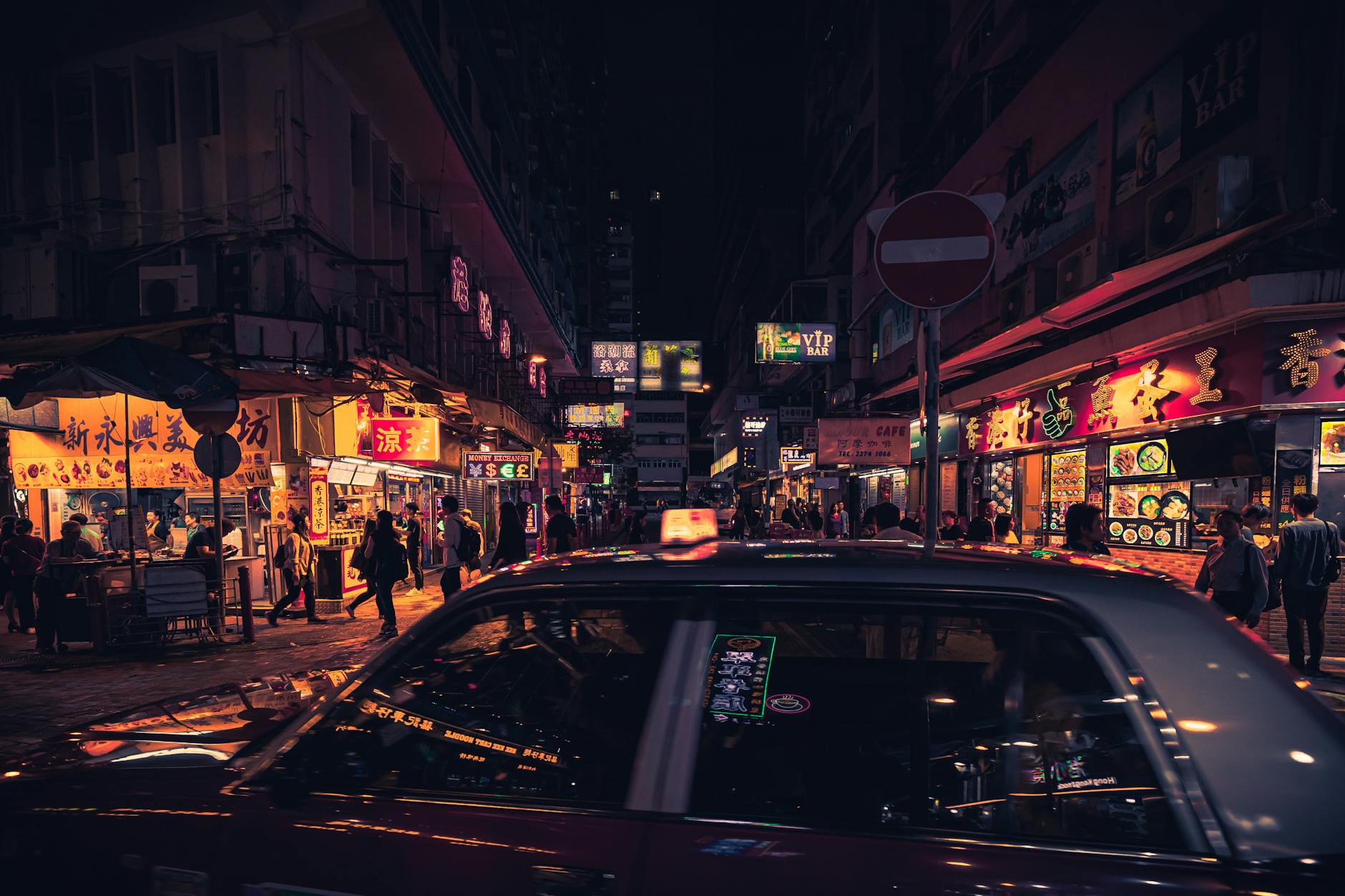
Tsim Sha Tsui is strong for restaurant-led evenings, but nightlife travelers often let food become a rushed prelude or a late problem. Reservation timing, cuisine choice, noise level, dress code, budget, alcohol tolerance, and proximity to later venues all matter. A good dinner can be the structure that makes the whole night work.
The traveler should also know the difference between a serious meal, a casual stop, and a recovery option near the hotel. Food planning is especially important when jet lag, heat, or next-day commitments are in play.
- Plan dinner by timing, reservation needs, noise, dress, budget, and later venue proximity.
- Separate serious meals, casual stops, and recovery food near the hotel.
- Use food to pace alcohol, jet lag, heat, and next-day obligations.
Protect safety, budget, and the next morning
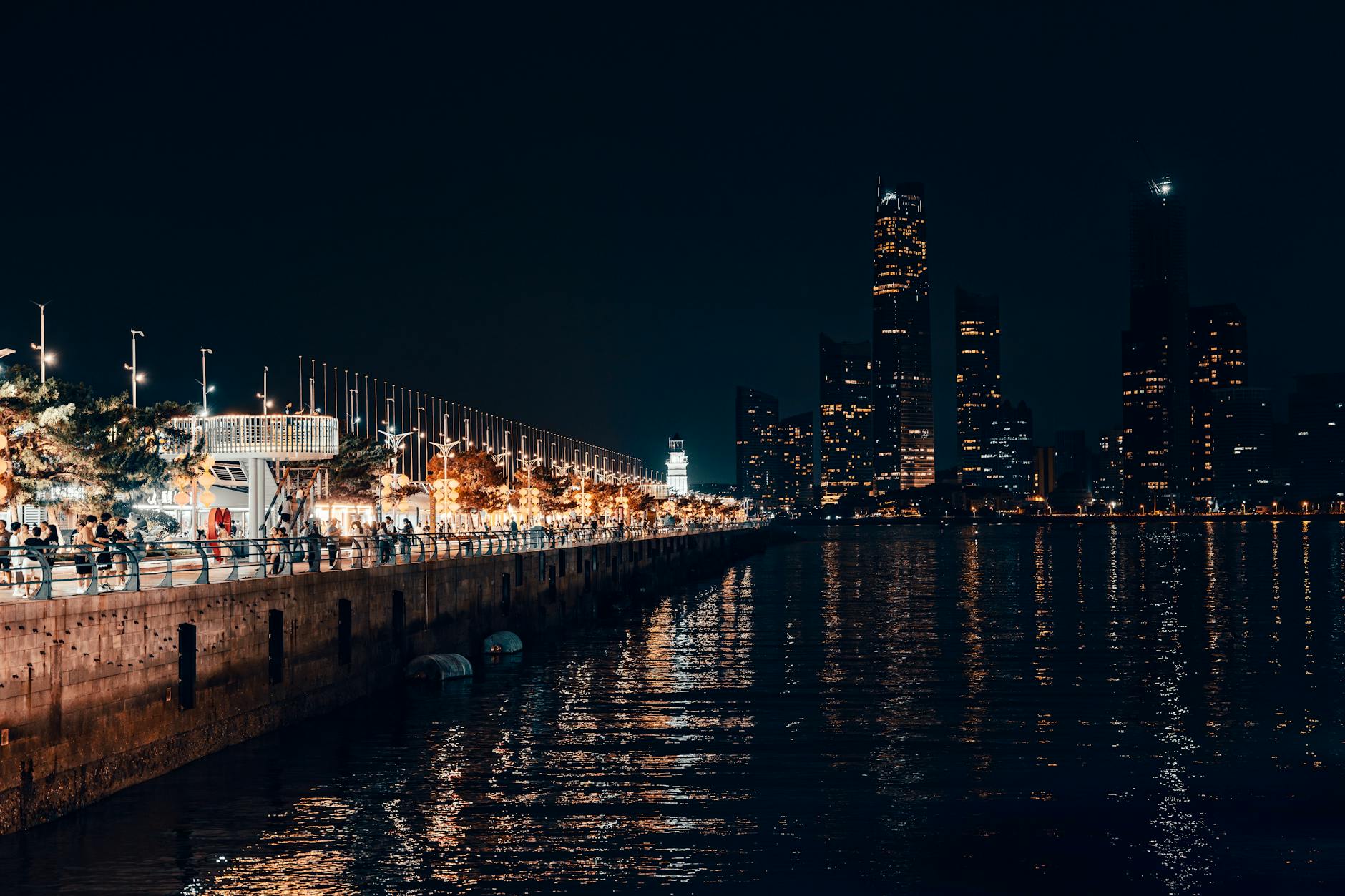
A nightlife-focused trip still needs boundaries. The traveler should plan spending limits, card backup, phone battery, hotel return, personal safety, group check-ins, and how much the next morning matters. Hong Kong can make late nights feel easy, but that does not remove the need for judgment.
Noise and sleep should be part of the decision too. A traveler who books the wrong room or stacks every night too aggressively can lose the daytime value of the trip.
- Set spending limits, payment backup, phone power, return routes, and group check-ins.
- Match each night to the importance of the next morning.
- Choose room quiet and sleep protection as part of the nightlife plan.
When to order a short-term travel report
A nightlife traveler with one flexible dinner may not need a custom Tsim Sha Tsui report. A report becomes useful when the trip has multiple nights, mixed district plans, hotel uncertainty, budget limits, safety concerns, late transport questions, restaurant requirements, dress expectations, or daytime commitments that cannot be sacrificed.
The report should test hotel fit, district tone, dinner and bar sequencing, late transport, safety, budget, recovery, weather, next-day plans, and what to cut. The value is a short Hong Kong nightlife trip that feels sharp rather than improvised.
- Order when hotel choice, district mix, late transport, safety, budget, or reservations need testing.
- Provide dates, hotel options, nightlife style, venue preferences, constraints, and budget.
- Use the report to make each night deliberate without damaging the next day.